作者: admin

  • Anna Murdoch-Mann, mother of News Corp heir, dies aged 81

    Anna Murdoch-Mann, mother of News Corp heir, dies aged 81

    Anna Murdoch-Mann, the esteemed journalist and former spouse of media magnate Rupert Murdoch, has passed away at age 81. Her death on February 17th at her Palm Beach residence marked the conclusion of an extraordinary life journey that spanned continents and encompassed remarkable professional achievements.

    Born Anna Torv in Glasgow and raised within the Catholic faith, she relocated to Australia at nine years old. Following her parents’ separation, she remarkably assumed responsibility for raising her younger siblings—an early demonstration of the resilience that would characterize her life.

    Her journalistic career at Sydney’s Daily Telegraph and Daily Mirror newspapers brought her into contact with Rupert Murdoch, commencing a 31-year marriage described by Murdoch’s New York Post as an ‘active partnership’ in building the News Corp empire. The Australian newspaper noted that Murdoch ‘never made a major business decision without her input.’

    During their marriage, Murdoch-Mann balanced corporate responsibilities with literary pursuits, authoring several novels including the 1988 publication ‘Family Business,’ which explored multi-generational media dynasties—a subject she knew intimately.

    The couple’s life together included dramatic chapters, notably the 1969 abduction and murder of Muriel McKay in Hertfordshire, England—a case of mistaken identity where kidnappers targeted McKay believing she was Murdoch-Mann.

    Their 1999 divorce resulted in one of history’s most substantial settlements at $1.7 billion. Seventeen days later, Rupert Murdoch married his third wife, Wendi Deng.

    In a post-divorce interview with Australian Women’s Weekly, Murdoch-Mann presciently observed that succession planning for Murdoch’s media empire would create ‘heartbreak and hardship,’ adding that her children faced ‘pressure that they needn’t have had at their age.’ These dynamics later inspired the television series ‘Succession’ and culminated in her son Lachlan assuming control of the news conglomerate.

    Beyond her corporate and literary accomplishments, Murdoch-Mann distinguished herself as a dedicated philanthropist, serving on the boards of children’s hospitals in Los Angeles and Haiti. In 1998, Pope John Paul II recognized her humanitarian work by appointing her a Dame of the Order of St Gregory.

    She is survived by her third husband, Ashton dePeyster, along with ten grandchildren and one great-grandchild. Her legacy endures through her children Elisabeth, James, and Lachlan Murdoch, and stepdaughter Prudence.
  • UK to consider removing Andrew from royal succession line, official says

    UK to consider removing Andrew from royal succession line, official says

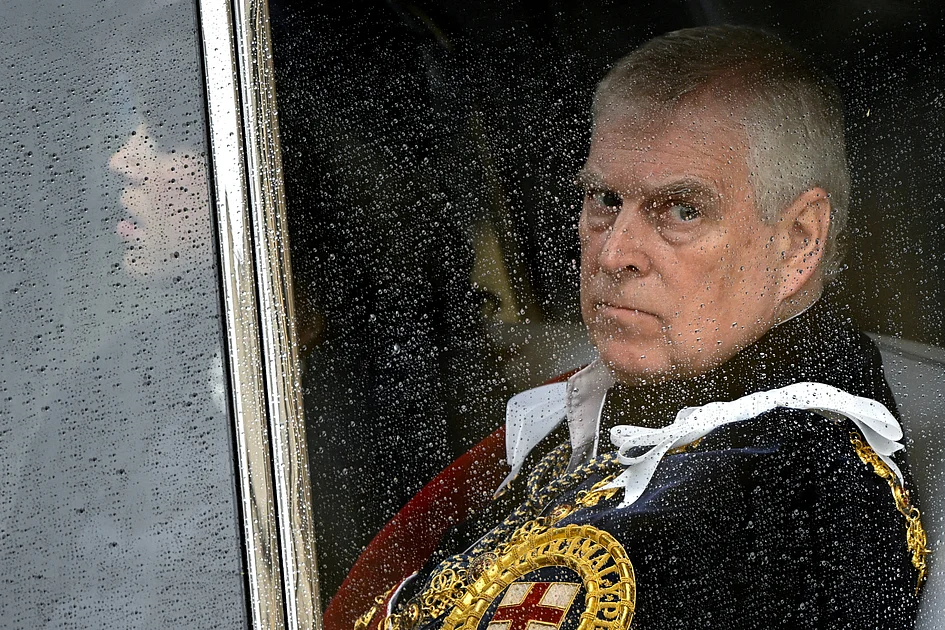
    The British government is preparing to initiate unprecedented constitutional proceedings that could permanently remove Prince Andrew from the royal line of succession, according to an official statement released on Friday. This extraordinary measure, which would represent one of the most significant modifications to royal succession protocols in modern history, awaits the conclusion of the ongoing police investigation into the Duke of York’s associations with convicted sex offender Jeffrey Epstein.

    A senior UK official, speaking on condition of anonymity, revealed that legislative action would be contemplated once law enforcement authorities complete their examination of Andrew’s connections to the disgraced financier. The potential removal of a direct heir to the throne requires navigating complex constitutional channels, including obtaining consensus from all Commonwealth realms where King Charles III serves as head of state.

    This development marks a dramatic escalation in the royal crisis surrounding Prince Andrew, whose public standing has deteriorated substantially since his association with Epstein became subject to criminal investigation. The proposed legislative measure underscores the seriousness with which the government approaches the allegations and their potential impact on the monarchy’s integrity.

    The constitutional process involves intricate diplomatic coordination across multiple sovereign nations, including Australia, Canada, and New Zealand, all of which must ratify any alterations to the established line of succession. This multinational requirement reflects the complex nature of the Commonwealth’s shared constitutional monarchy system.

    The government’s consideration of this extraordinary step demonstrates the increasing pressure on the royal institution to address the controversies surrounding Prince Andrew’s conduct and associations. While the palace has previously distanced itself from the Duke’s activities, this potential constitutional action represents an unprecedented formal response to the ongoing scandal.

  • ‘Board of Peace’ debut sparks fears for Gaza’s future

    ‘Board of Peace’ debut sparks fears for Gaza’s future

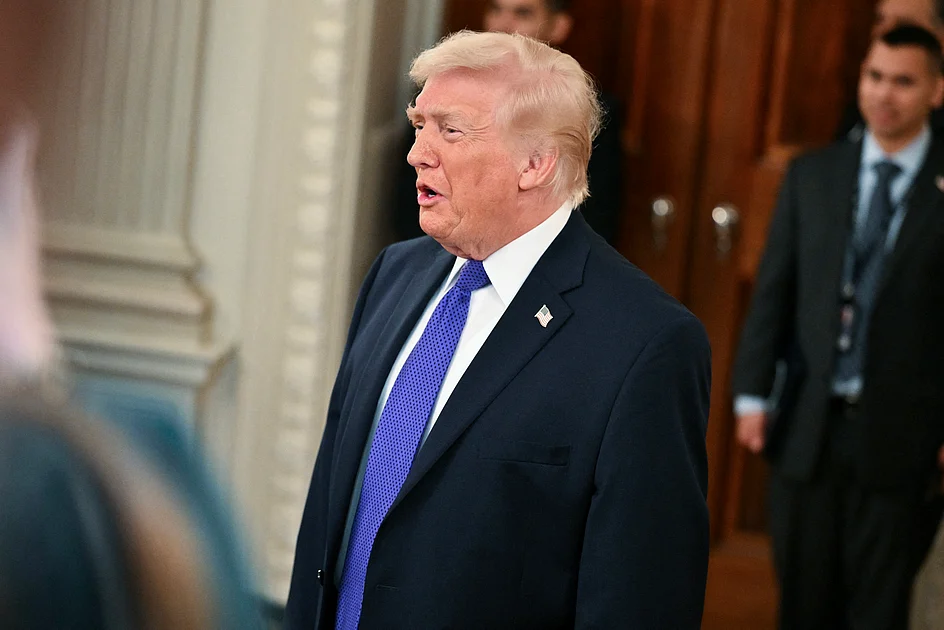
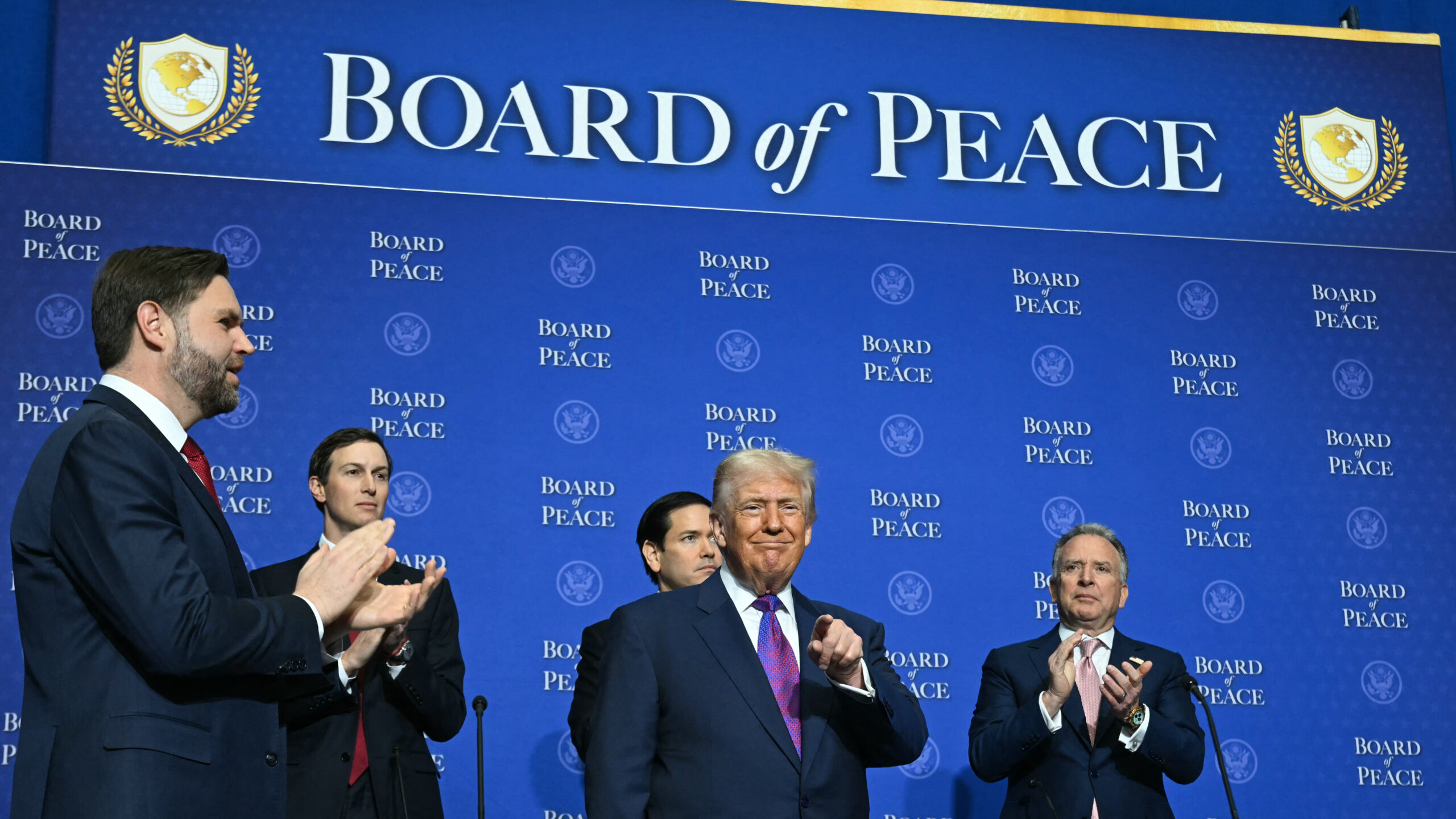
    The inaugural session of the Trump-proposed Board of Peace for Gaza convened Thursday at the newly renamed Donald J Trump Institute for Peace in Washington DC, generating immediate controversy across multiple fronts. President Trump, designated as the board’s lifetime chairman, presided over a meeting that outlined a $7 billion commitment from nine nations toward Gaza relief efforts and revealed plans for a controversial $10 billion allocation of U.S. taxpayer funds for the board’s broader operations.

    Bulgarian diplomat Nickolay Mladenov, appointed to oversee Gaza’s demilitarization, reported that police recruitment with 2,000 Palestinian enlistments was already underway, emphasizing that reconstruction would not commence until Hamas was fully disarmed. The proceedings were immediately met with fierce criticism from lawmakers and social media users who questioned the legality of allocating federal funds without Congressional approval.

    The meeting featured several controversial moments, including Jared Kushner’s assertion that no participants would “personally” profit from Gaza’s reconstruction—a statement many observers found deliberately misleading given Kushner’s unofficial role as a government volunteer. Billionaire Apollo Global Management CEO Marc Rowan raised additional concerns by quantifying Gaza’s coastline as “$50 billion of value alone” that needed “unlocking and financing.”

    International reactions drew particular scrutiny, with Pakistan’s Prime Minister Shehbaz Sharif labeling Trump the “saviour of South Asia” and Kazakhstan’s president presenting an award to Trump—gestures critics described as “beyond parody” and emblematic of a servile diplomatic culture. The absence of any mention of “Gaza” or “Palestinian” in the board’s charter, combined with the seating of Palestinian representative Ali Shaath without an identified title, further fueled accusations that the initiative disregarded Palestinian interests.

    Palestinian journalist Motasem Dalloul, reporting from Gaza, condemned the proceedings as primarily benefiting Israel while ignoring essential issues like ending the siege, allowing entry of food and medicine, and conducting reconstruction without “blackmail.” The meeting’s peculiarities—including Trump briefly falling asleep during speeches and the YMCA song playing during a group photo—added surreal elements to what many critics characterized as a potentially unlawful appropriation of public funds for private interests.

  • Catch of the day: Pictures from spectacular Nigerian fishing festival

    Catch of the day: Pictures from spectacular Nigerian fishing festival

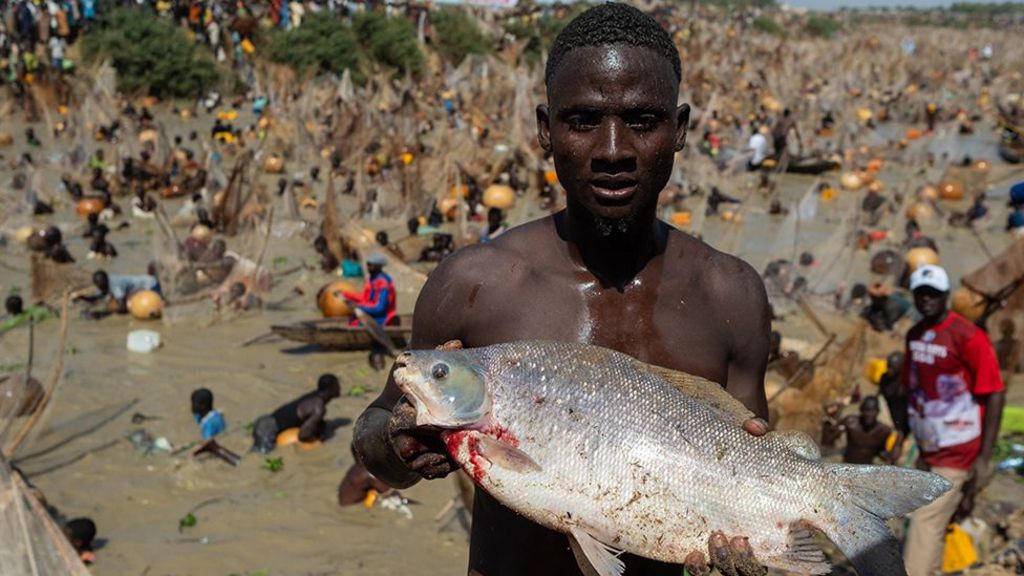
    Northern Nigeria witnessed the spectacular revival of its renowned Argungu International Fishing and Cultural Festival last weekend, marking the event’s triumphant return following a six-year suspension due to pandemic restrictions and security challenges. Tens of thousands of participants and spectators gathered along the banks of the Matan Fada River in Kebbi State, where the ancient fishing competition resumed with unprecedented enthusiasm.

    The festival commenced with traditional ceremonies presided over by the Sarkin Ruwan (Custodian of the River), who performed sacred rituals to bless the waters and participants. Drummers from the Kabawa ethnic group established the rhythmic backdrop as fishermen positioned themselves along the riverbanks, their nets poised for the signal to begin.

    This year’s event gained particular significance with the attendance of President Bola Tinubu, highlighting the government’s endorsement of cultural preservation and regional stability. The main fishing competition saw participants plunging into the river with large gourds serving as both buoyancy aids and containers for their catch. Fishermen navigated chest-deep waters, dragging nets along the riverbed in pursuit of the largest specimens.

    The competition culminated in an extraordinary catch—a massive croaker fish weighing 59 kilograms (130 pounds) secured by the grand prize winner, who received two automobiles and 1 million naira (approximately $740) in prize money. Judges meticulously weighed and verified each catch on traditional scales, with numerous other substantial fish being presented throughout the competition.

    Beyond the primary fishing event, the four-day festival featured diverse cultural activities including traditional archery, dambe (a indigenous combat sport where fighters wrap rope around their striking hand), wild duck-catching competitions, and bare-handed fishing demonstrations by younger participants. The event also showcased vibrant musical performances that echoed throughout the celebration grounds.

    With historical roots extending back a century, the Argungu Festival formally began in 1934 as a peace-building initiative between the Kebbi Kingdom and Sokoto Caliphate. UNESCO has recognized the festival as an intangible cultural heritage event, attracting international visitors from neighboring countries and beyond. Local organizers emphasized the festival’s role in promoting cross-cultural understanding and celebrating northern Nigeria’s rich traditions.

  • Canada looks to trade talks after US Supreme Court tosses Trump’s tariffs

    Canada looks to trade talks after US Supreme Court tosses Trump’s tariffs

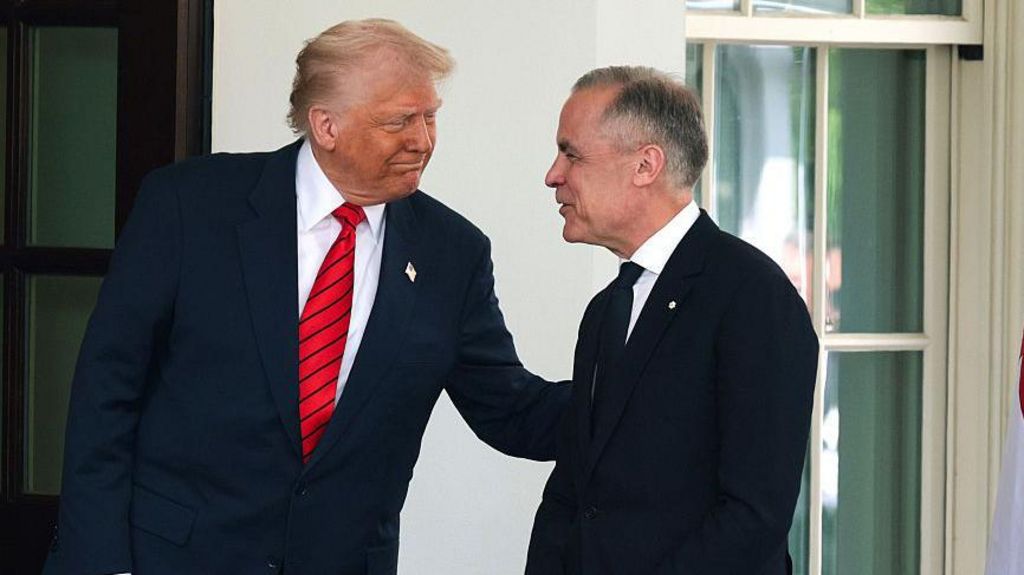
    Canada’s restrained celebration following the US Supreme Court’s invalidation of Donald Trump’s global tariffs underscores the complex trade challenges that persist between the two nations. While the court’s ruling nullified the controversial “fentanyl” tariffs imposed on Canada, China, and Mexico, Canadian Trade Minister Dominic LeBlanc acknowledged that significant hurdles remain in bilateral trade relations.

    The Supreme Court’s decision, striking down tariffs implemented under the International Emergency Economic Powers Act (IEEPA), provided limited practical relief for Canadian exporters. Approximately 85% of trade previously subject to these tariffs already enjoyed exemption status under the USMCA framework. The White House has confirmed that these exemptions will continue under Trump’s new 10% global tariff structure set to take effect imminently.

    Attention now shifts to the forthcoming USMCA review, a critical juncture for North American trade encompassing a market of over 500 million people. All three signatory nations must decide by July 1st whether to extend the agreement originally negotiated during Trump’s first presidential term. The Trump administration has demonstrated lukewarm enthusiasm for trilateral renewal, with officials suggesting preference for separate bilateral agreements with Canada and Mexico.

    Trade tensions continue to simmer as US Trade Representative Jamieson Greer characterized negotiations with Canada as “more challenging” than with Mexico, citing persistent trade barriers including restrictions on American wine and spirits sales. Additional friction points include Canadian dairy import regulations and the Online Streaming Act, which mandates American media companies to financially support Canadian content.

    Amid this uncertainty, Canadian business leaders emphasize the necessity of predictable, rules-based trade. Dennis Darby of Canadian Manufacturers & Exporters stressed the importance of a successful USMCA renewal that would eliminate recurring trade disruptions. Concurrently, Canada continues its strategic diversification efforts, seeking to expand non-US export markets with an ambitious goal of doubling such exports by 2035.

  • US Supreme court rules against Trump tariffs; what does it mean for businesses?

    US Supreme court rules against Trump tariffs; what does it mean for businesses?

    In a landmark decision with profound implications for global commerce, the U.S. Supreme Court has invalidated the Trump administration’s use of emergency powers to impose sweeping import tariffs. The ruling determined that the 1977 International Emergency Economic Powers Act did not provide legal authority for the broad tariff regime implemented by the former president.

    This judicial reversal triggers a complex refund mechanism that could return more than $175 billion to thousands of American businesses that paid tariffs under the contested program. According to economists from the Penn-Wharton Budget Model, companies across consumer goods, automotive, manufacturing, and apparel sectors—particularly those reliant on global supply chains—now face strategic decisions regarding pursuit of reimbursement claims.

    The immediate market response saw stock markets in both the United States and Europe rally, with luxury brands and import-dependent companies experiencing significant gains. Shares of LVMH, Hermès, and Moncler all climbed following the announcement.

    Legal experts caution that the refund process will be administratively complex and time-consuming. More than 1,800 tariff-related lawsuits have already been filed with the U.S. Court of International Trade since April—a dramatic increase from fewer than two dozen cases throughout 2024. Prominent plaintiffs include subsidiaries of Toyota, Costco, Goodyear Tire & Rubber, Alcoa, Kawasaki Motors, and EssilorLuxottica.

    Despite this victory for free trade advocates, uncertainty persists within the business community. Trump administration officials have indicated they will pursue alternative legal authorities to implement tariffs, including statutes addressing unfair trade practices and national security concerns. Fitch Ratings’ head of U.S. economics, Olu Sonola, noted that “the odds that tariffs reappear in a revised form remain meaningful,” creating ongoing operational and legal challenges.

    The ruling highlights how approximately 90% of tariff costs were ultimately borne by American consumers and companies, according to Federal Reserve Bank of New York research, contradicting administration claims that foreign entities absorbed the financial impact.

    Many businesses, anticipating a protracted refund process, have already begun selling their rights to future refunds to external investors at discounted rates. Meanwhile, companies like German logistics firm DHL are developing technological solutions to streamline potential reimbursement procedures for their clients.

  • How photography helped the British empire classify India

    How photography helped the British empire classify India

    A groundbreaking exhibition titled ‘Typecasting: Photographing the Peoples of India, 1855-1920’ at Delhi’s DAG art gallery unveils nearly 200 rare photographs that reveal how the British Empire weaponized photography as a tool for social classification during colonial rule. Curated by historian Sudeshna Guha, the comprehensive display spans 65 years of visual anthropology that transformed India’s fluid social realities into fixed, knowable categories for colonial administration.

    The exhibition centers on folios from ‘The People of India,’ the influential eight-volume photographic survey published between 1868-1875, while expanding to include works by pioneering photographers including Samuel Bourne, Lala Deen Dayal, John Burke, and studio Shepherd & Robertson. These practitioners developed a visual language that both documented and actively shaped perceptions of Indian society through their lenses.

    Geographic diversity emerges as a central theme, with images ranging from Lepcha and Bhutia communities in the northeast to Afridis in the northwest, and from Todas in the Nilgiris to Parsi and Gujarati elites in western India. The colonial gaze particularly focused on those occupying society’s lower rungs—dancing girls, agricultural laborers, barbers, and snake charmers—transforming ordinary labor into ethnographic subjects.

    Women feature prominently throughout the collection, as seen in Edward Taurines’ 1890 image of Bombay women carrying cow dung cakes, deliberately repositioned outdoors from their typical domestic settings. Another striking portrait by Felix Morin captures both the ethnographic scrutiny and formal elegance characteristic of early photography.

    The exhibition also includes photographs from regions beyond direct British control, such as Sikkim, Bhutan, and Tibet, alongside images documenting Indian diaspora communities in Singapore and the Malay Peninsula. According to DAG CEO Ashish Anand, ‘This material tells the history of ethnographic photography and its effect on British administration and Indian population in a project which in size and depth has never before been seen in India.’

  • Arteta wants Arsenal to ‘live in the present’ before crucial trip to Tottenham

    Arteta wants Arsenal to ‘live in the present’ before crucial trip to Tottenham

    Arsenal manager Mikel Arteta has issued a rallying cry for his squad to maintain absolute focus on the present moment as they prepare for a critical North London Derby against Tottenham Hotspur. This high-stakes encounter comes at a precarious time for the Premier League leaders, whose championship ambitions have been dented by consecutive draws against Brentford and Wolverhampton Wanderers.

    The Gunners’ recent stumble has significantly tightened the title race, with second-placed Manchester City now trailing by just five points while holding an additional game in hand. Arsenal’s away form presents additional concerns, with just one victory secured in their last four league matches on the road.

    Addressing journalists during Friday’s press conference, Arteta emphasized the necessity of confronting current challenges rather than dwelling on past accomplishments. “We operate under a very clear directive—we must live in the present,” stated the Spanish tactician. “While our previous achievements are commendable, our attention must remain fixed on the immediate task. We’ve positioned ourselves exactly where we desired across all competitions, but substantial work remains ahead.”

    The midweek fixture against bottom-side Wolves proved particularly disappointing as Arsenal conceded a late equalizer. Arteta characterized the result as a “system shock” but confirmed his players’ determination to respond positively. Supporters have remained steadfast in their backing, and the squad is eager to channel their frustration into Sunday’s derby clash.

    Potential reinforcements could arrive with the anticipated returns of forward Kai Havertz and playmaker Martin Ødegaard. Meanwhile, Tottenham approach the match under new leadership following the recent appointment of manager Igor Tudor, who brings fresh tactical approaches despite the team’s winless league streak since December.

    Arteta confirmed comprehensive preparation for Tudor’s potential systems: “We’ve analyzed his complete managerial history across various clubs and formations, assessing how Tottenham’s available players might fit into his philosophy. Our adaptability will be crucial, but ultimately our concentration remains fixed on executing our game plan to secure victory.”

  • Saudi health authority summons medic for viral video with ‘misleading claims’

    Saudi health authority summons medic for viral video with ‘misleading claims’

    Saudi Arabia’s Ministry of Health has initiated disciplinary proceedings against a medical professional following the viral dissemination of a video containing dangerously misleading information about cholesterol medications. The controversial video, which circulated extensively across social media platforms, contained unsubstantiated claims regarding statin drugs that prompted numerous patients to abruptly discontinue their prescribed treatments without medical consultation.

    The health authority confirmed it has formally summoned the physician responsible for the content to provide an official statement regarding the circulated misinformation. The ministry emphasized that the unauthorized cessation of statin medications exposes patients to significant health risks, particularly those with existing cardiovascular conditions requiring consistent pharmaceutical management.

    In an official statement, the ministry reiterated that all medical decisions must be made exclusively under proper physician supervision rather than based on unverified social media content. The regulatory body further warned that legal measures will be enforced against any individual found to be distributing misleading medical information or violating established healthcare profession ethics.

    This incident represents the latest in Saudi Arabia’s ongoing efforts to combat medical misinformation online, following recent actions against individuals spreading false information about criminal cases and inciting public opinion through digital channels. The ministry’s prompt response demonstrates the government’s commitment to maintaining evidence-based medical practices and protecting public health from potentially dangerous misinformation.

  • These shy, scaly anteaters are the most trafficked mammals in the world

    These shy, scaly anteaters are the most trafficked mammals in the world

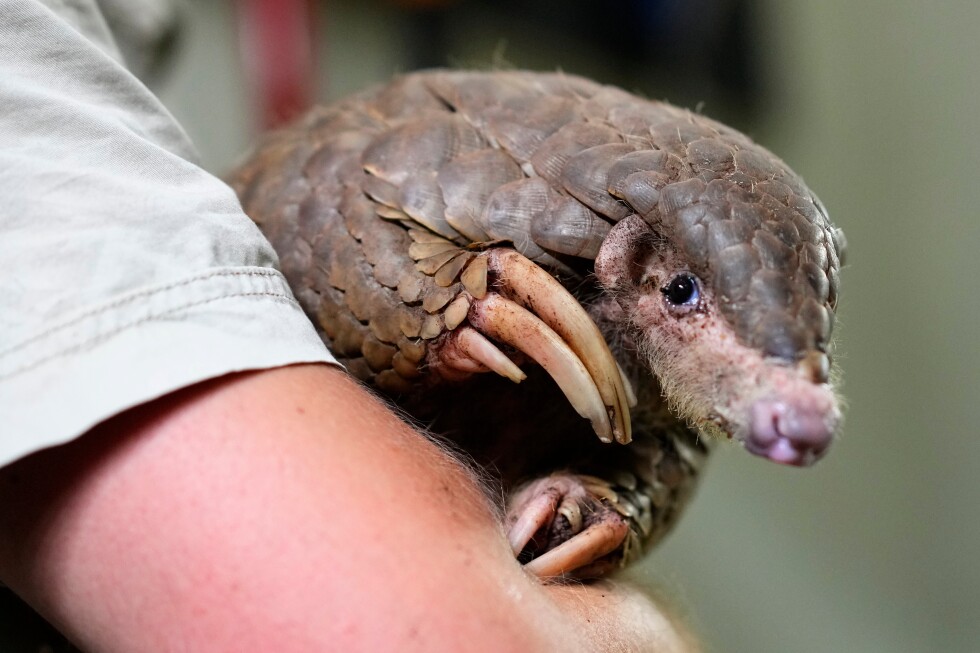
    CAPE TOWN, South Africa — On World Pangolin Day, conservationists are sounding the alarm about the critical endangerment of pangolins, the distinctive scaly anteaters native to Africa and Asia that have earned the grim distinction of being the planet’s most trafficked mammals.

    According to a recent CITES (Convention on International Trade in Endangered Species) report, these unique creatures surpass all other mammals in illegal wildlife trade metrics. Between 2016 and 2024, authorities intercepted over half a million pangolins in anti-trafficking operations worldwide. The World Wildlife Fund estimates that more than one million pangolins were removed from their natural habitats during the past decade, including countless undetected cases.

    The trafficking surge is primarily driven by high demand for pangolin scales in Asian markets, particularly China, where they are ground into traditional medicine despite lacking scientific validation for therapeutic properties. These scales consist of keratin—the same protein found in human hair and nails—yet command exorbitant prices due to unfounded beliefs about curing various ailments. While pangolin meat is considered a delicacy in some regions, the scale trade remains the primary economic motivator for poachers.

    Of the eight known pangolin species (four African, four Asian), all face severe extinction threats classified as high to extremely high. Their remarkable biological defenses—including overlapping keratin scales that form impenetrable armor when rolled into a ball—prove ineffective against human predation. Unlike charismatic megafauna such as elephants or tigers, pangolins lack widespread conservation recognition despite their ecological uniqueness, including tongues that extend nearly their entire body length to capture insects.

    Although some reports suggest reduced trafficking since the COVID-19 pandemic, conservationists warn that poaching continues at alarming rates across Africa. Nigeria has emerged as a global trafficking hotspot, prompting wildlife veterinarian Dr. Mark Ofua to establish rescue operations and a pangolin orphanage in Lagos. Through youth education programs and celebrity engagement initiatives, Ofua aims to raise awareness about these critically endangered mammals, noting that many Nigerians cannot even identify native pangolin species—a fundamental barrier to effective conservation.