作者: admin

  • Supreme Court decision against Trump’s tariffs raises uncertainty, but markets stay calm

    Supreme Court decision against Trump’s tariffs raises uncertainty, but markets stay calm

    BANGKOK (AP) — A landmark ruling by the U.S. Supreme Court against former President Donald Trump’s tariff regime has sent ripples across the global economic landscape, triggering cautious responses from major trading partners and creating fresh uncertainty in international markets.

    The court’s decision, delivered Friday, invalidates sweeping tariffs imposed under the International Emergency Economic Powers Act (IEEPA) in April 2025. This judicial intervention potentially unravels complex trade arrangements negotiated over the past two years, forcing a comprehensive reassessment of U.S. trade policy direction.

    China’s Commerce Ministry announced it is conducting a “thorough evaluation” of the legal development. An unnamed ministry spokesperson reiterated Beijing’s consistent position that “there are no winners in trade wars,” emphasizing that Trump’s measures “not only violate international economic and trade rules but also contravene domestic laws of the United States.” The statement urged Washington to lift unilateral tariffs imposed on trading partners.

    In response to the judicial setback, Trump proposed implementing a new 15% global tariff utilizing Section 122 of the 1974 Trade Act, demonstrating his administration’s determination to maintain protectionist trade policies through alternative legal mechanisms.

    The ruling creates a divergent impact across U.S. trading partners. While Asian nations like China and South Korea potentially face reduced import duties, allies including Japan and the United Kingdom might confront increased tariffs under the new proposed structure.

    U.S. Trade Representative Jamieson Greer affirmed that existing trade agreements remain intact regardless of legal challenges. “The deals were not premised on whether or not the emergency tariff litigation would rise or fall,” Greer stated during a CBS News interview, noting that no trading partners had yet attempted to withdraw from agreements.

    South Korean Trade Minister Kim Jung-kwan expressed concerns about prolonged uncertainty if the administration continues implementing tariffs through alternative statutes. “Given the uncertainty over future U.S. tariff measures, the public and private sectors must work together to strengthen our companies’ export competitiveness and diversify their markets,” Kim noted, adding that Seoul would pursue “amicable” discussions with U.S. officials to minimize negative impacts on Korean exporters.

    U.S. Treasury Secretary Scott Bessent projected confidence that tariff revenues would remain stable despite the legal shift, pointing to the proposed 15% global tariff as replacement mechanism. The administration will defer to judicial authorities regarding potential refunds for import taxes already collected under the invalidated tariffs.

    Financial markets exhibited mixed reactions, with U.S. futures declining early Monday while Asian shares mostly advanced. Hong Kong’s Hang Seng index gained 2.4%, reflecting the complex interplay of legal, political, and economic factors reshaping global trade dynamics.
  • Mini landscapes drive village’s economy

    Mini landscapes drive village’s economy

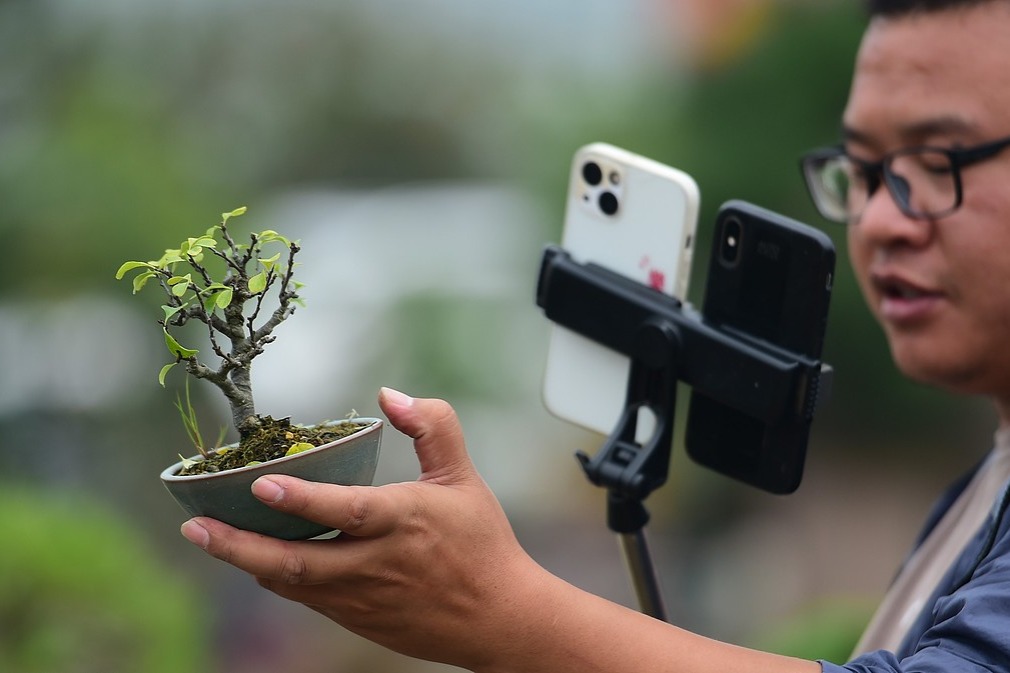
    In Zhouquan Village, Jiangsu Province, an ancient horticultural tradition has evolved into a thriving digital enterprise. Each morning before dawn, over 100 meticulously crafted penjing (miniature potted landscapes) transform the village square into an open-air studio, where livestreamers move among the intricate creations, showcasing them to viewers nationwide.

    The village’s transformation from traditional cultivation to e-commerce powerhouse represents a remarkable case study in rural economic development. Situated along China’s north-south divide, Shuyang County’s mild climate and distinct seasons have historically made it ideal for ornamental plant cultivation. Today, the region generates 35 billion yuan annually from this sector, with livestreamed sales accounting for one-third of the national penjing market.

    Zhouquan’s penjing heritage dates to the Qing Dynasty, when Emperor Kangxi gifted his tutor Hu Jianjing a procumbent juniper landscape in 1671. This ancient specimen, still standing centuries later, inspired the distinctive ‘ox watching the moon’ style featuring over 60 cloud-like tiers with intricate diamond-shaped perforations. This artistic tradition has been passed down through generations, with currently 300 of the village’s 1,200 families engaged in penjing production, generating approximately 300 million yuan annually.

    The industry’s evolution mirrors China’s technological progression: from 1970s bicycle and oxcart transportation to three-wheeled trucks in the 1990s, then to early e-commerce platforms in the 2000s. The pandemic accelerated the shift to livestreaming, which now dominates sales. Pioneer Jiang Aihua, a former teacher who transitioned to penjing after her son’s birth, became the village’s first Taobao seller in 2007. Her adaptation to livestreaming during COVID-19 proved particularly impactful, expanding the customer base beyond traditional older enthusiasts to include younger urbanites seeking mindful hobbies and evergreen species suitable for compact living spaces.

    The industry now stands at another technological crossroads. Jiang is mentoring her university-educated son Zhou Jiangchao in both penjing artistry and digital marketing, emphasizing that genuine appreciation must precede effective sales. Looking ahead, they plan to integrate artificial intelligence to create growth process videos, believing immersive storytelling will further expand their market reach.

  • What now for Asia after Trump’s tariffs struck down?

    What now for Asia after Trump’s tariffs struck down?

    A landmark Supreme Court decision has triggered significant upheaval in international trade relations, declaring numerous tariffs implemented by President Donald Trump in 2025 unlawful. The Friday ruling compelled U.S. Customs to suspend collection of these contested duties on Monday, creating widespread uncertainty among America’s key Asian trading partners.

    In response to the judicial setback, President Trump announced immediate implementation of a universal 15% levy on all goods entering the United States. This sweeping measure represents both a tactical retreat from previous higher rates and a continued commitment to protectionist trade policies that have defined his administration’s economic approach.

    The development deals a substantial blow to nations including India, Indonesia, and Taiwan, which had invested months negotiating bilateral trade agreements with Washington. Many had committed billions in U.S. investments in exchange for preferential tariff treatment. While the flat 15% rate appears favorable compared to previous higher assessments, analysts note it introduces new uncertainties regarding existing arrangements.

    Adam Samdin of Oxford Economics observed: ‘Even if countries pursue negotiations, the current administration remains determined to enforce elevated tariff levels despite judicial interventions. Recent trade agreements lack the binding legal frameworks of traditional pacts, creating vulnerability to further policy shifts.’

    Asian governments are conducting urgent assessments of the ruling’s implications. China’s Commerce Ministry stated it is ‘conducting a comprehensive assessment of content and impact,’ reiterating Beijing’s opposition to ‘unilateral tariff increases’ and warning that ‘protectionism leads nowhere.’ This evaluation comes as China prepares to host President Trump in early April.

    U.S. Trade Representative Jamieson Greer sought to minimize concerns, asserting the changes wouldn’t affect upcoming talks with Chinese leadership. ‘The purpose of meeting President Xi is not to fight about trade but to maintain stability and ensure Chinese compliance with existing purchase commitments,’ Greer told ABC News.

    Regional allies expressed particular concern. Japanese officials promised to ‘carefully examine the ruling and administration response,’ while South Korea’s Industry Minister acknowledged uncertainty regarding potential refunds for duties already paid. Taiwan and Singapore both indicated they would maintain close communication with U.S. officials while monitoring developments.

    The new 15% tariff, implemented under Section 122 of the Trade Act, serves as a temporary measure that can remain effective for approximately five months before requiring congressional approval. This universal application creates particular challenges for nations like the UK and Australia that previously secured 10% rate agreements, and will likely increase costs for American consumers across imported goods categories.

  • Robin Robin: Trial begins for man accused of stabbing two, killing one at Ormond house party

    Robin Robin: Trial begins for man accused of stabbing two, killing one at Ormond house party

    A Supreme Court jury in Victoria has been presented with disturbing details of a violent altercation that resulted in one death and a second victim with serious injuries. The case centers on Robin Robin, 29, who stands accused of murdering 22-year-old Navjeet Singh and attempting to murder 30-year-old Shawan Singh during a confrontation in the Melbourne suburb of Ormond on May 5, 2024.

    During opening statements, Crown prosecutor Nadia Kaddeche outlined the sequence of events that began as a domestic dispute between housemates. The court heard that Robin and his younger brother Abhijeet had hosted a party at their rental property, during which they allegedly became enraged after Shawan Singh left to play cards at Navjeet Singh’s residence in Noble Park.

    The prosecution asserted that the brothers engaged in repeated abusive phone calls throughout the evening before Robin allegedly demanded Shawan return to collect his belongings shortly after 11pm. When Shawan arrived with Navjeet and several companions, Robin allegedly confronted him with a kitchen knife while shouting threats in Hindi.

    According to the prosecution’s account, Robin allegedly stabbed Shawan in the chest and shoulder before turning the weapon on Navjeet when he attempted to intervene. Tragically, Navjeet Singh sustained fatal chest wounds during the attack.

    The jury was shown brief but critical evidence including three seconds of phone footage from a resident and less than a minute of dashcam footage from a passing Uber driver. Ms. Kaddeche claimed this footage depicts Robin attacking Navjeet while he was on the ground, with Abhijeet allegedly participating by striking with the back of his hand.

    Following the incident, the brothers reportedly traveled to New South Wales, where they were apprehended by police on May 7. The prosecution revealed that during his arrest, Robin allegedly made a startling declaration to officers: ‘I want to tell you I’m guilty. I’m the guilty one, my brother is innocent, he did nothing.’

    Despite this alleged confession, Robin has entered a plea of not guilty to all charges. The court also heard alternative charges of intentionally causing serious injury and recklessly causing serious injury specifically related to the wounds inflicted on Shawan Singh.

    The trial continues with further opening remarks from the prosecution followed by an address from Robin’s defense barrister, John Desmond.

  • What the killing of drug lord ‘El Mencho’ means for Mexico

    What the killing of drug lord ‘El Mencho’ means for Mexico

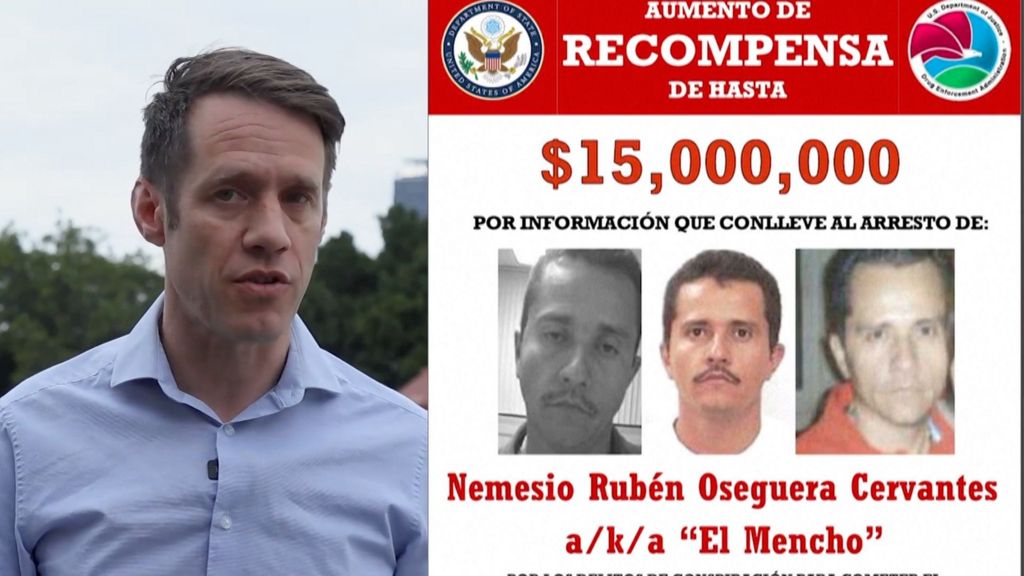
    Mexico’s national security apparatus has confirmed the death of Nemesio Oseguera Cervantes, the notorious cartel leader operating under the alias ‘El Mencho,’ during a coordinated military operation. The high-profile takedown of the Jalisco New Generation Cartel (CJNG) leader represents one of Mexico’s most significant counter-narcotics victories in recent years.

    Background intelligence indicates El Mencho rose from humble beginnings as an avocado farmer to establish CJNG as Mexico’s most formidable and technologically advanced criminal organization. His network extended across five continents with particular strongholds throughout Mexico and the United States, specializing in synthetic drug production and distribution.

    The immediate aftermath presents a complex scenario for Mexican authorities. While eliminating such a high-value target disrupts CJNG’s operational command structure, security analysts anticipate potential fragmentation within the organization. Historical precedent suggests such events often trigger violent power struggles among subordinate factions seeking to fill the leadership vacuum.

    Geopolitical implications extend beyond Mexico’s borders, affecting international drug trafficking routes and bilateral security cooperation with the United States. The elimination of Mexico’s most-wanted criminal figure may temporarily disrupt distribution networks but is unlikely to substantially diminish overall drug flow without complementary structural interventions addressing systemic corruption and alternative economic opportunities in cartel-dominated regions.

  • A new era for Dutch politics with Rob Jetten set to be sworn in as prime minister

    A new era for Dutch politics with Rob Jetten set to be sworn in as prime minister

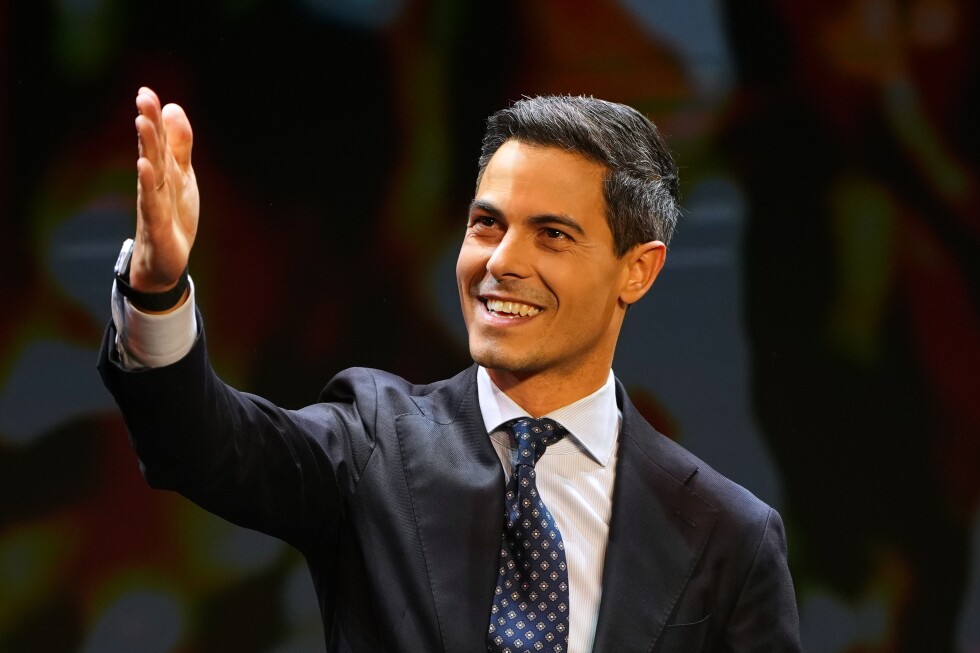
    THE HAGUE, Netherlands — In a ceremony at the Huis ten Bosch Palace on Monday, King Willem-Alexander formally inaugurated the Netherlands’ newest coalition government under Prime Minister Rob Jetten, who at 38 becomes the country’s youngest-ever leader. The administration faces immediate governing challenges as it commands only a minority position in parliament.

    The three-party coalition comprises Jetten’s centrist D66 party alongside two center-right partners: the Christian Democrats and the People’s Party for Freedom and Democracy. Collectively, they control just 66 seats in the 150-member lower house, requiring extensive negotiation with opposition factions for every legislative proposal.

    This fragile majority faces its first test from the newly merged Green Left-Labor Party bloc, which has already voiced strong opposition to the government’s proposed healthcare and welfare reductions. Opposition leader Jesse Klaver declared on social media platform X that the plans would burden ordinary citizens with hundreds of euros in additional costs while exempting the wealthiest from proportional contributions.

    The political landscape leading to this minority government emerged from October’s snap election, triggered when Geert Wilders’ Party for Freedom withdrew from the previous coalition in June. Jetten’s D66 narrowly secured victory through postal ballots after tying with Wilders’ party in seat count.

    Internationally, Prime Minister Jetten aims to reestablish the Netherlands’ influential role within the European Union, which many observers believe diminished under the previous administration. Despite past criticisms of U.S. President Donald Trump, Jetten emphasizes maintaining strong transatlantic relations while prioritizing European cooperation. His government has committed to continuing military support for Ukraine against Russian aggression.

    Key ministerial appointments include Christian Democrat Tom Berendsen as Foreign Minister, expected to leverage his European Parliament experience to revitalize Dutch diplomacy. Eelco Heinen retains his position as Finance Minister, providing continuity in economic stewardship. Dilan Yeşilgöz-Zegerius transitions from Justice to Defense Minister, tasked with military strengthening, while Bart van den Brink will lead immigration policy with focus on asylum processing reforms.

  • French artist JR’s installation will transform Paris’ oldest bridge into a giant cave

    French artist JR’s installation will transform Paris’ oldest bridge into a giant cave

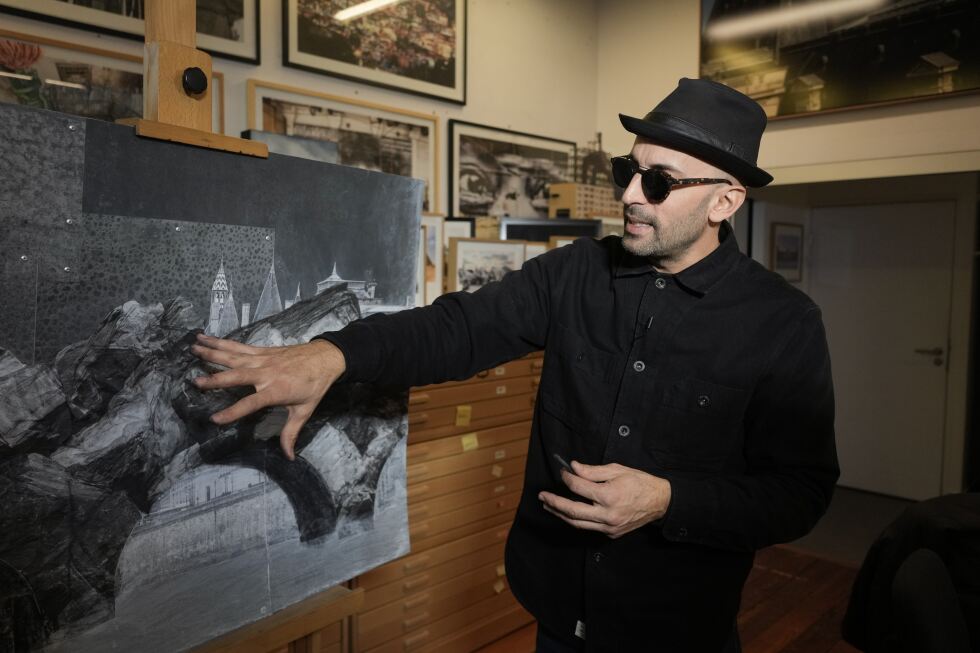
    PARIS — Renowned French artist JR, often compared to the elusive Banksy, is preparing to execute his most ambitious urban intervention yet—transforming Paris’s historic Pont Neuf into a massive immersive art experience this June. The 17th-century bridge will temporarily become a walk-through cavern installation, creating a striking juxtaposition of mineral formations against classical Parisian architecture.

    The project, titled ‘Pont Neuf Cavern,’ will run from June 6-28, stretching 120 meters in length and reaching over 17 meters in height. The installation will completely envelop the bridge’s stone arches with a prehistoric rock-like illusion, incorporating multi-sensory elements including specialized sound design by former Daft Punk member Thomas Bangalter and augmented reality technology developed by Snap’s Paris studio.

    This monumental work serves as both homage and innovation, referencing the iconic 1985 wrapping of Pont Neuf by artistic duo Christo and Jeanne-Claude while establishing a distinctly contemporary approach to public art. JR acknowledges the significance of following these pioneers, stating he’s proceeding ‘in a very different style, in my own way.’

    The experience offers dual perspectives: externally, the bridge will appear as a massive geological formation disrupting the urban landscape; internally, visitors will navigate a completely darkened tunnel designed to create temporal disorientation and total immersion. The artist describes it as potentially ‘the largest immersive installation ever made,’ accessible 24/7 throughout its three-week exhibition.

    JR’s team has conducted extensive engineering and safety studies, including tests at Paris’s Orly airport hangar, to ensure structural integrity and emergency preparedness. Visitor numbers will be regulated in consultation with authorities, with continuous monitoring throughout the installation period.

    Beyond its physical presence, the work engages with philosophical themes, explicitly referencing Plato’s allegory of the cave as commentary on contemporary digital realities. ‘What are our caves today? Our phones,’ JR notes, drawing parallels between the cave’s shadow reality and algorithmic social media environments.

    The installation coincides with Paris Fashion Week and World Music Day, with the bridge closing to traffic during this period, creating a unique cultural convergence in the heart of the French capital.

  • The 102-year-old kitman who left his mark on the World Cup

    The 102-year-old kitman who left his mark on the World Cup

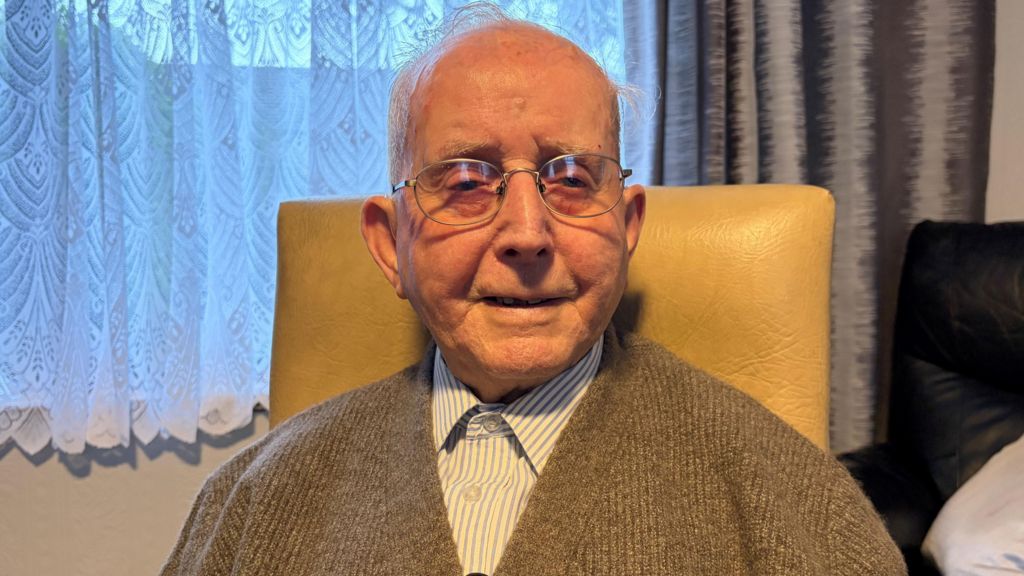
    At 102 years young, Charlie O’Leary stands as a living monument to Irish football history. The Dubliner, who recently celebrated his birthday in February, possesses a legacy that intertwines with the very fabric of the sport across both the Republic and Northern Ireland. His remarkable journey from local innovator to international football figure is now being immortalized in “The Charlie O’Leary Story – From Johnny Cullen’s Hill to the Olympic Stadium Rome,” set to premiere at the Dublin International Film Festival.

    O’Leary’s most enduring contribution remains the revolutionary “street leagues” he established in Dublin’s East Wall neighborhood in 1945. Recognizing the lack of organized football opportunities for teenagers, O’Leary proposed utilizing the parish church’s juvenile sodality as a foundation for competitive play. The leagues organized teams based on residential streets, creating an immediate sense of community pride and belonging.

    The initiative rapidly expanded throughout Dublin during the 1950s before spreading across the island to cities including Belfast. What began as a local solution evolved into a breeding ground for legendary talent. The leagues produced an extraordinary roster of players who would achieve international acclaim, including Manchester United’s European Cup winner Tony Dunn, Arsenal and Juventus star Liam Brady, and Leeds United icon Johnny Giles.

    Northern Ireland similarly benefited from O’Leary’s vision, with three members of their historic 1958 World Cup squad—Harry Gregg, Bertie Peacock, and Jimmy McIlroy—having developed their skills in the street leagues. Later participants included Manchester United’s Sammy McIlroy and current Northern Ireland assistant manager Jimmy Nicholl.

    O’Leary’s influence extended beyond community organizing to direct involvement with the Republic of Ireland national team. Serving as kitman for 16 years during Irish football’s golden era, he witnessed iconic victories including the historic defeat of England at Euro 1988 and the stunning triumph over Italy at the 1994 World Cup.

    Film producer Fergus Dowd emphasizes the cultural significance of O’Leary’s creation: “These kids had a jersey on, they were representing their road and their mothers and fathers were watching. It was a massive community event that grew organically from Charlie’s vision.”

    Reflecting on his extraordinary life in football, which included refereeing behind the Iron Curtain during the Cold War, O’Leary identifies meeting Pope John Paul II during the 1990 World Cup as his most cherished memory. “I was frozen, I couldn’t speak,” he recalls. “That to me was the biggest thrill I ever got in my life.”

    The documentary not only chronicles O’Leary’s personal journey but preserves the story of an innovative community program that transformed Irish football and provided opportunities for generations of young athletes who might otherwise have been overlooked by traditional systems.

  • More Ghanaians are wearing a cultural outfit after their president was mocked

    More Ghanaians are wearing a cultural outfit after their president was mocked

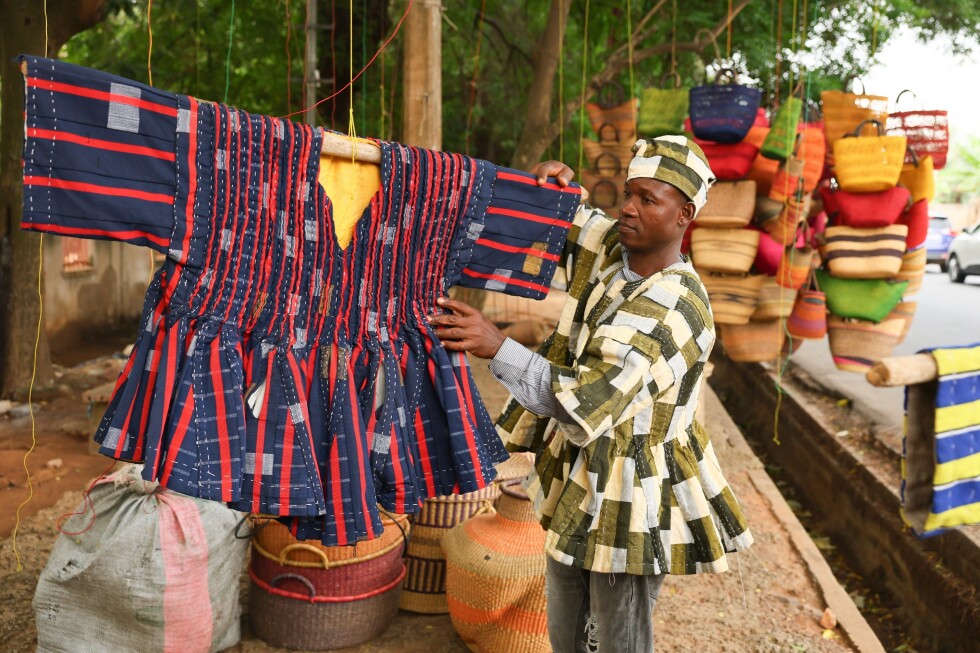
    ACCRA, Ghana — A cultural revival is sweeping through Ghana as the traditional fugu garment gains unprecedented popularity, transforming from regional attire into a national symbol of heritage pride. This remarkable resurgence originated from an unexpected source: social media criticism directed at President John Dramani Mahama’s choice to wear the distinctive striped smock during an official visit to Zambia in early February.

    The online mockery triggered a powerful counter-movement among Ghanaians determined to defend their cultural legacy. The groundswell of support culminated in Tourism Minister Abla Dzifa Gomashie’s official declaration of Wednesdays as “Fugu Day” on February 10, establishing a weekly celebration of national identity through fashion.

    Across central Accra, vendors like Clement Azaabire witness the transformation firsthand as he displays meticulously sewn fugu smocks that dance in the breeze. After fifteen years of dedicated craftsmanship, Azaabire now experiences unprecedented demand, with inventory selling rapidly since the cultural movement gained momentum.

    The fugu’s historical significance traces back to Ghana’s independence era when first President Kwame Nkrumah wore the garment during the landmark 1957 ceremony. Traditionally handwoven by northern artisans using narrow looms, the fabric (known locally as batakari) represents generations of weaving expertise passed through families. Scholars attribute its development to West African trade routes and cultural exchanges with Mossi and Hausa communities, with the term ‘fugu’ deriving from the Mossi word for cloth.

    Contemporary fashion designers like Perfectual Linnan of Roots by Linnan are reimagining the traditional fabric for modern audiences, creating jackets, trousers and everyday wear that maintains cultural connections while appealing to broader demographics. “We’re demonstrating how northern fabric can adapt to different styles,” Linnan explains. “Even those who prefer contemporary fashion can carry cultural heritage with them.”

    This renaissance presents both opportunities and challenges for the artisan community. Moses Adibasa, who has crafted traditional smocks for nearly two decades, expresses optimism about the economic ripple effect benefiting thread sellers, weavers and tailors alike. However, production limitations threaten to constrain growth. Abigail Naki Gabor, secretary of Ghana’s smock weavers and sellers association, notes that many artisans struggle to meet escalating demand due to manual production methods.

    The government is responding with broader initiatives including the “Wear Ghana” campaign promoting local fashion through upcoming trade exhibitions, according to Kofi Atta Kakra Kusi of the Ghana Tourism Authority. Yet Linnan cautions against treating the garment purely as commodity: “This represents careful, intentional craftsmanship. If we prioritize commercialization over cultural preservation, we risk losing something profoundly important.”

  • ‘I put my bike up for sale – it went from Fife to Kenya’

    ‘I put my bike up for sale – it went from Fife to Kenya’

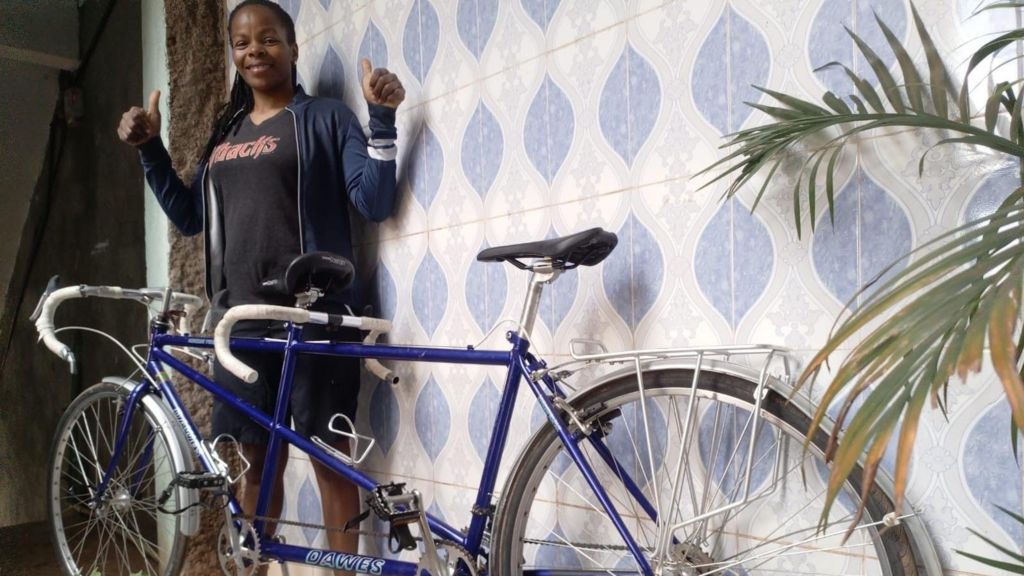
    In an inspiring international sporting gesture, a tandem bicycle from Scotland has found its way to Kenya’s national paracycling team after a social media post sparked an unexpected connection. Dr. Carrie Ruxton, a gym owner from St. Andrews, initially offered her used tandem bike on Facebook with expectations of local interest, but instead received a message from across continents that would change its destiny.

    The inquiry came from Alice Miring’u, a prominent Kenyan paracyclist who explained the critical shortage of specialized tandem bicycles in her country. These bikes are essential for blind athletes and their sighted pilots to compete internationally. Despite the logistical challenges of transporting equipment from Cupar, Fife, to Nairobi, Dr. Ruxton committed to making the donation possible.

    Through a network of goodwill, the parties identified a Kenyan expatriate in Glasgow who regularly ships containers to his homeland. The bicycle was collected and included in his next shipment, culminating in its arrival in Nairobi on Valentine’s Day—a fitting date for this story of international camaraderie.

    The bicycle, originally used by Dr. Ruxton’s daughter before she outgrew it, will now undergo professional modifications to meet racing standards. Upgraded components will prepare it for competitive use, with track testing anticipated later this year. Although Kenya will compete in the Commonwealth Games in Glasgow this summer, the newly christened ‘Valentine’ is unlikely to return to Scotland due to the extensive preparations required.

    Dr. Ruxton described the emotional sendoff: ‘I tied a tartan ribbon around it before it was shipped away. It was a wonderful feeling to see Alice smiling away with the bike next to her.’ The bicycle’s journey from a Scottish garage to international competition embodies the power of global community and sporting solidarity.