作者: admin

  • The yachting industry searches for alternatives to teak

    The yachting industry searches for alternatives to teak

    The global luxury yacht industry is undergoing a significant transformation as it confronts the ethical and legal implications of using Myanmar teak, a prized tropical hardwood now largely prohibited in Western markets. This shift follows high-profile cases involving superyachts belonging to tech billionaires, including Jeff Bezos’s $500 million vessel Koru, built by Netherlands-based Oceanco. Both Oceanco and UK-based Sunseeker faced substantial fines in late 2024 for using this sanctioned timber, which they described as unintentional breaches of due diligence.

    Myanmar teak, renowned for its rot resistance, density, and aesthetic appeal, has long been the standard for high-end yacht decking and interiors. However, its harvest from old-growth forests is controlled by the country’s military-linked sector, leading to international trade sanctions following the 2021 coup. These sanctions, building on existing restrictions, have made imports into the UK, EU, and US illegal.

    The exhaustion of pre-sanction stockpiles and increasing regulatory scrutiny are now accelerating the adoption of alternatives. The industry is exploring a range of innovative materials, including thermally-modified woods, fully synthetic composites, and engineered teak laminates. Major players like Sunreef Yachts, based in Poland and Dubai, have announced a complete transition away from teak. The company now utilizes thermally-modified woods that not only mimic teak’s appearance but offer superior thermal performance, keeping decks cooler and reducing cabin air conditioning needs.

    New products like Tesumo, developed through a collaboration between the University of Göttingen and German shipyard Lürssen, are gaining traction. This material uses a fast-growing African hardwood that undergoes heat treatment and resin impregnation. It has already been installed on high-profile superyachts, including one linked to Google co-founder Sergey Brin.

    Despite these advances, challenges remain. Plantation-grown teak is often viewed as inferior due to shorter, narrower boards and inconsistent quality. While some smaller builders, like the UK’s Jeremy Rogers, continue to source from certified sustainable plantations in Java, the industry consensus is shifting. The driving force is a combination of regulatory pressure, supply chain sustainability concerns, and a growing recognition that modern alternatives can meet the exacting standards of the world’s most discerning yacht owners.
  • Door is open to customs union talks with UK, EU says

    Door is open to customs union talks with UK, EU says

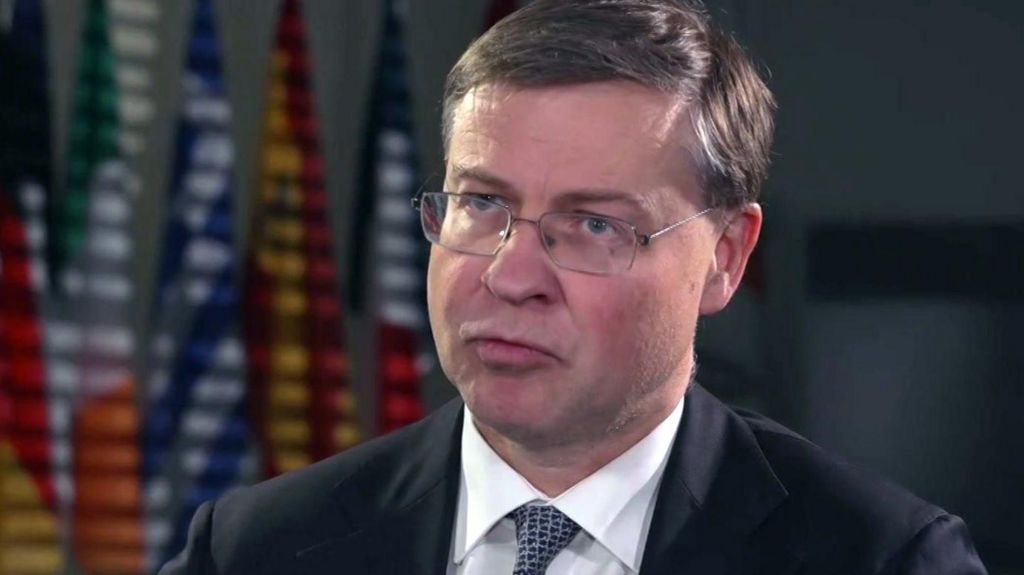
    In a significant diplomatic development, European Commissioner for Finance Valdis Dombrovskis has revealed the European Union’s willingness to explore enhanced trade relations with the United Kingdom, including potential discussions about a customs union arrangement. The announcement came following high-level talks with Chancellor Rachel Reeves and cabinet ministers in London on Monday.

    The Latvian commissioner, speaking exclusively to the BBC, emphasized Brussels’ “open-minded” approach to future cooperation, stating the bloc remains “ready to engage” should Britain seek closer economic integration. This position represents the most substantial indication yet of EU receptiveness to re-evaluating post-Brexit relations amid growing global instability.

    Dombrovskis outlined several areas of potential collaboration, notably suggesting that Britain and the EU could eliminate “most” food checks between territories if the UK aligns with EU sanitary and phytosanitary standards. Additionally, he confirmed advanced negotiations regarding a youth mobility scheme and expressed EU openness to revisiting Britain’s participation in the €150 billion SAFE defense loans program, despite previous negotiations collapsing in November.

    The meeting, which included European Commissioner for Trade Maroš Šefčovič alongside British ministers Peter Kyle and Nick Thomas Symonds, established a new diplomatic forum dubbed the “Quint” by officials. This group aims to coordinate responses to rapidly changing global trade and economic conditions through regular consultations.

    Chancellor Reeves articulated the pressing need for strengthened UK-EU cooperation, warning that “we are sliding towards a world where the rules are less clear.” She emphasized shared values and objectives between Britain and the EU regarding economic policy, trade, and security matters.

    The commissioner’s comments arrive amidst mounting pressure within the Labour party to reconsider customs union arrangements, despite the party’s manifesto explicitly ruling out rejoining either the EU customs union or single market. Justice Secretary David Lammy has previously advocated that such arrangements could stimulate economic growth.

    Dombrovskis acknowledged that single market access would require accepting freedom of movement principles, making such a scenario unlikely. However, he stressed the EU’s commitment to pragmatic cooperation where mutual interests align, particularly given recent global trade tensions that saw the European Commission threaten retaliatory tariffs against the United States before reaching a diplomatic resolution.

  • After months of acrimony, Colombia’s Petro is about to meet Trump

    After months of acrimony, Colombia’s Petro is about to meet Trump

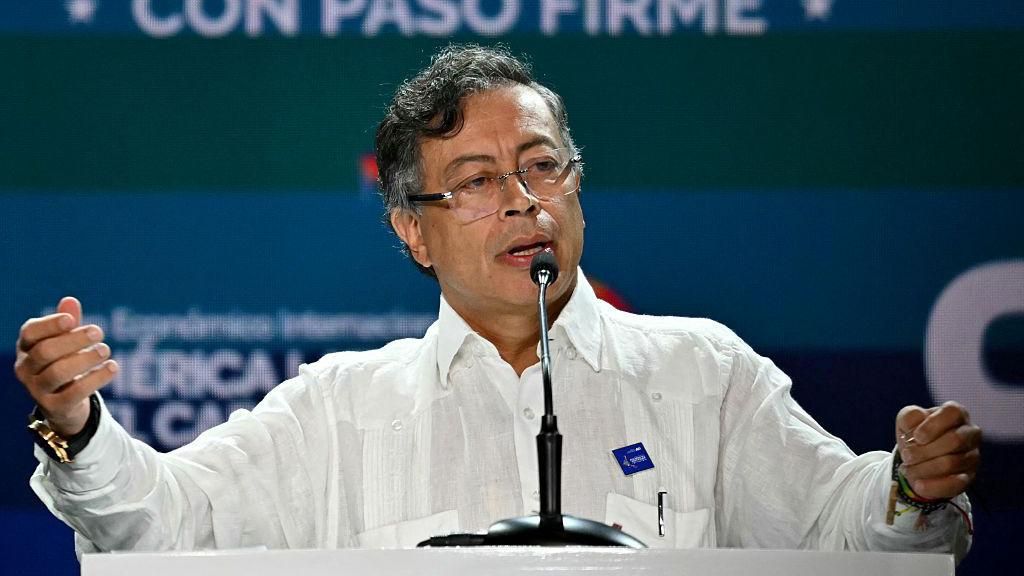
    Colombian President Gustavo Petro is embarking on a critically important diplomatic mission to Washington for his first face-to-face meeting with US President Donald Trump, following months of escalating tensions and hostile exchanges between the two leaders. The high-stakes encounter at the White House on Tuesday will address multiple pressing issues including Venezuela’s political crisis, narcotics trafficking, oil security, and controversial US military operations targeting alleged drug vessels.

    The relationship between the two nations has been strained by Petro’s repeated condemnations of US foreign policy, including his comparison of US Immigration and Customs Enforcement agents to ‘Nazi brigades’ and accusations of American imperialistic treatment of other countries. Conversely, Trump has criticized Colombia’s anti-narcotics efforts, accusing Petro’s administration of insufficient action against cocaine flow and threatening expanded military strikes in the region.

    A significant breakthrough occurred following a January 3rd US military operation that seized Venezuela’s President Nicolás Maduro, after which the two leaders held what was described as a ‘cordial’ phone conversation that Colombian officials characterized as an ‘180-degree turn from both sides.’ US Senator Rand Paul of Kentucky played a pivotal role in facilitating this diplomatic opening, expressing his belief that relations were heading in the wrong direction and required intervention.

    Central to their discussions will be security concerns along the 1,367-mile Colombia-Venezuela border, where the National Liberation Army (ELN) guerrilla group maintains significant control over drug trafficking, extortion operations, and illegal mining activities. According to security analysts from Insight Crime, approximately 1,200 of ELN’s 6,000 members operate in Venezuela, often collaborating with corrupt elements within the Venezuelan military establishment.

    The meeting holds particular significance for US oil companies seeking to operate in Venezuela post-Maduro, as ELN forces pose substantial security threats to foreign investors and employees. Elizabeth Dickinson of International Crisis Group notes that asking Venezuelan military forces to combat ELN presents challenges due to their aligned financial interests in the group’s illicit operations.

    Despite recent tensions that led Colombia to temporarily suspend intelligence sharing with US agencies, military cooperation between the two nations has continued through the Drug Enforcement Administration and Colombian police forces. The outcome of this diplomatic encounter could significantly impact Colombia’s upcoming presidential election in August, where Petro supports Senator Iván Cepeda as his potential successor.

  • The Ultimate Golf Challenge returns: Season 3 tees off at scenic Saadiyat Beach Golf Club

    The Ultimate Golf Challenge returns: Season 3 tees off at scenic Saadiyat Beach Golf Club

    Abu Dhabi’s prestigious Saadiyat Beach Golf Club prepares to host the opening round of the Ultimate Golf Challenge (UGC) Season 3 on February 5, 2026, marking the return of the UAE’s premier corporate golf tournament. Ten elite teams comprising the nation’s top amateur golfers will commence their campaign at the region’s first ocean-front designed course, renowned for its challenging coastal winds and strategic hazards.

    The competitive field features defending champions Noble Legacy Masters alongside inaugural winners Tristar Gladiators and eight other formidable squads: The A Team, Alpha Ninjas, Brain Dubai, Mayfair Chippies, Meteora Magicians, Shershaah Eagles, Sultans of Swing, and Three Comma Masters. Each organization has spent months refining rosters through meticulous handicap analysis and strategic pairing preparations.

    Tournament Commissioner Kunal Seth noted the elevated competitive standards, stating: ‘The level of preparation and team strategies surpass previous seasons. Every franchise arrives with championship aspirations, recognizing that each round will critically impact the final standings.’

    The four-tournament series will progress across the UAE’s most iconic courses following the Saadiyat opener: Jumeirah Golf Estates’ Earth Course (February 26, matchplay format), Dubai Creek Golf & Yacht Club (April 2, best-ball Stableford), and concluding at Emirates Golf Club’s Faldo Course (May 7, individual Stableford).

    Noble Legacy Masters co-owner Achal Ghai emphasized team cohesion as the decisive factor: ‘Our previous victory demonstrated that belief and trust create championship teams. We return with strengthened resolve and enhanced unity.’ Meanwhile, The A Team has incorporated new talent alongside experienced players under mentors Aman and Ayesha Chopra, adopting a philosophy balancing competitive excellence with camaraderie.

    The opening round employs a specialized format where teams field two five-player squads, with the four highest Stableford scores from each group contributing to the cumulative team total. This structure emphasizes both individual skill and collective performance while testing adaptability to Saadiyat’s distinctive environmental challenges, including strategic bunkering and wildlife-preserved fairways occasionally shared with local gazelles.

  • Witkoff, Araghchi expected to meet on Friday for possible nuclear deal discussions: Axios

    Witkoff, Araghchi expected to meet on Friday for possible nuclear deal discussions: Axios

    Senior American and Iranian diplomats are preparing for a pivotal meeting in Istanbul this Friday, signaling a potential breakthrough in nuclear negotiations. According to an Axios report published Monday, US Special Envoy Steve Witkoff and Iranian Foreign Minister Abbas Araghchi will convene in the Turkish capital to explore pathways toward a renewed nuclear agreement.

    The upcoming discussions, confirmed by two informed sources, represent the most significant direct diplomatic engagement between the two nations in recent months. The meeting occurs against a backdrop of escalating regional tensions and international concerns about Iran’s nuclear advancements.

    In a related development, Reuters has learned from a senior regional diplomat that several key Middle Eastern nations will participate in the Istanbul gathering. The anticipated attendance includes representatives from Saudi Arabia, the United Arab Emirates, Oman, and Egypt, indicating broad regional interest in stabilizing nuclear diplomacy.

    The planned meeting follows recent diplomatic movements, including Witkoff’s scheduled visit to Israel for consultations with Prime Minister Netanyahu. Meanwhile, Iranian officials have reportedly been evaluating diplomatic options with the United States to reduce mounting fears of military confrontation.

    This diplomatic initiative emerges as the region witnesses parallel developments, including Saudi Arabia’s recent suspension of 1,800 Umrah travel agencies due to performance issues, highlighting the interconnected nature of regional stability and economic concerns.

  • Trump launches $12-billion minerals stockpile to boost US manufacturing, counter China

    Trump launches $12-billion minerals stockpile to boost US manufacturing, counter China

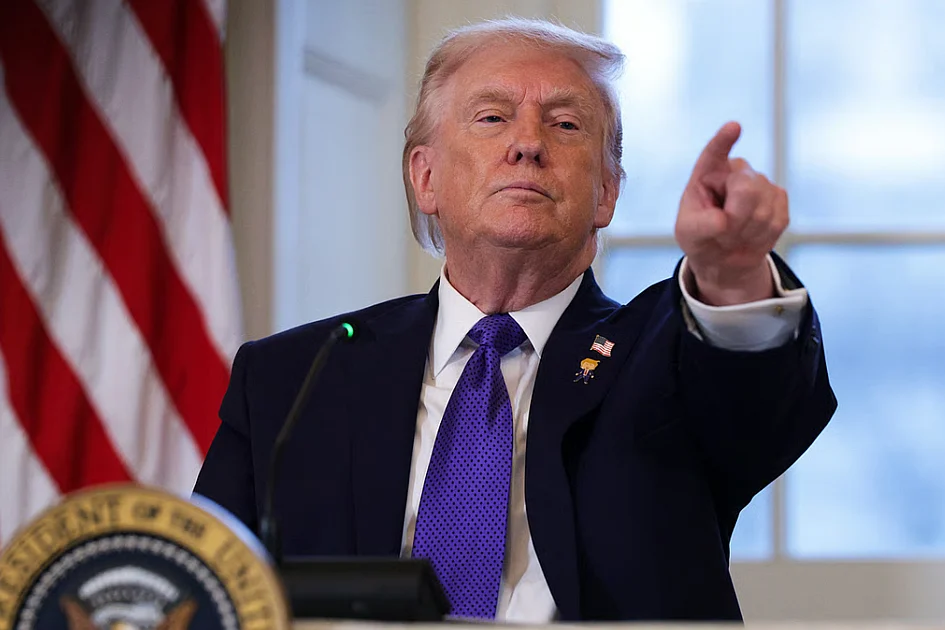
    The Trump administration has unveiled a groundbreaking $12 billion initiative to establish a national stockpile of critical minerals, marking a significant escalation in the US-China trade and technology competition. Dubbed ‘Project Vault,’ the program will utilize seed funding from the US Export-Import Bank to acquire strategic reserves of lithium, nickel, rare earth elements, and other minerals essential for electric vehicle batteries, advanced weaponry, and consumer electronics.

    According to an administration official familiar with the plan, the initiative represents Washington’s direct response to perceived Chinese price manipulation in global mineral markets that has hampered American mining operations for years. The venture will combine private investment with a substantial $10 billion EXIM Bank loan to create a buffer stock for manufacturers, insulating them from volatile pricing and supply chain disruptions.

    Three major commodities trading firms—Hartree Partners, Traxys North America, and Mercuria Energy Group—have been designated to manage the procurement process for the strategic reserve. The program’s structure allows automotive and technology companies to access vital materials while keeping inventory risks off their balance sheets, analogous to a wholesale membership model for industrial materials.

    Beyond commercial applications, Project Vault includes provisions for establishing a 60-day emergency mineral supply for national security purposes. The initiative comes alongside legislative efforts from bipartisan lawmakers who recently proposed a separate $2.5 billion mineral stockpile bill, indicating broad political consensus on addressing supply chain vulnerabilities in critical materials.

  • Fire breaks out in Karachi building near site of recent blaze

    Fire breaks out in Karachi building near site of recent blaze

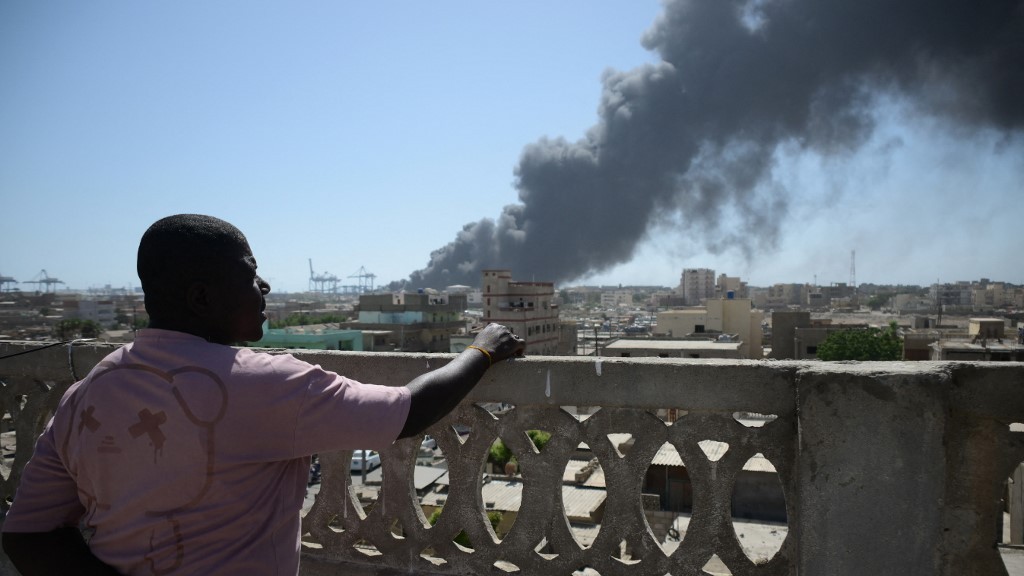
    Karachi, Pakistan – A significant fire erupted in a commercial structure within Pakistan’s largest metropolis on Monday, reigniting safety concerns as it occurred in proximity to the location of last month’s catastrophic blaze that claimed numerous lives. Provincial authorities confirmed emergency response teams were actively engaged in containment operations.

    Sukhdev Assardas Hemnani, the official spokesperson for the provincial government, communicated via text message that firefighting units were deployed to manage the rapidly spreading flames. The incident has triggered alarm among citizens and officials alike, given its unsettling geographical and temporal proximity to the Gul Plaza inferno that resulted in substantial casualties just weeks earlier.

    The latest fire emergency underscores persistent questions regarding fire safety protocols, building code enforcement, and emergency response capabilities in Pakistan’s densely populated urban centers. This developing situation occurs against the backdrop of ongoing recovery operations from the previous tragedy, where rescue workers continue to search for dozens still missing and feared deceased.

    While specific details regarding potential casualties or structural damage remain unconfirmed at this early stage, the incident has already prompted renewed calls for comprehensive reviews of commercial building safety standards throughout the city. Local authorities have yet to release official statements regarding the fire’s origin or the scale of destruction involved.

  • Egypt carrying out drone strikes on RSF in Sudan from secret base

    Egypt carrying out drone strikes on RSF in Sudan from secret base

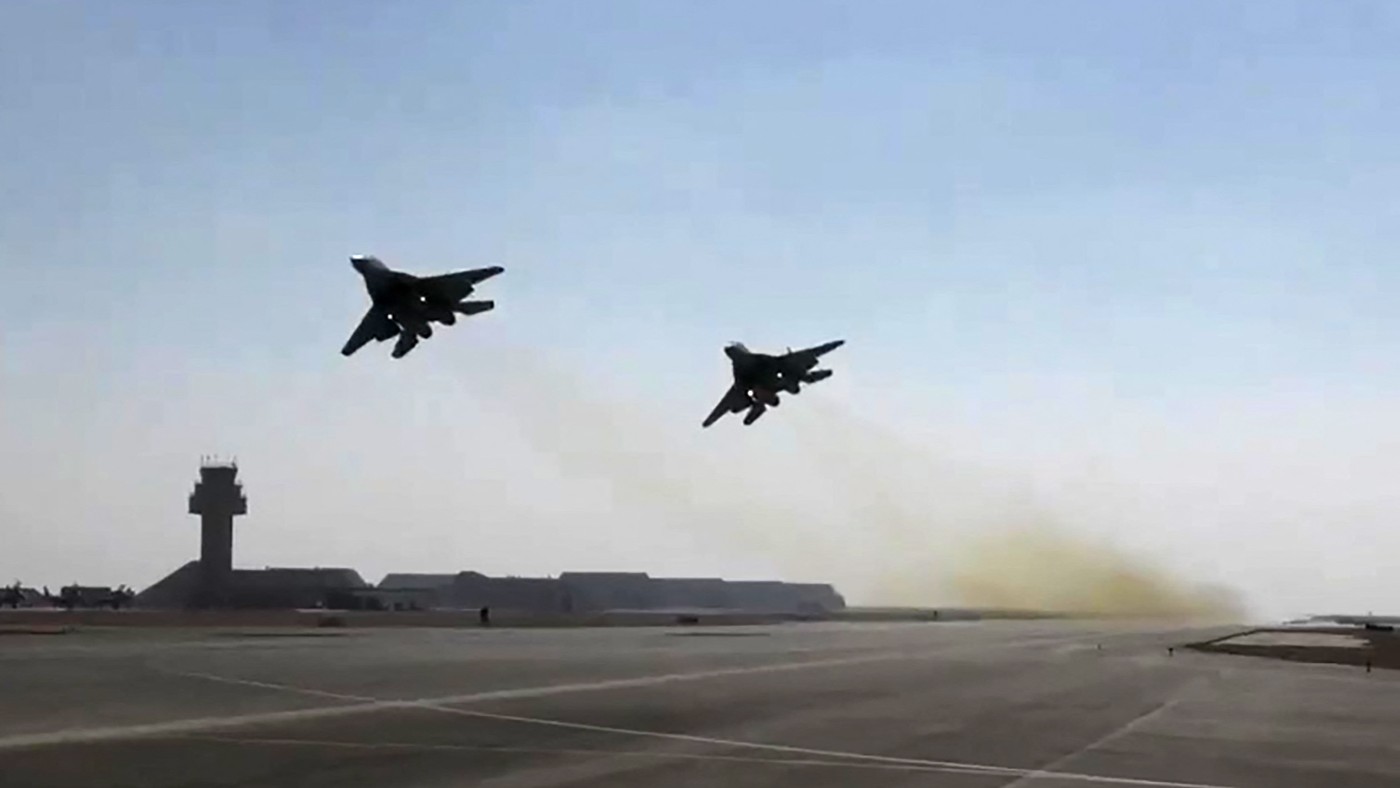
    A comprehensive investigation utilizing satellite imagery, flight records, and intelligence sources has revealed Egypt’s covert military involvement in Sudan’s civil conflict. According to evidence compiled by The New York Times and Middle East Eye, Egypt has been conducting sustained drone operations from a clandestine airbase concealed within the vast East Oweinat agricultural reclamation project in Egypt’s western desert, approximately 65 kilometers from the Sudanese border.

    The operations, ongoing for at least six months, represent a significant escalation in Egypt’s engagement, transitioning from diplomatic efforts to direct military action against the Rapid Support Forces (RSF). This paramilitary group, accused of perpetrating genocide and massacring thousands of civilians in North Darfur’s el-Fasher, has gained substantial territory against the Sudanese Armed Forces (SAF), which Cairo officially supports.

    The conflict has evolved into a regional proxy war with complex international dimensions. The United Arab Emirates stands accused of facilitating support for the RSF, partially through Libyan eastern military commander Khalifa Haftar, who controls the strategic al-Kufra airbase. Conversely, Egypt has aligned with Saudi Arabia, Turkey, and Qatar in backing the Sudanese government forces.

    Recent weeks have witnessed unprecedented public tensions between traditional Gulf allies Saudi Arabia and the UAE, with Riyadh adopting an assertive stance against Emirati regional policies. Cairo has reportedly shared intelligence with Saudi Arabia regarding UAE activities in Yemen, where similar proxy dynamics have unfolded.

    Ironically, the very base from which Egyptian drones target RSF positions has received foreign investment from major Emirati agricultural companies, highlighting the complex economic and geopolitical interconnections.

    The RSF acknowledged in November that foreign-based drones were striking their forces and issued warnings of retaliation at “the appropriate time and place.” Meanwhile, humanitarian organization Doctors Without Borders (MSF) described el-Fasher as “largely destroyed” and “empty” following a January assessment, revealing the catastrophic human toll of the conflict.

  • Egypt carrying out air strikes on RSF in Sudan from secret base

    Egypt carrying out air strikes on RSF in Sudan from secret base

    Satellite imagery, aviation data, and intelligence sources have uncovered Egypt’s clandestine military involvement in Sudan’s civil conflict. A comprehensive investigation reveals that Cairo has been conducting sustained drone operations from a concealed desert airbase against the Rapid Support Forces (RSF) paramilitary group for at least six months.

    The secret facility, camouflaged within the expansive East Oweinat agricultural development project near the Sudanese border, represents a significant escalation in Egypt’s direct military engagement. This covert campaign marks a strategic shift from Cairo’s previously diplomatic approach to the Sudanese conflict, where it has consistently supported the official Sudanese Armed Forces (SAF).

    This military escalation follows the RSF’s capture of el-Fasher in North Darfur, where paramilitary forces have been accused of perpetrating mass atrocities against civilians. Egyptian President Abdel Fattah el-Sisi subsequently declared the situation in el-Fasher a “red line,” prompting intensified operations.

    The conflict has drawn in multiple regional powers, creating a complex geopolitical landscape. The United Arab Emirates stands accused of facilitating RSF operations, despite official denials, while Turkey, Qatar, and Saudi Arabia have increased support for the Sudanese military. Recent tensions between Saudi Arabia and the UAE have further complicated the situation, with Riyadh taking an increasingly assertive stance against Emirati regional policies.

    Ironically, the very agricultural project housing Egypt’s covert drone base has received substantial investment from Emirati companies, highlighting the intricate economic and military relationships characterizing the conflict.

    The RSF has acknowledged foreign drone attacks on its positions, vowing retaliation “at the appropriate time and place.” Meanwhile, humanitarian organization Doctors Without Borders recently described el-Fasher as “largely destroyed” and resembling a “ghost town” after months of intense fighting that has decimated the civilian population.

  • Federal officers in Minneapolis to get body cameras ‘effective immediately’

    Federal officers in Minneapolis to get body cameras ‘effective immediately’

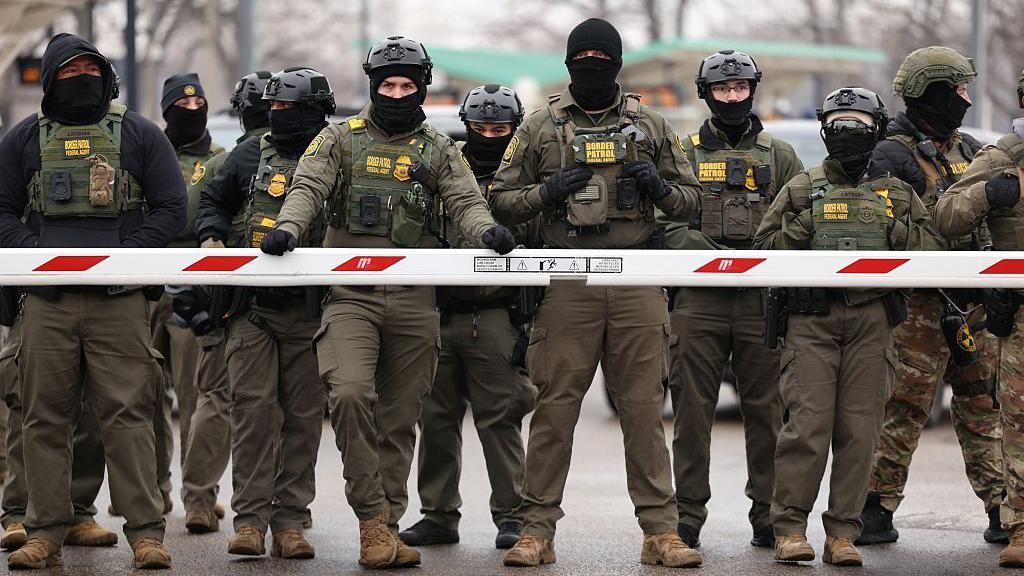
    The U.S. Department of Homeland Security (DHS) has announced the immediate deployment of body cameras to all federal immigration agents operating in Minneapolis, Minnesota. This policy shift follows escalating tensions over the January deaths of two American citizens, Alex Pretti and Renee Good, during heightened immigration enforcement operations in the region.

    DHS Secretary Kristi Noem confirmed the rollout via social media on Monday, coinciding with the Hennepin County Medical Examiner’s classification of Pretti’s January 24th death as a homicide. The examiner’s report specified Pretti sustained multiple gunshot wounds from one or more law enforcement officers before succumbing to injuries at Hennepin County Medical Center. While homicide denotes a human killing another, it does not automatically imply criminal wrongdoing.

    U.S. Customs and Border Protection disclosed that two agents involved in Pretti’s shooting were equipped with body cameras and have been placed on administrative leave. The U.S. Department of Justice has launched a civil rights investigation into the incident.

    Secretary Noem indicated plans to expand the body camera program nationally once funding becomes available. This commitment emerges amid a partial government shutdown, with Democrats insisting on immigration reforms—including universal body camera usage—as conditions for funding legislation.

    President Donald Trump endorsed the technology, stating body cameras ‘generally tend to be good for law enforcement because people can’t lie about what’s happening,’ estimating they’re ‘80% good for law enforcement.’

    In response to the shooting, the administration replaced Minneapolis-based U.S. Border Patrol Chief Gregory Bovino with former immigration official Tom Homan. Homan has met with local leaders including Governor Tim Walz and Minneapolis Mayor Michael Frey to address community tensions. Both officials have demanded complete withdrawal of federal agents from the capital region.

    Homan acknowledged authorities are developing plans to reduce federal presence in Minneapolis, though operational changes would depend on state and local cooperation with federal authorities. The administration has criticized Minneapolis’ sanctuary city policy prohibiting municipal employees from enforcing immigration laws.

    Mayor Frey emphasized prioritizing local police focus on community safety while maintaining selective cooperation with federal authorities. The ongoing deployment of over 3,000 federal immigration officers throughout Minnesota implements President Trump’s campaign promise to intensify immigration enforcement.