作者: admin

  • Al-Aqsa imam warns against Israeli bill to ban Muslim call to prayer

    Al-Aqsa imam warns against Israeli bill to ban Muslim call to prayer

    A controversial Israeli bill that would codify restrictions on the Islamic call to prayer, known as the adhan, has cleared a critical legislative hurdle, drawing sharp condemnation from senior Muslim religious leaders and Palestinian communities who frame the measure as an attack on their religious identity and a violation of international law.

    On Sunday, the Ministerial Committee for Legislation — the body that vets whether proposed bills move forward for a preliminary vote in Israel’s parliament, the Knesset — advanced the legislation. The bill was submitted by far-right National Security Minister Itamar Ben Gvir and Zvika Fogel, chair of the Knesset’s National Security Committee, and while it has secured committee backing, it still requires approval from the full Knesset, with no vote date scheduled as of yet.

    Under the terms of the proposed law, the installation and operation of loudspeakers for religious calls to prayer would be banned by default, with permits granted only at the discretion of Israeli authorities. Approval would hinge on a set of criteria including volume limits, required noise reduction infrastructure, a mosque’s geographic location, proximity to residential neighborhoods, and the perceived impact on local residents. If permit conditions are violated, police would gain the authority to immediately order loudspeakers shut off, with repeated violations leading to equipment confiscation and steep financial penalties: unpermitted loudspeaker use would carry a fine of 50,000 Israeli shekels (approximately $17,719), while violations of permit terms would incur a 10,000 shekel fine (around $3,545).

    Sheikh Ekrima Sabri, the imam of Jerusalem’s Al-Aqsa Mosque — one of the holiest sites in Islam and a flashpoint of longstanding Israeli-Palestinian tension — labeled the latest legislative push a dangerous escalation of repeated, previously unsuccessful efforts to curtail the adhan. “The current attempt to ban the Muslim call to prayer has taken a dangerous turn by legalising the banning of the call to prayer through issuing a law to prohibit it,” Sabri stated on Monday. He emphasized that Israeli authorities have no legitimate standing to classify the centuries-old religious practice as unwanted noise or a public nuisance, arguing “The disturbance and noise come from the war machines of the aggressors.”

    The bill’s backers have defended the proposal as a necessary public health and quality of life measure. Ben Gvir has claimed that excessive noise from muezzins (the religious figures who recite the adhan) harms the well-being of Israeli residents, saying, “In many places, the noise of the muezzin is unreasonable and harms the quality of life and health of residents. This is a phenomenon that cannot be tolerated.”

    Palestinian citizens of Israel, who would bear the direct brunt of the new regulations, have widely condemned the proposal, rejecting the claim that the adhan constitutes a noise problem. They argue the legislation is just the latest example of the current Israeli government’s systematic efforts to erode Palestinian religious and cultural identity across territories under Israeli control.

    A key unresolved question remains: whether the new rules would apply to Al-Aqsa Mosque, located in occupied East Jerusalem. Israel formally annexed East Jerusalem in 1980, a move that has never been recognized by the international community. Consistent with international law, most of the global community regards East Jerusalem as occupied Palestinian territory, holding that an occupying power cannot claim sovereignty over the area and is barred from implementing permanent legal or structural changes to the occupied territory. Sabri emphasized this principle, noting that as an occupying power, Israel “has no right to alter the existing status quo of the occupied territory” and “has no right to enact laws that contradict the laws that were in effect in the country before its occupation.”

    Efforts to restrict the adhan in Israel are not a new development. In 2017, a nearly identical bill targeting loudspeaker use for the Islamic call to prayer passed a preliminary Knesset reading but was never enacted into law. Most recently, at the end of 2024, Ben Gvir already issued a directive ordering Israeli police to block mosques from broadcasting the adhan, repeating his claim that the practice disturbs Jewish residents.

  • Watch: Massive hailstones pound Denver in powerful storm

    Watch: Massive hailstones pound Denver in powerful storm

    On Monday, a powerful and unanticipated severe weather system swept across Denver and its adjacent surrounding regions, leaving a trail of disrupted daily life in its wake. The storm system brought with it a triple threat of dangerous weather conditions: roaring high-speed winds, torrential downpours that saturated roadways and low-lying areas, and exceptionally large hailstones that reached the approximate diameter of standard golf balls.

    Local residents captured dramatic footage of the extreme weather event, showing thick hailstones pummeling residential rooftops, vehicle windshields, and public spaces across the city. The sudden onset of the storm caught many commuters and outdoor-goers off guard, forcing rapid evacuations to shelter and causing widespread temporary traffic disruptions on major metropolitan arteries.

    As of initial reports from local weather authorities, assessment teams are beginning to survey the extent of property damage across the region, with early indications pointing to impacts on thousands of vehicles and structures in the hardest-hit neighborhoods.

  • DR Congo airport reopens in Ebola-hit area as suspected cases drop

    DR Congo airport reopens in Ebola-hit area as suspected cases drop

    Nearly two weeks after flight restrictions were imposed to slow the spread of an ongoing Ebola outbreak in eastern Democratic Republic of the Congo, the key airport serving the epidemic’s epicentre has resumed regular commercial operations, as health officials confirm a sharp drop in the number of pending suspected cases. This outbreak, caused by the rare Bundibugyo strain of the Ebola virus, was formally declared a major public health emergency by the DRC government on May 15, just days after the first cases were detected in the conflict-affected Ituri province. Within 48 hours of the declaration, the World Health Organization elevated the event to an international public health alert, triggering a coordinated global response to contain the virus before it could spread more broadly beyond national borders.

  • Houthis and Al-Shabaab conspiring to choke Red Sea routes

    Houthis and Al-Shabaab conspiring to choke Red Sea routes

    Stretching between the Horn of Africa and the Arabian Peninsula, the Red Sea and Gulf of Aden basin stands as one of the world’s most critical maritime trade arteries, carrying nearly 30% of all global container traffic between Asia and Europe via the Suez Canal. What was once already a region roiled by decades of conflict is now facing a new and alarming threat: two ideologically opposed militant organizations are quietly forging opportunistic cooperative ties, sharing military expertise and equipment that risk expanding instability far beyond their existing borders.

    According to United Nations expert panels and U.S. intelligence assessments, Yemen’s Houthi insurgency (officially the Ansar Allah movement, which controls large swathes of northern Yemen and maintains the capacity to disrupt Red Sea shipping) and Somalia’s Al-Shabaab—widely recognized as al-Qaeda’s most powerful active affiliate—have been exchanging logistical and military support, despite the absence of a formal binding alliance. The two groups hold starkly opposing ideological views: the Houthis adhere to Zaydi Shiism, while Al-Shabaab follows a hardline anti-Shia Sunni extremist doctrine. Yet shared strategic and material interests have overcome these divides, marking a worrying new shift in regional security dynamics.

    First reports of emerging cooperation between the two groups surfaced in 2024, when the UN Panel of Experts on Yemen issued an official warning over growing arms trafficking across the shared waters between Somalia and Yemen—two nations that have been mired in continuous conflict since 1991 and 2014 respectively. The panel later expanded its warning to note deepening logistical and operational coordination between the militant organizations.

    Accounts suggest Houthi leaders have made direct trips to Somalia to establish working relationships with Al-Shabaab commanders, while cross-border criminal smuggling networks long active in the region have also acted as intermediaries to facilitate these connections. Illicit trafficking of weapons, goods and people has flourished along the ungoverned coasts of the Horn of Africa and Yemen for decades, providing a ready infrastructure for underground cooperation.

    For both groups, the partnership serves clear strategic goals. The Houthis aim to expand their regional influence and diversify their revenue streams, while Al-Shabaab seeks to bolster its outdated military arsenal with more advanced capabilities. Per UN documentation, Al-Shabaab militants have already received training in Houthi-controlled Yemeni territory on drone operation and the manufacturing of advanced improvised explosive devices. The Houthis have also reportedly supplied Al-Shabaab with armed drones—weapons the Houthis have used extensively to target commercial and military shipping in the Red Sea and Gulf of Aden between 2023 and 2025—and Al-Shabaab has additionally requested guided missiles from its Yemeni partners.

    Up to this point, Al-Shabaab has only used drones for surveillance and intelligence gathering. The acquisition of armed offensive drones would transform the group’s operational capacity, allowing it to carry out deadlier attacks against the already overstretched Somali national army and its international backers, both within Somalia and across regional borders. The United Nations has warned this expansion could allow Al-Shabaab to extend its reach far beyond Somali territory, further destabilizing the already fragile Horn of Africa region.

    Al-Shabaab’s growing power comes after nearly two decades of gradual expansion across Somalia. Emerging in the mid-2000s, the group has carved out control over large areas of central and southern Somalia, outlasting multiple international counterinsurgency campaigns. Its resilience is rooted in longstanding political, military and economic failures of the Western-backed Somali federal government, which has failed to unify fragmented regional forces and consolidate authority across the country. Al-Shabaab has successfully exploited violent rivalries between the federal army and regional militias seeking greater autonomy, expanding its influence as political divisions deepen in Mogadishu.

    International forces have also struggled to contain the group. African Union troops deployed to support the Somali government have faced persistent setbacks, and U.S. counterterrorism airstrikes—hit a record high in 2025—have done little to roll back Al-Shabaab’s territorial control, even as they weakened the smaller Islamic State affiliate in northern Somalia (which is also suspected of maintaining informal links to the Houthis).

    Currently, Somali security forces, backed by U.S. support, are preparing a new major offensive, codenamed Operation Onkod (Thunder), targeting Al-Shabaab in coastal areas west of the autonomous northern Puntland region, following a successful earlier campaign against the local Islamic State faction. Al-Shabaab has already begun reinforcing its positions in the area in anticipation of the assault.

    The growing cooperation between the Houthis and Al-Shabaab carries severe risks for global trade and regional security. While current cooperative activity remains limited, it could eventually push increased instability into the Gulf of Aden, already roiled by Houthi attacks on commercial shipping carried out in support of Palestinians since 2023. Those previous attacks already diverted international naval resources and contributed to a resurgence of pirate activity off the Somali coast, which has only partially abated. A stronger Al-Shabaab controlling northern Somali coastal territory, paired with ongoing Houthi aggression, could create a sustained arc of instability across the entire Red Sea corridor.

    Against the backdrop of open regional tensions between Iran, the United States and Israel that began in February 2024, the Houthis have already amplified destabilizing activity across the waterway. With the global economy already vulnerable to supply chain disruptions through strategic chokepoints like the nearby Strait of Hormuz, any further escalation in the Red Sea could have far-reaching economic consequences for markets worldwide.

    This analysis is based on research by Brendon Novel, a doctoral candidate in political science at the University of Montreal specializing in Horn of Africa and Red Sea security dynamics.

  • Trump names inexperienced ally as intelligence director

    Trump names inexperienced ally as intelligence director

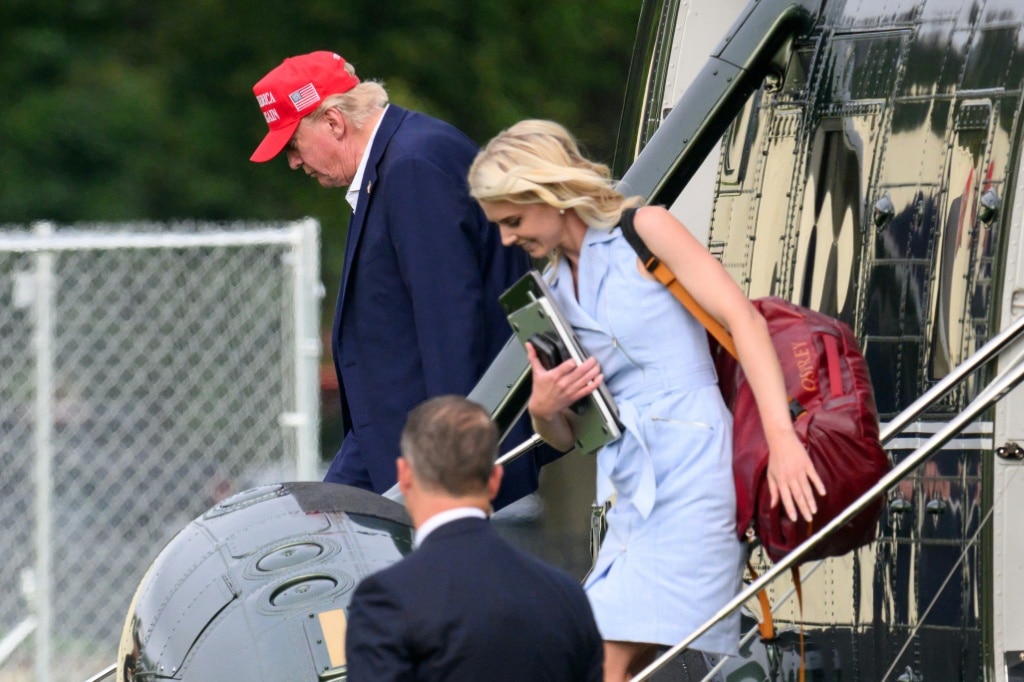
    In a surprise and controversial Tuesday announcement, former and current US President Donald Trump has tapped one of his most aggressively loyal allies, 38-year-old Bill Pulte, to serve as acting director of national intelligence — a role Pulte will hold alongside his existing positions overseeing the nation’s federal housing finance system. Pulte, who currently leads the Federal Housing Finance Agency (FHFA) and regulates the government-sponsored mortgage giants Fannie Mae and Freddie Mac, will step into the intelligence role to succeed Tulsi Gabbard, whose short tenure ended with her resignation in late May. Gabbard, herself a divisive pick for the intelligence post, departed after public reports of friction between her and Trump over his hardline policy against Iran.

    In an official post shared on his Truth Social platform Tuesday, Trump defended the unconventional appointment, highlighting Pulte’s track record overseeing US housing finance markets. “William has deep experience managing the most sensitive matters in America, the safety and soundness of the Markets,” Trump wrote, confirming that Pulte would not step away from his current housing and mortgage regulatory roles while leading the US intelligence community.

    Long recognized as one of Trump’s most vocal public defenders, Pulte has built a reputation as a blunt “attack dog” for the president, repeatedly targeting Trump’s political opponents across the Democratic Party with public accusations and investigations. He has openly claimed that Democratic Senator Adam Schiff and New York Attorney General Letitia James falsified information on their personal mortgage applications. According to reporting from The Wall Street Journal, an internal Fannie Mae complaint alleges Pulte improperly accessed the confidential mortgage records of James and other top Democratic officials, drawing criticism for misusing his regulatory power for political gain.

    The accusation against James led to a federal grand jury indictment in October last year, though a federal judge dismissed the case without prejudice a month later over unrelated procedural issues. Pulte has also brought forward mortgage fraud claims against Federal Reserve Governor Lisa Cook, a move that prompted Trump to attempt to fire the sitting central bank official. That legal dispute remains pending before the US Supreme Court.

    Beyond his attacks on political opponents, Pulte has drawn controversy for his actions inside FHFA and Fannie Mae. He has fired internal ethics watchdogs who were investigating close allies of his, framing the dismissals as a deliberate effort to eliminate diversity, equity and inclusion (DEI) programs within the agency. On housing policy, he has pushed a controversial proposal to introduce 50-year mortgages in the US, a plan that has sparked intense backlash even within Trump’s own pro-Trump MAGA movement.

    Pulte, the heir to the PulteGroup homebuilding fortune, left the company’s board of directors in 2020 after a public falling out with his family over the future of the business. His aggressive, public approach to political combat has also alienated many insiders, even within Trump’s own inner circle. Multiple US media outlets including The Wall Street Journal and Politico have reported that in 2025, Treasury Secretary Scott Bessent threatened to physically assault Pulte during a private dinner at an exclusive club, highlighting the deep divisions within the Trump administration over Pulte’s actions. Critics have raised widespread alarm over the appointment, noting that Pulte has no prior experience in national security or intelligence work, marking a sharp break with standard practice for the top intelligence leadership role.

  • South Africa police investigate killing of two Mozambican men

    South Africa police investigate killing of two Mozambican men

    On Tuesday, South African police confirmed the deaths of two Mozambican citizens killed over the weekend in Mossel Bay, opening a formal homicide investigation that has deepened a public dispute with Maputo over rising xenophobic violence in the country. The two victims, aged 27 and 43, were killed on Saturday, just one day after a separate outbreak of unrest in the Western Cape province.

    In an official statement, Mozambique’s government has alleged that five of its nationals were killed in targeted xenophobic attacks, with an additional 800 Mozambican citizens victimized during violent unrest that broke out on Friday in the KwaNonqaba settlement. Following the violence, 300 Mozambicans crossed the border back to their home country on Saturday, with another 500 expected to follow in the coming days. Tragically, two people died in a road accident during this mass evacuation. South African law enforcement has not confirmed any xenophobic motive for the two confirmed deaths, saying the investigation is still ongoing, and noted that they released the updated details to “set the record straight” amid conflicting public claims.

    The violence comes amid a months-long surge in anti-foreigner sentiment across South Africa, driven by grassroots protests demanding stricter immigration enforcement. Demonstrators, led by advocacy group March and March, argue that undocumented migrants strain public services and contribute to rising crime rates. The group has issued an unofficial deadline for all undocumented immigrants to leave the country by 30 June, with protests ramping up ahead of local elections scheduled for later this year.

    The Friday unrest in KwaNonqaba saw widespread arson that left more than 50 informal shacks destroyed. Police have arrested five people in connection with that arson attack. In a separate, unrelated incident, an 18-year-old South African man was stabbed to death during an apparent botched robbery early Sunday, with no arrests made in that case as of Tuesday.

    Officially, South Africa is home to more than 3 million documented foreign nationals, making up roughly 5% of the country’s total population. Government figures do not account for the estimated millions more who reside in the country without formal documentation. Xenophobic violence has been a persistent systemic issue in South Africa for decades, with periodic deadly outbreaks targeting foreign communities.

    In response to the rising unrest, multiple neighboring and African nations have issued travel warnings advising their citizens in South Africa to exercise heightened caution. Countries including Kenya, Malawi, Lesotho, and Zimbabwe have all issued public alerts. Earlier this year, Ghana completed an evacuation of hundreds of its citizens from South Africa citing growing safety risks. While South Africa’s national government has formally condemned criminal acts directed at foreign nationals, police have stopped short of confirming that recent violence constitutes organized xenophobic attacks.

  • BBC at New Jersey ICE detention centre as curfew enforced

    BBC at New Jersey ICE detention centre as curfew enforced

    Tensions have erupted at a U.S. Immigration and Customs Enforcement (ICE) detention center in New Jersey, leading local authorities to enact a restricted curfew following violent confrontations between demonstration participants and law enforcement officers. A BBC correspondent, Nada Tawfik, is on the ground at Delaney Hall, the detention facility at the center of the unrest, to report on the unfolding situation.

    The curfew order covers a half-mile radius surrounding the compound, restricting public movement within the zone in an effort to de-escalate the conflict that broke out between protesters and police. The standoff at the facility comes amid long-running national debate over immigration enforcement practices and conditions in ICE detention centers across the United States, which has drawn repeated protests from advocacy groups in recent years.

    BBC’s on-site reporting comes as local officials work to restore order to the area after the clashes, with observers watching closely to see how the situation develops in the coming hours. The curfew remains in effect as authorities work to prevent further unrest around the detention center.

  • Senegal’s ousted PM Sonko boycotts new government, raising fears of political deadlock

    Senegal’s ousted PM Sonko boycotts new government, raising fears of political deadlock

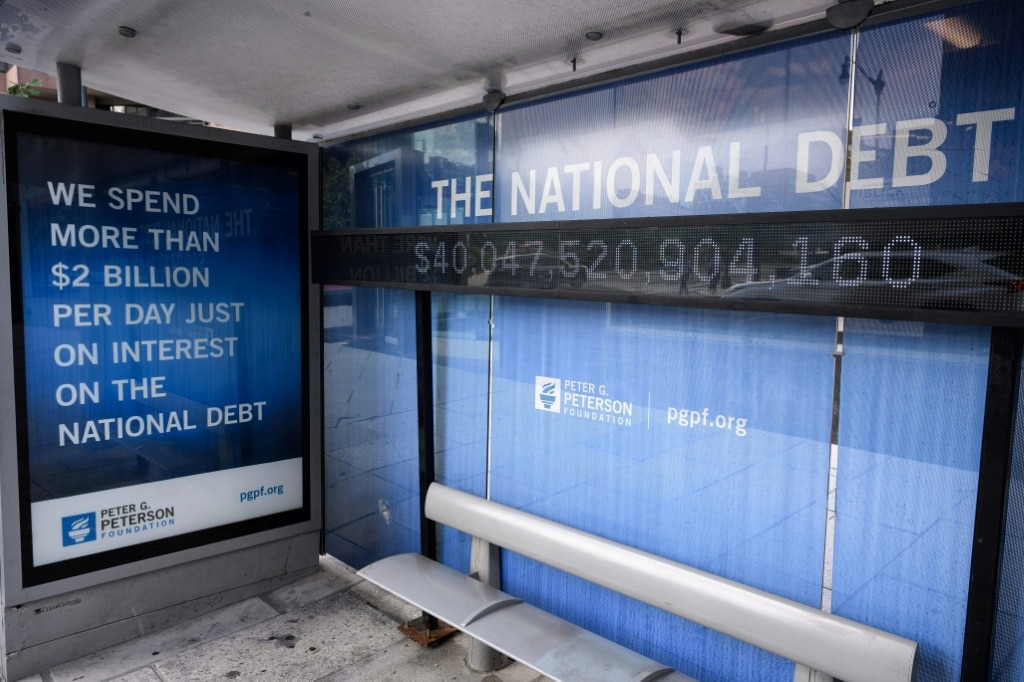
    A widening political fracture in Senegal has thrown the West African nation into uncertainty, after ousted Prime Minister Ousmane Sonko announced his majority ruling party will boycott the newly formed national government — escalating months of public tension with President Bassirou Diomaye Faye and raising fears of crippling governance gridlock as the country grapples with a record-level debt crisis.

    The pair once rose to power together as close allies within the Patriotes Africains du Sénégal pour le Travail, l’Éthique et la Fraternité, commonly known by its French acronym Pastef. Led by Sonko, Pastef commands an overwhelming legislative majority, holding 130 of the 165 total seats in Senegal’s national parliament. This dominant control gives the party significant power to derail Faye’s new administration if the confrontation continues.

    Last Monday, newly appointed Prime Minister Ahmadou Al Aminou Lo unveiled his cabinet. Notably, the lineup excludes all prominent Pastef figures aligned with Sonko, as well as any of the ousted prime minister’s close associates who previously held key ministerial portfolios. Sonko was removed from office alongside his entire cabinet in May, a move that formalized the months-long growing rift between the former allies.

    In a statement following the cabinet announcement, Sonko confirmed that Pastef would formally refuse to participate in the new government, citing unresolved points of disagreement with Faye and Lo. Babacar Ndiaye, a political analyst with Dakar-based think tank Wathi, noted Tuesday that the country has now shifted to a new political landscape where the ruling party’s dominant parliamentary bloc is acting as a formal opposition. Ndiaye added that Pastef has the legislative power to table a no-confidence vote against Faye’s new government, a move that would almost certainly push the country into full governance gridlock.

    The political unrest comes at a particularly precarious moment for Senegal. The country is currently facing a deepening sovereign debt crisis and soaring cost of living, with one of the highest debt-to-GDP ratios across the African continent. A 2023 government audit uncovered that the national debt, accumulated by the previous administration, totals $13 billion — far larger than previously reported to the public. In recent months, public disagreements between Faye and Sonko have centered on high-stakes policy decisions, most notably ongoing negotiations for a new loan from the International Monetary Fund that the struggling economy desperately needs.

    The ongoing confrontation has raised alarm across regional political circles, as the unresolved standoff threatens to delay critical economic reforms and debt restructuring efforts that are essential to stabilizing Senegal’s fragile economy.

  • What stolen Scottish party funds bought: Nintendo games, robot lawnmower and a motorhome

    What stolen Scottish party funds bought: Nintendo games, robot lawnmower and a motorhome

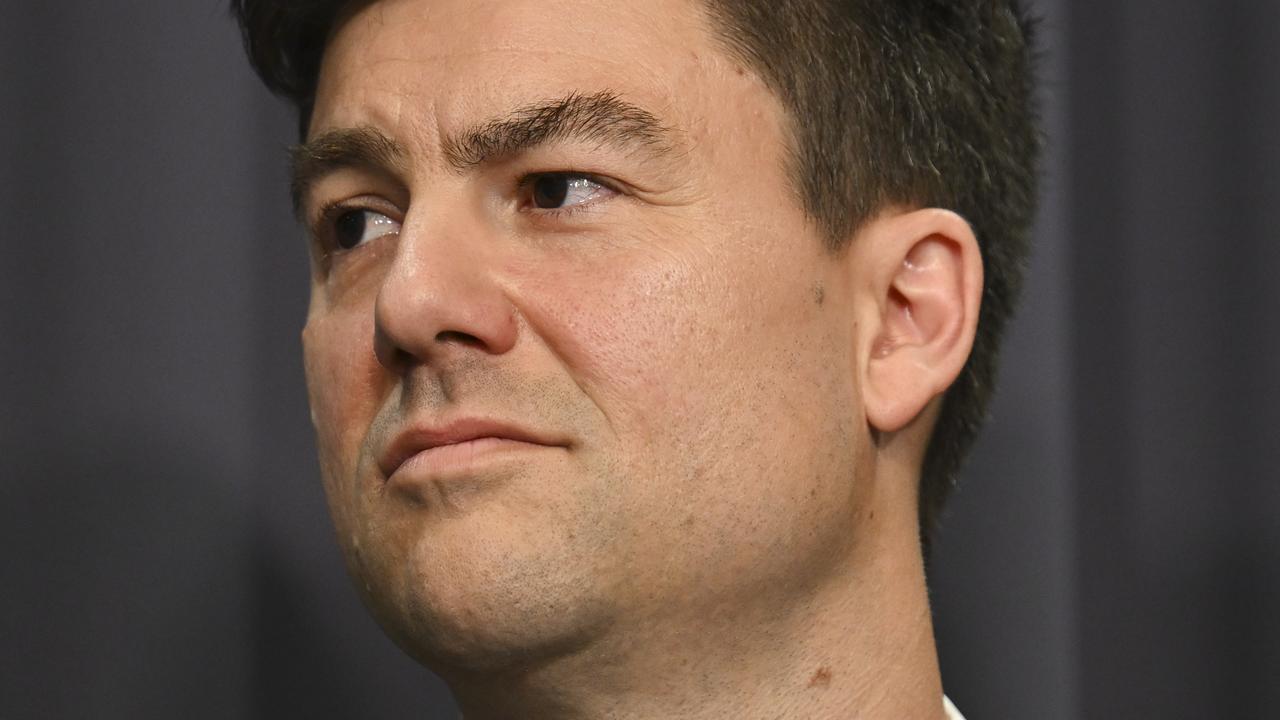
    EDINBURGH, Scotland — A high-profile political scandal has deepened in Scotland this week, as prosecutors laid out staggering details of systemic embezzlement carried out by Peter Murrell, the former chief executive of the Scottish National Party (SNP) and estranged husband of ex-Scottish First Minister Nicola Sturgeon. Over a 12-year period stretching from 2010 to 2022, Murrell siphoned more than 400,000 British pounds, equal to roughly $540,000, from the SNP’s main operating bank account to fund a sprawling personal spending spree that included everything from high-end luxury vehicles and accessories to routine household goods, prosecutors confirmed in court Tuesday.

    Murrell, 61, was transported to Edinburgh’s High Court on Tuesday in a prison van, where lead prosecutor Alan Cameron walked the court through the full scope of the fraud. As the party’s long-serving top administrative executive, Murrell held full, unchecked control over the SNP’s core financial accounts, which hold funds from party membership dues and member donations. That unmonitored access allowed him to divert hundreds of thousands of pounds in public-facing party funds for his own private use for more than a decade, Cameron explained.

    To avoid detection, Murrell deliberately falsified accounting records and created fake invoices, masking personal purchases with misleading labels tied to legitimate party operating expenses. Court documents revealed a lengthy, eclectic list of purchases, ranging from high-value luxury assets to mundane everyday items. The single most expensive purchase was a luxury motorhome that cost more than $167,816, which Murrell listed simply as a “van” on a party invoice. The vehicle was never used for any SNP-related activity; police investigators noted it had only been driven four miles before it was seized as evidence.

    Murrell also used stolen party funds to purchase two cars: a Volkswagen Golf bought in 2016 for $22,220 in SNP money, which he later traded in to upgrade to a Jaguar, labeling the entire transaction a cost for staging party events. When he sold the Jaguar privately in 2021, he pocketed roughly $63,844 from the sale for himself. Other high-end purchases included $33,010 worth of luxury leather goods and stationery from iconic London retailer Smythson, two premium Bremont watches worth $12,598 (recorded as “event merchandise” in accounting software), a $4,716 ornate silver wine coaster falsely marked as “leadership expenses,” and a pair of Lalique salt and pepper grinders costing $3,527. Even a 3,070-pound ($4,136) robotic lawnmower was disguised as a “legal fee” to avoid raising red flags.

    Beyond luxury goods, Murrell charged hundreds of routine household purchases to SNP payment cards over 12 years. In total, he made 383 separate Amazon purchases totaling $57,474, including PlayStation and Nintendo gaming consoles, a Super Mario video game, Montblanc luxury fountain pens, knife sets, kitchenware, gardening tools, electric toothbrushes, super glue, and shower squeegees.

    Last week, Murrell formally pleaded guilty to a single charge of embezzlement covering the full 12-year period of the fraud. In response to the scandal, Sturgeon — who led the SNP for 10 years and served as Scotland’s First Minister until 2023 — has repeatedly and forcefully denied any knowledge or involvement in Murrell’s crimes. The former leader stated she was “deceived, misled and betrayed” by her former husband, and the couple announced their plans to divorce last year. Sturgeon was arrested in June 2023 as part of the broader investigation into SNP party finances but was later cleared of any wrongdoing by police. Murrell is scheduled to receive his official sentencing later this month.

    The SNP has held control of Scotland’s devolved semi-autonomous government for nearly 20 years, built around its core campaign goal of securing Scottish independence from the United Kingdom. The embezzlement scandal has already had far-reaching impacts on public trust in Scottish politics, according to Jack McConnell, a former Labour First Minister of Scotland who was defeated by the SNP in the 2007 general election. McConnell argued that the incident is far more than trivial local gossip, noting that it has damaged Scotland’s international reputation and eroded public confidence in political institutions. “This is embarrassing internationally for us now and we need to take it seriously,” McConnell said.

  • Bethell fit to play for England in test series against NZ as McCullum calls for ‘refined’ Bazball

    Bethell fit to play for England in test series against NZ as McCullum calls for ‘refined’ Bazball

    As England prepares to kick off its home Test summer against New Zealand at Lord’s this Thursday, one of the team’s most promising young batting prospects has been given the all-clear to take his spot in the starting XI, easing early selection concerns for head coach Brendon McCullum.

    Jacob Bethell, who has been named as England’s new number three batter to replace the injured Ollie Pope, was forced to cut short his 2025 Indian Premier League campaign with champions Royal Challengers Bengaluru before the playoff stage. The 20-something batsman sustained a finger injury to his left hand during the IPL, prompting an early return to the UK to undergo assessment and close monitoring from England’s national medical staff ahead of the highly anticipated New Zealand series.

    Speaking to reporters on Tuesday, McCullum confirmed that the injury fears have proven unfounded, saying Bethell is fully fit to compete. “He was operating at gully in our training yesterday and he’s absolutely fine, so there’s no problems there,” McCullum said. The coach added that Bethell will also be available to bowl, a valuable bonus that gives England an extra bowling option in its top-order batting group.

    Bethell has quickly emerged as one of England cricket’s brightest young talents after a standout performance in the 2024-25 Ashes series in Australia. Though England fell to a 4-1 series defeat, Bethell was one of the few bright spots for the side, notching his maiden Test century in the series-closing final match in Sydney. Across his six Test appearances to date, he holds a solid batting average of 43, but his experience at the highest level of red-ball cricket on home soil remains extremely limited: he has only played one home Test to date, scoring a combined 11 runs across two innings against India in 2024 when batting at number six. What’s more, since August 2024, Bethell has appeared just once in England’s domestic County Championship, leaving questions over his red-ball match sharpness heading into the New Zealand series.

    McCullum, however, said there will be no excuses for the young batter as he steps into the high-pressure number three role at the iconic Lord’s Cricket Ground. “His game looks in good order,” McCullum noted. “I’m sure working in India, I know it’s probably not ideal from a structure point of view and maybe not getting as much red-ball games under his belt, but he has a calm head and he’s a very methodical preparer in terms of the mental side of the game.”

    The New Zealand series also marks the first official campaign for England’s iconic aggressive “Bazball” playing style after a disappointing Ashes result that drew calls for leadership change. McCullum and captain Ben Stokes ultimately retained their positions despite the underwhelming performance and off-field controversies during the Australian tour. When asked what fans can expect from the revamped side this summer, as the Bazball approach comes under renewed scrutiny against New Zealand and a subsequent Pakistan series, McCullum signaled a measured evolution of the team’s identity. “We still want to be recognizable from the past, but we just want to hopefully be a cricket team which has evolved somewhat in some of the key areas where we’ve identified that we’ve fallen short previously,” he said. “We want to be a team which is better under pressure, a team which can navigate tactically, that can understand where you sit in the game and what’s required. We still want the identity of the past, but we want a more refined version of it.”