作者: admin

  • Surgeon loses license after child’s death

    Surgeon loses license after child’s death

    In a significant disciplinary action, a cardiac surgeon in Ningbo has been permanently barred from medical practice after a devastating surgical incident resulted in the death of a young child. The Zhejiang provincial health authorities confirmed the revocation on Thursday following an exhaustive investigation into the November tragedy.

    The case involved a pediatric patient surnamed Xu who underwent cardiac surgery at Women and Children’s Hospital of Ningbo University on November 14, 2025. The procedure ended tragically when the child succumbed to complications during the operation.

    A specially convened investigative panel comprising randomly selected medical experts conducted a thorough review of the case. Their investigation, which included a notarized medical appraisal, identified multiple critical failures in the surgical process. The team determined that inadequate preoperative assessment, questionable timing of the intervention, inappropriate surgical approach selection, and technical errors during the procedure collectively contributed to the fatal outcome.

    The probe acknowledged that certain techniques questioned by online commentators, including the decision to leave the pericardium incision unsutured, actually conformed to standard pediatric cardiac surgery protocols. However, the overall surgical management was deemed severely deficient.

    Authorities classified the incident as a Level 1 medical accident—the most severe categorization—holding the hospital primarily responsible while acknowledging the child’s complex cardiac condition as a contributing factor.

    Disciplinary measures extended beyond the chief surgeon (surnamed Chen), who was additionally removed as head of anesthesiology. A pediatric intensive care physician received a six-month practice suspension, while hospital leadership including the president and vice-president faced removal or penalties. The institution itself was fined and mandated to implement comprehensive corrective measures.

    Local public security bureaus have initiated formal investigations into the case. Health authorities expressed profound regret over the incident and extended formal apologies to the bereaved family, pledging enhanced medical oversight and quality improvement initiatives to prevent similar tragedies.


  • Thailand eyes $1.3b revenue via festival

    Thailand eyes $1.3b revenue via festival

    Thailand is positioning itself as the premier Southeast Asian destination for Chinese New Year festivities with an ambitious campaign projected to generate $1.33 billion in tourism revenue. The Tourism Authority of Thailand (TAT) has launched “Amazing Thailand Happy Chinese New Year 2026” to coincide with both the Year of the Horse celebrations and the 51st anniversary of Thailand-China diplomatic relations.

    The comprehensive nationwide celebration features flagship events across multiple provinces including Bangkok, Hat Yai, Nakhon Sawan, and Suphan Buri. Tourism officials anticipate welcoming approximately 1.25 million international visitors during the peak travel period from February 13-22, representing a 10% year-on-year increase, alongside 2.3 million domestic trips marking a 3% rise from 2025.

    Bangkok’s Yaowarat Road Chinatown will transform into a luminous spectacle with large-scale illuminations themed “Ride the Fortune, Share the Future” from February 7 through March 1. The capital will host cultural troupes from Beijing, Chongqing, Henan, and Fujian provinces showcasing traditional performances, lantern-making, calligraphy, paper-cutting, and astrology demonstrations.

    Southern Thailand will see vibrant celebrations in Hat Yai near the Malaysian border from February 17-20, featuring lion dances and acrobatic performances from Fujian province, reinforcing the city’s status as a crucial tourism hub for regional and cross-border travelers.

    TAT Governor Thapanee Kiatphaibool emphasized that “this campaign underscores over two decades of close collaboration between Thai and Chinese tourism authorities while celebrating the shared cultural heritage that drives sustainable travel and fosters long-term tourism growth.”

    To ensure visitor safety and enhance experiences, the Thai Tourist Police Bureau will deploy language support services at major destinations including Phuket, Chiang Mai, and Hat Yai, with special service vans stationed to assist international tourists.

    The Chinese New Year initiative aligns with Thailand’s broader “Thailand Tourism Next” strategy aiming to generate 3 trillion baht ($95 billion) in total tourism revenue for 2026. This quality-driven approach prioritizes premium experiences including health tourism, nocturnal attractions, film tourism, and sports-related travel, supported by sustainable models and integrated digital platforms.

  • Watch: Bad Bunny lookalikes compete ahead of Super Bowl

    Watch: Bad Bunny lookalikes compete ahead of Super Bowl

    In an unprecedented celebration of Latin music’s global ascendancy, a unique competition featuring Bad Bunny impersonators has captivated audiences ahead of Super Bowl LVIII. The event, organized in recognition of the Puerto Rican superstar’s groundbreaking achievement, showcased dozens of talented performers embodying the artist’s distinctive style and persona.

    The gathering of lookalikes precedes what will be a historic moment in American television history. Bad Bunny, born Benito Antonio Martínez Ocasio, is set to become the first artist to deliver the Super Bowl halftime show entirely in Spanish. This milestone performance follows his recent Grammy triumph where his album ‘Un Verano Sin Ti’ secured the prestigious Album of the Year award.

    The impersonator competition highlighted not only the artist’s visual distinctiveness but also the cultural significance of his upcoming performance. Participants meticulously recreated Bad Bunny’s flamboyant fashion sense, charismatic stage presence, and musical style, demonstrating his profound impact on contemporary pop culture.

    This event underscores the growing influence of Latin music in mainstream American entertainment and represents a significant step toward greater cultural representation in major televised events. The Spanish-language halftime show is expected to reach approximately 100 million viewers worldwide, making it one of the most watched musical performances in history.

  • Mass migration

    Mass migration

    China’s massive Spring Festival migration has commenced with unprecedented scale as the 2026 travel season officially began on February 2nd. The initial data reveals extraordinary movement patterns across the nation’s transportation networks, signaling a robust recovery in domestic travel following previous years’ constraints.

    According to the Special Task Force for Comprehensive Transportation during Spring Festival, approximately 187.91 million passengers embarked on journeys during the first day alone—representing a substantial 13 percent increase compared to the same period in 2025. This surge demonstrates the enduring significance of family reunions during China’s most important traditional holiday.

    Road transportation continues to dominate travel preferences, with highway usage accounting for 173.12 million passenger trips. Within this category, private vehicle travel experienced particularly dramatic growth, with non-commercial small passenger vehicles recording nearly 143.08 million trips—a 13.5 percent year-over-year increase. Commercial road transport also showed strong performance, facilitating 30.04 million passenger journeys, marking a 10.3 percent rise from the previous year.

    The extensive travel period, known as ‘chunyun’ in Chinese, represents the world’s largest annual human migration event. The current figures suggest that pre-pandemic travel volumes have not only recovered but exceeded previous benchmarks. Transportation authorities have implemented comprehensive measures to ensure smooth operations and passenger safety throughout the 40-day travel period that typically surrounds the Lunar New Year celebrations.

    Railway stations, airports, and highway networks across China are operating at near-capacity levels as millions of urban workers return to their hometowns for family gatherings. The data indicates a clear preference for private vehicle travel, likely driven by continued health considerations and improved highway infrastructure nationwide.

  • ‘I can’t afford cooking gas,’ shutdown of Kenya’s Koko biofuel firm wipes out clean cooking options

    ‘I can’t afford cooking gas,’ shutdown of Kenya’s Koko biofuel firm wipes out clean cooking options

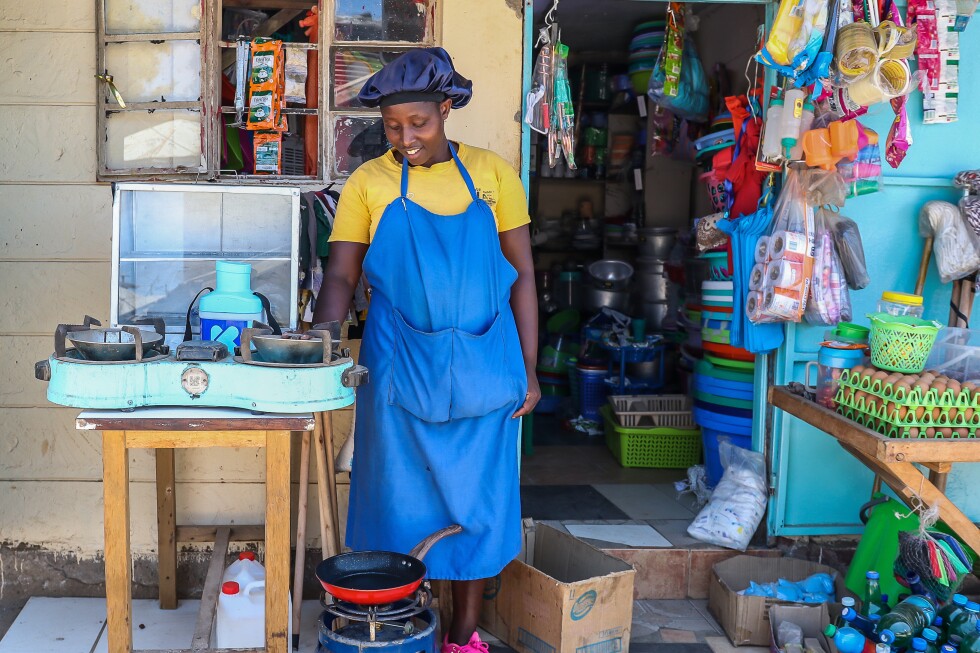
    NAIROBI, Kenya — What began as an innovative solution to Kenya’s household energy crisis has ended in abrupt collapse, leaving over 1.5 million households scrambling for alternatives. Koko Networks, once celebrated as Africa’s green transition pioneer, has shuttered its entire bioethanol distribution system across Kenya, rendering more than 3,000 fuel points inactive.

    The company’s downfall stems from a critical regulatory impasse with Kenyan authorities regarding carbon credit authorization and bioethanol import permits. Without these approvals, Koko’s business model became financially unsustainable, forcing immediate closure despite having major investors including Microsoft’s Climate Innovation Fund and South Africa’s Rand Merchant Bank.

    In Nairobi’s Kibera informal settlement, the impact is particularly severe. Former Koko agent Fredrick Onchenge, who served approximately 50 customers daily, now faces economic ruin. ‘My livelihood was gone instantly,’ he recounted. ‘I tried calling the salesperson, but their phone was switched off.’

    The shutdown has forced families back to unhealthy alternatives. Grace Kathambi, who relied on Koko’s affordable bioethanol (approximately 30 cents per cook), must now choose between costly liquefied petroleum gas or returning to smoky charcoal. ‘This was a life changer for me,’ she lamented. ‘We feel abandoned, yet it’s not our fault.’

    Kenyan presidential economic advisor David Ndii described the situation as ‘uniquely multidimensional,’ involving Paris Agreement frameworks, carbon credit credibility questions, and diplomatic considerations. Government officials have declined to comment on the closure.

    Energy analysts warn this collapse exposes fundamental flaws in Africa’s clean cooking financing. Amos Wemanya of Power Shift Africa criticized carbon credit-dependent models: ‘We are not going to solve the clean cooking challenge through carbon math spreadsheets. Carbon markets allow polluters to continue emitting while households bear the risks when projects fail.’

    The episode highlights the urgent need for transition to renewable electricity-based solutions rather than temporary fossil fuel alternatives. For now, thousands of Kenyan families face impossible choices between affordability, health, and environmental sustainability.

  • All you need to know about the 2026 Winter Olympics

    All you need to know about the 2026 Winter Olympics

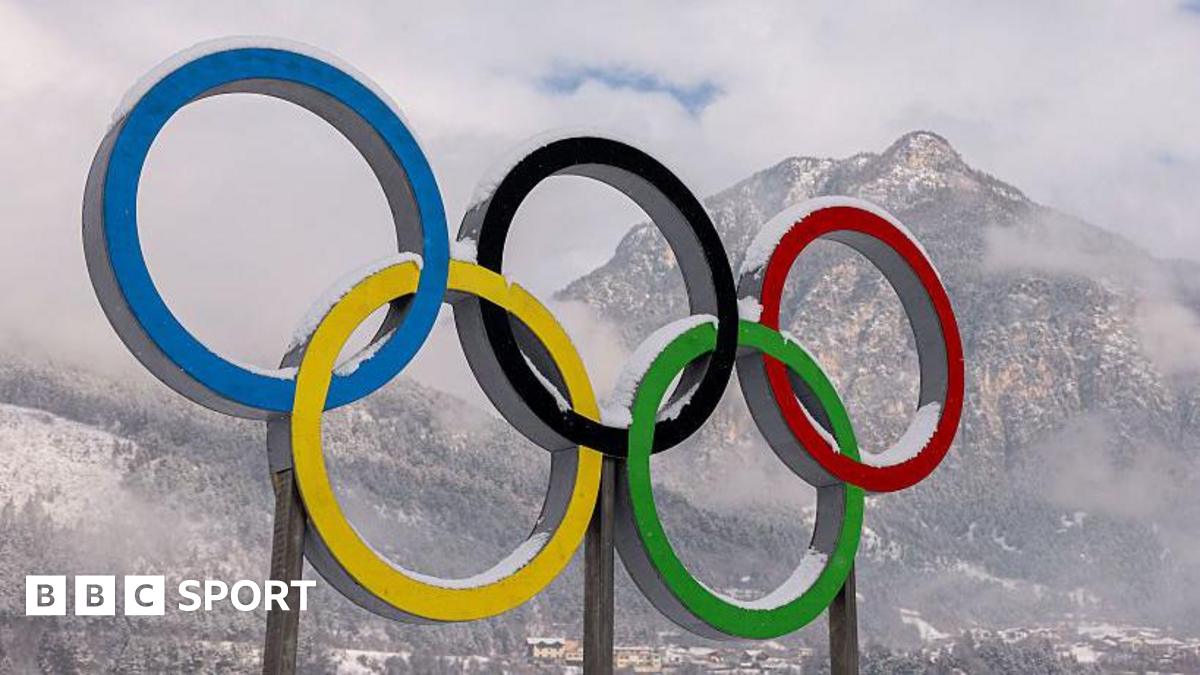
    The grand spectacle of the Milan-Cortina 2026 Winter Olympics has officially launched across northern Italy’s picturesque landscapes, marking the commencement of a 16-day celebration of elite winter sports. With approximately 2,900 athletes representing over 90 nations, the Games unfold across multiple prestigious locations including Milan’s fashion district, the chic Cortina d’Ampezzo, and the Alpine resorts of Livigno and Bormio.

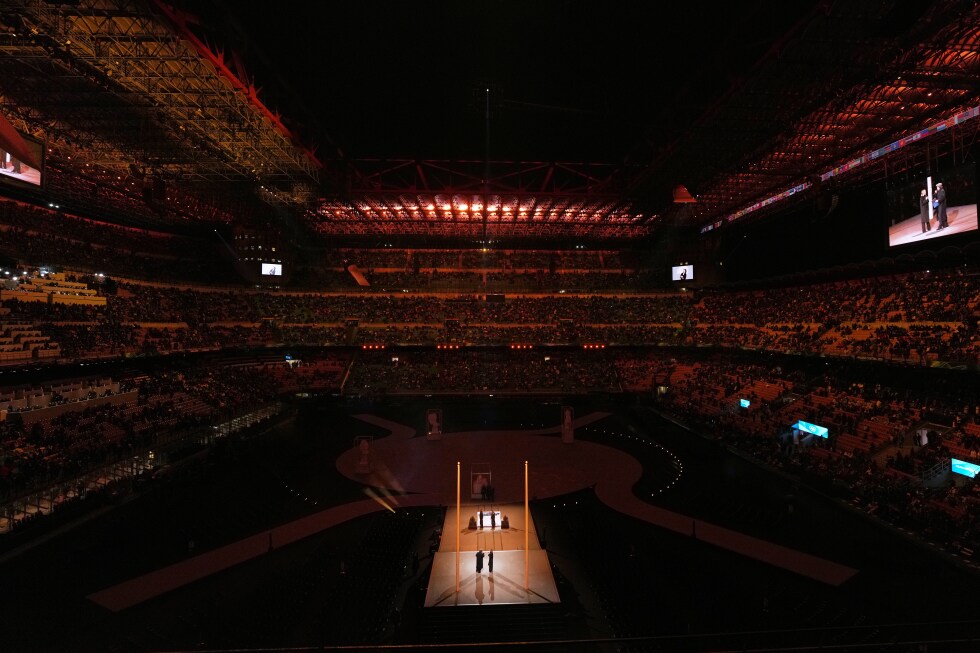
    The opening ceremony at Milan’s legendary San Siro stadium featured spectacular performances by international music icons Mariah Carey and Italian tenor Andrea Bocelli. To accommodate the geographical dispersion of events, parallel ceremonies with their own Olympic cauldrons were simultaneously held in Cortina, Predazzo, and Livigno, ensuring all participants could share the inaugural experience. Team GB’s flag-bearing honors were bestowed upon figure skater Lilah Fear in Milan and bobsleigh pilot Brad Hall in Cortina.

    Great Britain enters these Games with unprecedented optimism regarding medal prospects. UK Sport projects potential record-breaking success with forecasts of up to eight medals, surpassing previous benchmarks of five from Sochi 2014 and Pyeongchang 2018. Strong contenders include world champion skeleton athletes Matt Weston and Marcus Wyatt, who dominated this season’s World Cup circuit. Snowboarding prospects Mia Brookes and Charlotte Bankes, alongside freestyle skiers Kirsty Muir and Zoe Atkin, represent promising opportunities for Britain’s first Olympic gold or silver medals on snow. On ice, figure skating duo Lewis Gibson and Lilah Fear are positioned to potentially secure Britain’s first medal in the discipline since 1994.

    The 2026 Games introduce ski mountaineering (‘skimo’) as the first new Winter Olympic sport since 2002, featuring three medal events in Bormio. The discipline combines uphill skiing with adhesive skins, backpack-carried ski transitions, and downhill racing. Additional new events include dual moguls, luge doubles, team alpine combined, women’s large hill ski jumping, and mixed relay skeleton.

    Despite the celebratory atmosphere, organizational challenges persist. The Cortina Sliding Centre, reconstructed at a cost exceeding £72 million, narrowly achieved operational readiness after significant delays. Conversely, the Milano Santagiulia ice hockey stadium remains incomplete as competitions begin, though organizers guarantee all scheduled matches will proceed. The venue has faced criticism regarding its non-standard ice dimensions and quality concerns, previously prompting boycott warnings from the National Hockey League.

    Further controversy emerged with the dismissal of Italian biathlete Rebecca Passler following a positive doping test. Additionally, the participation of 20 Russian and Belarusian athletes as Individual Neutral Athletes under strict IOC conditions has drawn scrutiny, with BBC Sport reporting that four approved Russian competitors have documented connections to pro-war activities in Ukraine.

  • A deputy chief of Russian military intelligence was shot and wounded in Moscow

    A deputy chief of Russian military intelligence was shot and wounded in Moscow

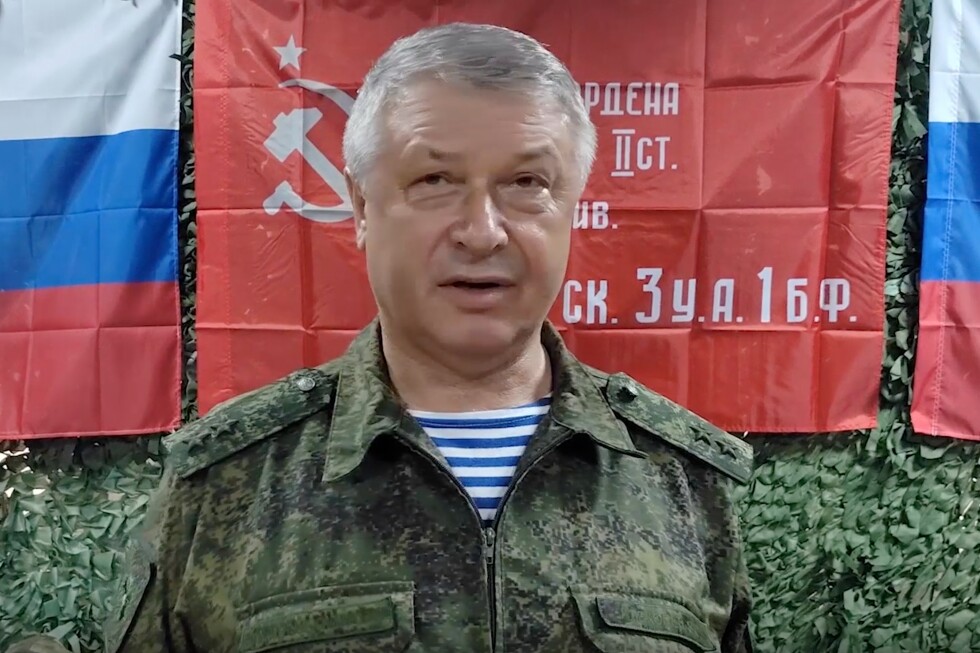
    A high-ranking official within Russia’s military intelligence apparatus, Lieutenant General Vladimir Alekseyev, sustained gunshot wounds during an ambush in northwest Moscow on Friday. The assault represents the latest in a succession of targeted attacks against Russian military leadership, incidents that Moscow consistently attributes to Ukrainian operatives.

    According to Svetlana Petrenko, spokesperson for Russia’s Investigative Committee, the 64-year-old first deputy head of the GRU (Main Directorate of the General Staff of the Armed Forces) was shot multiple times by an unidentified assailant outside a residential complex. Alekseyev was promptly hospitalized following the attack. Petrenko’s statement refrained from speculating on potential perpetrators.

    General Alekseyev, decorated with the Hero of Russia medal for his contributions to Moscow’s campaign in Syria, has held his prominent intelligence role since 2011. He gained additional public recognition during the June 2023 Wagner Group mutiny when he was filmed in negotiations with mercenary leader Yevgeny Prigozhin in Rostov-on-Don.

    The shooting occurred shortly after multinational negotiations concerning the Ukraine conflict concluded in Abu Dhabi. Notably, Alekseyev’s superior, Military Intelligence Chief Admiral Igor Kostyukov, led the Russian delegation at these talks.

    Kremlin spokesman Dmitry Peskov confirmed that President Vladimir Putin had been briefed on the incident, emphasizing the necessity for enhanced protective measures for military officials during ongoing hostilities.

    This event continues a documented pattern of assaults against Russian military figures since the commencement of the Ukraine conflict nearly four years ago. Previous incidents include the December car bomb assassination of Lieutenant General Fanil Sarvarov, the April killing of Lieutenant General Yaroslav Moskalik via explosive device, and the December 2024 bombing that claimed the life of Lieutenant General Igor Kirillov, chief of Russia’s nuclear, biological, and chemical protection forces. Ukrainian intelligence services have claimed responsibility for several of these operations, though Kyiv has not yet commented on the Alekseyev attack.

  • Russian general shot several times in Moscow

    Russian general shot several times in Moscow

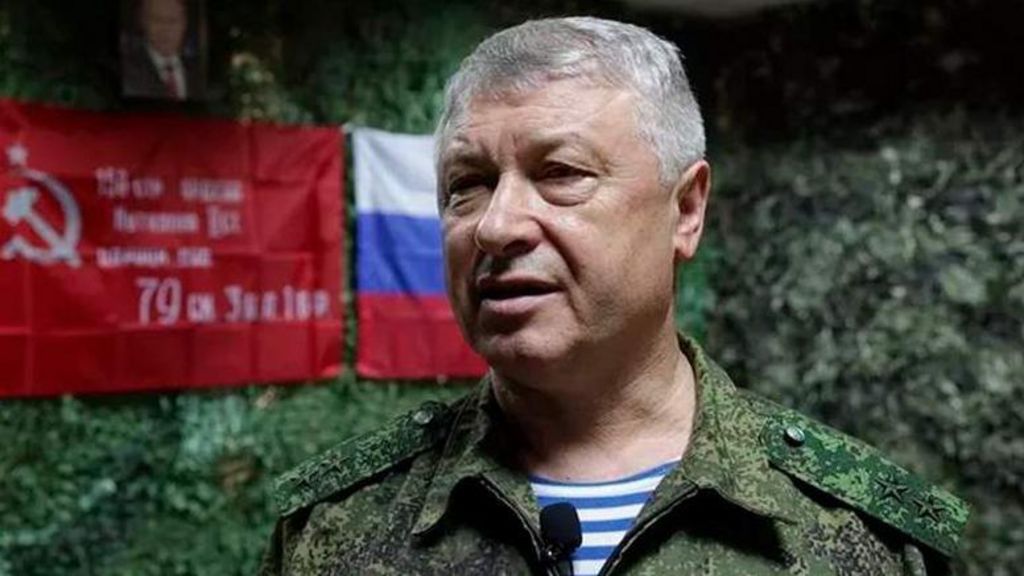
    A high-ranking Russian military official has become the latest target in a series of attacks against senior defense figures in Moscow. Lieutenant General Vladimir Alekseyev, a prominent officer within Russia’s Main Directorate of the General Staff (GRU), sustained multiple gunshot wounds during an assault in a residential complex located in the city’s northwestern periphery.

    Emergency services promptly transported the wounded general to a medical facility, though his current condition remains undisclosed by authorities. This incident marks another in a disturbing pattern of violence against Russia’s military leadership since the commencement of full-scale hostilities in Ukraine nearly four years ago.

    General Alekseyev’s career has been shrouded in international controversy. The European Union imposed direct sanctions against him following allegations that the GRU orchestrated the 2018 nerve agent attack in Salisbury, United Kingdom—an event that significantly heightened tensions between Russia and Western nations.

    The timing and methodology of this assault raise serious questions about security breaches within Russia’s capital, particularly regarding the protection of high-profile military personnel. As investigations continue, observers are analyzing potential connections to ongoing geopolitical conflicts and internal power dynamics within Russian security structures.

    This developing situation underscores the persistent vulnerabilities within Russia’s military establishment despite heightened security measures during ongoing military operations abroad. The attack represents one of the most significant security breaches involving senior Russian defense officials in recent months.

  • The Milan Cortina Olympics’ four-site and two-cauldron opening ceremony begins

    The Milan Cortina Olympics’ four-site and two-cauldron opening ceremony begins

    MILAN — In an unprecedented departure from tradition, the Milan-Cortina 2026 Winter Olympics commenced with a spectacular four-venue opening ceremony that celebrated Italy’s cultural legacy while embracing innovative logistical solutions. The festivities unfolded simultaneously across Milan’s iconic San Siro stadium, Cortina d’Ampezzo in the Dolomites, Livigno in the Alps, and Predazzo in Trento—creating the most geographically dispersed Winter Games in history.

    The ceremony design paid homage to Italy’s extraordinary cultural heritage through planned tributes to Renaissance master Leonardo da Vinci, literary giant Dante Alighieri, opera composer Giacomo Puccini, and late fashion icon Giorgio Armani. American superstar Mariah Carey joined Italian tenor Andrea Bocelli and ballad singer Laura Pausini in a performance lineup that blended international glamour with local artistry.

    Organizers implemented a dual-cauldron concept—one in Milan and another 250 miles away in Cortina—as a geometric tribute to da Vinci’s studies and practical response to the games’ unprecedented geographical spread. The ceremony incorporated classical dancers from Milan’s Teatro alla Scala, fashion showcases featuring Armani’s designs in Italy’s national colors, and symbolic representations of Italian creativity through floating paint tubes and sculptural performances.

    The production, orchestrated by Olympic ceremony veteran Marco Balich, wove together themes of ancient Rome, the Renaissance, Venetian Carnival traditions, and iconic Italian literature including Dante’s ‘Inferno’ and Collodi’s ‘Pinocchio.’ The ceremony emphasized themes of harmony and peace while navigating the unique city-mountain dichotomy of these exceptionally distributed Games.

    With competition venues spanning approximately 8,500 square miles—comparable to New Jersey’s entire land area—the organizers reimagined traditional Olympic protocols. Athletes participated in parallel Parade of Nations ceremonies across multiple locations, allowing Alpine sports representatives to celebrate without traveling to the financial capital. The closing ceremony will further extend the geographical reach with planned festivities in Verona, setting of Shakespeare’s ‘Romeo and Juliet.’

  • Canada and France to open Greenland consulates after Trump demands

    Canada and France to open Greenland consulates after Trump demands

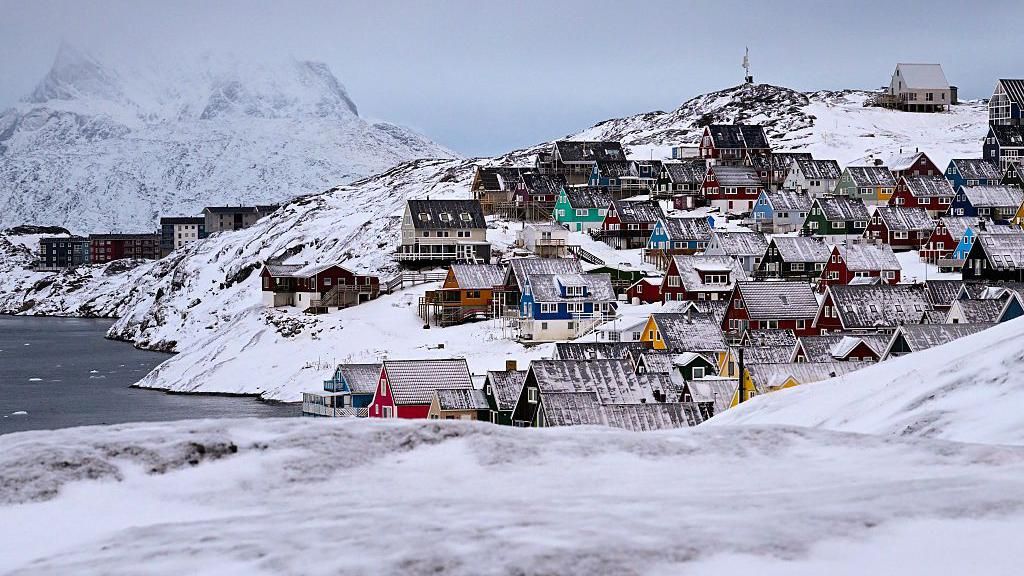
    In a strategic move reinforcing Arctic sovereignty, Canada has inaugurated its first diplomatic mission in Greenland, marking a significant expansion of foreign engagement in the strategically vital territory. The historic opening occurs alongside France’s simultaneous consulate establishment, dramatically increasing Western diplomatic presence in a region previously served only by Icelandic and American outposts.

    A high-level Canadian delegation featuring Governor General Mary Simon and Foreign Minister Anita Anand arrived in Nuuk aboard a Canadian Coast Guard vessel for Friday’s formal ceremonies. The diplomatic expansion comes as a direct response to former U.S. President Donald Trump’s repeated assertions regarding American territorial ambitions in Greenland, which he justified citing national security concerns about Russian and Chinese influence.

    Governor General Simon, Canada’s first Indigenous governor general with deep Inuit roots, emphasized during pre-trip remarks that Canada “stands firmly in support of the people of Greenland who will determine their own future.” Her participation carries particular symbolic weight, reflecting the profound cultural connections between Canadian and Greenlandic Inuit communities.

    University of British Columbia Arctic expert Michael Byers noted the consulate’s significance, stating: “Her visit is an affirmation at the highest level of the cultural and ethnic connections between Arctic Canada and Greenland. It’s a very powerful statement.” The geographical proximity between Nunavut’s capital Iqaluit and Nuuk—merely an hour by air—further underscores the natural alignment between the regions.

    The consulate opening, initially planned for late 2025 but delayed by weather conditions, represents the culmination of years of advocacy by Canadian Inuit leadership. Approximately fifty Canadian Inuit representatives traveled from Montreal to Nuuk via chartered flight to participate in the ceremonies, demonstrating the deep cultural ties between the communities.

    Inuit Tapiriit Kanatami President Natan Obed expressed concern about U.S. territorial ambitions, noting that Inuit communities feel particularly vulnerable due to shared colonial histories. “We do worry that the United States may return to its more serious overtures around annexing Canada,” Obed stated, referencing Trump’s past comments about Canada becoming “the 51st state.”

    The Canadian government has simultaneously reinforced its Arctic defense commitments, with Foreign Minister Anand declaring Arctic defense “an unquestionable national security priority.” Prime Minister Mark Carney’s administration has pledged over C$1 billion for northern infrastructure projects and promised a year-round military presence in the region, addressing longstanding vulnerabilities in Canada’s northern security framework.