作者: admin

  • Uruguayan president hails ties with China

    Uruguayan president hails ties with China

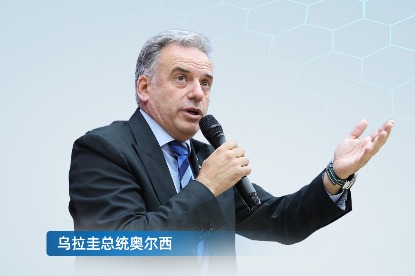
    Uruguayan President Yamandu Orsi, during an official visit to Beijing on Wednesday, characterized the Uruguay-China relationship as an exemplary model of international cooperation that transcends significant disparities in geographic size, population, and economic scale. In a significant address, President Orsi emphasized the robust and mutually beneficial partnership between the two nations, highlighting their shared commitment to enhancing the provision of global public goods.

    The President’s remarks underscored a strategic diplomatic alignment, focusing on collaborative efforts that contribute positively to international stability and development. This high-level engagement signals a continued strengthening of bilateral relations, with both countries demonstrating a capacity to forge a consequential partnership despite their inherent differences. The dialogue in Beijing centered on frameworks for future cooperation, positioning the Uruguay-China dynamic as a noteworthy case study in effective South-South cooperation and a testament to the evolving landscape of global diplomacy where shared objectives can bridge traditional divides.

  • 1,200-seat high-speed passenger ship put into operation in Beihai, China’s Guangxi

    1,200-seat high-speed passenger ship put into operation in Beihai, China’s Guangxi

    Beihai, Guangxi Zhuang Autonomous Region – A major maritime transportation advancement has been implemented in Southern China with the commissioning of the Beiyou 36, a state-of-the-art high-speed passenger vessel capable of accommodating 1,200 passengers. The newly operational ship commenced service on February 5, 2026, from Beihai International Port, significantly enhancing connectivity to the popular tourist destination of Weizhou Island.

    The substantial vessel measures 71 meters in length and features advanced maritime engineering with a designed cruising speed of 29 knots (approximately 54 kilometers per hour), while capable of reaching maximum speeds exceeding 32 knots (59 kilometers per hour). This deployment strategically coincides with China’s Spring Festival travel rush, known as Chunyun, which represents the world’s largest annual human migration event.

    Aerial photography captured the Beiyou 36 departing from Beihai International Port, showcasing its modern design and operational readiness. The introduction of this high-capacity vessel addresses the substantial increase in passenger demand during the holiday period while demonstrating technological progress in China’s domestic maritime transportation infrastructure.

    The enhanced service between Beihai and Weizhou Island promises to improve travel efficiency, reduce congestion, and provide upgraded passenger comfort for both tourists and local residents. This development reflects ongoing investments in transportation infrastructure within Guangxi Zhuang Autonomous Region, supporting economic development through improved connectivity and tourism capabilities.

  • Canada and France opening consulates in Greenland following tensions over US push for control

    Canada and France opening consulates in Greenland following tensions over US push for control

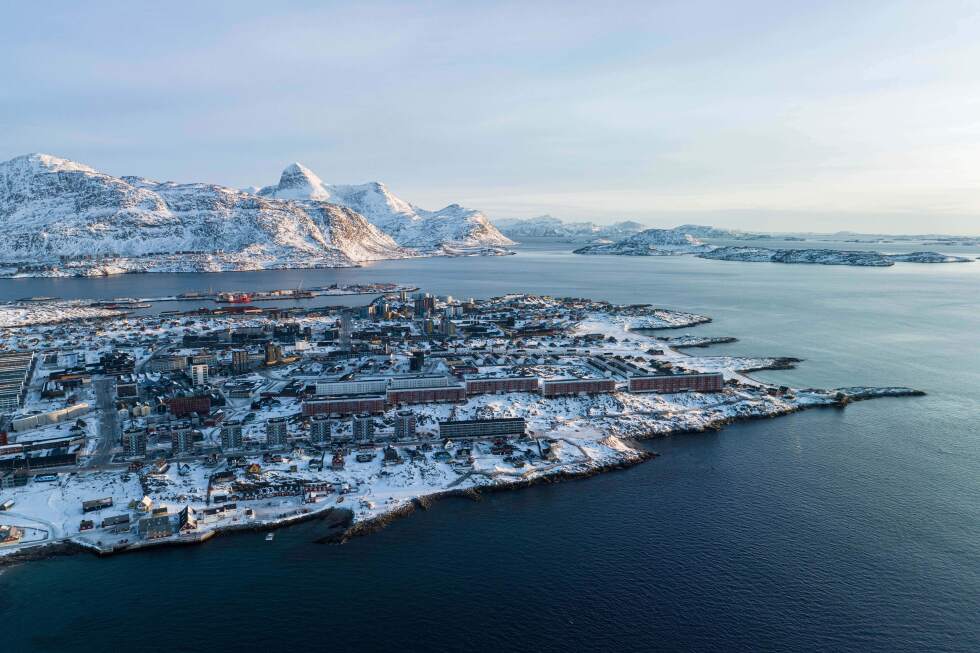
    In a significant diplomatic move reflecting growing Arctic interest, Canada and France simultaneously inaugurated consulates in Nuuk, Greenland’s capital, on Friday. This strategic establishment reinforces support for NATO ally Denmark while strengthening bilateral ties with the semiautonomous territory.

    Canadian Foreign Minister Anita Anand led her nation’s delegation, accompanied by Indigenous Governor General Mary Simon, highlighting Canada’s commitment to Inuit rights and climate collaboration. The Canadian consulate, initially pledged in 2024 before former U.S. President Trump’s controversial takeover remarks, had its November opening delayed due to adverse weather conditions.

    France made history by becoming the first European Union member to establish a consulate general in Greenland. Jean-Noël Poirier assumed duties as consul general with a mandate to deepen cultural, scientific, and economic cooperation while strengthening political relationships with local authorities. President Emmanuel Macron had approved this diplomatic expansion during his June visit to the region.

    The developments occur against a backdrop of complex Arctic negotiations. Earlier this year, Trump threatened tariffs against Denmark and seven European nations following their opposition to his Greenland control aspirations, though these threats were subsequently withdrawn after NATO-mediated discussions. Recent technical talks between the U.S., Denmark, and Greenland have focused on developing a comprehensive Arctic security agreement, building on preliminary discussions held with U.S. officials before the tariff controversy emerged.

    Foreign Minister Anand emphasized regional cooperation during meetings with Danish counterpart Lars Løkke Rasmussen, noting on social media that “as Arctic nations, Canada and the Kingdom of Denmark are working together to strengthen stability, security, and cooperation across the region.”

  • Treatment at crossroads of science and art

    Treatment at crossroads of science and art

    NEW YORK – The escalating prevalence of autism spectrum disorder (ASD) has reached critical levels, with US Health Secretary Robert F. Kennedy Jr. characterizing the situation as “running rampant.” Johns Hopkins University data reveals a staggering 300% surge in autism diagnoses over the past twenty years, while current CDC statistics indicate approximately 1 in 31 American 8-year-olds has received an ASD diagnosis.

    At the forefront of addressing this public health challenge is Dr. Li Xiaohong, Director of the Cellular Neurobiology Laboratory at New York State’s Institute for Basic Research in Developmental Disabilities. Her scientific journey began in China’s Hunan province, where she completed medical training at Xiangya School of Medicine before pursuing advanced physiology studies at the University of Cambridge.

    Dr. Li’s research team has made significant breakthroughs in identifying biological markers associated with autism onset. Their discoveries include distinctive neuroinflammatory patterns, altered neural development signaling pathways, and measurable imbalances in neural circuitry. These findings provide critical scientific groundwork for developing earlier diagnostic tools and targeted interventions.

    Beyond her laboratory achievements, Dr. Li employs an unconventional approach to autism awareness through artistic expression. As an established poet and composer with five published collections—including ‘Rainbow’ and ‘The Arc of the Wind’—she channels her scientific insights into creative works that foster public understanding.

    “Parental devotion, particularly from mothers, represents an enormous sacrifice that deserves recognition,” Dr. Li noted, reflecting on her interactions with families affected by autism. Her artistic endeavors aim to bridge the communication gap experienced by children with ASD, who often struggle to express emotions verbally.

    Dr. Li’s dual methodology recognizes that artistic expression can provide alternative communicative pathways for children with autism, potentially reducing frustration-induced depression and aggression. While acknowledging the limitations in fully understanding neurodivergent experiences, she maintains that artistic engagement offers valuable opportunities for connection and confidence-building among ASD children.

    This integration of rigorous scientific research with compassionate artistic expression represents an emerging paradigm in neurodevelopmental disorder treatment, emphasizing both biological mechanisms and humanistic approaches to care.

  • A bombing at a Shiite mosque on Islamabad’s outskirts kills at least 31 and wounds scores

    A bombing at a Shiite mosque on Islamabad’s outskirts kills at least 31 and wounds scores

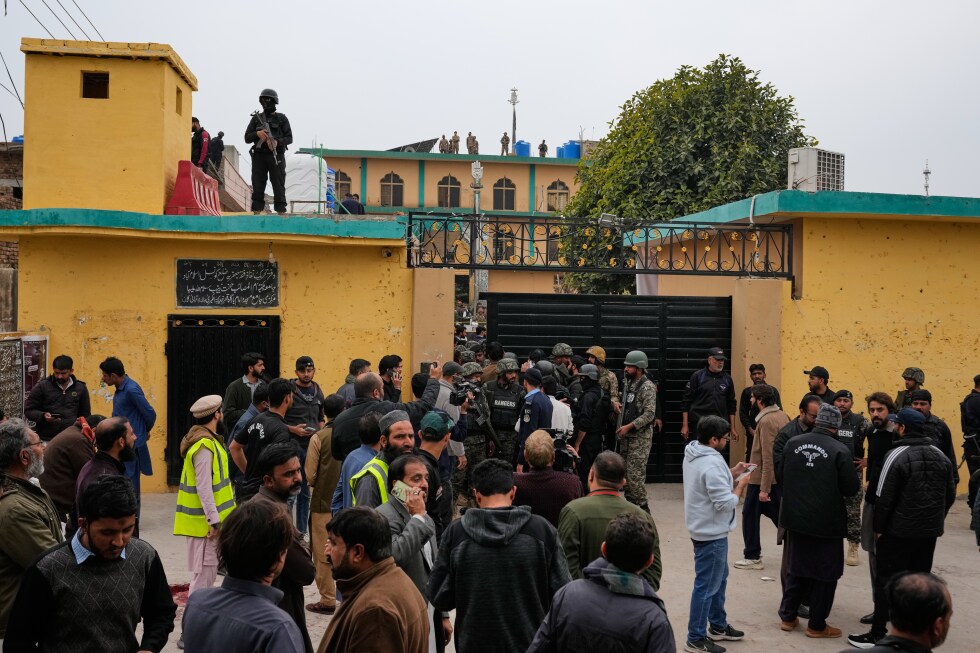
    A devastating explosion struck a Shiite mosque on the periphery of Pakistan’s capital during Friday congregational prayers, resulting in 31 fatalities and injuring at least 169 individuals according to police reports. Islamabad authorities have confirmed the blast as a deliberate terrorist assault, with comprehensive investigations currently underway.

    Emergency responders and eyewitness accounts indicate numerous victims remain in critical condition following the attack. Broadcast footage and social media documentation depicted both law enforcement personnel and local citizens urgently transporting the wounded to neighboring medical facilities.

    While no organization has immediately claimed responsibility, security analysts suggest potential involvement by militant factions including the Pakistani Taliban or Islamic State affiliates – both groups with documented histories of targeting Pakistan’s Shiite minority population. This assault occurs amidst a concerning escalation of militant violence throughout Pakistan in recent months, primarily attributed to Baloch separatist movements and Tehrik-e-Taliban Pakistan (TTP), which maintains operational ties with Afghanistan’s Taliban leadership.

    Pakistan’s leadership, including President Asif Ali Zardari and Prime Minister Shehbaz Sharif, issued separate statements vehemently condemning the attack and extending sympathies to bereaved families. Both officials emphasized the imperative of providing comprehensive medical care to survivors and ordered full-scale investigations to identify and prosecute those responsible.

    Interior Minister Mohsin Naqvi similarly denounced the violence while coordinating emergency response efforts. The bombing coincided with Uzbek President Shavkat Mirziyoyev’s official state visit, though the ceremonial events occurred several miles from the explosion site.

    This incident represents the most severe security breach in Islamabad since the 2008 Marriott Hotel suicide bombing that claimed 63 lives. The attack follows recent violence in Balochistan province where approximately 50 civilians perished in assaults attributed to the banned Baloch Liberation Army, with military operations reportedly neutralizing over 200 militants in response operations.

  • End of US-Russia nuclear pact ‘grave moment’: UN chief

    End of US-Russia nuclear pact ‘grave moment’: UN chief

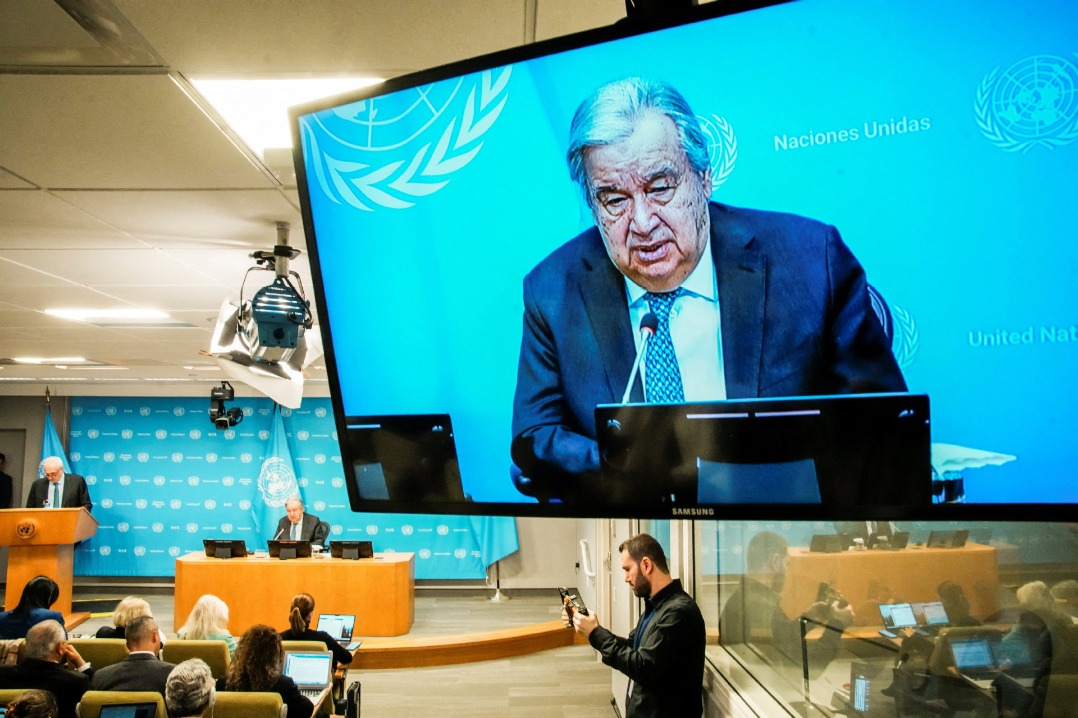
    United Nations Secretary-General Antonio Guterres has issued a stark warning regarding the expiration of the New START nuclear arms reduction treaty between the United States and Russia, characterizing the development as a critically dangerous moment for global security.

    In an official statement released Wednesday, Guterres emphasized the unprecedented nature of the situation: ‘For the first time since the height of the Cold War over fifty years ago, we confront a world without legally binding constraints on the strategic nuclear arsenals of the Russian Federation and the United States. These two nations collectively control the overwhelming majority of the planet’s nuclear weapons stockpile.’

    The New Strategic Arms Reduction Treaty, which established verifiable limits on deployed nuclear warheads and strategic delivery systems for both nations, officially lapsed on Thursday. This agreement represented the final remaining nuclear arms control pact between the two superpowers following the United States’ withdrawal from the Intermediate-Range Nuclear Forces Treaty in 2019.

    Guterres highlighted the historical significance of nuclear arms control, noting that throughout the Cold War and subsequent decades, such agreements had successfully averted catastrophic outcomes. These frameworks established crucial stability, prevented devastating miscalculations through transparency measures, and most significantly facilitated the reduction of thousands of nuclear weapons from national arsenals.

    The expiration occurs during what the UN chief described as the most dangerous period for potential nuclear weapon use in decades. Despite this grim assessment, Guterres expressed cautious optimism, framing the moment as an opportunity to establish new arms control mechanisms better suited to contemporary geopolitical realities.

    ‘Both nations’ leadership has publicly acknowledged the destabilizing consequences of a nuclear arms race and the imperative to prevent uncontrolled nuclear proliferation,’ Guterres stated. ‘The international community now expects the Russian Federation and United States to transform these declarations into concrete action.’

    The Secretary-General urgently called for both nations to resume diplomatic negotiations without delay to establish a successor agreement that would restore verifiable limits, reduce existential risks, and reinforce global security architecture during this period of heightened international tension.

  • China to step up tough crackdown on telecom scams: senior official

    China to step up tough crackdown on telecom scams: senior official

    Chinese authorities are escalating their offensive against telecommunications and online fraud operations nationwide, according to a high-level security official’s announcement on Thursday. State Councilor Wang Xiaohong declared that law enforcement agencies will maintain relentless pressure on criminal networks through successive waves of targeted operations.

    During a national teleconference addressing the growing threat, Wang emphasized that security forces would allow ‘no breathing room for telecom fraudsters’ in their intensified campaign. The senior official, who also serves on the Secretariat of the Communist Party of China Central Committee, outlined a comprehensive strategy combining enhanced monitoring systems with coordinated law enforcement actions.

    The multidimensional approach focuses on four critical control points: individuals associated with fraudulent activities, suspicious phone cards, network infrastructure, and financial channels. Wang stressed that this targeted monitoring would ensure more effective implementation of legal measures against sophisticated criminal operations.

    Beyond enforcement actions, the strategy emphasizes preventive measures including targeted early warning systems, strengthened technological safeguards, and expanded public awareness initiatives. These efforts aim to construct a robust societal protection network against increasingly sophisticated fraud schemes.

    Wang further highlighted the importance of deepening international law enforcement cooperation to constrict operational spaces for transnational fraud networks. He noted that China intends to contribute its developed solutions to addressing what has become a global cybersecurity challenge, positioning the country’s anti-fraud efforts within broader international security cooperation frameworks.

  • Preparations for Spring Festival under way across China

    Preparations for Spring Festival under way across China

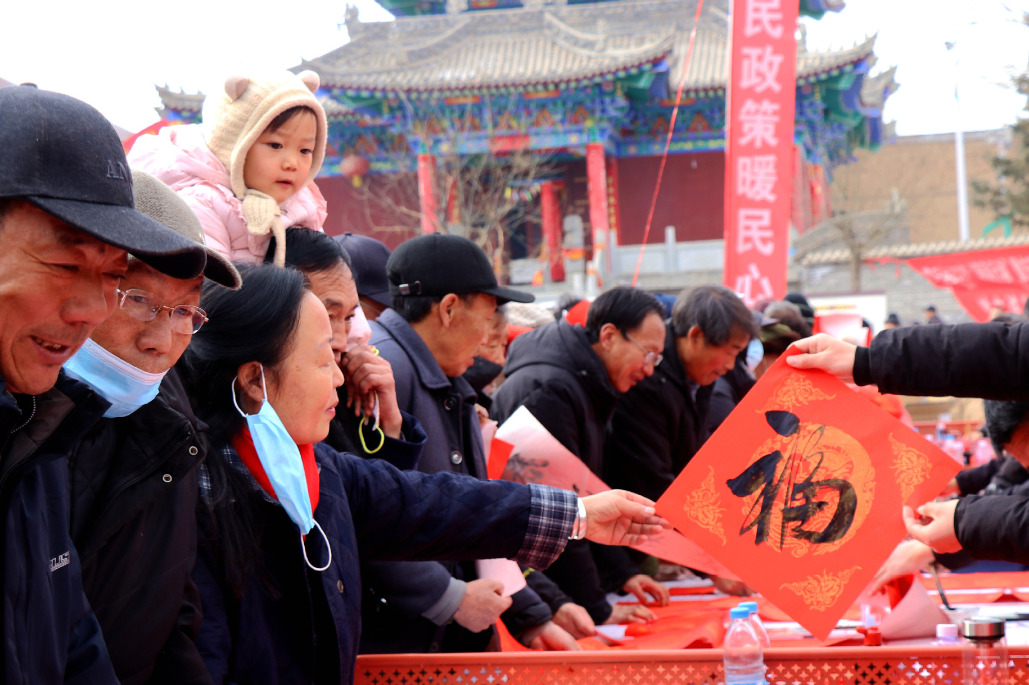
    Across China, vibrant preparations for the upcoming Spring Festival have transformed cities into hubs of cultural celebration and commercial activity. Traditional fairs featuring specialty Lunar New Year goods have emerged as central gathering points for citizens preparing for the most significant festival in the Chinese calendar.

    In Yinchuan, Northwest China’s Ningxia Hui Autonomous Region, recent photographs capture bustling scenes at local fairs where residents enthusiastically purchase traditional decorations, culinary specialties, and festive supplies. These markets represent a nationwide phenomenon as communities from various regions engage in time-honored customs marking the approach of the Year of the Horse.

    The visual documentation from February 5, 2026, shows crowded marketplaces adorned with red lanterns and traditional paper-cuttings, symbolizing good fortune and prosperity. Vendors display an array of seasonal products including couplets, paintings, handicrafts, and specialty foods that form essential components of the festival celebrations.

    This annual tradition of Spring Festival fairs serves multiple purposes: preserving cultural heritage, stimulating local economies, and strengthening community bonds. The gatherings provide platforms for artisans to showcase traditional crafts while enabling families to procure everything necessary for their New Year celebrations in one location.

    Urban centers across China have implemented special arrangements to accommodate these temporary markets, ensuring both cultural preservation and commercial vitality. The phenomenon demonstrates the enduring significance of traditional festivals in contemporary Chinese society and the seamless integration of ancient customs with modern urban life.

  • Japan’s PM draws flak over timing of election

    Japan’s PM draws flak over timing of election

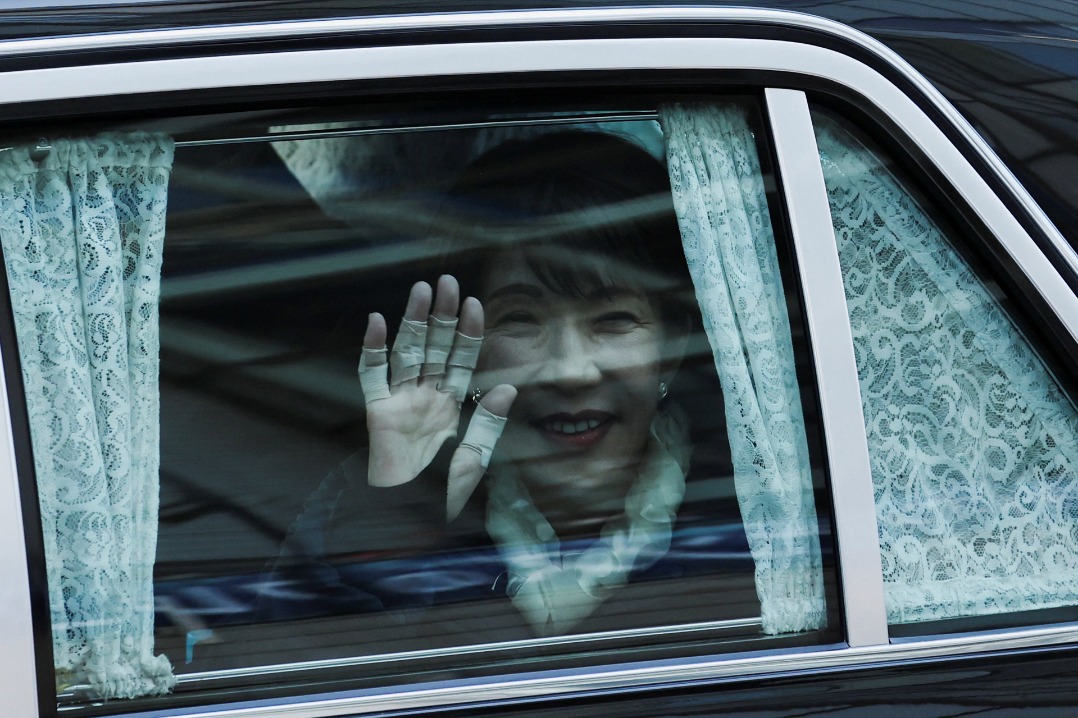
    Japanese Prime Minister Sanae Takaichi faces intensifying criticism from opposition leaders and educational experts regarding the controversial scheduling of the nation’s upcoming general election. The February 6th vote marks the first House of Representatives election held during this month since 1990, directly coinciding with Japan’s critical university entrance examination period.

    The political controversy emerged after Takaichi’s sudden dissolution of the lower house last month, forcing the election into the heart of exam season. While the Prime Minister has encouraged students to utilize early voting options, opposition figures have condemned the timing as profoundly disruptive to young voters.

    Toshiko Takeya, a prominent leader of the Komeito party, characterized the scheduling decision as “extremely unreasonable,” emphasizing the excessive burden it places on examination candidates. The criticism extends beyond practical concerns to fundamental democratic principles, as Yoshihiko Noda, co-leader of the Centrist Reform Alliance, warned that the timing could effectively disenfranchise youth eager to participate in shaping their future through the ballot box.

    Additional concerns have surfaced regarding potential noise pollution from political campaigning near educational institutions and examination venues. Kaori Suetomi, Professor of Education Administration at Nihon University, noted that voluntary restraint by individual candidates would likely prove insufficient to protect students during their crucial examinations.

    The convergence of electoral and academic calendars has highlighted systemic issues in Japan’s electoral process, prompting calls for comprehensive review of legal frameworks governing election timing and campaign practices to better accommodate educational commitments and youth participation.

  • Sino-Indian business ties gain traction

    Sino-Indian business ties gain traction

    Economic relations between China and India have entered a promising new phase as bilateral trade surged to an unprecedented $155.6 billion in 2025, marking a substantial 12% year-on-year increase. This breakthrough comes amid improving diplomatic relations and signals growing momentum for deeper economic integration between the two Asian giants.

    Chinese Ambassador to India Xu Feihong, speaking at a Chinese New Year reception in New Delhi, highlighted the significance of this milestone, noting that Indian exports to China grew by 9.7% annually. The ambassador emphasized China’s commitment to strengthening strategic alignment with India, enhancing practical cooperation, and boosting people-to-people exchanges. He further affirmed China’s support for India’s BRICS rotating chairmanship and willingness to enhance multilateral coordination.

    Business leaders and analysts from both nations express optimism about the relationship’s trajectory. Rajeev Singh, Director-General of the Indian Chamber of Commerce, noted that China and India represent natural economic partners capable of contributing 50% of global GDP growth. He emphasized the importance of building trust and maintaining stability in the current geopolitical climate.

    The improved relations are already yielding tangible benefits, with travel restrictions easing and direct flight routes resuming. Air India recently reinstated the Shanghai-New Delhi direct route, following the October restart of daily flights between Kolkata and Guangzhou after a five-year hiatus.

    Vijay K. Mishra, Executive Vice-Chairman of the India China Trade Centre, observed that China’s demonstrated economic resilience and commitment to high-quality growth provide strong reassurance to Indian businesses and investors. He noted the vast untapped potential for deeper economic engagement, industrial collaboration, and value-chain integration between the two nations.

    Indian entrepreneurs and young leaders echo this sentiment, with Shranik Chopra noting that improved bilateral ties will build greater confidence among business communities on both sides. Himadrish Suwan, Chairman of the Confederation of Young Leaders of India, emphasized the immense potential of the partnership when guided by dialogue, mutual respect, and shared interests.

    The relationship’s upward trajectory follows the August meeting between the two countries’ leaders in Tianjin, which marked a turning point in bilateral relations. With record trade figures and renewed diplomatic engagement, 2026 is poised to be a year of significant positive developments in Sino-Indian economic cooperation.