作者: admin

  • Construction of MGM Resorts’ hotels in Dubai on track; opening in Q3 2028, says CEO

    Construction of MGM Resorts’ hotels in Dubai on track; opening in Q3 2028, says CEO

    MGM Resorts International has confirmed that construction of its three luxury hotel properties in Dubai remains firmly on schedule, with an anticipated opening set for the third quarter of 2028. The announcement came directly from President and CEO Bill Hornbuckle during the company’s Q4 2025 earnings call with financial analysts.

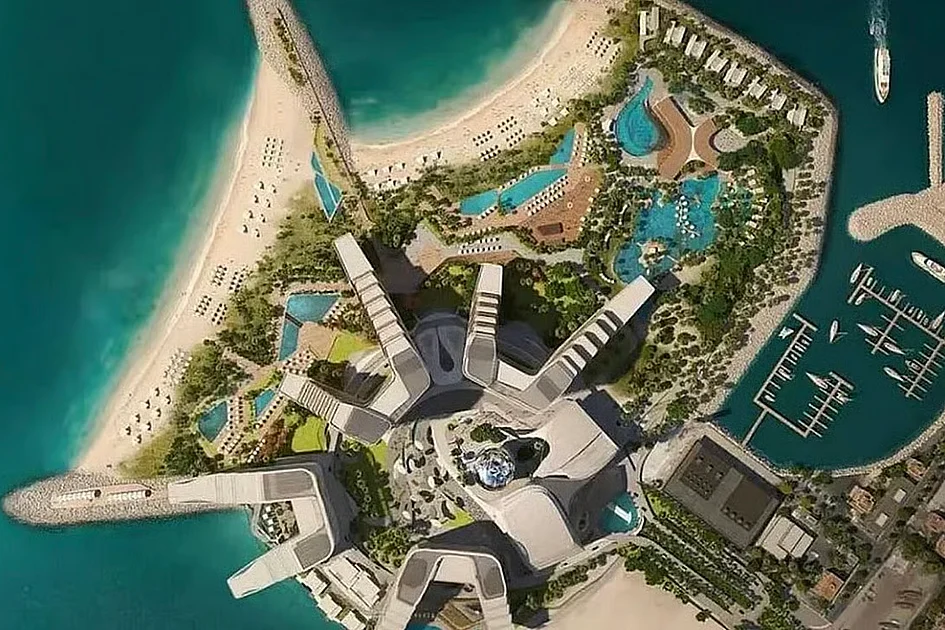
    The project represents a significant expansion for the Las Vegas-based hospitality giant through a non-gaming management agreement with Dubai’s Wasl Hospitality. The development will introduce three of MGM’s premier brands – Bellagio, Aria, and MGM Grand – to the Emirates’ luxury hospitality market, though notably without gaming facilities.

    This development marks MGM Resorts as the second U.S.-based hotelier and gaming operator to secure operational licensing within the UAE. Wynn Resorts previously obtained the first license to operate an integrated gaming resort, Wynn Al Marjan, in Ras Al Khaimah, scheduled to commence operations next year.

    The UAE’s hospitality sector has demonstrated remarkable growth over the past five years, driven by increasing tourist arrivals and the emerging trend of staycations. Recent data from the Ministry of Economy and Tourism reveals impressive performance metrics, with hotel revenues reaching Dh12.5 billion during the latest “World’s Most Beautiful Winter” campaign. The sector welcomed approximately 5 million hotel guests, representing a 5% increase from the previous year, while occupancy rates climbed to 84%.

    Industry analysts note that Dubai, Abu Dhabi, and Sharjah have emerged as preferred 2026 holiday destinations for travelers from Germany, Switzerland, Canada, and South Korea. According to Skyscanner’s 2026 Travel Trends Report, modern travelers are increasingly seeking authentic experiences beyond traditional tourist hotspots, favoring destinations that offer fresh and unique accommodation experiences.

    The expansion coincides with strong financial performance for MGM Resorts, which reported consolidated net revenues of $4.6 billion in Q4 2025 – a 6% increase compared to the same period last year. Net income attributable to the company reached $294 million, substantially higher than the $157 million recorded in the prior year quarter.
  • Motive unclear after Canada engineering students charged in explosives case

    Motive unclear after Canada engineering students charged in explosives case

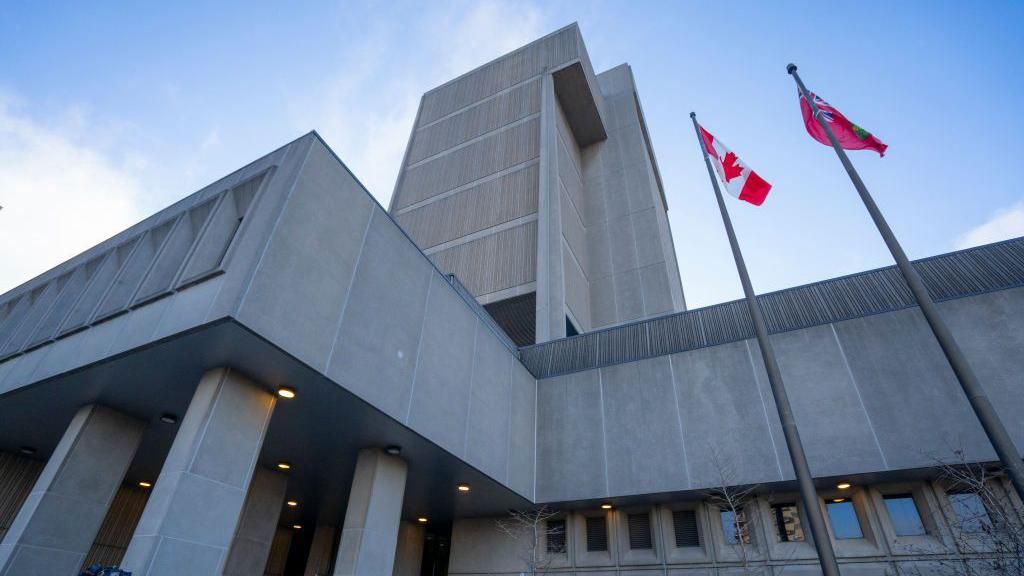
    Four engineering students affiliated with Western University in London, Ontario, are currently in custody following their arrest on serious weapons-related charges. The individuals, identified as Jerry Tong (27), Fei (Frank) Han (25), Zekun Wang (26), and Feiyang (Astrid) Ji (21), face allegations including possession of firearms, careless storage of firearms, and manufacturing weapons. Tong and Wang additionally face charges of unlawful possession of explosives.

    The investigation began after one of the suspects allegedly trespassed on the university campus, prompting authorities to execute search warrants at residences in London, Ottawa, and Gatineau, Quebec. During these operations, law enforcement recovered a loaded handgun and chemicals consistent with bomb-making materials.

    A complicating factor emerged when a YouTube video surfaced featuring at least three of the suspects promoting MORSLAB, a startup venture claiming to develop an anti-drone weapons system. The video, posted under Tong’s name approximately three months ago, presents digital renderings and physical prototypes of what they describe as a ‘mobile and low-cost system’ designed to meet military demands for Canada and NATO allies, with projected operational capability by August 2026.

    London Police Service Superintendent Sean Travis confirmed authorities are aware of the video and have incorporated it into their investigation. While acknowledging that criminal offenses were committed regardless of intent, police officials stated they are considering all possibilities—from national security threats to hobbyist activities—but emphasized this is not currently being investigated as a terrorism or national security matter.

    All accused individuals remain in custody pending bail hearings scheduled for Han and Tong in the coming weeks. The investigation continues as authorities work to determine the full scope and motivation behind the alleged activities.

  • 31 killed, about 170 injured in blast in Pakistani capital

    31 killed, about 170 injured in blast in Pakistani capital

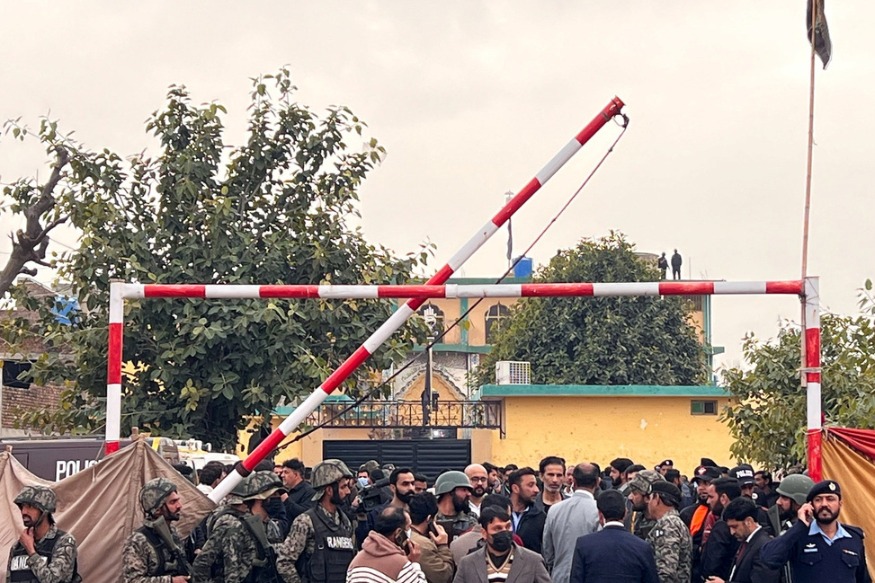
    A devastating suicide attack struck a Shi’ite Muslim mosque in Pakistan’s capital during Friday prayers, resulting in one of the deadliest sectarian attacks in recent years. According to official statements from Islamabad police and government authorities, the explosion killed at least 31 worshippers and left approximately 170 injured, with many victims in critical condition.

    The attack occurred in the Shehzad Town area of Islamabad when a suspected suicide bomber detonated explosives after being intercepted at the mosque entrance. Eyewitness accounts describe chaotic scenes as the blast tore through the prayer gathering, causing significant structural damage to both the mosque and adjacent buildings.

    Deputy Commissioner Islamabad Irfan Nawaz Memon confirmed the casualties and announced an immediate state of emergency across all major hospitals in the capital region. Medical facilities in Islamabad and neighboring Rawalpindi are currently overwhelmed with casualties, and officials warn the death toll may rise as many victims remain in critical condition.

    Security forces swiftly established a perimeter around the blast site, launching comprehensive search operations and initiating a full-scale investigation into the attack’s circumstances. While no group has immediately claimed responsibility, authorities are investigating possible links to militant organizations including the Pakistani Taliban and Islamic State, both known for targeting religious minorities and security forces.

    Prime Minister Shehbaz Sharif issued a strong condemnation of the attack, expressing profound grief over the loss of innocent lives and extending condolences to affected families. The government has heightened security alerts throughout the capital region, implementing enhanced protective measures for religious sites and public spaces.

    The bombing represents a significant security challenge for Pakistani authorities, highlighting persistent threats against religious minorities despite ongoing counterterrorism efforts. The international community is closely monitoring developments as Pakistan confronts this latest tragedy.

  • Valentine flower imports increase at Miami airport, despite tariffs and higher costs, officials say

    Valentine flower imports increase at Miami airport, despite tariffs and higher costs, officials say

    While Cupid garners the romantic accolades each February, the true engine of Valentine’s Day operates not in the clouds but within the bustling cargo warehouses of Miami International Airport (MIA). This logistical hub serves as the critical gateway for an astonishing 90% of all fresh cut flowers sold for the holiday across the United States, processing nearly one billion stems in the weeks leading up to February 14th.

    The pre-Valentine’s surge transforms airport operations. Avianca Cargo, the airport’s largest floral importer based in Medellín, Colombia, exemplifies this scale. In preparation for the holiday, the company is operating 320 dedicated cargo flights—more than double its usual schedule—to transport approximately 19,000 tons of blossoms. CEO Diogo Elias notes the unique concentration on a specific variety, stating, ‘We fly flowers for the whole year, but Valentine’s is special… More than 50-60% are red roses at this time.’ These floral caravans, primarily arriving from Colombia and Ecuador, carry roses, carnations, pompons, hydrangeas, chrysanthemums, and gypsophila destined for florists and supermarkets throughout the U.S. and Canada.

    However, consumers will encounter a thornier reality this season: higher prices. Christine Boldt, Executive Vice President for the Association of Floral Importers of America, attributes the increase to recent tariffs on imports from Colombia and Ecuador, coupled with a new minimum wage enacted in Colombia. ‘This adds significant dollars to the bouquets that are coming in,’ Boldt explained. ‘Every consumer is gonna have to face additional costs.’

    Despite the price hike, flowers remain a cornerstone of MIA’s imports. Airport Director Ralph Cutié reported that the airport handled nearly 3.5 million tons of total cargo last year, with flowers accounting for roughly 400,000 tons. Pre-Valentine’s shipments alone have seen a 6% year-over-year increase. ‘The mother, the wife, the girlfriend in Omaha, Nebraska, that gets their flowers… chances are those flowers passed through our airport,’ Cutié said with pride.

    Ensuring this massive import doesn’t introduce ecological threats falls to U.S. Customs and Border Protection (CBP) agricultural specialists. Their rigorous inspection process is vital to safeguarding the nation’s floral and agricultural industries. According to CBP senior official Daniel Alonso, inspectors meticulously check flower bundles for harmful plant pests and foreign animal diseases, discovering on average 40-50 pests daily, most commonly moths. Any intercepted threats are promptly turned over to the U.S. Department of Agriculture for further analysis and containment.

  • Dubai’s driverless taxi service to start operating in March: Sheikh Hamdan

    Dubai’s driverless taxi service to start operating in March: Sheikh Hamdan

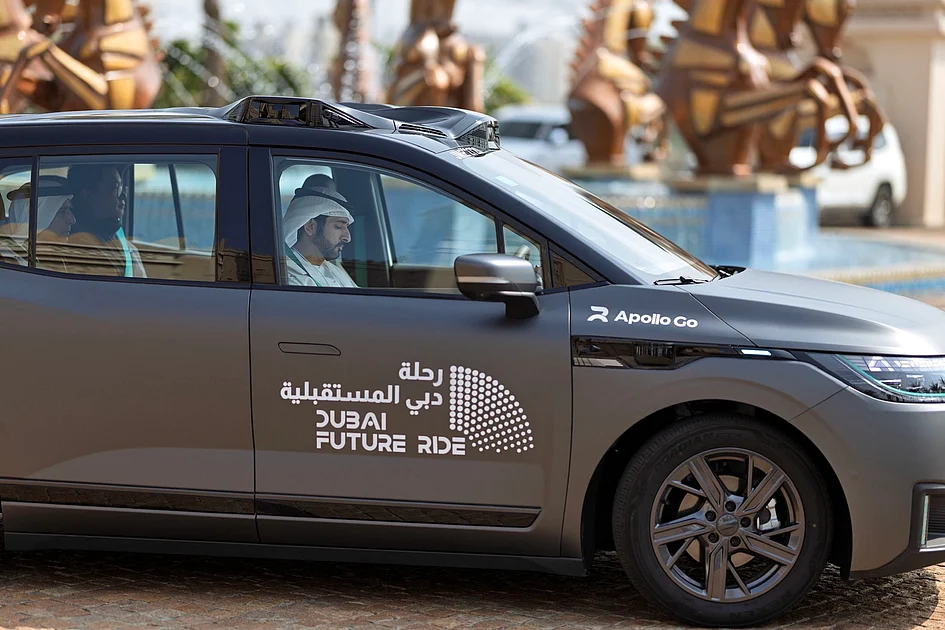
    Dubai is poised to inaugurate its groundbreaking autonomous taxi service in March 2026, marking a significant milestone in urban transportation innovation. The initiative, personally endorsed by Crown Prince Sheikh Hamdan bin Mohammed Al Maktoum, will deploy an initial fleet of 100 fully driverless vehicles operated through strategic partnerships between Dubai’s Roads and Transport Authority (RTA) and three technology leaders: pony.ai, Uber, and Baidu’s Apollo Go.

    The Crown Prince demonstrated his confidence in the technology by personally utilizing a Baidu Apollo Go self-driving vehicle for transportation to the World Governments Summit 2026 at Madinet Jumeirah. Documenting the experience on social media with the caption ‘Hands off. Future On. #SelfDrivingCar,’ Sheikh Hamdan emphasized Dubai’s commitment to transforming urban mobility. ‘This is only the beginning of our journey to the future. The best is yet to come for Dubai,’ he stated, adding that the future of mobility in the emirate would be ‘smarter, safer, more efficient, and more inclusive.’

    This deployment represents a particularly notable expansion for Baidu’s Apollo Go, marking its first operational venture outside China. The company has announced ambitious plans to scale its Dubai fleet to over 1,000 vehicles in the coming years, signaling long-term commitment to the Middle Eastern market. The initiative reflects Dubai’s comprehensive strategy to position itself as a global leader in smart transportation solutions, incorporating rigorous safety protocols while pioneering next-generation mobility infrastructure that aims to enhance quality of life through sustainable transport innovation.

  • India gold premiums down by half; China demand up ahead of Lunar New Year

    India gold premiums down by half; China demand up ahead of Lunar New Year

    A significant divergence has emerged in Asian gold markets, with premiums in India collapsing from decade-high levels while Chinese demand strengthened ahead of the Lunar New Year celebrations. Market data reveals Indian bullion dealers this week charged premiums of up to $70 per ounce over official domestic prices, representing a dramatic decline from last week’s $153 premium – the highest recorded since December 2013. This sharp contraction follows substantial price volatility that saw domestic gold prices swing between 133,687 rupees and a record 180,779 rupees per 10 grams, creating uncertainty among buyers. Market analysts attribute last week’s premium spike to anticipations of an import duty hike in India’s Union Budget, which ultimately maintained the existing duty structure when presented on February 1. Conversely, China demonstrated robust demand with premiums increasing to $35 per ounce above global benchmark prices, up from $32 the previous week. Regional variations persisted across Asia, with Hong Kong trading at par to $1.70 premiums, Japan offering discounts of $7 to $1 premiums, and Singapore trading at discounts of $0.50 to premiums of $3. Peter Fung, Head of Dealing at Wing Fung Precious Metals, noted that ‘consumers still have interest in buying jewellery on the downside while physical investment demand is very good.’ The market shift comes as spot gold prices have retreated more than 13.5% since hitting a record high of $5,594.82 on January 29. ANZ analyst Soni Kumari observed that ‘the correction in gold and silver prices came at the right time, just before the Chinese New Year,’ potentially stimulating further demand. This market realignment occurs against the backdrop of China’s evolving gold consumption patterns, where 2025 marked the second consecutive annual decline but saw investment products (bars and coins) surpass jewelry purchases for the first time, reflecting growing safe-haven demand among Chinese investors.

  • Guangdong expressway stops become New Year shopping hotspots

    Guangdong expressway stops become New Year shopping hotspots

    Service areas along Guangdong’s expressways have unexpectedly emerged as bustling commercial hubs during the Spring Festival travel period, transforming routine rest stops into vibrant shopping destinations. The phenomenon represents a novel dimension of China’s annual mass migration, where travelers are seizing the opportunity to purchase local specialties while journeying home for Lunar New Year celebrations.

    During the first day of the Spring Festival travel rush alone, two service areas on the Jiangmen-Zhaoqing Expressway reported substantial sales of distinctive regional products. Among the most sought-after items were intricately crafted inkstones, succulent sugar oranges, premium tribute oranges, and specially prepared chickens – all emblematic of Guangdong’s rich cultural and culinary heritage.

    This commercial transformation reflects sophisticated logistical planning by service area operators who have capitalized on the predictable surge in traveler volume. By curating selections of authentic local specialties, these roadside facilities have effectively become mobile marketplaces that connect provincial products with consumers from across the nation.

    The development also illustrates evolving consumer behavior during traditional holidays, where travelers increasingly value convenience and authenticity. Rather than making separate shopping trips, millions are now combining their travel necessities with gift purchasing, effectively optimizing their limited time before family reunions.

    Transportation analysts note that this trend represents an innovative commercialization of infrastructure that typically serves purely functional purposes. The service areas’ strategic positioning along major travel corridors has enabled them to capture a captive market of homebound travelers seeking meaningful gifts and culinary specialties from the region they’re passing through.

  • Video platform hit with fine by Beijing cyberspace authorities

    Video platform hit with fine by Beijing cyberspace authorities

    Chinese regulatory authorities have levied a substantial penalty against leading short-video platform Kuaishou for systemic failures in content moderation and cybersecurity protocols. The Beijing Cyberspace Administration disclosed on Friday a fine totaling 119.1 million yuan ($17.16 million) following an extensive investigation into the platform’s operations.

    The regulatory action was initiated after authorities detected a significant increase in livestreamed content violating China’s strict internet decency standards. The investigation revealed critical deficiencies in Kuaishou’s compliance framework, including inadequate response to security vulnerabilities and insufficient mechanisms for removing prohibited content in accordance with China’s cybersecurity legislation.

    In an official statement, the administration characterized these operational failures as severe violations with substantial negative social impact. The penalty amount was determined based on the gravity of infractions and calculated according to statutory provisions within China’s internet governance framework.

    The regulatory body reaffirmed its commitment to rigorous enforcement of digital content policies, emphasizing that all online platforms must prioritize cybersecurity measures and maintain legally compliant operating environments. Authorities urged industry participants to strengthen internal governance systems and assume greater responsibility for protecting user rights and public interests.

    Kuaishou responded with a formal apology acknowledging deficiencies in risk management, security infrastructure, and internal control mechanisms. The platform indicated it has implemented corrective measures addressing these shortcomings and committed to enhancing its compliance protocols and governance structures. Company representatives stated they have derived significant lessons from the incident and will intensify efforts to balance platform development with regulatory obligations.

  • High-stakes talks between US, Iran kick off in Oman as confrontation looms

    High-stakes talks between US, Iran kick off in Oman as confrontation looms

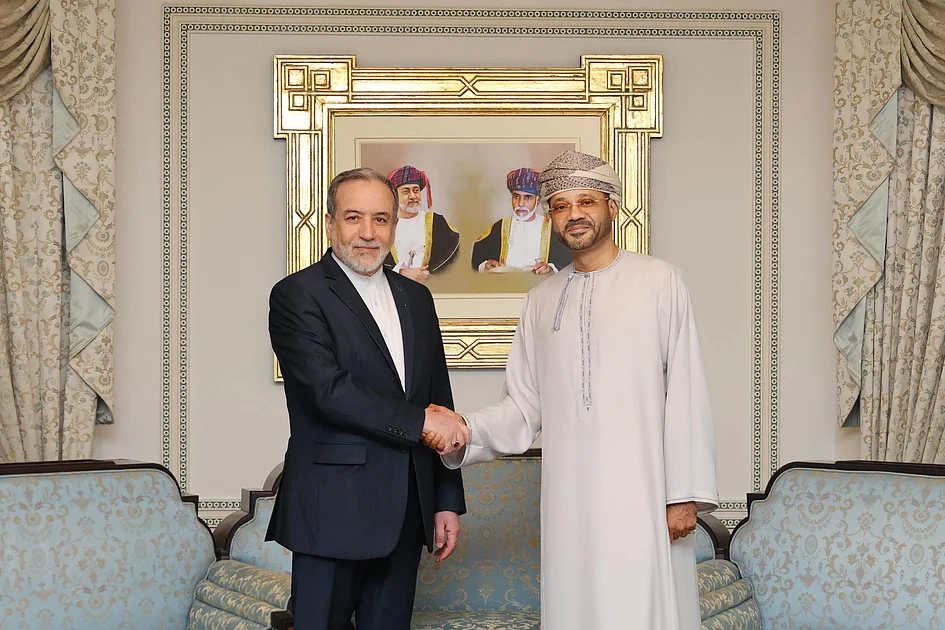
    Muscat has emerged as the critical diplomatic arena where United States and Iranian officials commenced high-stakes negotiations on Friday, attempting to bridge substantial divides regarding Tehran’s nuclear ambitions. The Omani-mediated discussions unfold against a backdrop of heightened military posturing and mutual threats that risk triggering broader regional conflict.

    Washington’s diplomatic approach, articulated by Secretary of State Marco Rubio, seeks to expand the agenda beyond nuclear matters to encompass Iran’s ballistic missile program, regional proxy networks, and domestic human rights record. This comprehensive stance contrasts sharply with Tehran’s insistence that talks exclusively address nuclear issues, with Foreign Minister Abbas Araqchi emphasizing Iran’s “open eyes and steady memory” regarding past agreements.

    The negotiation dynamics feature complex shuttle diplomacy, with US Middle East envoy Steve Witkoff and Presidential advisor Jared Kushner engaging Omani intermediaries before potential direct discussions. This cautious approach reflects the profound mistrust between nations, exacerbated by recent military actions including US strikes on Iranian nuclear targets during June’s joint operations with Israel.

    Iran’s strategic position combines defensive rhetoric with demonstrated military capability, recently showcasing its advanced Khorramshahr-4 ballistic missiles in underground facilities. While Tehran maintains an uncompromising stance regarding its missile program as a fundamental defense component, officials indicate potential flexibility regarding uranium enrichment levels and possible consortium arrangements for nuclear materials.

    The shadow of former President Trump’s threats looms over negotiations, with current administration officials acknowledging multiple options beyond diplomacy. Iranian responses include warnings to Gulf neighbors hosting US bases that they could become targets in any military confrontation, highlighting the high-risk nature of these discussions.

    Regional stakeholders closely monitor developments, with Israel characterizing Iran’s nuclear and missile programs as existential threats. Meanwhile, Iran’s regional influence has diminished following conflicts in Gaza and Syria, potentially affecting its negotiating leverage. The outcome of these talks carries implications for global non-proliferation efforts and Middle East stability, with the international community awaiting evidence of tangible progress toward de-escalation.

  • Flying over water? Abu Dhabi to roll out Seagliders for faster emirate-wide travel

    Flying over water? Abu Dhabi to roll out Seagliders for faster emirate-wide travel

    Abu Dhabi is poised to revolutionize coastal transportation through the introduction of cutting-edge Seaglider technology, marking a significant advancement in sustainable mobility solutions. The ambitious initiative, targeting full operational deployment by 2028, will implement fully electric, zero-emission vessels capable of gliding above water surfaces at high speeds.

    The groundbreaking project emerged from a strategic agreement signed between key governmental and private entities including the Department of Culture and Tourism – Abu Dhabi (DCT Abu Dhabi), the Abu Dhabi Investment Office (ADIO), the Integrated Transport Center (Abu Dhabi Mobility), and VERSA Advanced Maritime Services. This collaboration represents a comprehensive effort to enhance maritime connectivity while maintaining environmental sustainability.

    Initial operational phases will concentrate on establishing routes connecting Abu Dhabi City with the Al Dhafra Region, with subsequent expansion planned throughout the emirate and broader UAE territories. VERSA, distinguished as the nation’s inaugural Seaglider operator, has been developing this visionary transportation concept since 2022.

    The partnership encompasses extensive feasibility studies and market analyses examining operational, commercial, and environmental dimensions of Seaglider implementation. These Wing-in-Ground (WIG) effect craft will be integrated into Abu Dhabi’s transportation network through carefully designed operational models aligned with the emirate’s tourism development objectives.

    Sheikha Alyazia Bint Sultan Bin Khalifa Al Nahyan, Chairperson and Owner of VERSA Advanced Maritime Services, emphasized the transformative nature of the project: “Our vision extends beyond merely introducing new vessels—we’re fundamentally reimagining coastal mobility paradigms for the nation. This partnership enables us to convert innovation into practical infrastructure that is environmentally clean, operationally efficient, and specifically tailored for the emirates’ unique requirements.”

    Tourism officials highlighted the dual benefits of enhanced connectivity and environmental responsibility. Saleh Mohamed Al Geziry, Director General for Tourism at DCT Abu Dhabi, stated: “By adopting advanced eco-friendly mobility solutions like Seagliders, we’re not only improving transportation networks but also demonstrating our commitment to sustainable development while delivering exceptional experiences for residents and international visitors alike.”

    Transport authorities confirmed the initiative’s alignment with broader smart mobility strategies. Dr. Abdulla Hamad AlGhfeli, Acting Director General of the Integrated Transport Centre, noted: “This agreement represents a crucial advancement in expanding intelligent, sustainable transportation across multiple domains. We’re establishing foundational frameworks for innovative, low-emission services that will improve connectivity while minimizing the ecological impact of marine transportation systems.”