作者: admin

  • Jinan in Shandong immersed in Lantern Festival joy

    Jinan in Shandong immersed in Lantern Festival joy

    The ancient city of Jinan in Shandong Province transformed into a vibrant spectacle of light and motion during the 2026 Lantern Festival celebrations, blending traditional customs with contemporary expressions of joy. While millions across China celebrated with customary yuanxiao rice dumplings, Jinan residents introduced an innovative twist to the festivities by incorporating ice skating into their cultural observations.

    Against the backdrop of Jinan’s historical architecture, skaters glided across temporary ice rinks, their movements creating a mesmerizing dance of light and shadow. The participants carried symbolic lanterns and distributed traditional lucky charms to spectators, embodying the festival’s spirit of sharing prosperity and harmony. This unique fusion of winter sports and cultural celebration demonstrated how ancient traditions continue to evolve in modern China.

    The festival’s central theme focused on wishes for sweetness and harmony in daily life, reflecting the deeper philosophical underpinnings of the Lantern Festival as a time of renewal and community bonding. Local authorities organized extensive decorations throughout the city, with illuminated displays creating an enchanting atmosphere that attracted both residents and tourists alike.

    This celebration occurred alongside other notable Lantern Festival events across China, including Shanghai’s Cherry Blossom Festival night illuminations at Gucun Park and traditional Shehuo celebrations in Xinjiang. The simultaneous nationwide celebrations highlighted China’s rich cultural diversity while maintaining shared traditional values that unite communities during important cultural milestones.

  • Measles cases surface in Western Sydney with source yet to be confirmed

    Measles cases surface in Western Sydney with source yet to be confirmed

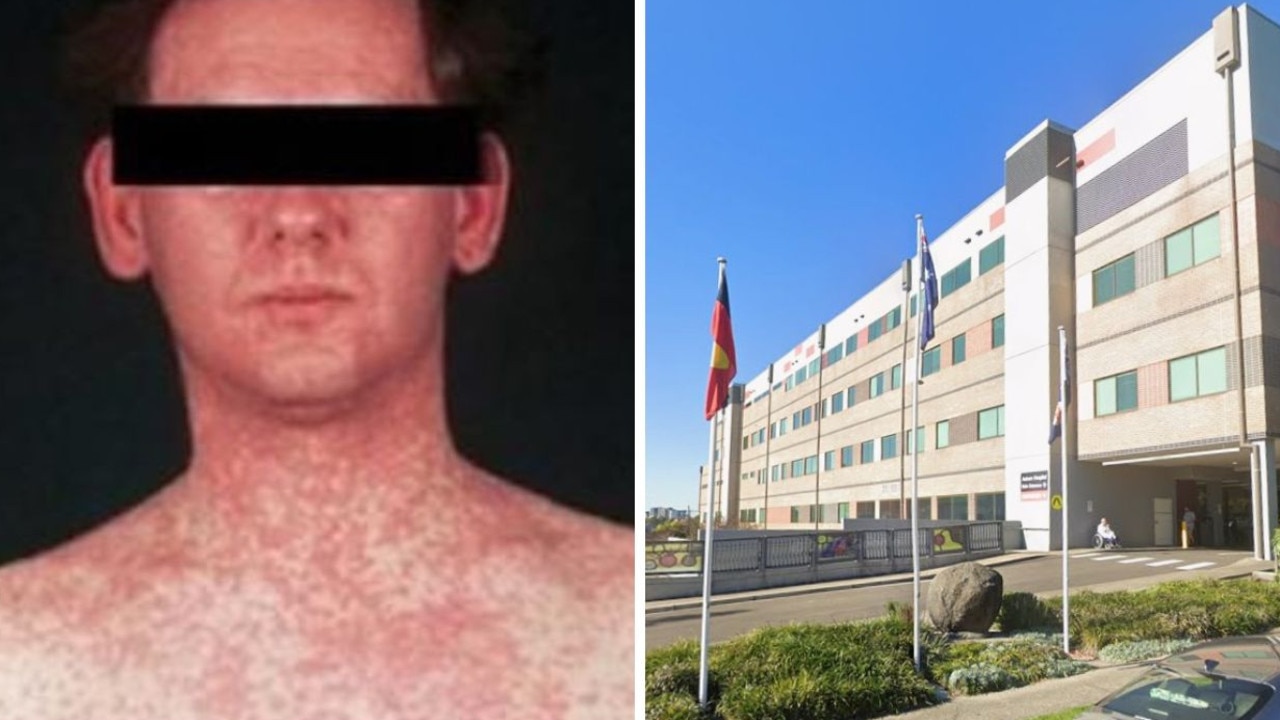
    Health authorities in New South Wales have issued a public health alert following confirmation of a measles case in Western Sydney with no identifiable source of infection, suggesting the disease is likely circulating undetected throughout the community.

    The unidentified individual visited multiple high-traffic locations across Western Sydney while unknowingly infectious, prompting NSW Health to release exposure site warnings on Tuesday. The confirmed locations include Auburn Hospital, Campbelltown Hospital Emergency Department, My Family Health Medical Centre in Gregory Hills, City West Medical Centre in Auburn, Fresh & Hot Restaurant in Wolli Creek, and Westmead Hospital.

    Dr. Conrad Moreira, Public Health Physician with Western Sydney Local Health District, emphasized the seriousness of the situation. “Symptoms typically begin with fever, sore eyes, runny nose and cough, followed three to four days later by a distinctive red, blotchy rash that spreads from head to face to the rest of the body,” he explained.

    The incubation period for measles extends to 18 days after exposure, meaning individuals who visited these locations must remain vigilant for symptoms for nearly three weeks. Health officials specifically urge pregnant women, immunocompromised individuals, and those with infants who visited these sites to consult their general practitioners immediately.

    Vaccination remains the most effective protection against measles. The measles vaccine is provided free to children at 12 and 18 months of age in NSW, and is also available free for anyone born after 1965 who hasn’t received two doses. Notably, the vaccine can prevent disease development even after exposure if administered promptly.

    Health authorities stress that while the identified locations no longer pose an ongoing transmission risk, anyone developing symptoms should contact healthcare providers in advance to allow for proper isolation protocols in emergency departments and waiting areas.

  • Trump threatens Spain ties over Iran war refusal

    Trump threatens Spain ties over Iran war refusal

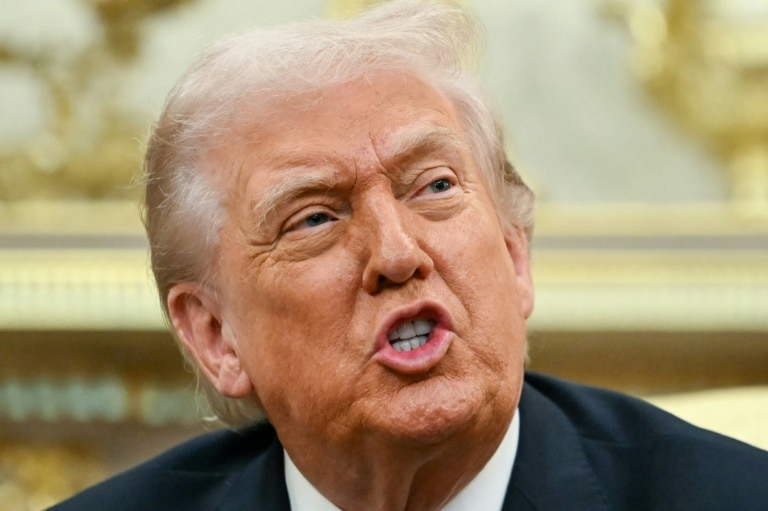
    In a striking diplomatic confrontation, former U.S. President Donald Trump issued severe economic threats against Spain during discussions with German Chancellor Friedrich Merz at the White House. The controversy emerged from Spain’s refusal to permit American military aircraft to utilize its bases for potential offensive operations against Iran.

    Spain’s left-leaning administration under Prime Minister Pedro Sánchez has maintained that U.S. forces may only employ Spanish installations for activities aligning with the United Nations Charter. This stance has positioned Sánchez among Europe’s most resistant leaders toward Trump’s foreign policy initiatives.

    “Spain has been terrible,” Trump declared to assembled journalists, further criticizing Sánchez’s rejection of NATO allies’ commitment to elevate defense expenditures to five percent of GDP—a benchmark aggressively promoted by Trump who contends that the United States shoulders disproportionate alliance costs.

    The former president asserted, “So we’re going to cut off all trade with Spain. We don’t want anything to do with Spain,” claiming he had instructed Treasury Secretary Scott Bessent to terminate all economic engagements with the European nation. Legal experts question Trump’s authority to unilaterally dismantle trade relations, particularly after Supreme Court limitations on his emergency powers regarding arbitrary tariffs.

    Spain’s government promptly responded, emphasizing the “mutually beneficial” nature of existing trade relationships and underscoring that any review must respect corporate autonomy, international law, and established EU-U.S. agreements. Officials confirmed Spain’s preparedness to mitigate potential impacts through sectoral support and supply chain diversification.

    Simultaneously, Trump expressed dissatisfaction with Britain’s cooperation level, particularly regarding base accessibility. While Prime Minister Keir Starmer permitted limited defensive use of certain facilities, he restricted operations from Cypriot bases following drone incidents. Trump contrasted Starmer’s leadership unfavorably with Winston Churchill’s legacy and criticized British handling of Diego Garcia base negotiations.

  • Jurassic Park palaeontologist parts ways with university after Epstein emails

    Jurassic Park palaeontologist parts ways with university after Epstein emails

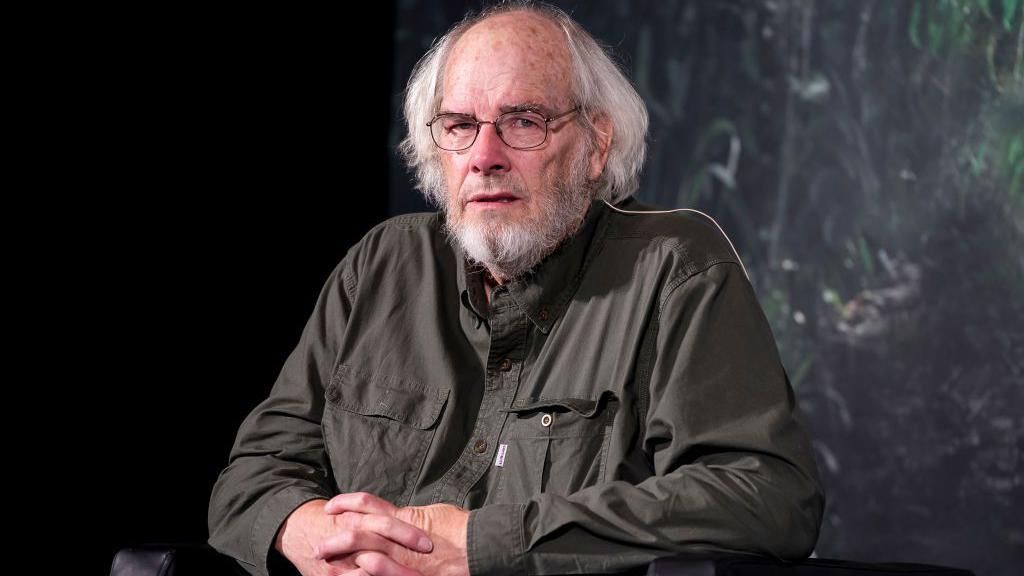
    Dr. Jack Horner, the celebrated paleontologist who served as technical advisor for the Jurassic Park film franchise and inspired the character Alan Grant, has parted ways with Chapman University following the release of emails documenting his connections with convicted sex offender Jeffrey Epstein.

    The disclosure, originating from the latest batch of Epstein-related documents released by the US Justice Department, reveals correspondence from 2012 showing Horner’s visit to Epstein’s New Mexico ranch and his subsequent pursuit of research funding from the financier. At the time of these exchanges, Horner held a lecturer position at Montana State University.

    In a detailed public statement, Horner expressed regret for not conducting deeper background checks on Epstein, acknowledging this as ‘a lesson learned.’ He maintained that during his brief interactions, he observed nothing ‘weird or suspicious’ that would have indicated the criminal conduct that later emerged. Horner specifically apologized for referring to four women present at the ranch as ‘girls’ in his email, clarifying they had been introduced to him as college students.

    The correspondence includes Horner’s funding request for a research project, initially estimated at $15,000 before being revised to $8,650. Epstein responded with willingness to provide a check, though the ultimate disposition of the proposed donation remains unclear. Horner confirmed receiving a separate $10,000 contribution from Epstein for his research.

    Chapman University officials confirmed Horner’s departure without specifying whether he resigned or was terminated. The university spokesperson simply stated Horner ‘is no longer with the university,’ marking a professional setback for the scientist whose work profoundly influenced both academic paleontology and popular culture through the Jurassic Park phenomenon.

    Horner emphasized that his limited interactions with Epstein were based on his perception of the financier as a science-interested philanthropist who had supported major academic institutions, noting awareness only of Epstein’s previous prostitution-related charge rather than the more serious allegations that later emerged.

  • Iran’s new tactics force US to reconsider its capacity for pain

    Iran’s new tactics force US to reconsider its capacity for pain

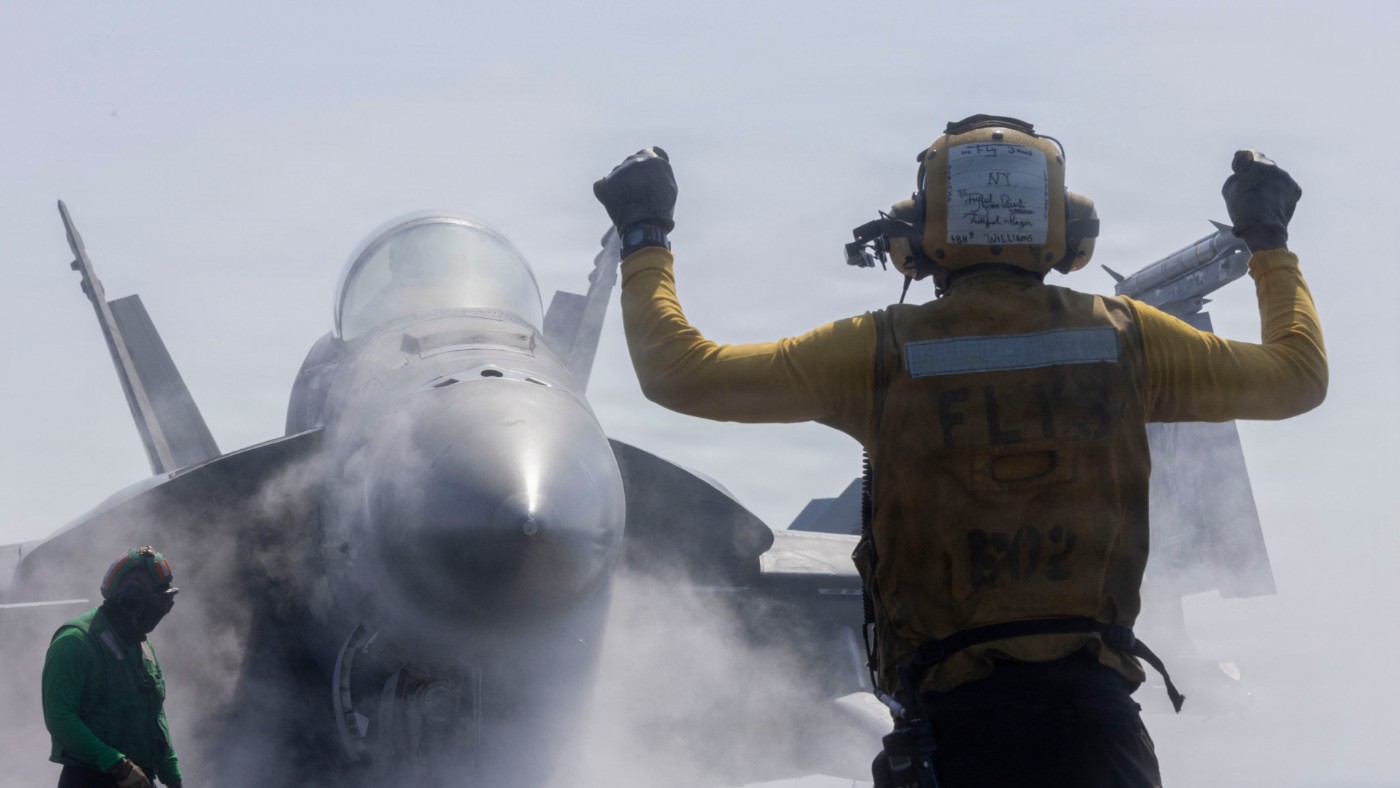
    The United States and Israel’s military operation against Iran, initially launched with the core objective of triggering rapid regime change in Tehran, has encountered unexpected resistance and is undergoing significant strategic recalibration. As the conflict enters its fourth day, developments on the ground have failed to produce the anticipated internal collapse within Iran, forcing Washington to reassess its fundamental assumptions about the Islamic Republic’s vulnerability.

    Contrary to initial expectations of swift victory, the conflict has expanded horizontally with Iran demonstrating remarkable resilience while simultaneously inflicting damage on enemy positions. This unexpected durability has compelled U.S. and Israeli officials to reshape their regime change calculations and reconsider Tehran’s negotiating posture. Following the killing of Supreme Leader Ali Khamenei, Iranian authorities now view diplomatic negotiations as a distant possibility, responding coldly to regional overtures while openly warning neighboring states about hosting U.S. military assets.

    Senior U.S. defense officials have acknowledged the potential for a prolonged engagement, with General Dan Caine, chairman of the Joint Chiefs of Staff, confirming that ‘additional casualties are expected.’ Defense Secretary Pete Hegseth’s attempted reassurance that ‘This isn’t Iraq. It’s not endless’ ironically underscores the growing concern about the conflict’s duration within public discourse. Israeli Prime Minister Benjamin Netanyahu has echoed this language, reflecting joint efforts to manage expectations as the initial shock-and-awe phase fails to deliver anticipated breakthroughs.

    The operational objectives have subsequently expanded, with Secretary of State Marco Rubio stating that the U.S. seeks to eliminate Iran’s ballistic missile capability: ‘We have targets. We will do what is necessary for as long as it takes to achieve those objectives.’ This follows earlier remarks dismissing nation-building ambitions in Iran, highlighting the growing gap between initial strategic goals and current realities.

    Iran has fundamentally altered its military strategy, abandoning intermittent large-scale attacks in favor of sustained, distributed strikes designed to exhaust defensive resources. Iranian military officials claim capacity to sustain regional conflict for months, citing overlooked assets and strategic stockpiles. By the second day of fighting, Iran began imposing tangible costs on U.S. interests, targeting at least six American military facilities across the Middle East and raising questions about defensive capabilities among Gulf allies.

    The conflict’s economic dimensions have emerged as particularly significant, with Iranian warnings about targeting vessels transiting the Strait of Hormuz rattling global markets. Oil and gas prices have soared following Saudi Arabia’s shutdown of its largest oil refinery and Qatar’s closure of the world’s largest LNG producer. This energy volatility represents a deliberate Iranian strategy to transform a regional military confrontation into a broader crisis impacting alliance networks and global economies.

    With no significant anti-regime mobilization materializing inside Iran despite Netanyahu’s calls for uprising, the U.S. appears to be exploring alternative strategies including potential engagement with Kurdish groups and other minority factions. Iranian officials have dismissed this approach as fantasy, citing preventive strikes against Kurdish camps near Erbil and warnings to regional groups.

    The emerging conflict dynamic suggests the war’s ultimate trajectory will be determined less by immediate tactical gains and more by the balance of accumulated costs across military, economic, and political domains. As the U.S. frames the conflict as potentially long and casualty-intensive, Iran responds by deliberately stretching timelines and distributing pressure across multiple theaters, creating a complex test of American strategic resilience with potential implications for broader global power dynamics.

  • Trump threatens to halt trade with Spain over military base access

    Trump threatens to halt trade with Spain over military base access

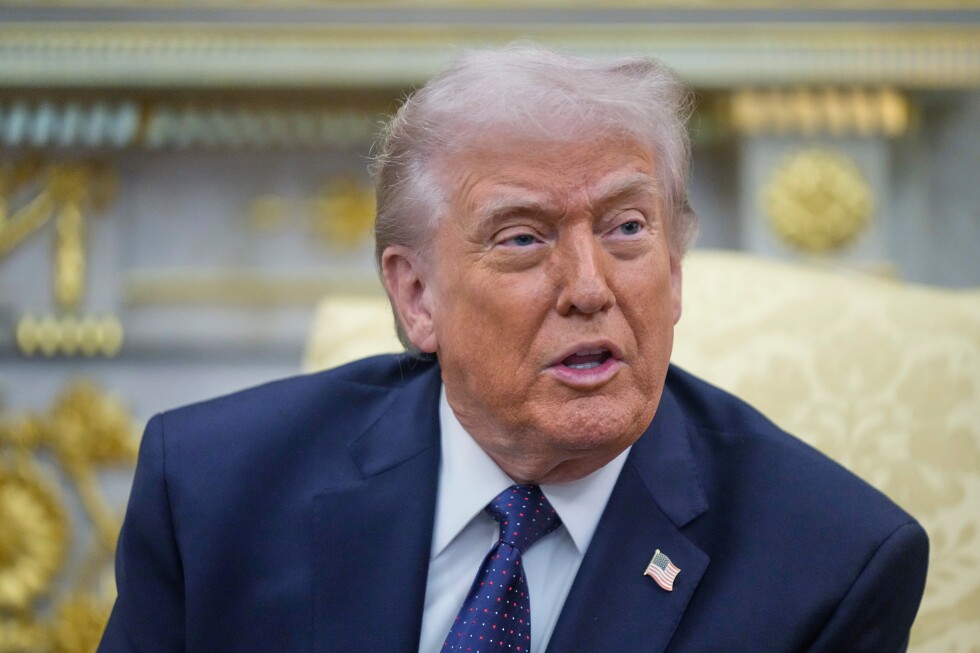
    President Donald Trump has issued a stark threat to sever all commercial relations with Spain following the European nation’s refusal to permit U.S. military operations against Iran from its strategic bases. During a White House press briefing, the President characterized Spain’s cooperation as “terrible” and declared, “We’re going to cut off all trade. We don’t want anything to do with Spain.”

    The confrontation stems from Madrid’s decision to block American access to Spanish military installations for operations targeting Iran, which Spanish officials contend would violate the United Nations charter. This diplomatic friction compounds existing tensions regarding defense expenditure requirements within NATO alliances, with Trump specifically criticizing Spain’s resistance to increasing military spending to 5% of GDP.

    While Treasury Secretary Scott Bessent asserted the legal authority to implement such an embargo, U.S. Trade Representative Jamieson Greer offered more measured responses when consulted about the proposed trade restrictions. The administration’s capacity to enact targeted trade measures against an EU member state remains legally and logistically complex due to the bloc’s integrated market structure.

    Bilateral trade between the nations represents significant economic interests, with 2025 data revealing $26 billion in U.S. exports to Spain and $21 billion in Spanish imports to American markets, including pharmaceuticals and agricultural products such as olive oil.

    The political dimension extends beyond immediate military concerns, as Spanish Prime Minister Pedro Sánchez—among Europe’s few remaining left-leaning leaders—publicly condemned U.S. and Israeli military actions against Iran as “unjustified, dangerous intervention” violating international law. While Trump additionally criticized the United Kingdom for insufficient cooperation regarding military base access, no parallel trade threats were directed toward British authorities.

  • Turkey’s Kurds reject US-Israeli ‘designs’ in Iran as Netanyahu bets on uprising

    Turkey’s Kurds reject US-Israeli ‘designs’ in Iran as Netanyahu bets on uprising

    Turkey’s pro-Kurdish Peoples’ Equality and Democracy (Dem) Party has issued a strong condemnation of the ongoing US-Israeli military operations against Iran, characterizing them as imperialist endeavors rather than genuine efforts to promote democracy. The party, which holds the third-largest parliamentary bloc, expressed skepticism about Western motives, stating that global powers appear more interested in establishing a regional order that serves their interests than in fostering genuine freedoms.

    The Dem Party’s statement emphasized that ongoing airstrikes fail to create conditions conducive to liberation for Iran’s diverse ethnic and religious minorities, including Kurds, Balochs, Christians, and Azerbaijanis. While acknowledging the oppressive nature of Iran’s regime and commemorating victims like Jina Mahsa Amini and Ramin Hossein Panahi, the party insisted that regime change must originate from internal popular will rather than external intervention.

    Co-chair Tulay Hatimogulları addressed parliament, warning that the conflict risks engulfing the entire region after already spreading to Iraq, Lebanon, and Gulf states. She revealed that a girls’ primary school had been struck in the attacks, resulting in over 150 casualties among schoolchildren.

    The developments occur against a complex backdrop of Kurdish political dynamics. While Turkey has made significant progress in peace talks with the Kurdistan Workers’ Party (PKK), resulting in the group’s disbandment after four decades of conflict, concerns remain about its Iranian affiliate, the Free Life Party of Kurdistan (PJAK). Turkish Foreign Minister Hakan Fidan acknowledged monitoring whether PJAK might attempt to launch an insurgency in Iran, which could impact Ankara’s delicate peace process.

    Meanwhile, Iranian forces have targeted Iranian Kurdish opposition groups in Iraq’s semi-autonomous Kurdistan region, with drone strikes hitting headquarters of multiple Kurdish parties including the Kurdistan Freedom Party and Komala Party. This escalation suggests broadening regional tensions that extend beyond the immediate US-Israeli-Iranian confrontation.

  • Kristi Noem grilled over Alex Pretti statement, and other key takeaways from Senate hearing

    Kristi Noem grilled over Alex Pretti statement, and other key takeaways from Senate hearing

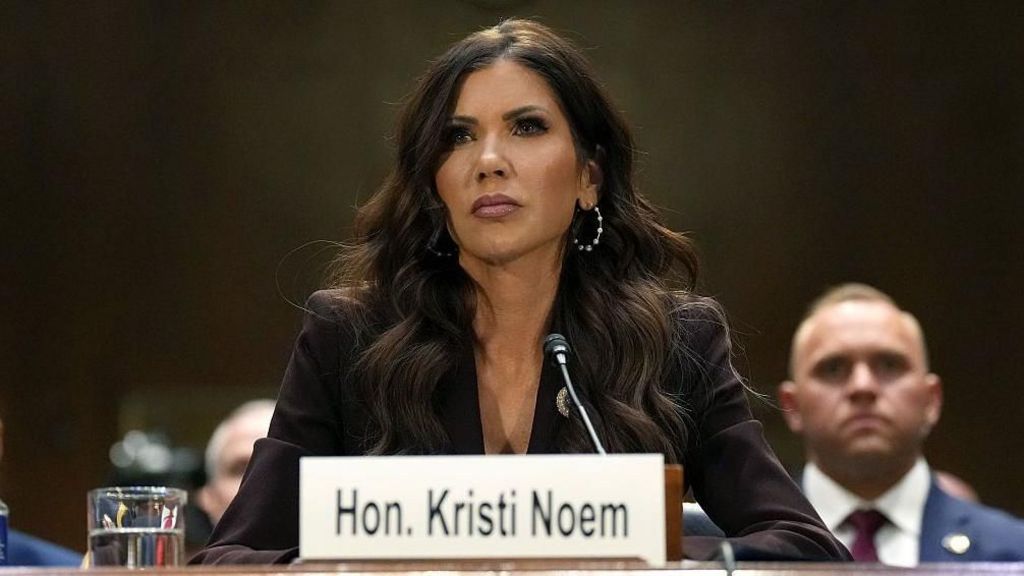
    Homeland Security Secretary Kristi Noem encountered intense bipartisan interrogation during a Senate committee hearing on Tuesday, defending her department’s controversial immigration enforcement strategies amid a partial government shutdown and allegations of excessive force.

    The hearing revealed deep divisions over the Department of Homeland Security’s current operations, with Democrats withholding funding pending reforms while Republicans largely supported the department’s border security objectives. Noem maintained that DHS was achieving “historic results” in enhancing community safety through President Trump’s immigration agenda.

    The most contentious moment emerged during questioning by Senator Amy Klobuchar (D-MN) regarding January’s Operation Metro Surge, where immigration raids triggered widespread protests in Minneapolis. Klobuchar highlighted the fatal shooting of two American citizens—Renee Good and Alex Pretti—by DHS agents during the operation. Government officials claimed the officers acted in self-defense, though video evidence appeared to contradict initial reports about Pretti’s actions.

    Noem faced particular criticism for previously characterizing Pretti’s presence at the scene as “domestic terrorism” without substantiating evidence. When pressed to apologize to Pretti’s grieving parents, Noem acknowledged their tragedy but declined to retract her earlier statements, explaining she had relied on preliminary information.

    Republican senators expressed their own concerns about departmental management. Senator John Kennedy (R-LA) questioned a $220 million advertising campaign encouraging self-deportation, particularly regarding contracts allegedly awarded to firms with connections to Noem’s associates. Noem denied involvement in contractor selection, emphasizing a “competitive bid process” approved by the administration.

    Senator Thom Tillis (R-NC) voiced unusual Republican criticism, arguing that the department’s deportation methods were creating public perception problems. “Americans were beginning to think that deporting people is wrong,” Tillis stated. “It’s the exact opposite. The way you’re going about deporting them is wrong.”

    The hearing concluded without resolution regarding the department’s funding stalemate or policy direction, reflecting the ongoing national debate over immigration enforcement methodologies.

  • US-Israeli strikes on Iran tear through IVF clinic, hospitals and homes

    US-Israeli strikes on Iran tear through IVF clinic, hospitals and homes

    A devastating US-Israeli military offensive against Iran has resulted in catastrophic collateral damage to civilian infrastructure, with prominent hospitals, residential buildings, and cultural landmarks sustaining direct hits across more than 150 cities. The bombing campaign, purportedly targeting Iran’s military and nuclear facilities, has instead wrought havoc on civilian populations, with the Red Crescent Society reporting at least 787 fatalities to date.

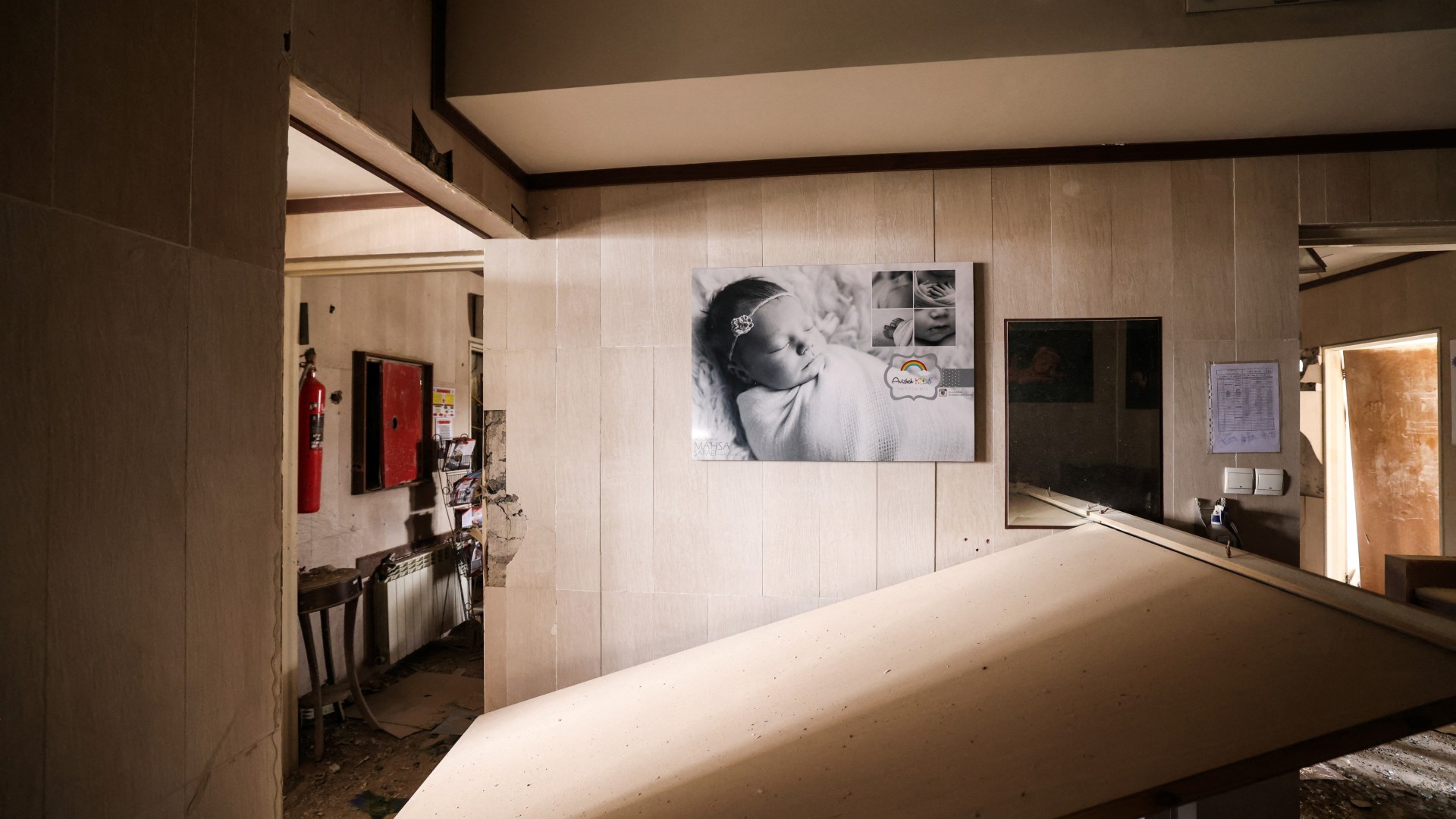
    At Tehran’s Ghandi Hospital, a renowned private medical center, a direct strike caused severe damage to its fertility clinic, destroying years of hope for couples undergoing IVF treatment. “After 10 years of trying, we finally had hope,” said Mohsen, whose embryos were stored at the clinic. His wife Firouzeh added: “We don’t know what happened to our samples. We don’t know if all these years of effort and hope are gone.

    The hospital’s head, Mohammad Hassan Bani Asad, confirmed one staff member suffered serious brain bleeding requiring emergency surgery. Nurse Salmaz, who was on duty during the attack, described chaotic scenes: “The force threw me into the corner of my office. The building caught fire. Everyone was screaming and trying to escape. In those terrible moments, we were just trying to save the babies.”

    Contrary to Israeli military claims of “minor and collateral damage,” medical authorities report at least 10 healthcare facilities have been struck nationwide. Mohammad Raiszadeh, head of Iran’s Medical Council, drew parallels to Israel’s attacks on Gaza hospitals, expressing skepticism about international intervention: “They showed during the Gaza tragedy that they cannot stop attacks on medical centers.”

    The cultural destruction extended to Tehran’s Golestan Palace, a UNESCO World Heritage Site, which sustained significant damage. Residential areas have been particularly hard hit, with numerous apartment buildings completely flattened. Reza, a 42-year-old resident near Niloufar Square, described a five-story building reduced to rubble: “I don’t know how many people were killed there.”

    As the bombing continues unabated, civilian anxiety reaches unprecedented levels. Negin, an eyewitness to an attack on Army Hospital, summarized the prevailing sentiment: “The explosions do not stop. Every moment I ask myself: will the next strike hit our home?”

  • Trump threatens to cut off trade with Spain after it disallowed US use of joint bases in Iran war

    Trump threatens to cut off trade with Spain after it disallowed US use of joint bases in Iran war

    In a dramatic escalation of transatlantic tensions, former President Donald Trump issued a stark warning to terminate all trade relations with Spain during an Oval Office meeting with German Chancellor Friedrich Merz on Tuesday. The threat emerged from dual grievances regarding Spain’s refusal to support U.S.-Israeli military actions against Iran and its resistance to meeting NATO’s defense spending targets.

    Trump’s declaration came directly following Spanish Foreign Minister José Manuel Albares’ statement that American military bases in southern Spain would not be utilized for strikes unauthorized by the United Nations charter. Albares specifically confirmed that these joint facilities played no role in the recent weekend operations against Iran.

    The feasibility of implementing such a trade cutoff remains legally complex, as Spain operates within the European Union’s unified trade framework. The EU negotiates comprehensive trade agreements collectively for all 27 member states, presenting significant jurisdictional challenges to unilateral action.

    A spokesperson from Spanish Prime Minister Pedro Sánchez’s office responded firmly, emphasizing that any review of trade agreements must respect “the autonomy of private companies, international law, and bilateral agreements between the European Union and the United States.”

    This confrontation represents the latest application of Trump’s trademark economic coercion tactics, occurring shortly after a Supreme Court decision struck down his previous expansive tariff authorities. While the court limited presidential power to impose broad tariffs under the International Emergency Economic Powers Act, Trump now interprets the ruling as granting him alternative authority to implement full-scale embargoes against selected nations.

    Additional friction points emerged regarding defense expenditures, with Trump criticizing Spain’s withdrawal from NATO’s 5% spending commitment. Spain maintains that allocating 2.1% of GDP sufficiently meets its military capability requirements—a position Trump vehemently rejected. Chancellor Merz acknowledged the spending discrepancy, noting German efforts to persuade Spain that collective security requires full compliance with alliance commitments.

    Spain defended its NATO contributions, asserting its status as “a key member of NATO, fulfilling its commitments and making a significant contribution to the defense of European territory.”

    During the meeting, Trump consulted Treasury Secretary Scott Bessent regarding embargo authority, receiving confirmation that the administration would pursue investigations through the U.S. Trade Representative and Commerce Department. The Treasury Department declined to provide additional commentary to The Associated Press.

    The diplomatic rift extends beyond military matters, with Prime Minister Sánchez’s government condemning the Iran strikes as “unjustifiable” and “dangerous” while demanding immediate de-escalation. Spain’s progressive administration has also been notably critical of Israel’s military operations in Gaza, further distinguishing its foreign policy from Washington’s approach.

    Trump concluded with personal criticism, stating Spain offers “absolutely nothing that we need other than great people,” while denouncing the country’s leadership. This exchange marks the most significant deterioration in U.S.-Spanish relations since Sánchez emerged as Europe’s last major progressive leader.