作者: admin

  • UAE: Why NRIs are increasingly choosing insurance policies in India

    UAE: Why NRIs are increasingly choosing insurance policies in India

    A significant financial shift is underway as Non-Resident Indians (NRIs), particularly in the UAE, are increasingly opting to purchase life insurance policies from their home country. This trend is propelled by a confluence of economic factors and regulatory innovations that make Indian insurance products exceptionally attractive to the diaspora.

    The Indian rupee’s depreciation against major currencies like the US dollar and UAE dirham has substantially increased the affordability of Indian insurance for NRIs earning in foreign currencies. This currency advantage, coupled with intense competition in India’s insurance sector, has created a buyer’s market rich with diverse and competitive product offerings.

    A pivotal development accelerating this trend is the establishment of the Gujarat International Finance Tec-City (Gift City), India’s first operational smart city and international financial services center. This tax-neutral zone has implemented a foreign currency settlement system that significantly expedites cross-border financial transactions, removing previous bureaucratic hurdles for NRIs seeking Indian financial products.

    Jude Gomes, Managing Director and CEO of Ageas Federal Life Insurance, emphasizes that the perception of life insurance among NRIs has evolved dramatically. “Earlier, life insurance was treated just as a tax tool in India due to mandatory taxation,” Gomes noted. “Today, people living outside India recognize they need protection for themselves and their families, leading to need-based purchases.”

    The regulatory environment in India has undergone substantial improvements, with customer-friendly interventions strengthening servicing and claim payment capabilities over the past five to six years. This enhanced regulatory framework provides NRIs with greater confidence in transacting with Indian insurance providers.

    Gomes further highlighted that Indian insurance products are generally more cost-effective compared to similar offerings in foreign markets. For the many NRIs considering eventual return to India, purchasing policies from Indian companies offers additional financial sense as they will receive proceeds and tax benefits in their home currency.

    With Dubai’s status as a global financial hub featuring strong regulatory frameworks and a mature expatriate population with high financial awareness, the combination of Gift City offerings and competitive pricing positions Indian insurers advantageously to serve the substantial NRI community in the UAE and beyond.

  • 2 killed as South Korean military helicopter crashes during training

    2 killed as South Korean military helicopter crashes during training

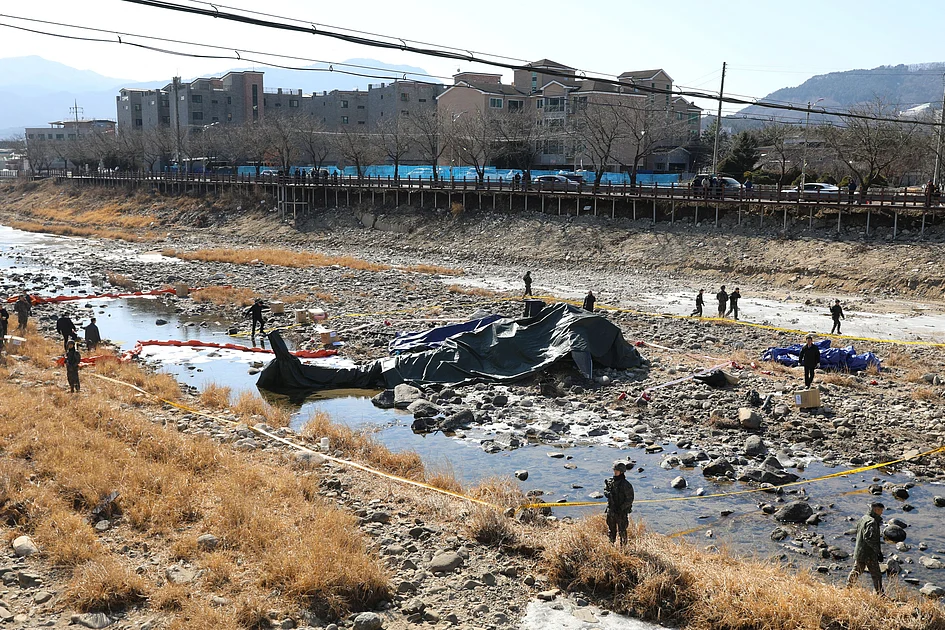
    A South Korean Army AH-1S Cobra attack helicopter crashed during a training exercise in Gapyeong on Monday morning, resulting in the tragic deaths of both crew members aboard. The incident occurred shortly after 11:00 AM local time (0200 GMT) under circumstances that remain undetermined.

    Military authorities confirmed that despite immediate medical evacuation to nearby facilities, both personnel succumbed to their injuries. The training mission involved practicing emergency landing procedures with engines operational at the time of the accident.

    In response to the tragedy, the South Korean military has implemented an immediate operational suspension of its entire AH-1S Cobra helicopter fleet. An emergency investigative team has been convened to determine the precise cause of the crash, examining all potential factors including mechanical failure, human error, and environmental conditions.

    The Gapyeong region, located northeast of Seoul, hosts significant military training operations. This incident marks another sobering moment for South Korea’s military aviation community, which maintains high alert status along the heavily fortified border with North Korea.

  • Lebanon building collapse toll rises to 9, civil defence says

    Lebanon building collapse toll rises to 9, civil defence says

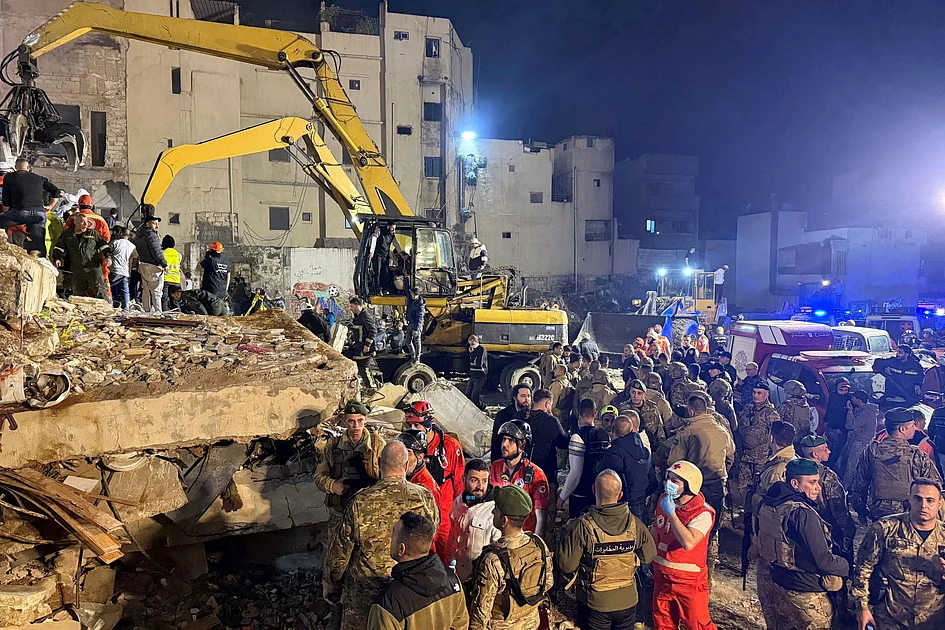
    TRIPOLI, LEBANON – The death toll from Sunday’s building collapse in northern Lebanon’s impoverished city of Tripoli has escalated to nine fatalities, according to civil defense officials, marking the second such structural failure within weeks. The tragic incident occurred in the Bab al-Tabbaneh neighborhood, recognized as the city’s most destitute area, where rescue teams continue their desperate search for potential survivors beneath the rubble.

    Civil Defence Director General Imad Khreish confirmed to local media that six individuals were successfully extracted from the debris and transported to nearby medical facilities for treatment. The collapsed structure comprised two separate blocks containing six apartments each, with preliminary estimates suggesting approximately 22 residents were present during the catastrophic event.

    Mayor Abdel Hamid Karimeh declared Tripoli a disaster-stricken city during a press conference, citing the pervasive threat posed by thousands of unsafe buildings throughout the municipality. “Thousands of our people in Tripoli are threatened due to years of neglect,” Karimeh stated, emphasizing that “the situation is beyond the capabilities of the Tripoli municipality.”

    The disaster has triggered civil unrest, with reports of angry demonstrators vandalizing property near political offices. This incident follows another deadly building collapse in late January, highlighting systemic urban safety failures.

    According to January statistics from Tripoli’s municipal authorities, 105 buildings required immediate evacuation notices. Notably, Sunday’s collapsed structure was not included on the official list of imminently dangerous buildings, raising questions about assessment protocols.

    Prime Minister Nawaf Salam denounced the situation as a “humanitarian catastrophe” resulting from “long years of accumulated neglect” while announcing government readiness to provide housing allowances to displaced residents. Justice Minister Adel Nassar has ordered an immediate investigation into the collapse through the northern public prosecutor’s office.

    Urban planning experts attribute the recurring tragedies to unregulated construction practices, particularly during Lebanon’s 1975-1990 civil war, when numerous buildings were erected without proper permits or safety standards. The country’s prolonged economic crisis has further exacerbated the situation, leaving residents unable to afford necessary repairs or alternative housing options.

    This tragedy echoes concerns raised by Amnesty International in 2024 regarding thousands of Tripoli residents continuing to inhabit structurally compromised buildings more than a year after the devastating Turkey-Syria earthquake further weakened already precarious structures.

  • Look: Bad Bunny turns Super Bowl stage into giant street party, celebrates Puerto Rico

    Look: Bad Bunny turns Super Bowl stage into giant street party, celebrates Puerto Rico

    Puerto Rican global sensation Bad Bunny transformed the Super Bowl LX halftime show into a vibrant celebration of Latino culture, delivering a groundbreaking performance conducted almost entirely in Spanish. The 31-year-old artist, born Benito Antonio Martínez Ocasio, created an immersive street festival atmosphere on one of the world’s largest stages, featuring symbolic elements including a sugar cane plantation, traditional piragua cart selling frozen treats, and even a staged wedding ceremony.

    The performance opened with high-energy renditions of ‘Titi Me Pregunto’ and the feminist anthem ‘Yo Perreo Sola’, supported by an ensemble of dancers that maintained an electrifying party atmosphere. Celebrity guests including actors Pedro Pascal and Jessica Alba, along with rapper Cardi B, appeared within the ‘La Casita’ backdrop representing a typical Puerto Rican home.

    While largely avoiding direct political commentary, Bad Bunny incorporated subtle messaging through visual symbolism. His performance of ‘El Apagón’ addressed issues of displacement and power grid instability in Puerto Rico, while he prominently displayed the Puerto Rican flag. A poignant segment featured a young boy watching the Grammys on an antique television, with Bad Bunny presenting him a golden gramophone – referencing his recent historic Album of the Year win for ‘Debi Tirar Mas Fotos’, the first Spanish-language work to receive the honor.

    The performance concluded with a powerful visual statement as Bad Bunny spiked a football inscribed with ‘Together, we are America’ alongside a stadium display reading ‘The only thing more powerful than hate is love.’ Despite this unifying message, former President Donald Trump immediately criticized the performance on Truth Social, calling it ‘an affront to the Greatness of America’ and claiming ‘Nobody understands a word this guy is saying’ – despite Census data indicating over 41 million Americans speak Spanish.

    The landmark performance marked another milestone in Bad Bunny’s remarkable journey from grocery bagger in Vega Baja, Puerto Rico to global superstar, following his discovery through DIY platform SoundCloud. His selection as headliner had previously drawn conservative criticism regarding the Spanish-language nature of his performance, establishing new benchmarks for cultural representation at the Super Bowl.

  • Pakistan says Afghanistan has created conditions ‘similar to or worse than’ pre-9/11 attacks

    Pakistan says Afghanistan has created conditions ‘similar to or worse than’ pre-9/11 attacks

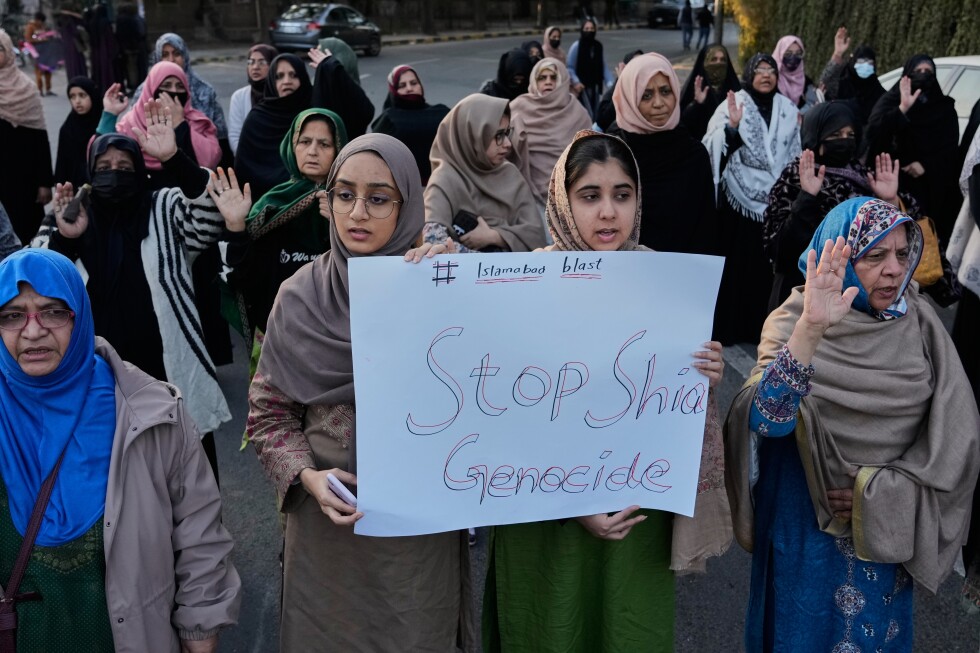
    ISLAMABAD — Pakistani President Asif Ali Zardari has issued a grave warning that Afghanistan’s Taliban-led government has established security conditions mirroring or exceeding the perilous environment that preceded the September 11, 2001 terrorist attacks. This declaration signals escalating diplomatic tensions following last week’s devastating mosque bombing in Islamabad that killed 31 worshippers and injured 169.

    In strongly worded statements delivered Sunday, President Zardari asserted that terrorist organizations now pose renewed threats to global peace under the Taliban’s governance. While expressing gratitude for international condemnation of the attack claimed by Islamic State, Zardari pointedly accused Pakistan’s eastern neighbor India of ‘assisting the Taliban regime and threatening not only Pakistan but regional and global peace.’

    The presidential remarks represent a significant escalation in rhetoric likely to provoke responses from both Kabul and New Delhi. Both nations have previously denied involvement in the suicide bombing and rejected similar allegations from Pakistani officials.

    This diplomatic confrontation revives historical tensions reminiscent of the period between 1996-2001 when the previous Taliban administration sheltered al-Qaeda leader Osama bin Laden and permitted terrorist training camps despite international objections. Although bin Laden was ultimately eliminated by U.S. forces in Pakistan in 2011, current leadership contends that similar patterns are reemerging under the resurrected Taliban regime that regained power in August 2021.

    Interior Minister Mohsin Naqvi revealed that security forces have apprehended four suspects connected to the mosque attack, including an Afghan national allegedly linked to the militant group who helped mastermind the operation. Detainees include the bomber’s mother and brother-in-law, though Pakistani authorities haven’t disclosed full details regarding familial involvement.

    Analysts interpret Zardari’s statements as reflecting growing frustration with perceived external support for militant groups. Asif Durrani, Pakistan’s former special representative for Afghanistan, characterized the warning as ‘unambiguous: terrorism thrives where it is tolerated, facilitated, or used as a proxy.’

    The security situation remains volatile as Pakistan experiences a resurgence of militant violence attributed to Baloch separatist groups and Tehrik-e-Taliban Pakistan (TTP), which maintains separate but allied relations with Afghanistan’s Taliban leadership. Meanwhile, Islamic State’s regional affiliate continues to operate as a major Taliban rival, conducting attacks throughout Afghanistan.

  • Jimmy Lai sentenced to 20 years in prison

    Jimmy Lai sentenced to 20 years in prison

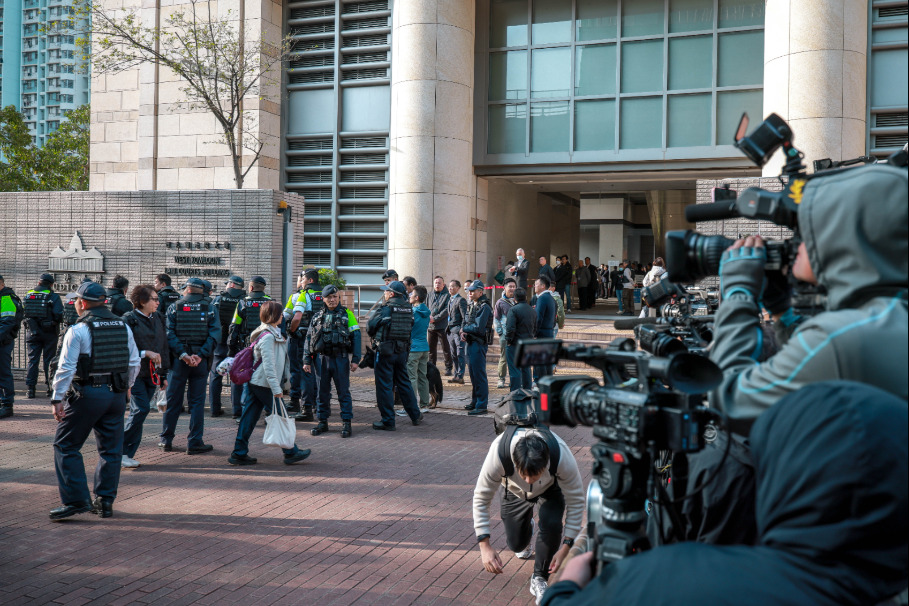
    Hong Kong’s High Court has delivered a landmark ruling, sentencing former media magnate Jimmy Lai Chee-ying to 20 years imprisonment under the city’s National Security Law. The verdict concludes one of the most significant legal proceedings since the legislation’s implementation.

    A three-judge national security panel comprising Esther Toh Lye-ping, D’Almada Remedios, and Alex Lee Wan-tang determined the sentence following Lai’s December conviction on two counts of conspiracy to collude with foreign forces and one count of conspiracy to publish seditious materials. The court emphasized the serious nature of offenses involving foreign entities endangering national security, stating such actions warrant severe penalties according to legislative intent.

    The judicial panel addressed multiple considerations in their sentencing rationale. Notably, the court ruled that 18 years of the national security sentence will run consecutively with Lai’s previous 5-year, 9-month fraud conviction from December 2022, which involved unrelated matters of a completely different nature.

    Regarding health considerations, the court acknowledged Lai had received appropriate medical attention during detention but declined to reduce his sentence on medical grounds, noting such considerations rarely justify sentence reduction in cases involving grave offenses. The judgment reinforces the judiciary’s firm stance on upholding national security legislation while maintaining procedural rigor throughout the legal process.

  • Senegalese police arrest 14 suspects in a child abuse network run by a French national

    Senegalese police arrest 14 suspects in a child abuse network run by a French national

    DAKAR, Senegal — Senegalese authorities have apprehended 14 individuals allegedly involved in a sophisticated child exploitation network masterminded by a French national. The criminal operation, which targeted vulnerable children in the West African nation, was dismantled through coordinated efforts between Senegalese and French law enforcement agencies.

    The suspected ringleader, identified as French citizen Pierre Robert, was initially detained in France last April. According to official statements released Sunday, the network had been systematically operating since 2017, preying on minors through organized sexual exploitation schemes.

    Those arrested face multiple grave charges including child rape, pimping, unnatural acts, and deliberate transmission of HIV. Police investigations reveal that the criminal group coerced young boys into engaging in unprotected sexual activities, frequently with HIV-positive individuals, while simultaneously recording these abusive acts.

    Disturbingly, four of the detained suspects allegedly functioned as ‘sex trainers’ who confessed to facilitating the abuse in exchange for financial compensation transferred by Robert. The exact number of juvenile victims remains undetermined as investigations continue.

    The breakthrough came through synchronized raids conducted in both Dakar and Kaolack, located approximately 200 kilometers southeast of the capital. These operations culminated a meticulous joint investigation that leveraged international police cooperation between the two nations.

    While Senegal maintains robust legal frameworks against child sexual abuse—prescribing five to ten years imprisonment for offenses involving children under 16—implementation challenges persist. A 2018 Human Rights Watch report highlighted systemic obstacles including limited police resources, staffing shortages, and judicial procedural gaps that have historically hampered effective enforcement of child protection laws.

  • Palm-lined souq, watchtower, wildlife museum: 3 new reasons to visit Al Dhaid

    Palm-lined souq, watchtower, wildlife museum: 3 new reasons to visit Al Dhaid

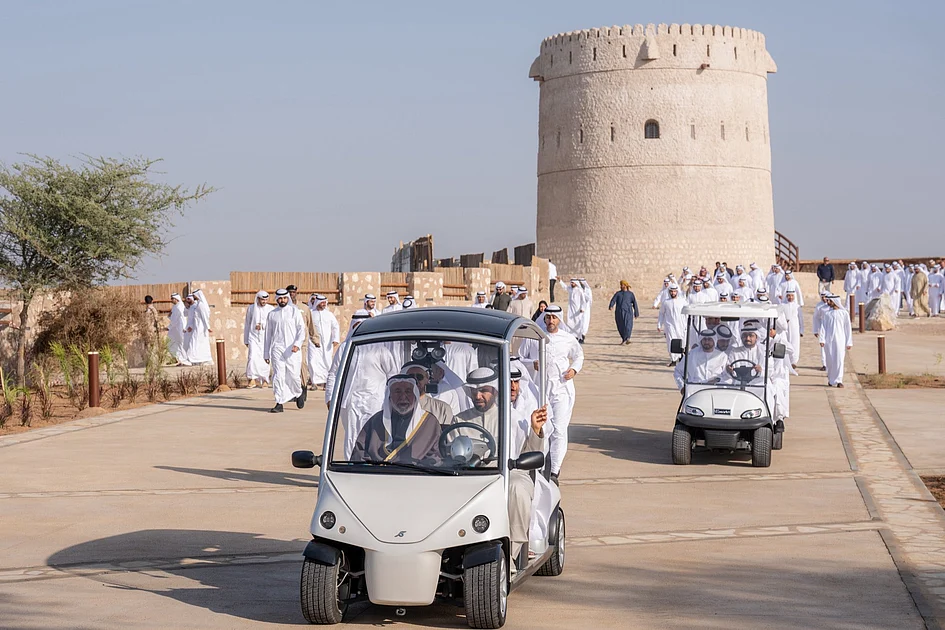
    Sharjah’s historic oasis city of Al Dhaid has dramatically enhanced its tourism appeal with the inauguration of three significant cultural attractions, forming an integrated heritage circuit that blends environmental education, historical preservation, and traditional commerce.

    Under the patronage of Sharjah’s Ruler, the newly unveiled destinations include the Al Dhaid Wildlife Museum, the meticulously restored Al Mudharsa Tower, and the palm-shaded Souq Sharia’t Al Dhaid. These developments create a comprehensive visitor experience that showcases the Central Region’s unique ecological systems, defensive architecture, and traditional market culture.

    The Al Mudharsa Tower, standing guard at the northeastern entrance to Al Dhaid Oasis, has been rehabilitated using traditional materials and archaeological standards to preserve its original architectural character. Historically part of the area’s defensive network, this watchtower played a crucial role in monitoring farmland and water sources. Its cultural significance was recognized in 2023 when it was inscribed on the ICESCO World Heritage List alongside Al Dhaid Fort and Falaj Al Dhaid.

    Adjacent to the historic falaj irrigation system, Souq Sharia’t Al Dhaid features 34 retail units including cafes, restaurants, and outlets supporting productive families, small businesses, and youth-led ventures. The market’s architecture draws inspiration from desert elements while reviving the area’s historic role as a trading hub. Enhanced with a camel track, viewing arcades overlooking palm groves, and multiple entrances connecting to nearby heritage sites, the souq is projected to stimulate tourism while creating sustainable opportunities for local entrepreneurs.

    The centerpiece of these developments is the Al Dhaid Wildlife Museum, established as a major environmental education hub. The museum features specialized galleries dedicated to desert ecosystems, with separate halls for plants, insects, birds, and desert animals. Through interactive displays, educational models, and digital applications, visitors gain insights into biodiversity, climate adaptation, and ecological balance. The facility further supports research with dedicated laboratories, environmental education spaces, and a children’s hall designed to foster early interest in nature conservation.

    This strategic development represents a significant investment in cultural tourism infrastructure that simultaneously preserves heritage, promotes environmental awareness, and supports local economic development through sustainable tourism initiatives.

  • A record 13 skiers, climbers and hikers died in Italian mountains over the last week

    A record 13 skiers, climbers and hikers died in Italian mountains over the last week

    Italian mountain rescue authorities reported a devastating death toll of 13 backcountry enthusiasts in the Alps during the past week, marking one of the most tragic periods in recent mountaineering history. The fatalities, which occurred amidst ongoing Winter Olympic events, included 10 individuals killed in avalanches triggered by highly unstable snow conditions.

    According to Italy’s Alpine Rescue Corps, dangerous weather patterns have created perilous circumstances throughout the Alpine region bordering France, Switzerland, and Austria. Recent storms deposited fresh snowfall atop weak internal layers, while strong winds formed precarious snowcaps that remain susceptible to sudden collapse.

    Federico Catania, official spokesperson for the rescue organization, explained the critical situation: ‘Current conditions are so unstable that merely the passage of a single skier or natural accumulation of snow weight can trigger catastrophic avalanches.’

    All avalanche-related deaths occurred on unmanaged slopes outside the secured Olympic venues in Lombardy, Cortina d’Ampezzo, and Val di Fiemme. Authorities emphasized that properly maintained ski resorts and Olympic competition sites remain safe due to continuous monitoring and avalanche control measures.

    The recent spike in fatalities coincides with outdoor enthusiasts attempting to capitalize on brief weather windows between storms. This rush to explore backcountry terrain during limited clear periods has resulted in a proportional increase in accidents and tragic outcomes, according to rescue officials.

    Rescue services strongly advise wilderness travelers to consult avalanche forecasts and postpone mountain excursions until snowpack conditions stabilize. The weekend alone witnessed six avalanche deaths across Lombardy, Trentino, and South Tyrol, including two separate incidents on the Marmolada glacier.

    The casualties extended beyond skiers to include two hikers on Monte Grappa Veneto and in the Marche region’s Appenine range, plus an ice climber in Valle d’Aosta. In a separate high-profile incident, the same rescue team performed a helicopter extraction of American skier Lindsey Vonn following her competition crash in Cortina d’Ampezzo.

  • Bangladesh votes in world’s first Gen Z-inspired election

    Bangladesh votes in world’s first Gen Z-inspired election

    Bangladesh stands at a historic political crossroads as citizens prepare for Thursday’s parliamentary elections, marking the nation’s first genuinely competitive electoral contest since 2009. This watershed moment follows the 2024 uprising that ousted former Prime Minister Sheikh Hasina after her 15-year administration, with her Awami League party now banned from participation.

    The political landscape has undergone a dramatic reversal from previous elections where opposition voices were systematically suppressed through boycotts and mass arrests. Now, campaign materials from multiple parties adorn streets across the country, creating an unprecedented visual tapestry of democratic engagement.

    The Bangladesh Nationalist Party (BNP), contesting 292 of the 300 parliamentary seats, emerges as the frontrunner according to most analysts. Party leader Tarique Rahman expressed confidence in securing sufficient seats to form a government. However, the BNP faces substantial challenge from a coalition led by Jamaat-e-Islami, which has aligned with a new Generation Z activist party that previously spearheaded anti-Hasina street mobilizations.

    This election carries profound implications for regional geopolitics, potentially reshaping the influence of rival powers China and India. Beijing has gained standing since Hasina’s perceived pro-India stance culminated in her fleeing to New Delhi after her ouster. A Jamaat-led government might tilt closer to Pakistan, while the BNP is viewed as more amenable to Indian interests.

    With 175 million citizens seeking stability after months of post-uprising unrest that disrupted major industries including the vital garment sector, analysts emphasize the critical need for a decisive electoral outcome. Approximately one-quarter of the electorate belongs to Generation Z, whose voting preferences could substantially influence the final results.

    The election occurs against a backdrop of severe economic challenges, including high inflation, dwindling reserves, and slowed investment that has compelled Bangladesh to seek large-scale international financing. Voter surveys identify corruption as the primary concern, followed by economic pressures, with many citizens expressing hope for restored democratic freedoms regardless of which party prevails.