作者: admin

  • President Nawrocki refuses to sign law to tap 44B euros in EU defense loans for Poland

    President Nawrocki refuses to sign law to tap 44B euros in EU defense loans for Poland

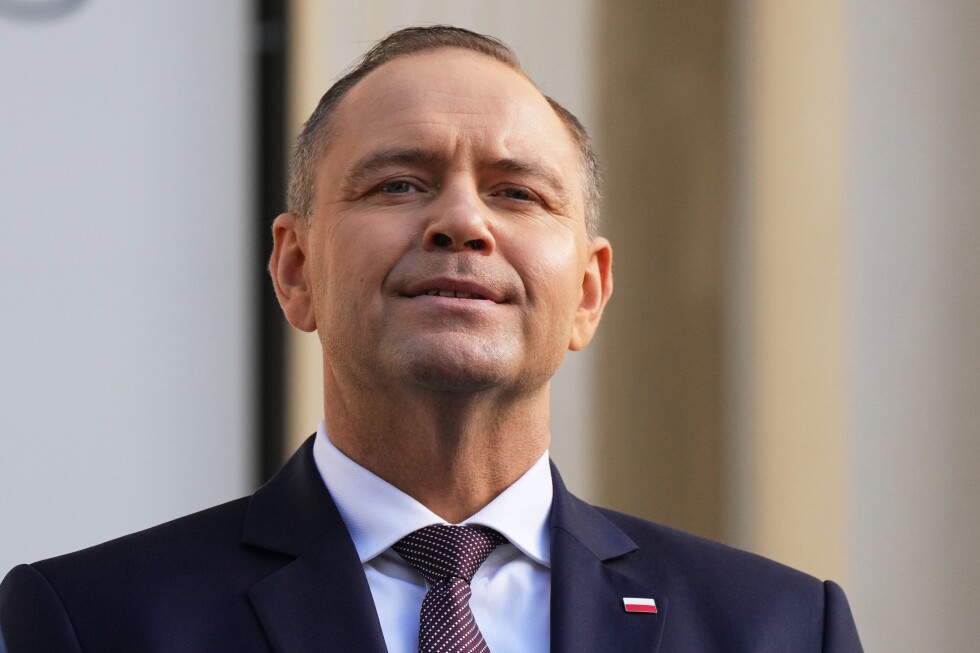
    In a significant political maneuver, Polish President Karol Nawrocki has declined to endorse legislation that would grant Poland access to approximately €44 billion in preferential defense loans through the European Union’s Security Action for Europe (SAFE) initiative. The president’s office announced Tuesday that Nawrocki considers increased financial dependence on Brussels contrary to Poland’s national interests.

    Instead of utilizing EU mechanisms, the presidential administration has proposed alternative legislation suggesting domestic funding sources for defense modernization projects. This development highlights the growing ideological divide between Poland’s liberal government under Prime Minister Donald Tusk and the nationalist presidency, particularly regarding European integration and defense cooperation.

    The political confrontation occurs against the backdrop of heightened security concerns following Russia’s full-scale invasion of Ukraine in 2022. While subsequent Polish governments have consistently increased defense spending, the current administration favors closer coordination with EU institutions, whereas the presidency maintains a more eurosceptic stance and has cultivated stronger relations with the Trump administration.

    Nawrocki, who has positioned himself as the primary political adversary to Prime Minister Tusk since assuming office last year, retains until March 20 to issue a formal veto against the government’s legislation. The president’s opposition aligns with criticism from the national-conservative Law and Justice (PiS) party, which argues that EU funding mechanisms ultimately increase German influence and disadvantage American defense contractors.

    The United States has concurrently expressed reservations about EU defense initiatives, with American ambassadors to the EU and NATO publishing an opinion piece in February criticizing programs like SAFE for potentially limiting market competition and undermining transatlantic defense cooperation.

    Despite the presidential opposition, the Tusk administration maintains that alternative pathways exist to access SAFE funding, albeit under potentially less favorable conditions. The government had previously identified 139 defense projects for financing, including 30 initiatives focused on fortifying Poland’s eastern borders, with承诺 80% of funds directed toward domestic defense industries.

  • Video captures Guizhou’s transition from winter to spring

    Video captures Guizhou’s transition from winter to spring

    A visually captivating video showcasing Guizhou province’s remarkable transition from winter dormancy to spring vitality has taken social media by storm, demonstrating the region’s breathtaking natural beauty and cultural richness through innovative digital presentation techniques.

    The trending content employs a sophisticated palette-transition effect that artistically documents the seasonal metamorphosis occurring across southwestern China’s mountainous landscapes. This technological approach highlights the dramatic visual contrast between winter’s monochromatic scenery and spring’s vibrant explosion of color across Guizhou’s diverse terrain.

    Among the most striking transformations featured are the vast expanses of golden rapeseed flowers that now blanket previously barren fields, creating spectacular seas of yellow that attract photographers and nature enthusiasts alike. Equally impressive is the resurgence of Huangguoshu Waterfall, Asia’s largest waterfall, which now demonstrates its full power with surging white cascades as winter ice melts and spring runoff intensifies.

    The viral phenomenon coincides with the beginning of the tourism season, with the province’s renowned attractions experiencing significant visitor influxes. Local tourism authorities note that such digital content has substantially increased interest in Guizhou’s natural wonders, potentially boosting regional tourism following the winter months.

    This social media trend represents a growing intersection of technology, nature appreciation, and cultural promotion, demonstrating how digital innovation can enhance public engagement with environmental transformations and regional tourism development.

  • Smartmatic says Trump’s ‘campaign of retribution’ is driving criminal prosecution

    Smartmatic says Trump’s ‘campaign of retribution’ is driving criminal prosecution

    Smartmatic, a prominent voting technology corporation, has launched a vigorous legal defense seeking dismissal of criminal money laundering charges, asserting the indictment represents politically motivated retaliation orchestrated by former President Donald Trump and his allies. The company’s parent organization, UK-based SGO Corporation, was unexpectedly added to an existing indictment last autumn that previously targeted several executives regarding alleged bribery payments in the Philippines.

    In a comprehensive motion filed in Miami federal court, Smartmatic’s legal team detailed extensive cooperation with Justice Department investigators since 2021, including producing millions of documents and conducting multiple presentations. The company maintained it believed the matter was resolved until the Justice Department reversed its position following Trump’s return to political prominence.

    The court filing contends the prosecution advances Trump’s false narrative that the 2020 presidential election was stolen through Smartmatic’s involvement. This allegation forms the foundation of Smartmatic’s separate $2.7 billion defamation lawsuit against Trump allies in media organizations.

    The criminal case originates from payments allegedly made between 2015 and 2018 to secure election contracts with the Philippine government. Former executive Roger Pinate, who remains a shareholder but no longer works for the company, has pleaded not guilty. Prosecutors allege revenue from a $300 million Los Angeles County contract was diverted through offshore shell companies and fabricated invoices into a slush fund controlled by Pinate.

    Additional accusations include secretly providing Venezuela’s election chief with a luxury residence in Caracas, allegedly to mend relations after Smartmatic’s abrupt 2017 exit from Venezuela when it accused Nicolás Maduro’s government of election manipulation.

    Founded by Venezuelan entrepreneurs two decades ago, Smartmatic achieved global reach by providing election technology across 25 nations. The company maintains its business suffered catastrophic damage following widespread dissemination of false claims about its role in the 2020 U.S. presidential election.

  • Chinese scientists refine lunar global chemistry mapping using farside ground truth information

    Chinese scientists refine lunar global chemistry mapping using farside ground truth information

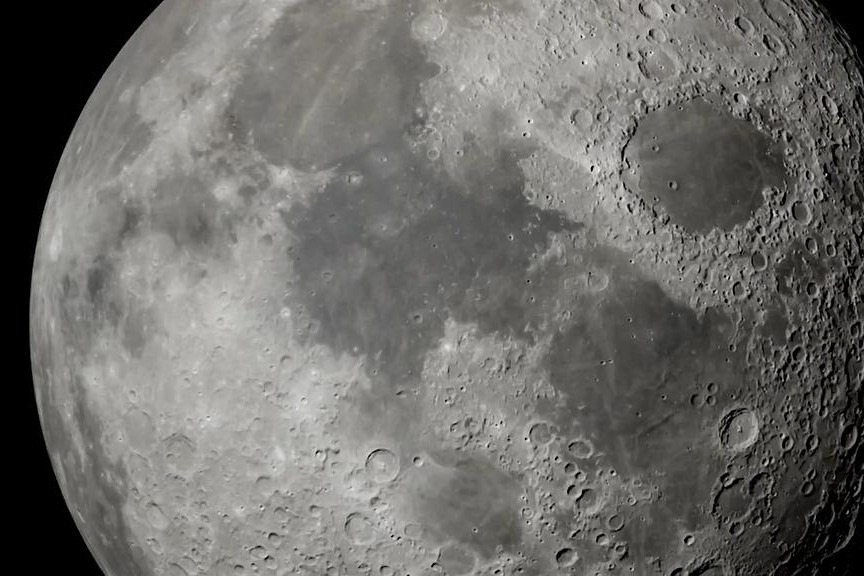
    Chinese researchers have achieved a groundbreaking advancement in planetary science by creating the first high-resolution global chemical atlas of the Moon incorporating critical ground truth data from its far side. This scientific milestone, led by the Shanghai Institute of Technical Physics of the Chinese Academy of Sciences, addresses a long-standing gap in lunar geological understanding.

    The research team developed an innovative intelligent inversion framework utilizing residual convolutional neural networks, combining Chang’e-6 mission samples with high-resolution multispectral orbital imagery. This sophisticated approach enabled the generation of unprecedented high-precision global maps detailing the distribution of major elemental oxides across the lunar surface.

    Previous lunar chemical mapping efforts relied exclusively on near side calibration data, creating significant uncertainties in geological models, particularly within the scientifically crucial South Pole-Aitken basin. The incorporation of far side ground truth information has now successfully constrained the composition and extent of previously uncharacterized lunar terrains.

    The refined chemical maps reveal a substantially higher proportion of magnesian anorthosite in the far side highlands compared to the near side hemisphere. This quantitative evidence provides compelling support for the theory of asymmetric crystallization and differentiation within the lunar magma ocean during the Moon’s early formation.

    This research represents a transformative development in lunar science, offering new insights into crust-mantle structure, hemispherical evolutionary differences, and the formation mechanisms of the Solar System’s largest impact basin. The high-precision geochemical data will inform future landing site selection, resource exploration strategies, and mission planning for lunar exploration programs worldwide.

    The Chang’e-6 mission, which launched on May 3, 2024, and returned with 1,935.3 grams of far side samples on June 25, 2024, provided the essential ground truth data that made this scientific breakthrough possible. The findings were published in the prestigious journal Nature Sensors.

  • Italy buys Caravaggio painting for about $35 million, one of its largest payouts for a single work

    Italy buys Caravaggio painting for about $35 million, one of its largest payouts for a single work

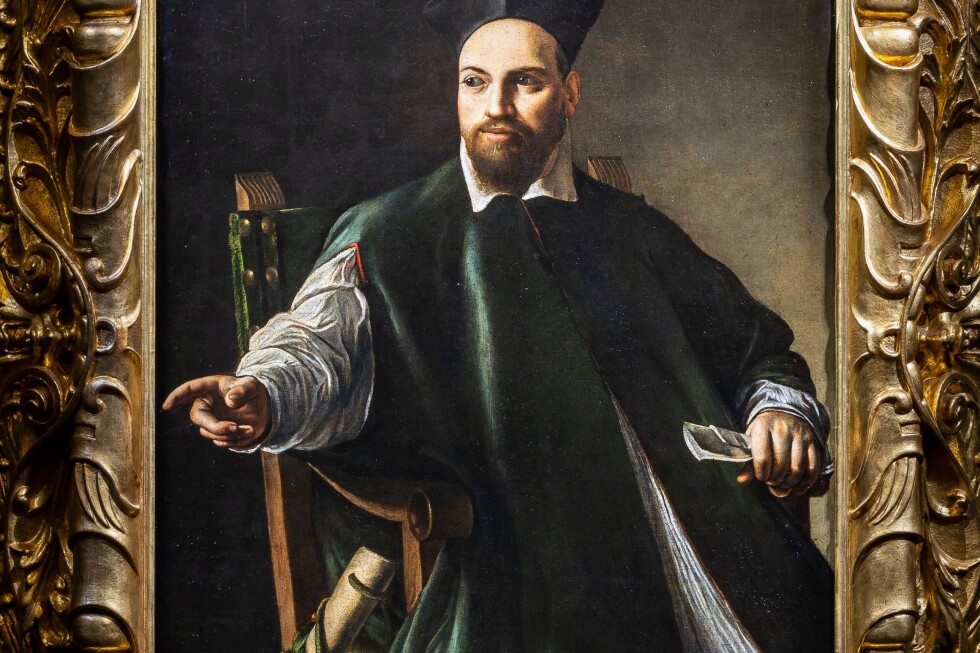
    In a landmark cultural acquisition, the Italian government has successfully purchased a rare Baroque-era portrait by master painter Caravaggio for €30 million (approximately $35 million), marking one of the most significant state investments in a single artwork in the nation’s history. The Culture Ministry announced the acquisition on Tuesday following more than a year of delicate negotiations with private collectors.\n\nThe artwork, created circa 1598 and formally attributed to Caravaggio in 1963, portrays Maffeo Barberini during his nobleman years prior to his ascension as Pope Urban VIII. The portrait captures Barberini in his thirties, adorned in clerical garments of the Apostolic Chamber during a pivotal period of his political and religious career.\n\nCulture Minister Alessandro Giuli hailed the purchase as \”a work of exceptional importance,\” emphasizing its crucial role in Caravaggio’s modern rediscovery and its contribution to strengthening the presence of the artist’s works within Italian public collections. The acquisition forms part of Italy’s broader strategic initiative to enhance its national cultural heritage, following recent purchases including Antonello da Messina’s \”Ecce Homo\” masterpiece.\n\nThe painting gained scholarly recognition through art historian Roberto Longhi’s seminal 1963 article, which identified the work as a genuine Caravaggio creation. Longhi celebrated the portrait as \”one of the founding moments of modern portraiture,\\” highlighting Caravaggio’s revolutionary approach to psychological intensity and emotional depth.\n\nCaravaggio, born Michelangelo Merisi, transformed European painting at the dawn of the 17th century through his innovative chiaroscuro technique—a dramatic interplay of light and shadow that became fundamental to Baroque aesthetics. Despite being among the most extensively studied artists globally, the number of authenticated Caravaggio works remains exceptionally limited.\n\nThe newly acquired masterpiece will join the permanent collection at Rome’s Palazzo Barberini, where it will be exhibited alongside other Caravaggio masterpieces, including the renowned \”Judith Slaying Holofernes\” acquired by the state in 1971. This placement creates one of the world’s most comprehensive collections of Caravaggio’s work, making these artistic treasures accessible to both scholars and the public.

  • China’s five-year roadmap bets big on innovation in strategic leap

    China’s five-year roadmap bets big on innovation in strategic leap

    China has unveiled a comprehensive technological transformation strategy through its 15th Five-Year Plan, positioning the nation to evolve from its manufacturing dominance into a global innovation powerhouse by 2030. The blueprint, currently under examination by the national legislature, represents a strategic pivot toward technological self-reliance and advanced manufacturing capabilities.

    The plan emphasizes creating “new quality productive forces” by capitalizing on emerging technological revolutions. Substantial financial commitments underscore this ambition, with Beijing’s Haidian district alone allocating over 9 billion yuan ($1.3 billion) for industrial innovation. Early beneficiaries include leading AI firm Zhipu AI and chip designer Moore Threads, reflecting China’s commitment to long-term hard tech investments.

    A multi-tiered funding ecosystem supports this transformation. A national venture guidance fund established in December 2025 aims to attract trillion-yuan-level capital, supplemented by plans for a national mergers and acquisitions pool to unlock additional trillion-yuan markets. “The government is not just talking about research and development; it is backing it with cash,” noted Shirley Yinghua Shen of Ernst & Young (China) Advisory Limited.

    Regional specialization forms a key component of the strategy. Shanghai has prioritized brain-computer interface technology, leveraging its medical resources through hospital-firm partnerships. NeuroXess, a Shanghai startup, has achieved breakthroughs with invasive BCI products, enabling paralyzed patients to control video games through neural signals. Meanwhile, Shenzhen capitalizes on its hardware ecosystem, where prototyping to assembly can occur within a single day.

    Professor Zheng Yongnian of the Chinese University of Hong Kong, Shenzhen, identifies three new economic drivers: foundational research, applied tech commercialization, and long-cycle financial support. This framework moves beyond traditional growth models focused on exports, investment, and consumption.

    Commercial applications already demonstrate progress. During the 2026 Chinese New Year, tech giants competed to deploy AI across consumer services, integrating recommendation, booking, and payment functions within single interfaces. Alibaba’s Qwen AI model series, deployable on smartphones, drew praise from Elon Musk for its “impressive intelligence density.”

    China’s manufacturing ecosystem accelerates technology translation into practical applications. Xiaomi and XPeng engineers have developed humanoid robots for their assembly lines, while regulators create sandbox environments for testing drones, robotaxis, and private rocket technologies.

    The plan addresses technological sovereignty without embracing isolationism. When export blockades restricted access to quantum computing components, Chinese scientists developed world-class alternatives. Huawei’s Ascend ecosystem now supports pre-training for 43 mainstream large language models, while Chinese open-source AI models top global usage charts.

    International collaboration remains integral to China’s strategy. The country has signed 120 government-to-government sci-tech cooperation agreements, many with developing countries. Chinese quantum breakthroughs have enabled secure communication with South Africa spanning 12,900 kilometers, and research facilities will open to global scientists through international mega-science initiatives.

    As National Political Advisor Wang Jian emphasized during legislative sessions: “If your technology is not accessible to people around the world, it lacks persuasive power.”

  • Chinese scientists develop ‘molecular bridge’ to boost cancer treatment

    Chinese scientists develop ‘molecular bridge’ to boost cancer treatment

    Chinese researchers from the Institute of Process Engineering at the Chinese Academy of Sciences have engineered a groundbreaking molecular enhancement that significantly improves the effectiveness of CAR T-cell therapy against leukemia. Published in the prestigious journal Cell, their innovation addresses a critical limitation of current cancer immunotherapies where malignant cells evade detection by shedding surface markers.

    The team developed a novel helper molecule dubbed FACE (Ferritin-based Adhesion and Connection Enhancer), constructed from naturally occurring ferritin protein. This breakthrough emerged from analyzing patient samples that revealed both leukemia cells and immune cells abundantly express the CD71 surface protein. FACE strategically exploits this commonality by binding to CD71 receptors on both cell types, effectively creating a molecular bridge that maintains cellular connection even when cancer cells attempt to hide.

    Dr. Wei Wei, lead researcher on the project, explained: “FACE functions as both a microscopic bridge and powerful biological adhesive. When leukemia cells reduce their identifiable markers to escape detection, FACE ensures CAR T-cells maintain their grip and complete their therapeutic mission.”

    Laboratory results demonstrate remarkable efficacy. In mouse models where conventional CAR T therapy failed due to diminished cancer cell markers, the FACE-enhanced approach achieved 100% survival rates by enabling continuous cancer cell targeting and elimination. The technology shows particular promise because it utilizes biologically compatible materials already approved for medical applications, potentially streamlining regulatory approval processes.

    The research has been validated across multiple clinically relevant animal models and human patient-derived samples, indicating strong translational potential. This development represents a significant advancement in adaptive cancer immunotherapy, offering new hope for patients with recurrent or treatment-resistant leukemia without adding substantial complexity or cost to existing therapeutic protocols.

  • Iran war could push a flagging US economy over the edge

    Iran war could push a flagging US economy over the edge

    The economic reverberations of military conflict in the Middle East are generating what experts term an ‘economic fog of war’ – parallel to battlefield confusion but with potentially catastrophic financial consequences. With the strategic Strait of Hormuz serving as a critical transit corridor for approximately 20% of global oil and one-third of natural gas supplies, recent US-Israeli strikes on Iran have triggered one of the most significant energy market disruptions in modern history.

    Qatar’s Energy Minister issued a grave warning on March 6, 2026, stating these developments ‘will bring down the economies of the world.’ The prediction manifested rapidly as crude prices skyrocketed to nearly $120 per barrel on March 8 before settling around $90 – still representing a dramatic increase from pre-conflict levels of $67 in late February. This price surge has simultaneously driven US gasoline prices upward while the American economy showed preliminary signs of weakness through unexpected February job losses.

    According to economic analysis from The Fletcher School’s Professor Michael Klein, the dual threats of inflationary pressure and growth stagnation present policymakers with exceptionally complex challenges. The situation bears resemblance to 1970s stagflation scenarios, though modern economies demonstrate reduced fossil fuel dependency compared to previous decades.

    Critical shipping through the Strait of Hormuz has reached a virtual standstill as insurance providers withdraw coverage due to attack risks. Meanwhile, the military campaign itself carries substantial fiscal burdens, with early estimates approaching $1 billion daily in operational costs alongside significant material losses.

    The Federal Reserve faces particularly difficult monetary policy decisions regarding whether to combat inflation through interest rate hikes or stimulate economic activity through rate reductions. Historical precedents from both the 1970s and COVID-19 pandemic era suggest that managing such supply shocks requires careful balancing of competing economic priorities.

    Additional concerns include potential erosion of Federal Reserve credibility amid political pressures, existing tariff policies, government employment reductions, rising federal debt, and underlying financial vulnerabilities that collectively compound wartime economic uncertainties.

  • Italy buys rare Caravaggio portrait for €30m

    Italy buys rare Caravaggio portrait for €30m

    In a significant cultural preservation move, the Italian government has acquired a rare portrait by Baroque master Caravaggio for €30 million (£25.9 million), marking one of the most substantial public art purchases in the nation’s history. The artwork, depicting Monsignor Maffeo Barberini who later ascended to papacy as Pope Urban VIII, represents an extraordinary addition to Italy’s national collection.

    Culture Minister Alessandro Giuli characterized the acquisition as being of ‘exceptional importance’ within a strategic initiative to safeguard Italy’s artistic legacy from private ownership. The painting, created approximately in 1598, captures Barberini as a bearded cleric gesturing authoritatively with his right hand—a testament to Caravaggio’s mastery of psychological depth through portraiture.

    Previously housed in a private Florentine collection, the artwork made its public debut in Rome during 2024. It has now been permanently transferred to the Palazzo Barberini, the historical Roman residence of the subject’s family, where it will join other works by the renowned artist. This placement ensures public and scholarly access to a piece that might otherwise have remained hidden in private hands.

    Caravaggio (1571-1610), born Michelangelo Merisi, remains celebrated for his revolutionary chiaroscuro technique—the dramatic interplay of light and shadow that infused his compositions with visceral realism. Of his approximately 65 surviving works globally, only three are confirmed portraits, making this acquisition particularly significant for art historical studies.

    The purchase forms part of the Ministry of Culture’s broader campaign to strengthen Italy’s cultural heritage through strategic acquisitions. Minister Giuli emphasized the ongoing commitment to ‘make art history masterpieces accessible to scholars and enthusiasts’ that would typically enter private markets, acknowledging the collaborative efforts of cultural institutions and technical experts in facilitating this achievement.

    Barberini, who served as pope from 1623 until his death in 1644, was himself a notable arts patron during his papacy, adding historical resonance to the government’s acquisition of his portrait by one of art history’s most influential figures.

  • Jihadis intensify attacks against Nigeria’s military, killing officers and carting away weapons

    Jihadis intensify attacks against Nigeria’s military, killing officers and carting away weapons

    ABUJA, Nigeria — In a significant escalation of violence, jihadi extremist factions have executed a series of coordinated assaults against Nigerian military installations in the northeastern region over the past week. Security analysts report these meticulously planned operations resulted in multiple casualties among defense forces and the seizure of substantial military assets.

    The intensified attacks, primarily concentrated in Borno and Yobe states as well as the Lake Chad basin, demonstrate unprecedented tactical coordination among militant groups. According to verified security assessments, extremists conducted at least six separate assaults during the weekend, successfully appropriating military vehicles and hardware during their raids.

    Military spokesperson Sani Uba confirmed the loss of several personnel, including officers, though precise casualty figures remain undisclosed. The Nigerian Armed Forces characterized these incidents as deliberate attempts to overwhelm defensive positions through synchronized offensive actions.

    This resurgence of violence occurs despite enhanced international support, including the deployment of approximately 100 U.S. military personnel providing training and logistical assistance under a renewed security partnership. While American intelligence surveillance has facilitated aerial campaigns against militant hideouts, the persistence of sophisticated attacks underscores the enduring operational capabilities of extremist networks.

    Analysts including Vincent Foucher of France’s National Center for Scientific Research note the remarkable coordination displayed in these simultaneous attacks represents a tactical evolution for groups like Islamic State West Africa Province (ISWAP). Video evidence disseminated by ISWAP showcases captured weaponry and vehicles, though independent verification remains pending.

    Security experts indicate these assaults serve dual purposes: demonstrating military dominance while replenishing armaments through targeted base raids. Malik Samuel of Good Governance Africa observes that vulnerable military installations effectively provide armed groups with weapon procurement alternatives.

    The ongoing crisis highlights structural challenges in regional security governance, including limited force deployment capacity and the military’s necessity to rapidly transition between multiple conflict zones. Despite periodic successes against jihadist elements, the persistent vulnerability of bases continues to enable militant regrouping and rearmament.