作者: admin

  • From Zuckerberg to Irons – why do the wealthy buy Irish castles?

    From Zuckerberg to Irons – why do the wealthy buy Irish castles?

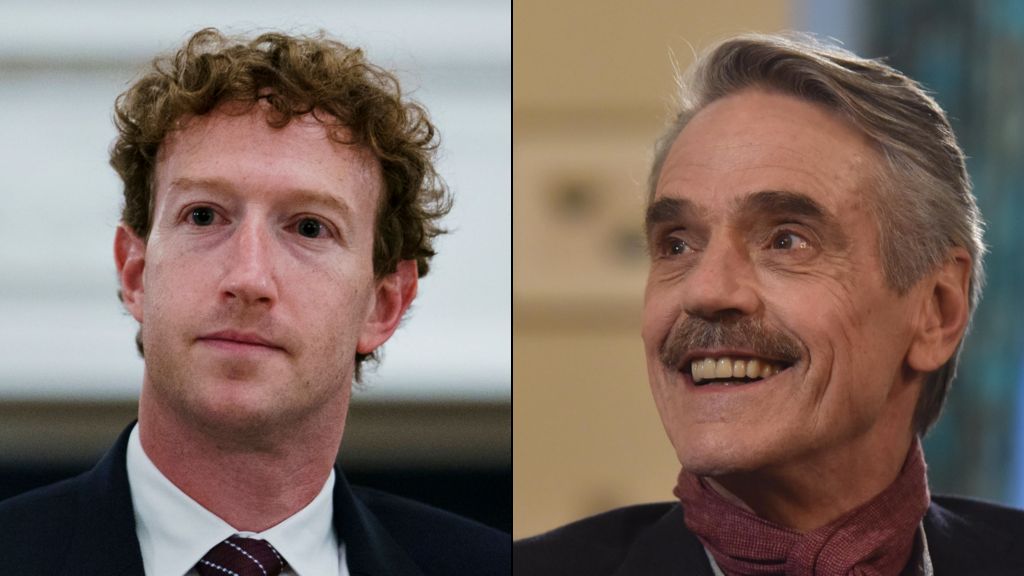
    In recent weeks, news that Meta CEO Mark Zuckerberg has acquired the historic Strancally Castle in Ireland’s County Waterford has reignited public curiosity about a long-running trend: the consistent flow of high-net-worth and celebrity buyers snapping up ancient castles across the Irish island.

    Zuckerberg is far from the first prominent name to join the ranks of Irish castle owners. Decades before his purchase, Oscar-winning actor Jeremy Irons bought Kilcoe Castle in County Cork, launching a multi-decade renovation project after he grew tired of constant acting work in the late 1990s. American media billionaire John Malone owns the expansive Castlemartin House and Estate in County Kildare, while author and filmmaker Christy Cashman holds the deed to County Kildare’s Kilkea Castle. Even Hollywood star Dominic West, famous for his role in *The Crown*, and his wife Catherine FitzGerald own Glin Castle in County Limerick, adding another A-lister to the list.

    For Zuckerberg, practical considerations play a clear role in the purchase. Meta has maintained its international headquarters in Ireland for years, and a spokesperson for the executive confirmed that he and his family are eager to become stewards of the historic property and spend regular time in the country.

    To understand why so many wealthy people are drawn to Irish castles, experts point to a mix of historical, cultural, and practical factors. First, the unique heritage of these structures traces back more than 800 years. Dr. Colin Breen, an archaeology and landscape management scholar at Ulster University, explains that Irish castles first emerged in the 12th century with the arrival of Anglo-Norman invaders, who built the fortifications to secure and control the colonial lands they seized. “They were built to intimidate, but they were also an expression of power and presence,” Breen notes, marking a permanent, radical shift in Irish architectural history. Today, that deep layered history is a core part of their appeal.

    Since the 20th century, Breen explains, wealthy international buyers — particularly Americans — have been drawn to castles as a way to connect to an idealized vision of Irish history and heritage. Josh Pim, associate director of the residential and country estates team at global property firm Savills, echoes this observation, noting that many American buyers have Irish ancestral roots that make owning a piece of the country’s historic landscape particularly meaningful. “There’s a rarity and architectural significance and history to these castles,” Pim says, adding that the appeal stretches far beyond the U.S., with strong demand from wealthy buyers across the globe.

    Helen Cassidy, an auctioneer who specializes in castle sales, describes a widespread “thirst” for these properties among international buyers, many of whom become deeply attached to the unique story and character of individual castles once they learn their history. Beyond the romantic appeal of heritage, Pim points out that large Irish castle estates also offer something highly sought after by ultra-wealthy buyers: unmatched privacy and security, thanks to the vast tracts of land that typically come with the properties.

    Yet the trend also raises legitimate concerns among experts. Breen points out that the growing tendency for new owners to close off large estates to the public creates two key problems. First, it blocks public access to land that could be managed to support climate change adaptation and ecological conservation efforts. Second, he argues, castles hold a complicated, important place in Irish collective memory: for generations, they were visible symbols of colonial division and inequality, and locking them away entirely severs their connection to local communities. “They have a responsibility by buying into these places, these places cannot become billionaire ideals,” Breen stresses.

    That said, Breen also leaves room for positive outcomes: if new owners work openly with Irish heritage authorities and local communities, their investment and stewardship can help preserve these important historic sites for future generations. Beyond preservation, status also remains a quiet driver of demand today. Breen explains that as feudalism gave way to early capitalism, castles evolved from defensive fortifications into status symbols, where wealthy families displayed their social standing through ownership of these grand historic properties. In many ways, the modern trend follows the same pattern: owning a one-of-a-kind Irish castle remains a powerful marker of wealth and influence for today’s global elite.

    Local authorities have welcomed Zuckerberg’s purchase, however. A spokesperson for Waterford City and County Council noted that the news is both welcome and unsurprising, given the unrivaled natural beauty of the Blackwater Valley where Strancally Castle is located. “We hope that Mr Zuckerberg and his family fully enjoy all that Waterford has to offer,” the spokesperson said.
  • An 18-year-old with a sword attacks a school in Sweden, leaving 1 dead

    An 18-year-old with a sword attacks a school in Sweden, leaving 1 dead

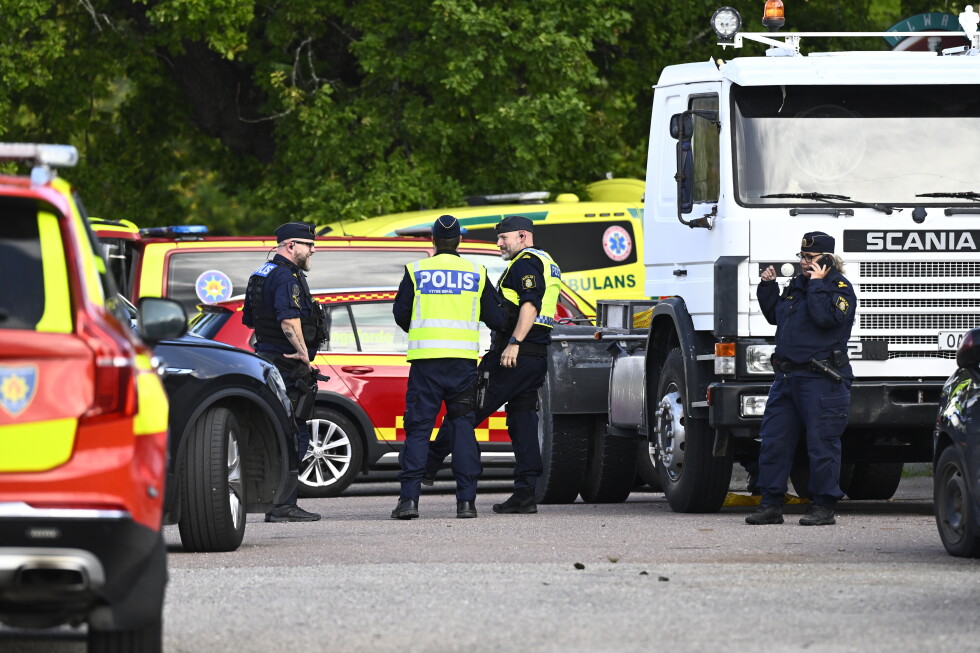
    A violent attack at a central Swedish secondary school has left one person dead and two minors with severe injuries, triggering a large emergency response and an ongoing criminal investigation, law enforcement and local officials confirmed Friday.

    The incident unfolded shortly after noon at Brinell School, located in Fagersta — a small town around 100 miles northwest of Sweden’s capital Stockholm. At the time of the attack, regular classes were in session for the campus’ 400 to 500 enrolled students.

    Speaking at a official press briefing shortly after the incident, local police chief Tommy Alriksson confirmed that the 18-year-old male suspect was taken into custody minutes after first responders arrived. Authorities confirmed that shots were discharged by responding officers during the arrest, but the suspect was not harmed in the encounter. He is currently in police custody and has not required hospital treatment.

    As of Friday evening, investigators have not confirmed a possible motive for the attack, and have ruled out the presence of additional attackers. “We have no reason at this time to believe that there are multiple perpetrators,” Alriksson stated, adding that the full investigation is still in its early stages.

    Sweden’s national police force confirmed that investigators have already completed two targeted house searches connected to the suspect, and plan to interview dozens of witnesses over the coming days. Alriksson noted that investigators would not release additional details about the case at this stage to avoid compromising witness testimony.

    According to Sweden’s national news agency TT, the two seriously injured victims are male minors between the ages of 12 and 17, matching the age range of students at the secondary school. Officials have not released any identifying information about the deceased victim as of Friday evening.

    Following the attack, a wide perimeter around Brinell School was cordoned off by law enforcement, and all nearby campuses were placed under immediate lockdown as a precaution. Roadblocks were also set up on major access routes around Fagersta to support the response effort.

    Swedish Prime Minister Ulf Kristersson addressed the attack in a post on the X social media platform Friday afternoon, noting that the violence came just days after the end of the country’s summer school break. “We do not yet know what lies behind the act, but we know that the police are working very intensively,” Kristersson wrote. “Our thoughts are with all those affected.”

    Local authorities have activated emergency support systems for the community: the Fagersta municipal government opened a crisis support center at a nearby sports arena, where affected students, family members, and staff can access mental health support and practical assistance. The Vastmanland County government confirmed that emergency services including police, fire crews, and medical personnel remain on site to support response and care efforts.

    This report includes contributions from Associated Press writer Sylvia Hui based in London.

  • Ebola vaccine trial to start in DR Congo as warning issued over speed of infections

    Ebola vaccine trial to start in DR Congo as warning issued over speed of infections

    The Democratic Republic of the Congo (DRC) has launched a new phase of its battle against a historic Ebola outbreak, rolling out an existing vaccine for clinical trials to test its effectiveness against the rare Bundibugyo strain that is currently driving the spread of the virus. As the World Health Organization (WHO) warns that infections are growing at an exponential rate across large swathes of northern and eastern DRC — an area larger than the entire country of France — the death toll from the three-month outbreak has already climbed to nearly 2,500, with half of these fatalities recorded in just the last 20 days.

    This outbreak is already the deadliest ever recorded in DRC and the second-worst Ebola outbreak in global history, outstripped only by the devastating 2014–2016 West Africa epidemic that killed more than 11,000 people. Experts now believe the Bundibugyo strain has been circulating in the country since as early as February, but initial cases were misdiagnosed as more common regional illnesses including typhoid and malaria, creating a critical delay in response efforts.

    Multiple barriers have continued to slow containment work. Years of armed conflict in eastern DRC has left large areas of territory inaccessible to official public health teams, while deep-rooted local suspicion of government health authorities and traditional burial practices that involve close contact with deceased bodies have further accelerated transmission. A new analysis from international children’s charity Save the Children estimates that at least 180 Congolese children have been orphaned, losing both parents or primary caregivers to the virus since the outbreak began.

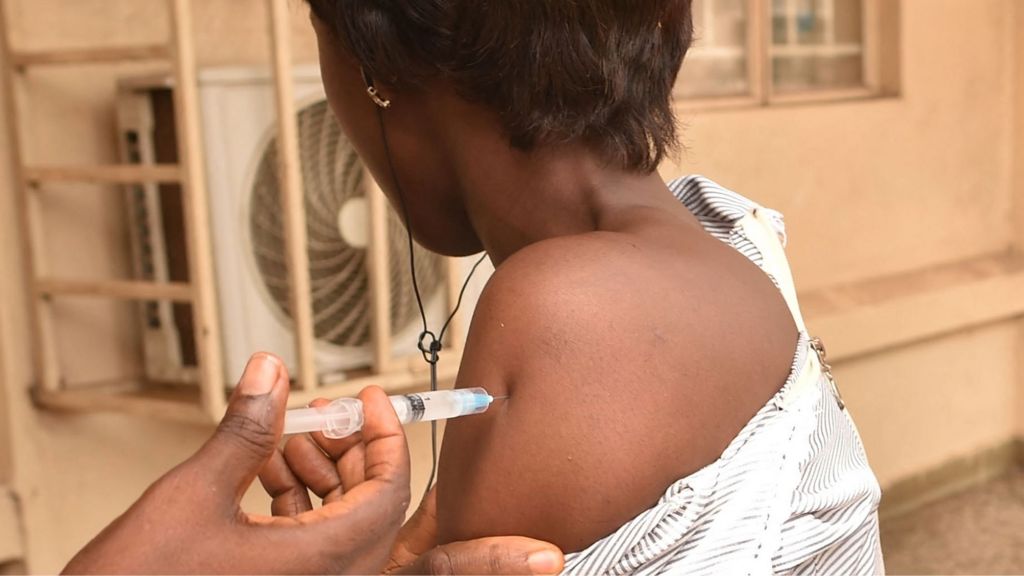
    In a new effort to turn the tide of the crisis, the existing Ervebo vaccine — which is already proven to protect against the more common Zaire strain of Ebola — will be deployed in a large-scale clinical trial. Under the plan agreed with global health bodies, 20,000 doses of Ervebo will be used to test how well it works against the Bundibugyo strain, for which no effective vaccines or treatments have yet been validated. An additional 50,000 doses will be prioritized for frontline health workers, who have faced extraordinarily high risk of infection during the response. Both the WHO and the Africa Centres for Disease Control and Prevention have welcomed the vaccine allocation, framing it as a critical reinforcement for the under-resourced response to the rapidly spreading outbreak. Strict new safety protocols have also been put in place for burials to cut the risk of transmission from infected remains.

    The ongoing conflict has added unprecedented complexity to the crisis. The M23 rebel alliance, which seized control of major eastern cities including Goma and Bukavu in early 2025 and holds large portions of North Kivu province, has launched its own parallel Ebola response in the territories it controls. After confirming two positive Ebola cases in a village under its control, M23 authorities recently announced a 30-day suspension of shared taxis and passenger boat travel between rebel-held and government-held areas of North Kivu, effective this Saturday. All other cross-area transport will remain operational but subject to strict public health screening. The rebel group had declared its territories Ebola-free in late June, and the new restrictions highlight how armed divisions have fragmented the response to a unified public health threat.

    Ebola is an extremely virulent viral disease, and the Bundibugyo strain is one of the rarest variants, with only two documented prior outbreaks recorded globally. Initial symptoms of infection mirror those of common regional illnesses, including sudden fever, headache, and fatigue, and can develop anywhere from two to 21 days after exposure. As the infection progresses, patients often develop severe vomiting and diarrhea that can lead to fatal organ failure. The virus spreads through direct contact with infected bodily fluids such as blood or vomit, making infection control particularly challenging in low-resource, conflict-affected settings.

  • Myanmar military strike kills 14 people at a Buddhist monastery, opposition group says

    Myanmar military strike kills 14 people at a Buddhist monastery, opposition group says

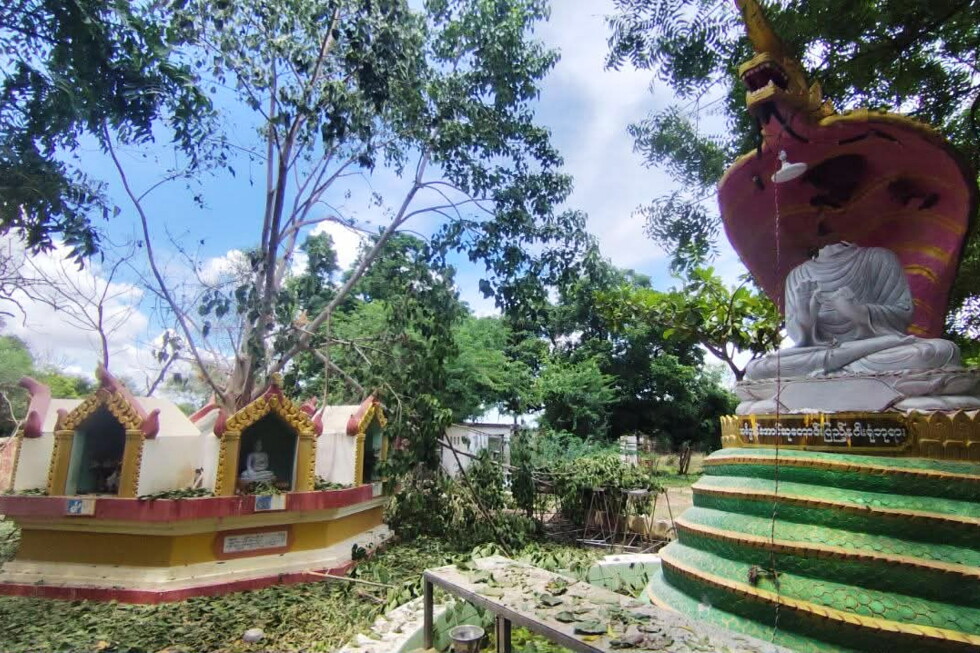
    BANGKOK, Thailand – A deadly airstrike carried out Friday by Myanmar’s military against a Buddhist monastery in the country’s central Sagaing region has left 14 civilians dead, all of whom were attending a week-long meditation retreat, according to confirmation from a local opposition spokesperson and a village resident. The attack marks the latest in a sustained pattern of lethal aerial operations that have repeatedly targeted pro-democracy armed factions and ethnic armed groups across Myanmar, with civilians consistently bearing the brunt of the violence.

    Details of the strike were first shared by Nway Oo, spokesperson for the Civil Defense and Security Organization of Myaung Township (CDSOM), who confirmed the attack took place in Swel Le Oh village, located roughly 75 kilometers (45 miles) west of Mandalay, Myanmar’s second-largest urban center. Nway Oo told reporters that a military fighter jet dropped an explosive directly onto the monastery’s compound, killing 14 people including three women and leaving an additional 20 people wounded.

    A local villager, who requested anonymity out of fear for personal safety after the attack, corroborated the 14-person death toll in an interview with the Associated Press. The villager – whose own mother-in-law was killed in the strike – shared that the fighter jet dropped two bombs spaced 15 minutes apart. The second blast damaged a private residence adjacent to the monastery, where more than 100 people had gathered for the retreat, held during the annual Buddhist Lent observance. Following the attack, survivors cremated the bodies of the deceased before fleeing to a neighboring community for safety, the villager added.

    Multiple Burmese-language media outlets, including the BBC’s Burmese service and independent local outlet Myanmar Now, have also reported on the attack, putting the confirmed death toll between 10 and 14. The outlets have published accompanying photos and video footage purporting to show the immediate aftermath of the strike, including images of deceased victims among the rubble.

    As of Saturday, Myanmar’s military junta had not issued any immediate public comment on the monastery attack. In previous statements regarding its counter-opposition operations, the military has maintained that it only targets legitimate military objectives, and has labeled anti-junta resistance groups as terrorist organizations.

    The attack comes against a backdrop of nearly three years of widespread civil conflict that has gripped Myanmar since the military seized control of the country from the elected government led by Aung San Suu Kyi in a February 2021 coup. After the junta violently suppressed mass peaceful protests against the takeover, opponents of military rule mobilized into an armed resistance movement, and today large swathes of the country remain mired in active fighting. Sagaing region, where the monastery attack occurred, is one of the most significant strongholds of the anti-junta armed resistance, particularly the People’s Defense Forces. The junta has increasingly relied on large-scale airstrikes to root out opposition groups in the region, and resistance factions lack any effective air defense to protect civilian populations from these attacks.

    The monastery strike also comes exactly one week after the United Nations-established Independent Investigative Mechanism for Myanmar (IIMM) released a report warning of a clear escalation in junta airstrikes in the months leading up to the junta’s December-January general elections, a vote widely rejected by the international community and opposition groups. The report noted that the intensified aerial operations have continued at full pace following the election.

    Just days before the monastery attack, Myanmar’s foreign ministry issued a formal rejection of the IIMM’s findings, claiming that all limited airstrikes and counterterrorism operations conducted by the junta exclusively target legitimate military objectives. The ministry stated the operations are carried out in response to insurgent and terrorist activity in line with international rules of engagement, and claimed that junta security forces exercise maximum restraint to prevent civilian casualties.

  • Priyanka Chopra Jonas on making a film about love and caste inequality

    Priyanka Chopra Jonas on making a film about love and caste inequality

    Global entertainment star Priyanka Chopra Jonas has added a new meaningful project to her growing production portfolio, signing on as an executive producer for the upcoming feature film *The Cycle of Love*. The upcoming project centers on a compelling real-life-inspired narrative rooted in modern Indian society, weaving together an extraordinary story of cross-continental love with the pressing, long-running conversation around caste inequality in South Asia.

    At the core of the film’s plot is an Indian artist whose profound commitment to reuniting with his beloved wife pushes him to undertake an unprecedented, grueling journey: traveling all the way from his home in India to Europe by bicycle. This sweeping, personal journey serves as more than just a backdrop for a romantic story; it creates a natural framework to unpack how systemic caste-based disparities shape intimate relationships and life trajectories for millions of people across the region.

    As a producer with a track record of elevating underrepresented stories from South Asia to global audiences, Chopra Jonas’ involvement brings both industry attention and creative weight to the project. The production aims to balance a heartfelt, accessible love story with nuanced, unflinching exploration of a persistent social issue that remains underrepresented in mainstream global cinema.

  • Maresca needs time to succeed after ‘big changes’ at Man City

    Maresca needs time to succeed after ‘big changes’ at Man City

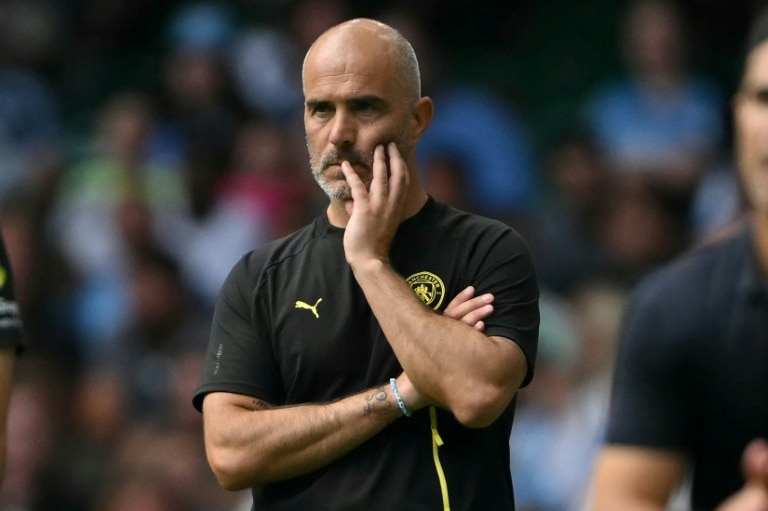
    As the clock ticks down to his first Premier League match in charge of Manchester City, new manager Enzo Maresca has made a clear case that the club needs time to navigate its ongoing rebuild, after sweeping changes both on the bench and on the pitch that represent the biggest transition the Etihad Stadium side has seen in a decade. The Italian coach stepped into the role vacated by Pep Guardiola, the legendary Spanish manager who stepped down at the end of last season after an unparalleled 10-year tenure that brought 20 major trophies, including six Premier League titles. Filling the void left by Guardiola’s unprecedented success is already one of the most daunting jobs in European football, and Maresca’s challenge has grown far more complex with a wave of high-profile departures hitting City’s first-team squad this summer. Fan-favorite midfield and defensive mainstays Rodri, John Stones, and Bernardo Silva have all already left the club, and star winger Savinho is on the brink of completing a move to Tottenham Hotspur. City’s current rebuilding phase comes after the club ended its 2024-25 campaign without a Premier League title, finishing seven points behind defending champions Arsenal. The gap between the two sides was highlighted again just last weekend, when Arsenal crushed City 3-0 in the annual Community Shield curtain-raiser, a result that put the size of Maresca’s task firmly in the spotlight ahead of Sunday’s opening home fixture against Bournemouth. Speaking to reporters on Friday ahead of the game, Maresca acknowledged the scale of the upheaval at the club but stressed that change is not an excuse for underperformance. “When you make many changes, not only the manager, Rodri was here, John (Stones) was here, Bernardo (Silva) was here. It’s a big change, but it doesn’t mean that we won’t be ready to compete,” Maresca said. “It’s a context, it’s not an excuse. We need to be ready, I want to compete. The reason I’m here is because I want to try and win titles, and carry on what this club stands for in the last 15 years. Where we are now, it’s a bit complicated because we started one month ago. But the intention is to compete as soon as possible.” Maresca is under no illusion that a slow start to the new season will bring immediate pressure from fans and pundits alike, but the former Chelsea head coach remains confident his side will deliver results in time. “When we win games, fans are happy. When we don’t win games, everyone is upset. It’s important to win games because we are all more happy but no doubt we are going to win games,” he added. The rebuild is still very much a work in progress as the summer transfer window enters its final 11 days. Along with Savinho’s impending exit, reports have linked Egypt forward Omar Marmoush with a move to Tottenham, and there are lingering question marks over the future of attacking midfielder Nico Gonzalez. On the incoming side, Maresca has been heavily linked with a move for Lille teen prospect Ayyoub Bouaddi, former Chelsea midfielder Enzo Fernandez, and Liverpool’s Alexis Mac Allister. When asked whether the stream of outgoing players had disrupted his early squad planning, Maresca admitted that convincing players to stay when they have already made up their mind to leave is all but impossible. “It’s quite clear when players want to leave, for any reason, then it’s complicated to convince them to stay or change their thoughts,” he explained. “It happened with Rodri, the same thing is happening with Savinho, since day one he asked me that he wants to leave. So now we are waiting.” Maresca clarified that Marmoush’s situation is far less settled than Savinho’s, noting: “I don’t know. Omar is still here. Different situation than with Savinho. We’ll see what happens.” The City boss worked with Enzo Fernandez during his time at Chelsea, and he is well aware of the Argentine midfielder’s elite quality, but he declined to comment on a potential £120 million move for the star, citing professional respect for his former club. “Enzo is a Chelsea player and I’m not going to talk about players who are not with us, first of all, because I think it’s a lack of respect, and second of all because I don’t like when different managers talk about our players,” Maresca said. Despite the ongoing uncertainty around incomings and outgoings, Maresca says he remains completely unruffled by the situation, with the club working closely alongside the sporting director to land the right targets before the transfer window closes. “I’m not worried, I’m not concerned. Since day one, we knew exactly what we need. We are working together with the sport director of the club, there are 11 days to go until the window shuts and many things can happen.”

  • Meghan faces difficult return to the UK

    Meghan faces difficult return to the UK

    Six years after stepping down as working members of the British royal family and triggering a national media firestorm, Prince Harry and Meghan Markle’s reported plan to relocate back to the United Kingdom has thrown a new spotlight on the significant challenges waiting for the Duchess of Sussex.

    Meghan, a 45-year-old former American actress who captured global attention with her 2018 fairytale wedding to King Charles III’s younger son, has never shied away from detailing the immense struggles she faced during her time as a working royal. Through high-profile explosive interviews and a tell-all Netflix documentary, she and Harry have repeatedly called out the hostile treatment she received from the British tabloid press — treatment Harry told a UK court earlier this year turned her life into “an absolute misery”.

    While Harry has maintained strong ties to the UK, driven by his long-standing charitable commitments and his desire for his two young children to build connections with their British royal relatives, Meghan’s path back to British public life is far more complicated. After years based in the sunny, laid-back lifestyle of Montecito, California, where the couple built their post-royal life, experts say Meghan’s readjustment to UK life poses far more open questions than Harry’s.

    “There’s more questions sort of over her and how she re-adapts to the life back in the United Kingdom than about Harry,” said royal historian Ed Owens. Owens added that predicting how she will navigate the transition remains unclear, as “she’s tried successively over the last six years to reinvent her public image to relaunch her brand” with mixed results.

    Reports of the planned return first emerged from Australian news outlet news.com.au, and a spokesperson for the couple did not issue a denial when contacted by Agence France-Presse. Multiple sources indicate the move is partially tied to an acting role Meghan has been offered for a UK-based production, marking a potential return to her pre-royal career for the former star of hit US legal drama *Suits*. For Meghan, who saw her US-based career prospects stall after her lifestyle and cooking show *With Love, Meghan* was dropped by Netflix following the end of their content deal, the UK role could open a new professional chapter. Talent manager Jonathan Shalit, chairman of the InterTalent Rights Group, told the Press Association that if Meghan was serious about returning to acting full-time, industry leaders would be eager to meet her.

    For the couple’s family, the transition appears to already be underway: their two children, seven-year-old Archie and five-year-old Lilibet, have already been enrolled in a British school, and the pair have reportedly selected a new permanent residence in the country. Experts widely expect Meghan will prioritize family life in her return, noting she has previously spoken publicly about finding joy in routine parenting moments like the daily school run.

    Despite any personal or professional opportunities the move may bring, Meghan continues to face deep public unpopularity in the UK that complicates her return. A YouGov public opinion poll released in late July found that 65 percent of British adults hold an unfavorable view of the duchess. Her lifestyle and food brand As Ever remains a regular target of mockery in the British tabloid press, which initially framed her 2018 entry into the royal family as a breath of fresh air for the centuries-old institution before quickly turning on her, portraying her as demanding and unwilling to accept the strict constraints of royal life.

    In her 2022 Netflix docuseries, Meghan summed up the hostility she said she faced, saying: “Truth be told, no matter how hard I tried, no matter how good I was, no matter what I did, they were still going to find a way to destroy me.”

    Since the couple left the UK in 2018, Meghan has made only rare return visits: most notably for Queen Elizabeth II’s Platinum Jubilee in June 2022 and the late monarch’s state funeral later that same year. A short, private holiday last month that saw the couple meet with King Charles and Queen Camilla was widely interpreted as a sign that icy family relations may be starting to thaw. But Nathalie Weidhase, a media studies specialist at the University of Surrey, warned that Meghan’s permanent return risks reigniting long-simmering conflicts that first pushed the couple to leave, including explosive accusations of institutional racism within the royal household.

    Tensions remain raw from Harry’s 2023 memoir *Spare*, in which he accused his older brother Prince William and sister-in-law Catherine, Princess of Wales, of being unwelcoming to Meghan and undermining her attempts to integrate into the family. In a 2021 interview with Oprah Winfrey, Meghan also alleged that an unnamed senior royal had raised repeated questions about the skin color of her unborn child before Archie’s birth.

    Still, Owens argues that the couple’s return is not motivated by a desire to restart public conflict with the working royal family. “They are not coming back for another fight with the wider royal family, that’s not their purpose here,” he said. “They want stability for their family … stability for their children.”

  • 3 injured after donkey jumps into a van, kicking and biting, in northern Germany

    3 injured after donkey jumps into a van, kicking and biting, in northern Germany

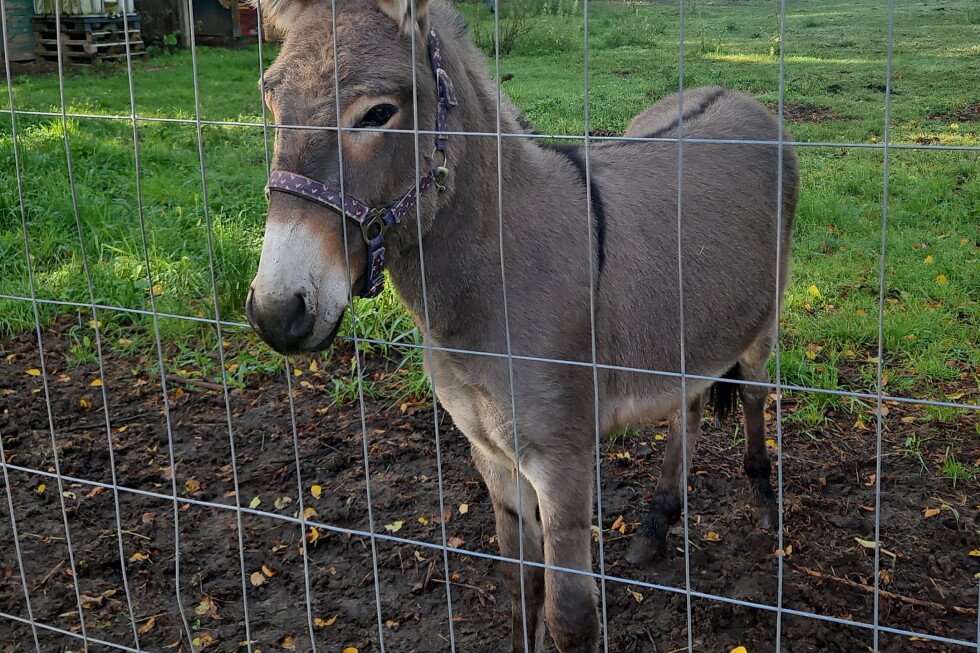
    BERLIN – A chaotic roadside incident unfolded in northern Germany on Friday when a loose donkey named Freddy launched a sudden aggressive attack on two motorists, leaving three people injured before the animal’s owner stepped in to stop the outburst.

    Local law enforcement from Cuxhaven, a coastal German city where the encounter took place just south of the town limits, confirmed the unusual sequence of events in an official public statement. The trouble began when members of the public spotted Freddy the donkey and a companion horse wandering freely through a busy roundabout in Holssel, a small community located in the area.

    Concerned about the safety risks of having large unrestrained animals on a major traffic intersection, two motorists made the decision to step in and attempt to contain the stray donkey. But their intervention was met with an unprovoked hostile reaction: according to police accounts, Freddy immediately became extremely aggressive, and in an unexpected move, leaped directly into the motorists’ parked van. Once inside the vehicle, the animal lashed out, striking and biting the two drivers.

    A 33-year-old local woman who saw the attack unfolding rushed over to help subdue the out-of-control equine, but she too was caught in Freddy’s aggression. Following the incident, emergency responders transported the woman to a local hospital for mandatory medical care, while the two original motorists only walked away with minor cuts and bruises that did not require extended hospital treatment.

    To date, authorities have not been able to pinpoint what triggered the donkey’s sudden violent outburst. Investigators with Cuxhaven police note that the root cause of Freddy’s aggressive behavior remains undetermined, with no final conclusions released as of the latest update.

  • ACT strikes gun buyback deal with federal government, new limits on firearms to be imposed

    ACT strikes gun buyback deal with federal government, new limits on firearms to be imposed

    Weeks after the deadly Bondi Beach terror attack sparked urgent calls for national gun control overhaul, the Australian Capital Territory (ACT) has become the second jurisdiction to sign on to Prime Minister Anthony Albanese’s federal gun buyback initiative, leaving the national reform effort fragmented as most state governments continue to reject the plan.

    Previously, New South Wales (NSW) was the only region to commit to the scheme, which aims to remove excess and high-risk firearms from civilian circulation. The federal government has now agreed to cover 75% of the ACT’s compensation and administrative costs, alongside 100% of all firearm destruction expenses, to move the initiative forward in the territory.

    Five other jurisdictions—Victoria, Queensland, the Northern Territory, and Tasmania—have so far refused to join the national scheme, while Western Australia has opted to proceed with an independent, state-run buyback program of its own. This fragmented participation leaves the Albanese government’s push for uniform national gun reform far from completion, months after the attack that prompted the policy push.

    In an official statement announcing the ACT agreement, Albanese emphasized that strengthened national gun laws are a critical step to preventing acts of terror like the antisemitic attack at Bondi Beach from occurring again. “National gun reform is an important part of making sure an antisemitic terrorist attack like we saw at Bondi can’t happen again,” he said. “I thank the ACT government for their collaboration as we work to take unneeded guns off our streets in order to better protect Australians.”

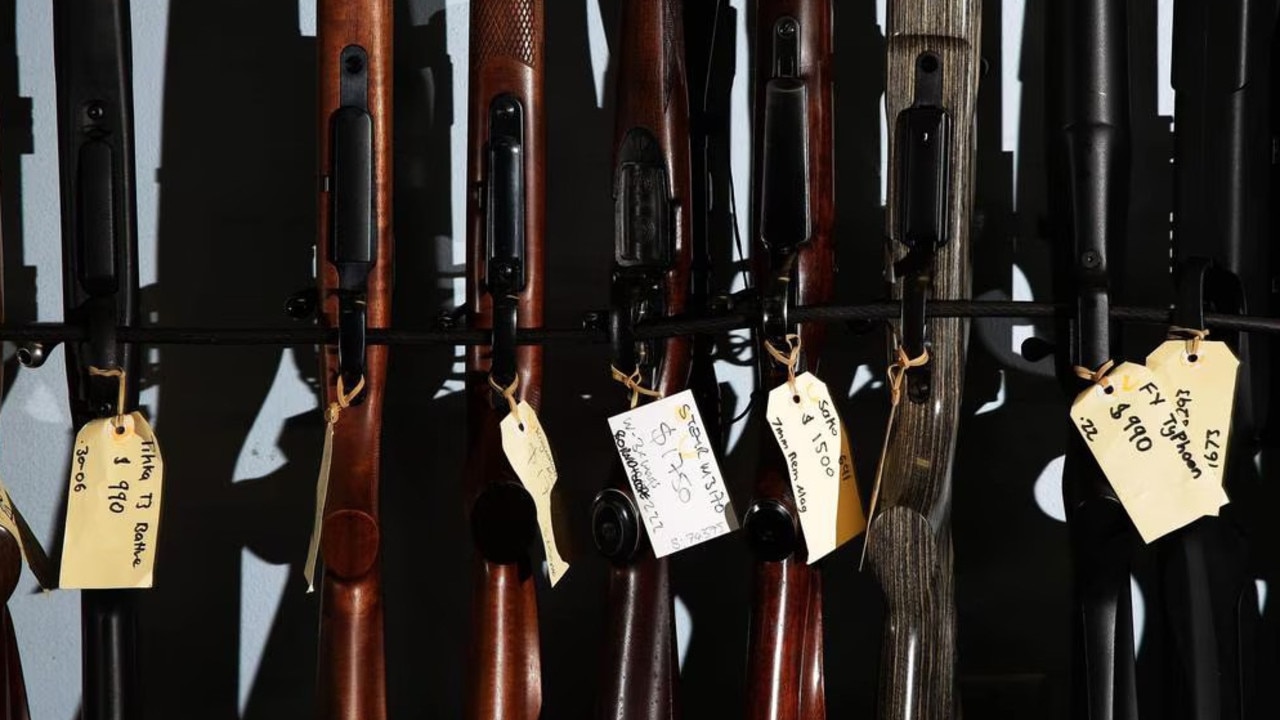
    Current data shows the ACT is home to more than 7,000 licensed firearm owners who collectively hold approximately 23,000 weapons. The reforms, which include a hard cap limiting most civilian owners to a maximum of 10 firearms, are projected to affect roughly 14% of the territory’s license holders. The ACT government first tabled the necessary gun control legislation back in February, with provisions that go beyond the ownership cap: the bill also reclassifies certain weapon categories, bans belt-fed firearms entirely, and creates a new criminal offense for possession of digital blueprints used to 3D-print firearms. A second separate piece of legislation will grant Australian police expanded authority to block high-risk individuals from obtaining gun licenses.

    Both bills are scheduled for parliamentary debate later this year, and their structure largely aligns with the post-Bondi reforms already advanced in NSW, which adopted a Western Australia-style ownership cap model. ACT Chief Minister Andrew Barr noted that the funding agreement with the federal government will boost community safety and support coordinated, cross-jurisdictional firearms reform.

    “Reducing the number of high-risk firearms in circulation is a sensible and practical measure to help keep Canberrans safer,” Barr said. “Working with the commonwealth and NSW ensures a more co-ordinated approach to firearms safety. The ACT already has some of the strongest firearms laws in the country, and this agreement supports our ongoing efforts to further reduce the risk of firearms falling into the wrong hands.”
    Barr added that the government recognizes the vast majority of local firearm license holders are responsible, law-abiding citizens, noting that the buyback will provide fair compensation to owners while delivering improved public safety outcomes.
    ACT Police Minister Marisa Paterson said the territory government will engage closely with local communities as the reforms roll out. “Once we have finalised the agreement we will provide clear information to the community about the process of the buyback, including eligibility, compensation and the process for surrendering the firearms,” she said. “This will be a major undertaking for ACT Policing and the ACT government will continue to work to support them as they progress.”
    The territory is also developing a fully digital firearms registry that will integrate with the national gun register, giving frontline police real-time access to up-to-date firearms ownership data across the country.
    Across the border in NSW, the first phase of the state’s buyback launched last week with set compensation rates for surrendered weapons: handgun owners receive AU$1000 for a revolver and AU$850 for a semi-automatic pistol, while single-barrel shotguns pay out AU$650 and double-barrel models pay AU$850. Center-fire rifles can fetch up to AU$1000 in compensation. A second phase of the NSW scheme, launching in early 2027, will open a compensation pathway for eligible high-value firearms with market values above AU$3000, with a cap of AU$10,000 per weapon.

  • Two Mexicans arrested as police uncover big meth lab on South African farm

    Two Mexicans arrested as police uncover big meth lab on South African farm

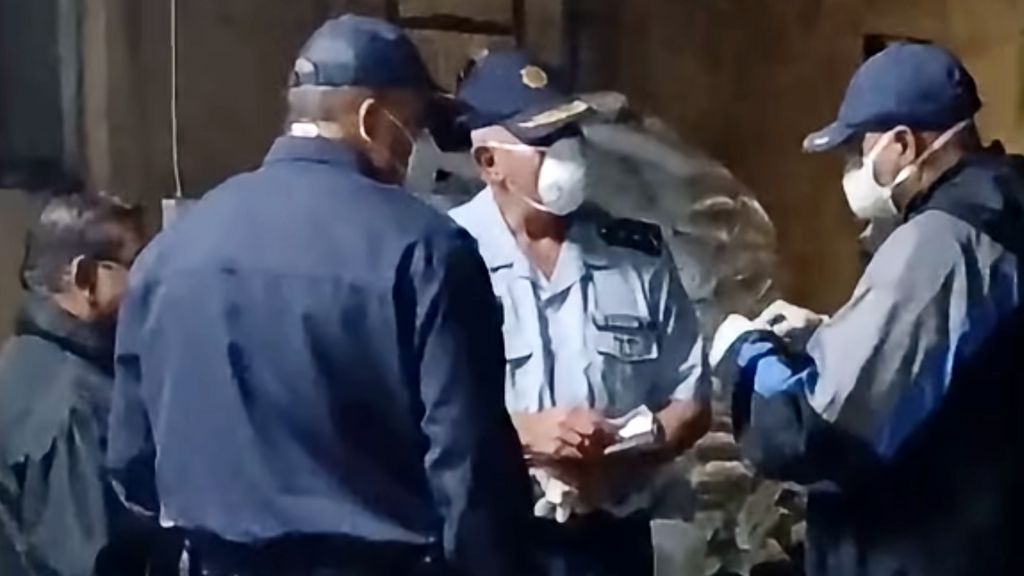
    Following a two-month long probe into suspicious activity at a rural farm, South African law enforcement has dismantled one of the largest illegal crystal methamphetamine production operations uncovered in the country this year, carrying out an overnight raid that resulted in five arrests and the seizure of roughly $37 million in drugs, production equipment, and undisclosed cash.

    The raid targeted a property outside the border town of Musina, located in Limpopo province just kilometers from South Africa’s boundary with Zimbabwe. Of the five suspects taken into custody, two are Mexican citizens, two are Zimbabwean, and one is a Malawian national. All five are scheduled to make their initial court appearance on Monday, where they will face formal charges related to the illegal manufacturing and possession of controlled illicit substances.

    In an official statement following the operation, police described the bust as exposing a highly sophisticated, industrial-scale criminal enterprise built specifically to produce dangerous illicit drugs for widespread distribution across regional and global markets.

    This latest bust is far from an isolated incident. Over the past two years, South African police have uncovered a string of large-scale crystal meth production operations operating out of isolated rural farms across the country, with a consistent pattern of Mexican national involvement. Just three months prior to this raid, in May 2026, authorities arrested 11 people including four Mexicans after discovering a $6 million meth operation on a remote farm northwest of Johannesburg. Going further back, in September 2025, five Mexican suspects were arrested when police broke up a $20 million crystal meth lab on a farm in eastern South Africa, and in July 2024, three Mexicans were among those arrested at another Limpopo province lab holding $108 million in seized drugs.

    The expanding trend of Mexican cartel activity on the African continent extends far beyond South Africa’s borders, counter-narcotics officials confirm. In May 2026, Nigeria’s national drug enforcement agency announced it had dismantled a multi-million dollar Nigeria-Mexican meth production syndicate operating out of a remote dense forest in the West African country, a case that remains active in the country’s courts.

    Data from US Africa Command (Africom) underscores the rapid growth of this threat: since the start of 2023, counter-narcotics forces have carried out raids on 14 meth labs operated by Mexican criminal groups across the continent, with discoveries documented in Kenya, Mozambique, Nigeria, and South Africa. Regional security experts say the pattern of these busts makes one trend clear: Mexican criminal cartels are increasingly shifting their operations to use Africa not just as a transit hub for drug trafficking to European and Asian markets, but as a full-scale production base for illicit methamphetamine.

    This expansion plays into existing vulnerabilities across Southern Africa. According to the 2022 Global State of Harm Reduction report, South Africa is already ranked as one of the largest consumer markets for crystal methamphetamine in the world. The United Nations has also warned that the country’s expansive geography and loosely regulated, porous border regions make it an ideal transit point for illicit drug traffickers moving product between continents.