作者: admin

  • Advisers align wisdom and strength

    Advisers align wisdom and strength

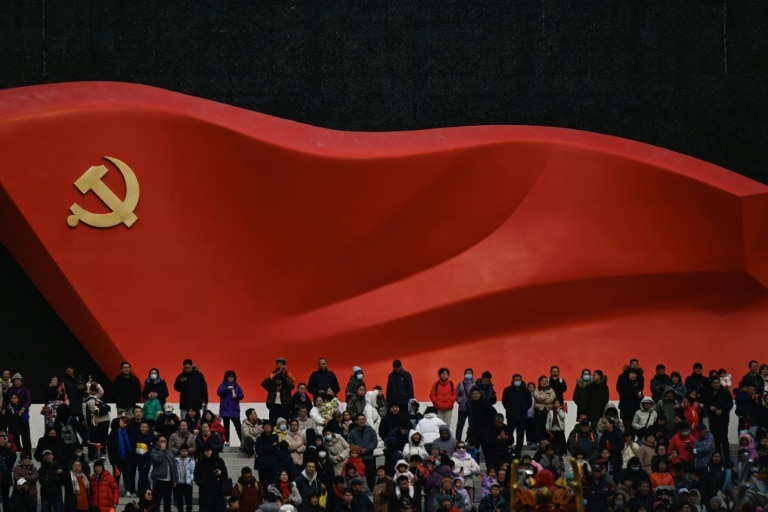
    Beijing witnessed the conclusion of the fourth session of the 14th National Committee of the Chinese People’s Political Consultative Conference (CPPCC) on Wednesday, with political advisers pledging to channel their collective expertise toward supporting China’s modernization objectives. The closing ceremony at the Great Hall of the People was attended by President Xi Jinping, along with other senior leaders, signaling the importance of this consultative body in national governance.

    Wang Huning, Chairman of the CPPCC National Committee, delivered a pivotal address outlining the advisory body’s strategic direction for the forthcoming 15th Five-Year Plan period (2026-30). He emphasized the necessity of conducting前瞻性研究 (forward-looking research) on critical economic and social matters to generate substantive policy recommendations. Wang further stressed the CPPCC’s commitment to serving the people while strengthening consensus-building through united front mechanisms to harness positive energy from Chinese communities worldwide.

    Following the session, committee members expressed their dedication to implementing the discussed initiatives across various sectors. Chen Xu, President of the China Public Diplomacy Association, highlighted the clarified development pathway for the 15th Five-Year Plan, particularly emphasizing people-to-people diplomacy in preparation for the 33rd APEC Economic Leaders’ Meeting scheduled for November in Shenzhen.

    Environmental representative Yan Qin revealed extensive deliberations on the ‘Beautiful China’ initiative, advocating for standardized national carbon accounting protocols—a crucial foundation for carbon trading mechanisms and ecological valuation. She additionally praised the draft environmental code presented to the National People’s Congress as a historic milestone reflecting China’s ecological civilization theories.

    The session culminated in the approval of several key documents, including resolutions on the Standing Committee’s work report, proposal handling reports, and a political resolution solidifying the advisory body’s consensus positions.
  • South Korean lawmakers pass law to manage Seoul’s pledge of $350 billion in US investments

    South Korean lawmakers pass law to manage Seoul’s pledge of $350 billion in US investments

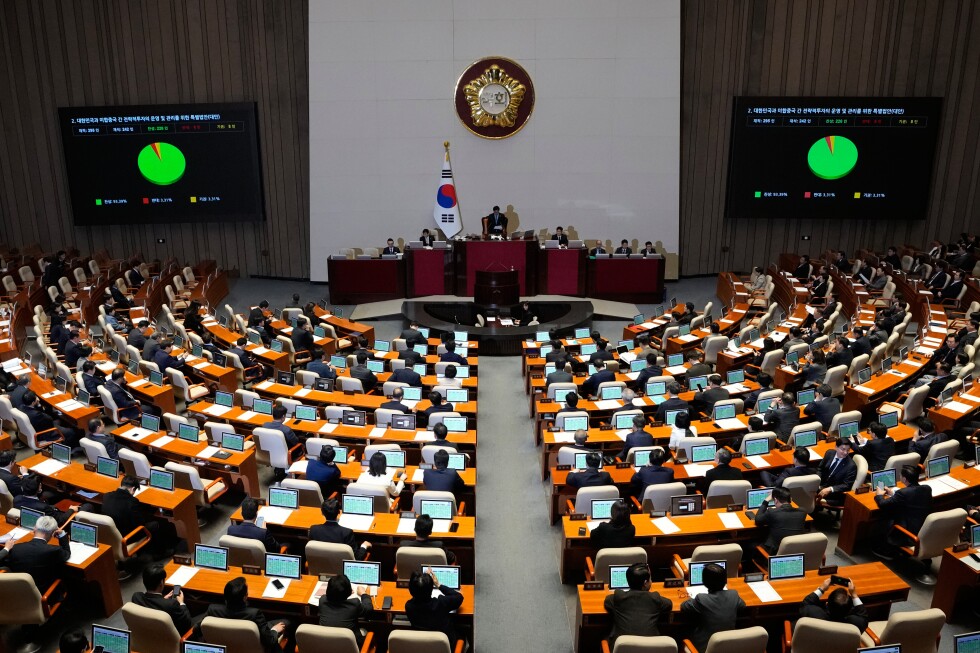
    South Korea’s National Assembly has enacted landmark legislation establishing a framework for $350 billion in U.S. investments, a move designed to avert the reinstatement of punitive tariffs by the Trump administration. The legislation passed overwhelmingly with a 226-8 vote on Thursday, creating a specialized public corporation to oversee and manage the massive investment commitment.

    The legislative action occurs against a backdrop of escalating trade tensions, with the Trump administration simultaneously launching new investigations into manufacturing practices of key U.S. allies including South Korea, Japan, and China. These probes could potentially lead to additional import taxes if American officials determine trading partners engage in unfair practices.

    This development follows months of delicate negotiations between Seoul and Washington, culminating in a November agreement where South Korea committed $200 billion toward U.S. semiconductor and high-tech industries, plus an additional $150 billion for American shipbuilding sectors. In exchange, Washington reduced reciprocal tariffs on South Korean goods from 25% to 15%.

    The agreement, forged during an October summit between President Trump and South Korean President Lee Jae Myung, includes protective measures capping annual investments at $20 billion to safeguard South Korea’s foreign currency reserves. Despite the legislation’s passage, opposition lawmakers expressed significant concerns about South Korea’s economic vulnerability and the potential for investments that might contradict national business interests.

    Progressive Party representative Son Sol voiced strong opposition, stating, ‘We cannot be the money machine Trump wants us to be,’ highlighting concerns about insufficient legislative oversight mechanisms within the bill. The legislative process had faced considerable delays due to opposition resistance, prompting Trump to threaten in January to restore 25% tariffs on South Korean automobiles, pharmaceuticals, and other key exports.

  • Djokovic ousted by Draper at Indian Wells as Alcaraz marches on

    Djokovic ousted by Draper at Indian Wells as Alcaraz marches on

    In a stunning upset at the BNP Paribas Open, British tennis sensation Jack Draper eliminated 24-time Grand Slam champion Novak Djokovic in a gripping three-set battle that lasted two hours and 21 minutes. The defending champion secured his quarter-final berth with a hard-fought 4-6, 6-4, 7-6(5) victory, marking Djokovic’s earliest exit from the Indian Wells tournament since 2018.

    The match reached its climax in a decisive third-set tiebreaker where Draper demonstrated remarkable resilience against the Serbian legend. Despite Djokovic establishing a 4-3 lead in the tiebreak, the 22-year-old British player mounted a spectacular comeback, winning four of the final five points to seal the monumental victory.

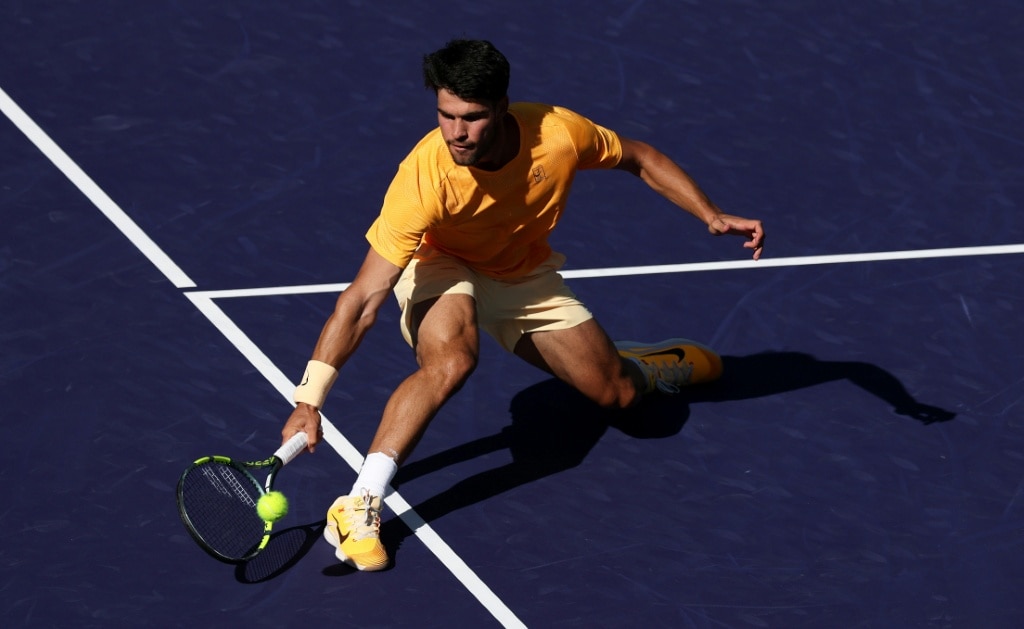
    Meanwhile, world number one Carlos Alcaraz continued his impeccable form with a commanding 6-1, 7-6(2) win against Norway’s Casper Ruud. The Spanish phenomenon has maintained an unblemished 15-0 record for the 2026 season, having already captured the Australian Open and Qatar Open titles earlier this year. Alcaraz’s performance showcased his characteristic explosive shot-making and court coverage, particularly dominant during the first set which he described as ‘unplayable.’

    In other tournament developments, fourth seed Daniil Medvedev advanced comfortably with a 6-2, 6-4 victory over American Alex Michelsen, while 2021 champion Cameron Norrie defeated Australian qualifier Rinki Hijikata 6-4, 6-2. Norrie’s victory sets up an intriguing quarter-final clash against Alcaraz, recalling their encounter at last year’s Paris Masters where the British player emerged victorious.

    Draper, who has recently returned from a six-month absence due to an arm injury, expressed immense pride in his achievement against the player he considers ‘the greatest tennis player there is.’ He now prepares to face Medvedev in Thursday’s quarter-finals, seeking to continue his remarkable comeback story at the prestigious Masters 1000 event.

  • China to approve ‘ethnic unity’ law condemned by rights groups

    China to approve ‘ethnic unity’ law condemned by rights groups

    China’s National People’s Congress is poised to enact controversial ethnic unity legislation that has drawn significant criticism from human rights organizations worldwide. The new law formally establishes Mandarin Chinese as the mandatory ‘national common language’ across educational institutions, government operations, and public spaces throughout the country.

    The legislation represents a substantial shift from previous policies that recognized linguistic diversity among China’s 55 officially recognized ethnic minorities. According to government statements, the law aims to strengthen social cohesion during a period of unprecedented social transformation. It specifically criminalizes what it terms ‘violent terrorist activities, ethnic separatist activities, or religious extremist activities.’

    Human rights experts have expressed grave concerns about the potential impact on minority communities including Uyghurs, Mongolians, and Tibetans. Yalkun Uluyol, a China researcher at Human Rights Watch, characterized the legislation as a ‘significant departure’ from Deng Xiaoping-era policies that protected minority language rights.

    The law mandates educational institutions to utilize Mandarin as the primary instructional language and requires teenagers to achieve ‘a basic grasp’ of Mandarin upon completing compulsory education. Erika Nguyen from PEN America noted that ‘the law targets spaces where children are most likely to encounter their mother tongue, with the intent being to sever children’s ties with their identity, history, and culture.’

    A recent collaborative report by PEN America and the Southern Mongolian Human Rights Information Center revealed that over 80% of Mongolian language websites in China have been censored or banned. The legislation also extends beyond China’s borders, applying legal liability to overseas individuals who ‘engage in activities that undermine ethnic unity’ or incite ‘ethnic separatism.’

    Economic implications are also significant, as Mandarin fluency becomes a prerequisite for professional advancement, potentially marginalizing non-Mandarin speakers in the job market. The legislation continues China’s decades-long policy approach toward cultural assimilation of minority groups into the Han majority.

  • Checkpoints, air strikes and hope: a Tehran resident tells her story

    Checkpoints, air strikes and hope: a Tehran resident tells her story

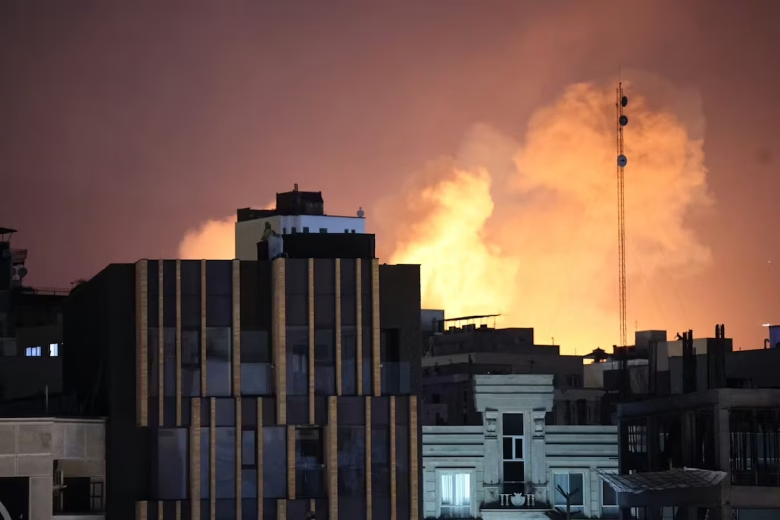
    Amidst the reverberations of conflict, a Tehran resident in her thirties provides a harrowing firsthand account of daily existence in Iran’s capital. Speaking under condition of anonymity for security reasons, she describes a city caught between fragile hope and pervasive fear.

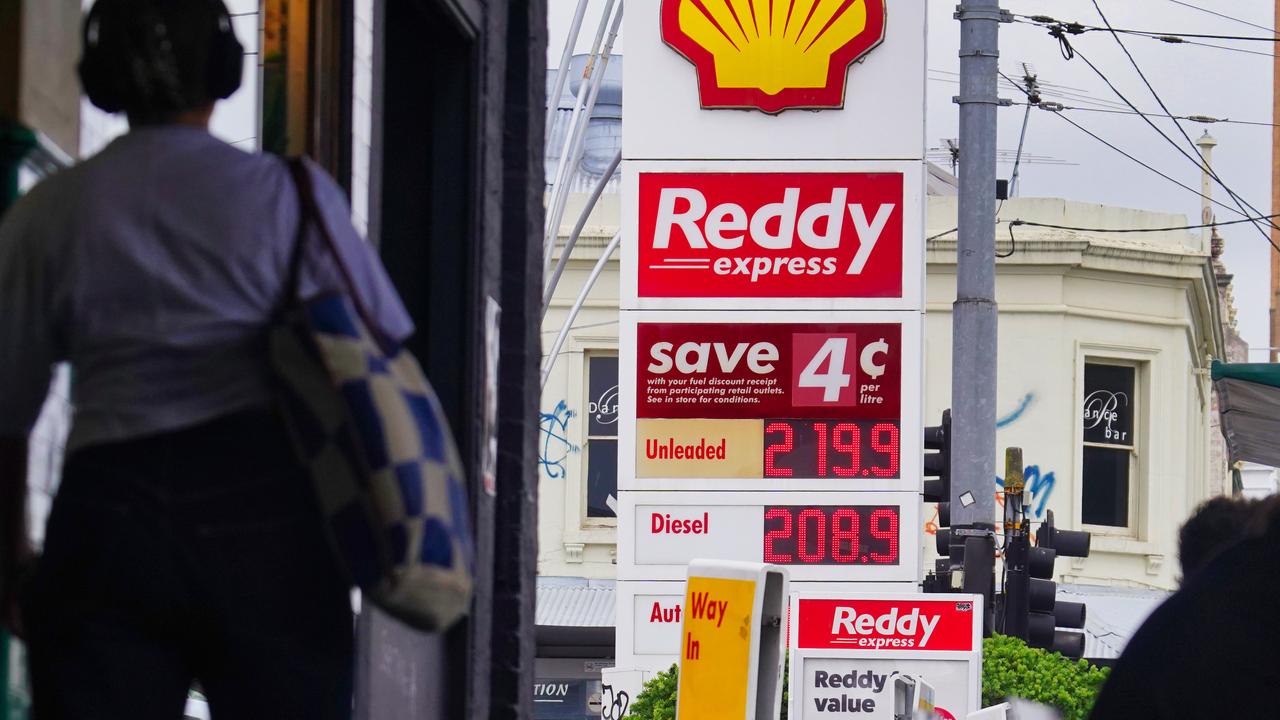
    The economic landscape has deteriorated severely, with many professionals like herself facing complete work stoppages and surviving on dwindling savings. While initial waves of evacuation occurred among those living near strategic targets, migration has slowed due to financial constraints and ambiguous security assurances. Basic commerce continues surprisingly, though rationing has intensified with gasoline limits reduced from 30 to as low as 5 liters per person at some stations.

    Security infrastructure has collapsed dramatically, with even minor police stations shuttered and military bases extensively damaged. The regime’s presence now manifests primarily through proliferating checkpoints where authorities reportedly search phones for derogatory content about leadership. Nightly pro-regime motorcades of approximately 50 vehicles circulate through streets chanting religious slogans, creating a surreal contrast to the widespread destruction.

    The physical impact of aerial assaults emerges through visceral accounts: a friend’s mother residing opposite Gisha’s Public Security Police station had windows completely blown out, while the Niloufar Square police station bombardment was so catastrophic it physically expanded the square’s dimensions. A local shopkeeper salvaged merely few boxes from obliterated premises.

    Emotionally, residents oscillate between desperation and determination. The night rumors spread of Khamenei’s death, rooftop celebrations erupted until security forces responded with random aerial and window-directed gunfire. Many citizens now believe foreign intervention represents the only viable path to regime change, rejecting ceasefire appeals in favor of persistent conflict.

    Sleep patterns vary dramatically across Tehran’s vast expanse. While some areas experience relative quiet, residents near strategic targets like Mehrabad airport spend nights huddled in bathrooms fearing structural collapse, with many resorting to sedatives to manage trauma-induced insomnia.

  • Video shows moment point-blank gunshot misses Indian politician

    Video shows moment point-blank gunshot misses Indian politician

    A chilling assassination attempt against prominent Kashmiri political leader Farooq Abdullah was captured on video, showing a gunman firing at point-blank range and miraculously missing his target. The incident, which occurred during a public engagement, sent shockwaves through Indian political circles. Security personnel immediately apprehended the lone suspect, who remains in custody for interrogation. Abdullah, an 86-year-old veteran politician and former Chief Minister of Jammu and Kashmir, emerged physically unscathed from what authorities are investigating as a deliberate assassination attempt. The footage, which rapidly circulated across social media platforms, depicts the tense moments before and after the gunshot, highlighting the persistent security challenges facing Indian politicians in the contested region. Government officials have condemned the attack and pledged enhanced security measures for public figures while investigations continue to determine the motive and possible affiliations of the apprehended suspect.

  • Trump sends mixed messages on when strikes on Iran will end

    Trump sends mixed messages on when strikes on Iran will end

    WASHINGTON – President Donald Trump has offered conflicting characterizations of the ongoing U.S.-Israeli military campaign against Iran, creating ambiguity about the operation’s timeline and objectives. During an exchange with reporters while traveling in Ohio on Wednesday, Trump described the campaign as both a “war” and a short-term “excursion” simultaneously.

    When pressed by journalists to clarify whether the operation constituted a limited engagement or full-scale conflict, Trump responded: “Well, it’s both. It’s an excursion that will keep us out of a war, and the war is going to be, I mean for them it’s a war.”

    This contradictory messaging follows earlier statements made to House Republicans on Monday, where the President characterized the military action as a “short-term excursion” while simultaneously vowing to pursue “ultimate victory” and demanding Iran’s “unconditional surrender.”

    Despite Trump’s assertion that the conflict would conclude “soon” because there was “practically nothing left to target,” intelligence reports from Axios indicate that U.S. and Israeli officials are preparing for at least two additional weeks of strikes. According to the report, no internal directive has been issued regarding when military operations might cease.

    The human cost of the campaign continues to mount dramatically. Iran’s Ambassador and Permanent Representative to the United Nations, Amir Saeid Iravani, reported on Tuesday that more than 1,300 civilians have been killed and 9,669 civilian sites destroyed since the strikes began on February 28.

  • War in Ukraine spills into Hungarian election

    War in Ukraine spills into Hungarian election

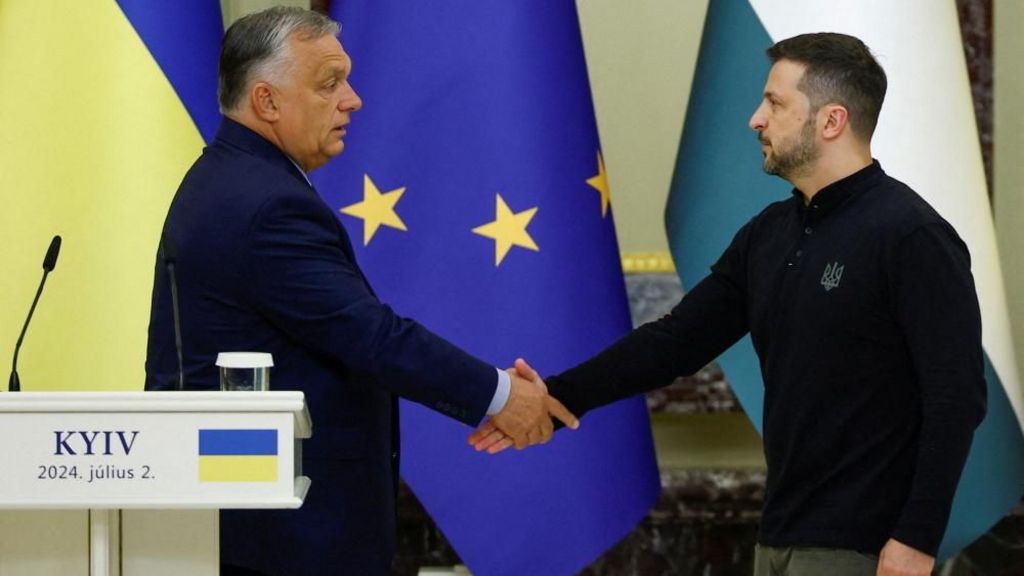
    With Hungary’s parliamentary election merely 30 days away, the nation finds itself engulfed in an unprecedented disinformation war involving Prime Minister Viktor Orbán’s government, Ukraine, and Kremlin-linked actors. The political atmosphere has reached a fever pitch, characterized by extraordinary allegations and counter-allegations that threaten to destabilize regional diplomacy.

    The Hungarian government has launched a series of severe accusations against Ukraine, claiming the war-torn nation is preparing physical violence against Prime Minister Orbán and his family while allegedly planning attacks on critical energy infrastructure. Ministers assert that Ukraine ‘will stop at nothing’ to prevent Orbán’s Fidesz party from securing victory in the upcoming April 12 election.

    Ukraine has responded with equally serious charges, accusing the Hungarian government of orchestrating a deliberate hate campaign to frighten Hungarian voters into supporting Fidesz. This diplomatic crisis has created a perfect environment for Russian interference, with The Financial Times reporting that the Kremlin-linked Social Design Agency is preparing a mass disinformation campaign in Hungary to bolster Orbán and discredit the opposition Tisza Party led by Péter Magyar.

    At the heart of this geopolitical standoff lies the disrupted Druzhba (Friendship) pipeline, a critical energy artery for Hungarian and Slovak refineries. Oil deliveries ceased on January 27 following a Russian drone strike that damaged the Brody oil hub in western Ukraine. Prime Minister Orbán has presented satellite images claiming the pipeline remains intact, accusing Ukraine of deliberately delaying repairs to create fuel shortages that would harm his re-election prospects.

    However, security analyst András Rácz of the German Council on Foreign Relations challenges this narrative, revealing that the January attack damaged an oil tank containing 75 million liters of crude oil. To prevent environmental disaster, this oil was pumped into the pipeline for storage—creating technical complications that Ukraine says may require six weeks to repair.

    The election campaign has manifested through disturbing propaganda techniques, including AI-generated Fidesz videos depicting execution squads and suggesting similar fates await Hungarians who vote for the opposition. Giant billboards across Hungary show Ukrainian President Volodymyr Zelenskyy alongside Péter Magyar, falsely accusing Tisza of planning to involve Hungary directly in the Ukraine war.

    In a highly unusual peacetime measure, the Hungarian army has been deployed to patrol key energy installations—presented as reassurance to the public by Fidesz but characterized as intimidation by opposition voices. The situation escalated further when Zelenskyy remarked that those blocking EU aid might find themselves visited by Ukrainian armed forces ‘speaking in their own language’—a comment Orbán interpreted as a direct threat.

    The confrontation reached new heights when Hungarian anti-terror troops seized two vehicles belonging to Ukraine’s state savings bank crossing into Hungary, while a supposed Hungarian ‘fact-finding mission’ to inspect the pipeline was dismissed by Ukraine as mere tourists without official status.

    With Fidesz trailing Tisza 39% to 50% in recent polls, analysts are divided whether Orbán’s anti-Ukraine rhetoric represents panic in the face of probable defeat or a calculated strategy to mobilize his base by creating a sense of national emergency.

  • ASX plunges as traders price in interest rate hikes amid surging oil costs

    ASX plunges as traders price in interest rate hikes amid surging oil costs

    Australia’s financial markets experienced significant turbulence on Thursday as escalating oil prices and mounting expectations of interest rate increases triggered a massive selloff. The benchmark ASX 200 index plummeted 114.50 points, representing a 1.31% decline to close at 8629 points, while the broader All Ordinaries index dropped 125.40 points (1.40%) to settle at 8851.40. This dramatic downturn erased approximately $40 billion from the local market valuation.

    The market’s negative sentiment was predominantly driven by Brent crude oil prices surpassing $100 per barrel during Asian trading hours. The energy sector emerged as the sole beneficiary of this development, with Woodside Energy gaining 2.07% to $31.05, Santos advancing 1.49% to $7.49, and Ampol climbing 2.89% to $30.27.

    Conversely, major mining corporations faced substantial pressure, with BHP declining 1.89% to $50.90, Rio Tinto falling 1.42% to $153.09, and Fortescue dropping 1.50% to $19.68. The banking sector similarly suffered losses, with Commonwealth Bank decreasing 0.62% to $171.60, National Australia Bank sliding 1.96% to $46.40, Westpac retreating 1.19% to $40.54, and ANZ slumping 2.53% to $37.02.

    Market analysts attribute this volatility to growing concerns that rising energy costs will exacerbate inflationary pressures, potentially forcing the Reserve Bank of Australia to implement multiple interest rate increases. IG market analyst Tony Sycamore noted that markets are now pricing in 68 basis points of rate hikes by year-end, citing heightened consumer inflation expectations and hawkish commentary from RBA officials.

    Money markets currently indicate a 76% probability of an interest rate hike following next Tuesday’s RBA meeting. The Australian dollar strengthened marginally against the US dollar, trading at 71.33 US cents amid expectations of domestic monetary tightening.

    In corporate developments, Collins Foods surged 5.2% to $9.92 after announcing expansion into the German market through the acquisition of eight new restaurants in Bavaria. Conversely, IperionX shares collapsed 14.29% to $6.12 following the release of half-year results showing net losses doubling to US$34.8 million (A$49 million).

  • Understanding who profits will be key to resolving the Iran war

    Understanding who profits will be key to resolving the Iran war

    The recent escalation of military operations between US-Israeli forces and Iran has created unexpected economic beneficiaries amidst widespread geopolitical turmoil. While the immediate human and economic costs continue to mount, a paradoxical financial ecosystem thrives on the perpetuation of conflict.

    Defense contractors have emerged as primary beneficiaries, with Lockheed Martin, Northrop Grumman, and RTX collectively gaining $25-30 billion in shareholder value within a single trading session. Israeli defense firm Elbit Systems witnessed a remarkable 45% surge in its stock value since January, briefly becoming the nation’s most valuable publicly traded company. European defense equities similarly outperformed declining broader markets.

    The conflict has produced significant political dividends for incumbent administrations. The initiation of military action effectively diverted public attention from ongoing controversies, including the Epstein files scandal that had previously dominated media cycles and web searches.

    Paradoxically, Iran’s Islamic Revolutionary Guard Corps (IRGC) has strengthened its economic position despite international sanctions. Controlling approximately half of Iran’s oil exports through its engineering subsidiary Khatam al-Anbiya, the IRGC has expanded its dominance across construction, telecommunications, agriculture, and energy sectors. Meanwhile, World Bank data indicates nearly 10 million ordinary Iranians descended into poverty between 2011-2020 due to economic restrictions.

    Energy markets have experienced immediate disruption, with Hormuz Strait tanker traffic declining by approximately 90% and Qatar suspending liquefied natural gas production indefinitely. This has created unexpected windfalls for US energy exporters and Gulf states with bypass pipeline infrastructure. Russia benefits from diverted energy purchases by price-sensitive markets like India and China.

    The conflict presents a complex challenge for green energy transition, as elevated fossil fuel prices simultaneously bolster renewable energy arguments while making traditional extraction more profitable. This economic tension potentially slows the pace of sustainable energy adoption.

    Potential solutions include implementing windfall taxes on corporations benefiting disproportionately from warfare, following the UK’s energy profits levy model. Coordinated releases of strategic petroleum reserves could mitigate price spikes, while strengthened democratic institutions could reduce political exploitation of conflict situations.

    The United Kingdom faces particular economic vulnerability, with pre-conflict GDP growth projections already downgraded to 1.1% for 2026. Household energy bills may increase by over £500 annually despite limited direct gas imports from the region, while fiscal headroom of £23.6 billion faces rapid erosion.

    This analysis reveals the fundamental paradox of modern conflict: those with greatest capacity to resolve hostilities often possess significant financial incentives for their continuation.