作者: admin

  • China approves ‘ethnic unity’ law requiring minorities to learn Mandarin

    China approves ‘ethnic unity’ law requiring minorities to learn Mandarin

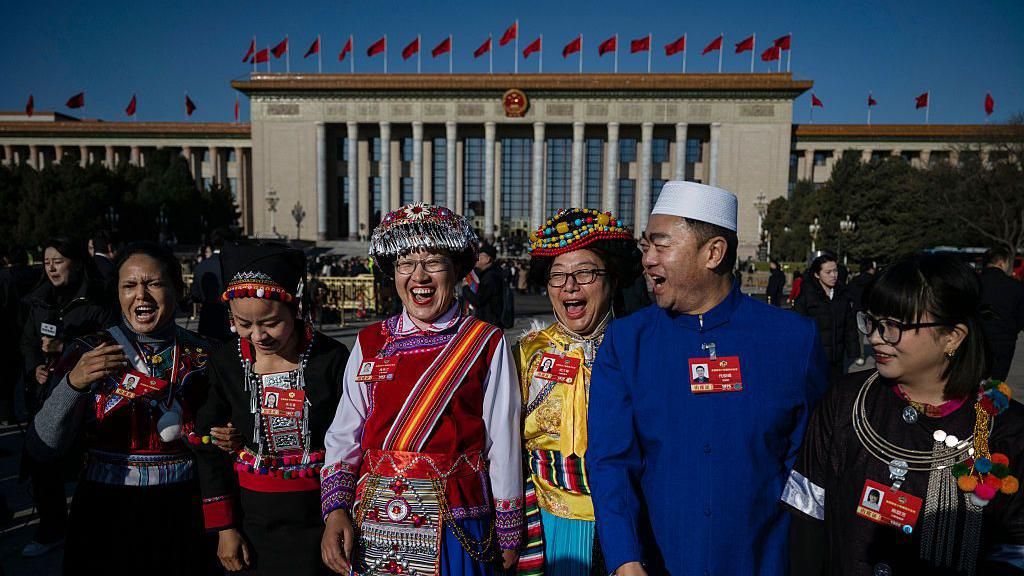
    China’s National People’s Congress has enacted a comprehensive new legislation titled the ‘Law on Promoting Ethnic Unity and Progress,’ generating significant debate regarding its implications for the country’s 55 recognized minority groups. The legislation, passed during the annual parliamentary session, mandates Mandarin Chinese as the primary language of instruction from preschool through secondary education, displacing previous policies that allowed curriculum delivery in native languages including Tibetan, Uyghur, and Mongolian.

    Officially presented as a measure to foster national integration and improve economic opportunities, the law establishes legal frameworks for creating ‘mutually embedded community environments’ and permits prosecution of parents or guardians who instill views deemed detrimental to ethnic harmony. Government representatives argue that standardized Mandarin education enhances employment prospects and facilitates modernization efforts.

    Academic experts express profound concerns regarding the legislation’s cultural implications. Magnus Fiskesjö, Cornell University anthropology professor, characterizes the law as representing ‘a dramatic recent policy shift to suppress the ethnic diversity formally recognized since 1949,’ potentially forcing minority children to ‘forget their own language and culture.’

    The legislation formalizes existing assimilation policies, notably the ‘sinicization’ initiative launched in the late 2000s to create a unified national identity centered on Han Chinese culture, which comprises over 90% of China’s 1.4 billion population. The move follows documented tensions in minority regions, including rare 2020 protests by ethnic Mongolians against language education changes and ongoing international criticism regarding treatment of Uyghur Muslims in Xinjiang.

    Professor Allen Carlson of Cornell University interprets the law as clarifying ‘that non-Han peoples must do more to integrate themselves with the Han majority and above all else be loyal to Beijing.’ National University of Singapore’s Ian Chong suggests the development-focused rhetoric implicitly frames minority languages and cultures as ‘backward and impediments to advancement.’

    The legislation emerges against a backdrop of increased state control in minority regions, including monastery regulations in Tibet and extensive re-education camp systems in Xinjiang that have drawn United Nations accusations of grave human rights violations. Chinese authorities maintain these measures ensure stability and development while preserving constitutional ethnic rights, though critics argue they systematically diminish cultural autonomy.
  • Senegal is the latest African country to toughen punishment for homosexual acts

    Senegal is the latest African country to toughen punishment for homosexual acts

    DAKAR, Senegal — In a decisive parliamentary move, Senegal has significantly escalated its legal stance against homosexuality through newly approved legislation that doubles prison terms and imposes substantial fines. The West African nation’s legislative body overwhelmingly endorsed the bill during Wednesday’s plenary session, with nearly unanimous support and only three abstentions.

    The controversial legislation, introduced last month by Prime Minister Ousmane Sonko, reclassifies homosexual acts as ‘against nature’ and increases penalties from the previous one-to-five-year prison sentences to rigorous imprisonment ranging from five to ten years. The bill further criminalizes the ‘promotion’ or ‘financing’ of homosexuality, effectively targeting organizations that support sexual and gender minorities.

    Financial penalties have been substantially heightened under the new framework, with fines reaching up to 10 million CFA francs (approximately $17,609). Notably, the legislation maintains homosexuality offenses as misdemeanors rather than felonies. During parliamentary debates, government ministers contended that the 1966 legislation previously governing such acts was insufficiently punitive.

    The legal text groups homosexuality alongside necrophilia and bestiality under ‘acts against nature’ offenses while paradoxically penalizing unsubstantiated accusations of homosexual acts. The bill now awaits presidential assent from President Bassirou Diomaye Faye, who is widely anticipated to enact it into law.

    This development aligns Senegal with approximately thirty African nations that criminalize same-sex relations, including Kenya, Sierra Leone, and Tanzania where similar decade-long sentences prevail. In several African jurisdictions including Somalia, Uganda, and Mauritania, homosexuality can carry capital punishment.

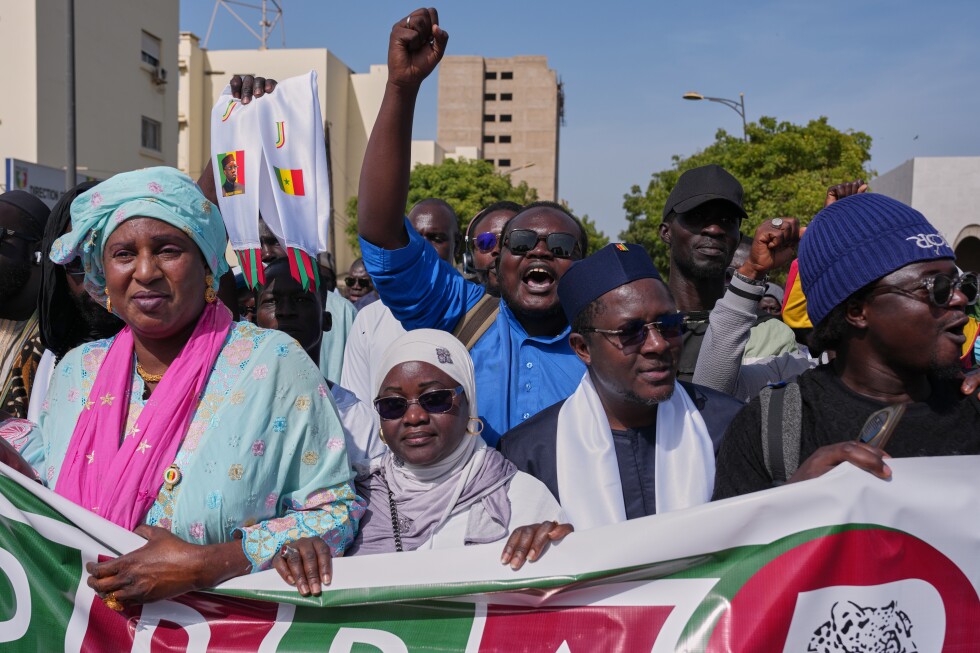
    The legislative action follows weeks of rallies organized by Islamic advocacy groups supporting the measure. Concurrently, Senegalese authorities have intensified crackdowns on alleged LGBTQ+ individuals, resulting in at least a dozen recent arrests. The legislation fulfills a campaign promise by Prime Minister Sonko, who had previously attempted to introduce similar measures while serving in opposition.

  • ‘The situation is dire’: War on Iran squeezes India’s cooking-gas supplies

    ‘The situation is dire’: War on Iran squeezes India’s cooking-gas supplies

    The geopolitical conflict in the Middle East has unleashed unexpected domestic consequences across India, where restaurants and households face severe liquefied petroleum gas (LPG) shortages due to disrupted energy shipments through the Strait of Hormuz. As US-Israeli strikes on Iran continue to destabilize regional energy corridors, approximately 90% of India’s LPG imports—which constitute 60% of total consumption—face transportation challenges through this critical maritime chokepoint.

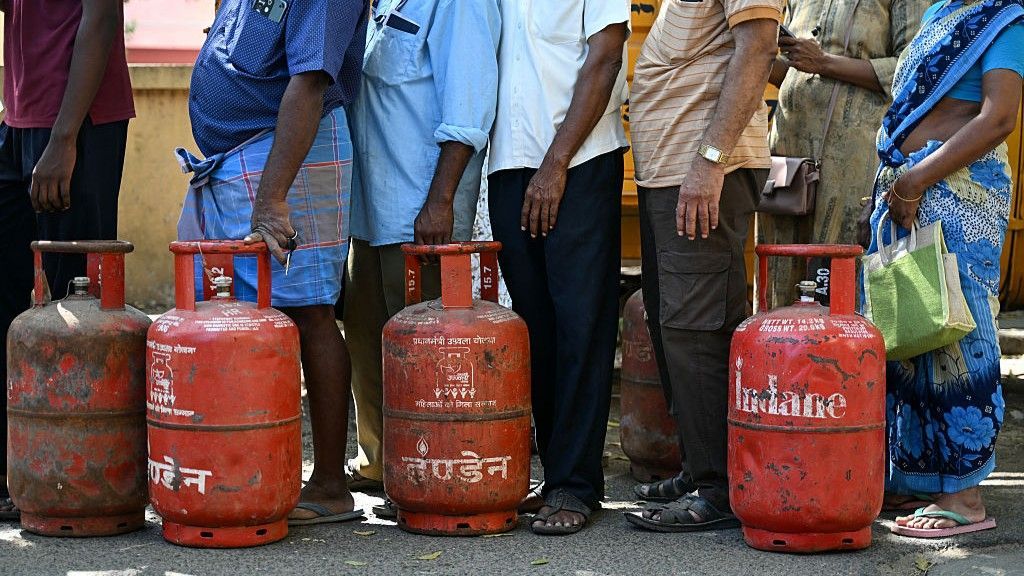
    Urban centers from Mumbai to Chennai report unprecedented queues outside gas distribution centers, with commercial establishments bearing the brunt of the crisis. The National Restaurant Association of India confirms widespread operational disruptions among its 500,000 member establishments. “The situation is dire. Cooking gas simply isn’t available,” states Association representative Manpreet Singh, noting that numerous restaurants have temporarily closed while others have radically adapted by shortening operating hours, reducing menu offerings, and transitioning to alternative cooking methods including coal, wood, and electrical appliances.

    In Bengaluru, artisan bakery owner Haroon Sait describes the devastating impact: “We can only make coffee and nothing else—it is nothing less than pathetic. Businesses are going to suffer.” Retailers nationwide report surging demand for electric cookers, with many facing inventory shortages amid panic buying.

    The Indian government maintains an opposing narrative, insisting supplies remain adequate for domestic consumers. The petroleum ministry has implemented emergency measures, directing refineries on March 8 to maximize LPG production for household use, increasing domestic output by approximately 25%. Officials attribute distribution challenges to “panic booking and hoarding triggered by misinformation,” emphasizing that the normal delivery cycle for domestic LPG remains approximately 2.5 days.

    Energy analysts reveal a more complex picture. According to Kpler refinery analyst Sumit Ritolia, while crude oil supplies could be partially offset through increased Russian imports (projected to reach 1-1.2 million barrels daily in March), LPG presents particular vulnerability. Even with refineries optimizing operations for 10-20% increased LPG yield, domestic production would only meet 47-50% of demand, maintaining heavy import dependence.

    The crisis has exposed structural vulnerabilities in India’s energy infrastructure and distribution networks, with allegations emerging of opportunistic profiteering through cylinder black-marketing and premium pricing. As restaurants struggle to maintain operations, the situation demonstrates how distant geopolitical conflicts can directly impact everyday life and economic stability in interconnected global systems.

  • Expediting new space museum proposed

    Expediting new space museum proposed

    A prominent Chinese space scientist has called for expedited approval processes for the construction of a new national space museum, highlighting China’s unique position among global powers without a comprehensive space exhibition facility. Rong Yi, a senior expert at the China Academy of Launch Vehicle Technology under China Aerospace Science and Technology Corporation, made the proposal during the recent fourth session of the 14th National Committee of the Chinese People’s Political Consultative Conference.

    Rong emphasized that as China advances toward becoming a leading space power, the nation urgently requires a world-class museum to showcase its remarkable achievements in space exploration. She noted that among the five permanent members of the United Nations Security Council, China remains the only nation without a large-scale space museum, while the United States, Russia, France, and the United Kingdom all maintain significant aerospace exhibition facilities.

    The scientist pointed to major aerospace museums in the United States that attract over 10 million visitors annually, noting that such institutions not only cultivate space enthusiasts and professionals but also generate substantial business opportunities. Rong emphasized that a new China Space Museum would serve as a crucial venue for promoting the spirit and culture of China’s space community while fostering patriotism and advancing science and technology education.

    The current China Space Museum, which replaced the previous Chinese Space Museum, received construction approval in October 2019 and was completed in November 2022 before opening to the public in April 2023. However, the facility faces spatial constraints due to its relatively small floor area and location in Beijing’s southern suburbs, where narrow streets and small shops limit expansion possibilities.

    Rong proposed that relevant authorities take responsibility for leading discussions and review work for the new museum’s site selection and construction, suggesting the project should be prioritized alongside other major space programs. She specifically identified the research complex of the China Academy of Launch Vehicle Technology in Beijing’s Fengtai district as an ideal location, noting that the Nanyuan complex represents the birthplace of China’s space industry and contains numerous heritage sites including assembly workshops for the Long March 1 carrier rocket and the DF 1 ballistic missile.

    The scientist advocated for creating a ‘living’ museum that would honor the legacy of past space projects while aligning with the Beijing municipal government’s cultural preservation and development plan, potentially creating a comprehensive educational and historical destination for space enthusiasts and the general public alike.

  • Xizang aims to better preserve ethnic culture

    Xizang aims to better preserve ethnic culture

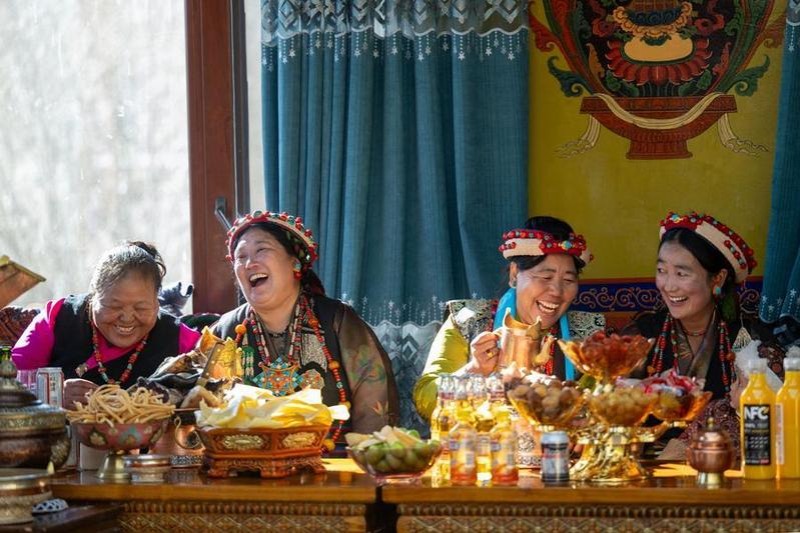
    In a significant push to safeguard intangible cultural heritage, China’s Tibet Autonomous Region has amplified efforts to preserve the languages and traditions of its smallest ethnic populations. These initiatives aim to ensure the transmission of unique cultural identities to younger generations amid modernization.

    Tashi Gyaltsen, the sole National People’s Congress deputy representing the Lhoba ethnic group, revealed comprehensive measures being implemented in Doyu Lhoba autonomous township. With approximately 4,300 members, the Lhoba people possess only a spoken language without written script, making oral transmission particularly vulnerable. “The local government funds Lhoba language courses in schools and supports regular night classes where elders teach and youth actively participate,” Gyaltsen stated.

    The preservation campaign gained formal momentum in 2019 when Gyaltsen submitted a proposal during the 13th NPC session. Subsequently, county-level authorities allocated over 8 million yuan ($1.2 million) to revitalize Lhoba heritage, encompassing language, history, traditional crafts, songs, dances, clothing, and architecture. A renovated Lhoba Ethnic History Museum now serves as a cultural showcase, featuring exhibits from migration patterns to textile techniques.

    Parallel developments emerge in Metog county, where Norbu Yangzom, the only NPC deputy from the Monba ethnic group, reported successful cultural-tourism integration. With about 8,500 Monba people among the county’s 15,300 residents, traditional elements like attire and folk dances have been transformed into experiential products. Villages have established clothing factories and costume shops revitalizing textile techniques, while chefs have standardized eleven distinctive Monba dishes for culinary tourism.

    These efforts align with China’s draft law on promoting ethnic unity, which emphasizes protecting minority languages and supporting their “standardization, normalization and informationization.”

    The cultural preservation has yielded tangible economic benefits. Metog, once isolated until its first paved road connection in 2013, welcomed over 700,000 visitors in 2025, generating approximately 470 million yuan in tourism revenue. Yangzom attributes this transformation to sustained rural revitalization policies rather than coincidence.

    Both deputies emphasize that cultural preservation extends beyond museum conservation, seeking instead to integrate traditions into contemporary life through education, economic activity, and daily practice.

  • Canada’s Cuba aid highlights differences

    Canada’s Cuba aid highlights differences

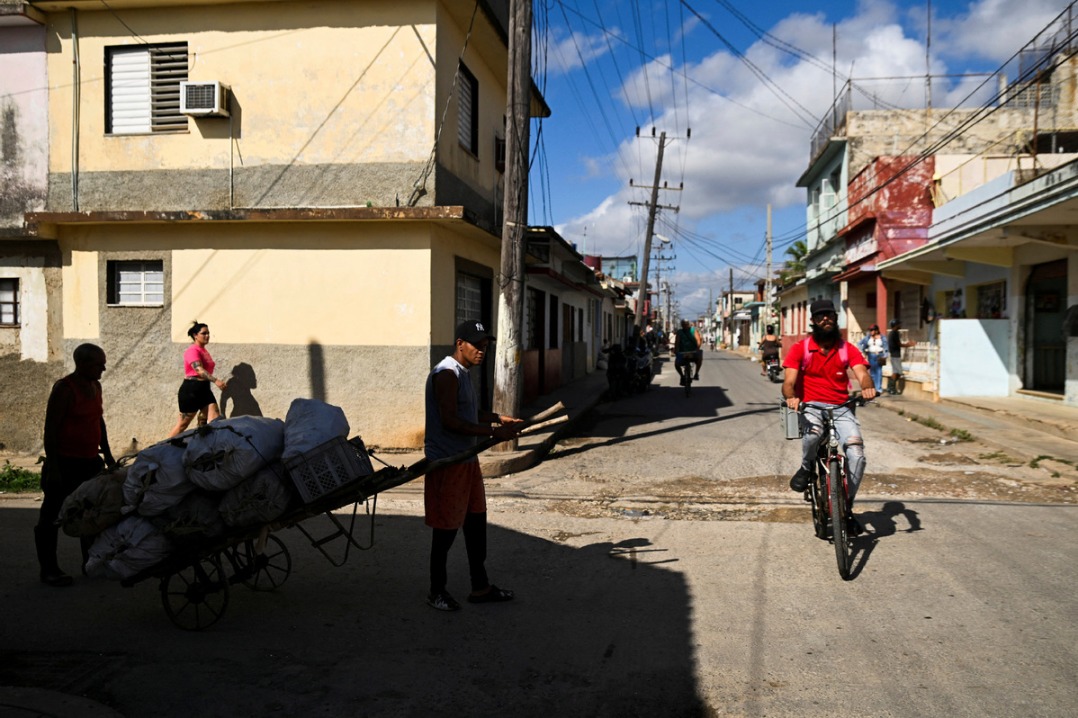
    Canada’s recent commitment of CA$8 million in food assistance to Cuba underscores a persistent foreign policy schism with the United States that has endured for over six decades, according to historical analysis. The aid package, announced by Canadian Foreign Minister Anita Anand, aims to address “significant hardship” and “urgent needs” facing the Cuban population.

    Ronald Stagg, history professor at Toronto Metropolitan University, contextualized this move within a longstanding pattern of Ottawa-Washington divergence on Cuban relations. The policy disconnect dates to the 1962 Cuban Missile Crisis when Prime Minister John Diefenbaker refused American requests to participate in the Cuban blockade. This established precedent continued through subsequent administrations, with Prime Minister Lester B. Pearson asserting Canadian jurisdiction over US subsidiaries operating in Canada despite American embargo extensions.

    This latest humanitarian gesture coincides with broader caution among US allies regarding alignment with Washington’s international positions. Multiple European nations have demonstrated measured responses to recent Middle Eastern conflicts. Spain rejected US requests to launch attacks from its territory, with Prime Minister Pedro Sanchez condemning military interventions that “violate international law.” Britain provided limited support while explicitly avoiding offensive operations, and Germany committed only to defensive measures if attacked.

    Canada itself has exhibited similar prudence, with Prime Minister Mark Carney initially supporting strikes before expressing regret over escalation. Professor Stagg notes that while Canadian-Cuban relations have experienced “ups and downs,” Ottawa has consistently maintained either “benign neglect or active support” toward Havana—a stance reflecting Canada’s historical orientation toward Britain and Europe rather than automatic alignment with American foreign policy objectives.

  • China positions itself as force for global stability at its annual Congress

    China positions itself as force for global stability at its annual Congress

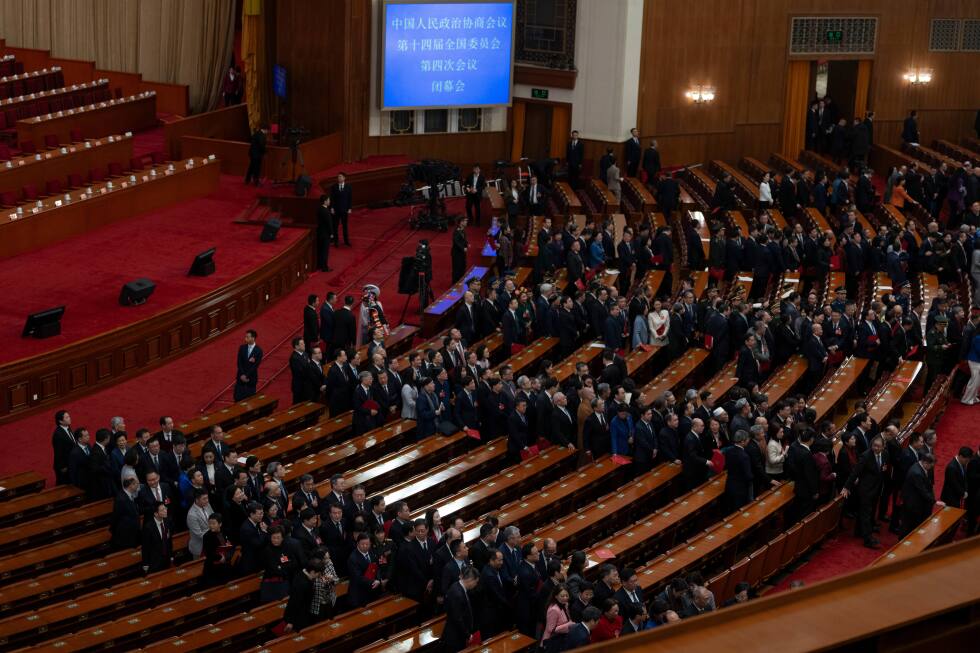
    As international tensions escalate in the Middle East, China has demonstrated unwavering focus on its domestic agenda, using its recently concluded National People’s Congress to reinforce its commitment to technological advancement and economic transformation. The annual legislative gathering, which serves as China’s premier political event, formally approved a comprehensive five-year plan prioritizing cutting-edge innovation over immediate consumption stimulus.

    The blueprint, passed with near-unanimous support (2,758 votes for, one against, and two abstentions), positions artificial intelligence, robotics, and other emerging technologies as central to China’s strategy for achieving superpower status in the 21st century. While acknowledging the need to boost domestic spending, the plan maintains technology development as the primary allocation for government resources, with consumption measures expected to evolve gradually through expanded social security and healthcare benefits.

    Concurrent with its technological push, the legislature enacted several significant laws, including controversial ethnic unity legislation that critics argue promotes assimilation over cultural autonomy. The government maintains these measures foster national cohesion and shared economic development among ethnic groups.

    Environmental targets within the plan drew international scrutiny for their conservative approach, focusing on reducing emissions intensity rather than absolute carbon reductions. The 17% intensity reduction target could permit overall emissions to increase by approximately 3% as the economy expands—a departure from global practices favoring absolute reduction commitments.

    The Congress also addressed workplace reform, with proposals for enhanced ‘right to rest’ protections gaining substantial social media traction. These included measures to limit after-hours work communications and increase minimum statutory leave from five to ten days, reflecting concerns about intense workplace competition while potentially stimulating domestic consumption through increased leisure time.

    Amid these developments, Chinese officials characterized their steady development approach as providing ‘stability and certainty’ to a turbulent global landscape, with Foreign Minister Wang Yi declaring China is ‘forging ahead at full speed in building a great country.’

  • China steps up diplomatic push for peace in Mideast

    China steps up diplomatic push for peace in Mideast

    China has significantly escalated its diplomatic engagement to de-escalate mounting tensions in the Middle East, deploying high-level envoys and conducting intensive communications with key regional stakeholders. The intensified mediation efforts come as concerns grow regarding potential regional spillover effects and humanitarian consequences from ongoing hostilities.

    Foreign Minister Wang Yi has maintained an exceptionally active diplomatic schedule, conducting eleven separate telephone discussions with counterparts from Russia, Oman, Iran, France, Israel, Saudi Arabia, the United Arab Emirates, Kuwait, Bahrain, Qatar and Pakistan over a ten-day period. These conversations represent a strategic outreach to nations directly involved in the conflict, neighboring Gulf states, and global powers with regional influence.

    At a recent press briefing in Beijing, Foreign Ministry spokesman Guo Jiakun reiterated China’s consistent position advocating for immediate ceasefire implementation, renewed dialogue, and political resolution through negotiation channels. Guo emphasized China’s dual role as both a permanent UN Security Council member and a longstanding partner to Middle Eastern nations, committing to ongoing efforts that promote peace, advocate for equitable solutions, and facilitate communication between conflicting parties.

    Complementing these diplomatic exchanges, Special Envoy Zhai Jun has embarked on an intensive shuttle diplomacy mission throughout the region. During his tour, Zhai conducted high-level meetings in Riyadh with Gulf Cooperation Council Secretary-General Jasem Mohamed Albudaiwi and Saudi Foreign Minister Faisal bin Farhan Al Saud. His itinerary subsequently included discussions in the UAE with Deputy Prime Minister and Foreign Minister Sheikh Abdullah bin Zayed Al Nahyan. Regional leaders expressed appreciation for China’s mediation initiatives and acknowledged Beijing’s balanced and impartial stance.

    The conflict, now entering its twelfth day, has resulted in significant civilian casualties and infrastructure damage according to reports from Iran’s UN ambassador Amir Saeid Irabani, who cited over 1,300 civilian fatalities and destruction of approximately 9,669 civilian sites since military operations commenced on February 28.

    Foreign Minister Wang, speaking during the annual legislative sessions in Beijing, characterized the conflict as an avoidable tragedy that serves no nation’s interests. He underscored historical lessons from the region demonstrating that military force inevitably exacerbates hostilities and generates new crises rather than delivering sustainable solutions.

    Academic experts analyzing China’s diplomatic offensive note that the comprehensive approach—combining ministerial communications, United Nations advocacy, and special envoy deployment—reflects both a consistent dedication to peaceful conflict resolution and the responsible international engagement expected of a major global power. Tang Zhichao, a Middle East specialist at the Chinese Academy of Social Sciences, observed that China’s refusal to adopt partisan positions distinguishes its approach from certain Western nations and aligns with the principles of the Global Security Initiative, which emphasizes sovereignty respect, territorial integrity, and addressing legitimate security concerns of all involved parties.

  • AI boom sends electricity bills in US skyrocketing

    AI boom sends electricity bills in US skyrocketing

    A silent crisis is brewing across American households and businesses as electricity bills reach unprecedented heights, driven substantially by the artificial intelligence revolution’s insatiable energy appetite. The convergence of accelerated AI infrastructure investment, an aging power grid, and seasonal demand spikes has created a perfect storm in energy markets.

    Kurt Borchardt, co-owner of Artisanal Brew Works in Saratoga Springs, New York, experienced this shock firsthand when his brewery’s electricity bill suddenly doubled within a single month. ‘Our electric bill doubled in one month. Almost a $3,000-$4,000 jump on a single bill,’ Borchardt recounted, describing the devastating impact on his business during its traditionally slow winter season. The brewery’s energy costs have now become its second-largest expense after rent, severely squeezing profit margins.

    This personal story reflects a national pattern. Recent data from the US Bureau of Labor Statistics reveals that while overall inflation increased 2.4 percent in the twelve months ending January, electricity prices surged by 6.3 percent during the same period. Unlike volatile gasoline prices, electricity costs have demonstrated a steady upward trajectory, creating sustained financial pressure across the economy.

    The primary catalyst behind this energy crunch stems from massive computing facilities powering artificial intelligence applications. According to Lawrence Berkeley National Laboratory, data centers accounted for approximately 4.4 percent of total US electricity consumption in 2023. Projections indicate this share could escalate to between 6.7 and 12 percent by 2028, depending on economic growth patterns.

    This demand surge is already manifesting in capacity markets. PJM Interconnection, the nation’s largest grid operator serving 13 states and Washington D.C., recently reported that its latest capacity auction fell short of reliability requirements by 6,623 megawatts for the 2027-28 delivery year. ‘This auction leaves no doubt that data centers’ demand for electricity continues to far outstrip new supply,’ stated Stu Bresler, PJM’s executive vice-president of market services and strategy.

    Economists warn that persistently elevated utility costs could undermine economic momentum. ‘Higher energy costs will act as a drag on growth and competitiveness for US firms and heighten affordability issues facing US households,’ explained Aaron Pacitti, economics professor at Siena University. ‘Since demand from data centers and AI is unlikely to subside anytime soon, these price increases will act as a modest headwind to growth.’

    The structural challenges extend beyond mere demand growth. In many regions, utility companies procure electricity through wholesale markets where prices spike when demand outpaces supply. This mechanism affects all consumers simultaneously, regardless of their individual consumption patterns, creating widespread economic repercussions that extend from manufacturing sectors to household budgets.

  • North Korea vow no more protests in Women’s Asian Cup

    North Korea vow no more protests in Women’s Asian Cup

    In a significant shift from their previous conduct, the North Korean women’s football team has formally committed to maintaining sideline decorum during their upcoming AFC Women’s Asian Cup quarter-final match against host nation Australia. This pledge comes directly from coach Ri Song Ho, who addressed journalists in Perth on Thursday through an interpreter.

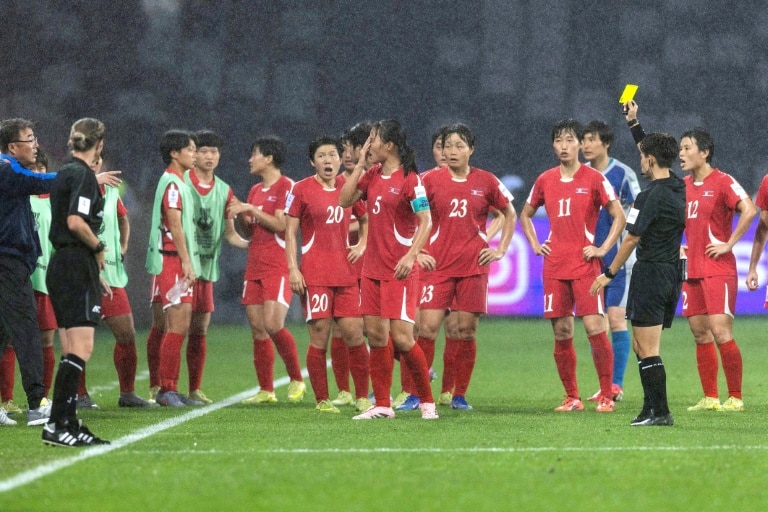
    The commitment follows a controversial incident during Monday’s group stage encounter against China, where North Korean players staged a four-minute on-field protest. The dispute erupted when Chinese forward Wang Shuang, formerly of Tottenham Hotspur, scored during first-half stoppage time. The North Korean squad vehemently demanded video review assistance, resulting in coach Ri receiving a yellow card for his involvement in the confrontation amid audible disapproval from spectators.

    Friday’s match at Perth Rectangular Stadium presents multiple high-stakes opportunities for both teams. Beyond securing a semi-final position, the outcome carries implications for qualification to the 2027 FIFA Women’s World Cup in Brazil, with the tournament’s top six finishers earning automatic berths.

    North Korea enters the contest with a rejuvenated squad, having successfully defended their Under-17 World Cup title in Morocco last year before capturing the Under-20 World Championship in Colombia this year. Talented striker Choe Il Son, who contributed to both youth tournament victories before advancing to the senior national team, expressed confidence in her squad’s preparedness.

    “We recognize Australia’s formidable quality,” Choe stated. “We will demonstrate mutual support and perform at our maximum capacity. Our team possesses considerable talent, and we have undertaken meticulous preparations. We anticipate showcasing our capabilities on the pitch.”

    The match will feature Australia’s veteran striker Sam Kerr as the sole remaining participant from the teams’ memorable 2010 final encounter, which concluded 1-1 before Australia prevailed on penalties.