作者: admin

  • Top Goldman Sachs lawyer who called Epstein ‘Uncle Jeffrey’ resigns

    Top Goldman Sachs lawyer who called Epstein ‘Uncle Jeffrey’ resigns

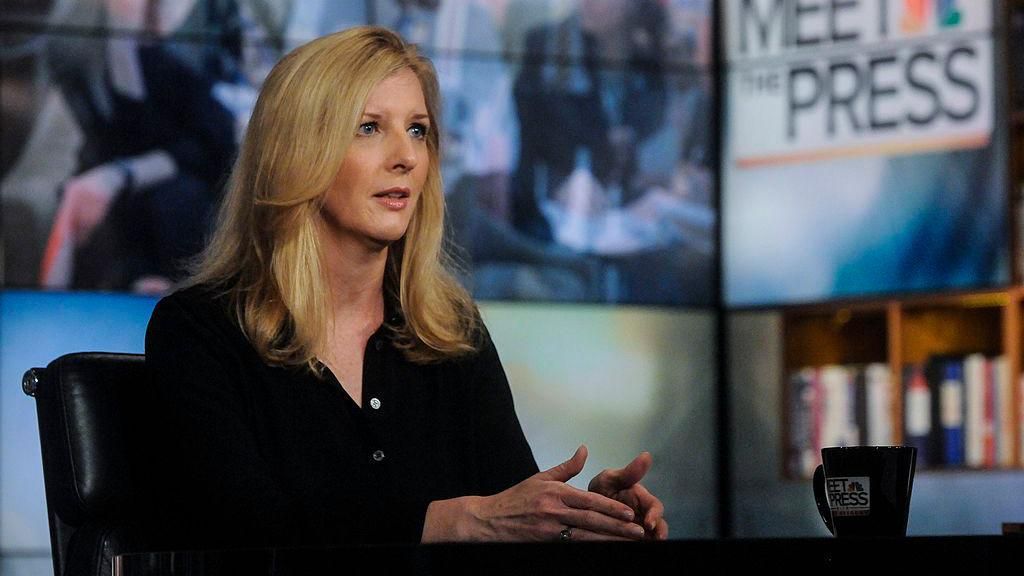
    Kathryn Ruemmler, Goldman Sachs’ Chief Legal Officer, has announced her resignation effective June 30th following mounting scrutiny over her previously undisclosed relationship with convicted sex offender Jeffrey Epstein. The departure comes after months of internal pressure at the Wall Street giant, where Ruemmler chaired the reputational risk committee.

    Recently disclosed Justice Department documents reveal extensive communications between Ruemmler and Epstein spanning 2014-2019, during which she referred to the financier as “Uncle Jeffrey” in personal correspondence. The emails detail how Epstein bestowed luxury gifts upon Ruemmler, including a Hermès handbag, designer boots, an Apple Watch, and $10,000 in Bergdorf Goodman gift cards.

    In one particularly revealing 2015 message, Ruemmler wrote to an undisclosed recipient: “I adore him. It’s like having another older brother!” This communication followed Epstein’s offer to purchase her a first-class ticket to Europe.

    The documents further show that Ruemmler provided Epstein with strategic media advice in March 2019, four months prior to his arrest on sex trafficking charges. She counseled him on countering allegations that his 2008 plea deal for soliciting prostitution from a minor was overly lenient, suggesting he frame the narrative around perceived persecution due to his wealth.

    Goldman Sachs CEO David Solomon acknowledged Ruemmler’s departure in a formal statement: “Throughout her tenure, Kathy has been an extraordinary general counsel, and we are grateful for her contributions. She has also been a mentor and friend to many of our people.”

    Ruemmler, who previously served as White House Counsel under President Barack Obama, maintained in a recent Reuters statement: “I got to know him as a lawyer and that was the foundation of my relationship. I had no knowledge of any ongoing criminal conduct on his part.”

    This resignation marks the latest corporate fallout from the ongoing Epstein document disclosures, following last week’s departure of Paul Weiss Chairman Brad Karp over similar revelations.

  • Surnames tell the cross-Strait story

    Surnames tell the cross-Strait story

    The profound historical and cultural connections between mainland China and Taiwan are powerfully illustrated through the study of family names, according to Li Gaoxiong, a Taiwanese compatriot currently residing in Fujian province. He emphasizes that regardless of how one traces Taiwanese surnames, their origins invariably lead back to the Chinese mainland.

    Mr. Li’s personal history serves as a compelling example. His surname, Li, can be directly traced to Quanzhou in Fujian province, demonstrating the migration patterns across the strait. Furthermore, his given name, Gaoxiong, was deliberately chosen to honor Kaohsiung, the major city in southern Taiwan where his family maintains connections. This naming tradition reflects the enduring bidirectional cultural exchange between the two regions.

    This phenomenon extends beyond individual cases to represent a broader pattern of shared heritage. Extensive genealogical research continues to reveal how family lineages have been maintained across the strait despite geographical separation. The preservation of these naming conventions and ancestral tracking methods highlights the deep-rooted connections that have persisted through generations.

    Academic institutions on both sides have increasingly collaborated on genealogical studies that systematically document these connections. Their research consistently confirms that the overwhelming majority of Taiwanese surnames can be traced to specific regions in mainland China, particularly Fujian and Guangdong provinces. These findings provide tangible evidence of the cross-strait familial bonds that have historically existed and continue to influence personal identities today.

  • MCA expands Abu Dhabi presence with new office at Abu Dhabi Global Market

    MCA expands Abu Dhabi presence with new office at Abu Dhabi Global Market

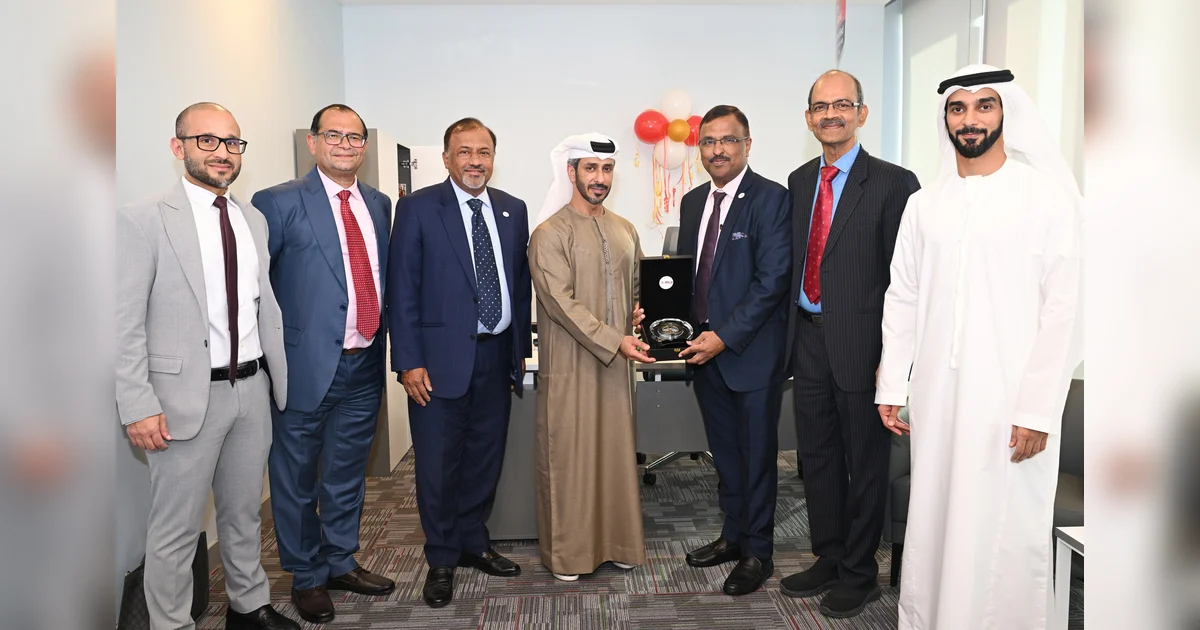
    In a strategic move underscoring its commitment to the UAE market, MCA Management Consultants has inaugurated an expanded office facility at Abu Dhabi Global Market (ADGM), one of the world’s premier international financial centers. The inauguration ceremony was presided over by Obaid Al Ameri, Executive Director for Corporate Affairs at ADGM, alongside MCA’s leadership team, valued clients, and distinguished guests.

    This expansion represents a significant milestone in MCA’s regional growth trajectory and demonstrates the firm’s dedication to enhancing client proximity within Abu Dhabi’s dynamic financial ecosystem. ADGM continues to attract an increasingly sophisticated network of financial institutions and professional services firms, creating fertile ground for MCA’s specialized service offerings.

    The consulting firm provides comprehensive professional services encompassing statutory audit, internal audit, financial advisory, risk management, governance frameworks, and regulatory compliance solutions. Their client portfolio spans multiple sectors including asset and fund management, brokerage services, digital assets, family offices, and diversified holding companies.

    Obaid Al Ameri welcomed MCA’s expanded presence, stating: “We welcome MCA to Abu Dhabi Global Market and look forward to seeing them contribute to the growing business ecosystem.”

    S Venkatesh, Founder and Managing Partner of MCA, commented: “This expanded office reflects MCA’s continued growth and our commitment to serving clients from one of the region’s leading financial hubs. ADGM offers an exceptional platform for innovation and collaboration.”

    Palani Alagappan, Partner at MCA’s ADGM office, emphasized the strategic advantages: “Deepening our presence at ADGM brings us closer to our clients and strengthens our ability to support businesses across the region with timely, high-impact advisory and assurance services.”

    The expansion reinforces MCA’s growing footprint across the GCC region and highlights its focus on delivering integrated professional services to organizations navigating complex regulatory environments, transformation initiatives, and sustained growth objectives.

  • France concerned about the risk of foreign interference ahead of elections

    France concerned about the risk of foreign interference ahead of elections

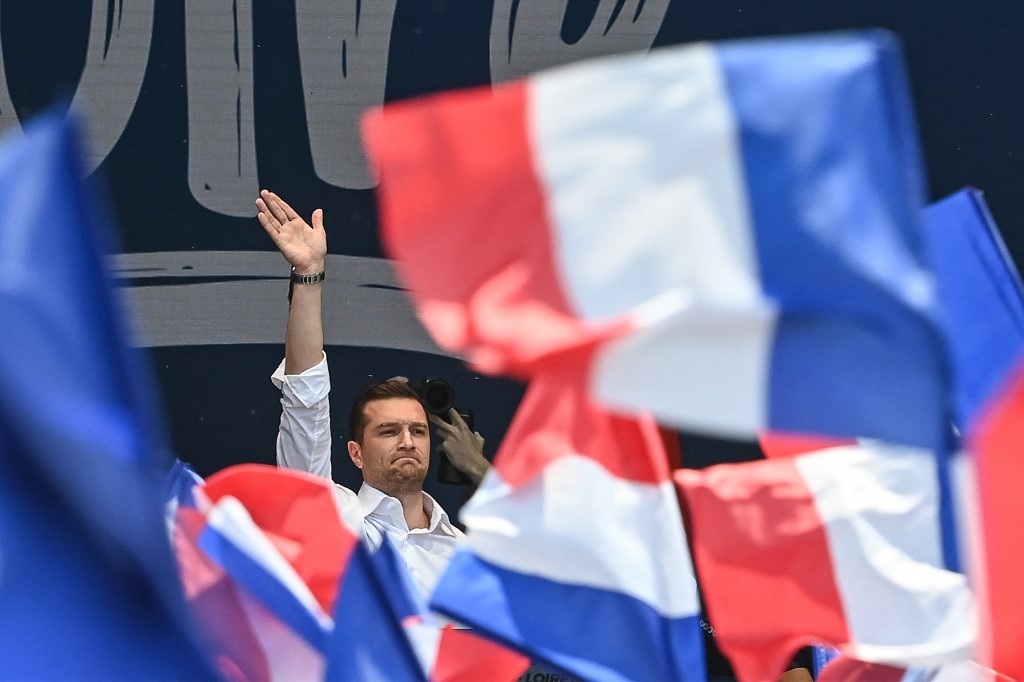
    President Emmanuel Macron has issued a resolute pledge to protect the integrity of France’s 2027 presidential election from foreign manipulation. In his New Year’s address, Macron identified Russia as the primary antagonist in an ongoing information war designed to destabilize both France and the broader European landscape. This declaration amplifies concerns he voiced two months prior about underestimating Russian disinformation campaigns.

    The French defense ministry’s digital vigilance unit, Viginum, has documented an alarming escalation in foreign interference, cataloging 25 distinct operations targeting recent legislative and European elections. These efforts, predominantly orchestrated by Russian and Chinese actors, have employed sophisticated tactics including social media manipulation and cyber intrusions. One notable case involved left-wing candidate Raphael Glucksmann, who was subjected to a pro-Chinese operation branding him as a CIA operative within Europe.

    Socialist Senator Rachid Temal, who authored a parliamentary inquiry into foreign meddling, warns that municipal elections present particularly vulnerable targets due to minimal oversight in smaller constituencies. “With sufficient funding,” Temal notes, “incumbent candidates can be systematically undermined through fear-based social media strategies that distort their political platforms.”

    Beyond the acknowledged threats from Moscow and Beijing, experts identify more covert dangers. Digital diplomacy specialist Rayna Stamboliyska highlights potential U.S. interference, particularly concerning the Trump administration’s alleged consideration of sanctions against French judiciary members overseeing Marine Le Pen’s corruption case. Such actions could compromise judicial independence and electoral integrity, potentially altering the 2027 political landscape by affecting Le Pen’s eligibility.

    The interference ecosystem extends to Middle Eastern powers pursuing their geopolitical agendas. The United Arab Emirates has emerged as a significant influence operator, allegedly providing financial lifelines to the National Rally party and orchestrating campaigns against the Muslim Brotherhood. CNRS researcher Vincent Geisser observes that the UAE and Israel appear to be collaborating to promote narratives about the ‘Islamisation of France,’ leveraging Islamophobia to influence political discourse.

    Israel’s involvement manifests through official endorsements of the National Rally and organized visits for French politicians. Sciences Po professor emeritus Bertrand Badie identifies Israel as one of three nations (alongside Russia and the U.S.) that most explicitly impact French sovereignty, employing multiple channels to shape public opinion and reward political alignment.

    The complex web of foreign influence has prompted legislative responses, including proposed resolutions to investigate lobbying groups like Elnet, which organizes trips for French parliamentarians to Israel and hosts conferences aligned with far-right perspectives. Despite these measures, the pervasive nature of contemporary foreign interference continues to challenge France’s democratic institutions as the nation prepares for crucial electoral contests.

  • Norwegian cross-country skiing star Klaebo ties Olympic record by winning eighth career gold medal

    Norwegian cross-country skiing star Klaebo ties Olympic record by winning eighth career gold medal

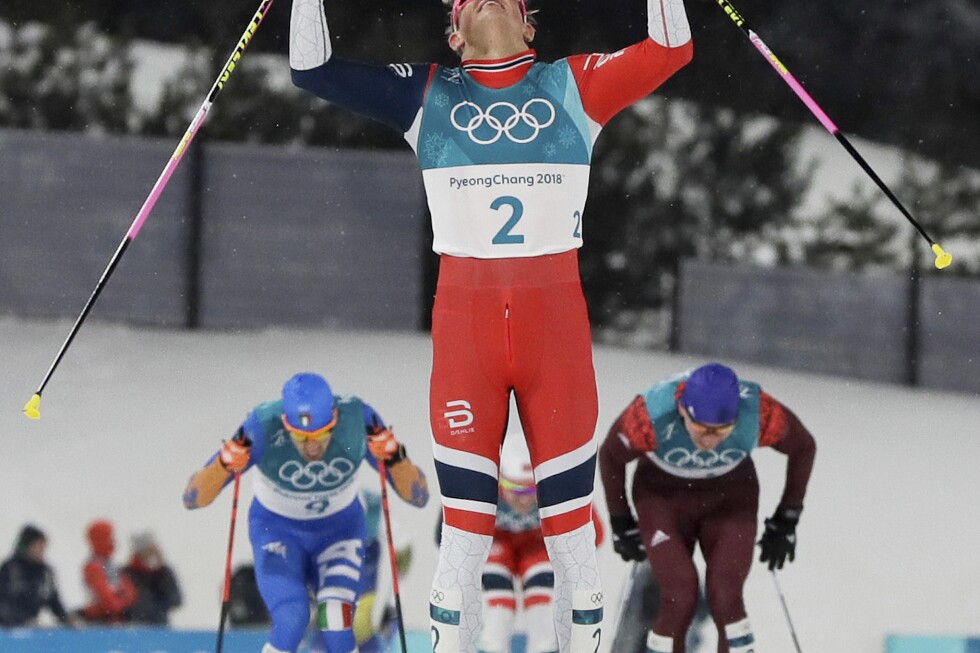
    CORTINA D’AMPEZZO, Italy — Norwegian cross-country skiing phenomenon Johannes Høsflot Klaebo has achieved a monumental milestone at the Milan Cortina Winter Olympics, securing his eighth career gold medal despite previously considering the 10-kilometer interval-start race his most challenging discipline.

    The 29-year-old champion executed his characteristic late-race acceleration to dominate Friday’s competition, completing the course in 20 minutes and 36.2 seconds. This victory places Klaebo in an elite tie with Norwegian legends Marit Bjørgen, Bjørn Dæhlie, and Ole Einar Bjørndalen for the most Winter Olympic gold medals in history.

    Competing under unusually warm conditions that prompted some athletes to race in minimal gear, Klaebo demonstrated strategic pacing by conserving energy during the initial phase before unleashing his powerful finish. The physical toll was evident as the skier collapsed into the snow immediately after crossing the finish line, later describing the achievement as “a special day” that left him “lost for words.”

    Klaebo now stands poised to break the record outright with three additional events scheduled at the Tesero Cross-Country Skiing Stadium.

    In other Olympic developments, Norwegian biathlete Strula Holm Laegreid captured his second bronze medal in four days during the sprint event, adopting a more reserved approach following his controversial personal disclosure earlier in the week. Meanwhile, Australian snowboarder Josie Baff claimed gold in women’s snowboardcross, marking Australia’s second gold medal of the Games following Cooper Woods’ earlier victory in men’s moguls.

  • Al Maya unveils next-generation, personalised shopping app

    Al Maya unveils next-generation, personalised shopping app

    Al Maya Group has unveiled a groundbreaking mobile application that represents a significant advancement in retail technology, merging sophisticated digital capabilities with personalized customer engagement. This innovative platform introduces a comprehensive omnichannel approach to grocery shopping, enabling consumers to access the entire product inventory of their local Al Maya store directly through their mobile devices.

    The application features an elegantly designed interface with intuitive navigation, providing shoppers with unprecedented transparency and convenience. Its core innovation lies in a highly localized promotional system that allows individual stores to create customized offers specifically tailored to their community’s preferences. Customers receive store-specific promotional codes, targeted discounts, and timely notifications about relevant deals from their preferred location.

    A strategic integration with WhatsApp establishes a seamless communication channel, where customers obtain promotional materials, vouchers, and exclusive codes through automated messaging services. The platform incorporates artificial intelligence to deliver personalized recommendations based on individual shopping patterns, complemented by dynamic pricing and time-sensitive flash deals.

    Advanced functionality includes smart cart technology that remembers frequently purchased items, streamlined reordering processes, and a secure multi-payment system supporting all major digital payment platforms. The app further enhances the shopping experience with real-time order tracking, wishlist management, smart shopping lists with reminder capabilities, and integrated loyalty rewards.

    The platform delivers a truly unified retail experience by synchronizing promotions, rewards, and offers across all channels including in-store, mobile application, and WhatsApp communications. A centralized e-wallet enables customers to accumulate and redeem rewards regardless of their shopping method, while flexible fulfillment options accommodate both home delivery and click-and-collect services.

    Kamal Vachani, Deputy CEO, Group Director and Partner of Al Maya Group, emphasized the transformative nature of the application: “We are establishing an interconnected ecosystem that positions the customer at the heart of every interaction. This initiative demonstrates our enduring dedication to innovation and personalized service while maintaining the trust and reliability that define the Al Maya brand.”

    This launch establishes a new standard in grocery retail by combining digital convenience with the trusted familiarity of physical stores, representing a major milestone in the group’s ongoing digital transformation journey.

  • BBC at memorial for Gen Z protesters after landmark election in Bangladesh

    BBC at memorial for Gen Z protesters after landmark election in Bangladesh

    In the wake of Bangladesh’s landmark general election, a poignant memorial has emerged at the former residence of Prime Minister Sheikh Hasina, now serving as a tribute to the Generation Z activists who lost their lives during the 2024 pro-democracy uprising. BBC South Asia correspondent Azadeh Moshiri recently documented the site, which has transformed into a powerful symbol of youth resistance and political sacrifice.

    The memorial stands as testament to the extraordinary protest movement that saw Bangladesh’s digitally-native youth challenge established political structures through both digital activism and street demonstrations. These demonstrations, characterized by their organic organization and social media coordination, represented one of the most significant challenges to the ruling government in recent years.

    Historical context reveals that the 2024 uprising marked a watershed moment in Bangladesh’s political landscape, with students and young professionals demanding electoral reforms, government transparency, and greater political freedoms. The conversion of the former prime ministerial residence into a memorial carries profound symbolic weight, representing both acknowledgment of past struggles and the enduring spirit of democratic aspiration.

    The creation of this memorial site following the recent election suggests a complex political reconciliation process, potentially indicating official recognition of the protest movement’s significance despite previous government opposition. International observers note that such memorialization could represent an important step in national healing while acknowledging the substantial role youth activism plays in shaping Bangladesh’s democratic future.

  • China to add 150,000 subsidized nursery care slots and scale up central financing

    China to add 150,000 subsidized nursery care slots and scale up central financing

    In a significant move to strengthen family support systems, China has announced plans to create 150,000 additional government-subsidized nursery care placements while substantially increasing central financial backing for affordable childcare services in 2026. The National Health Commission unveiled this initiative on Thursday as part of a comprehensive maternal and child health enhancement program.

    Fu Wei, Director of the Commission’s Department of Maternal and Child Health, revealed that the country successfully established 890,000 subsidized nursery slots throughout the previous year. The current year’s strategy will prioritize three key objectives: expanding the proportion of affordable childcare options, broadening service accessibility across regions, and elevating quality standards throughout the sector.

    The central government will implement strengthened financial mechanisms to support these developments, including the application of preferential utility rates—covering water, electricity, gas, and heating—for childcare facilities. Additional measures incorporate tax relief and fee reduction policies designed to ease operational burdens on service providers.

    In an innovative approach to holistic child development, maternal and child health centers alongside medical institutions are being encouraged to form collaborative partnerships with childcare providers. These alliances will facilitate the integration of professional health guidance into early childhood education environments.

    The nursery expansion constitutes one of ten priority tasks identified by the National Health Commission for the coming year. Complementary initiatives include equipping 1,000 township health centers and community health service facilities with specialized pediatric common disease care capabilities, establishing psychological clinics across 110 counties, and ensuring universal availability of weight management services at all tertiary general hospitals.

    Further medical system enhancements will see interoperable test result recognition between hospitals within the same city increase from 200 to 300 facilities. An additional 350 township or community health centers will receive equipment to provide hemodialysis services, while 10,000 medical institutions will create early pregnancy care clinics offering integrated support encompassing nutritional guidance, mental health services, and comprehensive consultation.

    In a parallel development commencing late February, China will initiate free human papillomavirus vaccinations for 13-year-old girls within its national immunization program. Weekend vaccination services will become universally available at all township and community health centers, significantly improving access for working families.

  • Ukrainian slider’s Olympics over as helmet appeal dismissed

    Ukrainian slider’s Olympics over as helmet appeal dismissed

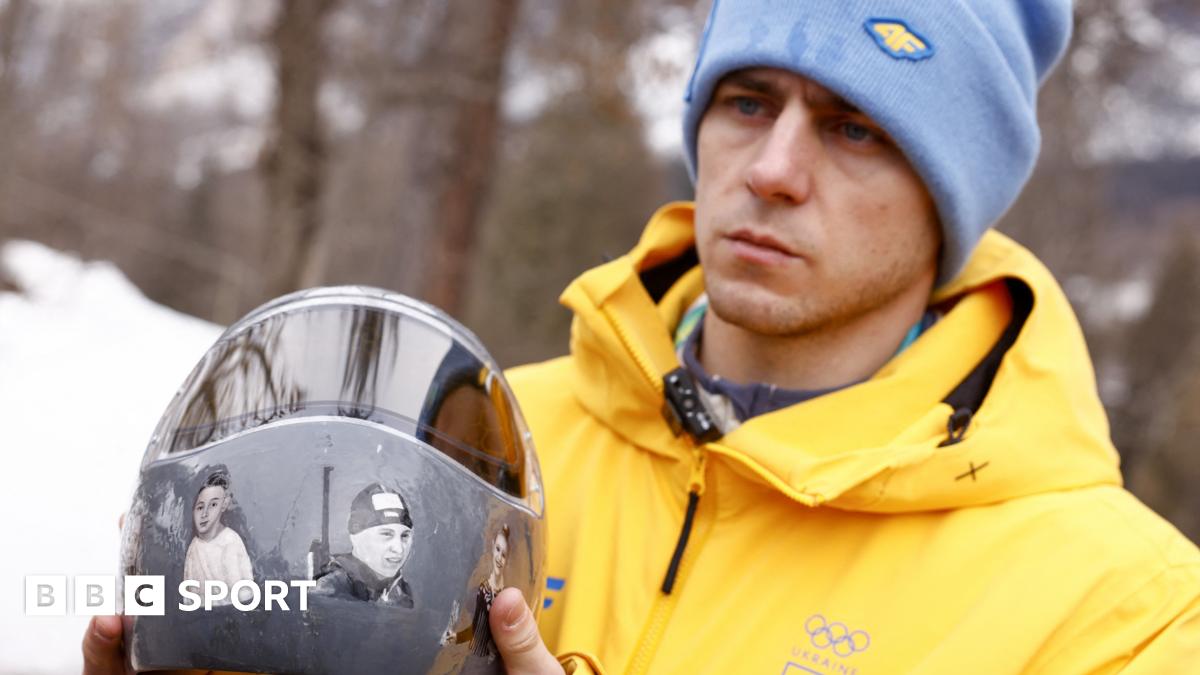
    In a controversial decision that has sparked international debate, Ukrainian skeleton racer Vladyslav Heraskevych has been officially barred from competing at the Winter Olympics following a ruling by the Court of Arbitration for Sport (CAS). The 26-year-old athlete’s appeal to wear a helmet memorializing athletes killed during Russia’s invasion of Ukraine was dismissed, ending his Olympic campaign.

    The conflict began when the International Olympic Committee (IOC) prohibited Heraskevych from competing after he wore the commemorative helmet during training sessions. IOC President Kirsty Coventry personally visited the athlete at Cortina’s sliding track in a final attempt to persuade him against wearing the helmet in competition, but Heraskevych remained steadfast in his position.

    CAS, while expressing sympathy for Heraskevych’s situation and acknowledging his right to freedom of expression, ultimately ruled that such demonstrations are not permitted ‘on the field of play.’ The court did however criticize the IOC’s initial withdrawal of the athlete’s accreditation, calling it ‘unfair under these circumstances’ and leading to its reinstatement.

    The IOC maintained that while Heraskevych could display his helmet in mixed zones, news conferences, and on social media, the competition area must remain ‘sacrosanct.’ This stance references the 2023 athlete expression guidelines that emphasize keeping the focus on athletic performance and maintaining the neutrality of Olympic sports.

    The Ukrainian athlete argued that his disqualification was disproportionate, citing examples like American figure skater Maxim Naumov who displayed a photograph of his deceased parents while awaiting scores. Heraskevych has accused the Milan-Cortina Games of facilitating ‘Russian propaganda,’ a sentiment echoed by Ukrainian President Volodymyr Zelensky who stated the IOC is ‘playing into the hands of the Russian aggressor.’

    Despite the ban, Heraskevych has received significant support from fellow Ukrainian athletes at the Games, with displays of solidarity including Alpine skier Dmytro Shepiuk showing a note reading ‘Ukrainian heroes with us’ and the Ukrainian mixed relay luge team taking the knee while holding their helmets aloft.

  • Fakeeh Health launches AI-enabled smart clinics supporting Dubai’s digital healthcare vision

    Fakeeh Health launches AI-enabled smart clinics supporting Dubai’s digital healthcare vision

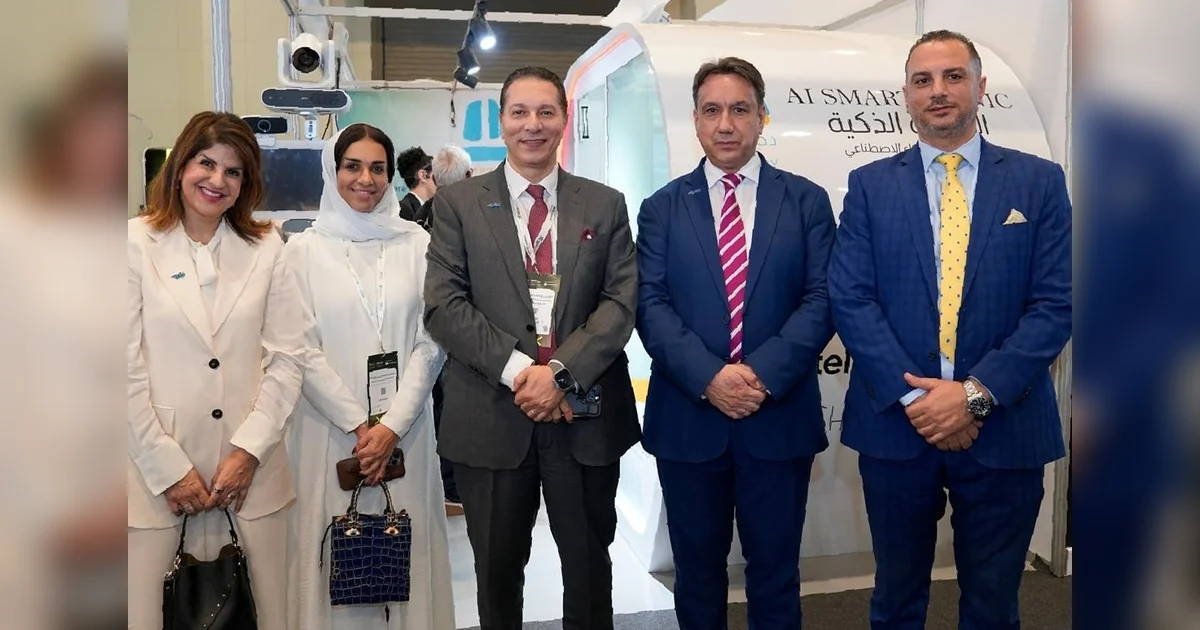
    Fakeeh Health has unveiled an innovative network of artificial intelligence-enhanced Smart Clinics, marking a significant advancement in community-based medical services throughout the United Arab Emirates. This pioneering initiative directly supports Dubai’s strategic vision for creating a digitally transformed, patient-focused healthcare ecosystem.

    Following the successful pilot implementation at JAFZA, the healthcare provider will systematically deploy these hybrid medical facilities across shopping complexes, corporate environments, and residential neighborhoods. This expansion strategy effectively brings hospital-caliber medical services beyond conventional clinical settings into the heart of local communities.

    The Smart Clinics feature fully-equipped medical capsules where patients receive comprehensive care from licensed Fakeeh Health physicians and multidisciplinary teams through secure virtual consultations. These advanced units integrate real-time vital-sign monitoring technology and maintain complete interoperability with Fakeeh Health’s electronic medical records system. Each virtual consultation operates under strict clinical governance protocols and maintains established referral pathways for seamless transition to in-person care at Fakeeh University Hospital when medically necessary.

    Fakeeh Health will oversee the complete patient experience, including insurance validation, appointment coordination, prescription management, and home medication delivery services. The clinics utilize AI-driven workflows supported by AISHA, an artificial intelligence health assistant, to optimize patient navigation and operational efficiency. Importantly, all medical accountability and clinical decision-making authority remains exclusively with licensed physicians.

    Dr. Mohaymen Abdelghany, Group CEO of Fakeeh Health UAE and CEO of Fakeeh University Hospital, emphasized: ‘This transformative initiative extends physician-directed, hospital-quality medical care directly into community settings while advancing Dubai’s digital healthcare objectives. Through the integration of real-time clinical data, comprehensive electronic medical records, and robust clinical governance frameworks, we are dramatically improving healthcare accessibility without sacrificing quality standards or patient safety.’