作者: admin

  • US eases Russia oil sanctions as Iran war pushes up energy prices

    US eases Russia oil sanctions as Iran war pushes up energy prices

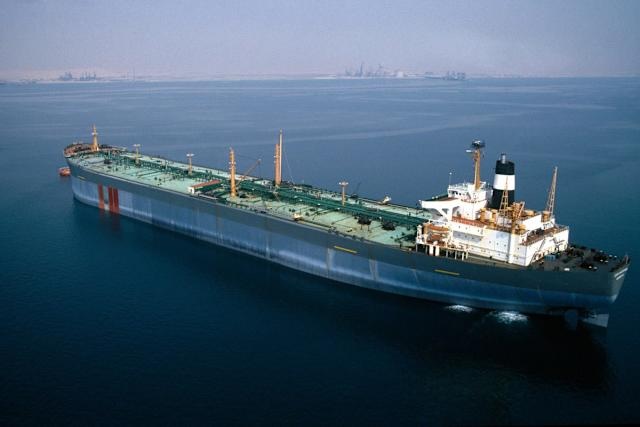
    In a significant policy shift amid escalating Middle East tensions, the United States has granted authorization for countries to purchase sanctioned Russian oil and petroleum products currently aboard vessels at sea. U.S. Treasury Secretary Scott Bessent announced this as a temporary measure designed to mitigate the severe economic disruptions caused by the U.S.-Israel conflict with Iran, particularly focusing on promoting stability within global energy markets. The authorization is set to remain in effect until April 11th.

    Secretary Bessent emphasized the narrowly tailored nature of this decision, stating, ‘This short-term measure applies only to oil already in transit and will not provide significant financial benefit to the Russian government.’ The move comes as a direct response to the dramatic upheaval in energy supply chains. Recent attacks on commercial shipping and energy infrastructure in the Gulf, coupled with the effective closure of the critical Strait of Hormuz—a chokepoint for roughly one-fifth of the world’s oil supply—have sent shockwaves through markets.

    The impact was immediately felt as oil prices surged back above $100 per barrel, triggering a downturn in global stock markets. This spike followed reports of three additional cargo vessels being struck in the Gulf and a vow from Iran’s new supreme leader to continue blocking the vital waterway. While prices showed slight stabilization in early Asian trading on Friday, with Brent crude dipping 0.2% to $100.29, the week’s overall volatility prompted a coordinated international response.

    The International Energy Agency (IEA) announced plans to release a record 400 million barrels of oil from emergency reserves to calm markets. Simultaneously, major Asian oil-importing nations have implemented a series of emergency measures. The Philippines, which sources approximately 95% of its crude from the Middle East, has mandated a four-day workweek for public sector employees to conserve fuel. Japan, South Korea, and Thailand have all instituted price caps on petrol to shield consumers from soaring costs.

    Looking forward, Secretary Bessent framed the current price instability as a ‘short-term and temporary disruption,’ asserting that the long-term strategic benefits for the U.S. and its allies would be substantial. He also confirmed that the U.S. government is preparing to commence military escorts for commercial vessels through the Strait of Hormuz. ‘The possible need for a military escort was always in our planning,’ Bessent stated, adding that the operation would begin ‘as soon as it is militarily possible to ensure safe passage.’
  • French soldier killed in attack in Iraqi Kurdistan

    French soldier killed in attack in Iraqi Kurdistan

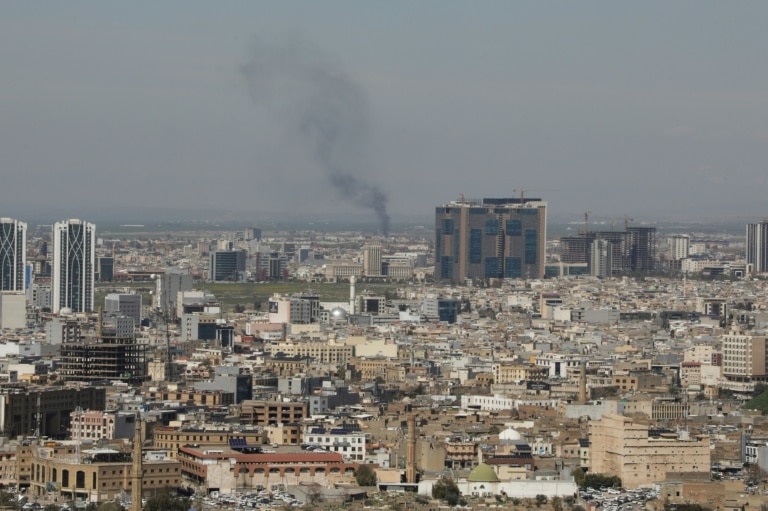
    A French military serviceman has been killed in a drone attack targeting an international coalition base in Iraq’s autonomous Kurdistan region, marking the first French combat fatality since the recent escalation of Middle East hostilities. President Emmanuel Macron confirmed the death occurred during an assault on a base in the Erbil region where French troops were conducting counter-terrorism training with Iraqi partners.

    The attack, which involved multiple drones according to local officials, struck the Mala Qara base approximately 40 kilometers from Erbil’s regional capital. Several other French soldiers sustained injuries in the assault, though specific numbers remain unconfirmed. The incident follows a pattern of increased attacks against international forces in the region since U.S.-Israeli strikes on Iran last month triggered broader regional conflict.

    President Macron characterized the attack as ‘unacceptable’ while emphasizing that France’s military presence in Iraq operates ‘within the strict framework of the fight against terrorism.’ He stated that the war in Iran does not justify such attacks against coalition forces. The French military maintains that their mission remains strictly defensive despite the escalating violence.

    This incident parallels a recent drone strike targeting an Italian military base in the same region, though no casualties were reported in that attack. Italy has subsequently announced the temporary withdrawal of its personnel from the base. The international coalition, led by Washington, continues to train Kurdish security forces in counter-terrorism operations despite the deteriorating security situation.

    The identity of the attackers remains officially unconfirmed, though regional analysts attribute the pattern of attacks to pro-Iranian factions operating in Iraq. The French government has vowed to continue its counter-terrorism mission while enhancing protective measures for its deployed personnel.

  • ‘Say a prayer and send it’: Paralympic alpine skiers tackle fear

    ‘Say a prayer and send it’: Paralympic alpine skiers tackle fear

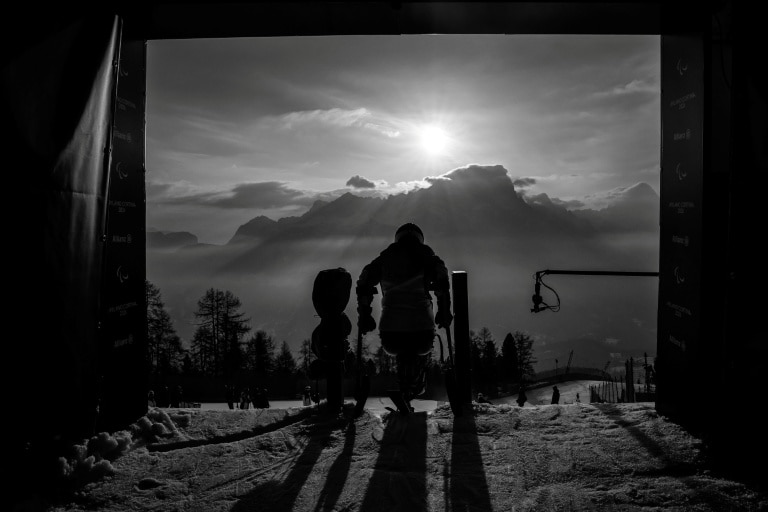
    MILAN-CORTINA – Athletes competing in the Paralympic alpine skiing events are demonstrating extraordinary courage as they navigate treacherous slopes at speeds exceeding 100 kilometers per hour, despite physical impairments including limb differences and visual disabilities. The competition, divided into three classifications—visually impaired, standing, and sitting—showcases remarkable athleticism and mental fortitude.

    Visually impaired skiers rely on guides and radio communication to navigate the course, with some wearing blacked-out goggles to ensure fair competition. Meanwhile, many competitors in standing and sitting categories ski with one or more limbs absent. The downhill event, renowned for its extreme velocity, presents a unique set of psychological and physical challenges.

    American skier Meg Gustafson, 16, who is classified as AS4 due to her limited vision, described the sensation of racing as akin to ‘flying.’ Before each run, she admits, ‘I say a little prayer and then I send it.’ Her teammate, Allie Johnson, 31, acknowledged the fear involved, stating, ‘Being scared and doing things scared—that’s what it is to me.’

    Even seasoned athletes are not immune to mishaps. American sitting skier Anna Soens experienced a crash during her Paralympic debut, later quipping that the lesson was to ‘land straighter.’ Swedish gold medalist Ebba Aarsjoe emphasized the razor-thin margin for error, noting that imprecise technique can lead to disastrous outcomes.

    The risks are substantial—high-speed accidents can result in severe injuries, as evidenced by Olympic skier Lindsey Vonn’s recent near-amputation on the same course. Yet, for athletes like Australia’s Michael Milton, 52, who returned from retirement, the adrenaline and emotional intensity are irresistible. ‘It’s the feeling of standing at the start… and then overcoming that fear,’ he explained.

    For Slovakia’s Alexandra Rexova, a double bronze medalist, skiing has been transformative. ‘It opened new doors for me,’ the 20-year-old said. ‘I’m glad I can race here… and survive.’

  • Fantastic Mr Stowaway: fox sails from Britain to New York port

    Fantastic Mr Stowaway: fox sails from Britain to New York port

    In an extraordinary case of animal migration, a red fox successfully completed a transatlantic journey as a stowaway aboard a cargo ship traveling from Southampton, England to the Port of New York and New Jersey. The remarkable discovery was confirmed by the Bronx Zoo, which reported that customs officials detected the unexpected passenger upon the vessel’s arrival.

    The approximately two-year-old male fox, weighing 11 pounds, managed to board the international vessel undetected and survived the lengthy ocean crossing. According to zoo representatives, the animal is currently in good condition despite its unauthorized adventure. Veterinary professionals are conducting comprehensive health assessments to ensure the fox hasn’t contracted any diseases during its journey.

    This incident highlights the ongoing collaboration between the Bronx Zoo and port authorities in rescuing wildlife that moves through New York’s transportation hubs. While the zoo confirmed the animal’s current well-being, officials are now seeking a permanent appropriate habitat for the transatlantic traveler once medical clearance is obtained.

    The red fox (Vulpes vulpes) represents one of the world’s most widespread carnivorous mammals, with native populations spanning Europe, Asia, North America, and parts of Africa. Britain specifically maintains one of the highest-density urban fox populations globally, with academic research estimating tens of thousands inhabiting British cities. These adaptable creatures have increasingly become part of urban landscapes since the 1930s, as expanding city boundaries encroached upon their traditional rural territories.

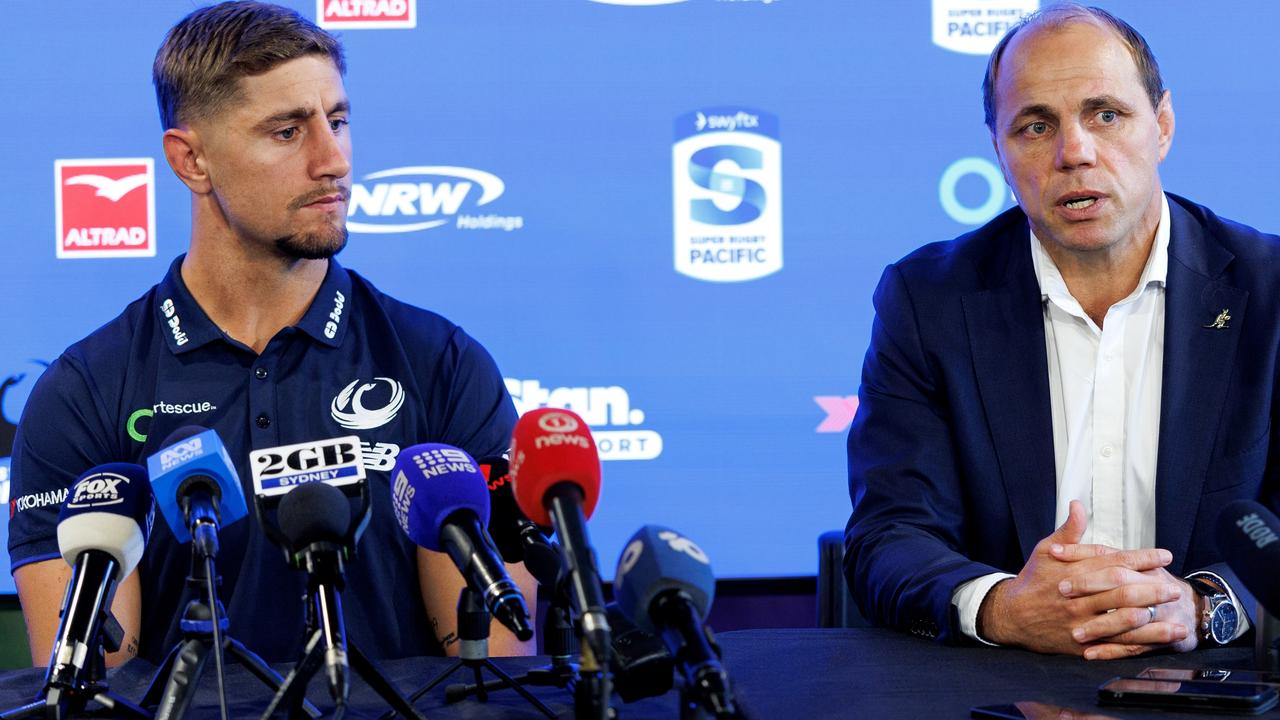
  • ‘We’ve lost one hell of a player’: Craig Bellamy unimpressed with Zac Lomax’s code switch

    ‘We’ve lost one hell of a player’: Craig Bellamy unimpressed with Zac Lomax’s code switch

    Melbourne Storm coach Craig Bellamy has expressed profound disappointment over the departure of star player Zac Lomax from the National Rugby League (NRL), characterizing it as a significant loss for the sport. Lomax’s move to Super Rugby’s Western Force, confirmed on Monday with a two-year contract, concludes a protracted contractual dispute that initially appeared destined to bring him to Melbourne.

    The situation originated when Lomax secured an early release from the Parramatta Eels, just one season into a four-year agreement, under the presumption he would join the proposed R360 competition. However, the league’s postponement until 2028 left the player in professional limbo. A specific clause in his release agreement prohibited him from signing with any rival NRL club without Parramatta’s explicit consent, ultimately thwarting Melbourne’s pursuit despite their offer of financial compensation to the Eels.

    Bellamy acknowledged understanding Lomax’s frustration while lamenting the outcome. “It’s a shame that we lost him,” the veteran coach stated. “I don’treally know what happened at the end there, but I can understand his frustration and I can understand him leaving our game. I think we’ve lost one hell of a player to another code when we didn’t really have to. But even more importantly, we lost a really good person in our code.”

    Despite missing Lomax’s potential contribution to their backline, the Storm demonstrated resilience in their season opener with a commanding victory over Parramatta. Emerging talent Sua Fa’alogo delivered an impressive performance at fullback, filling the void left by Ryan Papenhuyzen’s retirement. Bellamy attributed Fa’alogo’s success to significantly improved fitness levels, noting that the position demands exceptional endurance and that the young player returned to camp in markedly better condition this season.

    Looking ahead, Melbourne faces a challenging encounter against the St. George Illawarra Dragons in Wollongong. The Dragons seek redemption after a narrow golden-point defeat to the Bulldogs in Las Vegas, and historically they have proven formidable opponents for the Storm, having secured victories in their two most recent meetings. Bellamy identified Dragons playmakers Clint Gutherson and Damien Cook as particular threats, emphasizing the need for defensive improvements following their first-round performance.

  • Iran war brings history’s largest oil supply disruption, says IEA

    Iran war brings history’s largest oil supply disruption, says IEA

    The International Energy Agency (IEA) declared on Thursday that military actions against Iran have triggered the most severe supply disruption in global oil market history. According to the agency’s monthly market assessment, joint U.S.-Israeli airstrikes initiated on February 28 have created unprecedented volatility, with Brent crude futures approaching $120 per barrel amid critical supply chain interruptions.

    The strategic Strait of Hormuz, traditionally facilitating approximately 20% of global oil transit, has experienced catastrophic declines in tanker traffic. Gulf nations are now compelled to slash production capacities as storage facilities reach maximum capacity. IEA Executive Director Fatih Birol characterized the situation as requiring “emergency collective action of unprecedented size” as 32 member nations unanimously agreed to release 400 million barrels from strategic petroleum reserves.

    Market tensions intensified substantially when Iran’s new Supreme Leader Mojtaba Khamenei vowed to maintain the Strait’s closure indefinitely. Concurrently, Iraq suspended all terminal operations following attacks on two vessels off its coast, with Iranian forces claiming responsibility for targeting a U.S.-affiliated tanker.

    The conflict’s environmental consequences have raised international concern, as the World Health Organization warned populations about exposure to toxic chemicals from black rain and acidic precipitation resulting from bombed energy infrastructure. Amnesty International’s regional director Heba Morayef emphasized that attacks on energy installations potentially violate international humanitarian law, creating “devastating civilian harm including uncontrolled fires, essential service disruptions, and severe long-term health risks for millions.”

    The convergence of supply constraints, military actions, and environmental hazards has created a multidimensional crisis with far-reaching implications for global energy security and economic stability.

  • A young party led by a rapper wins a huge mandate – and Nepal steps into the unknown

    A young party led by a rapper wins a huge mandate – and Nepal steps into the unknown

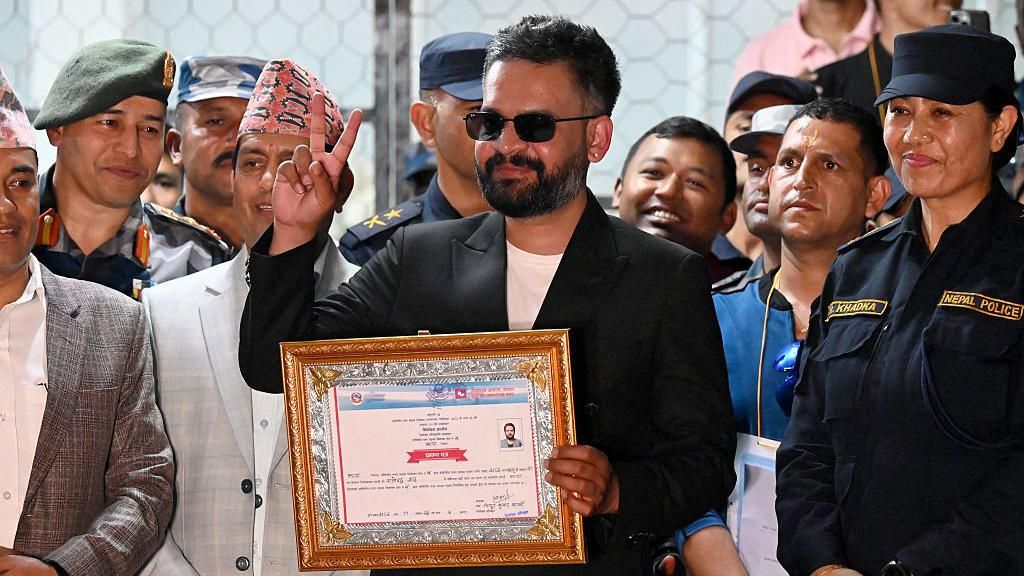
    Nepal stands at a political crossroads following a seismic electoral shift that has fundamentally reshaped the nation’s governance landscape. The Rastriya Swatantra Party (RSP), led by rapper-turned-politician Balendra Shah, has achieved an unprecedented majority victory, overturning decades of established political dominance in a stunning display of public discontent.

    The four-year-old party’s triumph represents a profound rejection of Nepal’s political establishment, symbolized by Shah’s personal victory over former Prime Minister KP Sharma Oli in Jhapa 5—a constituency long considered an Oli stronghold. This electoral earthquake has shattered entrenched power structures and propelled a movement built on anti-corruption sentiment and demands for systemic reform into the highest echelons of government.

    Despite the jubilation among RSP supporters who expressed exhaustion with perceived corruption and political paralysis, the victory introduces significant governance uncertainties. The party now faces the formidable challenge of transitioning from a campaigning force to a governing entity while managing extraordinarily high public expectations for rapid transformation.

    Key policy priorities outlined by the RSP include comprehensive anti-corruption measures, judicial reform, and economic revitalization. The party has pledged to investigate assets accumulated by political figures since the 1990s, with promises to nationalize illegally acquired properties. Judicial reforms would eliminate political appointments of judges and potentially introduce live-streamed trials to enhance transparency.

    Economic challenges present particularly daunting obstacles. With youth unemployment hovering around 20% and approximately three million Nepalis working overseas, the RSP has committed to achieving 7% annual GDP growth to transform Nepal into a $100 billion economy within five to seven years. However, World Bank projections indicate growth of only 4.6% for 2025, with forecasts suggesting further slowing due to political instability, tourism declines, and natural disasters.

    The Middle East conflict introduces additional economic vulnerability, as remittances from Nepali workers abroad constitute over a quarter of the nation’s GDP. Any disruption to these financial flows could create severe economic consequences.

    Internally, the RSP must maintain cohesion among its diverse parliamentary representatives who lack extensive governance experience. Constitutional expert Bipin Adhikari notes that the party’s ‘very new’ politicians without ‘background in statecraft’ may struggle with unified governance implementation.

    Geopolitical navigation presents another critical challenge. Wedged between India and China, Nepal must maintain balanced relationships with both regional powers while adhering to its constitutional mandate against security partnerships. The United States’ watchful presence adds another layer of diplomatic complexity to an already challenging foreign policy landscape.

    As the RSP assumes leadership, the party confronts the immense responsibility of delivering tangible results to a population that has demonstrated both its hunger for change and its willingness to hold leadership accountable. The coming months will test whether this political movement can transform revolutionary energy into effective governance.

  • Neo-Nazi Jacob Hersant out of jail after Nazi salute sentence

    Neo-Nazi Jacob Hersant out of jail after Nazi salute sentence

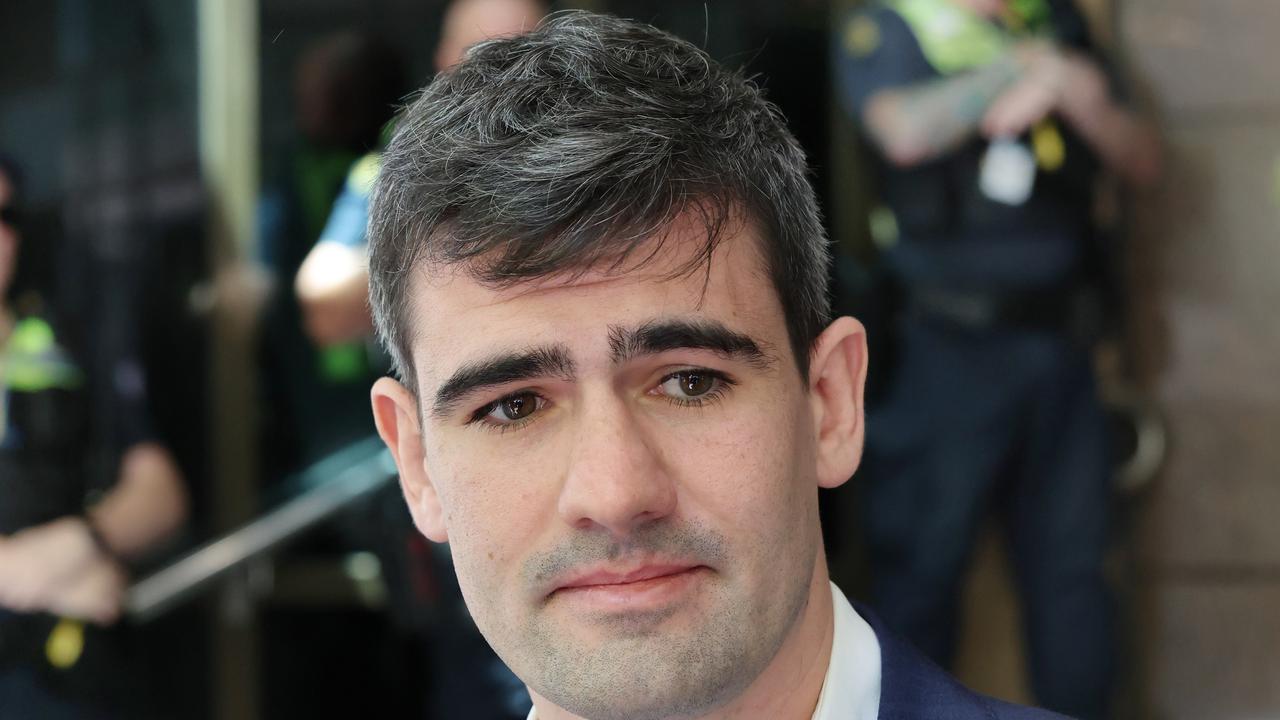
    Jacob Hersant, a 26-year-old Melbourne-based neo-Nazi, has been released from custody after completing a one-month prison sentence. His incarceration marked a historic first in Australia, stemming from a conviction for performing a Nazi salute in public—an act recently criminalized in the state of Victoria. Hersant executed the gesture directly before television cameras outside the County Court of Victoria on October 27, 2023, deliberately flouting the new legislation just days after its enactment.

    Emerging from confinement, Hersant expressed no remorse for his actions, a stance consistent with his previous declaration, “I am a Nazi.” His legal troubles, however, are far from over. On Friday, he appeared in Melbourne Magistrates’ Court concerning separate allegations of “grossly offensive public conduct” related to an incident on Halloween 2024. Hersant and an associate, Nathan Bull, 24, are accused of verbally abusing members of the public while allegedly dressed in highly offensive costumes; Hersant as a Ku Klux Klan member and Bull in blackface with a noose around his neck.

    This court appearance was adjourned until April due to a scheduling discrepancy with his co-accused’s case. A former leader of the now-disbanded National Socialist Network, a neo-Nazi group, Hersant also has a prior criminal history, having previously pleaded guilty to a violent disorder charge for a group assault on hikers in 2021. Despite his mounting legal challenges, Hersant remarked outside court that he had been ‘productive’ during his jail term and anticipates further guilty verdicts in his ongoing cases.

  • Qantas agrees to pay $74m over Covid-19 travel voucher refunds

    Qantas agrees to pay $74m over Covid-19 travel voucher refunds

    Australian national carrier Qantas Airways has reached a landmark settlement of A$105 million (approximately £55 million or $74 million) to resolve a class action lawsuit concerning its refund practices during the COVID-19 pandemic. The legal action was initiated on behalf of passengers whose flights were cancelled between 2020 and 2022, alleging the airline improperly issued travel credits instead of providing timely cash refunds.

    Echo Law, the firm leading the class action, asserted that Qantas engaged in misleading conduct by withholding refunds that customers were legally entitled to receive. The settlement amount nearly doubles the A$55 million that Qantas had previously anticipated paying, as indicated in its February financial reports. Notably, the airline agreed to the settlement without admitting liability, maintaining this position in its Friday statement.

    The resolution awaits formal court approval, after which detailed claim procedures will be communicated to affected customers. This development follows Qantas’s 2023 policy change removing expiration dates from pandemic-era flight credits, enabling immediate cash refund requests.

    In a related legal matter, Echo Law is pursuing similar action against budget carrier Jetstar, alleging comparable practices regarding travel credit valuations. Meanwhile, Qantas continues to address recent regulatory challenges, including a record A$90 million fine imposed in August 2025 for unlawfully terminating approximately 1,800 ground staff during the pandemic—the largest penalty ever levied by Australian courts for industrial relations violations. CEO Vanessa Hudson has publicly apologized for the workforce reductions, acknowledging the harm caused to employees and their families.

  • Netflix announces KPop Demon Hunters’ sequel

    Netflix announces KPop Demon Hunters’ sequel

    Netflix has officially confirmed production of a sequel to its record-breaking animated feature ‘KPop Demon Hunters,’ the platform’s most-watched film in history. The announcement arrives amid significant awards season momentum for the original production, which has received two Oscar nominations ahead of Sunday’s Academy Awards ceremony.

    The sequel represents the inaugural project under co-directors Maggie Kang and Chris Appelhans’ newly signed exclusive multi-year creative partnership with Netflix. This strategic collaboration signals the streaming giant’s continued investment in animated content with global appeal.

    The original Sony Pictures production, which follows fictional K-pop girl group Huntr/x as they navigate dual lives as pop idols and supernatural demon hunters, has achieved remarkable critical and commercial success. The film’s soundtrack has already made music history, with the song ‘Golden’ securing a Grammy Award for Best Song Written for Visual Media—marking the first time a K-pop composition has received this prestigious honor.

    Director Maggie Kang expressed profound cultural significance in the project’s continuation, stating via Netflix’s social media announcement: ‘I feel immense pride as a Korean filmmaker that the audience wants more from this Korean story and our Korean characters. There’s so much more to this world we have built and I’m excited to show you. This is only the beginning.’

    The sequel decision demonstrates Netflix’s commitment to expanding successful intellectual properties while celebrating diverse cultural narratives. The combination of K-pop’s global popularity with supernatural animation elements has proven to be a winning formula that resonates across international markets.