作者: admin

  • Eileen Gu says she’s disappointed she can’t get help with her packed Olympic schedule

    Eileen Gu says she’s disappointed she can’t get help with her packed Olympic schedule

    LIVIGNO, Italy — Olympic freeskier Eileen Gu has publicly expressed disappointment with the International Ski and Snowboard Federation (FIS) over scheduling conflicts that prevent her from receiving equal training time for her third event at the Milan Cortina Winter Games. The 22-year-old phenom, who competes for China despite being born in the United States, is the only female athlete attempting all three freeskiing disciplines: slopestyle, halfpipe, and big air.

    The conflict arises because Monday’s big air final overlaps with the first of three scheduled halfpipe training sessions. Gu, who already secured silver in slopestyle earlier in the week, reached out to FIS officials seeking accommodation that would allow her the same practice opportunities as other halfpipe competitors. She proposed compromises including joining snowboarders’ training sessions, but FIS declined, stating that making exceptions for one athlete would be unfair to others.

    “I’m disappointed in FIS,” Gu stated. “I think the Olympics should epitomize aspiration, and being able to do something beyond the ordinary should be celebrated instead of punished.”

    FIS spokesman Bruno Sassi acknowledged the organization has “made every effort to facilitate the best possible training” for athletes, but noted that “for athletes who choose to compete in multiple disciplines, conflicts can sometimes be inevitable.”

    The scheduling issue highlights a recurring challenge for multi-discipline athletes at the Games. Earlier in these Olympics, Ester Ledecka faced a similar dilemma, ultimately choosing to defend her snowboard title rather than compete in her preferred skiing event.

    Gu faces particular challenges with the halfpipe event, which she hasn’t skied since a World Cup event in December. Of her 20 World Cup victories, 15 have come in halfpipe, which she describes as fundamentally different from big air and slopestyle. “It’s like sprinting and a marathon,” she explained. “They’re both running but completely different sports.”

    The three-medal hopeful nearly didn’t qualify for the big air final after falling during her second jump, making her final attempt crucial. Despite the pressure, she advanced, demonstrating her championship mentality.

    With the halfpipe qualifiers scheduled for Thursday and finals on Saturday, Gu’s schedule remains exceptionally demanding regardless of the training conflict. She will headline the final medal event in the action-sports park, potentially capping what could be another historic three-medal performance following her triple podium finish at the Beijing Games.

  • Nvidia CEO Huang won’t attend India AI summit next week, company says

    Nvidia CEO Huang won’t attend India AI summit next week, company says

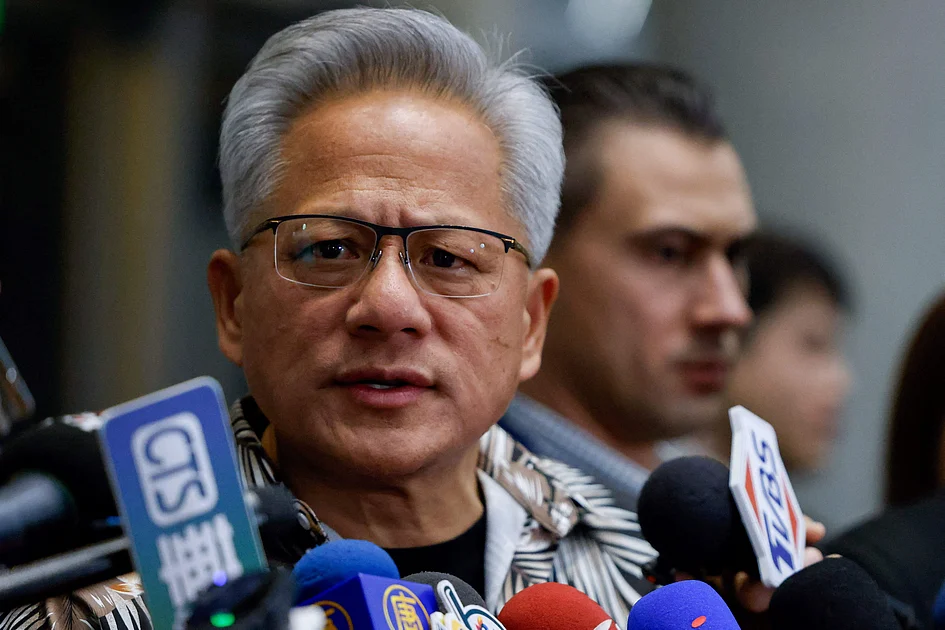
    In a significant development for the upcoming India AI Impact Summit, Nvidia Corporation announced on Saturday that its high-profile CEO Jensen Huang will not be attending the prestigious technology gathering scheduled for next week. The summit, which will be formally inaugurated by Indian Prime Minister Narendra Modi on Thursday, was expected to feature Huang as one of its most anticipated participants.

    According to communications from MSL, Nvidia’s media representation agency in India, unforeseen circumstances have compelled Huang to cancel his planned appearance. The technology executive was scheduled to address media representatives in New Delhi on Wednesday prior to the main summit events.

    The absence of the Nvidia chief executive represents a notable change for the landmark artificial intelligence conference, which anticipates attendance from numerous global technology industry leaders and political figures. Huang’s participation had been widely anticipated given Nvidia’s dominant position in the artificial intelligence hardware sector and India’s growing significance as a technology market.

    This development occurs against the backdrop of increasing global competition in artificial intelligence development and India’s concerted efforts to establish itself as a major player in the AI ecosystem. The summit remains positioned as a crucial platform for discussing India’s artificial intelligence strategy and fostering international collaboration in technological innovation.

  • American Jeremy Swayman allows a long-distance goal against Denmark at the Olympics

    American Jeremy Swayman allows a long-distance goal against Denmark at the Olympics

    In a stunning Olympic hockey moment that evoked memories of historic upsets, Denmark seized a surprise 2-1 lead against the heavily favored United States team following an extraordinary 95-foot goal that beat Boston Bruins goaltender Jeremy Swayman during Saturday night’s preliminary round match.

    The remarkable sequence occurred just past the midpoint of the first period when Danish defenseman Nicholas B. Jensen launched a seemingly routine shot from beyond the center red line. Swayman, appearing to lose sight of the puck, misjudged the trajectory as the shot sailed over his right shoulder into the net. The goal marked only Jensen’s fourth in 11 years of international competition.

    NBC analyst and former NHL goaltender Brian Boucher speculated during the broadcast that the arena’s dark board coloring may have contributed to Swayman’s visual challenges in tracking the unexpected shot.

    The bizarre play immediately drew comparisons to one of international hockey’s most famous upsets: Belarusian forward Vladimir Kopat’s game-winning goal against Sweden’s Tommy Salo from center ice during the 2002 Salt Lake City Olympics quarterfinals.

    U.S. head coach Mike Sullivan had implemented a strategic goaltending rotation for the tournament’s demanding schedule, selecting Swayman for the Denmark matchup while preserving reigning NHL MVP Connor Hellebuyck (Winnipeg Jets) for Sunday’s round-robin finale against Germany. Jake Oettinger (Dallas Stars) completed the American goaltending trio.

    Swayman entered the Olympics boasting arguably the strongest NHL season credentials among the three netminders, having recently backstopped Team USA to victory at the world championships. Hellebuyck brings Vezina Trophy-winning pedigree, while Oettinger has demonstrated playoff excellence with three consecutive Western Conference final appearances.

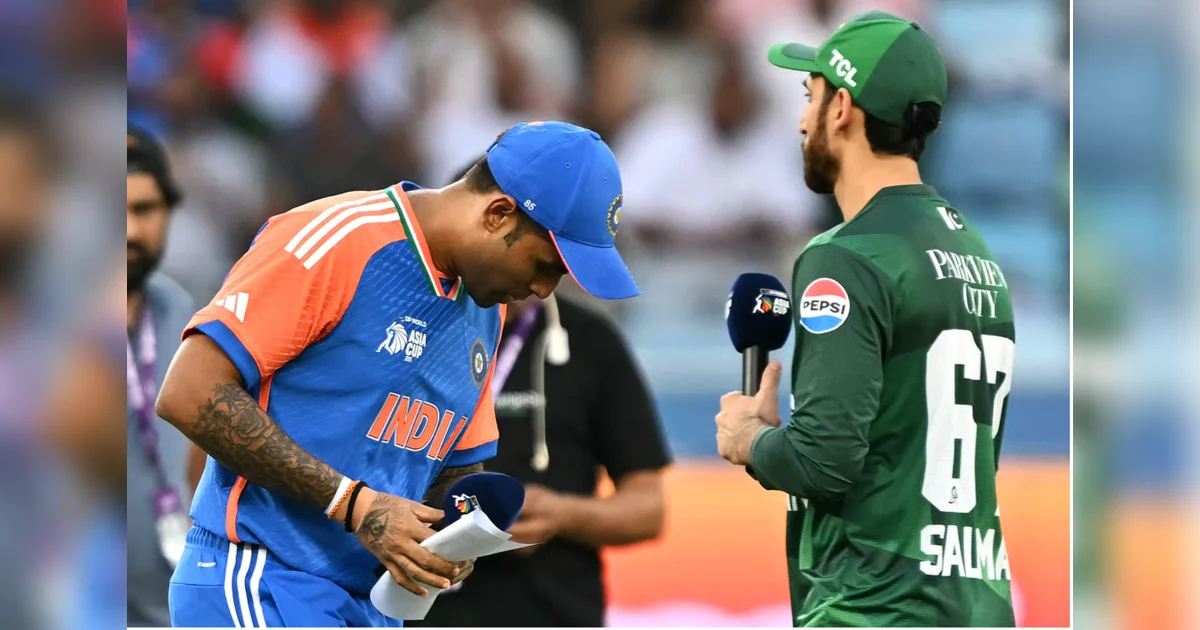
  • What happens if rain washes out India-Pakistan T20 World Cup match?

    What happens if rain washes out India-Pakistan T20 World Cup match?

    The cricketing world’s most anticipated rivalry faces potential disruption as meteorological forecasts predict significant rainfall in Colombo during Sunday’s India-Pakistan T20 World Cup encounter. This high-stakes match, renowned for generating unprecedented global television audiences, now confronts the very real possibility of weather interference.

    Both teams currently maintain unbeaten records in the Group Stage, with India leading the table followed closely by Pakistan. Should persistent precipitation prevent play, tournament regulations stipulate that both sides would divide the available points. This outcome would leave both nations tied at five points each, though India would retain top position due to superior net run rate calculations.

    Such a scenario would simultaneously guarantee both teams’ advancement to the tournament’s next phase, as no other competing side could mathematically reach the five-point threshold. The potential washout raises pressing questions about contingency planning for matches of this magnitude.

    Cricket enthusiasts and analysts are debating whether the International Cricket Council should institute reserve days for high-profile group matches, given the extraordinary commercial and viewership impact of India-Pakistan fixtures. Currently, ICC protocols only designate backup days for knockout stage matches—specifically semifinals and finals—to maintain competitive equity across all participating teams.

    The implementation of selective reserve days presents complex logistical challenges and ethical considerations regarding fair treatment of all competing nations. As the cricketing community monitors Colombo’s skies, the discussion continues regarding whether commercial considerations should influence tournament scheduling protocols.

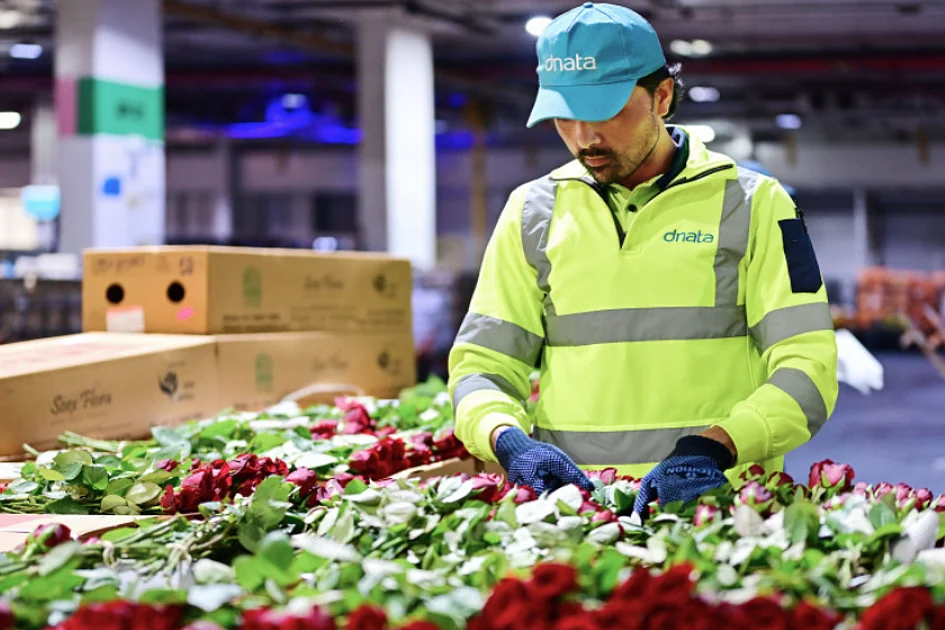
  • Dubai Flower Centre: UAE’s dnata handles 227,000kg of Valentine’s Day flowers in 5 days

    Dubai Flower Centre: UAE’s dnata handles 227,000kg of Valentine’s Day flowers in 5 days

    Dubai’s strategic position in global floral logistics was demonstrated as dnata, a premier air services provider, managed an extraordinary 227,530 kilograms of Valentine’s Day blossoms through its specialized Dubai Flower Centre facility between February 7-11, 2026. This massive volume—transported via 274 separate shipments containing over 18,700 boxes—represented a substantial increase over typical operational periods, with February 10 alone seeing 59,800kg processed, more than double normal daily capacity.

    The floral influx originated primarily from Colombia, Ecuador, Ethiopia, Kenya, and the Netherlands, with traditional red roses maintaining their dominance in seasonal demand despite significant quantities of hydrangeas, chrysanthemums, and orchids passing through the facility. dnata’s purpose-built 3,500 square meter perishables center features advanced temperature-controlled zones, rapid airside transfer corridors, and specialized handling systems specifically engineered for time-sensitive cargo.

    With capacity to process up to 400,000kg of perishables daily, the facility operated with over 50 trained cargo professionals working around the clock during this peak period. Guillaume Crozier, dnata’s Chief Cargo Officer, emphasized: “Valentine’s Day represents one of our most intensive floral logistics windows. Our coordinated efforts with airline partners, exporters, and supply chain stakeholders ensure shipments move through Dubai with maximum efficiency while maintaining the highest standards for perishable care.”

    This operation underscores Dubai’s continuing role as a critical global transit hub connecting flower growers across Africa, Europe, and Asia with markets throughout the Middle East and beyond.

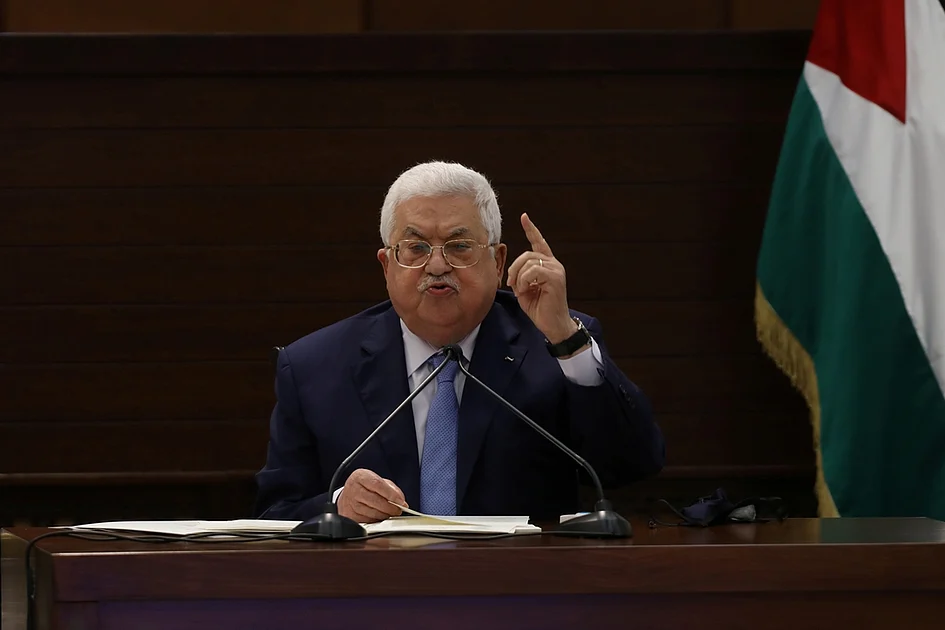
  • Palestinian leader urges removal of all Israeli ‘obstacles’ on Gaza ceasefire

    Palestinian leader urges removal of all Israeli ‘obstacles’ on Gaza ceasefire

    Speaking at the African Union summit in Addis Ababa on Saturday, Palestinian President Mahmoud Abbas issued a forceful appeal for Israel to remove what he characterized as deliberate obstructions hindering the implementation of the second phase of the US-backed Gaza ceasefire. The address, delivered on his behalf by Prime Minister Mohammed Mustafa, underscored escalating tensions surrounding the fragile truce that took effect in October.

    Abbas explicitly accused Israel of persistent violations of the agreement, stating that these actions have resulted in more than 500 Palestinian fatalities since the ceasefire was announced. He emphasized that these casualties directly threaten the durability of the truce and the successful execution of its subsequent phases. The Palestinian leader identified the removal of Israeli-imposed obstacles as essential to ensuring the continuity of humanitarian services, coordinating aid efforts, and enabling a swift recovery in the devastated territory.

    Central to the dispute is the operation of a technocratic committee established to oversee Gaza’s day-to-day governance. Abbas revealed that fifteen Palestinian experts appointed to this committee remain based in Egypt, unable to fully assume their duties despite the partial reopening of the Rafah border crossing on February 2. This crossing represents Gaza’s sole access point to the outside world that doesn’t transit through Israeli territory.

    The ceasefire agreement, brokered by the United States and endorsed by the United Nations in November, stipulates that its second phase requires the gradual withdrawal of Israeli forces from Gaza alongside the disarmament of Hamas, with an international stabilization force deployed to ensure security. However, the implementation has stalled amid mutual accusations of violations. Hamas maintains that complete disarmament represents a ‘red line,’ though the group has indicated potential willingness to transfer weapons to a future Palestinian governing authority. Meanwhile, the Israeli military continues to control over half of the Gaza Strip, with both sides trading daily allegations of ceasefire breaches.

  • US preparing for potential weeks-long military campaign against Iran: Report

    US preparing for potential weeks-long military campaign against Iran: Report

    Senior U.S. defense officials have confirmed that military strategists are developing plans for a potential extended offensive against Iran, should President Donald Trump authorize such action. These preparations, discussed anonymously due to the sensitive nature of the information, acknowledge the high probability of significant Iranian counterstrikes that could ignite a major regional conflict far exceeding previous confrontations in scale and severity.

    The contemplated military operation would extend beyond targeting nuclear facilities to include Iranian state security infrastructure, marking an escalation from last year’s strikes which primarily focused on nuclear sites. This strategic shift occurs amid deteriorating diplomatic relations and increasingly bellicose rhetoric from both nations.

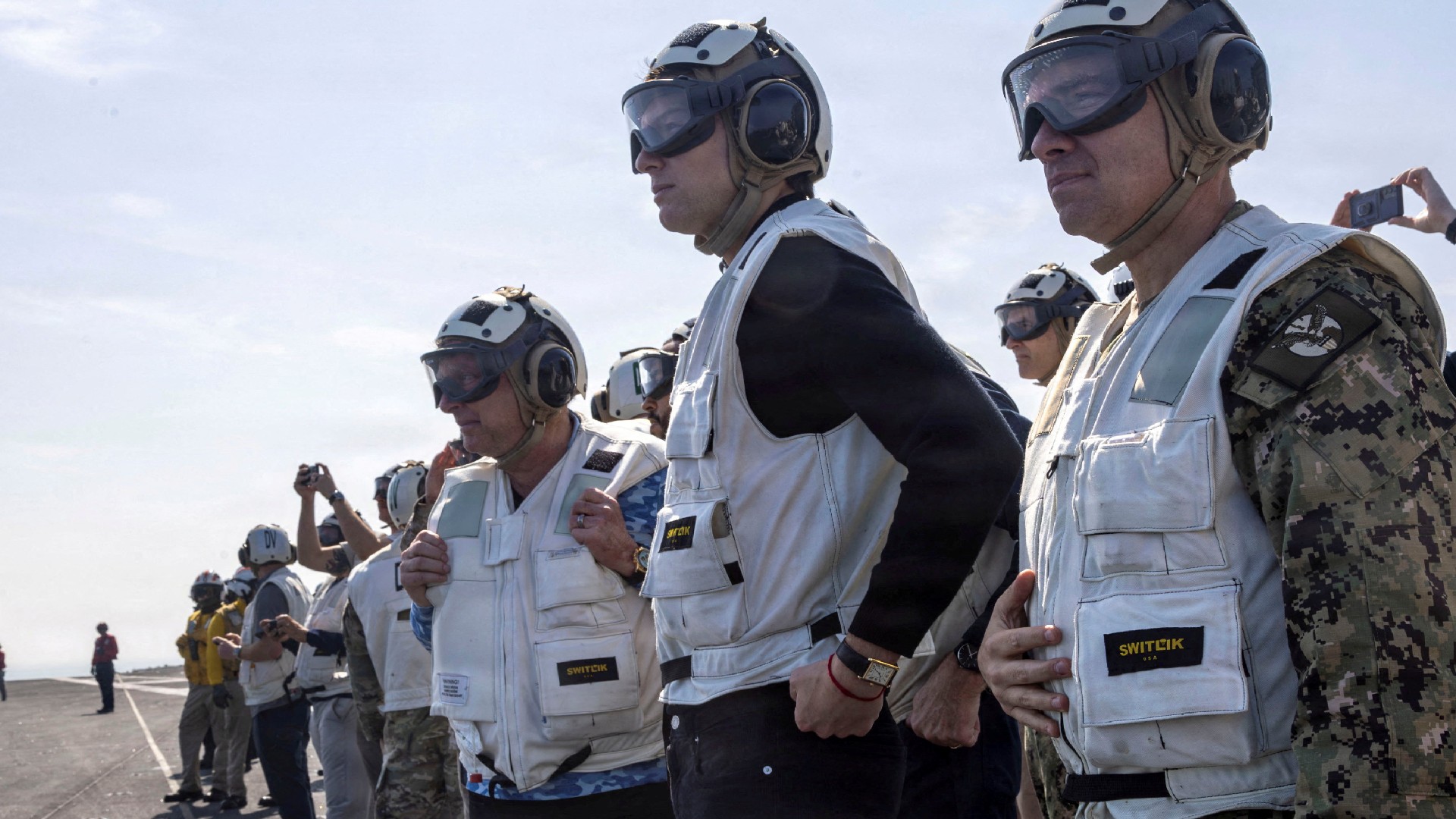
    Tensions intensified substantially with the recent deployment of the USS Gerald R Ford aircraft carrier—the world’s largest—to the Middle East, bringing thousands of additional troops and substantial firepower to the region. This represents the second carrier deployment following similar movements preceding previous U.S. attacks on Iran.

    President Trump reinforced his hardened stance during remarks to troops at a North Carolina military base, stating that negotiations with Iran have proven ‘difficult’ and suggesting that ‘sometimes you have to have fear’ to resolve situations effectively. The White House maintained that ‘all options remain on the table’ regarding Iran policy, emphasizing the president’s ultimate authority in national security decisions.

    This military posturing follows a consequential meeting between Trump and Israeli Prime Minister Benjamin Netanyahu, who reportedly urged the American president to adopt a firmer position against Iranian ‘games.’ Despite the military preparations, diplomatic channels remain active with recent indirect negotiations in Oman addressing Iran’s nuclear and ballistic missile programs. While Tehran maintained its refusal to cease nuclear fuel enrichment, both parties expressed openness to continued dialogue, with additional talks scheduled for the coming week.

  • AU summit opens with leaders prioritizing water security and sustainable development

    AU summit opens with leaders prioritizing water security and sustainable development

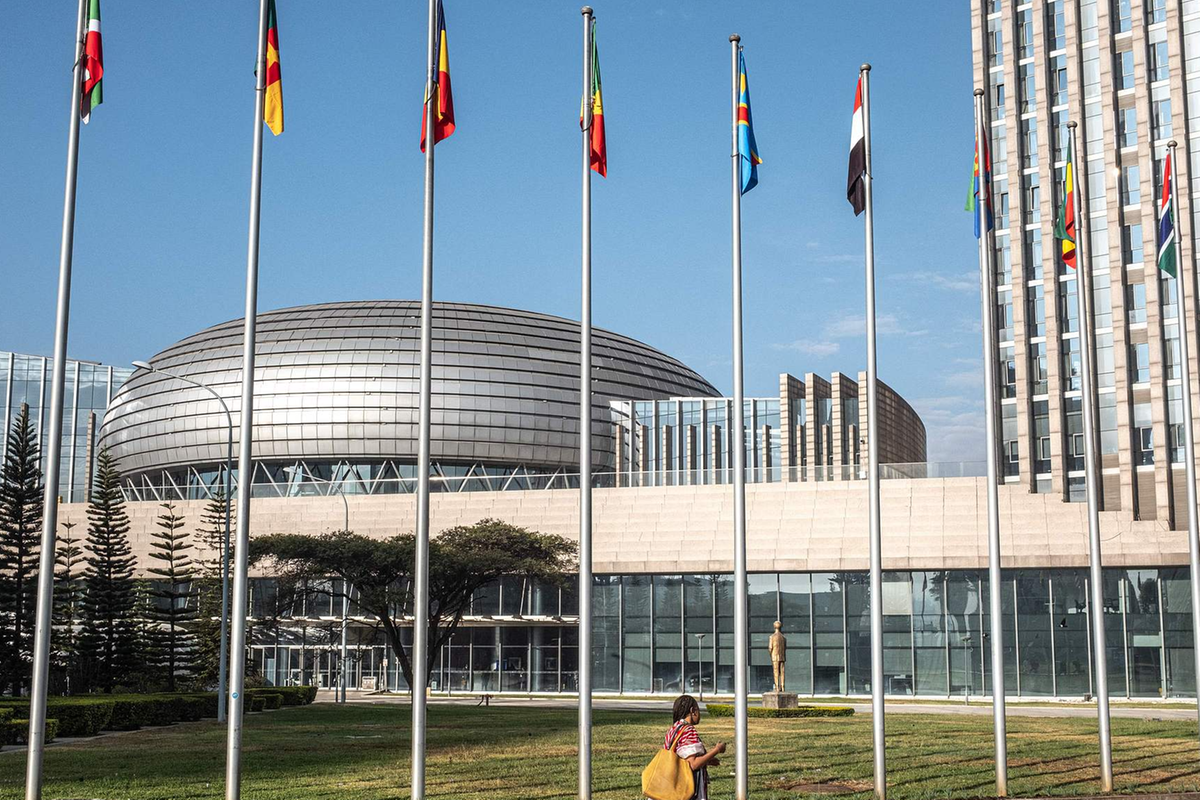
    The 39th Ordinary Session of the Assembly of Heads of State and Government of the African Union commenced in Addis Ababa on Saturday, with continental leaders declaring water security and sanitation as fundamental pillars for achieving Africa’s transformative Agenda 2063. The high-level gathering at the AU headquarters established sustainable water management as the central theme guiding deliberations toward addressing interconnected challenges of development, climate resilience, and regional stability.

    Under the summit’s official theme “Assuring Sustainable Water Availability and Safe Sanitation Systems to Achieve the Goals of Agenda 2063,” leaders outlined comprehensive strategies to enhance access to clean water while strengthening multilateral cooperation mechanisms. Ethiopian Prime Minister Abiy Ahmed Ali, hosting the summit, emphasized that Africa’s future prosperity necessitates integrating economic transformation with climate adaptation and social development imperatives.

    “Our development planning must ensure cities remain inclusive, environmentally sustainable, and capable of connecting communities to markets and opportunities,” Prime Minister Ali asserted, highlighting the critical intersection of infrastructure development and environmental sustainability. He stressed that investment in human capital through education and nutrition represents Africa’s most valuable resource for long-term growth.

    Angolan President and current AU Chairperson Joao Lourenco characterized water as a strategic resource essential for economic development, public health, and social stability across the continent. Despite Africa’s substantial water resources, President Lourenco noted that millions remain without access to safe drinking water and sanitation—a situation he described as both a political imperative and moral commitment requiring integrated solutions.

    United Nations Secretary-General Antonio Guterres, addressing the assembly, reinforced the strategic partnership between the UN and AU in advancing peace, development, and human rights across Africa. He advocated strongly for Africa’s enhanced representation in global decision-making forums, particularly through reform of the UN Security Council to include permanent African representation.

    Guterres further highlighted the disproportionate impact of climate change on African nations despite their minimal contribution to global emissions, calling for substantial international support for adaptation measures. He simultaneously urged reforms to global financial architecture to make development funding more accessible and affordable for developing nations.

    The two-day summit concludes Sunday with expected adoption of concrete decisions aimed at strengthening continental cooperation in water management, advancing sustainable development goals, and reinforcing Africa’s collective position in addressing economic, climate, and security challenges through enhanced unity.

  • Jailed Filipina journalist earns Unesco press freedom award nomination

    Jailed Filipina journalist earns Unesco press freedom award nomination

    In a significant development for press freedom advocacy, imprisoned Filipino journalist Frenchie Mae Cumpio has been nominated for UNESCO’s Guillermo Cano World Press Freedom Prize, one of journalism’s most prestigious international recognitions. The 27-year-old journalist, detained for over six years, was convicted on January 22 on controversial “terrorism financing” charges that press freedom organizations describe as fabricated allegations designed to silence critical reporting.

    Global media watchdogs including Reporters Without Borders (RSF), the Committee to Protect Journalists, and Free Press Unlimited have jointly endorsed Cumpio’s nomination, characterizing her as “an icon of press freedom in the Philippines” whose case represents the dangerous climate facing journalists in the region. Cumpio previously served as executive director of news site Eastern Vista and hosted programs at a local radio station before her arrest in Tacloban City on February 7, 2020, alongside four other activists.

    The prosecution’s case relied on military assets who testified they witnessed Cumpio providing financial support to communist armed groups in Samar—accusations she consistently denied throughout judicial proceedings. Notably, the court acquitted her of separate illegal firearms and explosives charges on the same day it delivered the terrorism financing conviction, highlighting the contradictory nature of the legal actions against her.

    Supporters maintain that the charges constitute retaliation for Cumpio’s investigative work exposing human rights violations committed by military forces. Her reporting prior to arrest focused extensively on documenting abuses against marginalized communities, making her a target for authorities seeking to suppress uncomfortable truths.

    In January, RSF and the #FreeFrenchieMaeCumpio coalition mobilized 90 press associations and unions worldwide to petition Philippine President Ferdinand Marcos Jr. for her immediate release. Aleksandra Bielakowska, RSF’s Asia-Pacific advocacy manager, stated: “Cumpio embodies the resilience of today’s journalists in the Philippines. She should be celebrated as a national icon helping shape the country’s journalism—not imprisoned on the basis of fabricated charges.”

    Established in 1997 to honor Colombian journalist Guillermo Cano Isaza, who was assassinated for his reporting in 1986, the UNESCO award recognizes outstanding contributions to press freedom advocacy, particularly under dangerous circumstances. The winner receives a $25,000 monetary award, half of which Cumpio could potentially use to secure bail pending appeal if she receives this year’s prize. The announcement will coincide with World Press Freedom Day observances on May 3.

  • Bangladesh’s PM-in-waiting dedicates win to those who ‘sacrificed for democracy’

    Bangladesh’s PM-in-waiting dedicates win to those who ‘sacrificed for democracy’

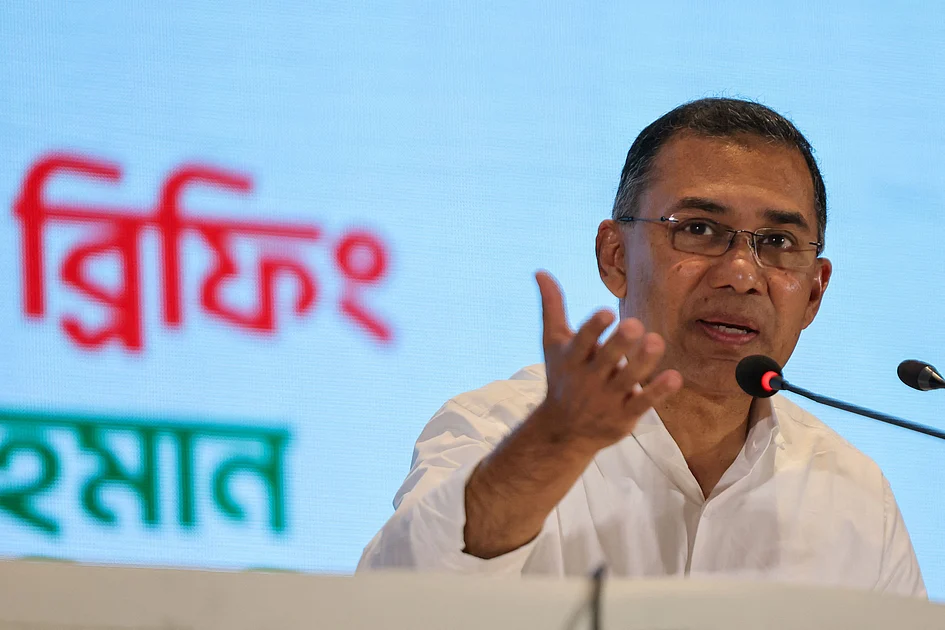
    In a historic political shift, Tarique Rahman of the Bangladesh Nationalist Party (BNP) has been declared prime minister-in-waiting following a decisive electoral victory that marks the nation’s return to democratic governance. The BNP alliance secured a commanding majority with 212 parliamentary seats, overwhelming the 77 seats obtained by the Jamaat-e-Islami-led coalition, according to official results from the Electoral Commission.

    Addressing the nation on Saturday in his first post-victory speech, Rahman extended an olive branch to political opponents while dedicating the triumph to those who sacrificed for democratic freedom. “Our paths and opinions may differ, but in the interest of the country, we must remain united,” stated the 60-year-old leader. “I firmly believe that national unity is a collective strength, while division is a weakness.”

    The election represents a remarkable personal and political resurgence for Rahman, who returned from 17 years of exile in Britain just last December. His victory concludes the iron-fisted rule of Sheikh Hasina, whose Awami League party was barred from participation following the deadly 2024 uprising that overturned her administration.

    Rahman acknowledged the formidable challenges awaiting his government, citing “a fragile economy left behind by an authoritarian regime, weakening constitutional and structural institutions and destroying law and order.” Despite these obstacles, he affirmed that “we have paved the way for the establishment of democracy in the country.”

    The political transition appears to be proceeding peacefully, with Jamaat-e-Islami leader Shafiqur Rahman conceding defeat after initially alleging electoral irregularities. The 67-year-old opposition figure pledged to serve as “a vigilant, principled, and peaceful opposition” in the new political landscape.

    Rahman’s political heritage runs deep—his father, President Ziaur Rahman, was assassinated in 1981, while his mother, Khaleda Zia, served three terms as prime minister and dominated Bangladeshi politics for decades. This victory represents both a personal redemption and a historic restoration of democratic processes in the South Asian nation.