作者: admin

  • Look: From ancient forts to desert rock art, 5 UAE sites added to Islamic heritage list

    Look: From ancient forts to desert rock art, 5 UAE sites added to Islamic heritage list

    In a significant achievement for cultural preservation, the United Arab Emirates has secured international recognition for five historically significant sites through their inscription on the Islamic World Educational, Scientific and Cultural Organization’s (ICESCO) List of Islamic World Tangible Heritage. The announcement came during the 13th session of the Islamic World Heritage Committee convened in Uzbekistan.

    The newly designated locations span the emirates of Dubai and Sharjah, representing diverse aspects of the region’s rich historical tapestry. The recognition underscores the UAE’s commitment to safeguarding its cultural legacy while promoting global awareness of its archaeological wealth.

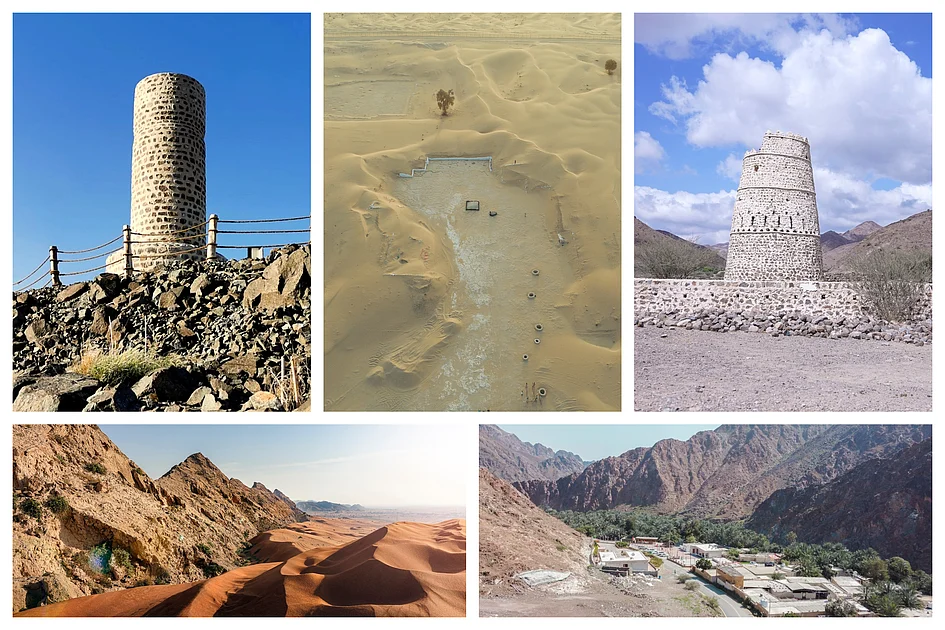
    Among the honored sites is Saruq Al Hadid, an archaeological marvel located approximately 95 kilometers from Dubai. Discovered in 2002 following aerial observations by His Highness Sheikh Mohammed bin Rashid Al Maktoum, Ruler of Dubai, the site features distinctive dark patches subsequently identified as metallurgical slag from ancient smelting operations. Research indicates continuous human activity from the Early Bronze Age (2600 BCE) through the Late Iron Age (550 BCE), with excavations yielding bronze artifacts, pottery, stone tools, weaponry, and exquisite gold and silver ornaments.

    The historic defensive structures of Khor Fakkan, including the Portuguese Fort and Al Adwani Tower, received recognition for their role in coastal protection from the 14th to the 20th centuries. The Portuguese Fort stands as the sole surviving triangular-shaped fortification in the eastern Arabian Peninsula.

    Al Nahwa, situated south of Khor Fakkan, earned inclusion for its remarkable collection of rock carvings spanning from the Bronze Age to contemporary times. Preservation efforts have employed advanced three-dimensional digital technologies to document these artistic expressions.

    Sharjah’s Faya Palaeolandscape gained recognition as a critical record of early human settlement patterns, containing archaeological evidence that documents human presence across multiple historical epochs.

    Wadi Al Helo in the Eastern Region was honored for its evidence of copper mining activities during the Neolithic transition period. The valley features remnants of copper extraction technological development, Bronze Age rock art, and historic village remains, illustrating the enduring relationship between inhabitants and their environment.

    Sheikh Salem bin Khalid Al Qassimi, Minister of Culture and Chairperson of the National Commission for Education, Culture and Science, described the inscriptions as “a significant milestone that reflects the depth and richness of the UAE’s cultural heritage.” The minister further emphasized the nation’s ongoing commitment to “strengthening the presence of Emirati heritage on international heritage lists” through comprehensive documentation and sustainable preservation initiatives for future generations.


  • US boards second tanker in Indian Ocean after tracking it from Caribbean

    US boards second tanker in Indian Ocean after tracking it from Caribbean

    The United States military has executed its second maritime interception operation within a week, boarding the Panamanian-flagged oil tanker Veronica III in the Indian Ocean following an extensive surveillance operation that originated in the Caribbean Sea. The Pentagon released operational footage showing special forces personnel boarding the vessel, which had been under tracking surveillance for suspected involvement in circumventing U.S. sanctions against Venezuela.

    This strategic operation represents the latest escalation in the Trump administration’s comprehensive campaign to restrict Venezuela’s oil exports, with at least seven tankers seized since last year. The Department of Defense characterized the mission as “a right-of-visit, maritime interdiction and boarding” exercise, though officials did not confirm whether the vessel was ultimately seized or permitted to continue its journey.

    According to monitoring data from TankerTrackers.com, the Veronica III departed Venezuelan waters on January 3rd, coinciding with the controversial capture of Venezuelan President Nicolás Maduro during a raid on his presidential compound in Caracas. The vessel was reportedly carrying approximately 1.9 million barrels of crude oil at departure and has been implicated in transporting Russian, Iranian, and Venezuelan oil since 2023.

    The Pentagon issued a stark warning in its official statement: “Distance does not protect you. The vessel tried to defy President Trump’s quarantine – hoping to slip away. We tracked it from the Caribbean to the Indian Ocean, closed the distance, and shut it down. No other nation has the reach, endurance, or will to do this. International waters are not sanctuary. By land, air, or sea, we will find you and deliver justice.”

    This operation follows last week’s boarding of the Aquila II, another tanker similarly “tracked and hunted” into the Indian Ocean. The intensified enforcement stems from President Trump’s December announcement ordering a blockade of sanctioned oil tankers operating in Venezuelan waters, which the Maduro government has condemned as “theft.”

    The economic impact has been substantial, with Venezuelan oil exports dramatically reduced to approximately 400,000 barrels per day in January—roughly half previous levels—according to Kpler analytics. Only vessels associated with Chevron and destined for U.S. ports continue normal operations amid the escalating maritime enforcement campaign.

  • Hollywood groups condemn ByteDance’s AI video generator, claiming copyright infringement

    Hollywood groups condemn ByteDance’s AI video generator, claiming copyright infringement

    Beijing-based tech giant ByteDance, renowned for creating TikTok, faces mounting criticism from major Hollywood organizations over its newly launched AI video generation tool. Seedance 2.0, currently available exclusively in China, enables users to produce high-quality videos through simple text prompts, sparking allegations of widespread copyright infringement.

    The Motion Picture Association (MPA) has accused ByteDance of engaging in “unauthorized use of U.S. copyrighted works on a massive scale.” MPA Chairman and CEO Charles Rivkin issued a stern statement declaring that ByteDance has launched the service “without meaningful safeguards against infringement,” thereby disregarding established copyright laws that protect creators and support millions of American jobs. Rivkin demanded immediate cessation of the infringing activities.

    Prominent industry figures have joined the condemnation. Screenwriter Rhett Rheese, known for the “Deadpool” franchise, expressed grave concerns on social platform X, suggesting the technology might signal catastrophic implications for creative professionals. His comments referenced a demonstration video created by Irish director Ruairí Robinson featuring AI-generated depictions of Tom Cruise and Brad Pitt in a post-apocalyptic battle scenario.

    Actors’ union SAG-AFTRA released an official statement aligning with studio condemnation, emphasizing that Seedance 2.0 enables “blatant infringement” through unauthorized use of members’ voices and likenesses. The union characterized this development as unacceptable, stating it undermines performers’ ability to earn livelihoods and demonstrates disregard for legal, ethical, and industry standards regarding consent.

    In response to the growing backlash, ByteDance issued a statement affirming its commitment to intellectual property rights, acknowledging the concerns, and promising to strengthen safeguards against unauthorized use of intellectual property and likenesses by platform users.

  • Holder and Hope steer West Indies into T20 World Cup Super Eight

    Holder and Hope steer West Indies into T20 World Cup Super Eight

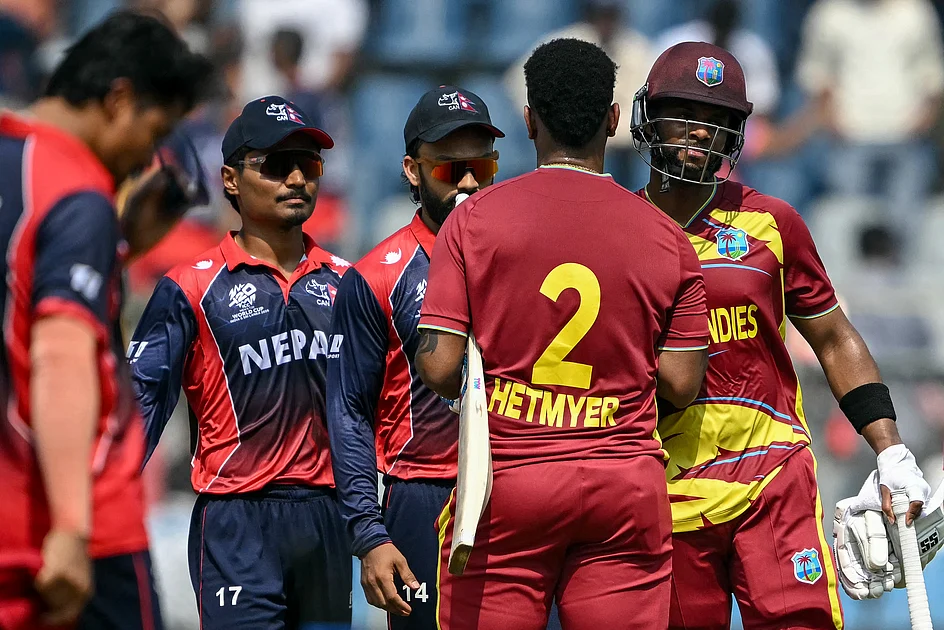
    The West Indies cricket team secured an emphatic nine-wicket victory over Nepal at Mumbai’s Wankhede Stadium on Sunday, cementing their place in the Super Eight phase of the ICC Twenty20 World Cup. This triumph marks their third consecutive win in the tournament, demonstrating their formidable form as two-time champions.

    Spearheading the Caribbean side’s dominant performance was pace bowler Jason Holder, whose devastating spell of 4-27 dismantled Nepal’s batting lineup. Holder’s precision bowling created early pressure that Nepal struggled to overcome throughout their innings.

    Despite a valiant effort from Nepal’s middle order, particularly Dipendra Singh Airee’s resilient 58 runs and Sompal Kami’s unbeaten 26, the Himalayan nation could only muster 133-8 in their allotted 20 overs. Their powerplay performance of 22-3 represented the lowest score in this phase during the current tournament edition.

    In response, West Indies’ run chase became a masterclass in controlled aggression. Wicketkeeper-batsman Shai Hope anchored the innings with an unbeaten 61, showcasing technical proficiency and strategic shot selection. He found able support in Shimron Hetmyer, who remained not out on 46, as the pair guided their team to victory with 28 balls to spare.

    Captain Hope expressed satisfaction with his team’s clinical performance, stating: ‘This is what we set out to do and we’ve achieved it. Crossing this hurdle represents just the first step as we now focus on the challenges ahead in the Super Eights.’

    The result eliminates Nepal from contention for the next stage, despite their confidence-boosting T20 series win against West Indies in Sharjah four months earlier. Nepal captain Rohit Paudel acknowledged his team’s batting deficiencies, noting: ‘Their bowlers utilized the conditions effectively in the powerplay. As a batting unit, we failed to deliver and must improve significantly.’

  • Why is ‘Dhurandhar’ Ranbir Kapoor’s ‘current favourite’?

    Why is ‘Dhurandhar’ Ranbir Kapoor’s ‘current favourite’?

    Bollywood superstar Ranbir Kapoor has publicly expressed his profound admiration for fellow actor Ranveer Singh’s record-breaking film ‘Dhurandhar,’ declaring its soundtrack among his current favorite musical selections. The ‘Animal’ star made these revealing comments during an interactive fan session hosted through his lifestyle brand ARKS’s official Instagram platform.

    Kapoor specifically highlighted the film’s musical compositions, stating, ‘My current favorite song…I remain thoroughly captivated by all the extraordinary tracks from Dhurandhar. That music absolutely dominates my playlist.’ He further commended the collective effort behind the production, adding, ‘The entire cast and creative team delivered an exceptional cinematic experience…truly memorable moments at the theaters.’

    This endorsement comes as Kapoor prepares for his own highly anticipated projects, including his portrayal of Lord Ram in Nitesh Tiwari’s two-part ‘Ramayana’ epic, Sanjay Leela Bhansali’s ‘Love and War,’ and the sequel to ‘Brahmastra.’

    ‘Dhurandhar’ has achieved remarkable commercial and critical success, surpassing previous box office records to claim the title of highest-grossing Hindi film in history, overtaking ‘Pushpa 2: The Rule.’ The feature boasts an ensemble cast including Akshaye Khanna, Sanjay Dutt, Sara Arjun, Arjun Rampal, and R Madhavan in significant roles.

    The film’s cultural impact has been substantial enough to warrant an already-announced sequel, ‘Dhurandhar: The Revenge,’ scheduled for theatrical release in March of this year, indicating the franchise’s continuing momentum within Indian cinema.

  • Thousands of Czechs rally in support of President Pavel in his dispute with foreign minister

    Thousands of Czechs rally in support of President Pavel in his dispute with foreign minister

    PRAGUE — The Czech Republic witnessed widespread civic mobilization on Sunday as thousands of citizens participated in coordinated demonstrations across approximately 400 municipalities, including major urban centers like Brno. These protests, organized by the pro-democracy group Million Moments, represent a significant show of support for President Petr Pavel amid an escalating constitutional confrontation with Foreign Minister Petr Macinka’s political faction.

    The political crisis originated from President Pavel’s principled refusal to appoint Filip Turek as environment minister, a nomination put forward by the eurosceptic Motorists party. This decision followed media revelations exposing Turek’s history of publishing content with racist, homophobic, and sexist undertones on social media platforms. Although Turek offered partial apologies while disputing certain allegations, the president maintained that such appointments would violate ethical governance standards.

    Foreign Minister Macinka has escalated tensions by accusing the president of constitutional violations and issuing veiled threats of political consequences. President Pavel has characterized these actions as attempted blackmail, creating an unprecedented standoff between the presidential office and the governing coalition.

    This confrontation occurs against the backdrop of a fragile government formation led by populist Prime Minister Andrej Babiš, whose coalition includes the anti-migrant Freedom and Direct Democracy party alongside the Motorists group. The coalition’s agenda includes distancing the country from Ukrainian support mechanisms, challenging EU policy frameworks, and restructuring public broadcaster financing—moves that critics argue threaten democratic institutions.

    Mikuláš Minář, the lead organizer of the protests, emphasized that the demonstrations transcend presidential support, representing a broader defense of democratic values against what participants perceive as oligarchic and extremist influences. The protests explicitly position the Czech Republic against the pro-Russian orientations of neighboring Hungary and Slovakia, highlighting the geopolitical dimensions of this domestic political struggle.

  • Gaza civil defence says Israeli strikes kill 11 since dawn on Sunday

    Gaza civil defence says Israeli strikes kill 11 since dawn on Sunday

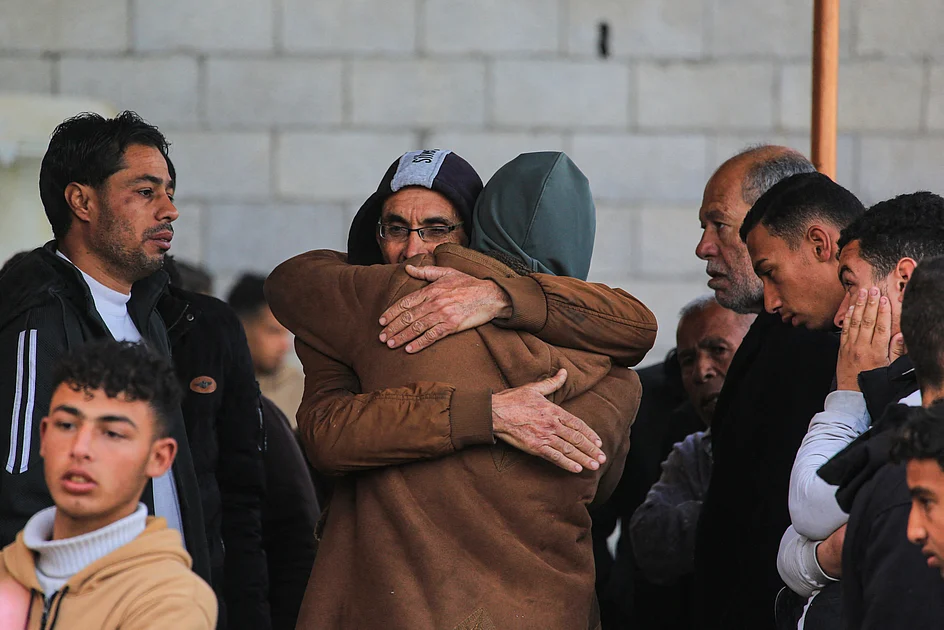
    Fresh violence has erupted in Gaza despite an ongoing U.S.-brokered truce, with Palestinian rescue services reporting at least 11 fatalities from Israeli military operations since Sunday dawn. The latest casualties highlight the fragile nature of the ceasefire agreement that entered its second phase last month.

    According to Gaza’s civil defence agency, which functions as an emergency response unit under Hamas administration, the casualties occurred across multiple locations. In northern Gaza’s Jabalia region, an airstrike targeted a tent sheltering displaced persons, resulting in five deaths and multiple injuries. Simultaneously, southern Khan Yunis witnessed five additional fatalities from separate strikes, while Gaza City recorded one further casualty from Israeli shelling.

    Medical facilities including Al-Shifa and Nasser hospitals confirmed receiving at least seven bodies from the incidents. The Israeli military defended its actions, citing explicit violations of the ceasefire agreement by Hamas operatives. A military official stated that identified armed militants were observed taking cover near debris east of the designated ‘Yellow Line’ in proximity to Israeli Defense Force positions, allegedly emerging from underground infrastructure.

    The ceasefire framework, implemented on October 10, required Israeli troops to withdraw behind the Yellow Line while maintaining control over more than half of the territory. However, both parties have repeatedly accused each other of violating the agreement’s terms. Gaza’s health ministry, operating under Hamas authority, reports at least 601 Palestinian fatalities since the truce commenced, while Israeli authorities acknowledge four soldier deaths during the same period.

    The ongoing conflict continues amid challenges in independent verification, with media restrictions and limited access preventing comprehensive documentation of casualty figures and combat operations in the region.

  • Dubai-Salalah travel: Oman Air launches 3 weekly flights for Khareef season

    Dubai-Salalah travel: Oman Air launches 3 weekly flights for Khareef season

    Oman Air has unveiled strategic plans to launch a new direct flight service connecting Dubai and Salalah, marking a significant expansion of its regional network. The national carrier of Oman will commence three weekly year-round flights starting July 3, 2026, strategically timed to coincide with the beginning of Salalah’s renowned Khareef (monsoon) season.

    The airline will begin accepting bookings for this new route from February 16, 2026, providing travelers with enhanced connectivity options between the UAE and Oman’s southern Dhofar Governorate. This initiative responds to growing passenger demand and aims to strengthen regional air corridors across the Gulf Cooperation Council (GCC) region.

    Con Korfiatis, Chief Executive Officer of Oman Air, emphasized the carrier’s commitment to supporting tourism growth: ‘With increasing demand for flights to and from Salalah, we are strategically expanding our seat capacity to provide flexible travel options that actively contribute to tourism and economic development in the governorate.’

    The Khareef season, which officially runs from June 21 to September 20 annually, transforms Salalah into a major tourist destination, attracting millions of visitors from the UAE and neighboring Gulf countries who seek respite in its lush green mountains and moderate climate.

    This route expansion follows Oman Air’s demonstrated capacity growth strategy. In January 2026, the airline increased available seats to Salalah by 20% compared to the previous year, following a 15% capacity enhancement during the autumn 2025 season to accommodate peak tourist arrivals.

    Concurrently, Oman Air has been developing its international connectivity, recently launching charter flights between Moscow and Salalah to tap into the growing Russian tourism market. This initiative is projected to bring over 7,000 visitors to the region, providing substantial support to local tourism enterprises and businesses.

    The airline has also announced plans to further optimize its flight schedule, including expanded services during Ramadan, to offer passengers greater flexibility and travel options throughout the year.

  • Colombian president accepts rebel’s proposal to have a commission investigate its possible drug ties

    Colombian president accepts rebel’s proposal to have a commission investigate its possible drug ties

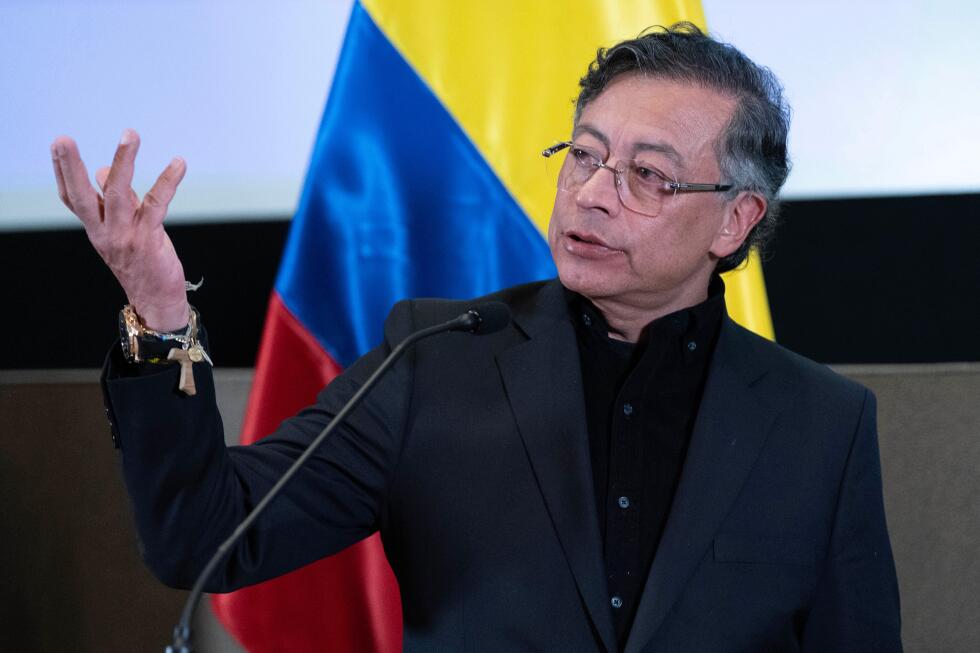
    BOGOTA, Colombia — In a significant development toward potential peace negotiations, Colombian President Gustavo Petro announced Sunday his acceptance of a proposal from the National Liberation Army (ELN) to establish an independent commission investigating the rebel group’s alleged connections to narcotics trafficking. The unprecedented move comes after ELN commander Antonio García publicly challenged the government in a January 20 video statement to verify their claims of non-involvement in drug operations. President Petro responded via social media platform X, stipulating that the verification body must maintain scientific integrity and governmental independence while reporting its findings directly to the United Nations. The Colombian leader simultaneously urged ELN forces to support crop substitution initiatives in the conflict-ridden Catatumbo region, where coca cultivation remains prevalent. This diplomatic breakthrough follows last year’s collapsed peace talks, which deteriorated after ELN offensives displaced over 50,000 civilians and resulted in numerous casualties. The 5,000-strong Marxist rebel group, established in the 1960s, has expanded its territorial control along the Venezuela-Colombia border following the 2017 disarmament of FARC rebels. Petro’s administration has consistently accused ELN leadership of being ‘drug traffickers disguised as guerrilla fighters,’ citing narcotics revenue as a primary obstacle to successful peace negotiations.

  • Tom Wilson fights in Canada’s game vs. France at the Olympics

    Tom Wilson fights in Canada’s game vs. France at the Olympics

    MILAN — Olympic hockey witnessed a rare display of fisticuffs during Canada’s matchup against France on Sunday, challenging the conventional wisdom that international rules eliminate fighting from the game. The incident unfolded when Canadian winger Tom Wilson confronted French defenseman Pierre Crinon in retaliation for a forearm hit to the head of Wilson’s teammate, Nathan MacKinnon, during the third period.

    The altercation resulted in both players receiving game misconduct penalties and immediate ejections under International Ice Hockey Federation regulations, which treat fighting more severely than the NHL’s five-minute major penalty system. Despite the ejection, Wilson had already made significant offensive contributions with one goal and one assist prior to the fight.

    This physical exchange completed what hockey tradition calls a ‘Gordie Howe hat trick’—a goal, an assist, and a fight in the same game—a rare feat in international competition. The 31-year-old Washington Capitals star, who missed Canada’s 4 Nations Face-Off tournament last year, was specifically selected for the Olympic roster for his physical presence, puck retrieval skills, and offensive production. His inclusion addresses Canada’s need for toughness, particularly after the team’s previous tournament opener against the United States featured three fights within the first nine seconds of play.

    Crinon received a two-minute minor penalty for the initial hit on MacKinnon and subsequently apologized for the action. The incident highlights the ongoing tension between traditional hockey physicality and the IIHF’s stricter enforcement against fighting, even as players continue to police the game themselves when perceived dangerous plays occur.