作者: admin

  • India hosts a high-stakes AI summit, drawing 20 leaders and top tech CEOs

    India hosts a high-stakes AI summit, drawing 20 leaders and top tech CEOs

    New Delhi emerges as the epicenter of global artificial intelligence discourse this week as India inaugurates its inaugural AI Impact Summit, marking the first such gathering within the Global South. The five-day convention assembles an impressive roster of 20 world leaders, including French President Emmanuel Macron and Brazilian President Luiz Inácio Lula da Silva, alongside technology titans from Google, Microsoft, OpenAI, and Qualcomm.

    This strategic positioning underscores India’s ambition to establish itself as a crucial intermediary between technologically advanced nations and developing economies. The world’s most populous nation leverages its demonstrated expertise in constructing large-scale digital infrastructure—exemplified by its pioneering digital identity and payment systems—as a blueprint for cost-effective AI implementation at scale.

    Minister for Electronics and Information Technology Ashwini Vaishnaw articulated the summit’s guiding principle: “AI should be utilized for shaping humanity, inclusive growth, and a sustainable future.” This vision reflects India’s broader aspiration to transition into a developed nation by 2047, with artificial intelligence poised to revolutionize sectors ranging from energy and manufacturing to public infrastructure.

    The evolving nature of AI summits demonstrates remarkable progression since their inception in November 2023. Initially conceived as tightly-focused safety conferences following ChatGPT’s explosive debut, these gatherings have expanded into comprehensive trade fairs addressing multifaceted aspects of artificial intelligence. Unlike previous editions in France, the UK, and South Korea, the New Delhi iteration emphasizes practical deployment alongside safety considerations.

    Ahead of the summit, an expert panel released its second annual safety report examining risks posed by advanced AI systems, including potential misuse, technical malfunctions, and systemic vulnerabilities. Yoshua Bengio, the renowned AI pioneer who spearheaded the study, emphasized the critical importance of “building an international consensus on the emerging risks of AI” through independent scientific evaluation.

    While the event is not anticipated to yield binding political agreements, observers expect the adoption of a non-binding New Delhi Declaration outlining developmental objectives for artificial intelligence. This approach contrasts with last year’s Paris summit, where U.S. Vice President JD Vance cautioned against excessive regulation that might impede industry growth.

    Addressing workforce concerns, Indian technology representatives highlighted reskilling initiatives as essential mitigation against AI’s disruptive impact on employment. Sangeeta Gupta of Nasscom noted that while job displacement remains a genuine concern, emerging roles will counterbalance losses as AI integration accelerates. This perspective finds resonance among younger Indians, with students like 22-year-old Anirudh Singh reporting enhanced academic productivity through AI-assisted project preparation.

  • World shares mostly advance and Japan falls ahead of Lunar New Year holidays

    World shares mostly advance and Japan falls ahead of Lunar New Year holidays

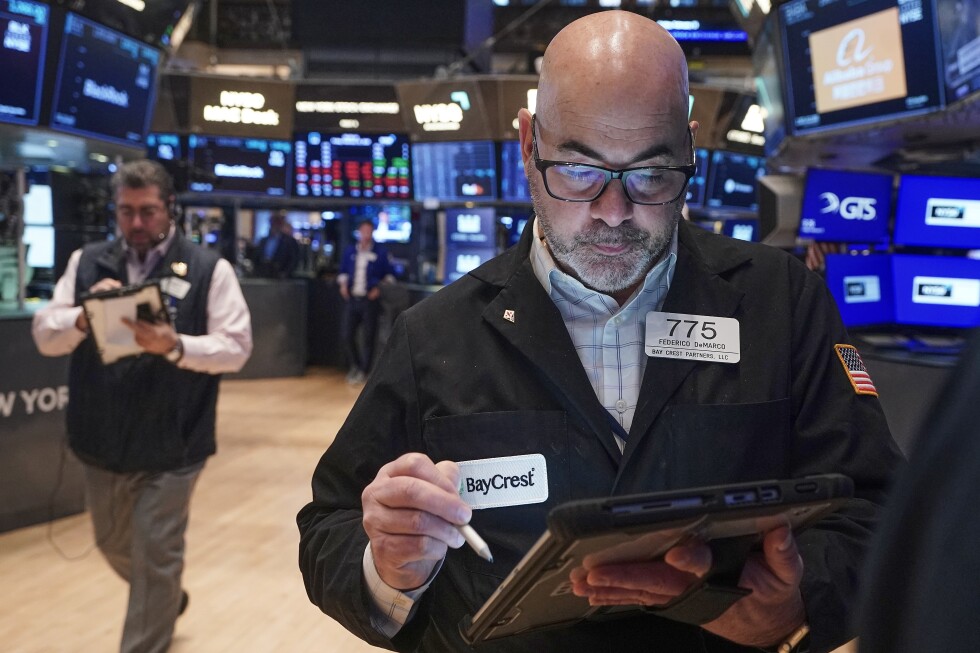
    Global financial markets presented a mixed performance on Monday as several Asian exchanges operated on limited schedules or remained closed in observance of the Lunar New Year holiday. European markets opened positively with Germany’s DAX climbing 0.2% to 24,958.01, while Britain’s FTSE and Paris’s CAC 40 both advanced 0.3% to 10,479.47 and 8,333.81 respectively.

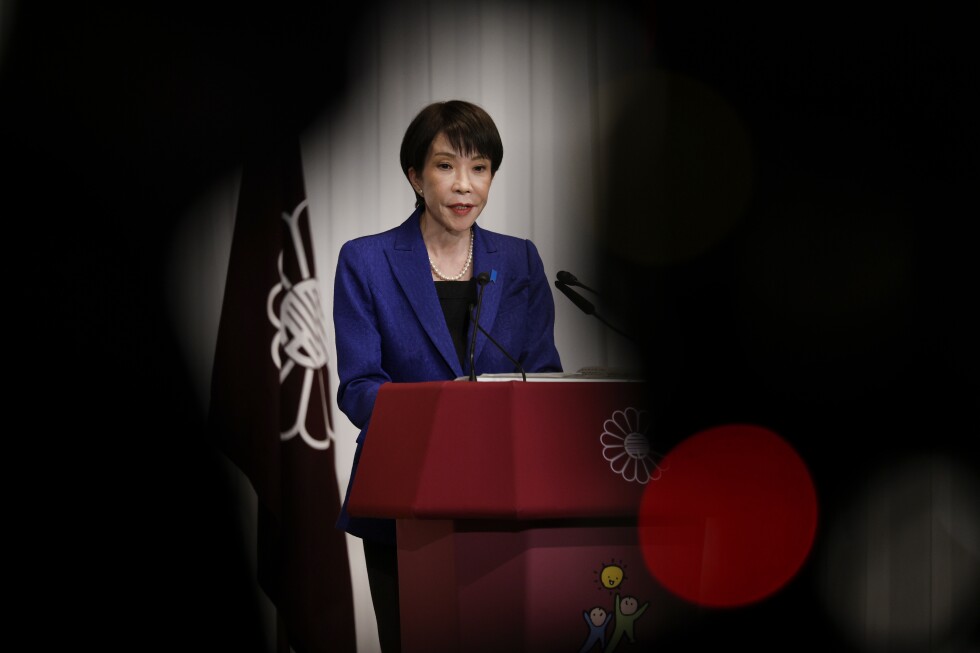
    Asian markets displayed divergent trends with Japan’s Nikkei 225 declining 0.2% to 56,806.41 following disappointing economic data. Japan’s latest GDP figures revealed an annualized growth rate of merely 0.2% for the October-December quarter, falling short of economist projections. This sluggish economic performance has increased expectations that Prime Minister Sanae Takaichi will accelerate stimulus measures including increased government spending and tax reductions, according to Marcel Thieliant of Capital Economics.

    Trading volumes remained subdued with closures across Chinese, South Korean, and Taiwanese markets. Hong Kong’s Hang Seng managed a 0.5% gain during its abbreviated session, closing at 26,705.94. Australia’s S&P/ASX 200 added 0.2% while India’s Sensex increased 0.4%.

    U.S. futures indicated positive momentum with S&P 500 and Dow Jones Industrial Average futures both rising 0.4%, though markets remained closed for Presidents Day. This followed a period of stabilization on Friday after earlier sell-offs driven by artificial intelligence sector concerns that particularly impacted software companies.

    Commodity markets experienced declines with gold dropping 0.3% to $5,030.30 per ounce and silver falling 1.2% to $77.05. Oil prices also retreated with U.S. benchmark crude declining 34 cents to $62.55 per barrel and Brent crude decreasing similarly to $67.41. Currency markets saw the U.S. dollar strengthen to 153.33 Japanese yen from 152.64, while the euro slightly weakened to $1.1867 from $1.1872.

  • Home favourites advance at Dubai Duty Free Tennis Championships

    Home favourites advance at Dubai Duty Free Tennis Championships

    The Dubai Duty Free Tennis Championships erupted with electrifying energy as two athletes embraced by Dubai’s substantial Filipino community secured dramatic first-round victories in starkly contrasting fashion.

    Filipino sensation Alexandra Eala, the 20-year-old World No.40 making her tournament debut, faced a formidable challenge against American powerhouse Hailey Baptiste (World No.39). Despite a significant physical disparity, Eala harnessed the overwhelming support of a near-capacity Centre Court crowd adorned in Philippine colors. Trading early breaks, the rising star captured the first set 6-4 with relentless court coverage and precision winners. The match concluded abruptly in the second set when Baptiste retired with a left abdominal injury, propelling Eala into a second-round clash against World No.8.

    ‘I’m super happy to be in the next round,’ Eala addressed her cheering supporters. ‘This tournament is serving up such great experiences, especially playing in front of the best crowd ever. Hello Kabayans!’

    Earlier, Canadian star Leylah Fernandez (World No.27), who shares Filipino heritage, engaged in an epic three-hour battle against Russia’s 13th-seeded Liudmila Samsonova (World No.17). After dropping a tense first set 7-5, Fernandez mounted a spectacular comeback, claiming the second set 7-5 despite Samsonova’s late surge. Fernandez dominated the decider, racing to a 5-0 lead before weathering a final challenge to secure a 6-3 victory.

    The evening session concluded with Czech player Sara Bejlek delivering a commanding 6-2, 6-2 victory over Turkey’s Zeynep Sonmez in just 75 minutes.

    The WTA 1000 event continues with Britain’s Emma Raducanu among Monday’s featured players, with the tournament boasting 16 of the world’s top 20 players through February 21st.

  • Israeli strike in eastern Lebanon kills four near Syrian border

    Israeli strike in eastern Lebanon kills four near Syrian border

    An Israeli drone operation in eastern Lebanon resulted in four fatalities on Sunday evening, targeting a vehicle near the Syrian frontier according to Lebanese official media reports. The incident represents the latest escalation in Israel’s expanding military campaign beyond Gaza.

    Lebanon’s National News Agency confirmed the strike occurred in the Majdal Anjar region of the Bekaa Valley, close to the Masnaa border crossing. The state media outlet reported that the targeted vehicle was hit by an Israeli drone, with four casualties discovered inside the wreckage following the attack.

    The Israeli military asserted without presenting evidence that the operation targeted “terrorist operatives” allegedly affiliated with the Palestinian Islamic Jihad group. This claim was reiterated through official channels, including a social media statement from Captain Ella, the Israeli army’s deputy Arabic-language spokesperson.

    This development occurs despite a ceasefire agreement established between Israel and Hezbollah in November 2024. According to statistics compiled from Lebanese Health Ministry figures, Israeli strikes have claimed over 370 lives in Lebanon since the truce was implemented, with attacks continuing almost daily.

    Lebanese authorities report persistent Israeli military activity across multiple regions, contributing to steadily mounting casualties despite diplomatic efforts to stabilize the border situation. The ongoing violence underscores the fragility of security arrangements in the region.

    In parallel developments, the Lebanese army has advanced a government-initiated disarmament program targeting Hezbollah fighters in border-adjacent territories. This initiative, part of Beirut’s broader strategy to reinforce state authority along the frontier, completed its initial phase in January.

    Concurrently, Lebanese security forces have coordinated the transfer of weapons from various Palestinian factions within refugee camps to state security institutions over the past year. These measures form part of comprehensive efforts to diminish the presence of non-state armed groups and consolidate governmental control in sensitive border areas.

  • Japan’s economy barely grows in the last quarter as exports slow, with 2025 expansion just 1.1%.

    Japan’s economy barely grows in the last quarter as exports slow, with 2025 expansion just 1.1%.

    Japan’s economy registered minimal growth in the final quarter of 2025, narrowly escaping a technical recession despite persistent challenges in its export sector. According to preliminary seasonally adjusted data released by the Cabinet Office on Monday, the world’s third-largest economy expanded at an annualized rate of 0.2% during the October-December period.

    The quarterly growth rate stood at a modest 0.1%, marking a recovery from the 0.7% contraction experienced in the previous quarter. This positive turnaround follows a 0.5% expansion in the April-June period, creating a pattern of volatile economic performance throughout the year.

    Private consumption demonstrated resilience with a 0.4% annualized increase, indicating some stability in domestic demand. However, this progress was substantially undermined by a significant 1.1% decline in exports, highlighting the continued vulnerability of Japan’s export-dependent economic model to global trade tensions, including those exacerbated by former President Donald Trump’s tariff policies.

    For the entirety of 2025, Japan’s economy grew by 1.1%, representing the strongest annual performance since 2022 when the nation was recovering from COVID-19 pandemic disruptions. Despite this improvement, the growth trajectory remains considerably below the government’s near-term projection of approximately 0.6% average expansion.

    The economic landscape presents both challenges and opportunities for Prime Minister Sanae Takaichi, who recently secured a landslide electoral victory. Her administration has committed to implementing stimulus measures, including increased government spending and a temporary suspension of sales tax on food items, aiming to revitalize Japan’s persistently sluggish economic engine.

  • A fireworks store explosion in China kills 8 ahead of Lunar New Year

    A fireworks store explosion in China kills 8 ahead of Lunar New Year

    A tragic explosion at a fireworks retail outlet in Jiangsu province has resulted in eight fatalities and left two individuals with minor burn injuries, casting a shadow over Lunar New Year celebrations. The incident occurred on Sunday afternoon in a village within Donghai county when a local resident ignited fireworks inappropriately in close proximity to the store, according to an official government statement.

    The timing of this disaster coincides with heightened fireworks activity preceding the Spring Festival, a traditional holiday period when setting off firecrackers at midnight remains a cherished custom despite increasing restrictions. While numerous Chinese municipalities have implemented fireworks bans primarily to combat air pollution concerns, several regional governments had recently relaxed these prohibitions.

    In response to the catastrophe, China’s Ministry of Emergency Management has issued urgent directives mandating enhanced supervision throughout the fireworks supply chain—from manufacturing and transportation to sales and ultimate usage. The ministry specifically emphasized the strict prohibition of trial fireworks demonstrations near retail establishments and called for comprehensive safety inspections to eliminate potential hazards.

    The regulatory body further emphasized the critical importance of these preventive measures to ensure public safety during the holiday period, expressing hopes that citizens would experience a “secure, auspicious and joyful Spring Festival” despite the tragic incident. The Lunar New Year, which marks the commencement of the Year of the Horse in the Chinese zodiac cycle, begins on Tuesday.

  • Brazil’s Lula gets image boost at Rio Carnival, but also faces legal risks

    Brazil’s Lula gets image boost at Rio Carnival, but also faces legal risks

    RIO DE JANEIRO — A spectacular Carnival parade honoring Brazilian President Luiz Inácio Lula da Silva at Rio’s Sambadrome has ignited political controversy and potential legal ramifications six months before the October elections. The event, organized by top samba school Academicos de Niteroi, celebrated Lula’s journey from childhood poverty to becoming one of Latin America’s most influential leaders through elaborate floats, costumes, and musical tributes.

    The president, accompanied by Vice President Geraldo Alckmin and their wives, attended the celebration despite warnings from legal analysts about potential electoral violations. The parade’s central theme focused on Brazil’s northeast region—Lula’s birthplace—with organizers insisting the tribute was cultural rather than political. Tiago Martins, the parade’s chief organizer, stated they presented their vision to Lula months in advance and denied any campaign intentions in the school’s lyrics or displays.

    Political adversaries have condemned the event as premature campaigning, filing complaints with Brazil’s electoral court. Critics argue that samba schools receiving public funding should not engage in political tributes, especially during an election year. Lawmaker Kim Kataguiri led efforts to block the parade, asserting that public money should not fund “electoral campaigns disguised as tributes.”

    While Brazil’s top electoral court rejected preemptive censorship attempts, judges reserved the right to review potential violations after the event. Political analysts note that the tribute carries significant risks for Lula, potentially alienating moderate and evangelical voters who oppose mixing Carnival with politics. The event also occurs as leadership of the electoral court prepares to transition to Supreme Court Justice Kássio Nunes, appointed by Lula’s rival Jair Bolsonaro.

    Recent polls indicate a tightly contested race between Lula and his primary opponent, Senator Flávio Bolsonaro, making any electoral violations potentially consequential through fines or loss of campaign resources.

  • ByteDance to curb controversial AI app after Disney legal threat

    ByteDance to curb controversial AI app after Disney legal threat

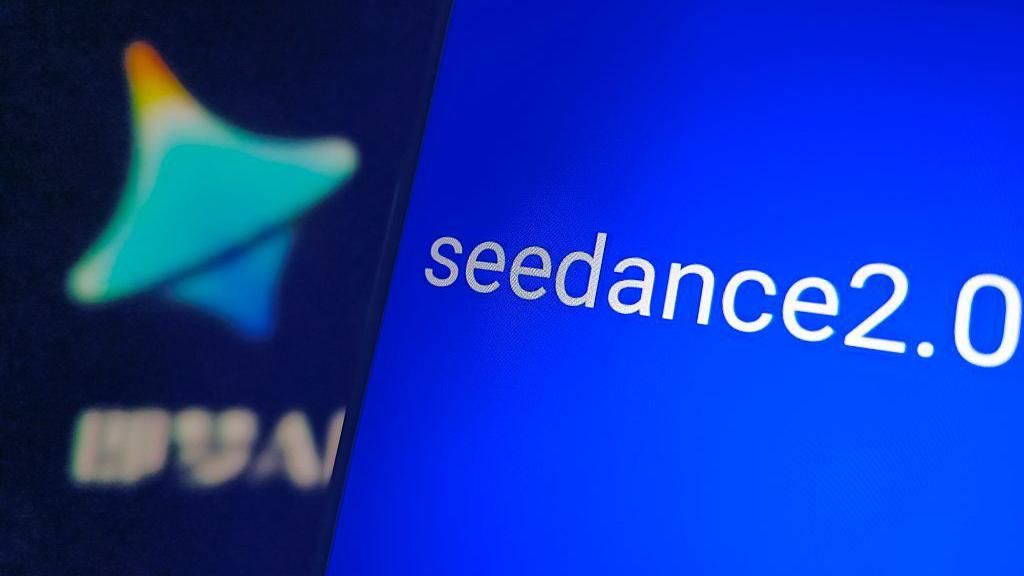
    Chinese tech conglomerate ByteDance has committed to implementing stricter safeguards for its advanced AI video generation platform Seedance, responding to mounting legal pressure from entertainment titans led by Disney. The controversy erupted after Seedance 2.0’s February 12th launch enabled users to create hyper-realistic videos featuring copyrighted characters from major franchises including Marvel, Star Wars, and various animated properties.

    Disney initiated formal legal action on Friday by issuing a cease-and-desist letter accusing ByteDance of maintaining a ‘pirated library’ of protected intellectual property. The entertainment giant’s legal team characterized the alleged infringement as a ‘virtual smash-and-grab’ of their valuable character assets. This confrontation emerged following the viral spread of AI-generated content depicting iconic scenes such as lightsaber duels between Star Wars characters Anakin Skywalker and Rey, along with Marvel superhero confrontations on New York streets.

    The Motion Picture Association, representing major studios including Warner Bros Discovery, Paramount and Netflix, joined the criticism by demanding immediate cessation of ‘infringing activity.’ Simultaneously, actors’ union Sag-Aftra condemned the platform for ‘blatant infringement’ of performers’ rights.

    In an official statement to the BBC, ByteDance affirmed that it ‘respects intellectual property rights’ and is ‘taking steps to strengthen current safeguards.’ The company previously disabled Seedance’s capability for users to upload images of real people, though specific details regarding training data and planned protective measures remain undisclosed.

    International dimensions of the controversy continue to expand, with the Japanese government launching an investigation into potential copyright violations following the appearance of AI-generated videos featuring popular anime characters. This legal confrontation mirrors similar challenges faced by other AI platforms, including Midjourney which currently faces ongoing litigation from Disney and NBCUniversal over unauthorized replication of copyrighted material.

  • AI is giving you a personalised Internet, but you have no say in it

    AI is giving you a personalised Internet, but you have no say in it

    The digital landscape is undergoing a fundamental transformation as artificial intelligence becomes an inescapable component of our online experiences. Tech giants including Google and Meta are aggressively integrating AI tools into their platforms without providing users with meaningful opt-out mechanisms, raising significant concerns about digital autonomy and privacy.

    This AI infiltration began subtly but has accelerated dramatically. Google introduced Gemini, its AI assistant, directly into Gmail without explicit user consent, mirroring its earlier deployment of AI Overviews in search results. Similarly, Meta embedded its AI chatbot across Instagram, WhatsApp, and Messenger as a permanent feature. These implementations share a common characteristic: the absence of clear disable options, forcing users to adapt to AI-driven interfaces whether they welcome them or not.

    Industry representatives defend these integrations as advancements in creating intelligent ‘agents’ capable of handling tasks from email composition to travel bookings. They argue that generative AI’s adaptability enables uniquely personalized internet experiences tailored to individual needs. However, this corporate narrative starkly contrasts with public sentiment. Pew Research Center data reveals that most Americans express greater concern than excitement about AI’s role in daily life, with overwhelming majorities desiring more control over technological implementations.

    The underlying economic motivations behind this AI push are becoming increasingly apparent. Despite the enormous operational costs of maintaining AI chatbots like Gemini and ChatGPT—which haven’t generated direct profits through subscriptions—companies are strategically positioning themselves for an advertising revolution. The same technology powering consumer-facing chatbots enables advertisers to micro-target audiences with unprecedented precision, creating automatically tailored ads and dynamic pricing based on intimate user data extracted through conversational interfaces.

    This represents a significant evolution in digital advertising. As regulatory pressures limited cross-platform tracking, AI chatbots emerged as a solution: they encourage users to voluntarily disclose personal information, preferences, and intentions through natural conversations. Search queries have increased industry-wide precisely because people engage more extensively with chatbot-powered interfaces, revealing far more explicit data than traditional keyword searches.

    The implications are profound. Advertising systems can now infer detailed personal characteristics—such as someone’s preference for winter running—and generate hyper-specific marketing content. This creates what experts describe as ‘surveillance capitalism’ on steroids, where even product pricing could become dynamically adjusted based on individual budget information shared with chatbots.

    Smaller competitors like Mozilla and DuckDuckGo are advocating for user agency by implementing AI toggle features. Surprisingly, when DuckDuckGo asked users about AI preferences, approximately 90% rejected AI integration. However, their impact remains limited against the dominance of Google and Meta, whose products reach nearly half the global population daily. This market dominance creates a concerning reality: even when AI implementations are widely criticized, users have limited alternatives, effectively locking them into an AI-driven internet they didn’t choose.

  • She was denied a legal abortion and sent to prison over an illegal one. Now she tells her story

    She was denied a legal abortion and sent to prison over an illegal one. Now she tells her story

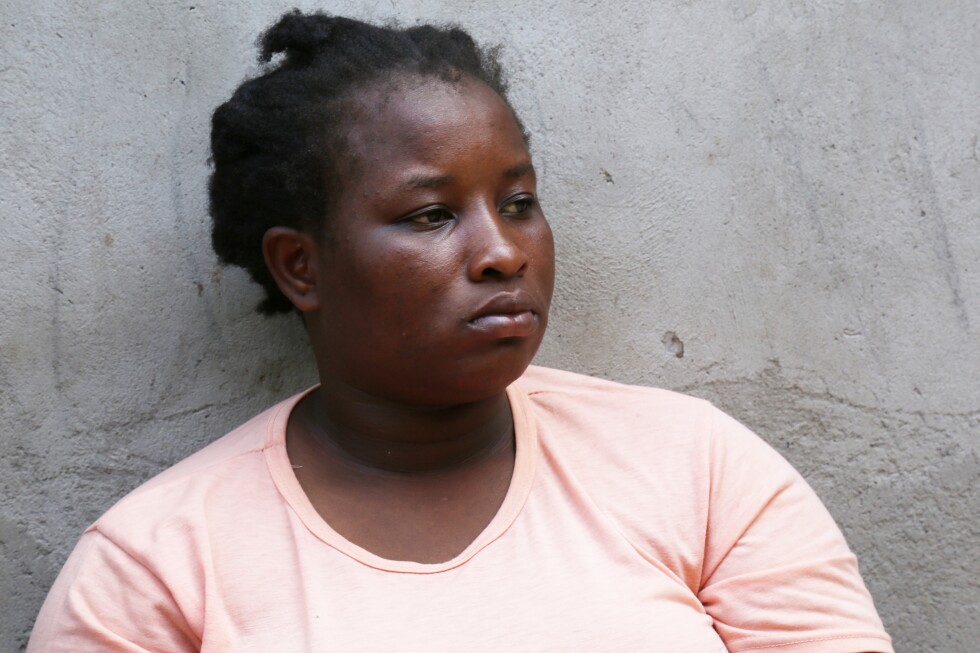
    In a case highlighting Africa’s complex reproductive rights landscape, 26-year-old Violet Zulu endured a two-year prison sentence after performing a self-managed abortion under desperate circumstances. The Zambian house cleaner, earning merely $40 monthly, found herself abandoned by her partner during pregnancy and subsequently failed by multiple systems designed to protect citizens.

    Zulu initially sought legal termination at a public clinic but was turned away without counseling or services. A private pharmacy quoted her 800 Zambian kwacha ($43)—equivalent to her entire monthly salary—for abortion medication. Already struggling to feed her two young sons and occasionally relying on relatives for food, Zulu consumed an herbal concoction known to terminate pregnancies, prioritizing her existing children’s survival over expanding her family.

    Her subsequent admission of delivering the fetus in a toilet and disposing of it led to criminal charges. Without legal representation—despite Zambia guaranteeing this right—and with only eighth-grade education, Zulu pleaded guilty without understanding the legal consequences, expecting merely a warning. Instead, she received a seven-year maximum-security prison sentence, separated from her children for nearly two years.

    International reproductive rights organizations including the Center for Reproductive Rights eventually intervened, facilitating her appeal and release. Legal experts note Zulu qualified for free abortion under Zambia’s provisions allowing doctors to consider risks to existing children’s wellbeing—information she never received due to widespread stigma and lack of public health education.

    Zambia presents a constitutional paradox: while permitting abortion under one of Africa’s more progressive laws, it simultaneously identifies as a strongly Christian nation. This contradiction creates practical barriers where legal procedures become ‘paper laws’ rather than accessible services. Health rights organizations estimate approximately 75% of African abortions are unsafe, with over 6 million occurring annually in sub-Saharan Africa under dangerous conditions.

    Even in South Africa—with the continent’s most progressive abortion laws—studies show only 7% of public health facilities actually provide services. A 2023 case involving a 14-year-old denied valid abortions underscored how medical professionals sometimes undermine legal rights.

    Zulu’s case has sparked calls for national dialogue about implementing Zambia’s reproductive laws more effectively. As activists emphasize, her story represents countless African women making desperate choices when legal systems fail them, revealing the urgent need for both legal reform and practical accessibility in reproductive healthcare.