作者: admin

  • Steve Smith activated for Australia’s T20 World Cup squad to replace injured Josh Hazlewood

    Steve Smith activated for Australia’s T20 World Cup squad to replace injured Josh Hazlewood

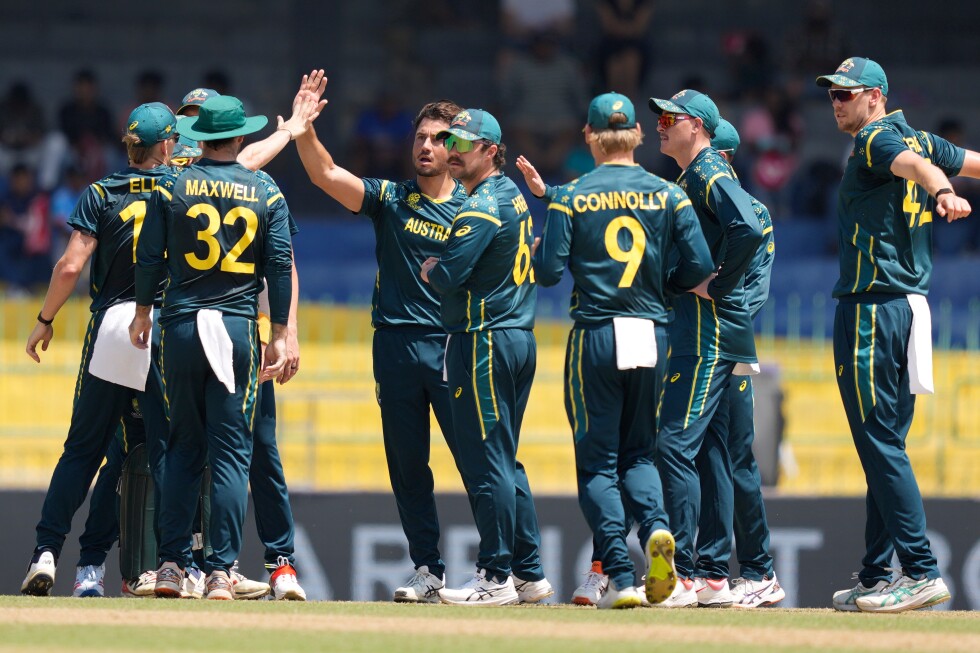
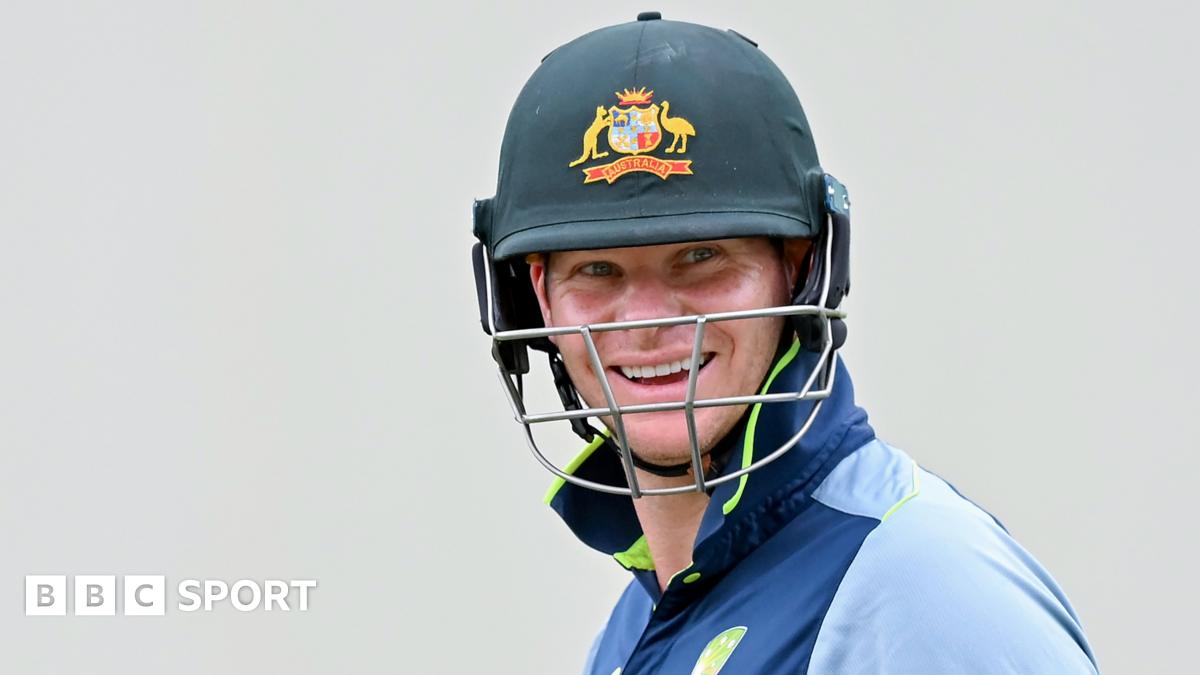
    COLOMBO, Sri Lanka — In a strategic roster adjustment, Cricket Australia has formally activated veteran batsman Steve Smith as an official injury replacement for pace bowler Josh Hazlewood in Australia’s Twenty20 World Cup campaign. The decision comes as the Australian team seeks to bolster its batting depth amid ongoing concerns about player fitness.

    The 36-year-old Smith, who hadn’t featured in a T20 international for two years, had been placed on standby at the tournament’s commencement when captain Mitch Marsh was ruled out of Australia’s opening victory against Ireland. Smith was subsequently rushed to Colombo to join the squad as insurance against further injuries.

    International Cricket Council officials have granted formal clearance for Smith’s participation, validating his eligibility to compete immediately if selected. The accomplished right-hander brings considerable experience to the lineup with 67 T20 international appearances, maintaining a career average approaching 25 with a strike rate of 125.45. His T20 credentials include five half-centuries and a top score of 90 runs.

    The roster move follows Australia’s surprising defeat to Zimbabwe, putting additional pressure on the team as they prepared to face tournament co-host Sri Lanka in Monday’s crucial Group B encounter at Pallekele International Cricket Stadium.

    Cricket Australia confirmed that Smith participated in full training sessions on Sunday, prompting selectors to formalize his inclusion through the official injury replacement protocol. National selector Tony Dodemaide explained the decision: ‘With Steve already here, combined with some uncertainty around Mitch and all-rounder Marcus Stoinis’ availability, it was logical to activate him and make him available for selection in time for Monday’s match if required.’

    The addition provides Australia with flexible batting options as they navigate the group stage of the prestigious international tournament.

  • Smith added to Australia squad before crucial match

    Smith added to Australia squad before crucial match

    In a strategic move to bolster their batting lineup, Australia has officially activated veteran batter Steve Smith for their pivotal T20 World Cup encounter against Sri Lanka in Pallekele on Monday. The 36-year-old traveled with the squad as emergency cover after captain Mitchell Marsh sustained a concerning injury described as ‘testicular bleeding’ during a recent match. Smith now formally enters the 15-man roster as the replacement for pace bowler Josh Hazlewood, who was ruled out of the tournament before its commencement. Chief selector Tony Dodemaide explained the decision, stating, ‘Given Steve’s presence here alongside some uncertainty surrounding Mitch and all-rounder Marcus Stoinis, it was logical to activate him and make him available for selection.’ Smith brings recent domestic form to the team, having scored a century and two half-centuries in just six Big Bash League appearances following the Ashes series in January. His inclusion comes at a critical juncture for the Australian team, which faces potential elimination after being bowled out for 146 runs in a shocking 23-run defeat to Zimbabwe. The team must now win their remaining matches and potentially rely on net run-rate calculations to advance to the Super 8 stage of the competition.

  • Bondi Beach shooting accused faces court for the first time

    Bondi Beach shooting accused faces court for the first time

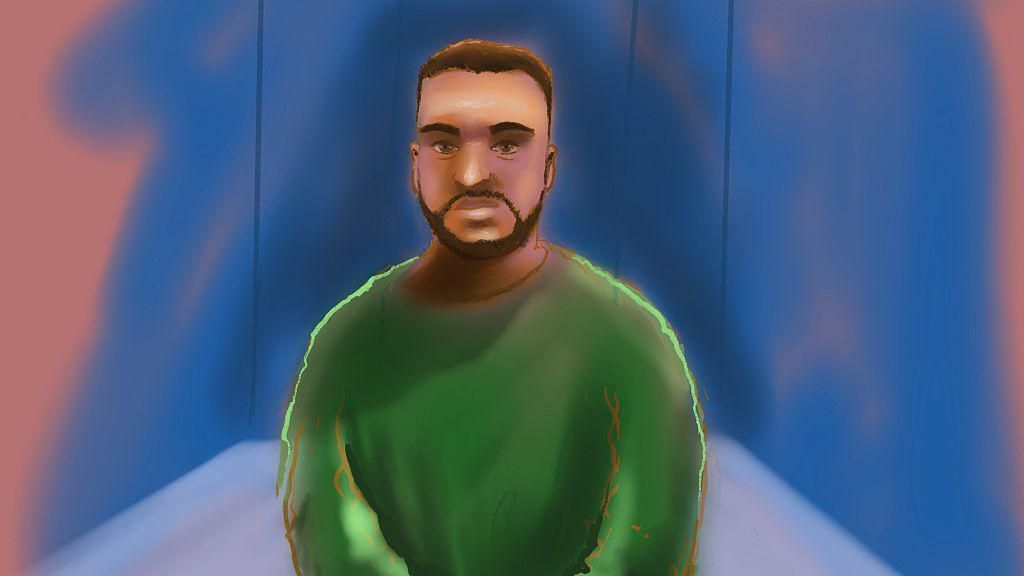
    Naveed Akram, the accused perpetrator of Australia’s deadliest mass shooting in nearly three decades, made his inaugural court appearance via video link from Goulburn Supermax Prison on Monday. The 24-year-old defendant, facing 59 criminal charges including 15 counts of murder and one terrorism offense, participated in the five-minute procedural hearing without visible emotion.

    The alleged December 14th attack targeted a Hanukkah celebration at Sydney’s iconic Bondi Beach, resulting in 15 fatalities and over 40 injuries. Akram’s father and alleged co-conspirator, 50-year-old Sajid, was fatally shot by responding police officers during the incident, while Naveed sustained critical injuries before being transferred to prison custody.

    During the brief session before Deputy Chief Magistrate Sharon Freund, Akram broke his two-month silence with a solitary verbal response. When questioned regarding suppression order extensions protecting survivors’ identities, he acknowledged with a terse “Yeah.” These judicial protections permit victims to self-identify voluntarily while shielding them from involuntary public exposure.

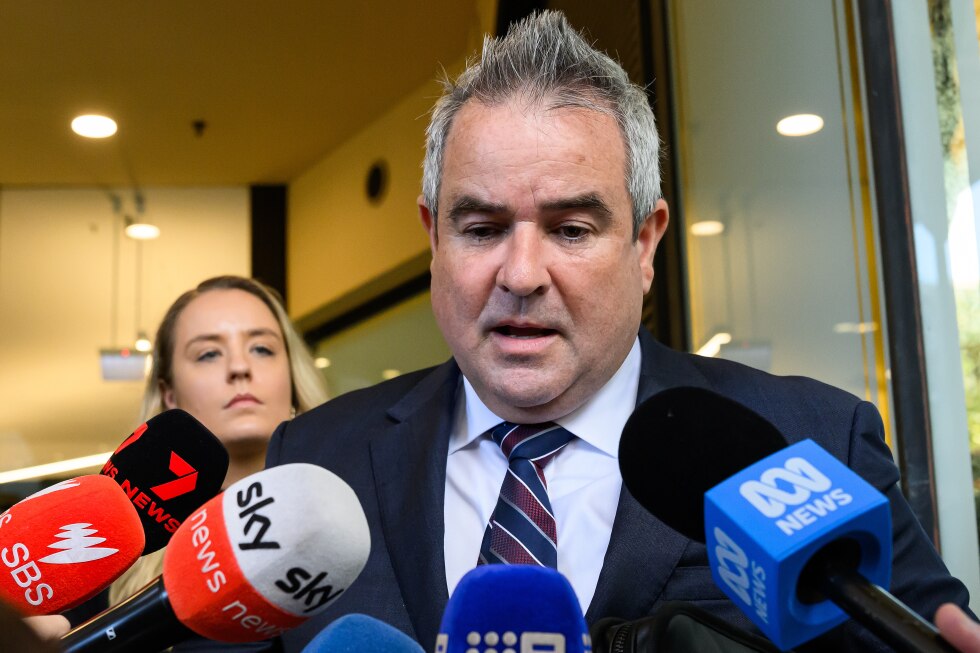
    Defense attorney Ben Archbold addressed media outside the courtroom, characterizing his client’s condition as “as well as can be expected” under the stringent conditions of Australia’s highest-security facility. Archbold emphasized the preliminary nature of legal proceedings, noting they await formal service of evidentiary materials before determining plea strategy.

    Previously disclosed court documents reveal disturbing premeditation evidence. The alleged perpetrators reportedly conducted months of meticulous planning, including physical reconnaissance at the attack site two days prior to the violence. Investigators recovered mobile phone footage from October depicting the duo positioned before an Islamic State banner while delivering ideological statements condemning Zionist actions.

    Additional footage allegedly captures the father-son pair conducting tactical firearms training in rural New South Wales, demonstrating shotgun proficiency and combat maneuvers. Among the tragically diverse victims were two rabbis, a Holocaust survivor, and a 10-year-old girl, highlighting the attack’s indiscriminate brutality.

    Akram remains scheduled for subsequent court proceedings in April as Australia’s judicial system continues to address this profound national tragedy.

  • Rubio meets Orbán in Budapest as US and Hungary are to sign a civilian nuclear pact

    Rubio meets Orbán in Budapest as US and Hungary are to sign a civilian nuclear pact

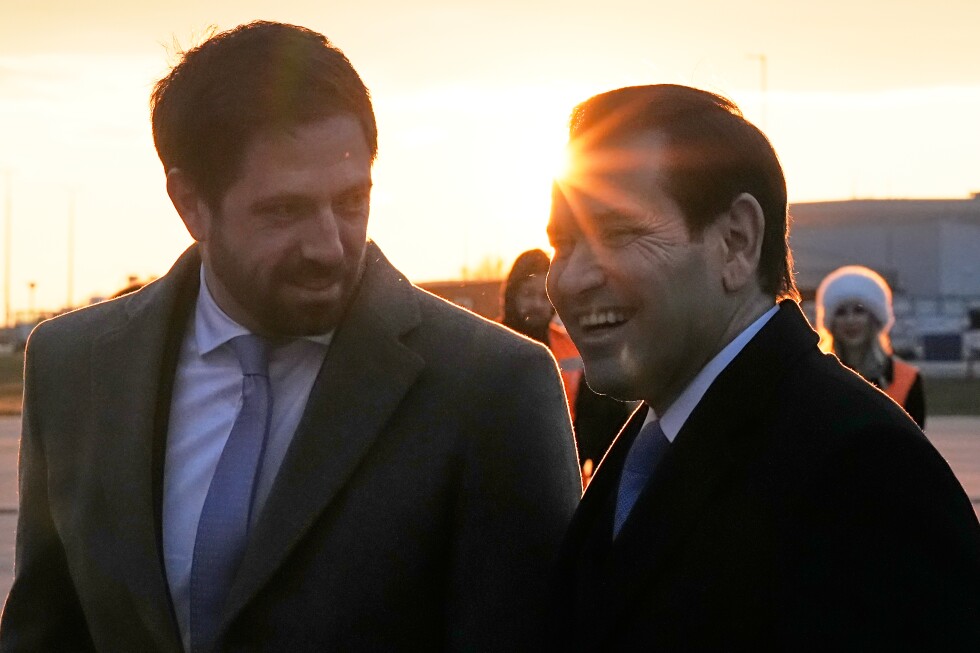
    BUDAPEST, Hungary – U.S. Secretary of State Marco Rubio convened with Hungarian Prime Minister Viktor Orbán in Budapest on Monday, culminating in the signing of a landmark civilian-nuclear cooperation agreement endorsed by President Donald Trump. This diplomatic engagement occurs precisely two months before Hungary’s pivotal April 12 parliamentary elections, where Orbán’s Fidesz party confronts its most formidable electoral challenge since returning to power in 2010.

    The Budapest meeting followed Rubio’s diplomatic tour through Central Europe, including stops in Slovakia and attendance at the Munich Security Conference. Both Hungary and Slovakia, governed by Euroskeptic populists who oppose Ukrainian military support and align with Trump’s policies, represent strategic partners for U.S. energy diplomacy in the region.

    Orbán, widely regarded as Vladimir Putin’s most reliable EU ally, has maintained cordial Kremlin relations throughout Russia’s Ukraine offensive while simultaneously cultivating favor with Trump’s political movement. This balancing act has positioned Hungary as an ideological model for conservative nationalists despite concerns about democratic backsliding and the nation’s status as one of the EU’s least prosperous members.

    Trump’s explicit endorsement of Orbán earlier this month praised the Hungarian leader as a “truly strong and powerful Leader” and “a true friend, fighter, and WINNER” on his Truth Social platform. This political affinity stems from Orbán’s stringent immigration policies, including border fencing implemented during the 2015 refugee crisis, and his government’s conservative social agenda targeting LGBTQ+ rights through bans on Pride celebrations, same-sex adoption, and legal gender recognition.

    Notably, Hungary secured exemptions from U.S. sanctions on Russian energy following Orbán’s White House meeting with Trump in November, allowing continued reliance on Kremlin energy supplies despite EU diversification efforts. With polls indicating a tight electoral race, Orbán’s administration has actively courted a potential Trump visit to Hungary before the April elections, hoping a high-profile endorsement might secure his political survival.

  • Stage beckons, festive spirit resonates overseas

    Stage beckons, festive spirit resonates overseas

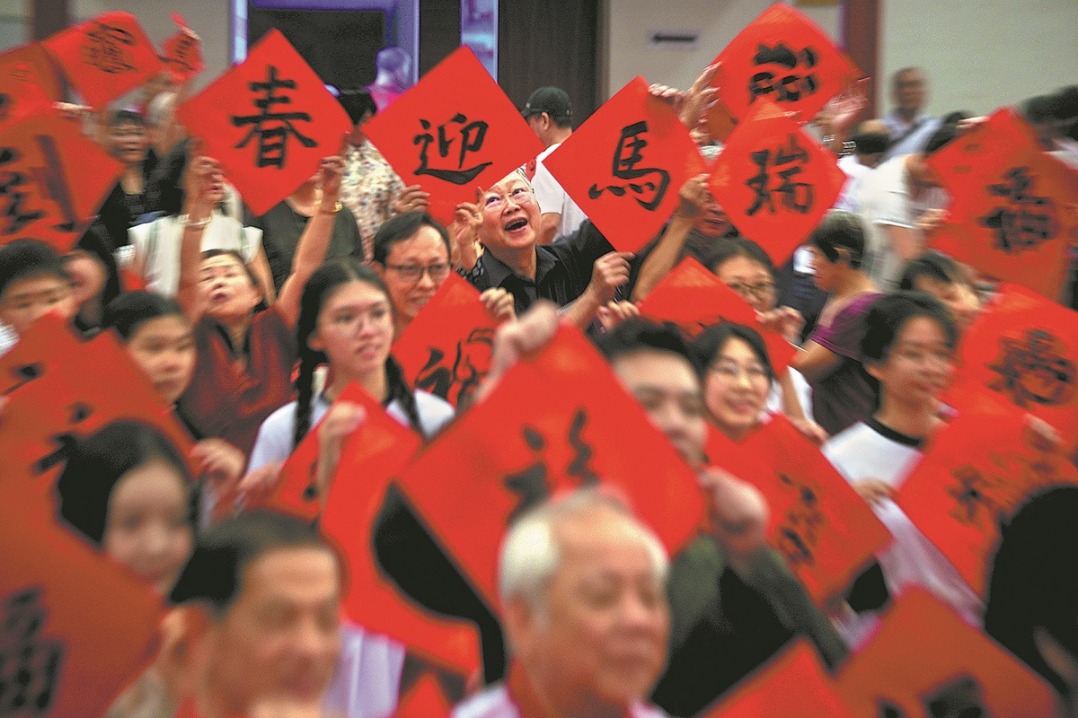
    Across continents, overseas Chinese communities are preparing elaborate cultural performances to celebrate the Spring Festival, creating a powerful tapestry of tradition and modernity. In Dubai, the rehearsal hall for the 12th Overseas Chinese Spring Festival Gala resonates with harmonious voices blending in emotional renditions of patriotic songs, particularly ‘My Motherland and I’.

    The upcoming gala, themed ‘Eternal Brilliance,’ represents one of the largest Spring Festival celebrations organized by overseas Chinese communities worldwide. Featuring a diverse program spanning dance, vocal performances, acrobatics, and instrumental music, the two-hour spectacle showcases distinctive Chinese cultural elements through sophisticated artistic expression.

    Since October, over 500 Chinese residents from the United Arab Emirates and numerous other countries, ranging from children to octogenarians, have dedicated their weekends to meticulous rehearsals. This year’s production carries special significance as it coincides with the 90th anniversary of the Long March victory, with the gala’s four-chapter narrative structure designed to echo this historical milestone.

    Li Dongxia, the gala’s director for all twelve editions and a 25-year UAE resident, emphasizes the profound connection between national strength and cultural pride. ‘Without the motherland’s prosperity, overseas Chinese cannot hold their heads high with dignity,’ she states, describing the production as ‘a fresh interpretation of the Long March Spirit in the new era.’

    The sentiment resonates deeply among performers from 13 different countries, including the UAE, United States, Germany, and South Africa. Veteran participant Lei Yulin, now in his eleventh consecutive year, describes each rehearsal as ‘an expression of longing for the motherland, care for family, and hope for the future.’

    From the Gulf region to South Asia and Australia, these celebrations serve as both cultural ambassadors and emotional touchpoints, allowing overseas Chinese to maintain their connection to heritage while sharing China’s story with global audiences through artistic excellence.

  • Motorcycle bomb at police station kills at least 2 and wounds several in northwestern Pakistan

    Motorcycle bomb at police station kills at least 2 and wounds several in northwestern Pakistan

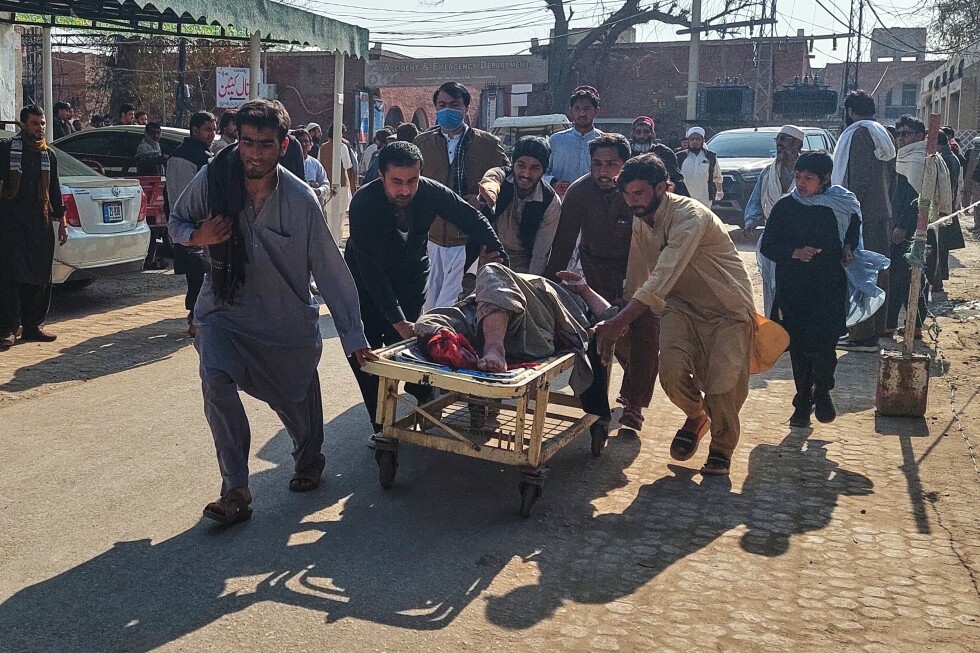
    A devastating motorcycle-borne explosive device detonated near the entrance of a police station in northwestern Pakistan on Monday, resulting in multiple casualties and significant property damage. The explosion in Bannu district, located within the volatile Khyber Pakhtunkhwa province adjacent to Afghanistan, claimed at least two lives including that of a child while injuring several other individuals according to local authorities.

    Police official Fida Mohammad confirmed the incident occurred near the station’s perimeter, damaging adjacent commercial establishments in the blast radius. Emergency response teams promptly transported casualties to medical facilities for treatment, though official details regarding the precise number of wounded remained undisclosed.

    While no militant organization immediately asserted responsibility for the assault, preliminary investigative focus centered on the Tehreek-e-Taliban Pakistan (TTP). This suspicion emerges amidst a deteriorating security environment throughout Pakistan, where government officials consistently attribute rising violence to the banned extremist group.

    The TTP maintains distinct operational command from Afghanistan’s Taliban government but shares ideological alignment with the faction that regained control of Kabul in 2021. This persistent violence has exacerbated diplomatic tensions between Islamabad and Kabul, with Pakistani authorities alleging the TTP conducts cross-border operations from Afghan territory—an accusation vehemently denied by both the militant organization and Afghanistan’s ruling administration.

  • Traditions roar on across US

    Traditions roar on across US

    Across American cities from Houston to New York, the vibrant tradition of lion dancing continues to captivate audiences as an essential component of Lunar New Year festivities. This cultural practice, initially introduced by southern Chinese immigrants during the mid-19th century in pioneering Chinatowns, has evolved into a nationally recognized symbol of Spring Festival celebrations.

    The ritual, deeply rooted in ancient Chinese mythology, represents the triumph over adversity through its dynamic combination of ferocious lion depictions and percussive music designed to ward off evil spirits. The performance serves as both cultural preservation and public spectacle, bringing communities together in celebration of prosperity, good fortune, and renewed beginnings.

    In Houston alone, established lion dance teams typically complete 30-50 annual performances during the Spring Festival period. The Shaolin Temple Cultural Center in Houston, representing one such organization, reports nearly 40 scheduled appearances for various businesses and community groups during this year’s celebrations. Master Shi Yan Chan notes that over one hundred wushu students at the center are trained in lion dance techniques, with more than twenty dedicated core members specializing in this traditional art form.

    The tradition’s expanding appeal is evidenced by its inclusion in mainstream venues such as Space Center Houston, which featured consecutive days of lion dance performances this year. The center promotes the event as ‘an incredible traditional Chinese dance in which dancers are masked and costumed to resemble lions.’

    New York’s Chinatown maintains particularly deep roots in this tradition, with continuous lion dance performances occurring throughout the 15-day festival period since the 1800s. The practice has become both a cultural cornerstone and significant tourist attraction, drawing thousands of spectators to lower Manhattan. Additional performances across Hudson Yards, Seaport, Flushing, Sunset Park, and major cultural institutions solidify New York’s status as potentially the most active city for lion dance celebrations in the United States.

  • Suspect in mass shooting at Sydney Jewish festival appears in court

    Suspect in mass shooting at Sydney Jewish festival appears in court

    The prime suspect in Australia’s deadliest mass shooting in nearly three decades made his initial court appearance Monday, months after the tragic incident that claimed 15 lives at a Jewish festival in Sydney. Naveed Akram, 24, appeared via video link from the high-security Goulburn Correctional Center, located approximately 200 kilometers from Sydney’s Downing Center Local Court.

    Akram, who sustained injuries during a subsequent confrontation with police that resulted in his father’s death, faces multiple charges including murder and committing a terrorist act. During the brief procedural hearing, the court extended a suppression order protecting the identities of victims and survivors who haven’t voluntarily disclosed their involvement publicly.

    Defense counsel Ben Archbold indicated to journalists outside the courtroom that his client’s psychological state was ‘as expected under the circumstances’ and emphasized it was premature to discuss potential pleas. The alleged attack occurred December 14 during Hanukkah celebrations at Bondi Beach, shocking the nation and prompting three separate official investigations.

    The next court hearing is scheduled for April 9, while parallel inquiries examine intelligence agency interactions prior to the incident and a royal commission investigates broader antisemitism trends in Australia. Authorities believe the attack was inspired by the Islamic State group, marking the country’s most severe alleged terrorist incident in recent history.

  • Singapore sets first ever sustainable aviation fuel levy, as Southeast Asia’s fuel industry grows

    Singapore sets first ever sustainable aviation fuel levy, as Southeast Asia’s fuel industry grows

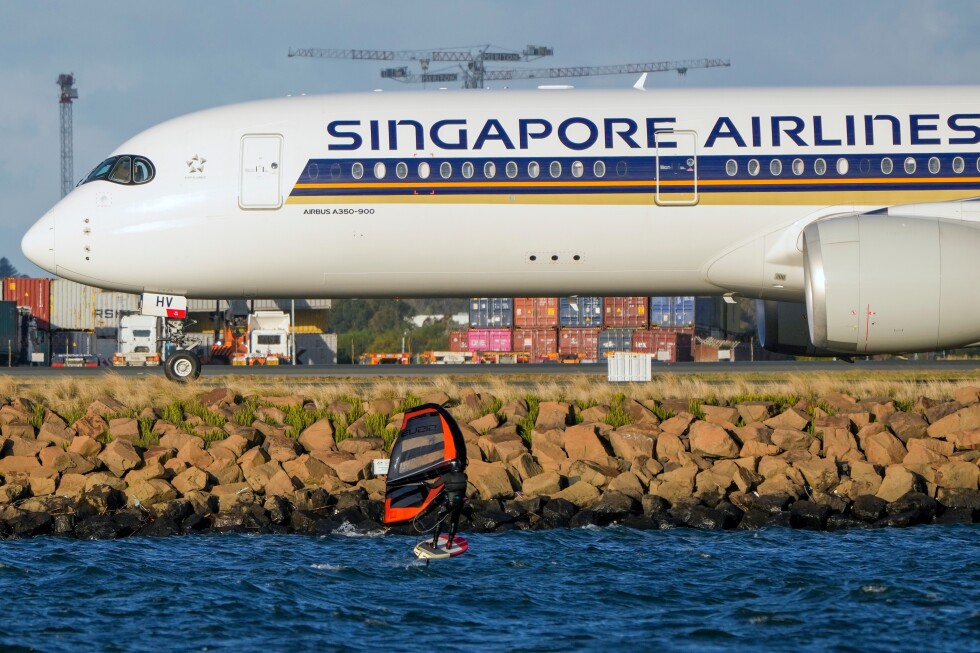
    SINGAPORE — Travelers passing through Singapore’s Changi Airport, Southeast Asia’s busiest aviation hub, will face new sustainability charges ranging from $0.75 to $32 per ticket beginning October 1st. The landmark initiative establishes a funding mechanism for sustainable aviation fuel (SAF) development through a distance-based levy system that varies by cabin class and destination.

    The strategic move positions Singapore at the forefront of regional efforts to decarbonize air travel while capitalizing on Southeast Asia’s emerging potential as a global SAF production center. The cleaner burning fuel, typically derived from recycled cooking oil and agricultural waste, represents the aviation industry’s most promising pathway to reduce emissions without requiring aircraft modifications.

    Singapore’s leadership in this green transition is demonstrated through its operational SAF facility and planned next-generation plant, with established supply agreements with major carriers including Singapore Airlines and JetBlue. The city-state’s initiative coincides with broader regional momentum, with Thailand inaugurating a new SAF plant in Bangkok this year, while Malaysia and Vietnam achieved domestic production milestones in 2025.

    According to Daniel Ng, Chief Sustainability Officer at the Civil Aviation Authority of Singapore, the transparent levy structure enables “all aviation users to contribute to sustainability at manageable costs.” The charges will be clearly itemized on passenger tickets and cargo contracts, with economy-class flights within Southeast Asia facing the minimum S$1 (approximately $0.75) surcharge, while premium cabin travelers to the Americas will pay S$41.60 (approximately $32).

    Industry experts highlight Southeast Asia’s competitive advantage in SAF production due to abundant access to agricultural and forest waste materials. Aung Soe Moe, air transport officer for the Association of Southeast Asian Nations (ASEAN), projects the region could potentially produce 8.5 million barrels of SAF daily by 2050 if development continues responsibly.

    The timing of Southeast Asia’s SAF expansion coincides with policy uncertainties in the United States, where the Trump administration’s reversal of clean energy initiatives has slowed previously robust production growth. This policy shift creates strategic opportunities for Asian producers to capture market share in the emerging sustainable aviation fuel sector.

    Despite regional enthusiasm, industry representatives emphasize the continued need for government support to maintain development momentum. The International Air Transport Association notes that while attention on Asian SAF production is growing, sustained policy incentives remain crucial for scaling the industry to meet aviation’s decarbonization targets.

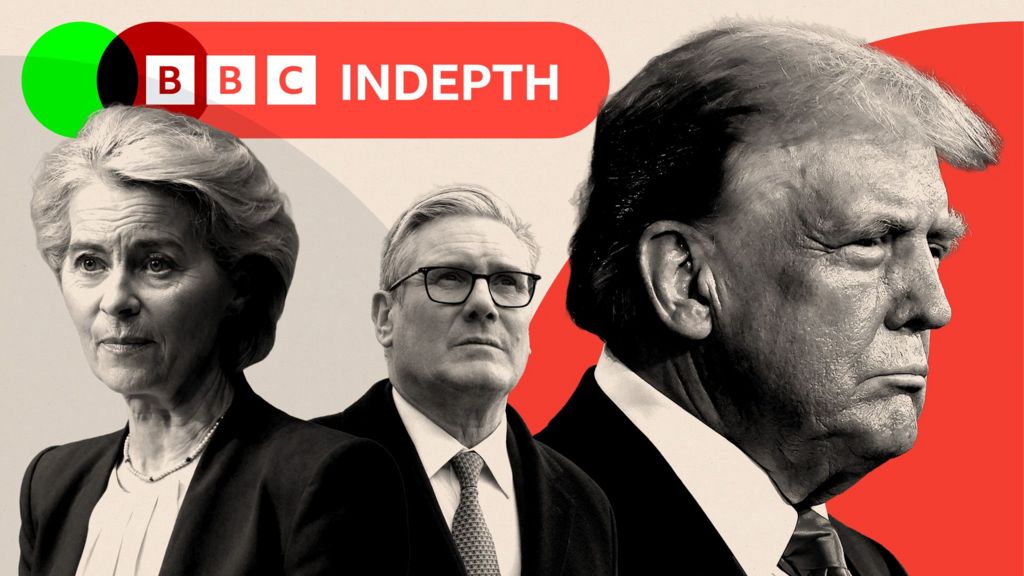
  • Trump’s new world order has become real and Europe is having to adjust fast

    Trump’s new world order has become real and Europe is having to adjust fast

    The elegant boulevards of Munich, traditionally adorned with luxury boutiques and high-performance automobiles, now showcase a strikingly different exhibition: sleek black-and-white posters heralding next-generation drones and proclaiming ‘Europe’s Security Under Construction.’ This bold military display represents a profound psychological shift for Germany, where such overt defense promotion would have been unthinkable merely years ago.

    Bavaria has rapidly emerged as Germany’s premier defense technology corridor, specializing in artificial intelligence, unmanned aerial systems, and aerospace innovation. This transformation reflects a continent grappling with unprecedented geopolitical pressures—sandwiched between an expansionist Russia and economically assertive China to the east, while confronting an increasingly unpredictable United States to the west.

    Recent Eurobarometer data reveals 68% of Europeans perceive their nations as under threat, prompting Germany’s Federal Office of Civil Protection and Disaster Assistance to issue its first Cold War-era warning about potential conflict. Concurrently, Germany has ascended to become Ukraine’s primary military benefactor following the cessation of American direct aid.

    The central question dominating the Munich Security Conference—the world’s premier annual defense gathering—was whether traditional alliances through NATO and the EU remain sufficient, or whether Europe must diversify into ad-hoc coalitions with like-minded nations including Australia, South Korea, and Japan.

    NATO Secretary General Mark Rutte highlighted Germany’s remarkable defense commitment, noting its €150 billion expenditure by 2029 will surpass combined British and French military budgets. While acknowledging American appreciation for this investment, Rutte observed that Donald Trump represents merely the latest in a succession of U.S. presidents demanding greater European security self-sufficiency, albeit with notably more confrontational rhetoric.

    The conference’s most anticipated address came from U.S. Secretary of State Marco Rubio, whose appearance generated palpable anxiety among European leadership. Transatlantic relations have deteriorated to their lowest point in eight decades, exacerbated by Trump’s threats against Danish sovereignty over Greenland, punitive tariffs on European exports, and temporary intelligence withdrawal from Ukrainian forces.

    Rubio’s delivery surprised attendees with historically grounded kinship language, asserting that America desires ‘Europe to be strong’ and acknowledging intertwined destinies. European officials visibly relaxed during his address, relieved by the absence of threats that characterized previous administration appearances.

    However, careful analysis revealed Rubio’s unwavering commitment to Trump administration priorities: climate action skepticism, multilateralism opposition, migration restrictions, and advancement of Christian Western civilization. His conditional partnership offer demanded European alignment with American values without compromise.

    European Commission President Ursula von der Leyen responded with sober realism, noting ‘some lines have been crossed that cannot be uncrossed’ and describing Europeans as having endured ‘shock therapy.’ This sentiment echoes across the continent, where defense experts like RUSI Director-General Rachel Ellehuus identify emerging divisions between northern nations increasing military spending and southern countries resisting budget hikes.

    U.S. Undersecretary of Defense Elbridge Colby delivered blunt messaging in Brussels: Europe no longer represents America’s priority, with focus shifting to the Indo-Pacific. While reaffirming NATO’s mutual defense clause, Colby announced reduced American capabilities in Europe and advocated for a ‘NATO 3.0’ with Europe as partner rather than dependent.

    In response, European leaders are pursuing à la carte coalitions beyond traditional structures. The UK-France led ‘Coalition of the Willing’ for Ukrainian sovereignty includes Turkey, New Zealand, and Australia. Canada increasingly collaborates with Nordic and Baltic nations, while Japan and South Korea are embraced as ‘like-minded family’ members.

    French President Emmanuel Macron’s concept of ‘strategic autonomy’ expands beyond defense to encompass energy security, supply chains, and technological independence. Even von der Leyen acknowledged that if EU competitiveness improvements proceed too slowly, smaller member state groups may advance independently.

    Despite this momentum, the conference underscored Europe’s continued dependence on American security infrastructure—from nuclear deterrence to intelligence architectures—and its technological lag behind the U.S. The ongoing Franco-German dispute over the Future Combat Air System exemplifies challenges in European defense cooperation.

    Ultimately, Munich revealed a continent undergoing fundamental strategic reorientation. These changes extend beyond short-term Trump administration adaptation toward lasting structural transformation. As global politics increasingly dance to the tune of great power competition, even traditionally deliberate Europe recognizes the imperative to evolve its security paradigm.