作者: admin

  • UAE’s stablecoin push shifts from pilots to point‑of‑sale as CBUAE rulebook takes hold

    UAE’s stablecoin push shifts from pilots to point‑of‑sale as CBUAE rulebook takes hold

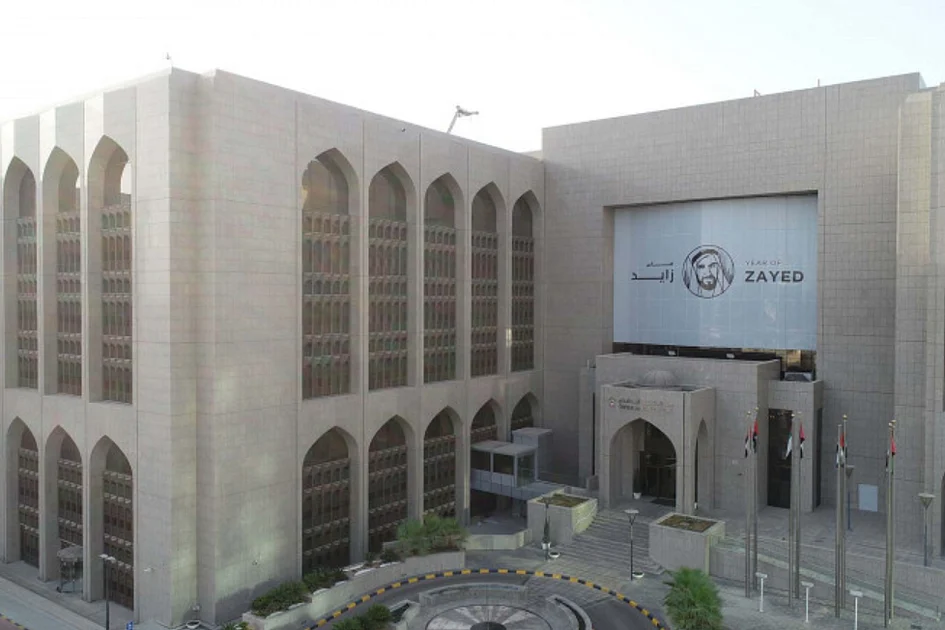
    The United Arab Emirates is executing a strategic transition of regulated stablecoins from experimental pilots into mainstream commercial applications, establishing itself as a global leader in blockchain-enabled financial infrastructure. This transformative shift is governed by the Central Bank of UAE’s comprehensive regulatory framework that mandates strict monetary safeguards while paving the way for future interoperability with the national digital currency.

    According to the landmark report ‘The UAE Blockchain Ecosystem’ produced through collaboration between Abu Dhabi Blockchain Center and Binance, the nation has cultivated an optimal environment for institutional blockchain deployment through regulatory precision, diversified capital investment, and increasing market influence. The ecosystem has progressed beyond preliminary testing phases into active production implementation across numerous enterprise applications.

    The regulatory cornerstone emerged in July 2024 when the Central Bank instituted the Payment Token Services Regulation, establishing requirements for 100% reserve backing of dirham-denominated payment tokens. The framework explicitly prohibits algorithmic and privacy tokens for payment purposes while restricting foreign-currency stablecoins primarily to trading pairs on licensed exchanges, thereby maintaining the dirham’s supremacy in domestic commerce.

    In October 2024, AE Coin achieved distinction as the first fully licensed AED-pegged stablecoin through DhStablecoin LLC in partnership with Al Maryah Community Bank, establishing a precedent for centralized issuance within regulatory parameters rather than through peripheral crypto market channels. The adoption momentum accelerated dramatically in December 2025 when ADNOC Distribution signed a memorandum to accept AE Coin across approximately 980 service stations throughout the UAE, Saudi Arabia, and Egypt. This deployment extends stablecoin functionality to fuel purchases, convenience store transactions, and car wash facilities, representing one of the most extensive retail implementations of regulated payment tokens worldwide.

    Concurrently, telecommunications provider e& UAE initiated a partnership to pilot AE Coin for consumer bill payments, mobile recharges, and digital services, indicating stablecoin integration into essential utility payments. Additional dirham-referenced initiatives are advancing through consortiums involving International Holding Company, ADQ, and First Abu Dhabi Bank, which announced plans for bank-issued dirham stablecoins. Zand Bank secured regulatory approval in November 2025 to launch a dirham-pegged token on public blockchains, demonstrating competition emerging within the licensed payment-token category among both traditional financial institutions and fintech innovators.

    The UAE’s nuanced approach permits non-dirham stablecoins in appropriate contexts: USD and EUR stablecoins have received recognition within specific free-zone frameworks for trading and settlement purposes, though not for routine domestic merchant transactions. This balanced methodology aligns capital market liquidity requirements with retail commerce monetary policies.

    This stablecoin implementation coincides with the inaugural retail phase of the Digital Dirham, launched in December 2025 through payment service providers to offer residents instantaneous, fee-exempt peer-to-peer transfers. The central bank has strategically positioned this central bank digital currency (CBDC) initiative as complementary to private payment tokens, incorporating design provisions that anticipate future interoperability between the Digital Dirham and licensed stablecoins to ensure uniform settlement standards across both public and private financial channels.

    The policy emphasis reflects the UAE’s high-volume payments economy, where domestic systems processed over Dh20 trillion in transfers during the first ten months of 2025. As one of the world’s largest sources of outbound remittances, the nation prioritizes transaction velocity, system resilience, and regulatory compliance as fundamental design objectives.

    Licensed infrastructure providers are developing solutions aligned with these regulations. Payment specialists and financial institutions are piloting AED-to-stablecoin conversion mechanisms and exploring tokenized deposits for on-chain treasury operations that remain entirely within the banking ecosystem. Regulated exchanges and custodians are integrating dirham-token parameters into both consumer and institutional workflows. Operational standards encompass reserve segregation, net liquid asset thresholds, technological safeguards, cybersecurity controls, and continuous reporting requirements, embedding compliance throughout the issuance and distribution processes.

    The emerging consideration focuses not on policy direction but implementation specifics. Point-of-sale adoption will depend on wallet interoperability among multiple dirham stablecoins, merchant integration expenses, and technical alignment with Digital Dirham interfaces. With numerous bank-backed issuers developing products and an active CBDC pilot offering commission-free transfers, the UAE is positioned for dual-track evolution where regulated private tokens and public digital currency expand concurrently, normalizing dirham-denominated digital money across petroleum, telecommunications, and daily retail while containing non-dirham stablecoins to trading and institutional contexts under combined free-zone and federal supervision.

  • Trump hints at striking Iran as White House tells Tehran to make a deal

    Trump hints at striking Iran as White House tells Tehran to make a deal

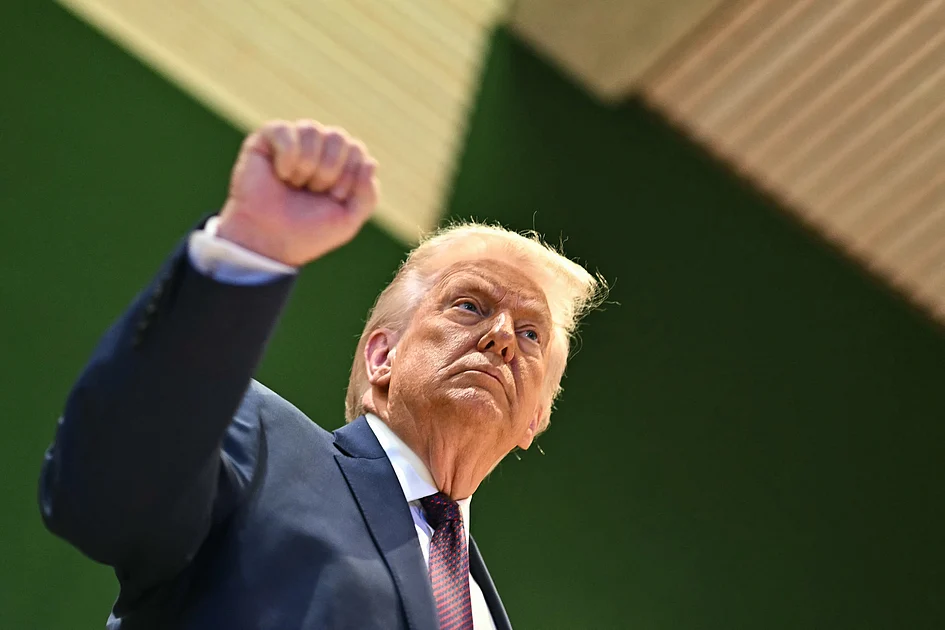
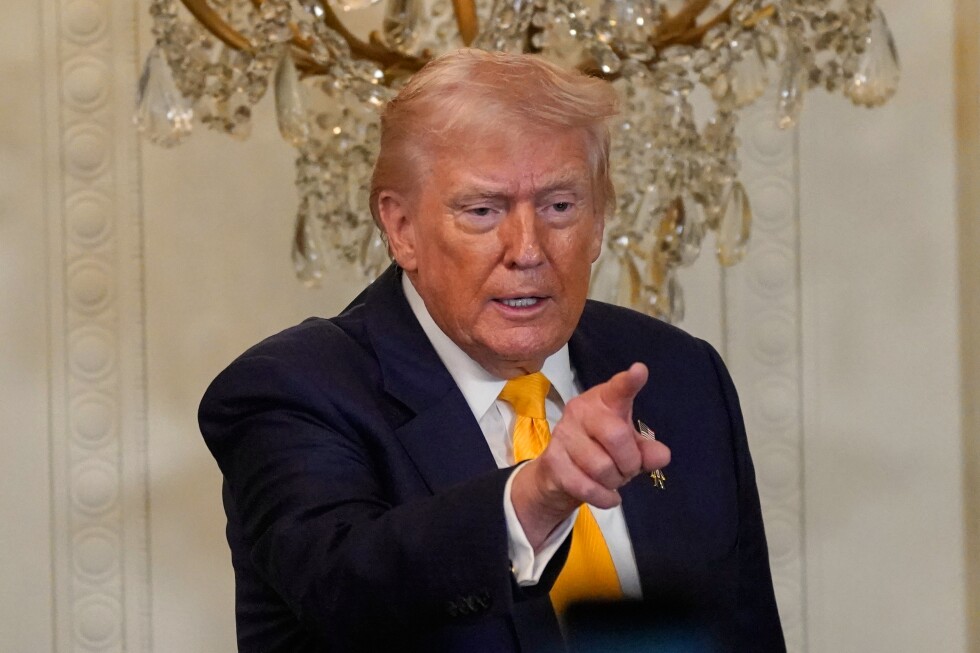
    The White House has issued a stark warning to Tehran, suggesting Iran would be “wise” to reach an agreement with the United States amid escalating military posturing and renewed diplomatic efforts. President Donald Trump has repeatedly hinted at potential military action against Iran, with satellite imagery confirming the USS Abraham Lincoln aircraft carrier and its air wing positioned approximately 700 kilometers from the Iranian coastline as of February 15th.

    The two nations recently resumed indirect negotiations mediated by Oman, marking the first serious diplomatic engagement since previous talks collapsed following Israeli surprise strikes on Iranian nuclear sites last June. That military confrontation escalated into a 12-day war that briefly saw American participation in bombing campaigns against Iranian facilities.

    White House Press Secretary Karoline Leavitt emphasized the administration’s position, stating, “Iran would be very wise to make a deal with President Trump and with his administration.” Meanwhile, Trump himself suggested on his Truth Social platform that the United States might initiate strikes, with reports indicating military preparations could be finalized as early as this weekend, though no final decision has been confirmed.

    According to intelligence sources cited by major news organizations, Trump has received comprehensive military briefings outlining options “designed to maximize damage,” including potential campaigns targeting Iranian political and military leadership with regime change objectives.

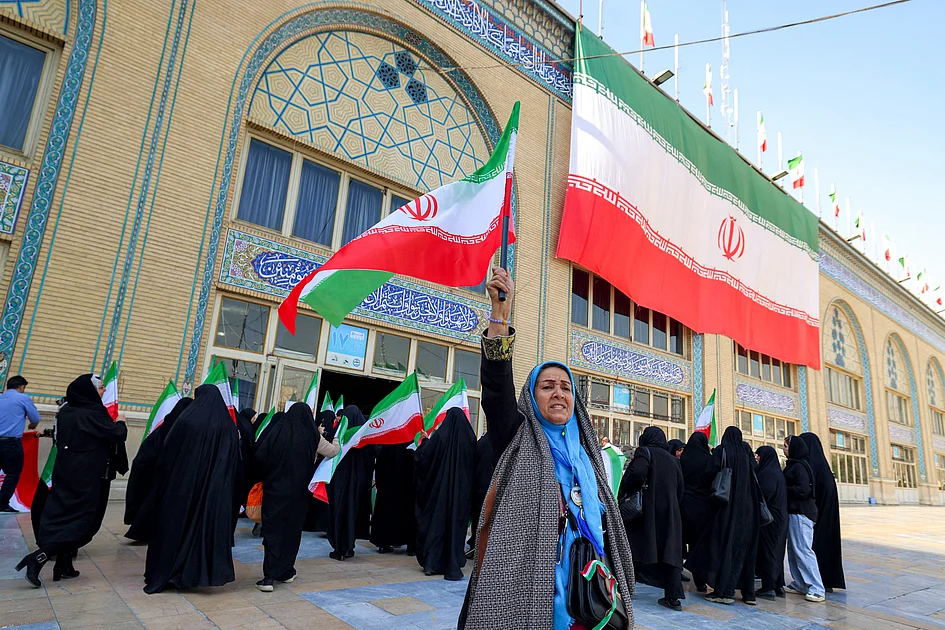
    Iranian officials have responded with measured defiance. Foreign Minister Abbas Araghchi confirmed Tehran is “drafting” a framework for future talks, while President Masoud Pezeshkian insisted “We do not want war” but warned Iran would not accept humiliating demands. “If they are going to try to impose their will on us, humiliate us and demand that we bow our heads at any cost, should we accept that?” Pezeshkian questioned.

    The diplomatic stalemate continues as both sides demonstrate military capabilities. Washington has deployed a second aircraft carrier to the region, while Iran’s Islamic Revolutionary Guard Corps has initiated war games in the strategically vital Strait of Hormuz, through which significant global energy supplies transit. Iranian state media has confirmed temporary closures of portions of the waterway during these exercises.

    Meanwhile, International Atomic Energy Agency head Rafael Grossi has engaged with Iranian officials regarding Tehran’s nuclear program, which has seen reduced cooperation with UN inspectors following previous attacks on facilities. US Energy Secretary Chris Wright reinforced Washington’s position, vowing to prevent Iranian nuclear weapons acquisition “one way or the other,” citing Tehran’s stated intentions as “entirely unacceptable.”

  • Woman accused of using ChatGPT to plan drug murders

    Woman accused of using ChatGPT to plan drug murders

    A 21-year-old South Korean woman faces murder charges following a disturbing investigation that revealed her use of OpenAI’s ChatGPT to research lethal drug interactions before allegedly poisoning multiple men. Seoul police authorities disclosed that the suspect, identified only by her surname Kim, systematically queried the AI chatbot about the dangers of mixing sleeping pills with alcohol prior to the fatal incidents.

    Digital forensic analysis of Kim’s mobile device uncovered specific searches including ‘What happens if you take sleeping pills with alcohol?’, ‘How many do you need to take for it to be dangerous?’, and the direct question ‘Could it kill someone?’ These discoveries directly contradict Kim’s initial statements to investigators where she claimed unawareness that combining prescribed benzodiazepine sedatives with alcohol could prove fatal.

    The timeline of alleged crimes begins in December 2023 when Kim first administered sedative-laced drinks to her then-partner in a Namyangju cafe parking lot, resulting in temporary unconsciousness. Police evidence indicates Kim escalated drug quantities in subsequent attacks. On January 28, 2024, a man in his twenties was found dead in a Gangbuk-gu motel hours after accompanying Kim. Using identical methodology, another victim died on February 9 after checking into a different motel with the suspect.

    Kim was initially arrested on February 11 on charges of inflicting bodily injury resulting in death, but prosecutors have since upgraded charges to premeditated murder based on digital evidence and toxicology reports. The investigation remains active as authorities examine potential additional victims beyond the three confirmed cases.

  • Peru names eighth president in a decade after incumbent’s ouster

    Peru names eighth president in a decade after incumbent’s ouster

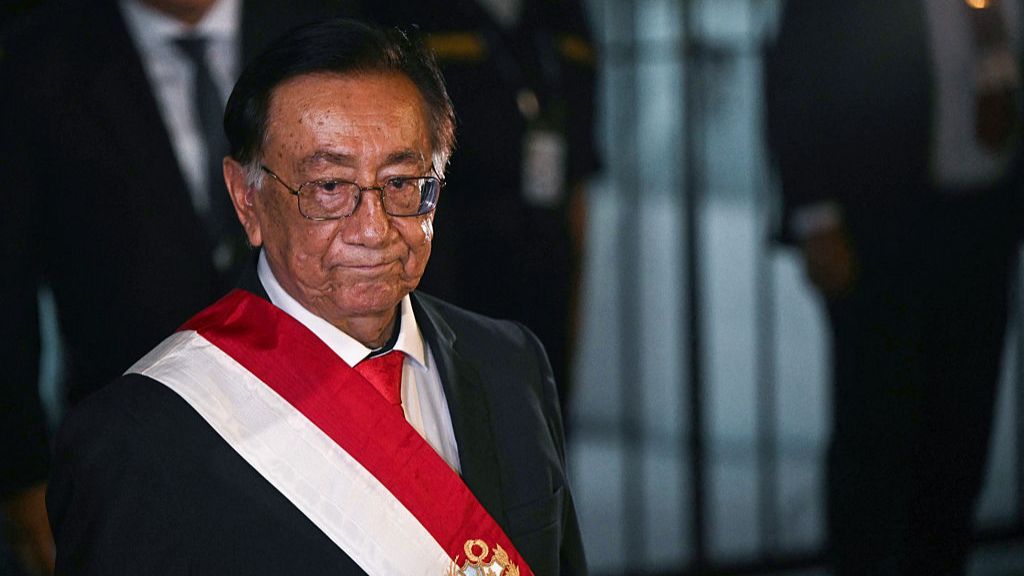
    Peru’s political landscape has undergone another seismic shift as Congress ousted President José Jerí and installed 83-year-old José María Balcázar as interim leader until July elections. The leadership change marks the eighth presidential transition since 2016, highlighting the nation’s prolonged political instability.

    Congress voted overwhelmingly to remove Jerí following allegations of influence peddling connected to undisclosed meetings with Chinese businessman Zhihua Yang, who was under government scrutiny. The scandal, dubbed ‘Chifa-gate’ after Chinese-Peruvian fusion restaurants where some meetings occurred, revealed Jerí wearing hooded attire during late-night visits to Yang’s establishments. Although Jerí maintained his innocence and denounced the allegations as a smear campaign, further controversy emerged regarding state contracts awarded to women after nocturnal presidential palace meetings.

    Balcázar, representing the left-wing Free Peru party, assumes power during profound public distrust in political institutions. The octogenarian former judge previously faced criticism for opposing legislation banning child marriage, though the bill ultimately passed despite his objection.

    In his inaugural address, Balcázar pledged to “guarantee the people of Peru a peaceful and transparent democratic and electoral transition” toward the July 28th transfer of power. The electoral process begins with April 12th primaries featuring numerous candidates, making an outright first-round victory unlikely. Polls indicate right-wing Congresswoman Keiko Fujimori (daughter of former president Alberto Fujimori) and Lima Mayor Rafael López Aliaga as frontrunners, though most Peruvian voters remain undecided.

    Notably, both Jerí and Balcázar are constitutionally barred from running in the upcoming election due to term succession rules. The political turbulence continues a pattern that has seen multiple presidents deposed by Congress, with Jerí having served merely four months after replacing impeached predecessor Dina Boluarte in October.

    Peruvian citizens expressed disillusionment to international media, with one Lima resident noting: “In 10 years, how many presidents have we had? It’s an enormous setback for the country.” Another stated they had “gotten used to this crisis, where Congress only dedicates itself to changing the president and looking out for their own well-being.”

  • Bangladesh’s new PM Tarique Rahman pledges price stability during Ramadan

    Bangladesh’s new PM Tarique Rahman pledges price stability during Ramadan

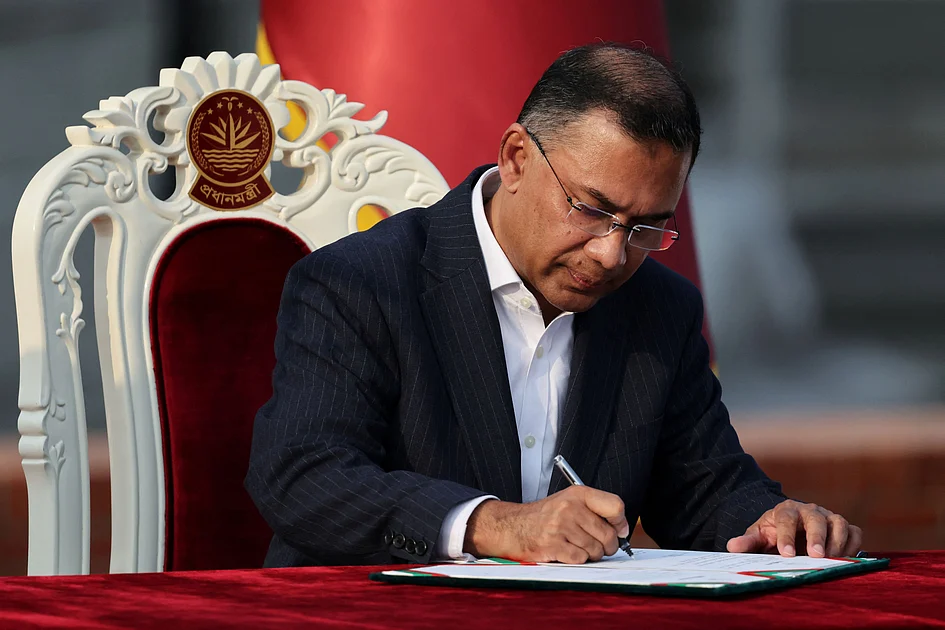
    In his inaugural policy address, Bangladesh’s newly appointed Prime Minister Tarique Rahman has committed to addressing the nation’s pressing economic challenges during the holy month of Ramadan. The 60-year-old political scion, sworn into office on Tuesday, faces the formidable task of stabilizing essential commodity prices while implementing comprehensive governance reforms.

    Rahman, son of former Prime Minister Khaleda Zia and the late President Ziaur Rahman, assumes leadership following his party’s decisive electoral victory. His administration inherits a complex landscape marked by political turbulence and economic strain, particularly after the 2024 uprising that ousted Sheikh Hasina’s government.

    During a nationally televised speech on Wednesday evening, the Prime Minister issued a stern warning against commercial exploitation during Ramadan. He emphasized the spiritual significance of the holy month, stating, ‘This period of self-purification should not exacerbate public hardship. Traders must refrain from treating Ramadan as an opportunity for excessive profit and ensure essential goods remain accessible to all citizens.’

    The government’s commitment comes against a backdrop of persistent inflationary pressures. Recent data reveals Bangladesh’s annual inflation reached 8.58% in January 2026—the highest recorded since May 2025—with food prices continuing to burden household economies.

    Rahman outlined a multi-faceted approach to economic management, pledging to dismantle market syndicates that manipulate prices while establishing robust mechanisms to protect both consumers and legitimate businesses. His administration will prioritize judicial reforms and anti-corruption measures, asserting that ‘the rule of law, rather than political influence or coercion, will serve as the foundational principle of governance.’

    Beyond immediate economic concerns, the Prime Minister revealed ambitious infrastructure modernization plans. These include comprehensive reorganization and expansion of the national railway network, alongside enhanced coordination between transportation ministries to develop an integrated transit system. This initiative aims to alleviate urban congestion while improving nationwide connectivity and commercial efficiency.

  • Trump’s ‘Board of Peace’ to hold first meeting with eyes on Gaza and beyond

    Trump’s ‘Board of Peace’ to hold first meeting with eyes on Gaza and beyond

    Washington witnessed the inaugural gathering of President Donald Trump’s newly established ‘Board of Peace’ on Thursday, an institution conceived with immediate focus on Gaza’s stabilization but designed with far broader geopolitical ambitions. The high-profile assembly brought together approximately two dozen world leaders and senior officials, notably including several of Trump’s authoritarian-leaning allies while conspicuously excluding traditional European democratic partners typically aligned with U.S. initiatives.

    The board’s formation follows the Trump administration’s successful mediation of an October ceasefire in Gaza, achieved through collaborative diplomacy with Qatar and Egypt, which halted two years of devastating conflict. According to U.S. officials, the peace plan has now progressed to its second phase, prioritizing the disarmament of Hamas—the Palestinian group whose October 7, 2023 attack on Israel triggered massive military retaliation. Gaza’s Hamas-operated health ministry reports at least 601 casualties since the truce implementation.

    Central to Thursday’s deliberations were substantial financial commitments exceeding $5 billion for Gaza’s reconstruction, where extensive infrastructure lies in ruins. President Trump has notably suggested developing resorts in the territory, drawing from his background as a property magnate. The meeting also advanced plans for an International Stabilization Force to ensure security, with Indonesia—the world’s largest Muslim-majority nation—expressing readiness to contribute up to 8,000 troops pending confirmation.

    Israeli Prime Minister Benjamin Netanyahu emphasized the priority of disarming Hamas, specifically targeting AK-47 rifles as ‘the main weapon that has to go.’ Strategic affairs expert Jeremy Issacharoff acknowledged the complexity of disarmament while stressing that a credible pathway would determine the initiative’s viability. Meanwhile, Hamas spokesman Hazem Qassem urged the board to compel Israel to cease violations and lift its longstanding siege of Gaza.

    The board’s operational framework grants Trump veto power and permanent leadership privileges even after leaving office, with permanent membership requiring a $1 billion contribution. The initiative has drawn criticism from analysts like Bruce Jones of the Brookings Institution, who described it as ‘a confused mix of ambition and narcissism, unleavened by any effort at intellectual coherence.’

    The attendance roster reflected Trump’s diplomatic preferences, featuring Hungarian Prime Minister Viktor Orban and Argentina’s President Javier Millei, while traditional U.S. allies including France and Canada were notably absent. Japan remained undecided on membership, and Brazilian President Lula da Silva declined participation, criticizing the board as ‘a new UN where only [Trump] is the owner.’

  • Meta’s Zuckerberg denies Instagram targets kids at social media addiction trial

    Meta’s Zuckerberg denies Instagram targets kids at social media addiction trial

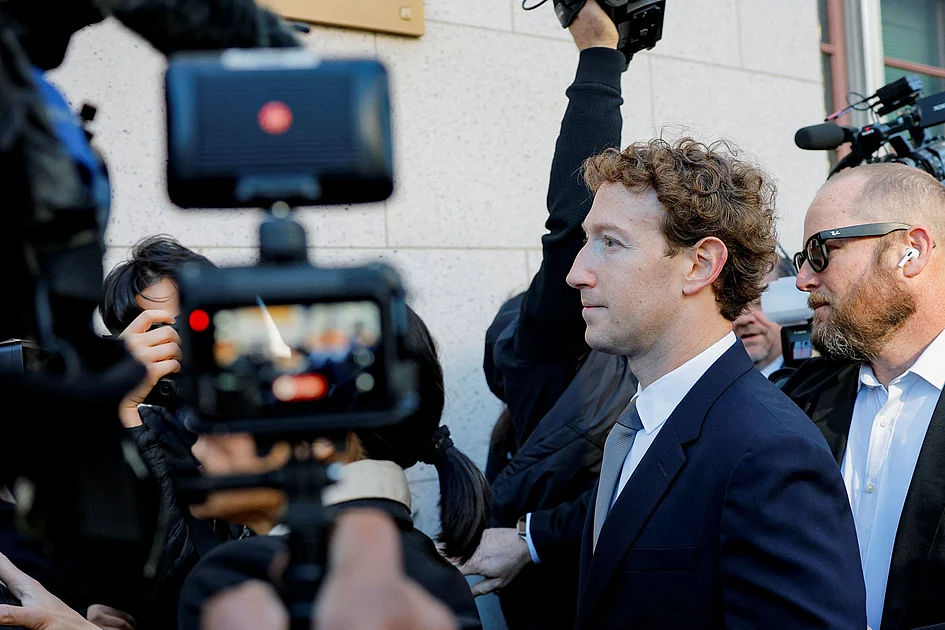
    In a pivotal courtroom confrontation with far-reaching implications for the technology sector, Meta Platforms CEO Mark Zuckerberg staunchly defended his company’s policies regarding underage users during a high-stakes trial addressing youth social media addiction. The legal proceedings, unfolding in Los Angeles, represent a critical test case within a broader wave of litigation against major tech companies.

    Under rigorous cross-examination by plaintiff’s attorney Mark Lanier, Zuckerberg repeatedly asserted that Meta maintains strict prohibitions against users under 13 on its platforms, despite internal company documents suggesting otherwise. The CEO faced particularly challenging scrutiny over a 2018 Instagram presentation that explicitly stated “If we want to win big with teens, we must bring them in as tweens” – a statement seemingly at odds with his congressional testimony from 2024.

    The case centers on a California woman who alleges that Instagram and Google’s YouTube actively sought to profit by addicting children to their services while knowingly concealing potential mental health risks. She claims these platforms significantly contributed to her depression and suicidal thoughts during childhood.

    Zuckerberg offered nuanced explanations throughout his testimony, characterizing internal documents as “gut checks” rather than formal corporate objectives. He emphasized Meta’s evolving approach to user experience, stating that while the company previously measured success through engagement metrics, it now prioritizes delivering genuine value to users.

    Notably, Meta’s competitors including Snap and TikTok opted for pre-trial settlements with the plaintiff, leaving Meta and Alphabet’s Google as the remaining defendants. The trial has revealed several damaging internal communications, including an email from former Meta executive Nick Clegg questioning the enforceability of age restrictions and noting inconsistent policies across platforms.

    The proceedings have illuminated the technological challenges of age verification, with Zuckerberg suggesting that device manufacturers should share responsibility for preventing underage access. He also testified that teenage users constitute less than 1% of Instagram’s revenue.

    This landmark case challenges the longstanding legal protections enjoyed by tech companies under US law, which have traditionally shielded platforms from liability regarding user content. The outcome could establish significant precedents for how courts evaluate platform design decisions rather than merely content moderation practices.

    The trial occurs amid growing global scrutiny of social media’s impact on youth mental health. Several countries, including Australia and various European nations, have implemented or are considering age-based restrictions on social media access. In the United States, Florida has prohibited platforms from allowing users under 14, though industry groups are challenging this legislation in court.

    As the tech industry faces this moment of reckoning, the verdict in this case could potentially reshape corporate accountability standards and regulatory approaches worldwide, forcing social media companies to fundamentally reconsider how they develop and market their services to younger audiences.

  • UK’s former Prince Andrew arrested: Read the police statement in full

    UK’s former Prince Andrew arrested: Read the police statement in full

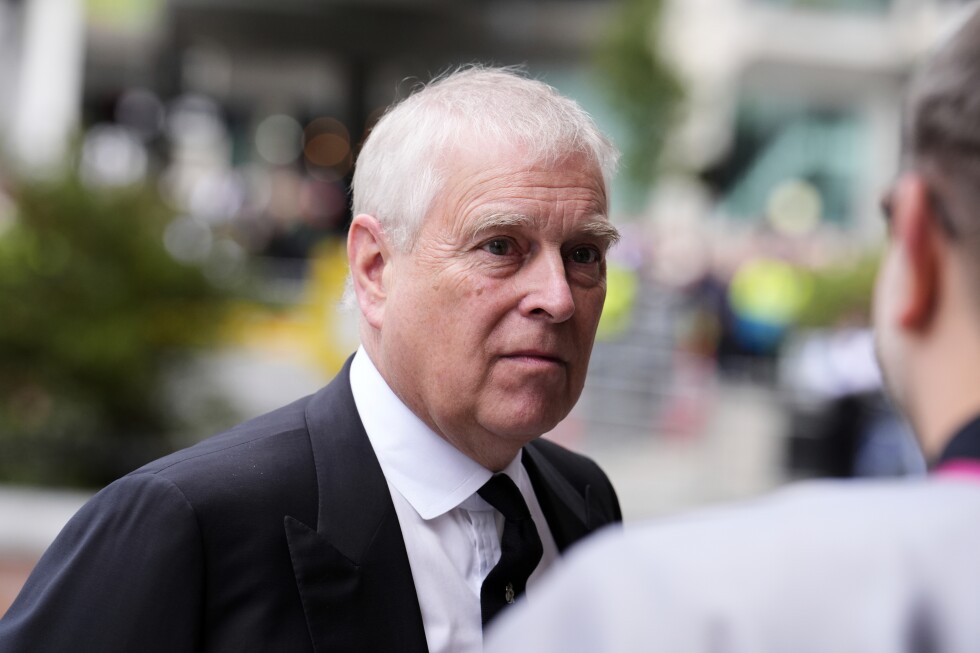
    LONDON — Thames Valley Police have taken into custody a prominent British figure on allegations of misconduct in public office, marking a significant development in an ongoing investigation. Although UK law prohibits the explicit identification of individuals prior to formal charges, official descriptors correspond with Andrew Mountbatten-Windsor, the 66-year-old former prince whose royal status was previously revoked.

    The arrest occurred on Thursday following a comprehensive assessment by authorities. Concurrent with the detention, law enforcement officials executed coordinated searches at multiple properties across Berkshire and Norfolk as part of their evidence-gathering process. The individual remains in police custody while the investigation continues to unfold.

    Assistant Chief Constable Oliver Wright emphasized the procedural integrity of the operation, stating: “Following a thorough assessment, we have now opened an investigation into this allegation of misconduct in public office. It is important that we protect the integrity and objectivity of our investigation as we work with our partners to investigate this alleged offence.”

    The police statement specifically acknowledged the considerable public attention surrounding the case while urging media outlets to exercise caution in their reporting to avoid potential contempt of court proceedings. Authorities have committed to providing further updates as the investigation progresses and reaches appropriate milestones.

  • Tata’s data centre business signs up OpenAI as first customer

    Tata’s data centre business signs up OpenAI as first customer

    In a landmark development for India’s technology sector, Tata Consultancy Services has announced a strategic partnership with artificial intelligence pioneer OpenAI. The parent company of ChatGPT revealed on Thursday that it will become the inaugural customer for Tata’s newly established data center business, committing to an initial capacity of 100 megawatts.

    The collaboration represents a significant endorsement of India’s growing data infrastructure capabilities. Concurrently, Tata Group unveiled ambitious internal plans to implement ChatGPT Enterprise across its vast organizational network. This enterprise-wide deployment will commence with several hundred thousand employees and gradually expand throughout the conglomerate’s diverse business units over the coming years.

    This dual-faceted agreement underscores the accelerating global demand for advanced computing infrastructure driven by artificial intelligence applications. The partnership positions Tata Group at the forefront of India’s digital transformation while providing OpenAI with critical infrastructure support for its expanding operations. The arrangement also signals growing confidence among international technology leaders in India’s capacity to support cutting-edge AI development and deployment.

    The announcement comes amid increased investment activity in India’s data center sector, with several global technology giants recently committing substantial resources to develop digital infrastructure throughout the country. This growing interest reflects India’s emerging status as a crucial hub for digital services and artificial intelligence innovation.

  • Tariffs paid by midsized US firms tripled last year, new analysis from JPMorganChase Institute shows

    Tariffs paid by midsized US firms tripled last year, new analysis from JPMorganChase Institute shows

    New economic research from JPMorgan Chase Institute reveals a dramatic 300% surge in tariff payments by American midsized businesses throughout 2024, directly challenging the Trump administration’s assertion that foreign entities bear the cost of import taxes. The comprehensive study, published Thursday, demonstrates how companies employing approximately 48 million U.S. workers have been forced to absorb substantial new operational expenses through price increases, workforce reductions, or diminished profit margins.

    The analysis specifically examined middle-market enterprises—firms generating between $10 million and $1 billion annually with fewer than 500 employees—which possess neither the pricing power of large multinationals nor the agility of smaller operations. According to Chi Mac, the Institute’s Business Research Director, “This represents a fundamental transformation in their cost structure. We’re observing tangible evidence of supply chain diversification away from China toward alternative Asian markets.”

    The data indicates payments to Chinese suppliers have declined by approximately 20% since October 2024, though researchers caution this could reflect either genuine supply chain relocation or mere rerouting of Chinese goods through third countries. The Trump administration has maintained that tariffs strengthen national security and economic independence, with National Economic Council Director Kevin Hassett recently dismissing contrary Federal Reserve research as “an embarrassment” that warranted “disciplinary” action.

    Despite administration claims of economic benefits, the New York Federal Reserve calculates the average tariff rate has jumped from 2.6% to 13% under Trump’s policies. Academic economists estimate consumer prices have risen approximately 0.8 percentage points higher than baseline projections due to tariff impacts. The Supreme Court is poised to rule on whether Trump exceeded executive authority by declaring an economic emergency to implement tariffs without congressional approval.