作者: admin

  • These two countries start Ramadan 2026 on February 20; here’s why

    These two countries start Ramadan 2026 on February 20; here’s why

    In a distinctive astronomical alignment, Fiji and New Zealand will initiate the holy month of Ramadan on February 20, 2026, diverging from the majority of Muslim nations that commenced observances on February 18 or 19. This chronological variance stems from the formal non-sighting of the Ramadan crescent moon on the evening of February 18, corresponding to the 29th of Shaban in the Islamic calendar.

    The Federation of Islamic Associations of New Zealand (FIANZ) and the Fiji Muslim League jointly confirmed that February 19 would complete the 30-day cycle of Shaban, thereby establishing February 20 as the inaugural day of fasting. Both organizations emphasized their adherence to traditional lunar sighting methodologies, noting that advanced astronomical calculations confirmed the impossibility of crescent visibility within their geographical regions using either naked-eye observation or telescopic assistance.

    This regional approach contrasts with numerous Middle Eastern nations including the UAE, Saudi Arabia, Kuwait, Bahrain, Qatar, Afghanistan, Lebanon, Palestine, and Sudan, which collectively began Ramadan observance on February 18. Meanwhile, several other countries including Oman, Brunei, India, Pakistan, and Egypt commenced the holy month on February 19.

    The implementation of localized moon sighting protocols demonstrates the continuing diversity in Islamic calendrical practices across global communities, with religious authorities maintaining their traditional methods for determining the commencement of significant religious periods.

  • UAE authority warns of entity impersonating Dubai Gold and Commodities Exchange

    UAE authority warns of entity impersonating Dubai Gold and Commodities Exchange

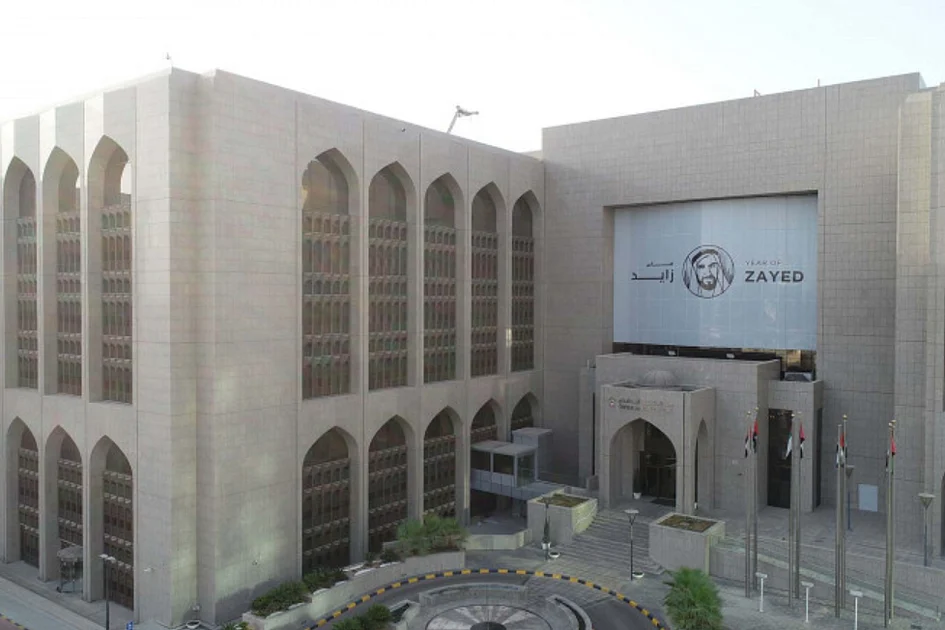
    The UAE’s Capital Management Authority (CMA) has issued an urgent investor alert regarding an unidentified entity fraudulently impersonating the Dubai Gold and Commodities Exchange (DGCX). In an official advisory published on February 18, 2026, the regulatory body emphasized that neither the CMA nor the legitimate DGCX assumes any responsibility for transactions conducted with unauthorized parties.

    The financial authority strongly advised all investors to rigorously verify the licensing status of any entity before committing to agreements or transferring funds. Investors were directed to consult the comprehensive list of licensed companies available on the CMA’s official website as a protective measure against potential financial fraud.

    This warning marks the second such alert issued by the CMA within weeks. On February 2, 2026, the authority similarly cautioned investors against engagements with Star Light Marketing Management Services, an unlicensed marketing firm operating without authorization to conduct regulated financial activities within the UAE.

    The consecutive advisories signal heightened regulatory vigilance against unauthorized financial operations in the region. The CMA’s proactive communications strategy reflects growing concerns about sophisticated financial scams targeting investors in commodity and exchange markets.

  • US military moves into place for possible strikes in Iran, say officials

    US military moves into place for possible strikes in Iran, say officials

    The United States military has positioned substantial forces in the Middle East, creating operational capacity for potential strikes against Iranian targets as early as this weekend, according to administration and Pentagon officials. This strategic mobilization places President Donald Trump at a critical juncture between pursuing diplomatic channels or authorizing military action.

    Despite indirect negotiations between the two nations in Geneva on Tuesday, where Iranian officials requested additional time to formulate detailed proposals, the continued military buildup suggests Washington maintains preparedness for offensive operations. Tehran’s foreign minister reported establishing “guiding principles” during talks, though U.S. officials acknowledged significant unresolved differences remain.

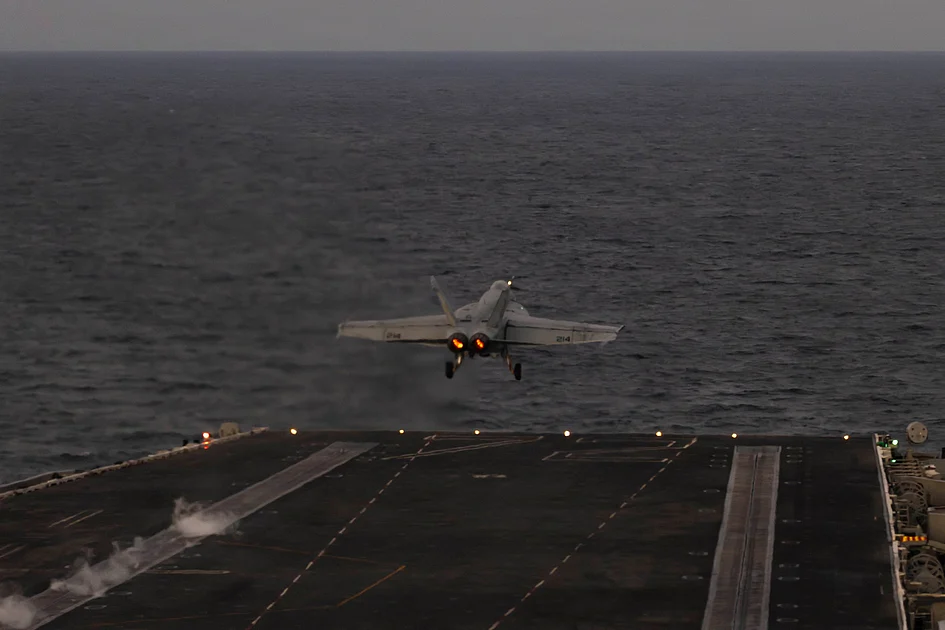
    The military deployment includes over fifty additional fighter aircraft, dozens of refueling tankers, and two aircraft carrier strike groups with accompanying destroyers, cruisers, and submarines. The USS Gerald R. Ford carrier group, recently deployed near Venezuela, is currently transiting through Gibraltar to join the USS Abraham Lincoln in the region.

    Israeli forces, operating on heightened alert status for several weeks, have intensified preparations for potential conflict involvement. Prime Minister Benjamin Netanyahu has advocated for military action to degrade Iran’s missile capabilities targeting Israel. The Israeli security Cabinet has rescheduled its meeting to Sunday, indicating ongoing strategic assessments.

    White House Press Secretary Karoline Leavitt emphasized Wednesday that “diplomacy remains the president’s first option,” while simultaneously warning Iran would be “wise to make a deal with President Trump.” The administration maintains that all decisions will prioritize American national security interests.

    Military officials confirm enhanced defensive capabilities now deployed throughout the region, including Patriot missile defense systems and Terminal High Altitude Area Defense (THAAD) batteries capable of intercepting Iranian ballistic missiles. This defensive reinforcement aims to protect U.S. forces and allies from potential retaliation following any strikes.

    The contemplated operation would represent at least the seventh U.S. military engagement in another country within the past year, and the second targeting Iran following last June’s 12-day conflict that struck nuclear and military sites. Administration officials remain divided regarding the feasibility of achieving diplomatic resolution with Tehran.

  • Son of Robert Mugabe arrested in South Africa after reported shooting

    Son of Robert Mugabe arrested in South Africa after reported shooting

    Johannesburg law enforcement authorities have taken Bellarmine Mugabe, the youngest son of Zimbabwe’s late former president Robert Mugabe, into custody following a reported shooting incident at an upscale residential property in Hyde Park. The arrest occurred on Tuesday after local police responded to allegations of violence at the exclusive Johannesburg estate.

    According to official statements from South African Police Service spokesperson Colonel Dimakatso Nevhuhulwi, two individuals are currently being questioned regarding the incident, with Mugabe identified as one of the detainees. The investigation centers around reports that a male gardener employed at the property sustained gunshot wounds and was transported to a nearby medical facility where he remains in critical condition.

    Police forensic teams have secured the crime scene and initiated a comprehensive search for the firearm allegedly used in the shooting. While specific details regarding the circumstances leading to the violence remain undisclosed, authorities have confirmed the ongoing nature of their investigation into what they describe as a serious criminal matter.

    Bellarmine Mugabe, believed to be in his mid-twenties, represents the youngest offspring of Robert Mugabe and his controversial second wife Grace Mugabe. The former Zimbabwean leader governed the nation for nearly four decades until his removal from power in 2017, passing away two years later in Singapore at age 95. The Mugabe family has maintained numerous properties across Southern Africa, including several high-value residences in South Africa’s most exclusive neighborhoods.

    This incident marks another chapter in the complex legacy of the Mugabe family, whose political and personal affairs have frequently attracted international media attention. South African authorities have emphasized their commitment to conducting a thorough and impartial investigation regardless of the suspect’s political connections.

  • The former Prince Andrew went from helicopter pilot to trade envoy to royal pariah

    The former Prince Andrew went from helicopter pilot to trade envoy to royal pariah

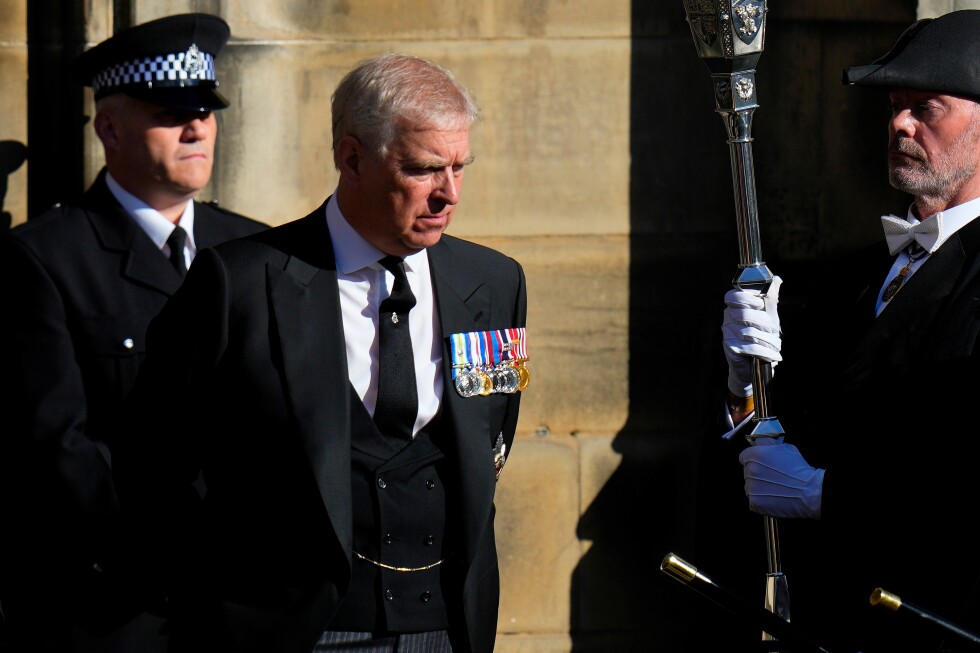
    LONDON — In an unprecedented development for the British monarchy, Prince Andrew Mountbatten-Windsor was taken into police custody on Thursday, his 66th birthday, marking the first detention of a senior royal in modern history. The arrest stems from an ongoing investigation into allegations of misconduct during his tenure as Britain’s special trade representative from 2001-2011.

    The investigation gained momentum following the recent release of court documents connected to Jeffrey Epstein, the convicted sex offender who died in prison. These documents suggest Andrew may have shared official government documents with Epstein during his diplomatic service. While no formal charges have been filed, the inquiry represents the latest chapter in the prince’s long-standing association with the disgraced financier.

    Andrew’s royal trajectory initially followed traditional patterns. Born in 1960 as Queen Elizabeth II’s second son, he pursued a distinguished 22-year military career in the Royal Navy, including combat service as a helicopter pilot during the Falklands War. His appointment as international trade envoy appeared to signal a meaningful royal role.

    However, his relationship with Epstein, first exposed in 2011, triggered a steady decline in his royal standing. The situation deteriorated dramatically following his 2019 BBC Newsnight interview, where his explanations about the Epstein connection were widely criticized as insensitive and implausible. This led to his withdrawal from public duties that November.

    The crisis intensified in 2021 when Virginia Giuffre, one of Epstein’s victims, filed a lawsuit alleging sexual abuse while she was a minor. Although Andrew settled the case without admitting guilt and acknowledged Giuffre’s suffering as a trafficking victim, the damage was irreversible. Following Giuffre’s tragic death in April 2025 and emerging evidence of extended contact with Epstein, King Charles III stripped Andrew of his princely title, military affiliations, and royal privileges.

    Despite his arrest and diminished status, Andrew remains eighth in the line of succession to the British throne, presenting an ongoing constitutional and public relations challenge for the monarchy.

  • Pope’s grand tour of Italy over the next few months takes him to Lampedusa and beyond

    Pope’s grand tour of Italy over the next few months takes him to Lampedusa and beyond

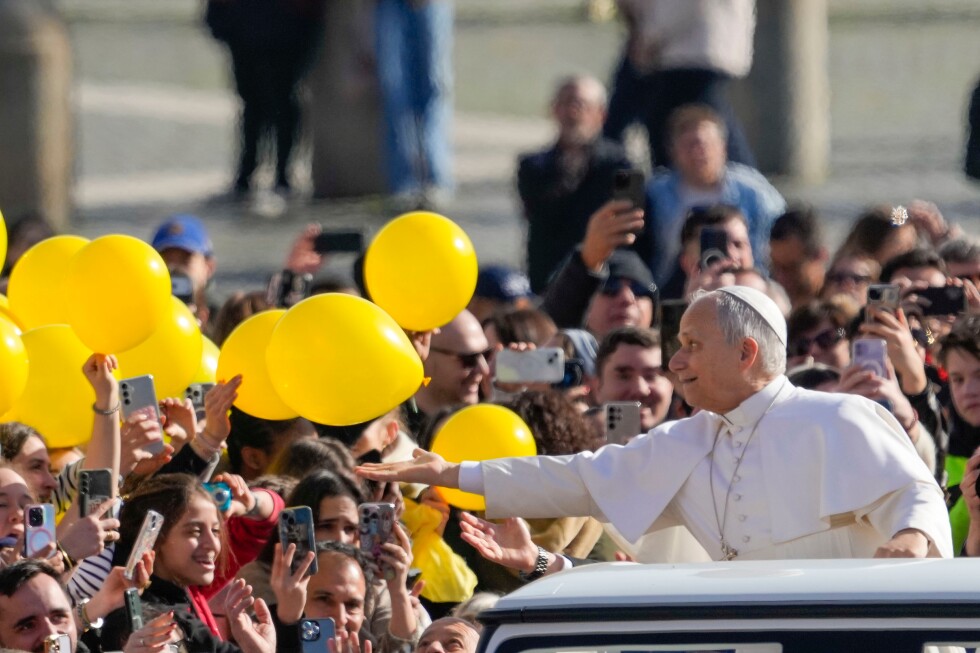
    VATICAN CITY – In an unprecedented move, the Vatican disclosed on Thursday a detailed six-month itinerary of domestic visits for Pope Leo XIV, marking a significant departure from traditional protocol regarding papal travel announcements. The comprehensive schedule reveals the pontiff’s intention to engage directly with critical social issues facing Italy, including the migrant crisis and environmental contamination caused by organized crime.

    The itinerary commences on May 8 with visits to Naples and the ancient archaeological site of Pompeii, followed by a return to the region on May 23 to minister to residents of Acerra. This area, notoriously designated as the ‘Land of Fires,’ has suffered extensive ecological damage and public health crises resulting from decades of toxic waste dumping by criminal organizations.

    On June 20, Pope Leo will journey north to Pavia near Milan before undertaking a particularly symbolic visit on July 4 to Lampedusa. This Sicilian island represents the European frontier of the migration crisis, located geographically closer to Africa than the Italian mainland. The choice echoes Pope Francis’ historic 2013 visit which established migrant solidarity as a defining theme of his papacy.

    Additional destinations include Assisi on August 6, coinciding with the 800th anniversary commemorations of St. Francis’ death, and participation in an annual religious-political conference in Rimini on August 22.

    The Vatican’s unusual advance disclosure of these domestic engagements coincides with planning for significant international travel in 2026. Potential itineraries under consideration include a four-nation African journey following Easter, with proposed stops in Algeria, Equatorial Guinea, Angola, and Cameroon. The pontiff has additionally expressed personal desire to visit Peru, Argentina, and Uruguay later in the year.

    Notably absent from current plans is a visit to Pope Leo’s native United States, constrained previously by the intensive schedule of the 2025 Holy Year that limited international travel opportunities. With the Jubilee celebrations concluded, the Chicago-born pope has commenced regular parish visits throughout Rome during Lent, demonstrating his commitment to direct engagement with the faithful.

  • Magnitude 5.5 earthquake strikes southern Iran on first day of Ramadan

    Magnitude 5.5 earthquake strikes southern Iran on first day of Ramadan

    A significant seismic event registering 5.5 magnitude struck southern Iran on Thursday, coinciding with the commencement of Ramadan observances across the Islamic world. The German Research Centre for Geosciences (GFZ), a leading authority in geological monitoring, reported the earthquake occurred at a shallow depth of approximately 10 kilometers (6.21 miles).

    The tremor’s epicenter was located in Iran’s seismically active southern region, an area historically prone to geological disturbances due to its position along major tectonic plate boundaries. While immediate details regarding potential damage or casualties remained limited, the combination of the quake’s moderate strength and shallow depth typically suggests potentially noticeable ground shaking across affected areas.

    This seismic activity follows recent similar events in the region, including a magnitude 5.1 earthquake that previously struck southern Iran at identical depth parameters. The recurrence of such geological events highlights the persistent seismic vulnerability of the Iranian plateau, which experiences frequent tectonic movements due to the convergence of the Arabian and Eurasian plates.

    The timing of this natural phenomenon, occurring on the first day of Ramadan—a period marked by fasting, prayer, and heightened religious observance—adds a layer of significance to the event for affected communities. Regional authorities have yet to issue comprehensive statements regarding infrastructure assessment or emergency response measures following the tremor.

  • A nationwide union strike in Argentina tests its leader Milei’s flagship labor overhaul

    A nationwide union strike in Argentina tests its leader Milei’s flagship labor overhaul

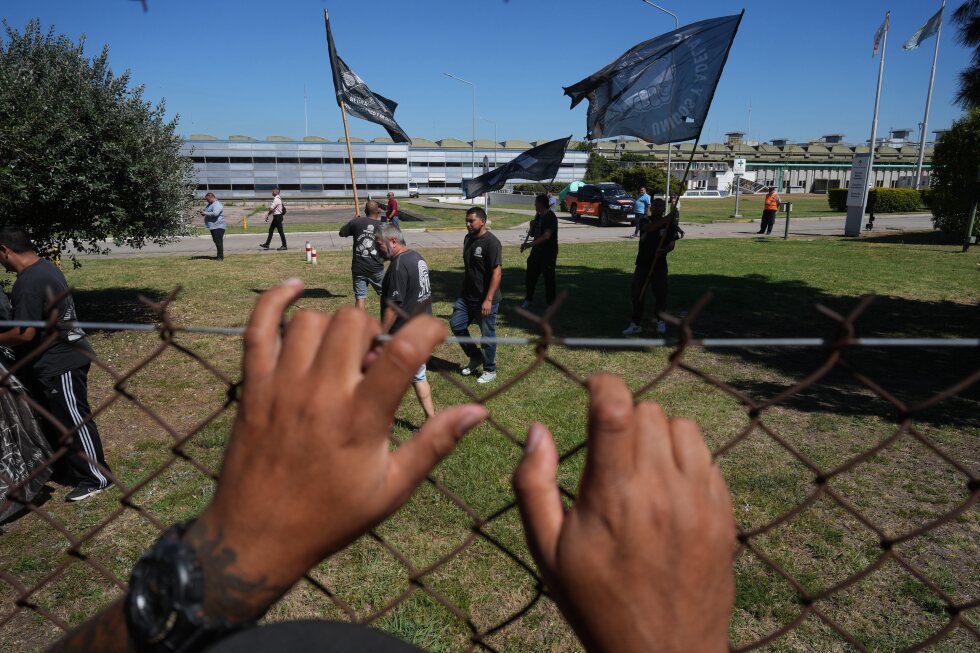
    BUENOS AIRES, Argentina — Argentina’s most influential labor unions orchestrated a comprehensive nationwide strike on Thursday, creating widespread disruptions in protest against President Javier Milei’s proposed overhaul of the country’s labor legislation. This massive demonstration has escalated the confrontation between the libertarian administration and traditionally powerful worker organizations as the contentious bill approaches a pivotal legislative vote.

    The strike precipitated significant operational halts across multiple sectors: financial institutions shuttered, public education facilities closed, transportation networks suspended services, airlines canceled hundreds of flights, and medical centers deferred all non-urgent surgical procedures. This coordinated action coincides with the lower house of Argentina’s Congress preparing to deliberate on the labor reform legislation, following the Senate’s preliminary approval granted one week earlier.

    This formidable display of union solidarity—encompassing transportation, construction, food services, and other essential industries—emerges amid growing public dissatisfaction with the inconsistent economic recovery under Milei’s governance. While the administration has successfully stabilized government finances and curbed the nation’s previously rampant inflation, it continues to grapple with persistent unemployment, wage stagnation, and sluggish economic expansion.

    President Milei maintains that modernizing Argentina’s five-decade-old labor regulations constitutes a fundamental component of his strategy to attract foreign investment, enhance productivity, and stimulate employment growth in a nation where approximately 40% of workers operate in the informal economy without legal protections.

    Union representatives contend that the proposed legislation would substantially undermine longstanding worker safeguards, including reductions in traditionally generous severance packages, restrictions on strike authorization, simplified employee termination procedures, and the legalization of 12-hour workdays.

    Cristian Jerónimo, a prominent leader within the General Confederation of Labor (Argentina’s largest trade union coalition), characterized the proposal as “entirely regressive” during a press conference announcing the strike, asserting that “the only priority it establishes is the restriction of workers’ rights.”

    This robust union opposition has historically thwarted previous governmental attempts to reform Argentina’s antiquated labor code, which remains widely regarded as one of the most financially burdensome regulatory frameworks for corporations operating in Latin America.

    The labor reform’s legislative outcome represents the first significant assessment of Milei’s political influence since his libertarian party, La Libertad Avanza, secured victory in last year’s midterm elections with support from key ally former U.S. President Donald Trump. The timing of the strike proved particularly inconvenient for the Argentine leader, who was attending the inaugural meeting of Trump’s Board of Peace initiative in Washington during the protests.

    Even if the legislation passes the lower house, it must return to the Senate for final ratification due to a controversial last-minute amendment that would reduce salaries by half for workers taking leave due to non-occupational injuries or illnesses. This provision generated substantial opposition criticism and compelled the government to modify the version previously approved by the Senate.

    Approximately 40% of Argentina’s 13 million formally registered workers maintain union membership according to labor estimates, with many maintaining strong affiliations with the Peronist movement that governed the country previously and dominated national politics for decades.

  • UAE’s stablecoin push shifts from pilots to point‑of‑sale as CBUAE rulebook takes hold

    UAE’s stablecoin push shifts from pilots to point‑of‑sale as CBUAE rulebook takes hold

    The United Arab Emirates is executing a strategic transition of regulated stablecoins from experimental pilots into mainstream commercial applications, establishing itself as a global leader in blockchain-enabled financial infrastructure. This transformative shift is governed by the Central Bank of UAE’s comprehensive regulatory framework that mandates strict monetary safeguards while paving the way for future interoperability with the national digital currency.

    According to the landmark report ‘The UAE Blockchain Ecosystem’ produced through collaboration between Abu Dhabi Blockchain Center and Binance, the nation has cultivated an optimal environment for institutional blockchain deployment through regulatory precision, diversified capital investment, and increasing market influence. The ecosystem has progressed beyond preliminary testing phases into active production implementation across numerous enterprise applications.

    The regulatory cornerstone emerged in July 2024 when the Central Bank instituted the Payment Token Services Regulation, establishing requirements for 100% reserve backing of dirham-denominated payment tokens. The framework explicitly prohibits algorithmic and privacy tokens for payment purposes while restricting foreign-currency stablecoins primarily to trading pairs on licensed exchanges, thereby maintaining the dirham’s supremacy in domestic commerce.

    In October 2024, AE Coin achieved distinction as the first fully licensed AED-pegged stablecoin through DhStablecoin LLC in partnership with Al Maryah Community Bank, establishing a precedent for centralized issuance within regulatory parameters rather than through peripheral crypto market channels. The adoption momentum accelerated dramatically in December 2025 when ADNOC Distribution signed a memorandum to accept AE Coin across approximately 980 service stations throughout the UAE, Saudi Arabia, and Egypt. This deployment extends stablecoin functionality to fuel purchases, convenience store transactions, and car wash facilities, representing one of the most extensive retail implementations of regulated payment tokens worldwide.

    Concurrently, telecommunications provider e& UAE initiated a partnership to pilot AE Coin for consumer bill payments, mobile recharges, and digital services, indicating stablecoin integration into essential utility payments. Additional dirham-referenced initiatives are advancing through consortiums involving International Holding Company, ADQ, and First Abu Dhabi Bank, which announced plans for bank-issued dirham stablecoins. Zand Bank secured regulatory approval in November 2025 to launch a dirham-pegged token on public blockchains, demonstrating competition emerging within the licensed payment-token category among both traditional financial institutions and fintech innovators.

    The UAE’s nuanced approach permits non-dirham stablecoins in appropriate contexts: USD and EUR stablecoins have received recognition within specific free-zone frameworks for trading and settlement purposes, though not for routine domestic merchant transactions. This balanced methodology aligns capital market liquidity requirements with retail commerce monetary policies.

    This stablecoin implementation coincides with the inaugural retail phase of the Digital Dirham, launched in December 2025 through payment service providers to offer residents instantaneous, fee-exempt peer-to-peer transfers. The central bank has strategically positioned this central bank digital currency (CBDC) initiative as complementary to private payment tokens, incorporating design provisions that anticipate future interoperability between the Digital Dirham and licensed stablecoins to ensure uniform settlement standards across both public and private financial channels.

    The policy emphasis reflects the UAE’s high-volume payments economy, where domestic systems processed over Dh20 trillion in transfers during the first ten months of 2025. As one of the world’s largest sources of outbound remittances, the nation prioritizes transaction velocity, system resilience, and regulatory compliance as fundamental design objectives.

    Licensed infrastructure providers are developing solutions aligned with these regulations. Payment specialists and financial institutions are piloting AED-to-stablecoin conversion mechanisms and exploring tokenized deposits for on-chain treasury operations that remain entirely within the banking ecosystem. Regulated exchanges and custodians are integrating dirham-token parameters into both consumer and institutional workflows. Operational standards encompass reserve segregation, net liquid asset thresholds, technological safeguards, cybersecurity controls, and continuous reporting requirements, embedding compliance throughout the issuance and distribution processes.

    The emerging consideration focuses not on policy direction but implementation specifics. Point-of-sale adoption will depend on wallet interoperability among multiple dirham stablecoins, merchant integration expenses, and technical alignment with Digital Dirham interfaces. With numerous bank-backed issuers developing products and an active CBDC pilot offering commission-free transfers, the UAE is positioned for dual-track evolution where regulated private tokens and public digital currency expand concurrently, normalizing dirham-denominated digital money across petroleum, telecommunications, and daily retail while containing non-dirham stablecoins to trading and institutional contexts under combined free-zone and federal supervision.

  • Trump hints at striking Iran as White House tells Tehran to make a deal

    Trump hints at striking Iran as White House tells Tehran to make a deal

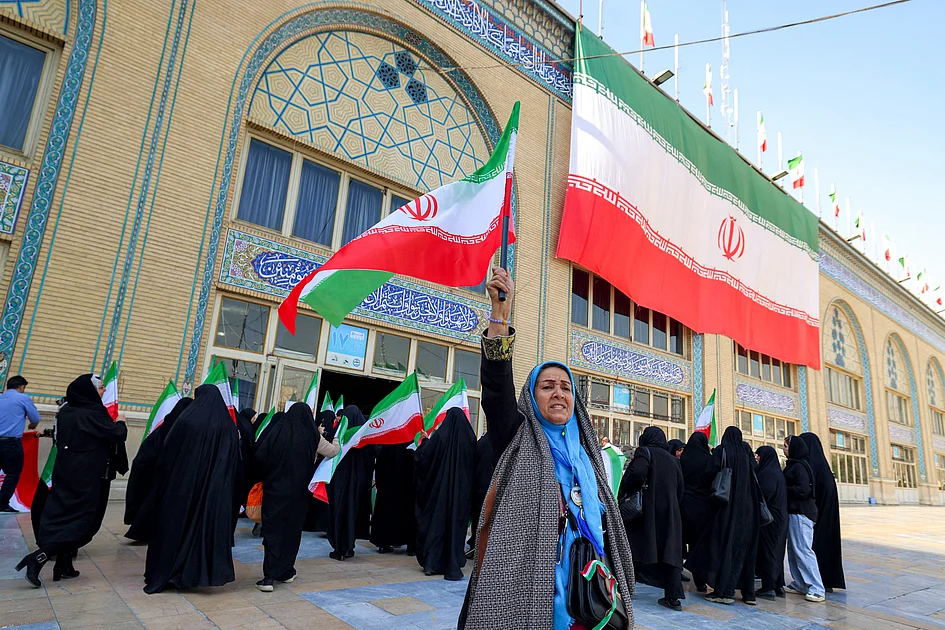
    The White House has issued a stark warning to Tehran, suggesting Iran would be “wise” to reach an agreement with the United States amid escalating military posturing and renewed diplomatic efforts. President Donald Trump has repeatedly hinted at potential military action against Iran, with satellite imagery confirming the USS Abraham Lincoln aircraft carrier and its air wing positioned approximately 700 kilometers from the Iranian coastline as of February 15th.

    The two nations recently resumed indirect negotiations mediated by Oman, marking the first serious diplomatic engagement since previous talks collapsed following Israeli surprise strikes on Iranian nuclear sites last June. That military confrontation escalated into a 12-day war that briefly saw American participation in bombing campaigns against Iranian facilities.

    White House Press Secretary Karoline Leavitt emphasized the administration’s position, stating, “Iran would be very wise to make a deal with President Trump and with his administration.” Meanwhile, Trump himself suggested on his Truth Social platform that the United States might initiate strikes, with reports indicating military preparations could be finalized as early as this weekend, though no final decision has been confirmed.

    According to intelligence sources cited by major news organizations, Trump has received comprehensive military briefings outlining options “designed to maximize damage,” including potential campaigns targeting Iranian political and military leadership with regime change objectives.

    Iranian officials have responded with measured defiance. Foreign Minister Abbas Araghchi confirmed Tehran is “drafting” a framework for future talks, while President Masoud Pezeshkian insisted “We do not want war” but warned Iran would not accept humiliating demands. “If they are going to try to impose their will on us, humiliate us and demand that we bow our heads at any cost, should we accept that?” Pezeshkian questioned.

    The diplomatic stalemate continues as both sides demonstrate military capabilities. Washington has deployed a second aircraft carrier to the region, while Iran’s Islamic Revolutionary Guard Corps has initiated war games in the strategically vital Strait of Hormuz, through which significant global energy supplies transit. Iranian state media has confirmed temporary closures of portions of the waterway during these exercises.

    Meanwhile, International Atomic Energy Agency head Rafael Grossi has engaged with Iranian officials regarding Tehran’s nuclear program, which has seen reduced cooperation with UN inspectors following previous attacks on facilities. US Energy Secretary Chris Wright reinforced Washington’s position, vowing to prevent Iranian nuclear weapons acquisition “one way or the other,” citing Tehran’s stated intentions as “entirely unacceptable.”