
The first space race was defined by symbolic achievements like planting flags and leaving footprints on the moon. Today, the focus has shifted dramatically. The new frontier is about building sustainable infrastructure on the lunar surface, and the key to this endeavor lies in power generation. In April 2025, China announced ambitious plans to construct a nuclear power plant on the moon by 2035, aimed at supporting its proposed international lunar research station. Not to be outdone, the United States, through NASA’s acting administrator Sean Duffy, revealed intentions to deploy a lunar reactor by 2030. While these developments may seem sudden, they are the culmination of years of research and development by NASA and the Department of Energy into small nuclear power systems designed for lunar bases, mining operations, and long-term habitats. From the perspective of space law, this is not an arms race but a strategic infrastructure race, where influence is wielded through the establishment of critical facilities. A lunar nuclear reactor, while dramatic, is neither illegal nor unprecedented. If implemented responsibly, it could enable peaceful exploration, economic growth, and technological advancements for deeper space missions. However, it also raises significant questions about access, safety, and geopolitical influence. The legal framework for such endeavors already exists, with the 1992 UN Principles Relevant to the Use of Nuclear Power Sources in Outer Space providing guidelines for safety and international consultation. The 1967 Outer Space Treaty further governs space activity, emphasizing cooperation and due regard for other nations. Being the first to establish a lunar reactor could set norms for future lunar presence and operations, particularly in resource-rich areas like the moon’s south pole, where water ice could sustain life and fuel rockets. Critics have raised concerns about radiation risks, but adherence to UN safety protocols could mitigate these issues. Solar power, while viable in some regions, is unreliable in the moon’s permanently shadowed craters, making nuclear energy a practical necessity. The deployment of nuclear power on the moon is not just about lunar exploration; it is a stepping stone for missions to Mars and beyond. The United States has an opportunity to lead not only in technology but also in governance by adhering to international guidelines and promoting transparency. The future of lunar exploration will be shaped by who builds what and how, with infrastructure serving as the cornerstone of influence in the next era of space exploration.
作者: admin
-
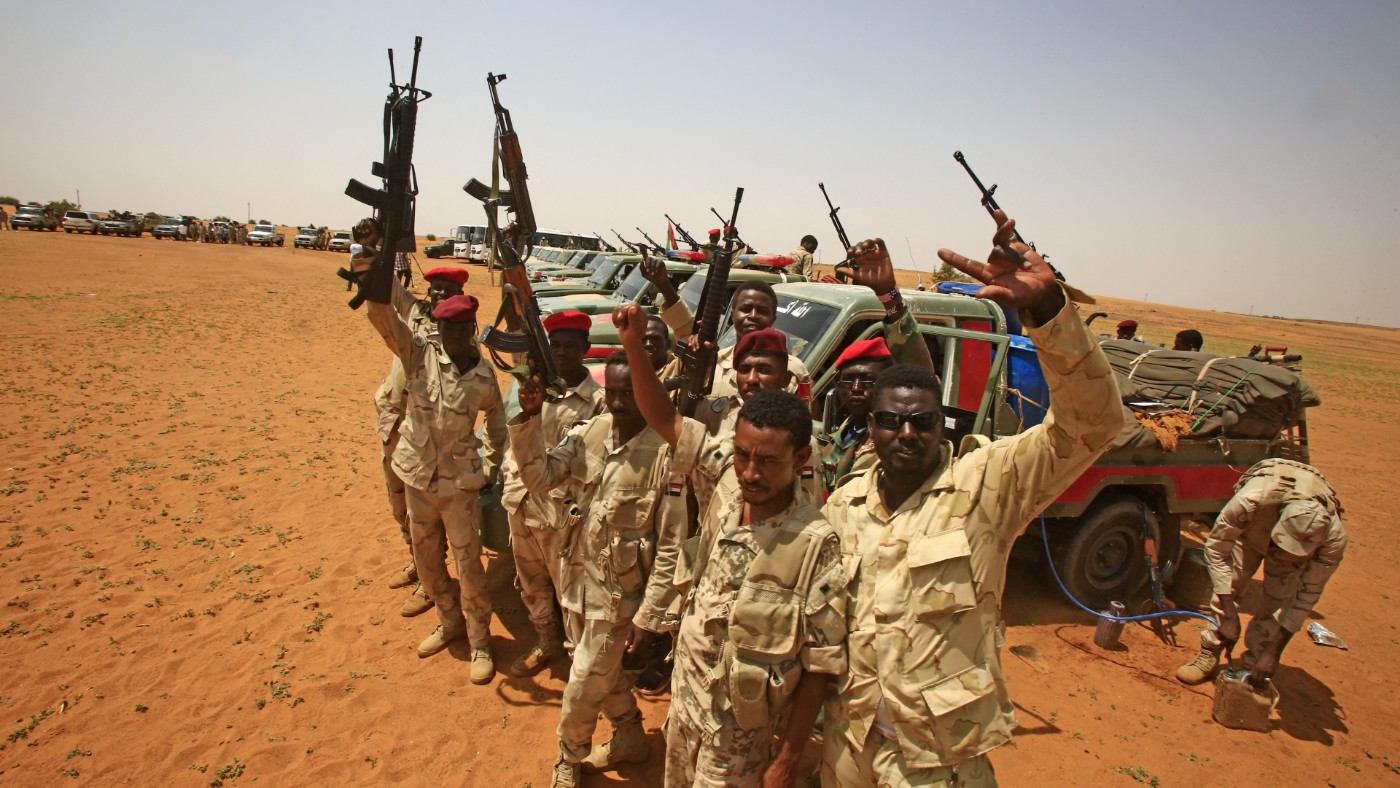
UAE and Haftar behind RSF capture of Sudan’s triangle border region
In a significant escalation of the ongoing conflict in Sudan, the Rapid Support Forces (RSF), a Sudanese paramilitary group, has taken control of the strategic Almuthallath triangle border region, which connects Sudan, Libya, and Egypt. The operation, which began on June 10, saw over 250 military vehicles, including fighters from the RSF and Libyan mercenary groups affiliated with eastern Libyan commander Khalifa Haftar, enter the area. According to Ismail Hassan, a local gold miner and trader, the RSF declared control of the region and proceeded to loot markets, taking gold, money, vehicles, and other valuables. The Sudanese Armed Forces (SAF) and their allied Joint Forces militia were forced to retreat following the attack. The RSF’s success in the lawless border region was reportedly facilitated by logistical support from the United Arab Emirates (UAE) and Russia, as well as the involvement of Haftar’s Libyan forces. Satellite imagery and flight tracking data revealed that Emirati planes delivered weapons and supplies to the RSF via southeastern Libya’s al-Kufra airport. The UAE’s involvement has further strained its relations with Egypt, which has attempted to mediate between Haftar and SAF leader Abdel Fattah al-Burhan. The RSF’s control of the border region has solidified its hold on western Sudan, particularly Darfur, and has raised concerns about the potential for prolonged conflict and regional instability. The RSF has also declared a parallel government in Nyala, South Darfur, which borders five countries, including Libya and Egypt. Analysts warn that the RSF’s control of border areas could exacerbate Sudan’s war, facilitate weapons smuggling, and enable the illegal extraction of gold and other resources.
-

‘I learnt to fire an RPG with YouTube’: How one Sudanese village fought the RSF – and won
In the heart of Sudan’s al-Jazira state lies al-Tekeina, a village that has become a symbol of resilience and self-reliance in the face of war. Before the conflict erupted in April 2023, al-Amin Idriss Mohammed, a 41-year-old businessman, had never held a weapon. Yet, as the Rapid Support Forces (RSF) advanced, Mohammed and his fellow villagers transformed into a formidable self-taught militia, defending their home against relentless paramilitary attacks.
-
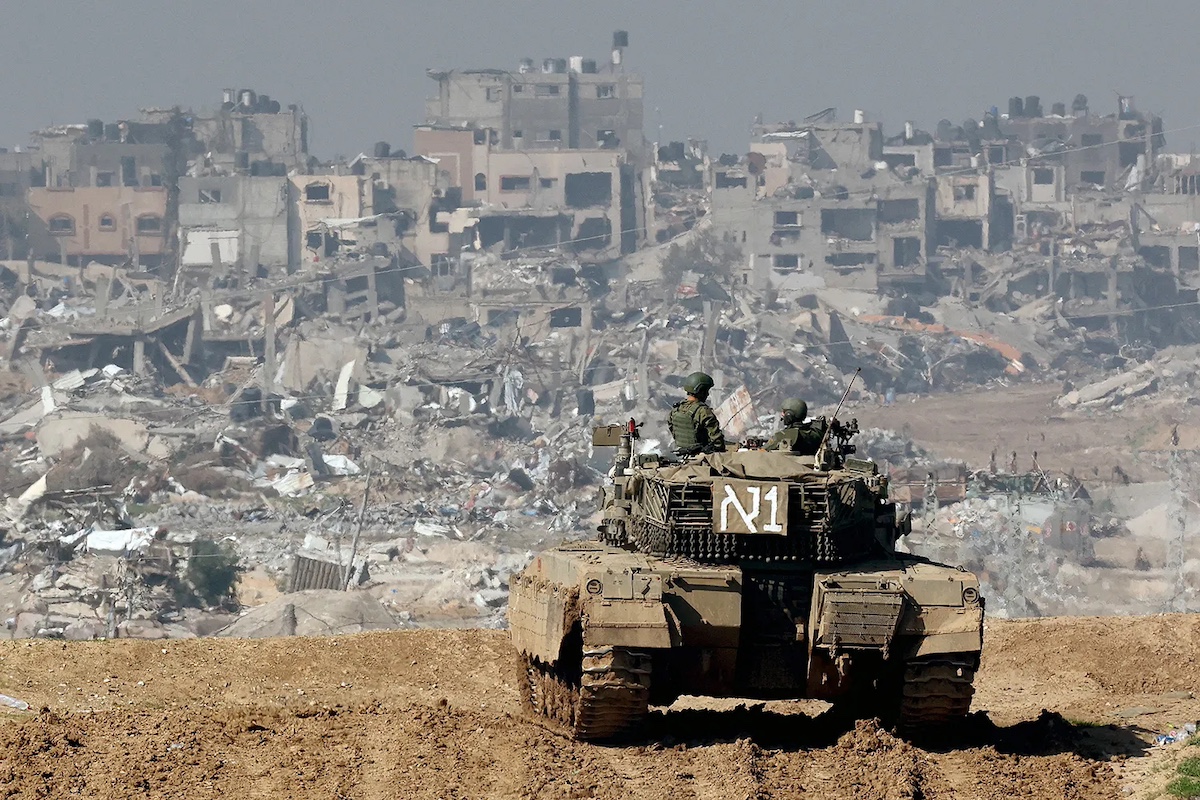
Gaza’s full occupation would pave way for Israeli resettlement
Israeli Prime Minister Benjamin Netanyahu is reportedly contemplating a significant escalation in the ongoing conflict, including a full occupation of the Gaza Strip. This potential move has sparked strong opposition from senior military officials within Israel, as well as mounting international criticism over the worsening humanitarian crisis in Gaza. Despite this, Netanyahu is expected to propose the plan to his cabinet, aiming to seize the remaining areas of the strip not under Israeli control, including regions where hostages are believed to be held. While a majority of Israelis desire an end to the war and the safe return of hostages, some are hopeful for the possibility of resettling Gaza. Netanyahu’s decision, though not necessarily aligned with the settlers’ motives, could lead to similar outcomes on the ground. Historically, Israeli governments have justified settlement expansions under security pretexts, leading to the establishment of military outposts that eventually became civilian settlements. The Gaza Strip was first occupied by Israel during the Six-Day War in 1967, and over time, Israeli settlements grew, creating stark disparities with the Palestinian population. The 2005 disengagement plan, which saw the evacuation of all Israeli settlements from Gaza, marked a significant shift in policy. However, recent calls from settler groups for the resettlement of Gaza, coupled with the inclusion of influential settler leaders in Netanyahu’s cabinet, suggest a potential return to such policies. The international community remains watchful as the situation unfolds.
-
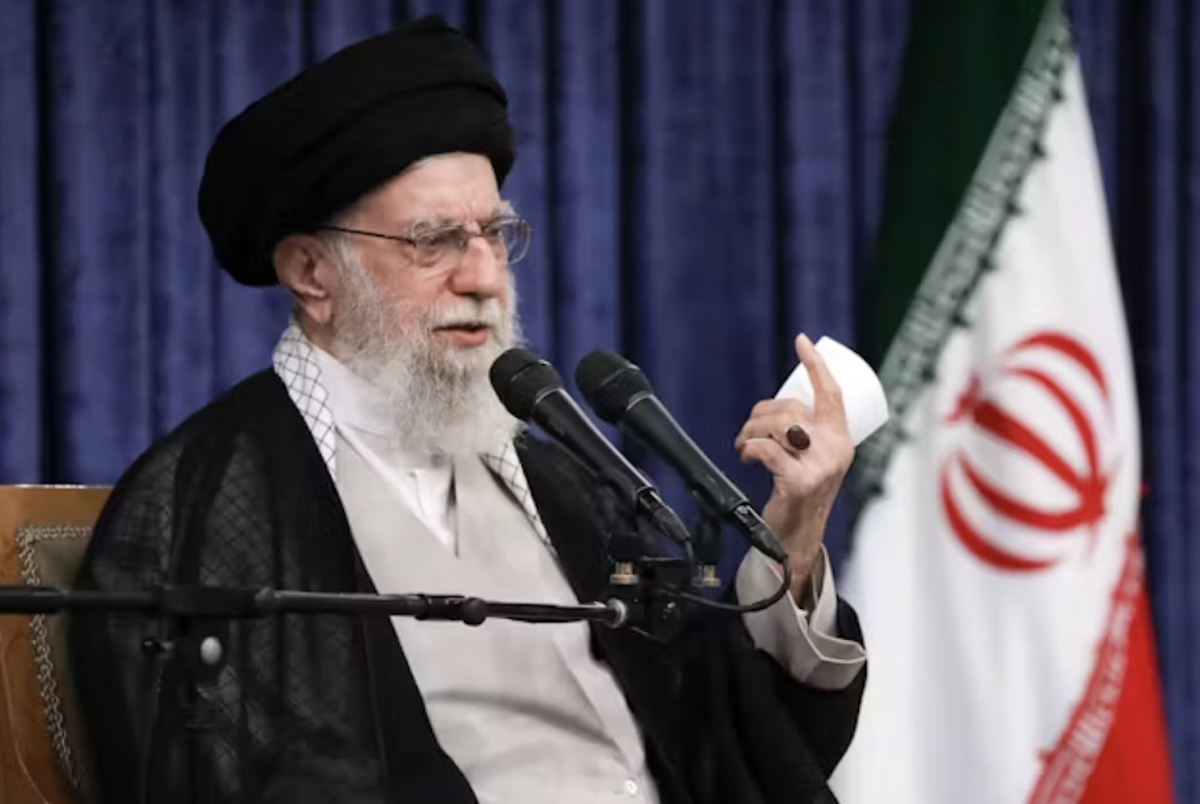
Did the 12-day war forever change Iran’s Khamenei?
In the aftermath of Israel’s 12-day military campaign against Iran, Supreme Leader Ayatollah Ali Khamenei has largely retreated from public view, sparking widespread speculation about his health and the future direction of the Islamic Republic. The conflict, which saw extensive Israeli and U.S. strikes on Iranian targets, resulted in over 1,000 casualties, including top military commanders and nuclear scientists. This unexpected assault has left Iran grappling with its most significant challenges since the Iran-Iraq War of the 1980s.
-
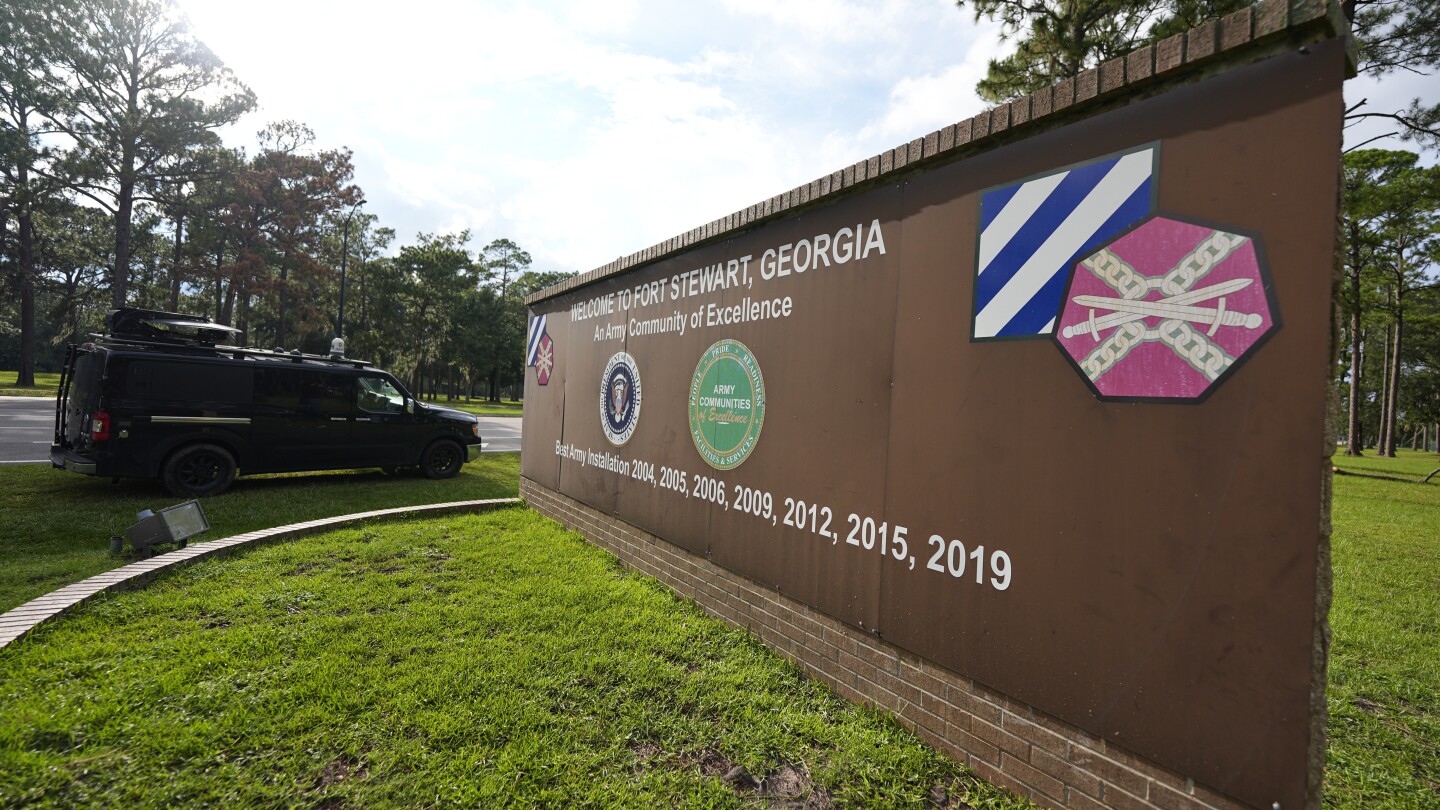
Fort Stewart army base shooting raises questions about military gun policies
A recent shooting at Fort Stewart, one of the largest military bases in the United States, has reignited debates over longstanding policies that restrict service members from carrying personal weapons on military installations. The incident, which left five soldiers injured, occurred on Wednesday and was swiftly addressed by soldiers who subdued the shooter before law enforcement arrived. However, the absence of firearms among the responding soldiers has sparked widespread discussion. The shooter, identified as logistics Sgt. Quornelius Radford, used a personal weapon, highlighting the limitations of current regulations. Videos circulating on social media show service members running for safety during the lockdown, raising questions about the effectiveness of existing policies. This incident adds to a growing list of violent episodes at U.S. military bases, some of which have resulted in significant casualties. Experts argue that while the strict gun policies on military bases are designed to protect national security, they may not be sufficient to prevent such incidents. The Department of Defense’s regulations, which have been in place for decades, require military personnel to store their firearms securely and only use them in designated areas. These rules leave little room for local commanders to exercise discretion, even in states like Georgia, which has some of the most lenient gun laws in the country. Robert Capovilla, a military law expert, emphasized that the heightened security measures are necessary due to the sensitive nature of military installations. However, former military prosecutor Eric Carpenter noted that these regulations mirror broader debates on gun control and do not entirely prevent service members from bringing weapons onto bases. The incident underscores the complexities of balancing security with individual rights within the military context.
-
Trump’s tariff paradox is making China great again
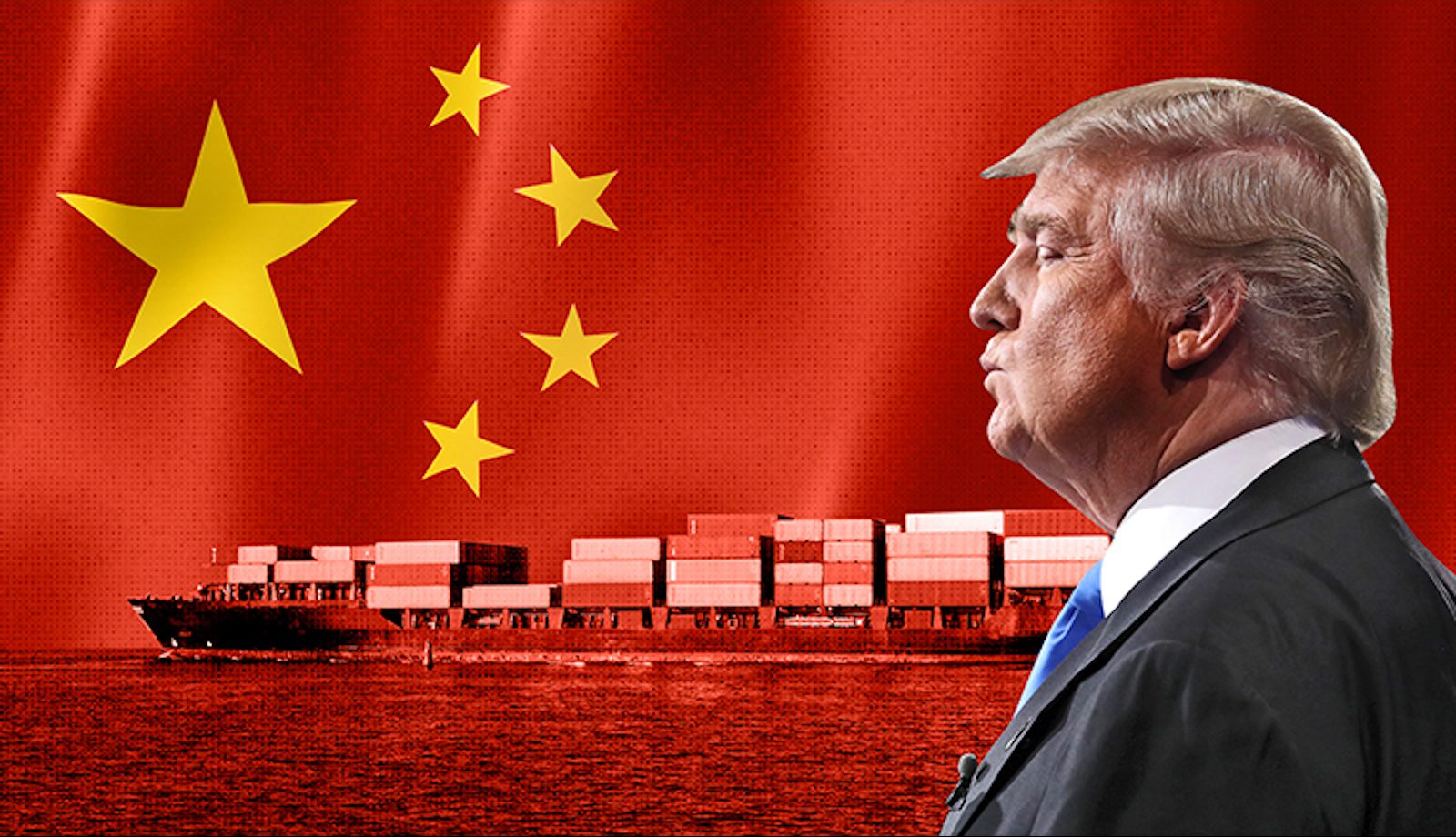
Donald Trump’s aggressive tariff policies, initially aimed at restoring American economic dominance, have instead triggered a series of unintended consequences. Rather than weakening China’s global position, these tariffs have created economic headwinds domestically, strained key alliances, and provided Beijing with opportunities to expand its influence. The average US tariff rate has surged to 18%, the highest since the 1930s, with projections indicating that US households will bear an additional $2,400 in costs by 2025. This has led to higher prices across consumer goods, from electronics to clothing. Despite a tripling of monthly tariff revenues to $29 billion by July 2025, the Congressional Budget Office warns that supply chain disruptions and rising prices will ultimately hinder economic growth. US GDP growth has already slowed to 1.2% in the first half of 2025, down from 2.8% in 2024, with manufacturing job growth stagnating and trade-related sectors suffering significant losses. California alone is projected to lose over 64,000 jobs in trade and logistics, while the Port of Los Angeles operates at just 70% capacity due to declining trade volumes. These domestic pressures have broader strategic implications, as allies and competitors alike recalibrate their relationships with an increasingly unpredictable Washington. The tariff strategy has complicated alliance relationships, with Japan and South Korea accepting modified terms to reduce tariffs to 15%, while India continues to face the full 25% tariff, leading to diplomatic tensions. This fractured alliance structure has created openings for China to offer more attractive economic incentives, positioning itself as a more stable and pragmatic partner. China has capitalized on these shifting dynamics, accelerating its dominance in clean energy technology and expanding its engagement with the Global South. Beijing’s $9 billion investment credit line to Latin America and its deepening partnerships across Africa underscore its growing influence. The US’s continued dependence on Chinese supply chains, particularly in rare earths and critical minerals, further limits its ability to confront Beijing effectively. In essence, Trump’s tariff strategy, while generating short-term revenue, risks accelerating the very shift toward Chinese centrality in the global economy that it was designed to prevent.
-
China moves to stop price wars in ‘anti-involution’ push
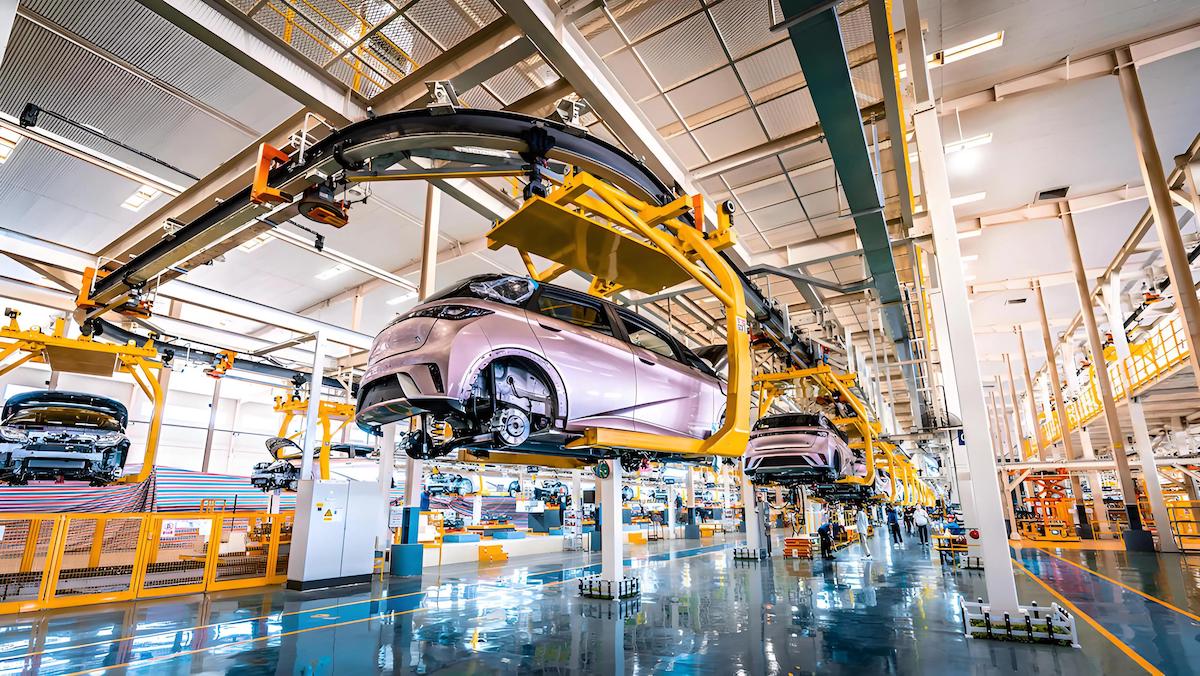
In response to a year-on-year decline in industrial profits across various sectors in the first half of the year, the Chinese government has initiated a nationwide campaign to prevent companies from engaging in ‘cutthroat’ pricing practices. The Politburo of the Chinese Communist Party (CCP) Central Committee, during a meeting on July 30, emphasized the need to deepen the construction of a unified national market, optimize market competition order, and regulate disorderly competition through laws and regulations. The Politburo also proposed measures to boost consumption, cultivate new growth points for service consumption, and expand commodity consumption. This decision follows the National Statistics Bureau’s report on July 27, which revealed a 1.8% decline in industrial profits to 3.44 trillion yuan (US$473 billion) in the first six months of the year. State-owned enterprises (SOEs) experienced a 7.6% drop in profits, while joint-stock companies saw a 3.1% decrease. Foreign companies in mainland China, Hong Kong, Macau, and Taiwan reported a 2.5% increase in profits, while private firms saw a 1.7% rise. The campaign aims to address ‘neijuan,’ or involution, characterized by price wars due to low demand, high inventory, excessive production capacity, and over-competition. Economists attribute the profit decline to weak domestic consumption, a sluggish property market, and the impact of US-China tariff wars. The government’s efforts include encouraging mergers and acquisitions, restructuring, and controlling new production capacity in traditional industries while supporting innovation in emerging sectors.
-

US stocks slip following the latest discouraging signal on the economy
U.S. stock indices experienced a downturn on Tuesday, reflecting growing concerns over the health of the U.S. economy. The S&P 500 dropped by 0.5%, the Dow Jones Industrial Average fell by 61 points (0.1%), and the Nasdaq composite declined by 0.7%. This movement followed a volatile period where the S&P 500 swung from its worst day since May to its best day in the same month. A weaker-than-expected report on U.S. services sector activity, encompassing industries like transportation and retail, exacerbated worries that President Donald Trump’s tariffs might be negatively impacting the economy. However, optimism surrounding potential Federal Reserve interest rate cuts and stronger-than-anticipated corporate earnings helped mitigate the losses. The S&P 500 remains within 1.4% of its record high. Edgewell Personal Care, the parent company of Schick, Playtex, and Banana Boat, saw its shares plummet by 18.8% after reporting lower-than-expected quarterly profits and revenue. CEO Rod Little attributed the decline to a weak sun care season in North America and tariff-related profit pressures. Across industries, companies have been vocal about the adverse effects of tariffs on their earnings, with trade policy emerging as a dominant theme in the latest Institute for Supply Management survey. Despite these challenges, the artificial intelligence sector continues to thrive. Palantir Technologies surged 7.8% after exceeding profit expectations and raising its full-year revenue forecast. Similarly, Axon Enterprise, known for its Tasers and body cameras, leaped 16.4% due to robust AI-driven growth. On the downside, American Eagle Outfitters fell 9.5%, partially reversing its previous day’s gains, while Yum Brands dropped 5.1% after missing earnings expectations. The S&P 500 closed at 6,299.19, the Dow at 44,111.74, and the Nasdaq at 20,916.55. Market analysts are now closely watching corporate earnings and potential Federal Reserve rate cuts in September, which could provide a boost to both stock prices and the broader economy. Treasury yields also declined, with the 10-year yield dropping to 4.19%, reflecting investor caution. Internationally, stock markets in Europe and Asia mostly rose, while India’s Sensex dipped 0.4% amid U.S.-India trade tensions.
-

China can’t buy its way to a baby boom
In a significant move to combat China’s declining birth rate, the central government announced a new childcare subsidy on July 28, 2025. Families will receive 3,000 yuan ($417.76) annually for each child under three years old. This initiative follows the recent unveiling of plans to provide free preschool education nationwide, marking a shift from previous years when local authorities primarily handled such policies. Despite various local efforts, including cash incentives and housing subsidies, the national birth rate has continued to decline, with China’s population shrinking for the third consecutive year in 2024. The aging population and shrinking workforce pose long-term challenges for economic growth, healthcare, and pension systems. While some regions have seen slight increases in birth rates due to local policies, the overall impact remains minimal. The high cost of raising children, gender inequality, and structural issues like expensive housing and childcare shortages continue to deter many from starting families. The new measures reflect Beijing’s recognition of the urgency of the situation, but reversing the fertility decline may prove difficult, as seen in other countries like South Korea. To truly address the issue, comprehensive cultural and structural changes are needed, alongside financial support.