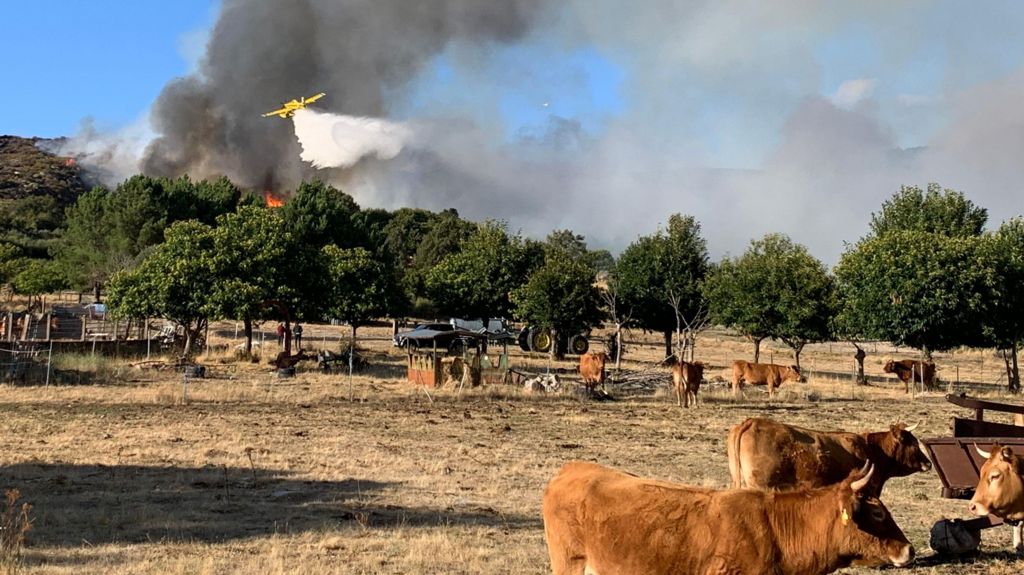
This summer, Spain faced one of its most catastrophic wildfire seasons, with vast blazes scorching 0.8% of the country’s surface area. The north-western regions of Castilla y León, Galicia, and Extremadura bore the brunt of the devastation, with over 20,000 hectares of land consumed by flames. Thousands of residents were evacuated, and the agricultural and tourism sectors suffered immense losses. José Antonio Bruña, a honey producer from Porto de Sanabria, recounted the nightmare of witnessing a wildfire ignited by lightning just meters from his beehives. Although his 1,500 hives survived, the surrounding flora was destroyed, leading to a projected 50% drop in honey production for the next few years. The fires also forced livestock farmers to relocate animals and caused significant economic strain, with insurance premiums expected to skyrocket. The tourism industry, a cornerstone of Spain’s economy, was not spared. Rural tourism hotspots, such as Sanabria Lake, were shut down, leading to massive financial losses for local businesses. Óscar David García López, who operates lakeside bars, lost €80,000 during the closure. The wildfires have exacerbated the divide between urban and rural Spain, highlighting the challenges faced by the sparse population in ’empty Spain.’ The fires have left a lasting impact on the country’s rural economy, infrastructure, and tourism, with recovery efforts still underway.
作者: admin
-

Could the US interest rate cut boost the housing market?
The US housing market continues to grapple with affordability issues, even as mortgage rates have recently seen a modest decline. Aileen Barrameda, a prospective homebuyer in Los Angeles, remains undeterred by stubbornly high mortgage rates, which are double what she secured at the start of the COVID-19 pandemic. ‘If I have the means to get in the market, I might as well do it now because homes are just going to get more expensive,’ she said. Housing costs remain a critical concern for Americans and a focal point in political discourse. President Donald Trump had previously expressed hope that Federal Reserve interest rate cuts would ease mortgage burdens. Last week, the average rate on a 30-year mortgage, the most popular home loan in the US, fell to 6.35%, marking the largest weekly decline in the past year and the lowest level in 11 months, according to Freddie Mac. However, despite the Federal Reserve’s recent rate cut, borrowing costs are unlikely to decrease significantly further. The Fed’s decisions indirectly influence mortgage rates by affecting interbank lending rates, which in turn impact consumer loan and savings rates. Banks had already anticipated the Fed’s move, leading to preemptive mortgage rate cuts, leaving little room for further reductions. Fed Chair Jerome Powell acknowledged that significant rate changes would be necessary to substantially impact the housing sector, though lower rates could boost demand and support builders. Rising inflation risks could also push mortgage rates higher if banks expect the Fed to halt further rate cuts. Nicole Stewart, a Redfin real estate agent in Boise, Idaho, noted that the recent rate decline has spurred some buyer activity, but the market remains unaffordable for many. Many homeowners locked in historically low rates during the pandemic, around 3%, and are reluctant to sell, reducing housing supply and driving up prices. Julia Fonseca, an associate finance professor at the University of Illinois Urbana-Champaign, highlighted that roughly 80% of mortgage borrowers have rates below the current average, limiting the impact of recent declines. Kristin Carlson, a first-time buyer in Boise, has been monitoring the market for four years and sees the recent rate dip as a step closer to purchasing. However, she remains cautious, balancing borrowing costs with other factors like seasonality and finding the right home. Matt Vernon, head of consumer lending at Bank of America, described the market as cautiously optimistic but still strained. ‘The dip in rates has certainly got buyers’ attention, but it hasn’t necessarily changed their perception of the challenges,’ he said.
-
Guinea to vote on constitution that would let coup leader run for office
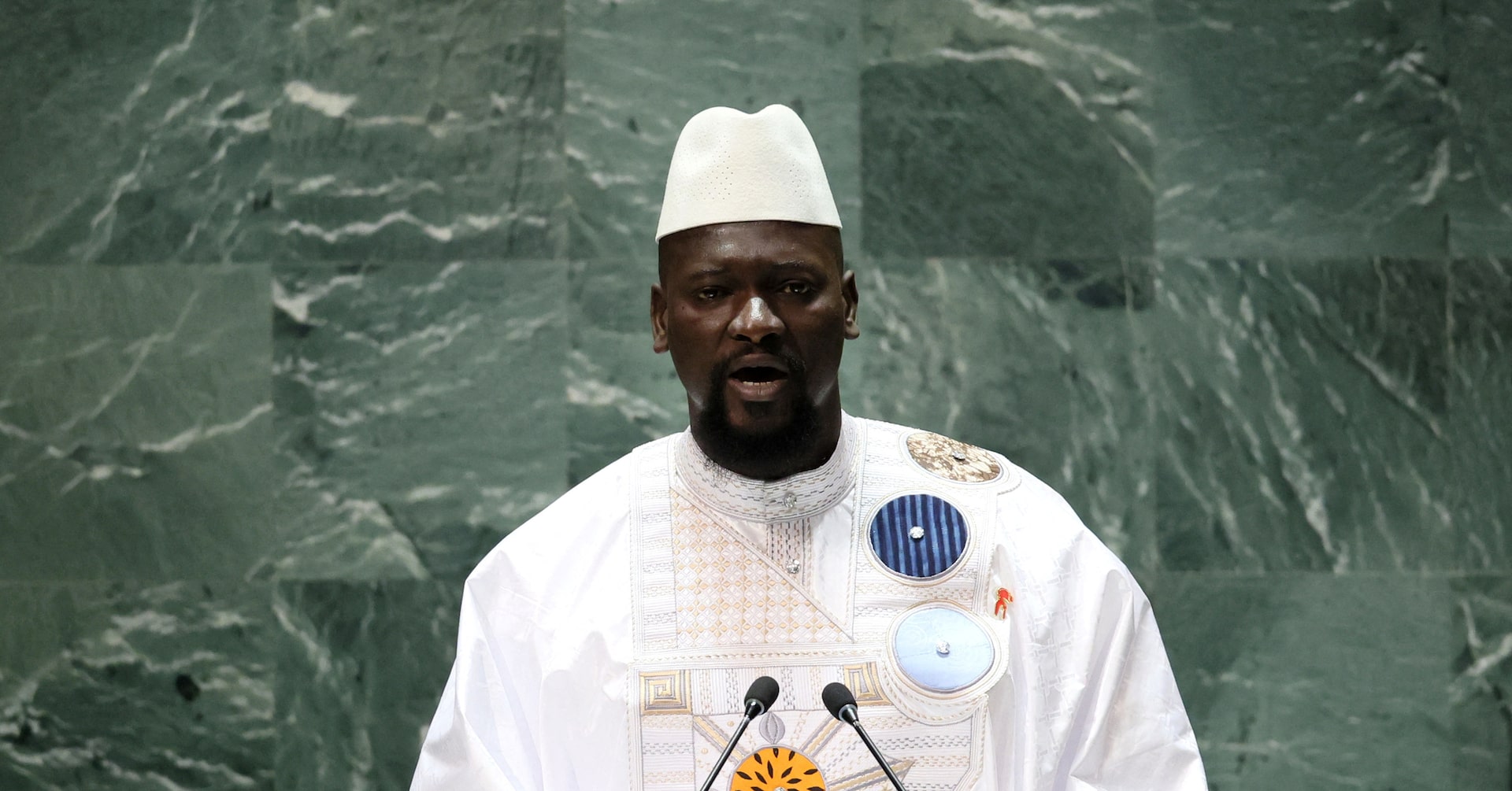
Guinea is poised to hold a pivotal referendum on Sunday, September 17, 2023, which could reshape its political future. The proposed new constitution, if approved, would allow junta leader Mamady Doumbouya to run for president—a move that contradicts his earlier pledge to abstain from seeking office after seizing power in 2021. This referendum marks another chapter in the turbulent political transitions across West and Central Africa, a region that has witnessed eight coups between 2020 and 2023. The transition charter adopted post-coup initially barred junta members from participating in elections, but the new constitution omits this restriction, raising concerns about a potential power consolidation. Opposition leader Cellou Dalein Diallo, currently in exile, has labeled the referendum a ‘masquerade’ and urged citizens to boycott it. His party, the Union of Democratic Forces, along with ousted President Alpha Conde’s Rally of the Guinean People, remains suspended for failing to meet administrative and financial disclosure requirements imposed by the junta. Human Rights Watch has accused Doumbouya’s government of targeting political opponents and suppressing media outlets, allegations the government denies. The new constitution proposes extending the presidential term from five to seven years, renewable once, and establishing a Senate, with one-third of senators directly appointed by the president. Over 6.7 million voters are registered, and the constitution will be adopted if more than 50% approve. While some, like civil servant Ibrahima Camara, support the referendum as a step toward normalization, others, such as Abdoulaye Diallo, view it as non-transparent and fear it will exacerbate tensions. The referendum’s outcome could significantly impact Guinea’s path to civilian rule, with the presidential election expected in December 2024.
-
Lithuania charges 15 over alleged Russian-backed parcel bombs
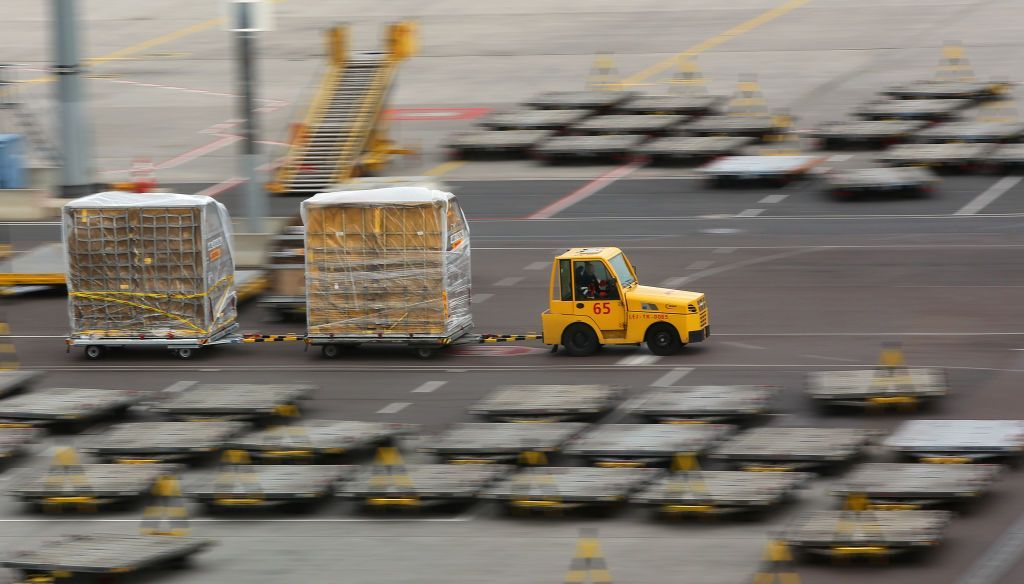
Lithuanian prosecutors have charged 15 individuals with terrorism offences in connection with an alleged Russian-backed plot involving explosive parcels sent to Germany, Poland, and the UK. The suspects are accused of using delivery services DHL and DPD to send four packages containing explosives concealed within cosmetics containers from Vilnius, Lithuania. Three of the parcels ignited in July last year, causing fires in Leipzig, Germany; near Warsaw, Poland; and in Minworth, UK. The fourth parcel failed to detonate due to a technical malfunction. Lithuanian investigators claim the operation was orchestrated by individuals linked to Russian military intelligence, with the aim of sabotaging flights to the US and Canada. Russia has consistently denied involvement in such activities, despite repeated allegations from NATO countries. The explosive devices were reportedly triggered by electronic timers hidden in vibrating massage pillows. Among the 15 charged are citizens of Russia, Lithuania, Latvia, Estonia, and Ukraine, though it remains unclear how many are currently in custody. The suspects are also accused of orchestrating an arson attack on an Ikea store in Vilnius last year. Western security officials have previously suggested that the incidents were part of a coordinated campaign by Russia’s GRU military intelligence agency.
-
EU eyes deeper India alliance despite concern over Moscow ties
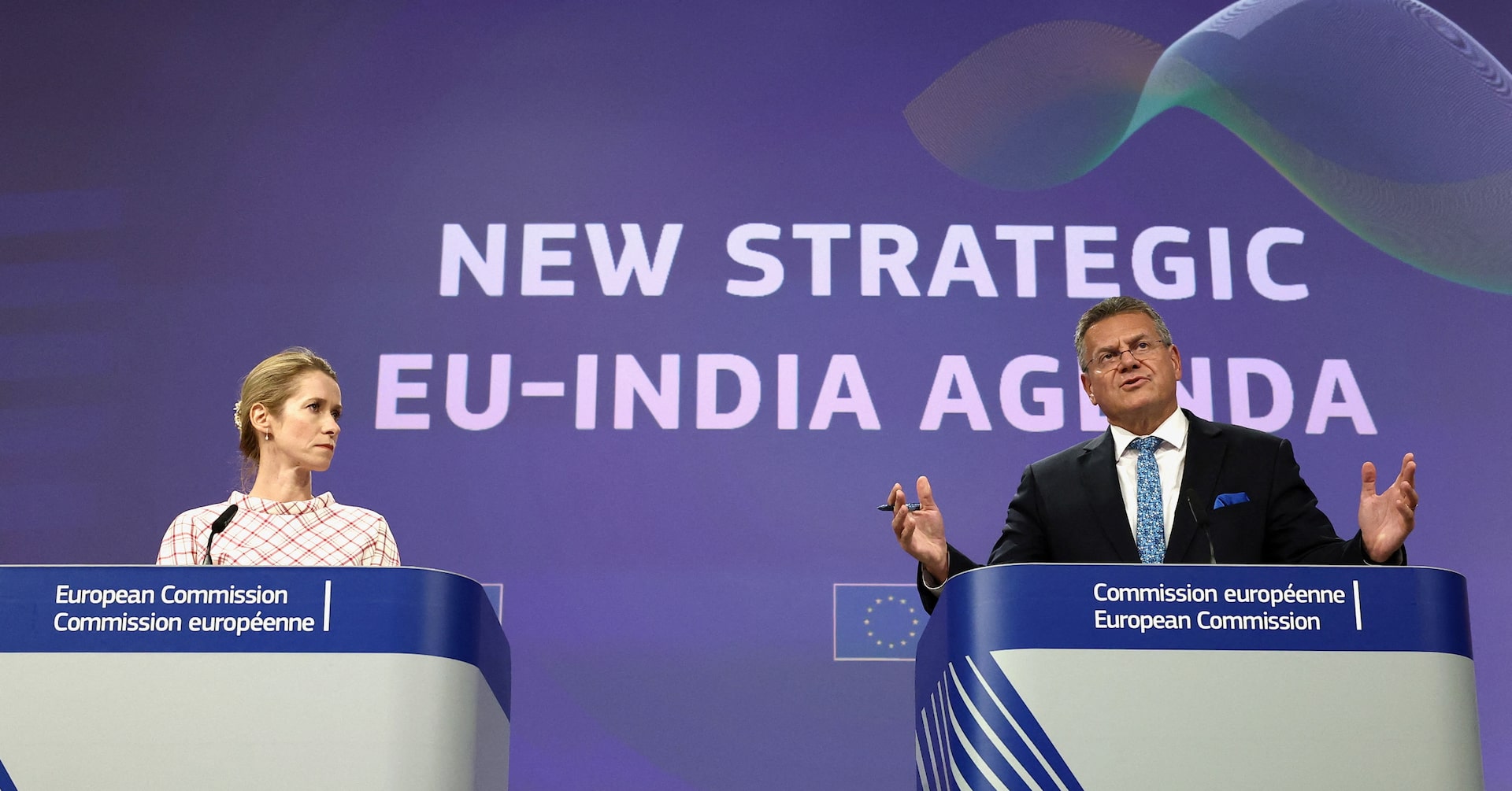
In a significant move to strengthen bilateral ties, the European Commission has outlined ambitious plans to deepen cooperation with India across multiple sectors, including defense, technology, and trade. This initiative comes despite ongoing tensions over India’s close relationship with Russia, particularly in light of increased Russian oil purchases by New Delhi following the 2022 invasion of Ukraine. The European Union and India are now in the final stages of negotiating a free trade agreement, with both parties aiming to conclude the deal by the end of 2025. The negotiations, which were relaunched in 2022, have gained momentum following the re-election of U.S. President Donald Trump, whose tariff policies have prompted both the EU and India to seek new alliances. EU Foreign Policy Chief Kaja Kallas acknowledged the existence of ‘clear areas of disagreement’ but emphasized the bloc’s commitment to avoiding pushing India further into Russia’s sphere of influence. The EU’s vision document released on September 17 highlights plans for collaboration on investment protection, air transport, supply chain security, green hydrogen, decarbonization of heavy industry, and research and innovation. Additionally, the EU envisions a defense and security partnership with India, similar to those already established with Japan and South Korea, and joint projects in third countries, particularly in Africa and South Asia. Despite geopolitical complexities, the EU views India as a key partner in upholding the rules-based multilateral order and anticipates benefiting from India’s projected rise to become the world’s third-largest economy by 2030.
-
Rwanda’s economic growth slows in Q2 2025
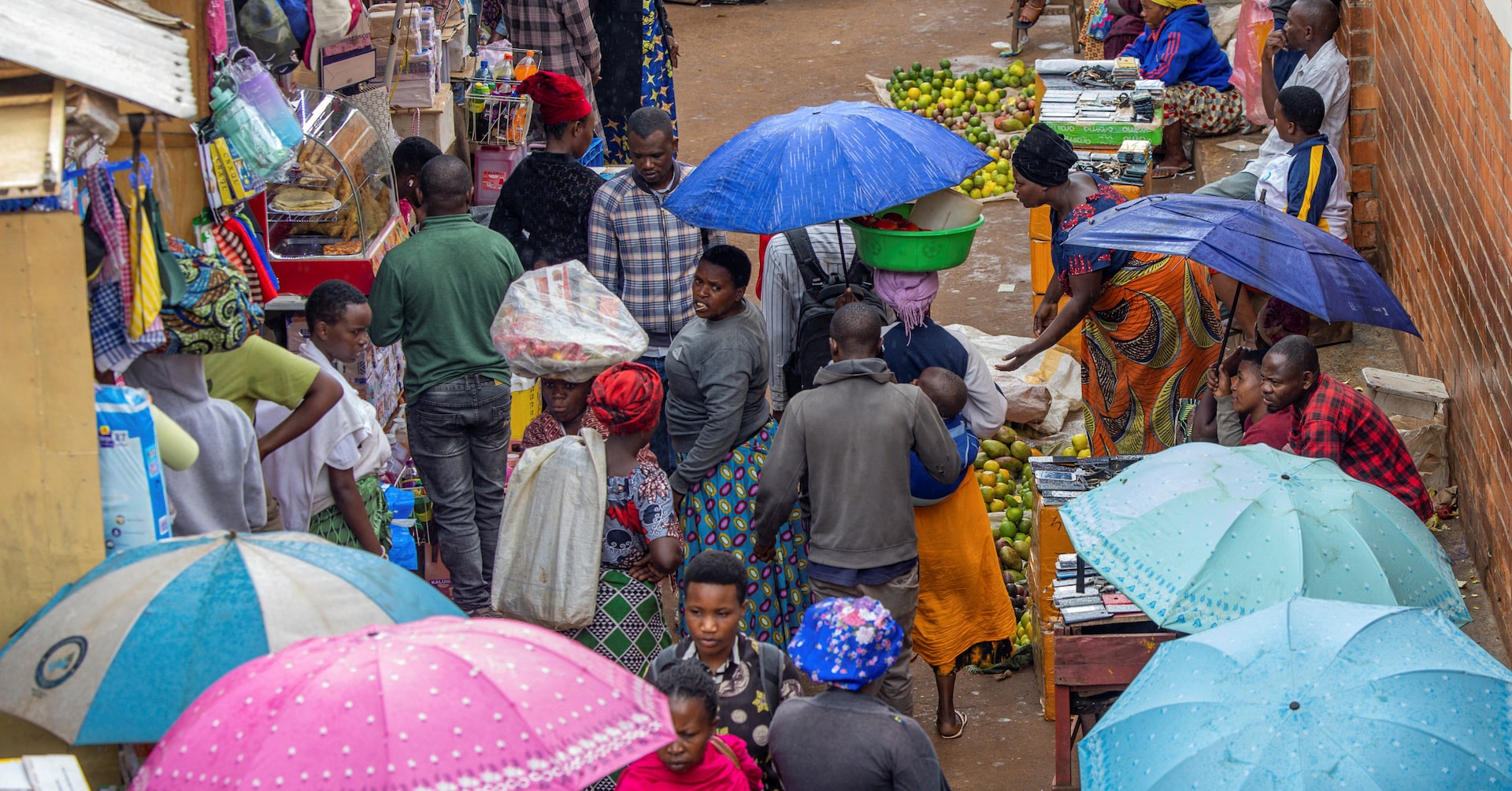
KIGALI, Sept 17 (Reuters) – Rwanda’s economic expansion decelerated in the second quarter of 2024, primarily due to subdued performances in the industrial and services sectors, according to the national statistics office. The economy grew by 7.8% year-on-year during this period, a notable decline from the 10.2% growth recorded in the same quarter of the previous year. The statistics office highlighted that industrial output increased by 7%, a significant drop from the 13% growth seen in the second quarter of 2023. Similarly, the services sector expanded by 9%, down from 12% in the same period last year. In contrast, the agricultural sector showed resilience, growing by 8% compared to 4% in the previous year. Rwanda’s economy, heavily reliant on agriculture, tourism, and manufacturing, faces challenges as global economic uncertainties and domestic factors weigh on key sectors. Analysts suggest that targeted policy interventions may be necessary to sustain growth momentum in the coming quarters.
-
I have no relationship with Trump, Brazil’s President Lula tells BBC
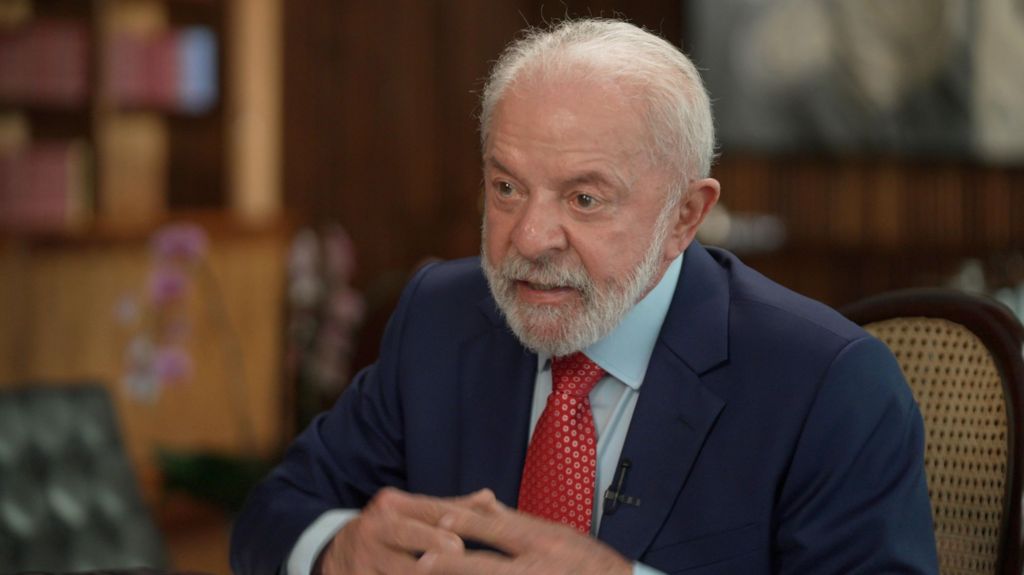
In a candid interview with the BBC, Brazilian President Luiz Inácio Lula da Silva expressed his strained relationship with former US President Donald Trump, emphasizing that there is ‘no relationship’ between them. Lula criticized Trump’s imposition of 50% tariffs on Brazilian goods in July, describing the move as ’eminently political’ and warning that US consumers would bear the brunt of higher prices for Brazilian exports like coffee and beef. The tariffs, which Lula learned about through Brazilian newspapers, have significantly impacted Brazil’s trade with the US. Lula accused Trump of failing to communicate in a civilized manner, noting that the tariffs were announced via social media rather than through diplomatic channels. Despite his frosty ties with Trump, Lula highlighted his strong relationships with other global leaders, including former US presidents, UK prime ministers, and leaders from the EU, China, Ukraine, and Venezuela. He also defended his continued engagement with Russian President Vladimir Putin, whom he described as a longstanding ally. Lula called for reform of the United Nations, criticizing the veto power of the five permanent members of the Security Council and arguing that it undermines global democracy. He also addressed Brazil’s controversial oil exploration plans near the Amazon River, insisting that the country is adhering to strict environmental laws. Lula concluded by reflecting on his political legacy, including reducing hunger and unemployment, and left open the possibility of running for re-election in 2026.
-
Exclusive: Adani-led Sri Lanka container terminal to double capacity ahead of deadline
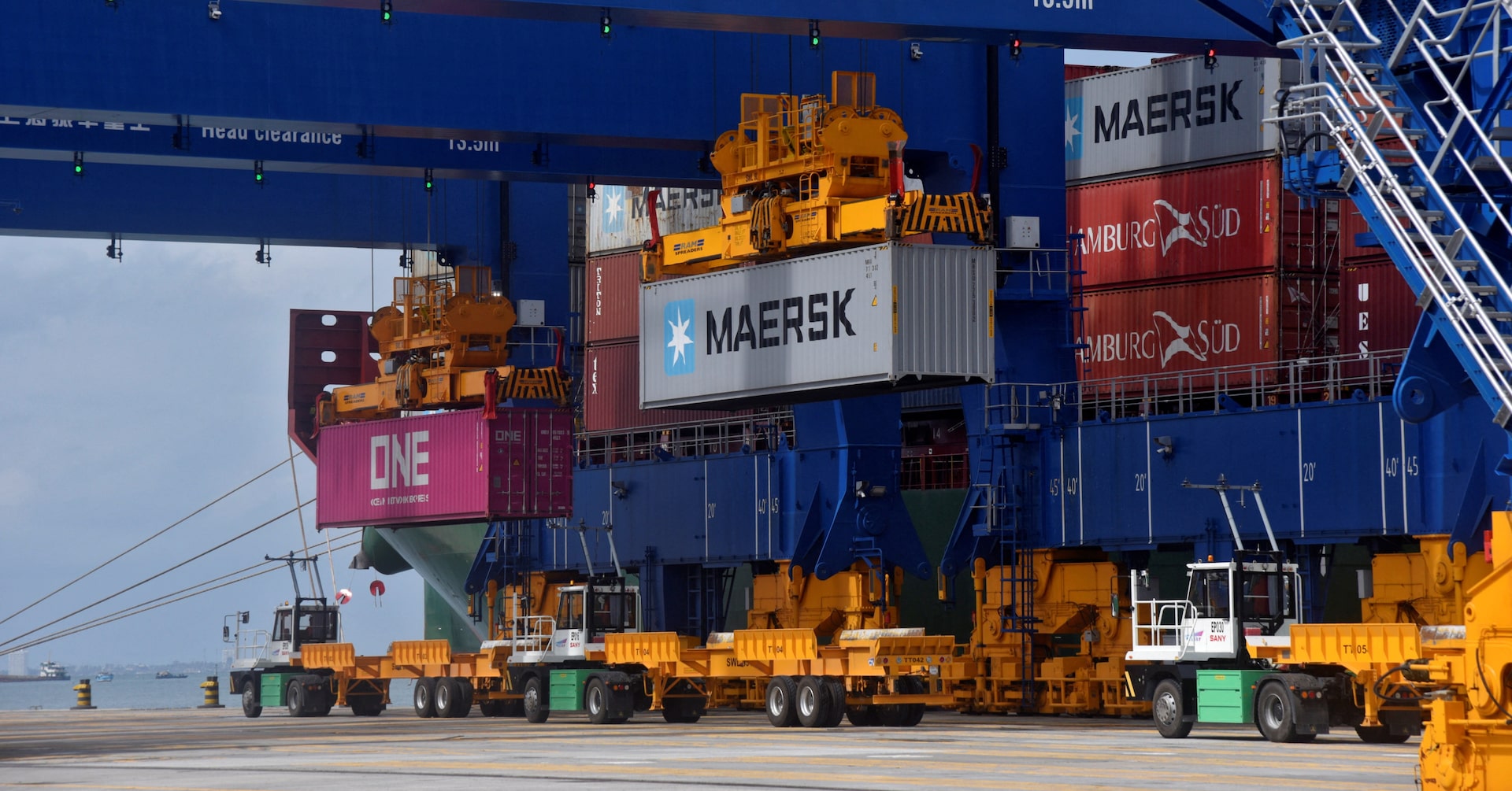
The Adani Group, in collaboration with its partners, is advancing the expansion of the $840 million Colombo West International Terminal in Sri Lanka, aiming to double its capacity by late 2026, ahead of the original schedule. This development comes despite the group’s decision to withdraw a $553 million funding request from the U.S. International Development Finance Corp, opting instead to finance the project through internal resources. The terminal, strategically located next to a facility operated by China Merchants Port Holdings, highlights Sri Lanka’s pivotal role in the geopolitical competition for influence in the Indian Ocean between India and China. The first phase of the fully automated terminal became operational in April, with the second phase now underway. Zafir Hashim, head of transportation at John Keells Holdings, a key partner, revealed that the project is progressing three to four months ahead of the February 2027 deadline. Upon completion, the terminal will handle 3.2 million containers annually, significantly boosting Colombo’s port throughput. The majority of the terminal’s business originates from India. Despite controversies, including allegations of bribery against Adani Group Chairman Gautam Adani—which the group has denied—Hashim expressed confidence in the partnership, stating that Adani has been a reliable collaborator. Adani Ports and Special Economic Zone holds a 51% stake in the terminal, with John Keells owning 34% and the Sri Lanka Ports Authority holding the remainder. Sri Lanka is also exploring further renewable energy investments with Adani, despite earlier disagreements over wind power projects. In February, Adani withdrew from two proposed $1 billion wind projects after the Sri Lankan government sought to renegotiate power purchase rates. However, the group later showed renewed interest by purchasing bid documents for smaller wind projects, signaling potential future collaborations.
-
Cherotich overhauls Yavi to take women’s 3,000m steeplechase gold
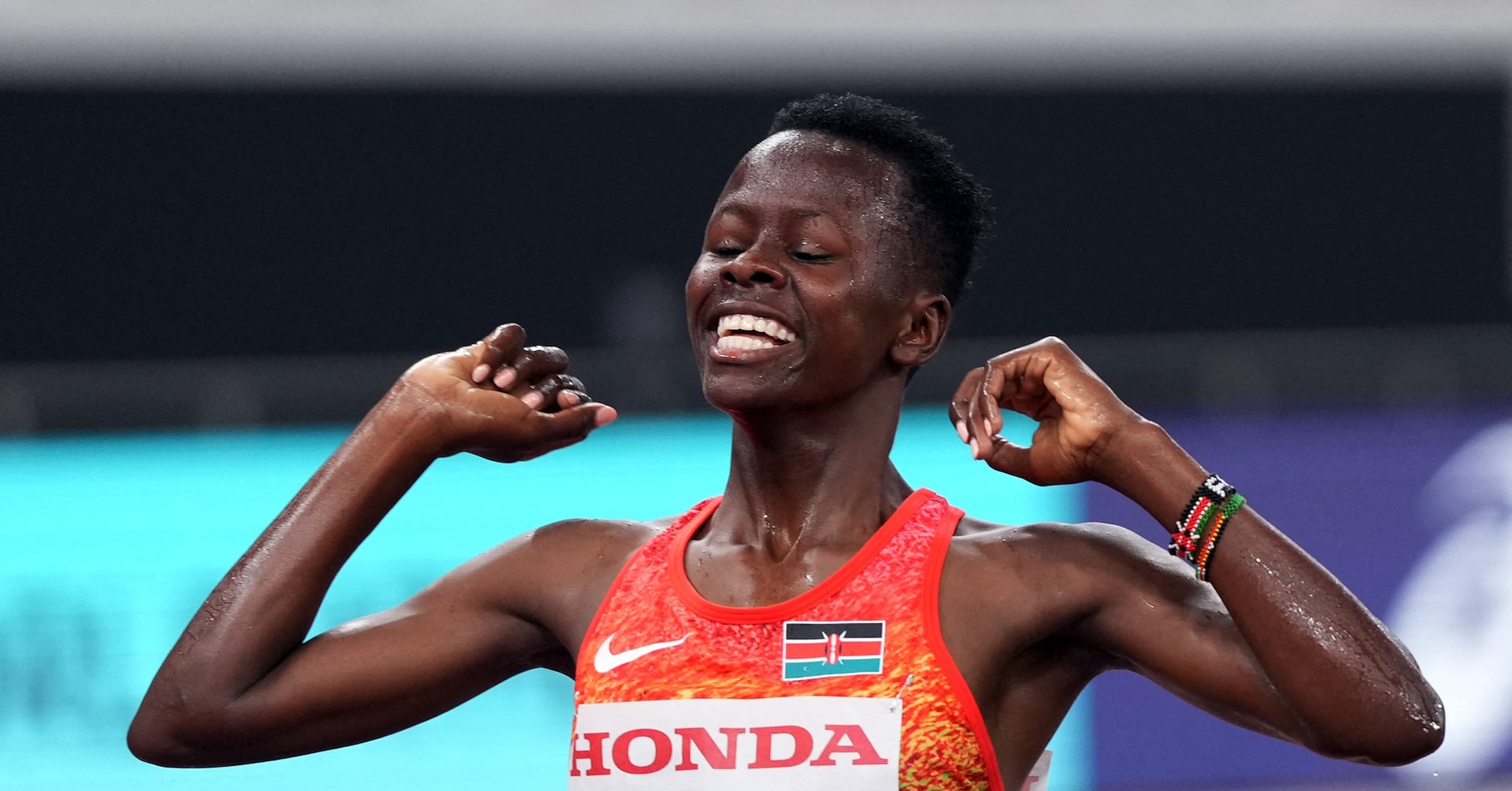
In a dramatic and high-stakes finale at the World Athletics Championships in Tokyo, Kenya’s Faith Cherotich emerged victorious in the women’s 3000m steeplechase, securing her first world title. The 21-year-old athlete showcased her resilience and tactical brilliance, overtaking defending champion Winfred Yavi of Bahrain in a nail-biting final lap. Cherotich’s triumph was marked by a record-breaking time of 8 minutes 51.59 seconds, the fastest ever recorded at a world championship, despite the challenging humidity at Tokyo’s National Stadium.
Cherotich, who previously earned bronze medals at the 2023 World Championships and the 2024 Paris Olympics, demonstrated her growth as an elite athlete. Reflecting on her victory, she credited her coach’s guidance and her unwavering self-belief. ‘I believed in my kick. In the last 400 meters, I said, ‘This is my moment,” she shared. Her strategy of staying close to the leaders and unleashing her final sprint proved decisive.
Yavi, the Olympic champion, settled for silver with a time of 8:56.46, while Ethiopia’s Sembo Almayew claimed bronze in a personal best of 8:58.86. Yavi acknowledged her tactical misstep, admitting she pushed too early in the race. Meanwhile, Almayew expressed her pride in overcoming the grueling conditions to secure her first senior global medal.
The race was not without its setbacks, as Uganda’s Peruth Chemutai, a former Olympic gold medalist, suffered a fall and failed to finish. The intense pace set by the frontrunners hinted at the possibility of challenging Beatrice Chepkoech’s world record of 8:44.32, though the oppressive weather ultimately prevented such a feat.
Cherotich’s victory cements her status as one of steeplechase’s rising stars, while the competition highlighted the depth of talent in the event. With her eyes set on future championships, Cherotich’s journey from bronze to gold serves as an inspiring testament to perseverance and determination.
-
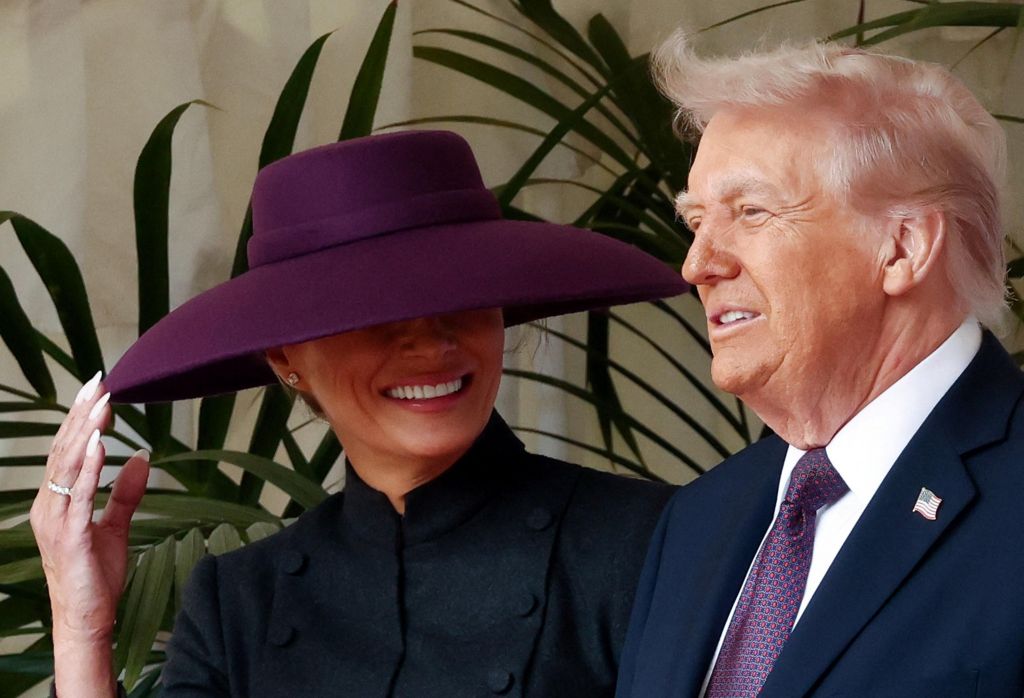
Melania’s hat, a yellow dress and Kate’s golden gown – standout state visit looks
The recent state visit of US President Donald Trump and First Lady Melania Trump to the UK was as much a showcase of fashion diplomacy as it was of political engagement. From striking gowns to historic tiaras, the event highlighted the power of sartorial choices in international relations. Melania Trump, known for her impeccable style, made bold statements throughout the visit. At the formal state banquet, she donned a strapless yellow Carolina Herrera gown with a baby pink belt, a daring yet elegant choice that turned heads. Her wide-brimmed purple hat, which obscured her face upon arrival at Windsor Castle, was seen as a symbolic gesture to keep the focus on her husband’s agenda. The Princess of Wales, Catherine, also made a stunning appearance in a gold couture gown by British designer Phillipa Lepley, paired with the iconic Lover’s Knot Tiara. Queen Camilla and King Charles III complemented each other in royal blue attire, emphasizing unity and tradition. The event underscored how fashion serves as a tool for diplomacy, with each outfit carefully chosen to convey messages of support, respect, and national pride.