作者: admin

  • India delays US trade talks after Supreme Court rejects Trump tariffs, source says

    India delays US trade talks after Supreme Court rejects Trump tariffs, source says

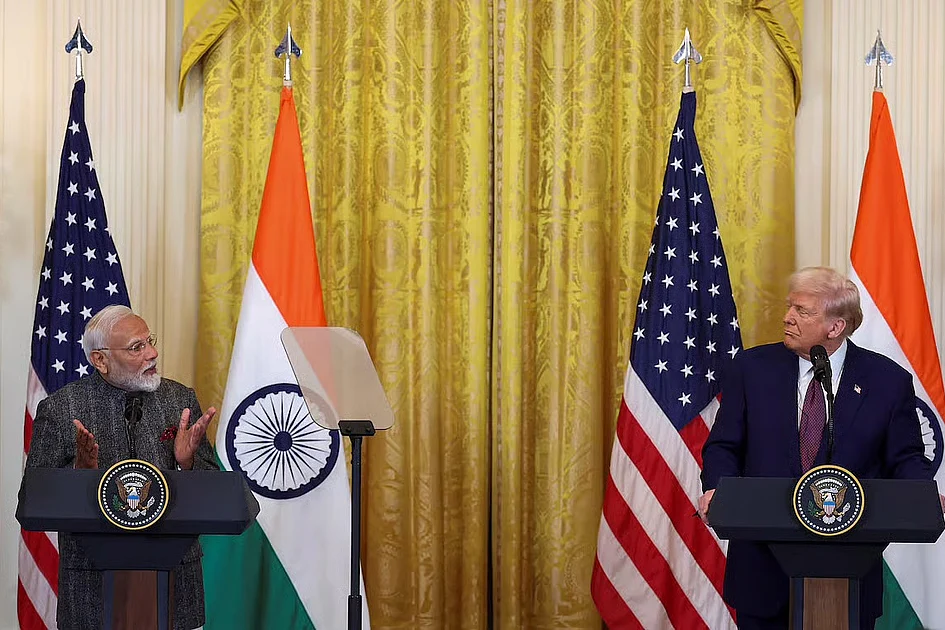
    India has abruptly postponed a high-level trade delegation to Washington scheduled for this week, creating uncertainty around a landmark bilateral trade agreement. The decision comes directly in response to the U.S. Supreme Court’s recent rejection of tariff measures previously imposed by former President Donald Trump.

    According to an anonymous source within India’s trade ministry, the postponement was mutually agreed upon by officials from both nations due to the significant legal and economic uncertainty created by the court’s Friday ruling. No alternative date for rescheduled talks has been established.

    The now-delayed negotiations were intended to finalize an interim trade pact that had been carefully developed over months. The framework agreement would have seen the United States reduce punitive tariffs on specific Indian exports from 25% to 18%, while India committed to purchasing American goods worth approximately $500 billion over a five-year period. These purchases were to include energy supplies, aircraft and components, precious metals, and advanced technology products.

    The Supreme Court’s decision has triggered immediate international repercussions, with India’s response representing one of the first concrete reactions from Asian nations. In a subsequent move, President Trump announced on Saturday the imposition of a temporary 15% tariff on imports from all countries—the maximum permitted under existing legislation.

    Domestically, India’s opposition Congress party has seized on the judicial development, demanding that the interim agreement be suspended and renegotiated. Party officials have questioned Prime Minister Narendra Modi’s decision to issue a joint statement with the U.S. prior to the court’s ruling.

    Indian Trade Minister Piyush Goyal had previously indicated that the interim pact could take effect as early as April, pending resolution of outstanding issues during the Washington visit. The Indian trade ministry has confirmed it is conducting a comprehensive analysis of both the court judgment and subsequent U.S. policy announcements.


  • Russian missile barrage hits energy, railways across Ukraine

    Russian missile barrage hits energy, railways across Ukraine

    In a significant escalation of hostilities just days before the fourth anniversary of its full-scale invasion, Russia launched a coordinated multi-pronged assault across Ukraine on Sunday. The widespread offensive targeted critical energy infrastructure, railway networks, and residential areas with a barrage of 50 missiles and 297 drones, marking one of the most intensive attacks in recent weeks.

    Ukrainian air defense systems demonstrated remarkable effectiveness by intercepting 33 missiles and 274 drones, though significant damage still occurred across multiple regions. The capital Kyiv and its surrounding areas suffered particularly severe impacts, with reports confirming one fatality and at least a dozen injuries, including four children. In the suburb of Sofiivska Borshchagivka, residential structures sustained extensive damage, with eyewitnesses describing powerful explosions that shook buildings violently.

    President Volodymyr Zelensky condemned the attacks, stating that Moscow continues to prioritize military strikes over diplomatic solutions. ‘The main target was the energy sector, but ordinary residential buildings were also damaged, along with railway infrastructure,’ Zelensky emphasized during his address.

    Concurrently, a separate security incident unfolded in Lviv, where an explosion at a central retail establishment resulted in the death of a police officer and injuries to 25 individuals. Ukrainian authorities subsequently detained a suspect allegedly recruited through Telegram messaging platform, with Zelensky characterizing the event as ‘a cynical and cruel act of terrorism’ orchestrated by Russian operatives.

    The military offensive occurred against a complex geopolitical backdrop, with Hungary threatening to block the European Union’s latest sanctions package against Russia unless Ukraine reinstates operations of the damaged Druzhba oil pipeline. Ukraine maintains that Russian strikes originally compromised this critical energy conduit in late January.

    Poland’s armed forces responded to the heightened tensions by scrambling fighter jets as Russian long-range aviation conducted strikes near border regions. Meanwhile, Russia’s defense ministry asserted that all targeted facilities served military purposes, though evidence from impact sites contradicted these claims.

  • Andrew’s arrest hands King Charles fresh royal crisis

    Andrew’s arrest hands King Charles fresh royal crisis

    The British monarchy faces one of its most severe modern crises following the arrest of Prince Andrew, creating unprecedented challenges for King Charles III’s reign. The Duke of York was taken into police custody on suspicion of transmitting confidential information to convicted sex offender Jeffrey Epstein during his tenure as UK trade envoy from 2001-2011—marking the first arrest of a senior royal in contemporary history.

    This development compounds a series of difficulties that have plagued Charles’ monarchy since his ascension in September 2022 following Queen Elizabeth II’s death. His reign has been characterized by multiple personal and institutional challenges, including Prince Harry’s explosive memoir “Spare,” which revealed damaging family disputes, and simultaneous cancer diagnoses affecting both the King and Catherine, Princess of Wales.

    Royal commentator Ed Owens observed: “Charles has been battered by a succession of difficulties and crises, whether it’s in relation to his second son, Harry, his health, the health of Catherine, or the very disruptive figure of Andrew.”

    The current situation represents what royal historian Andrew Lownie describes as “a crunch point” for the monarchy. The institution’s moral authority faces significant erosion due to Andrew’s longstanding association with Epstein, which has caused years of embarrassment. A particularly damaging 2011 photograph showed the prince with his arm around Virginia Giuffre, Epstein’s primary accuser.

    Despite Charles’ October attempt to distance the monarchy by stripping Andrew of all titles, newly released documents from the U.S. Department of Justice have reignited public outrage. In response to the arrest, Charles issued a rare personally signed statement vowing that “the law must take its course” while expressing his “deepest concern.”

    Experts compare the current crisis to historical monarchy-shaking events including Edward VIII’s 1936 abdication and Princess Diana’s 1997 death. Academic and royal expert Pauline Maclaran notes that the monarchy appears “quite unstable now” following Queen Elizabeth’s passing, adding that the late queen “certainly protected Andrew.”

    Owens offered a more stark assessment: “Andrew was an unexploded bomb that the queen passed on to Charles. This episode could potentially be hugely damaging to the institution. Already, I think its moral authority has suffered.”

    Restoring public confidence may require visible changes to the monarchy’s structure and operations, with attention turning to Prince William as a potential agent of modernization. The coming months will test whether the institution can navigate this crisis while maintaining its relevance in modern British society.

  • Philippines braces for possible protests amid ex president Duterte’s ICC hearings

    Philippines braces for possible protests amid ex president Duterte’s ICC hearings

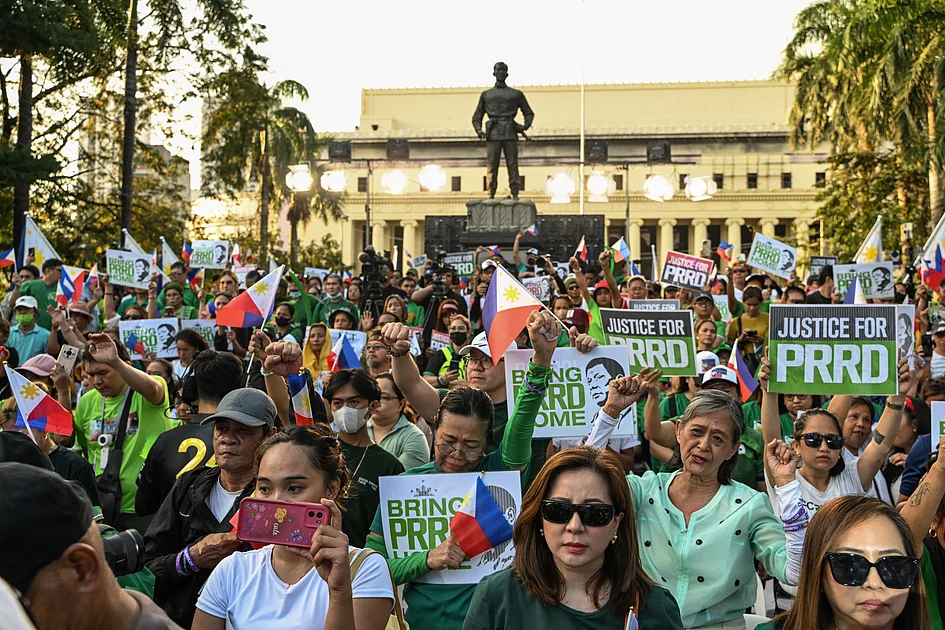
    The Philippine National Police (PNP) has elevated its alert status nationwide in anticipation of potential demonstrations surrounding former President Rodrigo Duterte’s inaugural International Criminal Court (ICC) proceedings. Police General Jose Melencio Nartatez, PNP Chief, confirmed Sunday that security forces are maintaining vigilant surveillance regarding possible mass gatherings connected to the high-profile case.

    Authorities have implemented comprehensive security protocols to safeguard public order during any organized activities. “Our personnel will be present to protect citizens’ rights and ensure peaceful conditions regardless of group affiliations,” Nartatez stated, emphasizing the commitment to balanced law enforcement.

    The ICC hearings, scheduled for February 23-24 and 26-27, will address the confirmation of criminal charges against the former leader. Duterte remains in ICC custody since March 2025, facing allegations of crimes against humanity stemming from his controversial anti-drug initiative during both his presidential term and earlier tenure as Davao City mayor.

    Notably, the ICC Pre-Trial Chamber I has approved Duterte’s request to be absent from the confirmation proceedings. The former president has consistently rejected the court’s jurisdiction over his case, describing himself as “old, tired and frail” while acknowledging the possibility of dying in detention.

    The legal journey began with an initial ICC complaint filed in June 2017. Duterte subsequently initiated the Philippines’ withdrawal from the Rome Statute in March 2018, which took full effect in March 2019. However, the ICC maintains jurisdiction over alleged offenses occurring between November 1, 2011, and March 16, 2019—the period when the Philippines remained a state party to the international court.

  • ‘No thanks’: Greenland, Denmark reject Trump’s hospital ship offer

    ‘No thanks’: Greenland, Denmark reject Trump’s hospital ship offer

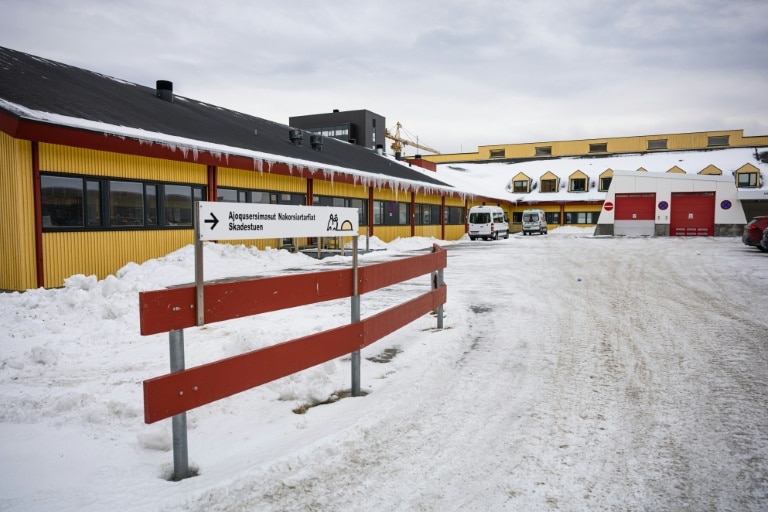
    In a diplomatic rebuff, the governments of Denmark and its autonomous territory, Greenland, have formally declined an offer from former U.S. President Donald Trump to dispatch a U.S. naval hospital ship to the Arctic island. The proposal, which Trump announced on his Truth Social platform alongside an AI-generated image of the USNS Mercy, was met with a firm and public rejection.

    Greenlandic Prime Minister Kim Kielsen, leading the autonomous government, articulated the refusal on social media, stating, ‘That will be ‘no thanks’ from us.’ He emphasized the territory’s commitment to its existing, fully public healthcare system, noting, ‘We have a public health system where care is free for citizens. This is not the case in the United States, where going to the doctor costs money.’ This sentiment was echoed by Danish Defence Minister Troels Lund Poulsen, who confirmed to national media that Greenlandic citizens receive all necessary medical care either locally or through specialized treatment in Denmark, negating any requirement for external assistance.

    The offer emerged concurrently with a real medical evacuation, where Danish forces airlifted a sailor from a U.S. submarine off the coast of Nuuk. However, officials were quick to clarify that this incident was routine and unrelated to the political proposal. The rejection also underscores a broader geopolitical context. Trump has repeatedly expressed a strategic interest in Greenland, previously suggesting its purchase for national security reasons. This latest episode, described by Danish officials as part of a ‘new normal’ in international politics, reflects ongoing tensions and the complex diplomatic relationship between the U.S. and its Arctic allies.

    Further highlighting the contrast between the two nations’ systems, Danish Prime Minister Mette Frederiksen expressed pride in Denmark’s model of free and equal healthcare access. The rejection was supported by Aaja Chemnitz, Greenland’s representative in the Danish Parliament, who acknowledged challenges within Greenland’s health system but asserted they are best addressed through its existing partnership with Denmark, a nation she contrasted with the U.S. due to its own well-documented healthcare struggles.

  • Marriage drama ‘Yellow Letters’ wins Berlin Film Festival’s top prize

    Marriage drama ‘Yellow Letters’ wins Berlin Film Festival’s top prize

    The 2026 Berlin Film Festival concluded with a powerful political statement as Ilker Catak’s Turkish-language drama ‘Yellow Letters’ secured the prestigious Golden Bear award. The film examines marital dynamics under authoritarian pressure, following a Turkish actor-playwright couple forced to abandon their comfortable existence after the husband faces government persecution for online dissent.

    Festival director Tricia Tuttle defended the event’s overtly political nature, stating during the opening ceremony that the emotionally charged atmosphere reflected the Berlinale fulfilling its purpose rather than representing a failure of cinema. The festival maintained its reputation as the most politically engaged among major international film competitions, with the Gaza conflict dominating many discussions.

    In his acceptance speech, Turkish-German director Catak delivered a passionate address identifying autocrats, right-wing parties, and contemporary nihilists as existential threats to democratic values. ‘The real threat is not among us. It is out there,’ Catak declared, urging unity against authoritarian forces.

    The awards ceremony also recognized outstanding individual achievements. German actress Sandra Hüller continued her remarkable career trajectory by winning the Best Actor award for her performance in the period piece ‘Rose,’ adding to her acclaimed work in 2024 Oscar-winning films ‘Anatomy of a Fall’ and ‘Zone of Interest.’

    Other notable winners included Turkish filmmaker Emin Alper’s ‘Salvation’ (Silver Bear Grand Jury Prize), Grant Gee’s jazz biopic ‘Everybody Digs Bill Evans’ (Best Director), and the dementia drama ‘Queen at Sea’ which captured both the Jury Prize and shared Best Supporting Actor honors for veterans Anna Calder-Marshall and Tom Courtenay. The festival’s Best Screenplay award went to ‘Nina Roza,’ exploring art authentication in Bulgaria.

  • iPhone 18 Pro and iPhone Fold may launch together this September

    iPhone 18 Pro and iPhone Fold may launch together this September

    Apple appears poised to revolutionize its smartphone lineup with the simultaneous launch of its inaugural foldable iPhone and the iPhone 18 Pro series this September, according to emerging supply chain intelligence. Recent disclosures indicate that display production for both product categories will commence in July, maintaining Apple’s traditional timeline for fall releases.

    The technological convergence represents a significant strategic shift for Apple, which previously considered staggering the release of its standard iPhone 18 models across different timeframes. Industry observers note that Samsung Display has been exclusively commissioned for manufacturing the sophisticated foldable screens, with LG Display notably absent from this particular project.

    Engineering foldable displays presents substantial technical challenges, particularly regarding crease minimization, durability enhancement, and precision hinge mechanics. Apple has reportedly dedicated extensive research and development resources to overcome these hurdles, with prototype testing circulating through supply chains for several years.

    The anticipated September unveiling would mark Apple’s formal entry into the competitive foldable smartphone market, positioning its offering alongside established flagship models. This strategic move demonstrates Apple’s commitment to innovation while maintaining its premium product positioning.

    Despite mounting evidence from manufacturing channels, Apple maintains its characteristic silence regarding unannounced products, neither confirming nor denying the existence of the foldable iPhone project. The tech community awaits official confirmation, potentially coming during Apple’s traditional September launch event.

  • 50 feared missing after another Philippines landfill collapse

    50 feared missing after another Philippines landfill collapse

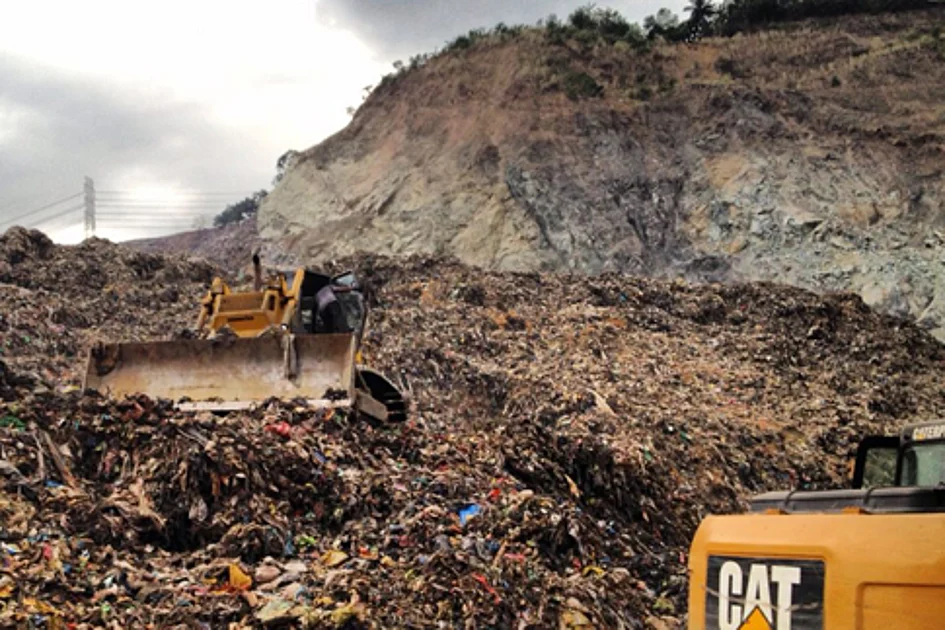
    A catastrophic landfill collapse in Montalban, Rizal, on Saturday afternoon has left approximately 50 individuals missing, raising fears of a death toll surpassing January’s deadly garbage slide in Cebu City that claimed 36 lives. The incident occurred at 2:00 PM local time at the ISWIMS-operated facility in Barangay San Isidro, initially affecting around 100 people according to preliminary assessments.

    Initial reports from the University of the Philippines’ Philippine Collegian indicate a concerning absence of coordinated government-led rescue operations in the immediate aftermath. The student publication further revealed that landfill operator International Solid Waste Integrated Management Specialist Inc. (ISWIMS) has been restricting access to information, blocking both journalists and local residents from obtaining details about the disaster and its casualties.

    The collapse, reportedly triggered by three backhoe vehicles operating at the site, buried numerous victims under tons of waste material. The tragedy strikes a vulnerable community that had already been facing the threat of demolition, with approximately 1,000 families potentially facing displacement from their homes adjacent to the landfill facility.

    This disaster echoes previous waste management tragedies in the Philippines, including the April 2013 Rodriguez trash slide that killed four people, and more recently, the January 8 Binaliw landfill collapse in Cebu City that resulted in 36 fatalities. The Cebu incident was attributed to unsafe operational practices by private contractors, including improper waste stacking techniques that created unstable garbage mounds.

    The Montalban area has undergone significant environmental transformation in recent decades, with once-pristine mountains and valleys converted into dumping grounds for metropolitan Manila’s waste. This shift occurred following the permanent closure of Quezon City’s Payatas Landfill in 2017, which itself was the site of the country’s most devastating garbage slide in July 2000 that killed at least 218 people with hundreds more remaining missing.

    As of Sunday, local government authorities had not issued official statements regarding the latest incident, with response efforts potentially hampered by the weekend holiday. The situation highlights ongoing challenges in waste management practices and regulatory oversight of private landfill operators across the Philippines.

  • Trump curious why Iran has not ‘capitulated’, US envoy Witkoff says

    Trump curious why Iran has not ‘capitulated’, US envoy Witkoff says

    Amid escalating tensions in the Middle East, U.S. President Donald Trump has expressed bewilderment at Iran’s refusal to capitulate despite significant American military deployments near its borders. Presidential envoy Steve Witkoff revealed to Fox News that Trump remains “curious” about Tehran’s resilience after Washington threatened limited military strikes should nuclear negotiations collapse.

    The geopolitical standoff unfolds against a backdrop of renewed civil unrest within Iran, where verified footage shows anti-government demonstrations erupting at multiple universities—the largest since January’s deadly crackdown that reportedly claimed thousands of lives. At Sharif University of Technology, protesters raised pre-revolutionary flags while chanting monarchist slogans, clashing with government supporters who burned U.S. and Israeli flags.

    Despite these tensions, diplomatic channels remain active. Iranian Foreign Minister Abbas Araghchi stated negotiations continue on a “win-win” framework, with Tehran preparing a draft agreement for presentation to U.S. officials. Indirect talks mediated by Oman in Geneva on February 17 showed reported progress, with another round scheduled for the coming days.

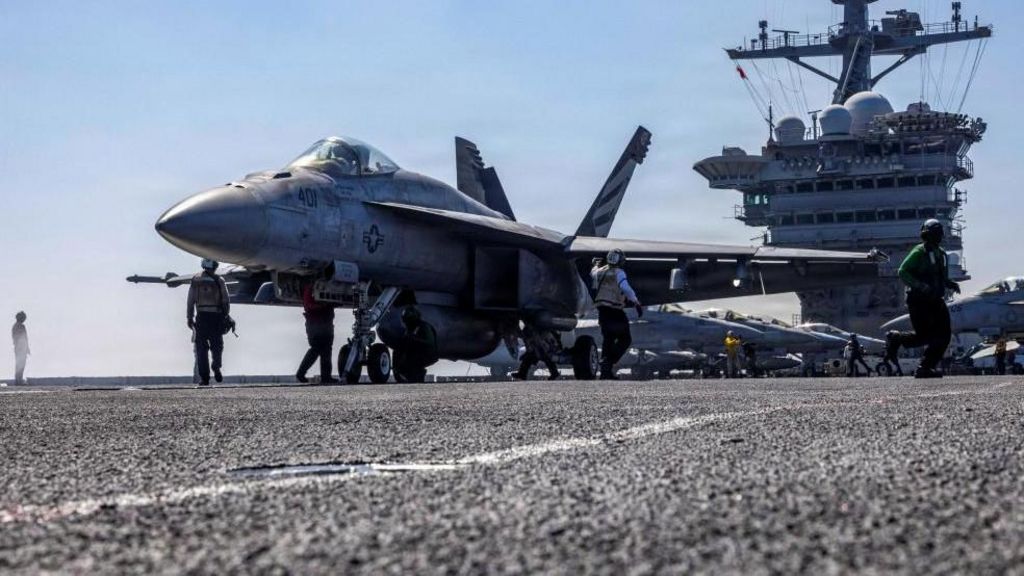
    The U.S. military buildup includes the advanced USS Gerald R. Ford carrier group and USS Abraham Lincoln strike force—a show of force that Trump suggested might culminate in action within “10 days” if diplomacy fails. This deployment represents the largest concentration of naval power near Iranian waters in recent years.

    Human rights organizations report staggering casualty figures from January’s unrest, with Hrana documenting over 7,000 deaths—a figure Iranian authorities contest, claiming most casualties were security personnel caught in riot violence. The administration’s mixed approach of military pressure and diplomatic engagement reflects the complex calculus surrounding Iran’s nuclear ambitions and internal stability.

  • Iran’s leader ‘entrusts’ security chief to run country in case of war, assassination

    Iran’s leader ‘entrusts’ security chief to run country in case of war, assassination

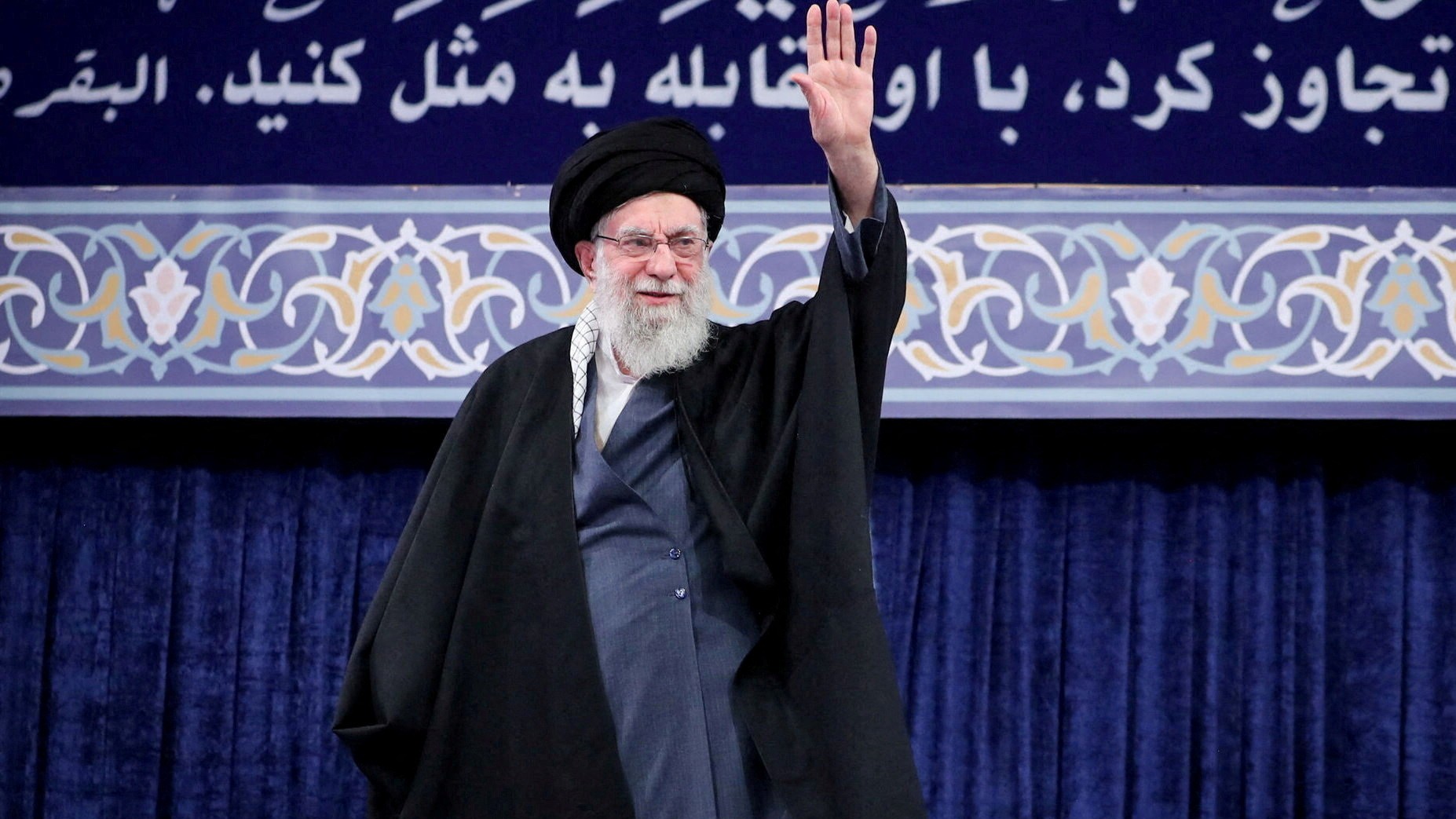
    In a significant revelation about Iran’s contingency planning, Supreme Leader Ayatollah Ali Khamenei has implemented comprehensive directives to ensure governmental continuity should the nation face external attacks or leadership decapitation. According to intelligence obtained by The New York Times, these measures include a sophisticated four-tier succession framework for both military and civilian leadership positions.

    The strategic blueprint designates Ali Larijani, Secretary of Iran’s Supreme National Security Council, as a pivotal figure in maintaining national stability. While Larijani cannot assume the Supreme Leadership due to religious qualifications (requiring senior Shia clerical status), he emerges as the central operational authority should upper echelons be compromised. The network of potential successors also includes Parliament Speaker Mohammad-Bagher Ghalibaf and former President Hassan Rouhani.

    The reporting further illuminates the intricate power dynamics within Iran’s governance structure. Notably, during recent tensions, when U.S. regional envoy Steve Witkoff attempted communication with Foreign Minister Abbas Araghchi following President Trump’s threats, the request was ultimately redirected to Larijani for authorization—bypassing both the foreign minister and President Masoud Pezeshkian. This incident underscores Larijani’s elevated authority in security and foreign policy matters.

    These developments occur against a backdrop of intensified U.S.-Iran hostilities, despite ongoing diplomatic engagements. Recent discreet talks, reportedly facilitated through Omani channels in Cologny, represent efforts to avert military confrontation. Khamenei’s public defiance toward U.S. threats emphasizes Iran’s preparedness for any scenario, with these newly revealed succession plans serving as a concrete manifestation of this strategic posture.