作者: admin

  • Gaza plan a potential turning point, says UN official

    Gaza plan a potential turning point, says UN official

    A senior United Nations official has characterized the Gaza stabilization initiative as a potential watershed moment for the region, even as humanitarian crises and military operations persist. Ramiz Alakbarov, UN Deputy Special Coordinator for the Middle East peace process, addressed the Security Council on Wednesday, emphasizing that the commencement of the second phase of the Gaza ceasefire agreement represents a crucial advancement in cementing the truce.

    The statement comes alongside Israel’s burial of Ran Gvili, an off-duty police officer killed while combating Hamas militants, whose remains were recently recovered in Gaza. Israeli Prime Minister Benjamin Netanyahu noted that Gvili’s burial “seals the painful reality of the presence of Israeli hostages in the Gaza Strip.”

    Despite these developments, Alakbarov highlighted that nearly Gaza’s entire population requires humanitarian assistance, with Israeli military operations continuing and tensions escalating in the occupied West Bank.

    Palestine’s permanent observer to the UN, Riyad Mansour, asserted that the ceasefire’s success depends entirely on Israel’s complete withdrawal from Palestinian territories and cessation of dictating Gaza’s future. While acknowledging the release of all Israeli hostages and prisoners, Mansour drew attention to the thousands of Palestinian families awaiting the retrieval, identification, and dignified burial of their loved ones killed and buried under rubble.

    Academic experts express skepticism regarding the truce’s prospects. Mehmet Rakipoglu, a researcher at Mardin Artuklu University and the University of Exeter, cited Israel’s repeated violations as evidence that its strategy prioritizes sustained military engagement over genuine political resolution. He further noted that U.S.-led peace frameworks appear to favor Israel due to the absence of penalties for systematic violations.

    Regional dynamics are also shifting, with Gulf states strengthening cooperation with nations like Türkiye in response to Israel’s escalating aggression, which has transformed Gaza from a localized conflict into a catalyst for regional instability.

  • China to foster new quality productive forces in water conservancy sector

    China to foster new quality productive forces in water conservancy sector

    China is embarking on an ambitious technological transformation of its water conservancy infrastructure, positioning advanced innovation as the cornerstone of modern reservoir management. The Ministry of Water Resources announced Thursday a comprehensive initiative to develop new quality productive forces throughout the nation’s water management sector.

    The strategic plan centers on creating an all-weather intelligent monitoring system that integrates surveillance capabilities across multiple domains: sky, space, land, water, and engineering infrastructure. This sophisticated network will employ an array of cutting-edge technologies including satellite remote sensing, ground-penetrating radar, unmanned aerial vehicles, autonomous marine vessels, and subaquatic robotics.

    Zhang Wenjie, a ministry official, emphasized that these technological advancements will significantly enhance hidden danger detection capabilities while advancing intelligent patrol operations. The integration of these systems represents a fundamental shift toward data-driven water management and disaster prevention.

    The initiative builds on successful technological implementations demonstrated during recent flood seasons. During the 2025 autumn floods along the Hanjiang River, authorities effectively monitored the Danjiangkou Reservoir’s structural integrity in real-time using Global Navigation Satellite Systems and automated surveying robots. This technological support enabled precise, science-based reservoir regulation during critical high-water conditions.

    According to Wang Bao’en, Deputy Head of the Ministry, current efforts are accelerating the development of next-generation infrastructure characterized by enhanced safety, ecological sustainability, and intelligent operation. The ministry will intensify research, development, and deployment of innovative technologies while selecting representative dams with strong foundational conditions for pilot projects.

    This technological push aims to elevate reservoir management standards to unprecedented levels, establishing new benchmarks for modern water conservancy operations worldwide. The initiative represents China’s commitment to leveraging technological innovation for critical infrastructure management and environmental sustainability.

  • New Zealand not to join Board of Peace: PM

    New Zealand not to join Board of Peace: PM

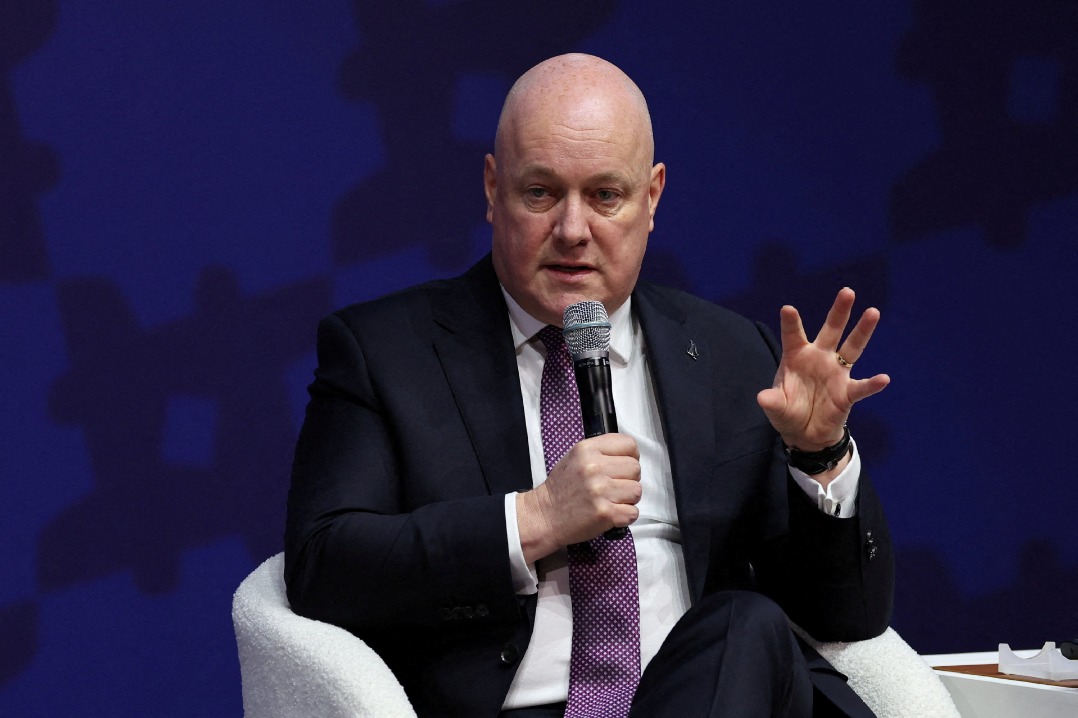
    In a significant diplomatic development, New Zealand Prime Minister Christopher Luxon announced on Friday that his nation would not participate in the newly proposed ‘Board of Peace’ initiative spearheaded by former US President Donald Trump. The decision follows careful governmental consideration of the invitation extended by the Trump administration.

    Prime Minister Luxon’s official statement clarified that while New Zealand appreciated the invitation, the current framework of the proposed board did not align with the country’s international governance principles. ‘After thorough deliberation,’ Luxon stated, ‘our government has determined that we cannot accept membership in the Board of Peace in its present configuration.’

    This position was further elaborated by Foreign Minister Winston Peters through a social media post on platform X. Peters emphasized New Zealand’s historical role as a founding member and consistent supporter of the United Nations, noting that any parallel international governance structure must operate in complete harmony with the UN Charter. ‘For New Zealand, it remains imperative that any new international body’s work complements and reinforces the established principles of the United Nations,’ Peters wrote.

    The Board of Peace was formally established by former President Trump on January 22 during the World Economic Forum in Davos, Switzerland. The initiative represents one of Trump’s most significant foreign policy proposals since leaving office, though specific operational details and membership criteria remain unclear. New Zealand’s decision marks one of the first public rejections by a Western-aligned nation, potentially influencing how other countries approach the controversial initiative.

    Analysts suggest New Zealand’s refusal reflects broader concerns about the board’s potential to undermine existing international institutions and create parallel governance structures that might conflict with established multilateral agreements. The decision also demonstrates New Zealand’s independent foreign policy stance, balancing its traditional alliances with its commitment to multilateral governance through the United Nations system.

  • China sees 66.86 billion cross-regional trips in 2025

    China sees 66.86 billion cross-regional trips in 2025

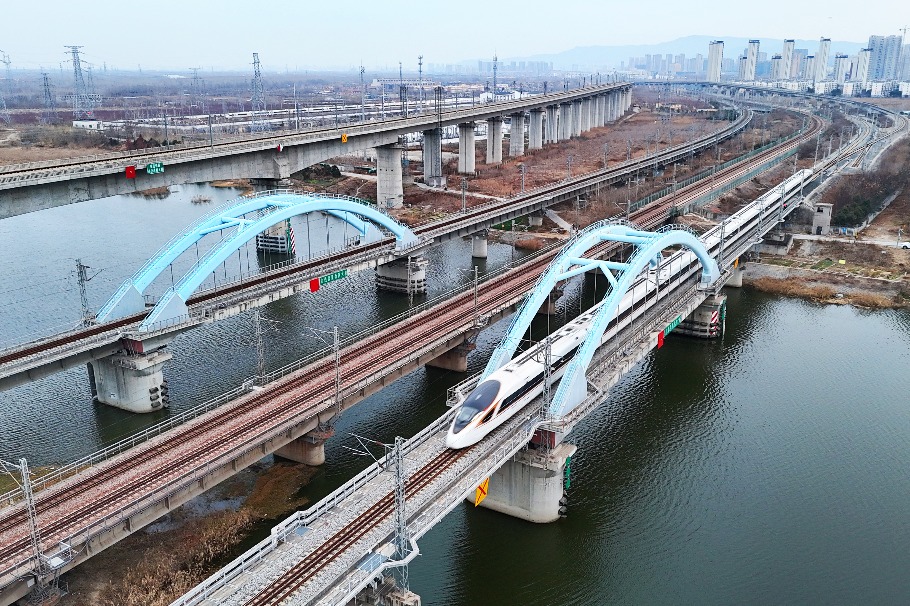
    China’s transportation networks witnessed unprecedented activity in 2025 with official data revealing 66.86 billion cross-regional trips completed throughout the year. This substantial movement of people represents a 3.5 percent increase compared to the previous year’s figures, underscoring the nation’s rapidly expanding mobility patterns.

  • Ukraine is bracing for brutal weather as Trump says Putin agreed to halt power grid attacks

    Ukraine is bracing for brutal weather as Trump says Putin agreed to halt power grid attacks

    KYIV, Ukraine — As Eastern Europe grapples with an extreme winter cold snap, diplomatic tensions intensify over unverified claims of a temporary ceasefire on energy infrastructure attacks. U.S. President Donald Trump announced Thursday that Russian President Vladimir Putin had acquiesced to a one-week moratorium on targeting Ukraine’s power grid, though neither the Kremlin nor White House provided immediate confirmation of the alleged agreement.

    Ukrainian President Volodymyr Zelenskyy expressed profound skepticism regarding Moscow’s intentions, stating publicly Friday: ‘I do not believe that Russia wants to end the war. There is a great deal of evidence to the contrary.’ His comments came as the conflict approaches its fourth anniversary with no diplomatic resolution in sight.

    The purported truce discussion emerged against a backdrop of continued hostilities. Overnight, Russia launched 111 drones and one ballistic missile toward Ukraine, resulting in at least three casualties according to Ukrainian air defense reports. Simultaneously, Russia’s Defense Ministry claimed interception of 18 Ukrainian drones over multiple regions including annexed Crimea and the Black Sea.

    Meteorological conditions compound the humanitarian crisis, with temperatures forecast to plunge to -30°C (-22°F) across Ukraine this week. This severe cold wave threatens millions already suffering from Russia’s documented strategy of weaponizing winter conditions by targeting energy infrastructure.

    The energy truce concept originated during multilateral talks in Abu Dhabi last weekend involving envoys from Ukraine, Russia, and the United States. Zelenskyy confirmed his administration’s willingness to adopt reciprocal measures: ‘If Russia does not strike us, we will take corresponding steps regarding their energy infrastructure.’

    However, the Ukrainian leader clarified that no formal ceasefire agreement exists, emphasizing the absence of direct negotiations between the warring nations. Fundamental disagreements over occupied territories remain the primary obstacle to peace, with Zelenskyy reiterating Ukraine’s stance against compromising territorial integrity while expressing openness to economic compromise solutions.

    Further diplomatic engagements scheduled for Abu Dhabi this weekend face uncertainty due to escalating tensions between the U.S. and Iran, potentially delaying critical dialogue on the conflict.

  • China braces for four cold waves in February

    China braces for four cold waves in February

    Meteorological authorities in China have issued warnings regarding four significant cold waves expected to sweep across the country throughout February, potentially disrupting the world’s largest annual human migration during the Spring Festival holiday period. According to Huang Zhuo, Deputy Director of the National Meteorological Center, these weather systems pose substantial challenges to transportation networks and energy infrastructure during the peak travel season.

    The forecast indicates two major precipitation events between February 5-7 and February 10-13, bringing rain and snow to central and eastern regions. An additional cold air mass is projected to impact these areas during the initial phase of the Spring Festival holiday, which officially runs from February 15 to 23. Meteorological officials have identified four primary climate risks requiring coordinated preparedness measures across different regions.

    Northern China must prepare for staged temperature declines, strong gales, and heavy snowfall, while northern sections of East and Central China, along with Southwest China, face potential low-temperature rain and snow events that could compromise transportation safety and energy distribution systems. Concurrently, southern and southwestern regions confront developing drought conditions and elevated forest fire risks, necessitating enhanced water resource management and fire prevention protocols.

    The current weather patterns represent a continuation of January’s unusual conditions, which saw five cold waves—exceeding historical averages for the period. Since mid-January, meteorological drought has intensified across eastern and southern China, with particularly severe conditions reported throughout most of Fujian province, central Guangdong, and coastal areas of Zhejiang.

    These weather developments coincide with the Spring Festival travel rush (chunyun), scheduled from February 2 to March 13—a 40-day period during which inter-regional passenger trips are projected to reach an unprecedented 9.5 billion, according to National Development and Reform Commission estimates. The convergence of extreme weather and record travel volumes presents complex challenges for transportation authorities and emergency management systems nationwide.

  • Scientists design flexible patch for precision drug delivery to complex organs

    Scientists design flexible patch for precision drug delivery to complex organs

    An international research consortium led by Beihang University has unveiled a groundbreaking bioelectronic patch technology that promises to revolutionize targeted therapeutic delivery to complex organs. Dubbed POCKET, this ultra-flexible device represents a paradigm shift from conventional systemic drug administration by conforming precisely to irregular organ surfaces like ovaries and kidneys.

    The innovation addresses a critical clinical dilemma: women with hereditary BRCA1 mutations currently face radical preventive surgery involving ovary and fallopian tube removal, resulting in permanent infertility. Existing viral vector gene therapies pose unacceptable risks of germline genome contamination, making them unsuitable for reproductive organs.

    Drawing inspiration from traditional paper-cutting artistry, the multidisciplinary team engineered a four-layer nanostructured patch achieving over 95% surface coverage on anatomically complex organs. The device integrates silver nanowire electrodes, a drug-loaded hydrogel reservoir, and precisely patterned nanopores created through femtosecond laser processing.

    When activated by low-voltage current, POCKET generates localized electric fields that temporarily create microscopic channels in cell membranes. This electroporation mechanism allows direct intracellular drug delivery with nearly 1,000-fold efficiency improvement over passive diffusion while preserving deeper tissue integrity.

    In preclinical models, the technology successfully delivered BRCA1 gene therapy exclusively to ovarian surface cells in mice, reducing cancer risk without compromising reproductive function. Additional trials demonstrated targeted anti-inflammatory delivery to transplanted kidneys, protecting renal function while eliminating systemic side effects associated with oral steroids.

    Co-corresponding author Chang Lingqian from Beihang University emphasized the platform’s adaptability for treating diabetes, retinal disorders, and rheumatoid arthritis. This physical delivery approach avoids genetic contamination risks while enabling precision targeting previously unattainable with conventional methods.

    The research, published in Cell on January 30, 2026, marks a significant advancement in bioelectronic medicine, potentially transforming treatment paradigms for sensitive and structurally complex organs throughout the human body.

  • Taiwan’s economy grows 8.6% in 2025, fastest rate in 15 years, turbocharged by the AI boom

    Taiwan’s economy grows 8.6% in 2025, fastest rate in 15 years, turbocharged by the AI boom

    TAIPEI, Taiwan — Taiwan’s economy has recorded its most robust annual expansion in 15 years, achieving an impressive 8.6% growth rate throughout the previous year. This exceptional performance, significantly surpassing economic forecasts, has been primarily driven by soaring exports in artificial intelligence technologies and increased shipments to the United States.

    The island nation’s statistical authority released advanced estimates indicating this represents the strongest economic performance since 2010. Taiwan’s strategic position as a manufacturing hub for AI servers, computer chips, and precision instruments has positioned it advantageously within the global technology supply chain. Export figures reveal a remarkable 35% annual increase, with shipments to the U.S. market surging by an extraordinary 78%.

    Recent trade agreements with the United States have further strengthened Taiwan’s economic prospects. The newly established trade deal reduces U.S. tariffs on Taiwanese imports from 20% to 15% in exchange for substantial investment commitments exceeding $250 billion in semiconductor and AI sectors within the United States.

    Leading technology corporations including Taiwan Semiconductor Manufacturing Company (TSMC) and Foxconn have reported record-breaking profits and revenues. TSMC, the world’s premier contract chipmaker and key supplier to Nvidia, continues to demonstrate formidable market presence, while Foxconn maintains critical manufacturing partnerships with both Nvidia and Apple.

    Despite current successes, economists project moderated growth in coming years due to higher baseline comparisons. Deutsche Bank forecasts approximately 4.8% economic expansion for 2026. Potential challenges include concerns regarding AI market sustainability, evolving U.S. trade policies under potential Trump administration changes, and ongoing geopolitical tensions with Beijing. China recently conducted substantial military exercises around Taiwan, reinforcing territorial claims over the self-governed island.

  • Uganda’s army chief accuses US Embassy officials of aiding opposition figure who went into hiding

    Uganda’s army chief accuses US Embassy officials of aiding opposition figure who went into hiding

    Uganda’s military leadership has ignited a significant diplomatic controversy by alleging that U.S. Embassy officials assisted opposition figure Bobi Wine in evading capture following the country’s contentious presidential election. General Muhoozi Kainerugaba, who serves as both army chief and presumed political successor to President Yoweri Museveni, made explosive claims via social media platform X that American diplomats had coordinated with Wine to undermine Uganda’s national security.

    The general asserted, based on unspecified intelligence sources, that Wine orchestrated his own disappearance in collaboration with U.S. officials—accusations he subsequently retracted by deleting the posts. Wine, whose legal name is Kyagulanyi Ssentamu, has been circulating videos from various locations across Uganda, demonstrating his ability to evade security forces while criticizing what he describes as systemic injustice.

    This confrontation escalated dramatically when Kainerugaba declared Wine ‘wanted dead or alive,’ employing a derogatory variation of the opposition leader’s name and warning that foreign powers attempting to assist his escape would face severe diplomatic consequences. The military commander additionally claimed responsibility for a recent raid on Wine’s residence, though he denied allegations that soldiers assaulted Wine’s wife during the operation.

    Official election results show Museveni securing 71.6% of the vote compared to Wine’s 24.7%, granting the 81-year-old president a seventh term extending his four-decade rule. Wine has rejected these results as fraudulent while his supporters point to his continued evasion as evidence of government weakness. Hundreds of Wine’s supporters have been detained according to police reports, with one of his deputies facing terrorism charges related to election violence.

    The United States Embassy in Kampala has maintained silence regarding these allegations, while the Ugandan government has yet to specify formal charges against the opposition leader. This developing situation reflects deepening political divisions and growing international concern about democratic processes in the East African nation.

  • China reports rising investment in science popularization in 2024

    China reports rising investment in science popularization in 2024

    China has demonstrated significant advancements in its national science popularization infrastructure during 2024, according to official statistics released by the Ministry of Science and Technology. The comprehensive data reveals substantial growth across multiple dimensions of scientific public engagement.

    The country’s network of science and technology museums expanded considerably, reaching 1,890 facilities nationwide—marking an increase of 111 institutions compared to the previous year. This expansion represents China’s continued commitment to creating physical spaces dedicated to public science education.

    Financial investment in science outreach initiatives reached unprecedented levels, with total funding climbing to 22.22 billion yuan (approximately $3.19 billion). This figure reflects a 3.32 percent year-on-year increase, demonstrating sustained government and institutional support for science communication programs.

    The human capital supporting these efforts similarly grew, with the science popularization workforce expanding to approximately 2.21 million professionals working either full-time or part-time in the field. This represents a 2.62 percent increase from 2023, indicating career growth and opportunity in science communication sectors.

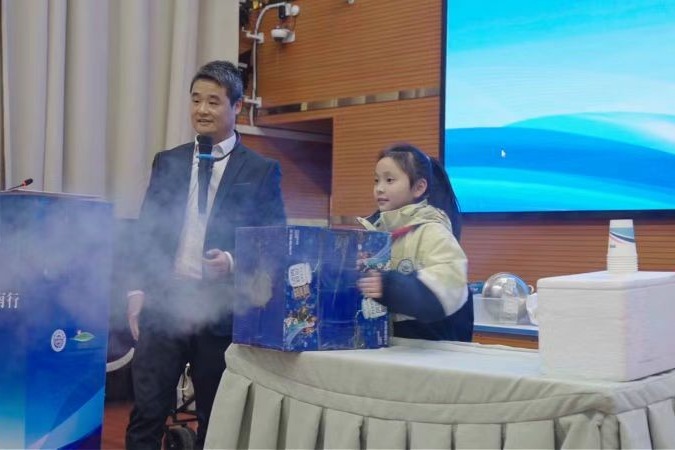
    Public participation metrics reached extraordinary scales, with over 1.44 million science lectures conducted through both online and offline platforms, collectively attracting more than 2 billion participants. Additionally, approximately 109,200 specialized science and technology exhibitions were organized nationwide, drawing 480 million visits. In a significant move toward institutional transparency and public access, 9,680 research institutions and universities opened their facilities to public tours, receiving over 24.95 million visits throughout the year.

    These developments highlight China’s strategic emphasis on enhancing public scientific literacy through multidimensional approaches including infrastructure development, financial investment, workforce expansion, and diverse public engagement initiatives.