
Oil prices continued to hover near a five-month low on Wednesday, driven by escalating trade tensions between the U.S. and China and a forecasted global oil supply surplus by 2026. Brent crude futures dropped by 23 cents, or 0.4%, to $62.16 a barrel, while U.S. West Texas Intermediate futures fell by 14 cents, or 0.2%, to $58.56. Both benchmarks are on track for their lowest closing levels since May 7. The International Energy Agency (IEA) warned that the oil market could face a surplus of up to 4 million barrels per day next year, exacerbated by increased output from OPEC+ and sluggish demand. The U.S.-China trade dispute has intensified recently, with both nations imposing additional port fees on cargo ships, potentially disrupting global freight flows. U.S. Treasury Secretary Scott Bessent emphasized that Washington does not seek to escalate the conflict, noting President Donald Trump’s readiness to meet Chinese President Xi Jinping later this month. Meanwhile, China has tightened rare earth export controls, and Trump has threatened to raise tariffs on Chinese goods to 100%. Deflationary pressures persist in China, with falling consumer and producer prices in September, while U.S. investors anticipate further Federal Reserve rate cuts. In other developments, Britain imposed new sanctions on Russia’s largest oil companies, Lukoil and Rosneft, targeting 51 shadow fleet tankers to curb Kremlin revenues. Azerbaijan reported a 4.2% drop in oil output for the first nine months of the year. U.S. crude stockpiles are expected to rise by 0.2 million barrels, marking the first three-week increase since April.
作者: admin
-

Australian Olympic swim star Ariarne Titmus retires at 25
Australian swimming sensation Ariarne Titmus has announced her retirement from competitive swimming at the age of 25, marking the end of an illustrious career that saw her clinch four Olympic gold medals and set world records. In a heartfelt Instagram post on Thursday, Titmus revealed that the decision to step away from the sport was a difficult but fulfilling one. ‘The time feels right to step away,’ she wrote, reflecting on her 18-year journey in swimming. ‘I’ve always loved swimming, it’s been my passion since I was a little girl.’ Titmus, who took a break after the 2024 Paris Olympics, shared that she had come to realize other aspects of life now held greater importance. The world record holder in the 200m freestyle, Titmus retires with an impressive tally of 32 international medals, including eight Olympic medals. Her career highlights include victories in the 400m freestyle at both the Tokyo 2021 and Paris 2024 Olympics, as well as gold in the 200m freestyle in Tokyo and a team gold in the 4x200m freestyle relay in Paris. Titmus also opened up about the health challenges she faced, including surgery to remove an ovarian tumor before the Paris Games, which she described as a mentally taxing experience. In a poignant letter to her seven-year-old self, Titmus expressed pride in her relentless pursuit of excellence, stating, ‘You walk away knowing every stone was turned, no regrets. You’re fulfilled, content, and happy.’ Tributes poured in from fellow swimmers, including American rival Katie Ledecky, who hailed Titmus as an ‘outstanding competitor, champion, and person,’ and Australian teammate Mollie O’Callaghan, who celebrated her ‘amazing career.’
-
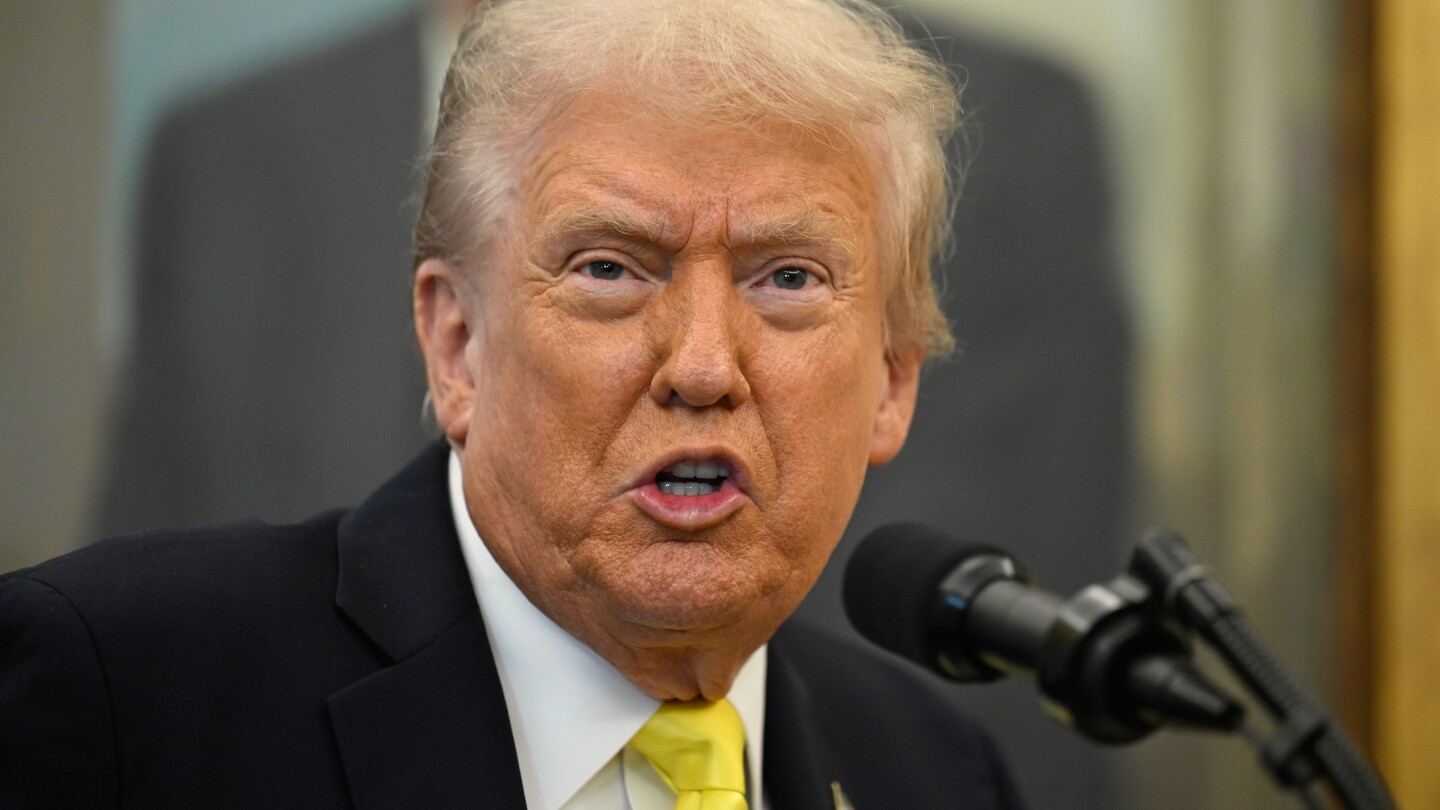
Trump confirms the CIA is conducting covert operations inside Venezuela
In a significant development, President Donald Trump confirmed on Wednesday that he has authorized the Central Intelligence Agency (CIA) to conduct covert operations within Venezuela. The announcement came during an Oval Office event, where Trump also hinted at the possibility of land operations in the region. This revelation follows a series of U.S. military strikes targeting alleged drug-smuggling boats in the Caribbean, which have resulted in the destruction of at least five vessels and the deaths of 27 individuals since early September. Four of these boats reportedly originated from Venezuela.
-
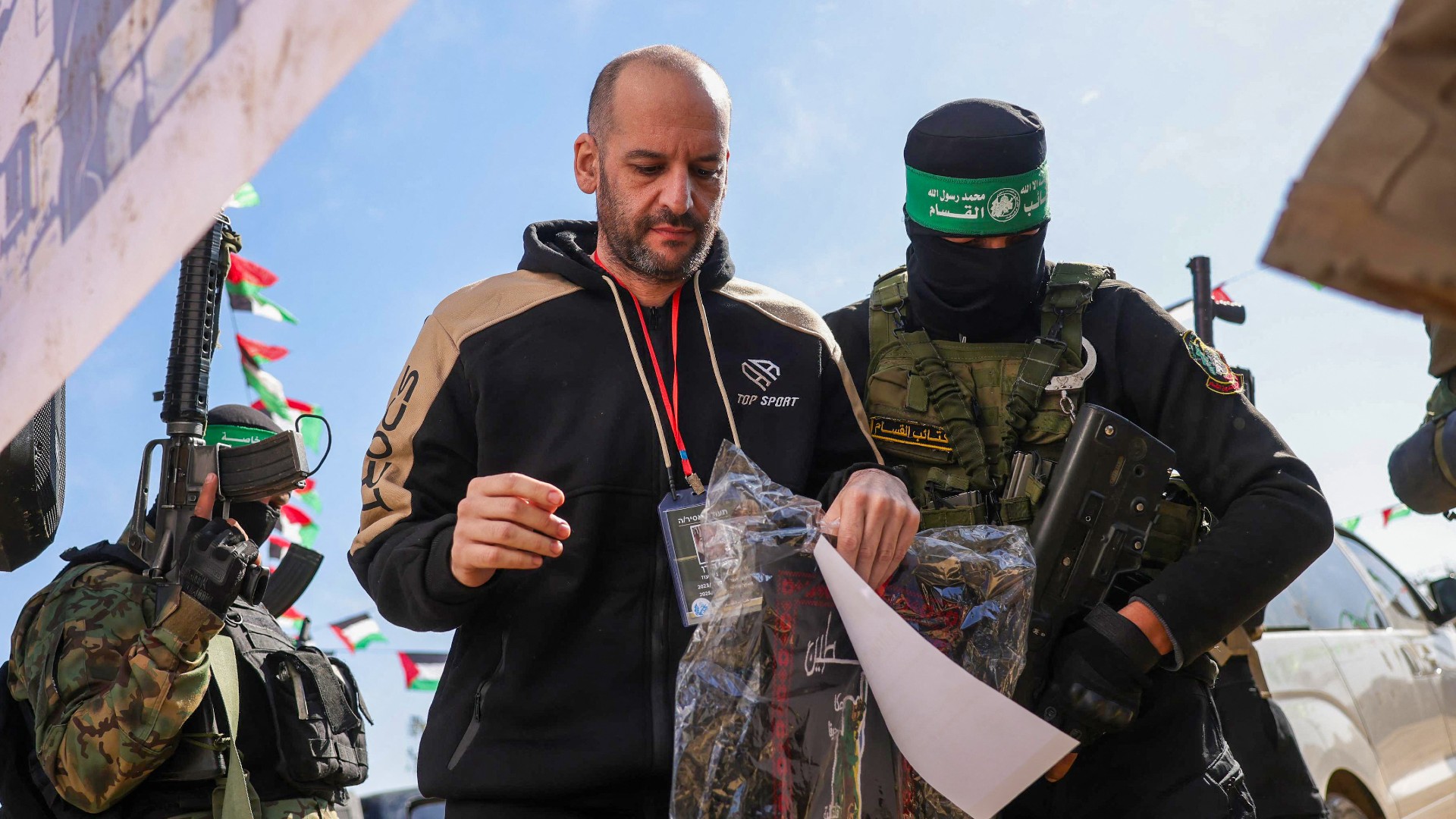
Israeli captives in Gaza: How many were there and what happened to them?
The protracted Israel-Hamas conflict reached a significant milestone on Monday as the last 20 living Israeli captives were released by Hamas in exchange for 1,968 Palestinian prisoners and detainees. This exchange concludes a harrowing chapter that began on October 7, 2023, when 251 Israelis and foreign nationals were abducted during a Hamas-led attack on Israel, which also claimed nearly 1,200 lives. The same day, Israel launched a military campaign in Gaza, resulting in over 67,000 Palestinian deaths over two years. While Israel declared the return of captives a top priority, senior officials later admitted that it was not a central aim of the military operation. Gadi Eisenkot, former head of the Israeli military, criticized the government for sidelining the hostages in its war objectives. The conflict saw 168 captives returned alive, while 87 died under contested circumstances. The release of the Bibas family’s bodies in February 2025, along with other captives, underscored the tragic human cost of the war. Both sides continue to trade blame for the deaths of hostages, with Israel accusing Hamas of killings during captivity and Hamas attributing many deaths to Israeli military actions. The conflict has left deep scars on both societies, with thousands of Palestinian prisoners still in Israeli jails and widespread devastation in Gaza. The recent exchange, facilitated by international diplomacy, signals a potential end to the war but leaves unresolved questions about accountability and justice.
-

Is Microsoft’s first ever handheld Xbox console worth the wait?
After nearly two decades of speculation, Microsoft has finally unveiled its handheld gaming console, the ROG Xbox Ally, marking a significant entry into the portable gaming market. Designed to compete with industry giants like Nintendo and PlayStation, the device promises a unique blend of Xbox and PC gaming experiences. Priced at £499 for the base model and £799 for the more advanced ROG Xbox Ally X, the console is not just a gaming device but a portable Windows PC, offering compatibility with a vast library of PC games alongside Xbox’s Game Pass subscription service. The device’s dual functionality allows users to play both Xbox and PC games, though it comes with the inherent challenges of PC gaming, such as compatibility issues and the need for manual adjustments. The ROG Xbox Ally features a comfortable controller design, a decent LCD display, and solid performance for most modern games. However, its reliance on Windows 11 introduces some drawbacks, including mandatory updates and a lack of the polished user experience typically expected from premium gaming devices. While the console excels in offering Game Pass on-the-go and access to a massive game library, its high price and late market entry raise questions about its ability to stand out in an already crowded handheld gaming space. As Microsoft targets tech-savvy gamers, the ROG Xbox Ally’s success will depend on whether its unique features can justify its cost and compete with established rivals like the Nintendo Switch 2 and Steam Deck.
-
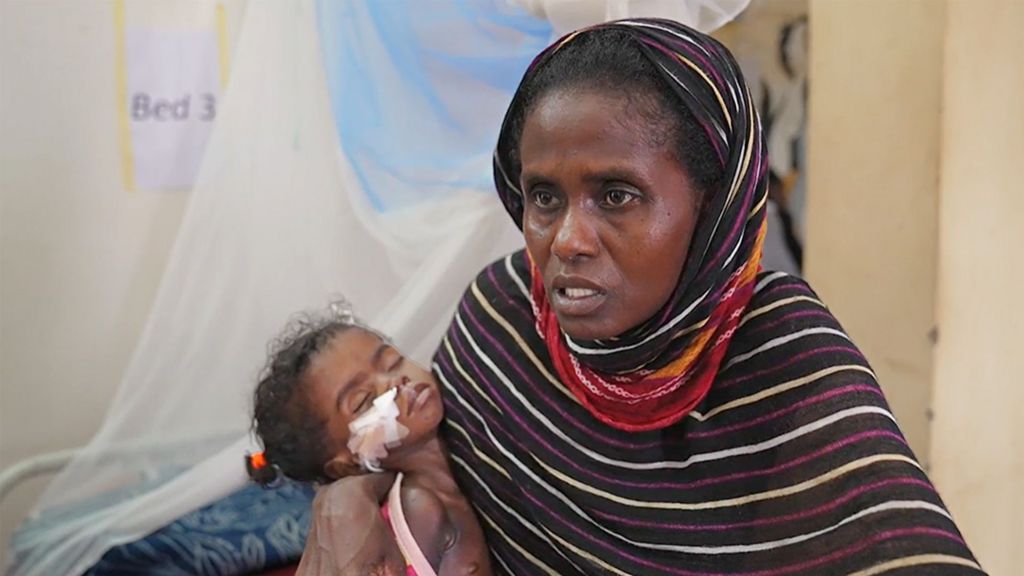
‘I can’t afford to save both twins’: Sudan’s war left one mother with an impossible choice
The ongoing civil war in Sudan has left a trail of devastation, with countless lives shattered and families torn apart. Among the victims is Touma, a 25-year-old mother whose life has been irrevocably altered by the conflict. Sitting in the malnutrition ward of Bashaer Hospital in Khartoum, Touma cradles her three-year-old daughter, Masajed, who is severely malnourished and too weak to cry. ‘I wish she would cry,’ Touma whispers, her voice filled with despair. The hospital, one of the few still operational in the capital, is overwhelmed with children suffering from acute malnutrition, their mothers helplessly watching over them. Touma and her family were forced to flee their home after the Rapid Support Forces (RSF) looted everything they owned, leaving them with nothing but their lives. ‘We had livestock, milk, and dates. Now, we have nothing,’ she recalls, her voice trembling. The war has plunged Sudan into one of the world’s worst humanitarian crises, with three million children under five acutely malnourished, according to the UN. Despite the hospital’s free basic care, lifesaving medicines must be paid for by families, leaving many, like Touma, to make impossible choices. She could only afford antibiotics for one of her twin daughters, choosing Manahil over Masajed. ‘I wish they could both recover,’ she sobs, cradling her dying child. The war has left families with nothing, no means to save their children, and little hope for survival. The conflict, which began in April 2023 between the Sudanese army and the RSF, has turned Khartoum, once a vibrant cultural and commercial hub, into a battlefield. The city is now littered with the remnants of war—burnt-out cars, tanks, and shattered homes. Amid the destruction, 12-year-old Zaher wheels himself through the wreckage, singing softly, ‘I’m coming home.’ Zaher, who lost both legs in a drone strike, dreams of prosthetic limbs so he can play football again. His mother, Habibah, recounts the horrors of living under RSF control, where they were constantly under threat. ‘We couldn’t switch on our lights at night,’ she says. The war has robbed children of their childhoods, leaving them to navigate a world of violence and loss. Ahmed, a 16-year-old who works clearing debris, has found human remains in a playground where he once played with his brothers. ‘I have been certain that I was destined to die,’ he says, his voice devoid of hope. Yet, amidst the despair, moments of resilience shine through. Zaher, despite his injuries, drags himself across a scarred football pitch, determined to play the game he loves. ‘Football and my friendships have saved me,’ he says, smiling for the first time. The war has left an indelible mark on Sudan’s children, but their spirit and determination offer a glimmer of hope in a land ravaged by conflict.
-
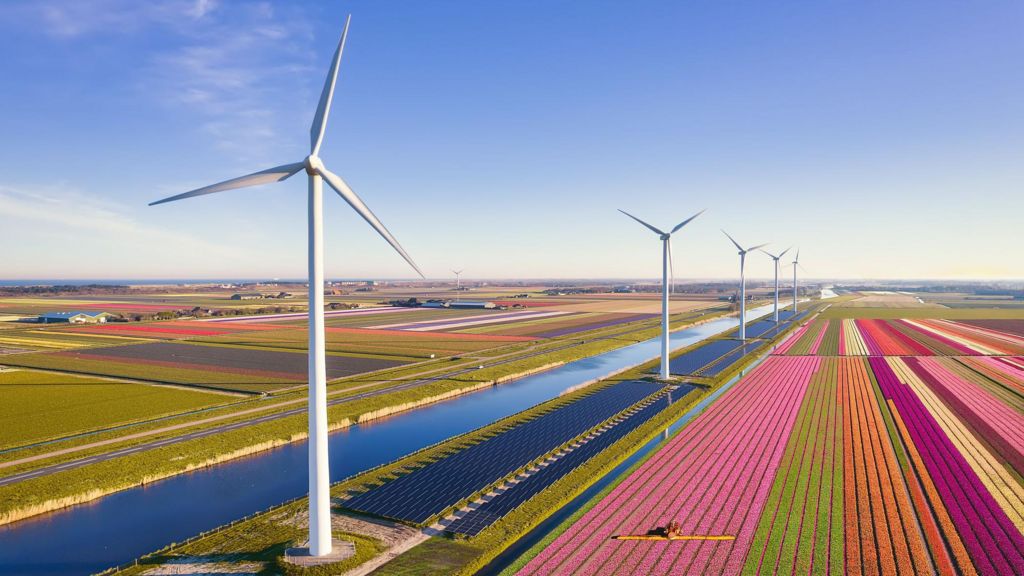
Netherlands’ renewables drive putting pressure on its power grid
The Netherlands, a global leader in renewable energy adoption, is grappling with a severe electricity grid crisis as its rapid shift to wind and solar power overwhelms the existing infrastructure. The country has embraced electric vehicles and renewable energy with remarkable enthusiasm, boasting the highest number of charging points per capita in Europe and more than a third of homes equipped with solar panels. By 2030, offshore wind farms are expected to become the nation’s largest energy source. However, this green transition has come at a cost: the national grid is under immense strain, leading to frequent power outages and widespread grid congestion. Kees-Jan Rameau, CEO of Dutch energy provider Eneco, likens the issue to a ‘traffic jam on the power grid,’ caused by an imbalance between supply and demand. The grid, originally designed for centralized gas-fired power plants, is ill-equipped to handle the decentralized nature of renewable energy. Small power lines in rural areas, where most solar panels and wind turbines are located, are particularly overwhelmed. Damien Ernst, a leading grid expert, warns that resolving this crisis will require billions of dollars and years of investment. The Dutch government has launched initiatives like the ‘Flip the Switch’ campaign to encourage energy conservation during peak hours, but the problem persists. Businesses and households face long waiting lists for grid connections, hampering economic growth and new housing developments. Tennet, the national grid operator, plans to invest €200 billion to reinforce the grid by 2050, but the process is slow and complex. Meanwhile, grid congestion costs the Dutch economy up to €35 billion annually, according to a 2024 report. The Ministry for Climate Policy and Green Growth acknowledges the challenges and is working on a ‘National Grid Congestion Action Plan’ to expedite grid expansion and adjust legislation. Despite these efforts, the Netherlands’ rapid energy transition continues to outpace its infrastructure, highlighting the urgent need for innovative solutions.
-
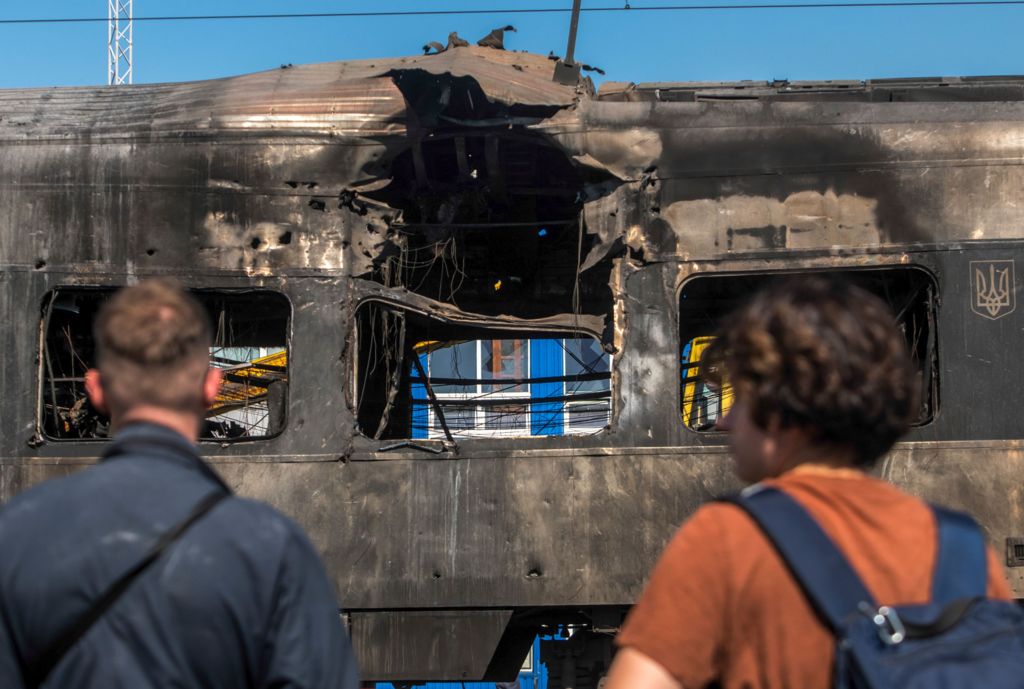
Russia intensifies attacks on Ukraine’s trains in ‘battle for the railways’
In the heart of Ukraine’s ongoing conflict, the nation’s railway system has become both a lifeline and a target. Olha Zolotova, a train conductor, lies in a Kyiv hospital bed, recounting the harrowing moment her train was struck by a Russian drone. ‘When the Shahed hit, I was buried under rubble. Everything was burning,’ she recalls. Her injuries, severe enough to require surgery and a metal plate in her leg, are a stark reminder of the relentless attacks on Ukraine’s railways, a critical infrastructure sustaining the country’s war effort and economy.
-
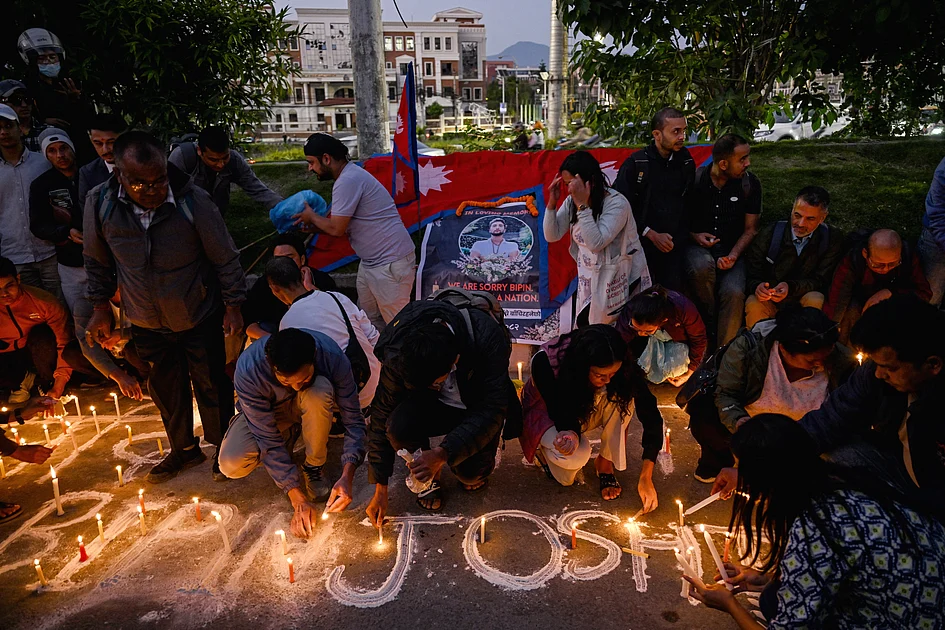
‘Sorry I couldn’t save you’: Israel buries hostage returned from Gaza
In a somber ceremony on Wednesday, Israel laid to rest Guy Iluz, a 26-year-old hostage whose remains were returned from Gaza as part of a US-backed ceasefire agreement. The funeral procession began in Rishon Lezion and concluded in Raanana, where Iluz had resided before being abducted during the Hamas-led attack on October 7, 2023. The attack, which targeted the Nova music festival in southern Israel, resulted in the deaths of at least 370 people and the abduction of 251 others, both living and deceased. Iluz, a guitarist and sound engineer, was among those taken captive. Reports indicate he attempted to flee the festival site and later hid in a tree, where he made his final contact with his parents before being captured. He died in captivity due to untreated injuries sustained during his abduction. The ceasefire deal, which took effect last Friday, mandated the release of all hostages within 72 hours. In exchange, Israel released nearly 2,000 Palestinian detainees. The return of Iluz’s body, along with three others on Monday and four more on Tuesday, marked a bittersweet moment for mourners. Amira, a woman in her sixties, expressed her grief, stating, ‘I’m sorry, sorry, sorry I could not save you!’ She emphasized the importance of having a grave for the family to mourn. Viki Lavi, another attendee, noted the duality of emotions, saying, ‘This is our life, crying and being happy.’ The ceremony underscored the ongoing trauma and resilience of those affected by the conflict.
-

China arrested 30 Christians. Some fear it’s the start of a bigger crackdown
In what activists are calling China’s largest arrest of Christians in decades, 30 members of the Zion Church network, including its founder Pastor Jin Mingri, were detained last weekend. The arrests, spanning at least 10 cities, have raised concerns of a broader crackdown on underground churches. Jin Mingri, a prominent figure in China’s Christian community, was taken from his base in Beihai city, Guangxi province, and is currently held in Beihai Number Two prison on suspicion of “illegal use of information networks.” His daughter, Grace Jin Drexel, who resides in the US, recounted the moment she learned of her father’s detention, describing it as a sudden and shocking event. The arrests come amid increasing pressure from Chinese authorities on unregistered religious groups, with new laws and regulations aimed at curbing their activities. Despite official figures stating there are 38 million Protestants and six million Catholics in China, rights activists estimate that tens of millions more attend underground churches, which do not align with state-sanctioned ideologies. The Chinese government has long sought to control religious practices, with recent measures including the banning of Christian apps, demolition of church buildings, and the imposition of strict online codes of conduct for religious personnel. The Zion Church, which began as a small house church in Beijing, has grown to over 10,000 followers across 40 cities, making it a significant target for authorities. While some arrested members have been released, the majority remain in detention, with fears that this crackdown may be just the beginning. Christian advocacy groups warn that the Chinese government’s policy of acting against house churches will continue, with accusations of fraud and economic crimes likely to be used as intimidation tactics. Despite the challenges, church leaders remain hopeful, citing historical examples where repression led to revival.