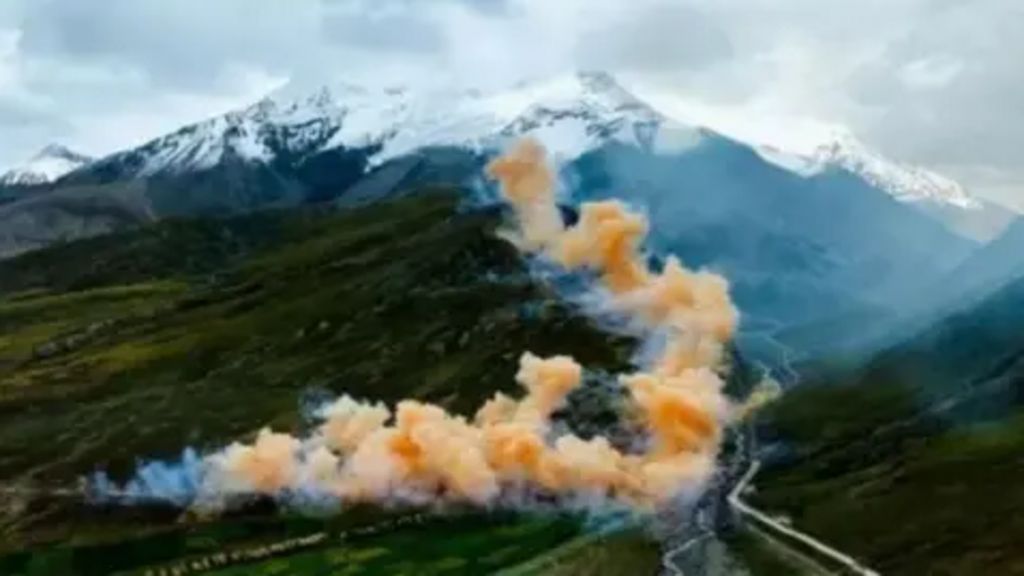
A controversial fireworks display orchestrated by outdoor apparel brand Arc’teryx in the Himalayas has led to significant environmental concerns and the dismissal of four Chinese officials. The event, designed by renowned pyrotechnics artist Cai Guo-Qiang, aimed to promote mountain culture but instead drew widespread criticism for its ecological impact. Videos of the display, which featured vibrant fireworks resembling a ‘rising dragon’ over the Tibetan landscape, triggered a public outcry and calls for a boycott of the brand. Authorities in Tibet’s Shigatse city confirmed that the fireworks, lasting nearly a minute, affected approximately 30 hectares of grassland, leaving behind remnants and plastic debris. While the short-term damage was deemed limited, further monitoring is required to assess long-term ecological risks. The incident also caused temporary disturbances to local wildlife due to the bright lights and loud noises. In response, Arc’teryx and Cai Guo-Qiang issued apologies, with the latter pledging to collaborate with authorities on environmental restoration efforts. The dismissed officials include Gyantse county’s Communist Party secretary, public security chief, and two senior environmental agency members. Arc’teryx, founded in 1989 and now owned by Hong Kong-listed Anta Sports, emphasized its commitment to sustainability and stated that biodegradable materials were used in the display. The company also announced plans to work with an external agency to evaluate the project’s environmental impact.
作者: admin
-

Trump says he authorised CIA in Venezuela as Maduro says ‘no to regime change’
In a significant development, U.S. President Donald Trump has publicly acknowledged authorizing the CIA to conduct covert operations in Venezuela, a move that has sparked widespread condemnation from Venezuelan leaders. This revelation comes amidst heightened tensions following a series of U.S. military strikes targeting suspected drug-trafficking vessels in the Caribbean, which have resulted in multiple casualties.
-

What we know about White House plans for an ‘Arc de Trump’
In a bold move to leave his mark on the nation’s capital, former US President Donald Trump has unveiled plans for a triumphal arch in Washington DC. Dubbed the ‘Arc de Trump,’ the monument is envisioned to stand opposite the Lincoln Memorial, commemorating the United States’ 250th anniversary next year. The project, reportedly funded by Trump’s supporters, aims to emulate the grandeur of the Arc de Triomphe in Paris, welcoming visitors as they cross the Memorial Bridge from Arlington National Cemetery. Trump showcased renderings of the arch during a recent Oval Office meeting, teasing three versions—small, medium, and large—with a preference for the largest design. The arch is part of a broader vision to transform the capital, which includes a $250 million ballroom, a gilded White House makeover, and the clearing of homeless encampments. While the exact cost and timeline remain unclear, Trump assured that the ballroom project is fully financed, with surplus funds allocated to the arch. Critics have labeled his White House renovations as a ‘Gilded Rococo Nightmare,’ but Trump continues to showcase his changes to world leaders and lawmakers, reflecting the aesthetic of his Mar-a-Lago estate. The proposal has sparked debate, with some questioning its necessity and others seeing it as a symbol of Trump’s enduring influence on American politics.
-
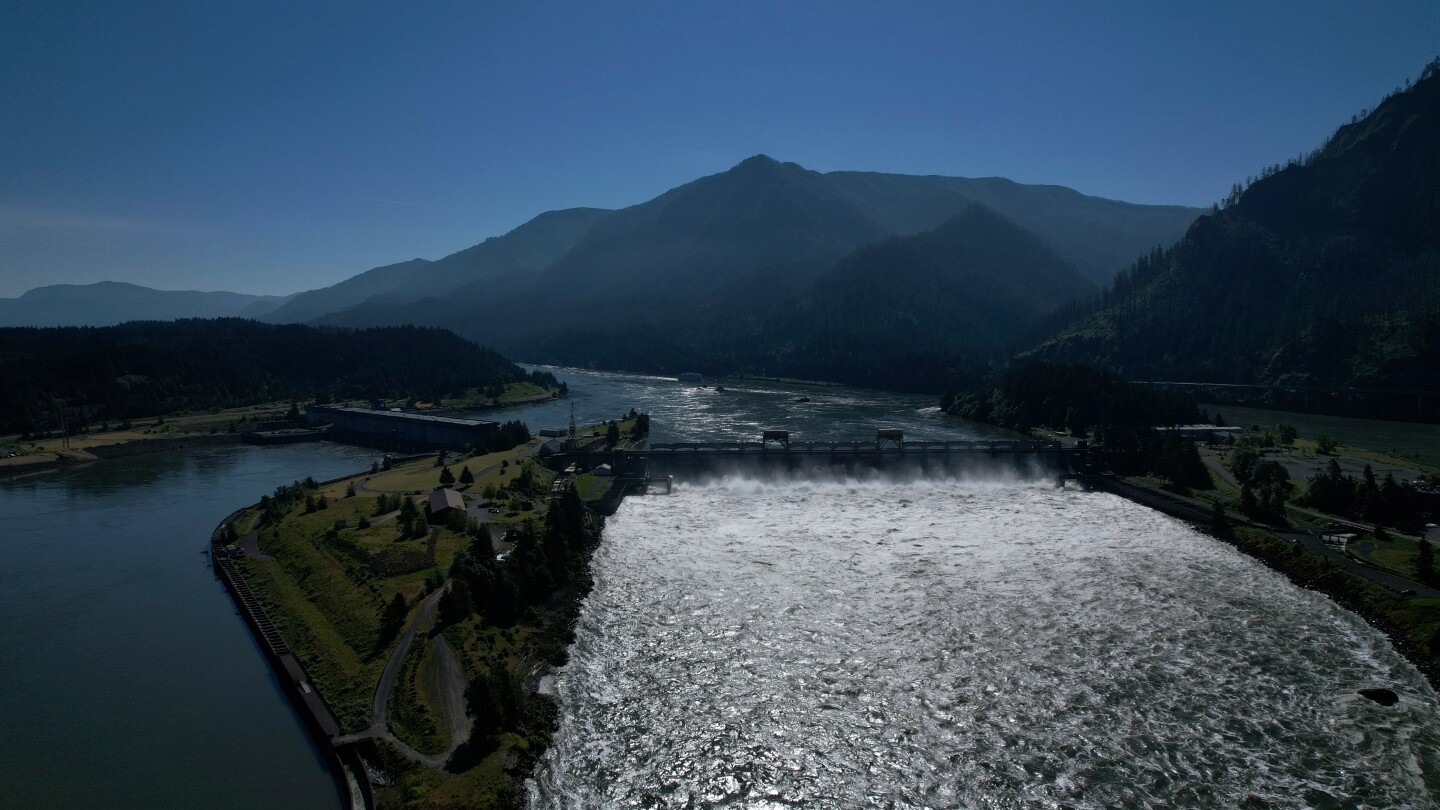
Oregon and conservationists ask court to OK dam operation changes to help salmon
In a renewed effort to protect dwindling salmon populations, conservationists and the state of Oregon have petitioned a federal court to modify dam operations on the lower Snake and Columbia Rivers. The motion, filed in the U.S. District Court, seeks adjustments such as lowering reservoir water levels and increasing spill rates to facilitate safer and faster fish passage. These measures aim to help juvenile salmon bypass turbines and navigate the dams more effectively. The plaintiffs, including the National Wildlife Federation, are targeting eight dams managed by federal agencies like the National Marine Fisheries Service and the U.S. Army Corps of Engineers. However, attempts to obtain comments from federal representatives were hindered by the ongoing government shutdown. The legal battle, reignited after the Trump administration withdrew from the Resilient Columbia Basin Agreement in June 2023, underscores the tension between environmental conservation and economic interests. The $1 billion agreement, hailed as historic by the Biden administration and tribal groups, had temporarily paused litigation and aimed to restore salmon populations in the Pacific Northwest. Critics, including the Inland Ports and Navigation Group, argue that proposed changes could disrupt commerce and harm regional economies. Meanwhile, advocates emphasize the cultural, ecological, and economic significance of salmon, which are central to the identity of Native American tribes and the broader ecosystem. The dams in question, including Ice Harbor and Bonneville, have long been a source of hydropower and navigation but are also blamed for the decline of salmon species, four of which are now extinct and seven listed as endangered.
-

In a regional first, Uruguay passes a law allowing euthanasia
In a landmark decision, Uruguay’s Senate passed a law decriminalizing euthanasia on Wednesday, positioning the nation as a pioneer in Latin America on this contentious issue. The legislation, which received approval from 20 out of 31 senators, allows seriously ill patients to legally seek assistance in ending their lives. This makes Uruguay the first predominantly Catholic country in the region to enact such a law through legislative means, joining Colombia and Ecuador, where the practice was decriminalized via Supreme Court rulings. The bill had already cleared the lower house in August with overwhelming support. The law’s passage marks the culmination of a five-year legislative journey, with final implementation now awaiting government regulations. The debate surrounding euthanasia has intensified across Latin America in recent years, with Uruguay’s decision reflecting shifting societal attitudes. Sen. Patricia Kramer of the ruling leftist coalition emphasized that public opinion had driven the initiative, stating, ‘Public opinion is asking us to take this on.’ The law permits euthanasia performed by healthcare professionals but excludes assisted suicide, where patients self-administer lethal medication. Unlike similar laws in the U.S., Australia, and New Zealand, Uruguay’s legislation imposes no time limits on life expectancy or waiting periods. It allows individuals with incurable illnesses causing ‘unbearable suffering’ to seek assisted death, even if their condition is not terminal. The law also mandates that patients be mentally competent, requiring two doctors to confirm their psychological fitness. However, Uruguay will not extend euthanasia rights to minors, distinguishing it from countries like Belgium, Colombia, and the Netherlands. The Catholic Church, a vocal opponent of the law, urged Uruguayans to ‘defend the gift of life,’ but secularization has diminished resistance in the country, which has a history of progressive social policies, including the legalization of marijuana, same-sex marriage, and abortion. Vice President Carolina Cosse hailed the law as a historic milestone, reinforcing Uruguay’s reputation as a socially liberal leader in the region.
-
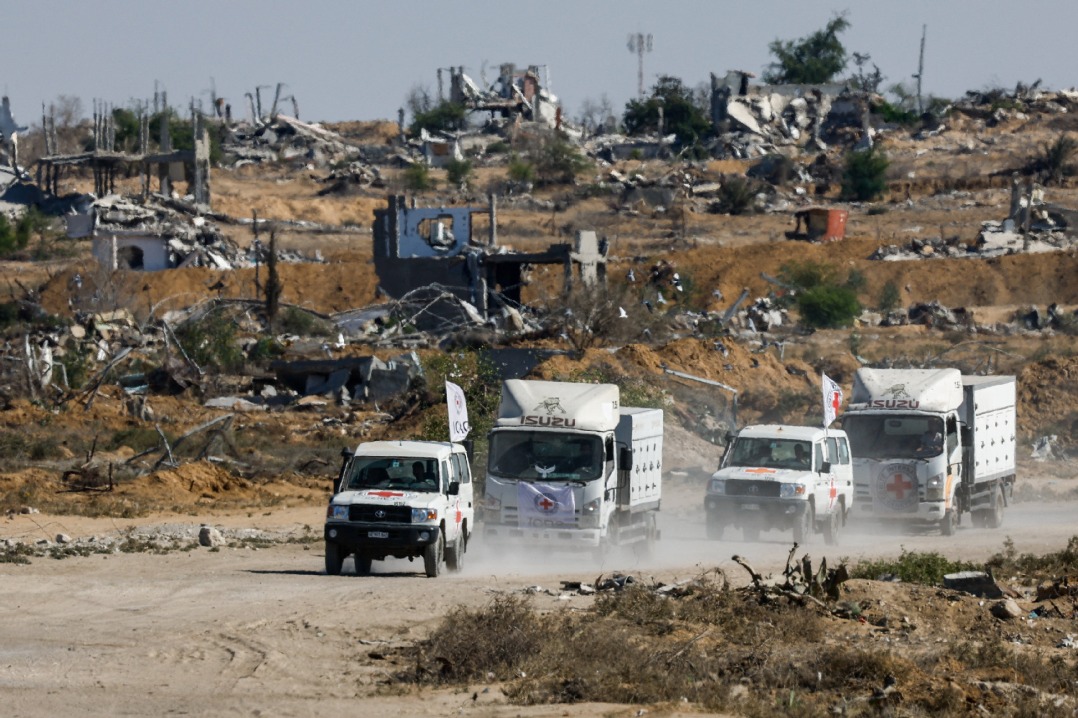
Israel hands over remains of 45 Palestinians to Gaza: health authorities
In a significant development amid the ongoing ceasefire, Israel has handed over the remains of 45 Palestinians to the Gaza Strip through the International Committee of the Red Cross (ICRC), according to Gaza’s health authorities. This transfer, which took place on Wednesday, follows the earlier return of 45 bodies on Tuesday, bringing the total number of remains repatriated this week to 90. Medical teams in Gaza are currently conducting thorough examinations and documentation of the bodies in accordance with standard protocols before releasing them to their respective families. The handover comes as part of the broader ceasefire agreement brokered by Egypt, which also includes a partial Israeli withdrawal, a prisoner exchange, and the reopening of border crossings to facilitate the delivery of humanitarian aid to Gaza. The ceasefire, which took effect last Friday, marks a critical step toward de-escalation in the region, offering a temporary respite from the prolonged conflict between Israel and Hamas.
-
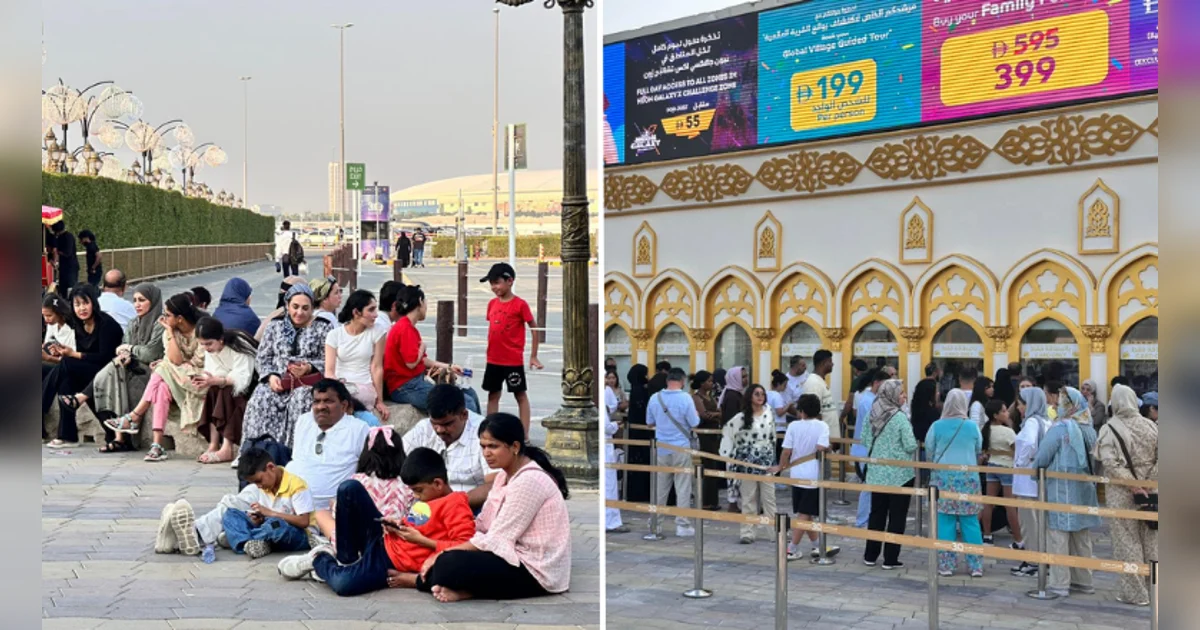
Global Village: Residents ‘eager’ to visit on Day 1 as park reopens after months
The much-anticipated reopening of Global Village in the UAE on October 15, 2025, was met with palpable excitement as residents and visitors flocked to the park on its first day. The event marked the beginning of a new season filled with entertainment, cultural experiences, and culinary delights. Families and friends gathered at the gates well before the official opening time, eager to be among the first to explore the park’s attractions. Among the early arrivals was Abdullah Al Shamsi, a resident of Barsha South, who arrived with his wife and son at 4 pm, entering through the Gate of the World entrance. Al Shamsi’s son, particularly enthusiastic, had insisted on arriving early to experience everything as soon as the park opened. Tickets were collected promptly at 5:30 pm, and the family waited near the entrance until the gates opened to the public. Upon entering, visitors were greeted by stunning replicas of iconic global landmarks, including Big Ben, the Leaning Tower of Pisa, Rome’s Colosseum, the Eiffel Tower, and Sydney’s Opera House. Families paused to take photos and plan their evening routes. Many attendees, like Ramesh Kumar from Bur Dubai, had marked the reopening date on their calendars months in advance. Kumar, who visits the park every year on its opening day, described it as a place where families can enjoy quality time, diverse cuisines, and performances from around the world. Fatima H, a Sharjah resident, arrived with her friends shortly after 5 pm, expressing her excitement for the season’s offerings, including shopping, food, and music. By sunset, the park was alive with activity, bustling with families, children, and tourists, all eager to immerse themselves in the vibrant atmosphere of culture and entertainment as the new season officially began.
-

As China, US race for critical minerals, Africa needs to make rules
Critical minerals such as lithium, cobalt, nickel, copper, rare earth elements, and platinum group metals are indispensable for modern technologies, powering industries from electronics and telecommunications to renewable energy, defense, and aerospace systems. The global demand for these resources has surged, intensifying competition among nations.
-

Indian cinema tickets are getting pricier – but not everyone’s complaining
India has witnessed a significant surge in movie ticket prices over the past few years, prompting a shift in audience behavior. For many, the once-affordable pastime of going to the cinema has become a luxury. Sahil Arora, a 20-year-old Bollywood enthusiast, recently paid 500 rupees ($6) for a ticket at a Delhi multiplex, nearly a third of his weekly allowance. ‘I enjoyed the movie, but the price was a sore point,’ he said, adding that he skipped the 500-rupee popcorn to save money. His experience reflects a broader trend, as rising costs drive moviegoers towards cheaper streaming alternatives.
-
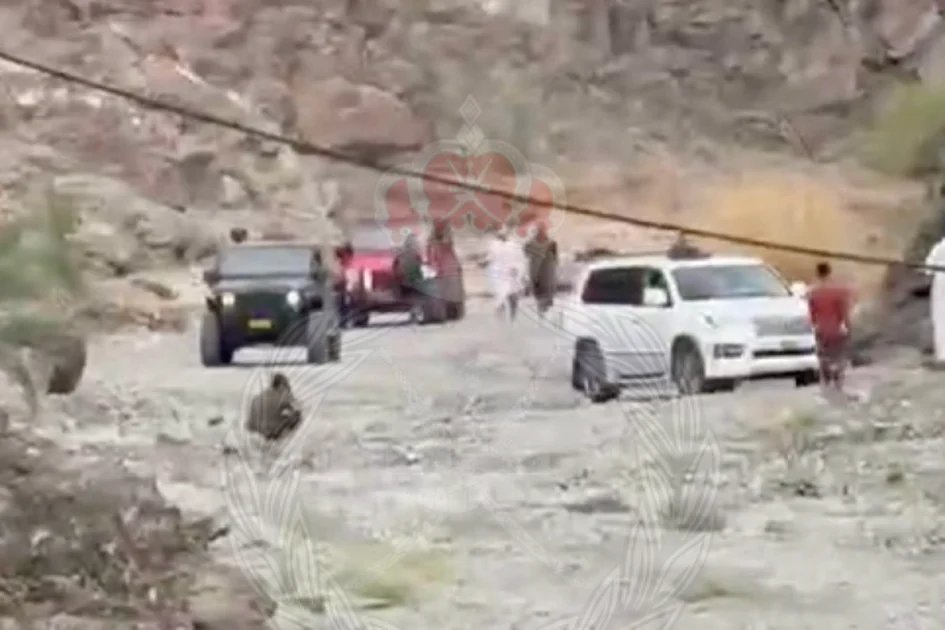
Oman detains people driving through flowing wadi in viral video
Omani authorities have taken swift action against individuals captured in a viral video driving recklessly through a flowing wadi in the Wilayat of Al Khaboura. The North Al Batinah Governorate Police Command confirmed the detention on October 15, emphasizing the dangerous nature of the act, which not only endangered the lives of the drivers but also posed a significant risk to others. Legal proceedings are currently underway against the accused. This incident comes amidst repeated warnings from Omani authorities about unstable weather conditions. On October 14, the Oman Meteorology department issued alerts for downdrafts and potential heavy rains in certain regions. Authorities have consistently advised residents to avoid driving through flowing wadis or areas prone to heavy rainfall, citing the inherent dangers. The viral video has sparked widespread concern, highlighting the importance of adhering to safety guidelines during adverse weather conditions.