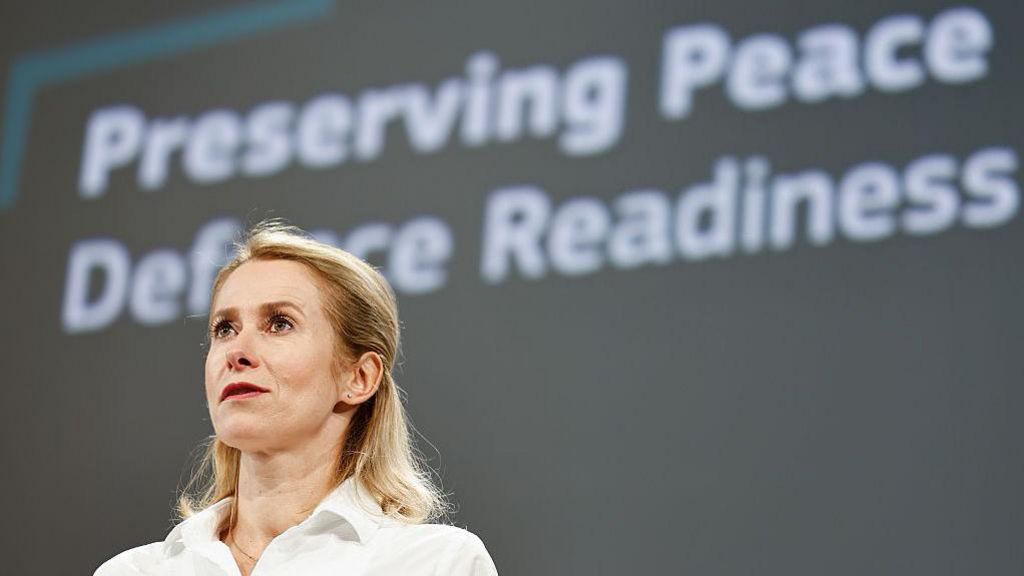
The European Union is ramping up its defence capabilities in response to escalating tensions with Russia, as outlined by EU foreign policy chief Kaja Kallas. Speaking in Brussels, Kallas emphasized that the threat to Europe would persist even after the conclusion of the war in Ukraine. The EU’s comprehensive ‘defence roadmap’ aims to establish a fully operational anti-drone system by the end of 2027 and achieve full defence readiness by 2030. This initiative includes strengthening the EU’s eastern borders and developing European air and space ‘shields’ to counter potential Russian aggression. Kallas highlighted the transformative role of drones in modern warfare, stating that robust drone defences are now essential for all nations. The plan also calls for closing critical capability gaps in air and missile defence through joint development and procurement among member states. European Defence Commissioner Andrius Kubilius underscored the roadmap’s milestones, which are designed to deter Russian aggression, prevent conflict, and maintain peace. The EU’s executive Commission stressed the need for the 27-member bloc to be prepared to respond to high-intensity crises by 2030. The proposal, which requires approval at an upcoming leaders’ summit, has already garnered support from several EU states for a multi-layered ‘drone wall’ to detect, track, and destroy Russian drones. Recent incursions into the airspace of NATO members Poland, Romania, and Estonia have further heightened tensions, with experts suggesting that Russia is testing NATO’s resolve and attempting to sow discord within the alliance. In response, NATO members have bolstered their eastern flank with troops, artillery, and air defence systems. While no cost estimates were provided, Kubilius assured that the investments would not reach ‘hundreds of billions.’ The EU’s defence projects will be closely coordinated with NATO to avoid duplication of efforts.
作者: admin
-
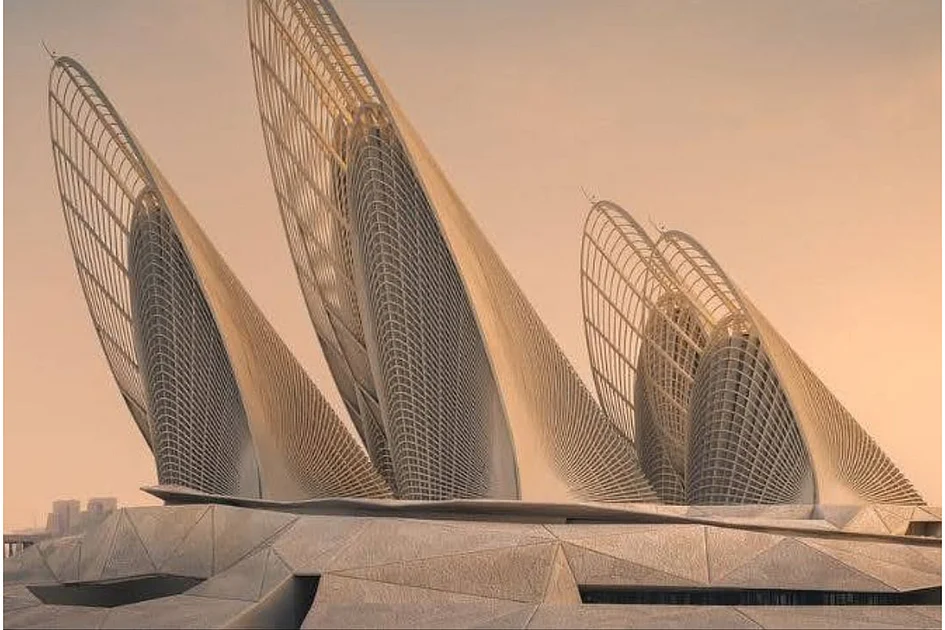
Abu Dhabi’s Zayed National Museum to open on December 3, ticket sales begin
Abu Dhabi’s much-anticipated Zayed National Museum is set to open its doors on December 3, 2025, marking a significant milestone in the UAE’s cultural landscape. Located in the Saadiyat Cultural District, the museum is a tribute to the legacy of Sheikh Zayed bin Sultan Al Nahyan, the founding father of the UAE, and his enduring commitment to cultural heritage, education, and national identity. Designed by renowned architect Lord Norman Foster, the museum’s innovative design features five steel structures inspired by the wings of a falcon, symbolizing a key aspect of Emirati culture. The museum offers a journey through the UAE’s history, from ancient artifacts like a 300,000-year-old stone tool discovered in Al Ain to the life and values of Sheikh Zayed. Ticket sales have commenced, with adult tickets priced at Dh70, while minors, senior Emiratis, residents, people of determination, and journalists on assignment can enter free of charge. Students and teachers can avail discounted tickets for Dh35. The museum’s opening reaffirms Abu Dhabi’s position as a global hub for culture and learning.
-
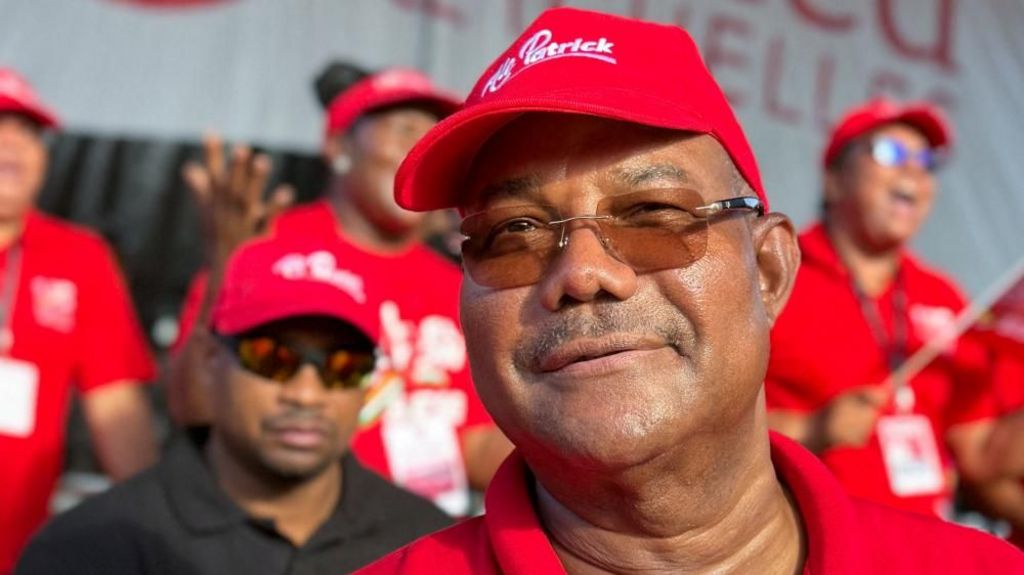
Seychelles’ president-elect set to halt tourist development on tiny island
Patrick Herminie, the president-elect of Seychelles, has pledged to suspend the construction of a contentious luxury resort funded by Qatar on Assumption Island, an ecologically sensitive area. In an interview with the BBC, Herminie, who is set to assume office on October 26, criticized the current agreement as ‘unacceptable,’ stating that Seychelles received minimal benefits from the deal. The resort project, managed by the Qatari investment firm Assets Group, includes 40 luxury villas and an upgraded airstrip for executive jets. Environmental activists have raised concerns over the potential ecological damage to Assumption Island, which serves as a gateway to the Aldabra atoll, a UNESCO World Heritage site renowned for its unique biodiversity. The issue became a focal point during last month’s presidential election, with Herminie defeating incumbent Wavel Ramkalawan in a runoff. Ramkalawan had defended the project, emphasizing the need for foreign investment. Herminie plans to halt the project, engage with investors, and address environmental concerns, ensuring that only existing structures remain.
-
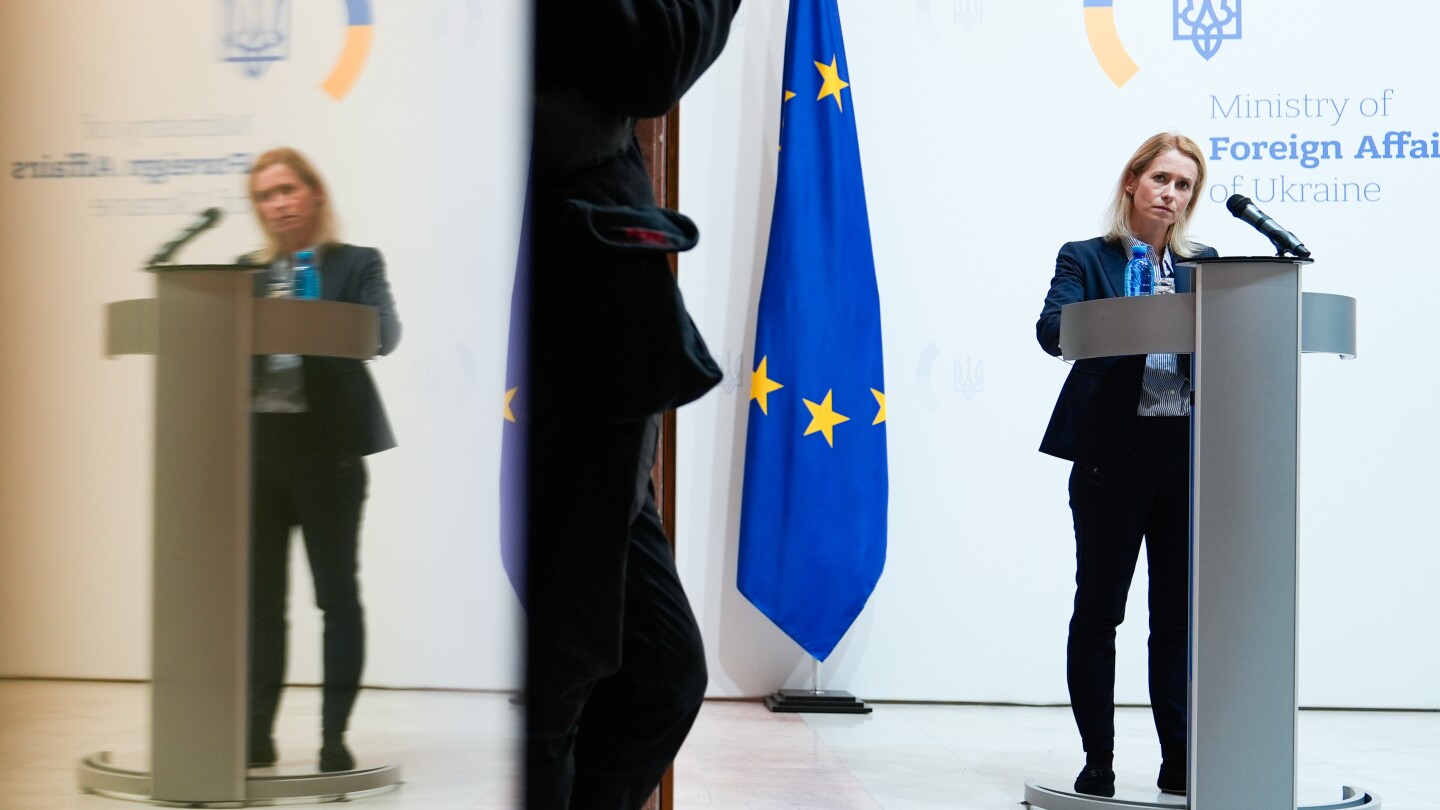
The EU unveils a plan to be ready within 5 years to fend off any Russian attack
In response to escalating concerns over potential security threats, the European Union has introduced a robust defense strategy aimed at fortifying the continent against external attacks by the end of the decade. The plan, announced on Thursday, comes amid growing apprehensions that Russia is actively testing Europe’s defenses. A central component of this initiative is the European Drone Defense Initiative, designed to detect, track, and neutralize unauthorized drones following a series of alarming airspace violations across Europe, particularly near borders with Russia, Belarus, and Ukraine. This initiative is part of a broader framework called Eastern Flank Watch, which seeks to enhance defenses along Europe’s eastern borders, including land, sea, and air domains, as well as counter hybrid threats. The drone defense system is expected to be fully operational by late 2027, with Eastern Flank Watch reaching full capacity by the end of 2028. Additionally, the EU plans to develop separate air and space defense shields. EU foreign policy chief Kaja Kallas emphasized the urgency of bolstering European defense capabilities, stating that while Russia currently lacks the capacity to attack the EU, the threat remains persistent even if the Ukraine conflict ends. The European Commission’s Defense Readiness Roadmap 2030, set to be presented to EU leaders next week, outlines a comprehensive checklist of equipment procurement and deadlines for member states. The plan calls for significant funding, with EU defense spending projected to reach 3.4 trillion euros ($4 trillion) over the next decade. A key aspect of the roadmap is fostering collaboration among member states, with at least 40% of military purchases to be conducted jointly by 2027. The EU also aims to provide security guarantees for Ukraine, recognizing its role as Europe’s first line of defense. Kallas highlighted the goal of establishing a drone alliance with Ukraine by early next year, underscoring the importance of a strong Ukrainian defense industry and military.
-
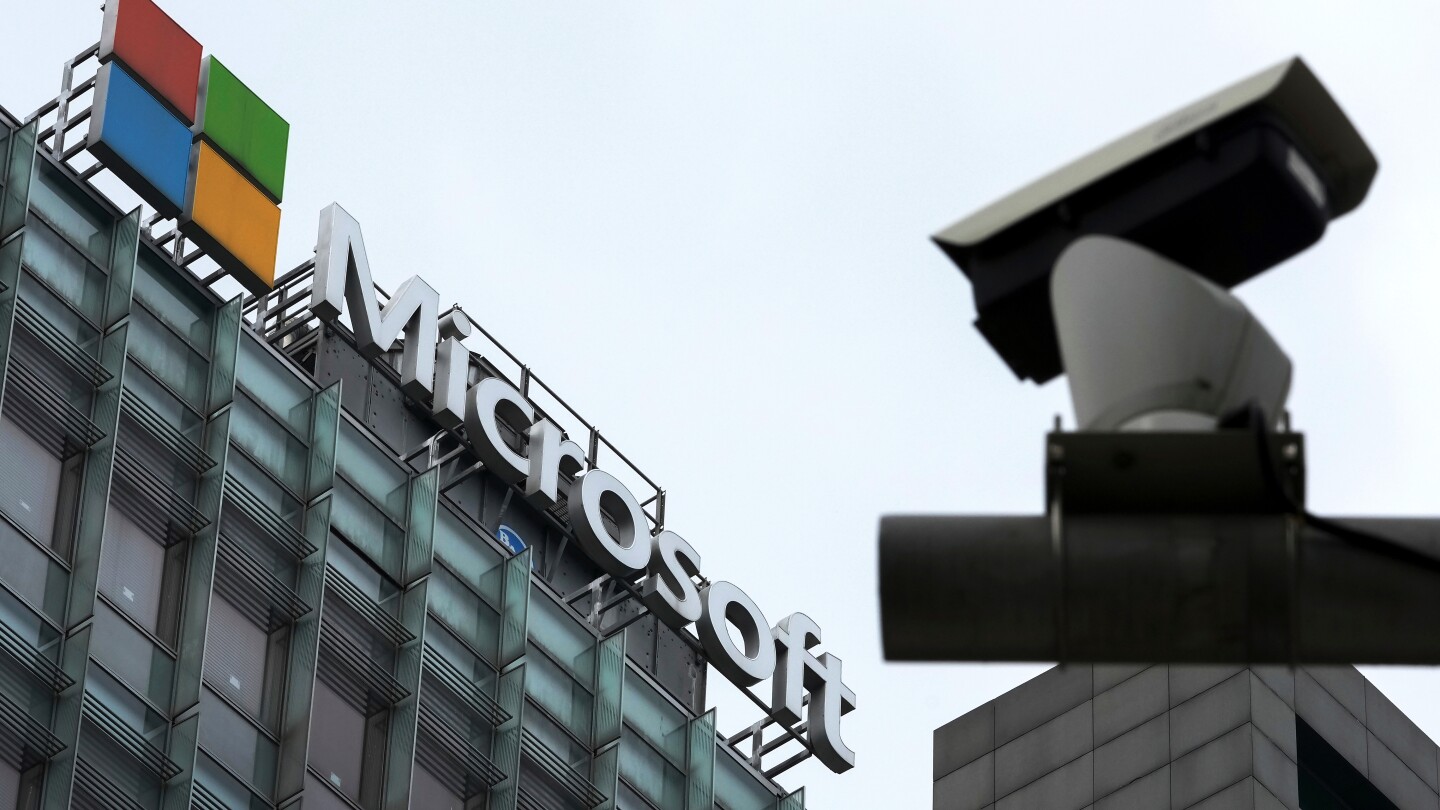
Microsoft: Russia, China increasingly using AI to escalate cyberattacks on the US
A recent report by Microsoft reveals a significant surge in the use of artificial intelligence (AI) by adversarial nations and criminal entities to orchestrate cyberattacks and disseminate disinformation. The findings, published in Microsoft’s annual digital threats report, highlight over 200 instances of AI-driven fake content creation in July alone—a stark increase compared to previous years. Russia, China, Iran, and North Korea are at the forefront of this trend, leveraging AI to automate cyberattacks, craft convincing phishing emails, and even generate digital clones of high-ranking officials. These tactics are employed to infiltrate sensitive systems, disrupt critical services, and spread inflammatory disinformation. Amy Hogan-Burney, Microsoft’s Vice President for Customer Security and Trust, emphasized the urgent need for robust cybersecurity measures as attackers increasingly target governments, businesses, and vital infrastructure like hospitals and transportation networks. Despite the escalating threats, many U.S. organizations continue to rely on outdated defenses. The U.S. remains the primary target for cyberattacks, followed by Israel and Ukraine, reflecting the spillover of geopolitical conflicts into the digital domain. While adversarial nations deny their involvement in cyber espionage, evidence suggests otherwise. North Korea, for instance, has pioneered the use of AI personas to create fake American identities, enabling hackers to infiltrate remote tech jobs and steal sensitive data. Nicole Jiang, CEO of Fable, a San Francisco-based security firm, underscored the dual role of AI in both enabling cyberattacks and defending against them. As AI continues to evolve, the digital landscape is poised for an intensified cat-and-mouse game between attackers and defenders.
-
Magnitude 6.5 earthquake strikes Indonesia’s Papua
A significant earthquake measuring 6.5 on the Richter scale struck the eastern Indonesian province of Papua on Thursday, according to the United States Geological Survey (USGS). The seismic event occurred at approximately 2:48 PM local time (0548 GMT), with its epicenter located roughly 200 kilometers (125 miles) from Jayapura, the provincial capital. The quake originated at a depth of 35 kilometers. Despite the substantial magnitude, no tsunami warning was issued, and there have been no immediate reports of damage or casualties. Papua, a region known for its seismic activity due to its position along the Pacific Ring of Fire, frequently experiences earthquakes. The USGS continues to monitor the situation, and local authorities are assessing the impact on affected areas. This event serves as a reminder of the region’s vulnerability to natural disasters and the importance of preparedness in earthquake-prone zones.
-
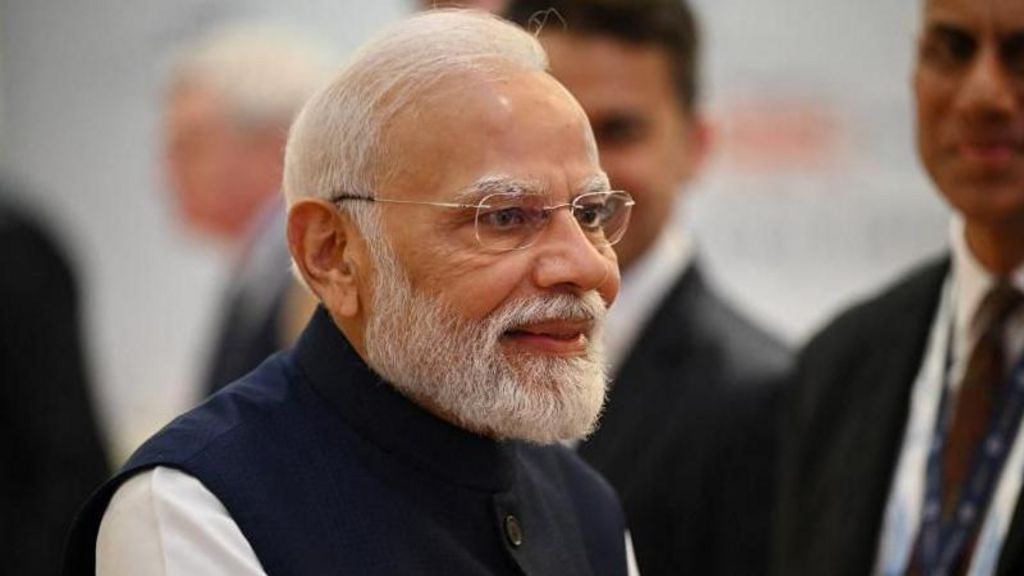
India casts doubt on Trump’s claim Modi will stop buying Russian oil
In a surprising turn of events, India has refuted claims made by former US President Donald Trump regarding a supposed agreement with Indian Prime Minister Narendra Modi to cease Russian oil imports. Trump asserted on Wednesday that Modi had ‘assured’ him of halting purchases of Russian oil, a move aimed at intensifying economic pressure on Russia to end the Ukraine conflict. However, India’s foreign ministry stated on Thursday that it was ‘not aware’ of any such conversation between the two leaders. This contradiction has cast doubt on the validity of Trump’s statement and raised questions about the status of ongoing discussions between the US and India on the matter. India has emerged as a significant buyer of Russian oil since the war began, providing Moscow with a crucial revenue stream despite Western sanctions. The Trump administration has been vocal in urging India to reduce its reliance on Russian energy, as part of broader efforts to isolate Russia economically. India, however, has defended its energy policies, emphasizing the need to protect its consumers in a volatile global energy market. The situation has further strained US-India relations, with the UK recently targeting an Indian oil refinery in its latest sanctions for facilitating Russian oil exports. The conflicting narratives highlight the complexities of international diplomacy and the challenges of aligning global energy policies amidst geopolitical tensions.
-

Saudi to add 900,000 praying spaces near Makkah Grand Mosque under new project
Saudi Arabia has embarked on a groundbreaking initiative to enhance the spiritual and infrastructural landscape of Makkah. Crown Prince Mohammed bin Salman officially launched the ‘King Salman Gate’ project, a massive development adjacent to the Grand Mosque, which will add approximately 900,000 indoor and outdoor praying spaces. Spanning 12 million square meters (4.6 square miles), this mixed-use project aims to improve access to the Grand Mosque while integrating residential, hospitality, commercial, and cultural facilities. The RUA AlHaram AlMakki Company, overseeing the project, highlighted its potential to elevate service quality and preserve Makkah’s cultural heritage by restoring 19,000 square meters of historical sites. Additionally, the initiative aligns with Saudi Vision 2030, contributing to economic transformation by generating over 300,000 jobs by 2036. While the project’s cost and completion timeline remain undisclosed, it represents a significant step in modernizing Makkah and establishing it as a global model for urban planning and spiritual tourism.
-
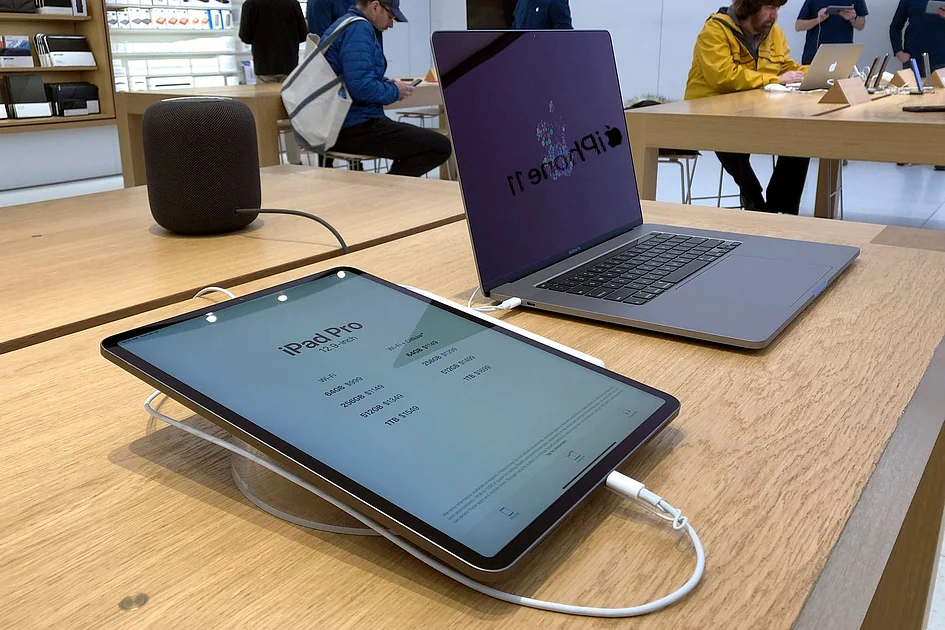
Apple rolls out MacBook Pro, iPad Pro with more powerful M5 chip
Apple has introduced its latest lineup of devices, including the refreshed MacBook Pro, iPad Pro, and the second-generation Vision Pro headset, all powered by the new M5 chip. The announcement, made on Wednesday, underscores Apple’s commitment to enhancing performance for creative professionals while maintaining competitive pricing. The M5 chip, built using a cutting-edge 3-nanometer process, promises significant improvements in both performance and energy efficiency, enabling advanced AI-based applications to run seamlessly on these devices. Notably, the MacBook Pro with the M5 chip can now support large language models directly on the device, a leap forward in on-device AI capabilities. Despite these upgrades, Apple has kept the prices unchanged from the previous M4-powered versions, with the 14-inch MacBook Pro starting at $1,599, the iPad Pro at $999, and the Vision Pro at $3,499. The Vision Pro, which debuted in 2023, has received positive feedback for its display quality but remains a niche product with limited adoption. Apple’s strategy of integrating its most advanced chips into premium devices like the MacBook Pro and iPad Pro aims to counter the performance gains of competitors using Qualcomm and Intel’s AI-oriented chips. The company also anticipates a rebound in iPad and Mac sales, driven by more affordable models and a global recovery in electronics demand.
-
Italy’s top court blocks extradition of Ukrainian suspect in Nord Stream explosions’ case
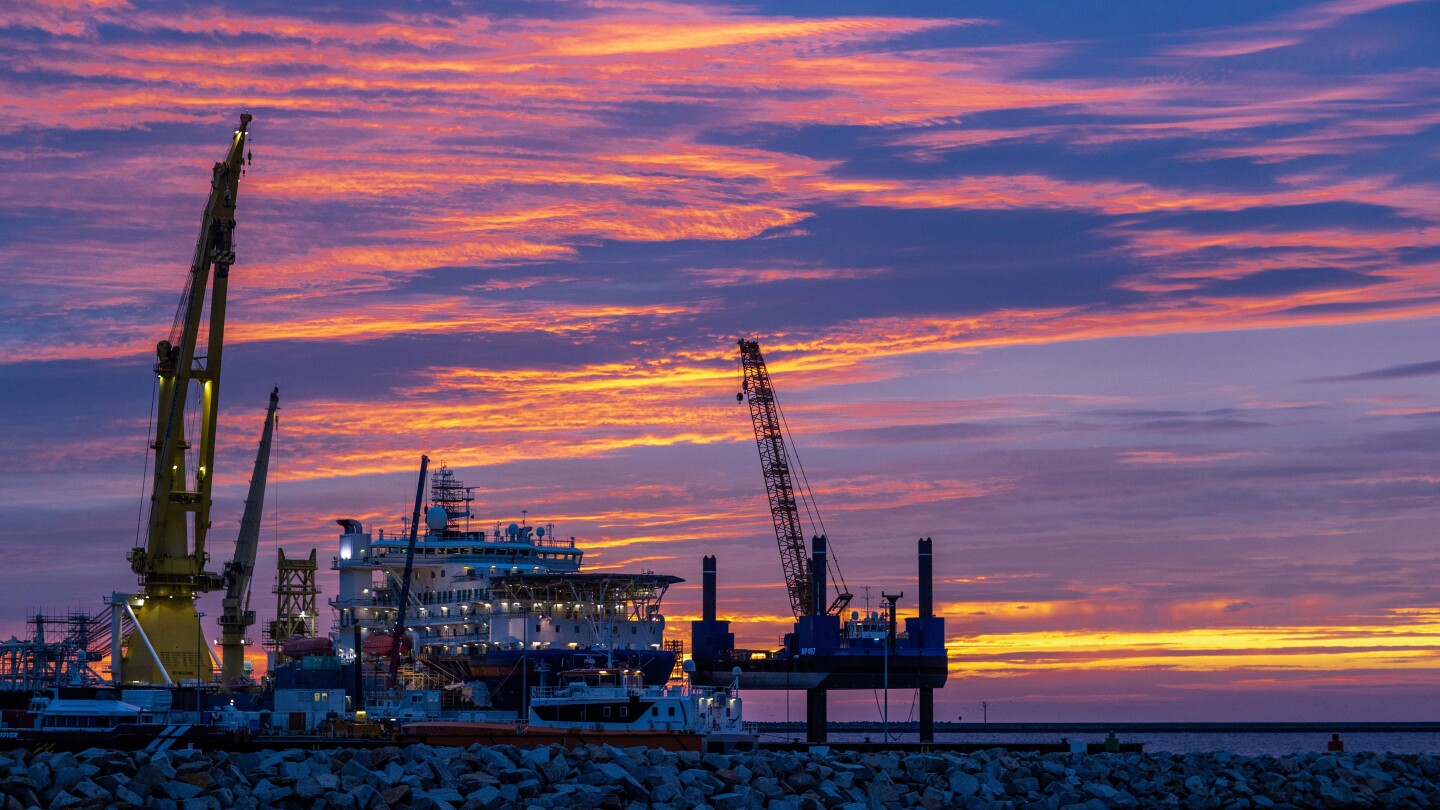
In a significant legal development, Italy’s highest court has overturned the extradition of a Ukrainian man, Serhii Kuznietsov, to Germany. Kuznietsov, 49, was arrested on suspicion of orchestrating the 2022 explosions that damaged the Nord Stream gas pipelines, critical infrastructure transporting Russian natural gas to Germany. The Cassation Court in Italy annulled a prior ruling by the Bologna Court of Appeal, which had approved the extradition. The case has now been referred back to the appeal court for reassessment. Kuznietsov’s lawyer, Nicola Canestrini, stated that the court’s detailed reasoning for the decision is yet to be released but is anticipated in the coming weeks. Canestrini also indicated that he is considering requesting Kuznietsov’s release, as the legal grounds for his detention have been invalidated. The explosions, which occurred in September 2022, severely damaged the Nord Stream 1 pipeline and the unused Nord Stream 2 pipeline, both located in the Baltic Sea. German prosecutors allege that Kuznietsov organized the detonation of multiple bombs at significant depths near the Danish island of Bornholm. Kuznietsov, who was detained in August 2023 while vacationing with his family in Italy, has consistently denied involvement, claiming he was serving in the Ukrainian military at the time of the incident. This case has drawn international attention, with Poland also arresting another Ukrainian suspect linked to the explosions, whose extradition remains pending.