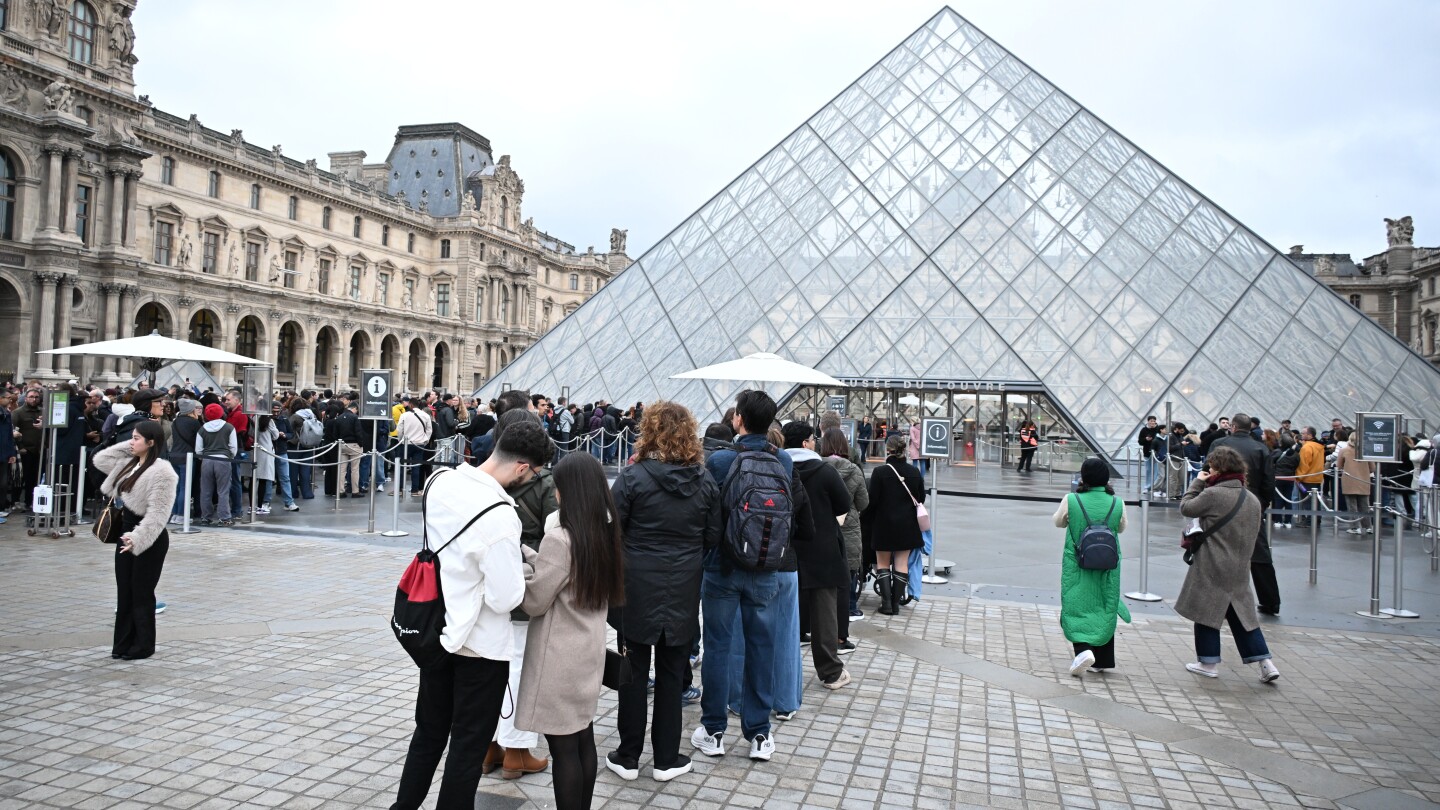
In a stunning act of audacity, thieves executed a meticulously planned heist at the Louvre Museum in Paris, making off with priceless French crown jewels valued at an estimated $102 million. The stolen treasures, including an emerald necklace and earrings, two crowns, two brooches, a sapphire necklace, and a single earring, represent the zenith of 19th-century haute joaillerie. These artifacts, saved from a government auction in 1887, are not merely decorative but symbolize France’s historical wealth, power, and cultural legacy. The theft has left the nation grappling with yet another security lapse at the Louvre, which has faced criticism for overcrowding and outdated facilities. Paris prosecutor Laure Beccuau revealed that over 100 investigators are now on the case, hunting for the suspects and the stolen gems. The robbers, clad in bright yellow jackets, infiltrated the Apollo Gallery at 9:34 a.m., spending just four minutes inside before fleeing on motorbikes. Among the stolen items were a crown gifted by Napoleon III to Empress Eugenie and a necklace from Napoleon Bonaparte to his wife Marie-Louise. Experts fear the jewels may be dismantled and sold piecemeal, effectively erasing them from history. The emotional toll on France is profound, with conservative lawmaker Maxime Michelet decrying the theft as a blow to national pride. The heist, reminiscent of a scene from the French TV show ‘Lupin,’ underscores the challenges of safeguarding cultural heritage in an era of sophisticated crime.
作者: admin
-

UAE: Speed limiter devices to be installed in Ajman taxis to reduce road hazards
Ajman has taken a groundbreaking step in road safety by introducing smart speed limiter devices in all taxis and limousines operating within the emirate. This innovative system, the first of its kind in the UAE, leverages advanced technology to automatically adjust vehicle speeds based on real-time location and designated road limits. Unlike traditional speed limiters, the new devices utilize an integrated smart mapping system that identifies permitted speeds for specific areas, ensuring precise and continuous compliance. The system directly synchronizes with the vehicle’s electronic driving mechanism, offering unparalleled accuracy in speed control. Additionally, it provides instant data updates to maintain adherence to speed regulations. This initiative aims to curb hazardous driving behaviors, enhance passenger and driver safety, and set a new standard for road safety in the region. Ajman’s proactive approach underscores its commitment to leveraging technology for public welfare and reducing traffic-related risks.
-

Watch: Dozens of giant pumpkins hit the water for rowing race
In a quirky and entertaining event, dozens of oversized pumpkins took to the water for an unconventional rowing race in the US state of Oregon. Participants, dubbed ‘squashbucklers,’ carved out these massive gourds, which were locally grown, transforming them into makeshift boats. The event showcased the creativity and community spirit of the region, drawing attention to the agricultural prowess of Oregon. Spectators gathered to witness the unusual competition, which blended humor, innovation, and a celebration of local produce. The race not only provided a unique form of entertainment but also highlighted the versatility of pumpkins beyond their traditional uses.
-

Zuckerberg to testify in landmark social media trial
In a significant legal development, Facebook founder Mark Zuckerberg has been mandated to testify in a groundbreaking trial addressing the impact of social media on young people. The Los Angeles County Superior Court Judge Carolyn Kuhl dismissed Meta Platforms’ argument that Zuckerberg’s in-person appearance was unnecessary. The order also extends to Snap CEO Evan Spiegel and Instagram head Adam Mosseri, both of whom are required to testify. The trial, scheduled for January, is among the first to emerge from a surge of lawsuits accusing social media giants of designing addictive apps that pose mental health risks to young users. Hundreds of claims consolidated into this case allege that platforms like Facebook, Instagram, and Snapchat have inadequate parental controls and safety features, while notifications for ‘likes’ and other interactions keep young users engaged. Meta and Snap have denied these allegations, citing federal law protections from liability for user-generated content. However, Judge Kuhl ruled that the companies must address claims of negligence and personal injury related to app design. Lawyers representing plaintiffs argue that social media firms prioritized profits over implementing necessary safeguards. Meta had previously stated that Zuckerberg and Mosseri had already been questioned and that in-person testimony would impose a ‘substantial burden.’ Judge Kuhl emphasized that CEO testimony is crucial for evaluating negligence claims, as their knowledge of potential harms and failure to act could be pivotal. Beasley Allen, a law firm involved in the litigation, welcomed the ruling, expressing eagerness to hold these companies accountable for the harm caused to children. The trial comes amid increasing legal and political scrutiny of social media’s impact on youth mental health. Last year, Zuckerberg testified before Congress, defending Meta’s safety measures while denying a causal link between social media use and mental health issues. Instagram has since introduced ‘teen accounts’ and updated its content moderation system to address these concerns.
-
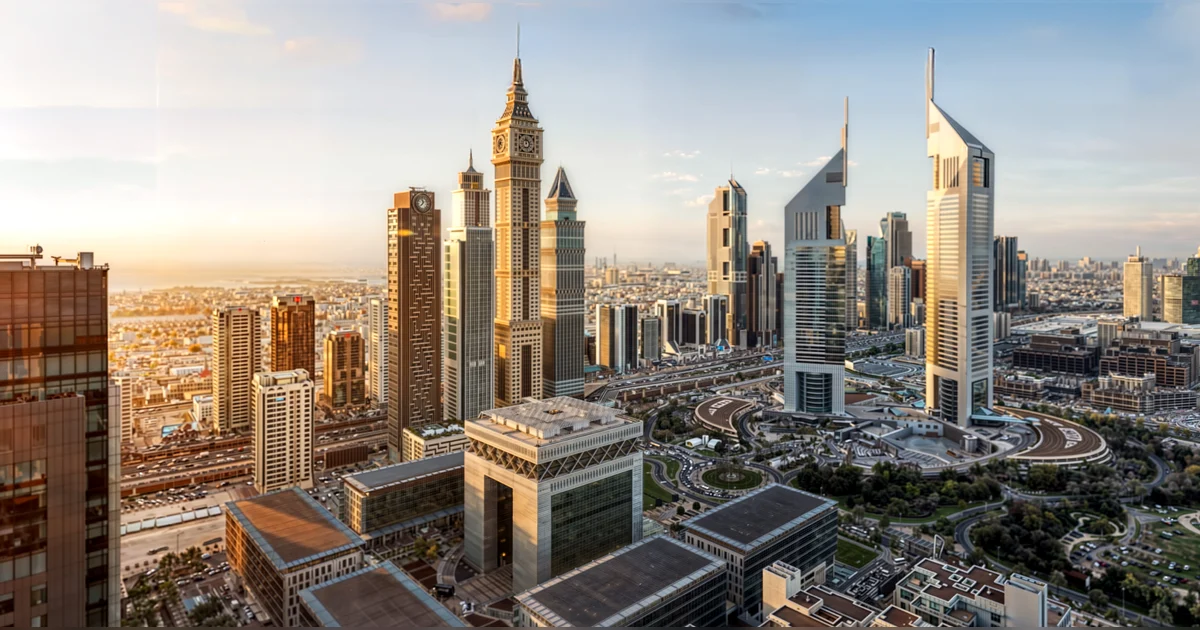
Creative Zone by Encor appointed as a registered corporate service provider in DIFC
Creative Zone by Encor, a leading business setup and corporate services firm in the UAE, has achieved a significant milestone by being appointed as a Registered Corporate Service Provider (CSP) in the Dubai International Financial Centre (DIFC). This development strengthens the firm’s position in the UAE’s financial landscape, enabling it to support global clients in structuring and safeguarding their assets within one of the world’s most robust financial jurisdictions. DIFC, renowned as the premier financial hub for the Middle East, Africa, and South Asia, has experienced record-breaking growth in recent years. In 2024, it reported revenues of Dh1.78 billion ($484 million), a 37% year-on-year increase, while operating profits surged by 55%. The number of registered companies in DIFC surpassed 6,900 in 2024, marking a 25% rise compared to 2023, and by mid-2025, this figure accelerated to approximately 7,700 active companies. The Centre’s appeal extends beyond numbers, with hedge funds increasing from 50 to 85 in the past year—a 72% growth—and wealth and asset management firms recording nearly 20% expansion. This growth underscores DIFC’s reputation for regulatory certainty, a common-law framework, and its status as a trusted global hub for capital flows and institutional investors. As a CSP, Creative Zone by Encor is now equipped to assist clients—including family offices, wealth managers, entrepreneurs, and international firms—in establishing Foundations, Special Purpose Vehicles (SPVs), holding companies, and operational entities. The firm will also provide regulatory clarity, legal protection, and access to its registered office address in DIFC. Lorenzo Jooris, CEO of Creative Zone by Encor, highlighted the significance of this achievement, stating that it allows the firm to guide clients in leveraging DIFC’s strengths for asset protection and growth. Pratik Rawal, Group Head of Strategy and Global Expansion, emphasized DIFC’s remarkable trajectory and Creative Zone by Encor’s ability to help clients transform international ambitions into regulated structures. This milestone also extends the benefits of DIFC’s framework to Creative Zone by Encor’s global network through Encor, enabling families and businesses worldwide to access wealth structuring, legacy planning, and sustainable growth opportunities.
-

When ‘John Wick’ star Keanu Reeves had his name changed
In a recent podcast appearance, Hollywood icon Keanu Reeves unveiled a lesser-known chapter from his early career: a brief stint under a different name. The ‘John Wick’ star recounted how his manager once suggested altering his identity to better fit the Hollywood mold. At just 20 years old, fresh from Toronto and new to Los Angeles, Reeves was introduced to the idea of adopting a stage name. ‘I was a professional actor around 16, 17. I ended up doing a movie in Toronto that got me an agent in LA. So, at 20 years old, I drove in my car to Los Angeles, got out of my car, and my manager said, ‘We want to change your name,” Reeves shared, as reported by E! News. Initially puzzled, Reeves entertained the notion, brainstorming possibilities like ‘Chuck Spadina’ and ‘KC Reeves,’ the latter of which he ultimately adopted for his debut film. However, the name change was short-lived. ‘I couldn’t do it. So then I would be in auditions and they would go, ‘KC Reeves.’ And I wouldn’t even answer. Six months later, I was like, ‘I’m not doing this.’ That’s a Hollywood moment,’ Reeves explained. According to Variety, ‘KC Reeves’ was credited in one of his first films, a 1986 made-for-TV movie. On the professional front, Reeves is set to appear in the upcoming comedy ‘Good Fortune,’ directed by Aziz Ansari, which hit UAE cinemas on October 17.
-

Cambridge University to consider divesting from arms industry amid Gaza protests
In a groundbreaking move, the University of Cambridge has announced its decision to divest from companies involved in the production of ‘controversial weapons.’ This decision follows the publication of a landmark report that scrutinized the university’s ties to the arms industry. The report, unanimously approved by the University Council, calls for the divestment of the university’s £4.2 billion ($5.62 billion) endowment fund from any company manufacturing weapons deemed illegal under UK law, regardless of their legality elsewhere. This includes chemical and biological weapons, as well as cluster munitions. The council has adopted this as policy and is set to vote on November 20 on whether to extend this divestment to all arms manufacturers. The announcement comes after years of student-led pro-Palestine protests and follows King’s College’s decision to divest from the arms industry and companies complicit in the occupation of Ukraine and Palestinian territories. The report highlighted the challenges posed by the secrecy surrounding Cambridge’s investments, noting that the lack of transparency has fueled suspicions about the extent of the university’s investments in arms manufacturers. The report presented three options: complete divestment, maintaining the status quo, or capping investments in conventional weapons at one percent. Cambridge for Palestine (C4P), a group that has organized protests and encampments, hailed the development as a ‘forced reckoning,’ emphasizing that the university has been compelled to consider complete divestment as a legitimate option. The Cambridge Students’ Union has also backed full divestment from the arms industry. Professor Graham Virgo, chair of the working group that conducted the review, acknowledged the thorough and thoughtful process that led to the report, thanking all contributors. Cambridge University, composed of 31 self-governing colleges, operates autonomously in its financial investments. King’s College, founded in 1441, announced in May that it would exclude companies involved in illegal activities or the production of military and nuclear weapons from its investments by the end of 2025. As of March 2023, the college had £2.2 million ($2.94 million) invested in arms companies, including Lockheed Martin, Korea Aerospace, and BAE Systems. Trinity College, the university’s wealthiest, faced protests over its investments in Elbit Systems, Israel’s largest arms company. Despite student reports of divestment, the college has refused to comment on its investments, and freedom of information requests revealed continued investments in arms companies.
-
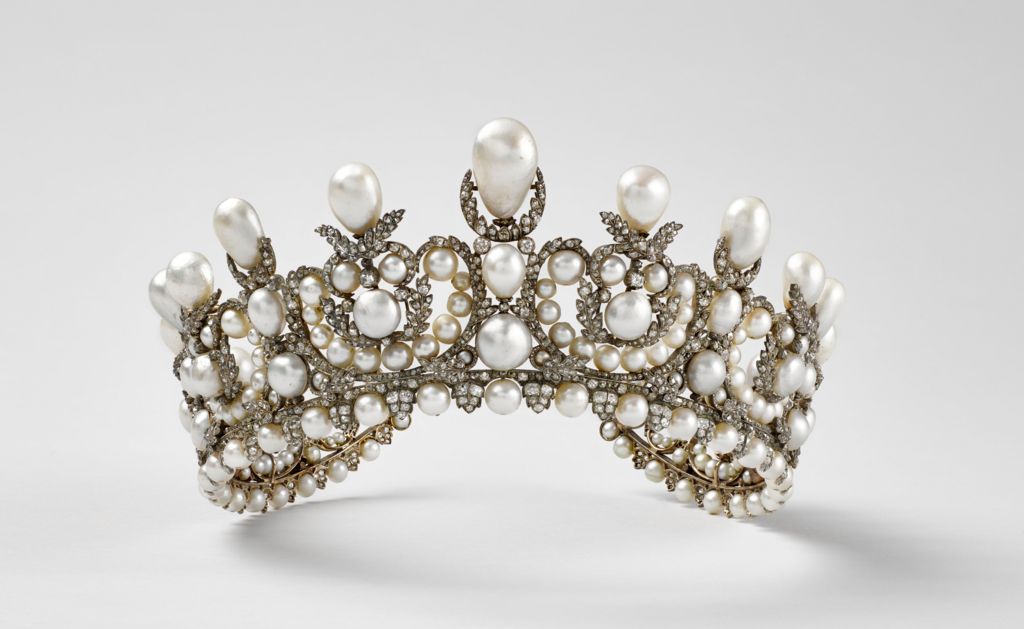
Stolen Louvre jewellery worth €88m, prosecutor says
In a brazen daylight heist at the Louvre Museum in Paris, thieves made off with eight priceless pieces of jewelry, including a tiara worn by Empress Eugenie, wife of Napoleon III, and the Marie-Louise necklace. The stolen items, valued at €88 million (£76m; $102m), were part of France’s historical heritage, with some pieces gifted by Napoleon and Napoleon III to their wives. The robbery, which took less than eight minutes, occurred shortly after the museum opened on Sunday morning. Thieves, armed with power tools, accessed the Galerie d’Apollon via a balcony near the River Seine, cutting through a glass window and threatening guards to evacuate the building. Despite attempts to set fire to their escape vehicle, the thieves fled on scooters. French President Emmanuel Macron condemned the robbery as an attack on France’s heritage. Security measures at the Louvre have since been tightened, with a preliminary report revealing significant lapses, including the absence of CCTV in one-third of the museum’s rooms and a non-functional alarm system. Authorities believe the thieves were highly organized professionals, and experts fear the stolen jewels may already have been dismantled and smuggled out of the country.
-

Bocholt group visits Wuxi to honor friendship
In a significant gesture to honor four decades of friendship, a delegation from Bocholt, Germany, led by Vice Mayor Gudrun Koppers, visited Wuxi, Jiangsu Province, on October 20, 2025. The visit centered around a special photo exhibition at the Wuxi Museum, which showcased the rich history of cultural and economic exchanges between the two cities. This milestone event not only highlighted the enduring bond between Wuxi and Bocholt but also underscored their commitment to fostering deeper collaboration in the years to come. The delegation’s visit served as a testament to the strength of international partnerships and the shared vision for mutual growth and understanding. For more insights into the delegation’s impressions and their aspirations for future cooperation, viewers are encouraged to explore the accompanying video.
-
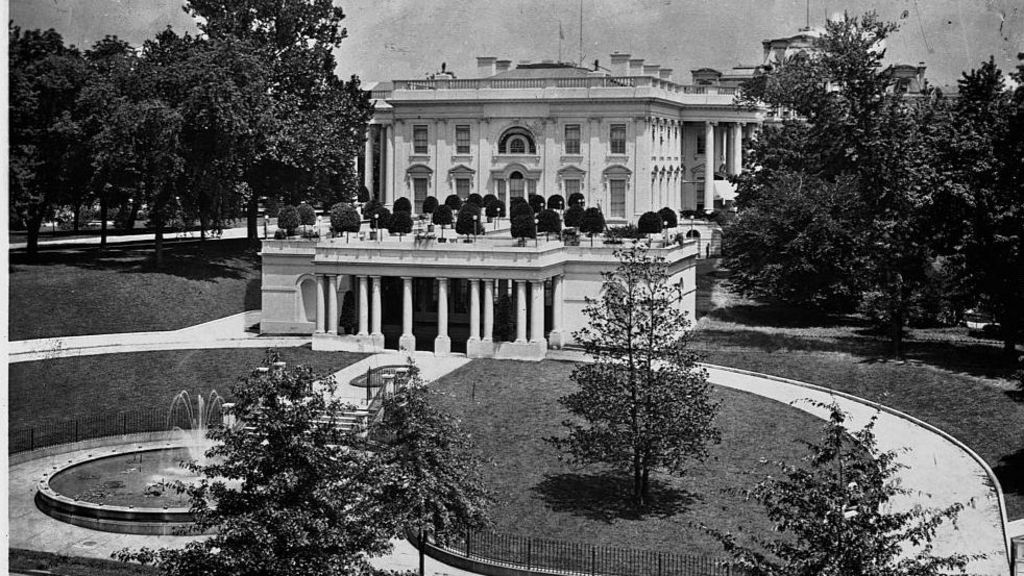
From bowling alley to ballroom – Trump isn’t the first to remodel the White House
The White House, a symbol of American leadership, has undergone numerous transformations over the centuries, each reflecting the tastes and needs of its occupants. The latest renovation includes paving the Rose Garden lawn with stone tiles, adding ‘Trump touches’ to the Oval Office, and constructing a new ballroom by demolishing the East Wing facade. This is not the first time the White House has seen such changes. In 1902, President Theodore Roosevelt initiated a major renovation, replacing Victorian-era conservatories with the West Wing, despite some congressional opposition over the $65,000 cost. In 1933, an indoor pool was built for President Franklin D. Roosevelt, who suffered from polio, though it has since been covered. The most extensive renovation occurred during President Harry Truman’s tenure from 1948 to 1952, which included adding a bowling alley and a balcony. First Lady Jacqueline Kennedy led a $2 million restoration in the 1960s, featuring a televised tour of the White House. More recently, President Barack Obama, an avid basketball fan, converted a tennis court into a dual-purpose court and added a rug with a Martin Luther King Jr. quote. These renovations highlight the evolving nature of the White House, blending tradition with modern needs.