
In a harrowing escalation of the ongoing conflict, Russian drone and missile strikes have inflicted severe damage across Kyiv and other Ukrainian cities, resulting in at least six fatalities, including two children, and leaving 21 others wounded. Ukrainian President Volodymyr Zelensky condemned the attacks, emphasizing that Moscow’s relentless aggression underscores the inadequacy of international pressure to halt the war. The strikes, the first of such intensity since late September, targeted residential areas and energy infrastructure, plunging several regions into emergency power outages. Among the victims were a couple in their 60s, a six-month-old baby, and a 12-year-old girl, highlighting the devastating human toll of the conflict. Rescue teams worked tirelessly through the night to extinguish fires in residential buildings as the capital remained under a ballistic missile warning. Meanwhile, Ukraine’s military reported a successful counterstrike on a Russian chemical plant in the Bryansk border region using UK-supplied Storm Shadow missiles. The plant, which produces gunpowder, explosives, and rocket fuel components, was described as a critical target in disrupting Russia’s ammunition supply chain. The attack comes amid stalled diplomatic efforts, as US President Donald Trump shelved plans for a summit with Russian President Vladimir Putin, citing concerns over a ‘wasted meeting.’ Zelensky, who recently returned from talks with Trump, expressed frustration over the US’s reluctance to provide long-range Tomahawk missiles, a move he believes could shift the diplomatic landscape. As the war rages on, the international community faces mounting pressure to address the escalating humanitarian crisis and seek a viable resolution to the conflict.
作者: admin
-
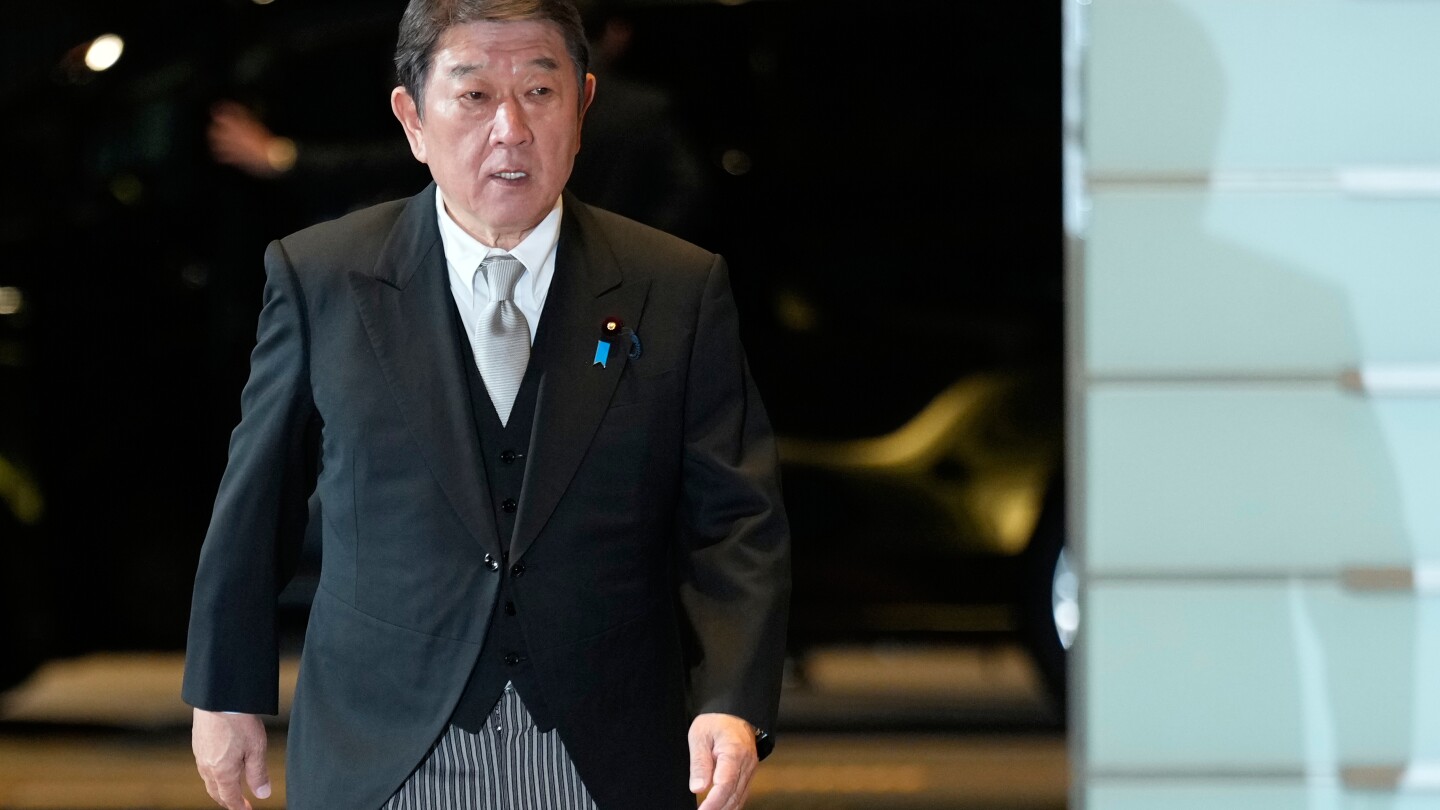
Japan says it plans to tell Trump it will build up military, upgrade security strategy
TOKYO — Japan’s newly appointed Foreign Minister, Toshimitsu Motegi, announced on Wednesday that the nation is poised to demonstrate its commitment to bolstering its defense capabilities in response to evolving warfare dynamics and escalating regional tensions. This strategic move coincides with the upcoming visit of former U.S. President Donald Trump to Tokyo next week. Trump is scheduled to meet with Japan’s Prime Minister Sanae Takaichi on Tuesday, marking their first encounter since Takaichi assumed office as Japan’s first female leader. Takaichi, who recently emerged from internal political disputes, faces immediate diplomatic challenges, including Trump’s visit and participation in two regional summits. Motegi emphasized that Japan is diligently preparing for Trump’s arrival, viewing it as an opportunity to reinforce the Japan-U.S. alliance and foster personal trust between the two leaders. Additionally, Japan aims to enhance cooperation with South Korea, Australia, the Philippines, and maintain stable relations with China. Japan’s ongoing five-year military buildup, which includes doubling its annual defense spending to 2% of GDP and developing long-range missile capabilities, signifies a departure from its postwar pacifist stance. The ruling party’s alliance with the right-wing Japan Innovation Party has sparked concerns about Japan adopting more offensive roles under Takaichi’s leadership. Motegi highlighted the necessity of adapting to modern warfare, such as drone swarms and cyberattacks, while reviewing and communicating Japan’s defense plans to the U.S. Japan anticipates pressure from Trump to increase defense spending to NATO levels, purchase American military equipment, and support U.S. troops stationed in Japan. Motegi stressed that Japan’s defense strategy should be independently determined, focusing on substance rather than spending ratios. He also expressed his intention to meet with U.S. Secretary of State Marco Rubio to strengthen the deterrence and response capabilities of the Japan-U.S. alliance. Motegi, known for his tough negotiation skills during Trump’s first term, is also tasked with implementing the Japan-U.S. tariffs agreement to ensure mutual economic benefits and security.
-
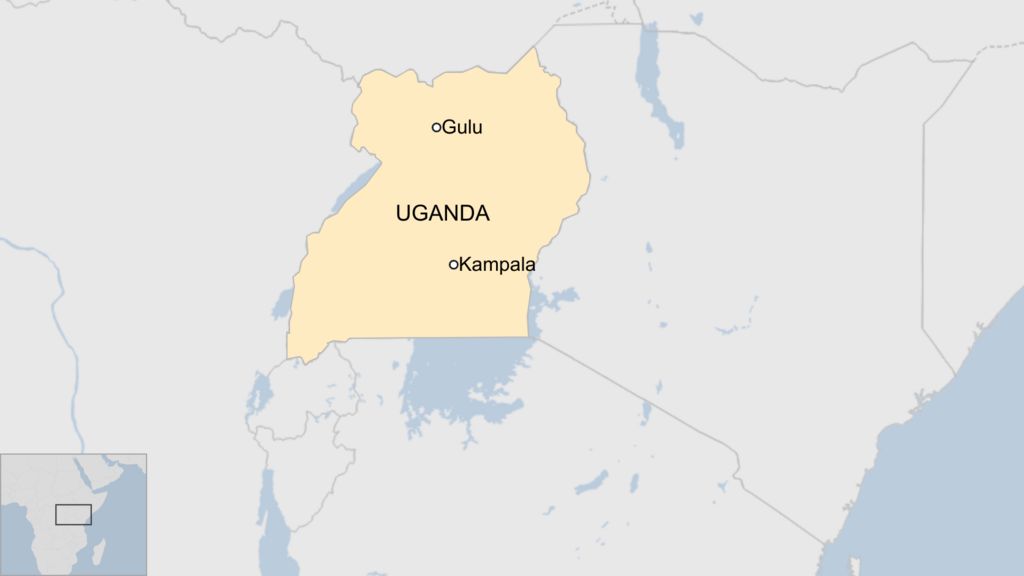
More than 60 dead after multi-vehicle crash in Uganda
A devastating collision involving multiple vehicles on Uganda’s Kampala-Gulu Highway has resulted in the deaths of 63 individuals, as confirmed by the Uganda Police Force on Wednesday. The incident occurred at approximately 00:15 local time (21:15 GMT) when two buses, traveling in opposite directions, collided head-on while attempting to overtake a lorry and a car. The collision triggered a chain reaction, causing several other vehicles to lose control and overturn. In addition to the fatalities, numerous passengers sustained injuries and were transported to various hospitals in Kiryandongo. Regional Police spokesperson Julius Hakiiza attributed the crash to reckless overtaking, emphasizing that such behavior remains a significant cause of accidents in the country. Authorities have launched an investigation into the incident and are urging motorists to exercise caution and avoid dangerous driving practices. The Kampala-Gulu Highway, a major thoroughfare connecting Uganda’s capital to the northern city of Gulu, is known for its heavy traffic and frequent accidents.
-
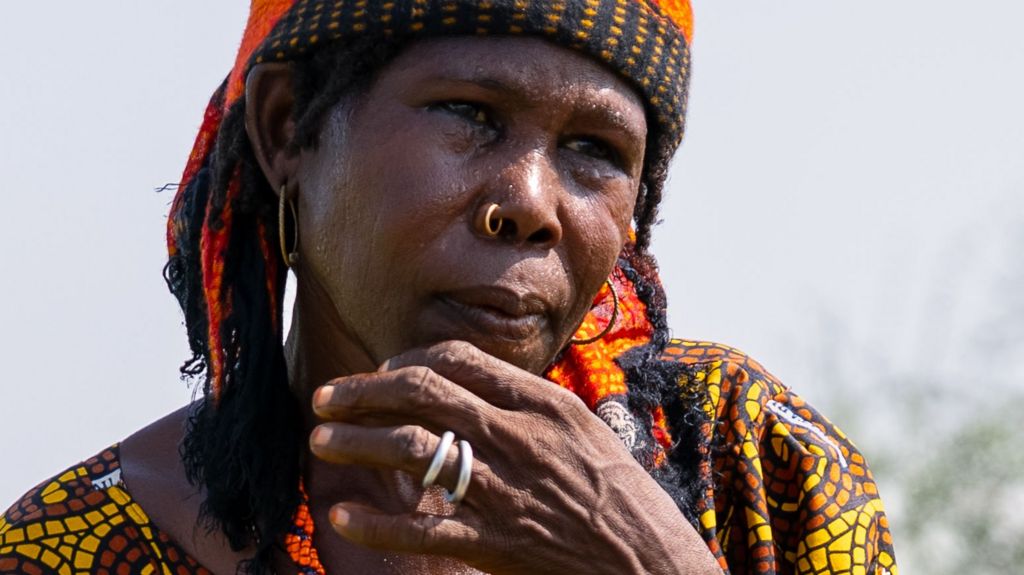
‘We fear for our souls’ – farmers on the frontline against Boko Haram
In the conflict-ridden region of north-eastern Nigeria, farmers like Aisha Isa face daily threats from jihadist groups such as Boko Haram and the Islamic State West Africa Province (Iswap). Despite the dangers, these farmers continue to cultivate their crops, relying on the protection of Agro Rangers, a government-established security unit. Escorted by armed guards and transported by bus from the state capital, Maiduguri, farmers like Isa risk their lives to feed their families. The military has designated safe farming zones, marked by trenches, but venturing beyond these borders remains perilous. Kidnappings and killings are rampant, with many farmers recounting harrowing experiences of captivity and loss. The Borno state governor is pushing for the reintegration of displaced farmers into their lands to stabilize food production, but aid agencies warn that this policy may be premature. The Agro Rangers scheme, while providing some security, is underfunded and insufficient to cover the vast farming areas. The Nigerian government plans to expand the program, but the escalating violence and civilian fatalities underscore the urgent need for a more comprehensive solution. For farmers like Adam Goni, the constant threat of violence has become an unbearable reality, with many calling for stronger military intervention to end the insurgency.
-

Young people trace roots by sharing stories
Young people from Taiwan gathered in Beijing to commemorate the 80th anniversary of Taiwan’s restoration to China, emphasizing the importance of understanding history and fostering a strong sense of national identity. The event, held at the Taiwan Guild Hall, was organized by the All-China Federation of Taiwan Compatriots, China Daily’s national news channel, the Beijing Taiwan Compatriots Association, and the association for relatives of patriots who resisted Japanese occupation. Four youth representatives shared personal stories and reflections on Taiwan’s historical ties to the mainland. Lo Chih-ying, 23, from Changhua county, traced her family roots back to Fujian province, highlighting the enduring connection between Taiwan and the mainland. Lu Ying-chu, 21, from Taipei, recounted the Treaty of Shimonoseki in 1895, which ceded Taiwan to Japan, and her great-grandfather’s resilience during the occupation. Lin Ching-mao, 26, from Changhua, honored the resistance against Japanese rule, while Lin Kuan-ting, from Taipei, stressed the belief that a strong motherland will resolve the Taiwan question. The event also featured the documentary ‘Stories across the Strait,’ which deepened participants’ understanding of Taiwan’s history. Li Zhenguang, dean of the Institute of Taiwan Studies at Beijing Union University, underscored the significance of remembering this history for the future of the Chinese nation.
-

Nation’s green initiatives a catalyst for global change
China has emerged as a global leader in green development, leveraging its advancements in renewable energy and new energy vehicles (NEVs) to inspire and support global climate action. Through initiatives like South-South cooperation and the Belt and Road Initiative, China is sharing its technological innovations and expertise to assist developing nations in their green transitions. At a recent press conference, Li Gao, Vice-Minister of Ecology and Environment, highlighted China’s achievements, including surpassing its 2030 target for wind and solar power capacity, which now stands at 1,700 gigawatts. Additionally, China has implemented a comprehensive action plan to control methane emissions, a potent greenhouse gas, and has expanded its carbon trading market to cover over 60% of the country’s carbon dioxide emissions. The nation’s commitment to green innovation is further underscored by its dominance in the NEV sector, accounting for 70% of global power battery production and leading in green technology patents. Experts like Chai Qimin and Wu Rui emphasize China’s concrete actions in low-carbon transportation, from passenger vehicles to heavy-duty machinery, showcasing its dedication to a sustainable future.
-
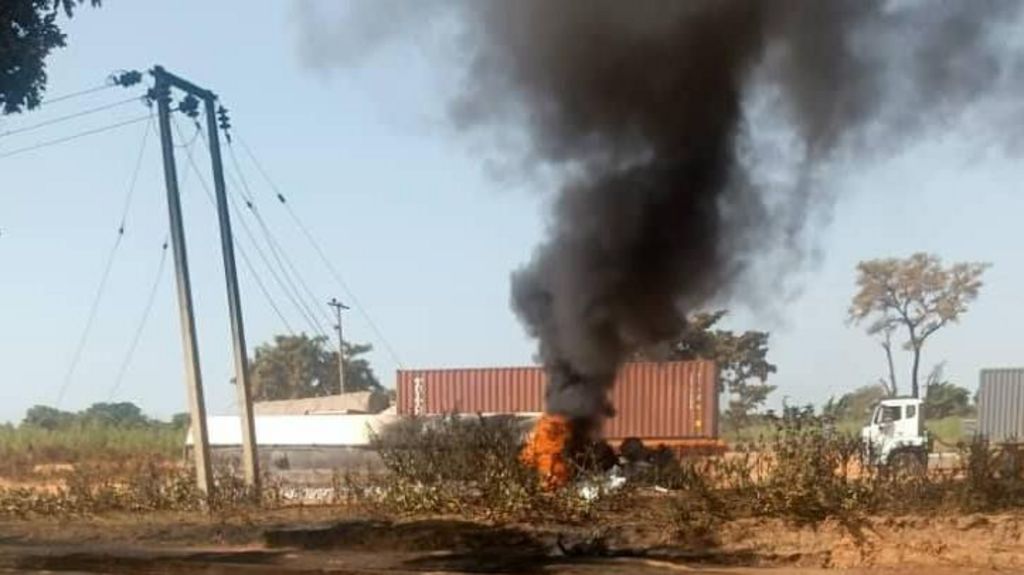
Dozens killed in Nigeria fuel tanker explosion
A devastating oil tanker explosion in Nigeria’s Niger state has claimed dozens of lives, underscoring a recurring and preventable tragedy in the region. The incident occurred when a tanker carrying petroleum products skidded off the poorly maintained Bida-Agaie road, spilling fuel. Villagers, ignoring repeated warnings, rushed to collect the spilled fuel, only to be engulfed in a massive explosion that killed approximately 30 people and injured at least 40 others. The intense blaze left many victims unrecognizable, with the injured rushed to nearby hospitals for treatment. Authorities, including the Federal Road Safety Corps and the National Emergency Management Agency (NEMA), provided conflicting casualty figures, highlighting the chaos surrounding the incident. Niger State Governor Mohammed Umaru Bago expressed his condolences, lamenting the persistent disregard for safety despite ongoing awareness campaigns. This tragedy is the latest in a series of similar incidents in Nigeria, where poor road conditions and the dangerous practice of scooping spilled fuel continue to claim lives. Last year, a fuel tanker explosion in Jigawa state killed 153 people, while another in Niger state earlier this year resulted in 86 deaths. These incidents underscore the urgent need for improved infrastructure and public safety measures to prevent future catastrophes.
-
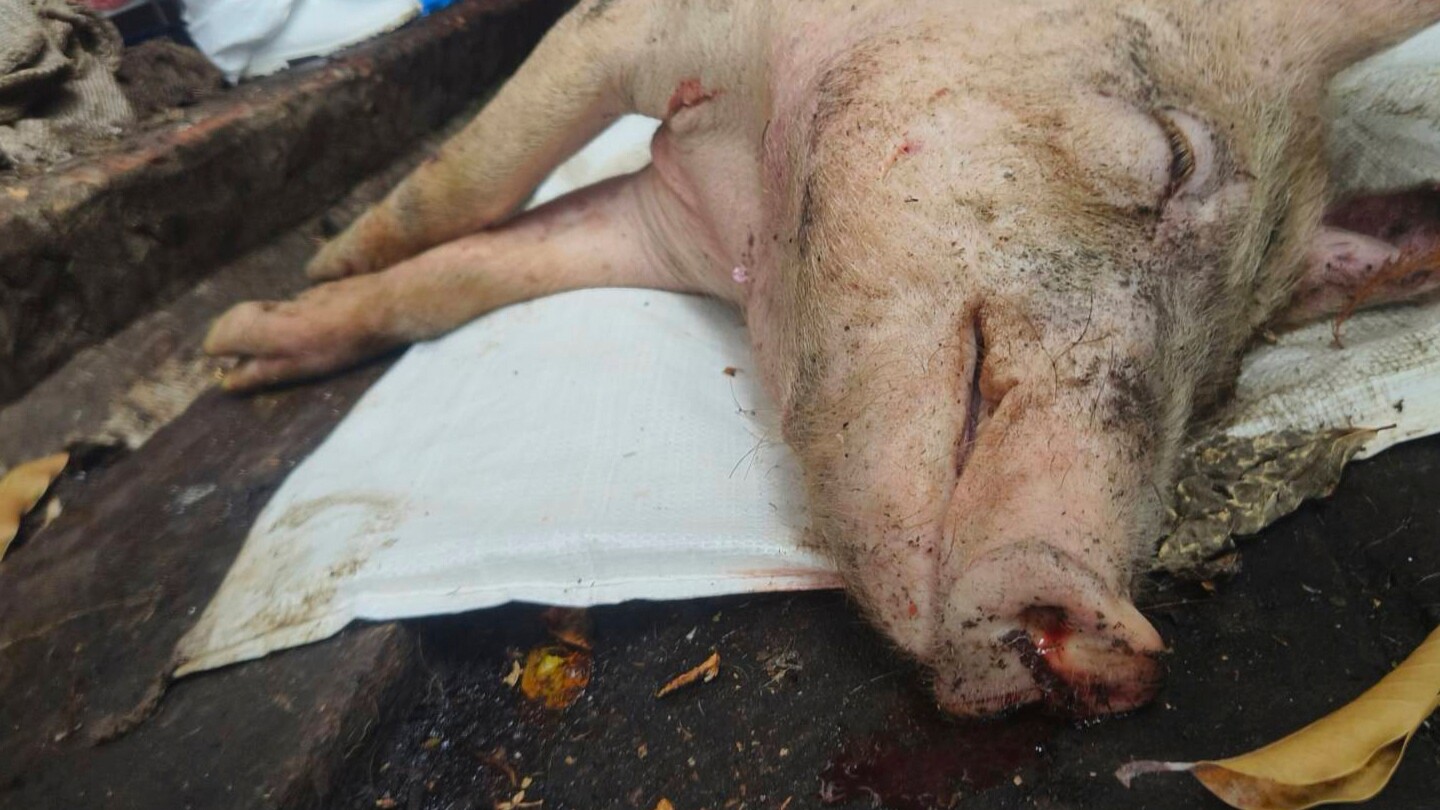
Taiwan reports its first case of African swine fever and culls scores of pigs
Taiwan has reported its first-ever cases of African swine fever, prompting immediate action from authorities to contain the outbreak. On Wednesday, the Ministry of Agriculture confirmed that samples from dead pigs at a farm in Taichung, a coastal city, tested positive for the virus. In response, 195 pigs were culled as a preventive measure, and a 3-kilometer (1.9-mile) control zone was established around the affected farm. The area underwent thorough cleaning and disinfection to mitigate further risks. Additionally, a five-day island-wide ban on the movement and slaughter of pigs was enforced starting Wednesday noon. Agriculture Minister Chen Junne-jih emphasized the urgency of implementing stringent measures, stating that while virus isolation takes two weeks, immediate action was necessary to control the suspected outbreak. Taiwan plans to isolate the virus strain before officially reporting it to the World Organization for Animal Health. Chen highlighted that the virus likely entered Taiwan through illegally imported pork products, which could have reached pig farms via food waste systems. This incident marks a significant concern for Taiwan, which has strict regulations prohibiting the import of uninspected meat products, with fines up to 1 million Taiwan dollars (approximately $32,500). African swine fever, which is fatal to pigs but does not affect humans or other animals, has previously caused widespread culling in Asia, including millions of pigs in China and Vietnam in 2019. Currently, South Korea is the only Asian country with an ongoing confirmed outbreak, while 12 European countries are also grappling with the virus.
-

Australian man charged with stealing Labubus worth $5,000
An Australian man has been formally charged following allegations of stealing dozens of Labubu dolls, valued at approximately A$9,000 (US$5,800, £4,400). Victoria Police conducted a raid on a Melbourne property on Tuesday, confiscating 43 of the highly sought-after dolls, some of which were limited editions worth up to A$500 each. According to detectives, the collectibles were stolen during four separate incidents at a shopping center since July. Labubu, an elf-like creation by Chinese manufacturer Pop Mart, features plush bodies, vinyl faces, pointed ears, and a mischievous grin displaying exactly nine teeth. These dolls have surged in global popularity, often causing long queues outside stores and generating significant revenue for the company. In a press release titled ‘These Labubu are not for you,’ Victoria Police confirmed that the 40-year-old suspect faces four counts of burglary and two counts of theft. He has been released on bail and is scheduled to appear in Melbourne Magistrates Court in May 2024. Since their launch in 2019, Labubu dolls have propelled Pop Mart into a global retail powerhouse, with over 2,000 vending machines and stores worldwide. Their international success has been bolstered by endorsements from celebrities such as Kim Kardashian and Lisa from K-pop group Blackpink. However, Pop Mart’s stock has recently declined amid concerns raised by JPMorgan, which questioned the company’s valuation and its ability to maintain its current level of global popularity.
-
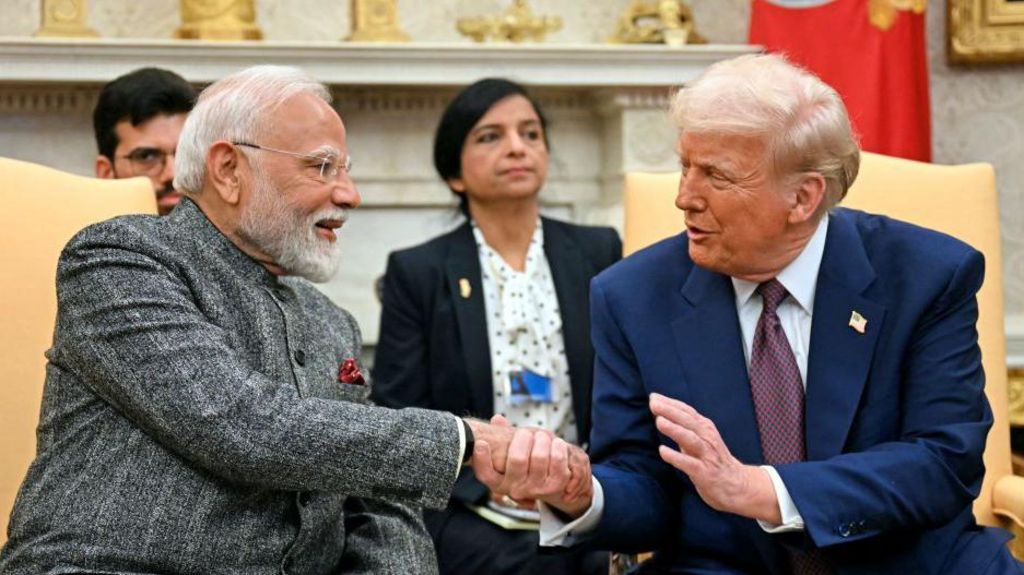
Trump reiterates India will cut Russian oil after Modi call
US President Donald Trump has reiterated that Indian Prime Minister Narendra Modi assured him during a recent phone call that India would significantly reduce its purchases of Russian crude oil. Trump made the statement during the White House Diwali celebrations on Tuesday, emphasizing the strong bilateral relationship between the two nations. He added that Modi shares the desire to see an end to the Russia-Ukraine conflict and has committed to cutting back on Russian oil imports. However, Modi’s social media post acknowledging Trump’s Diwali greetings did not mention any agreement on oil purchases, and the Indian foreign ministry has yet to confirm the details of the conversation. This follows Trump’s earlier claims last week, which were met with skepticism by Indian officials. India has been one of the largest buyers of Russian oil since Western nations imposed sanctions on Moscow following the Ukraine invasion in 2022. Delhi has defended its imports, citing the need for affordable energy to ensure domestic energy security. The US has criticized India’s reliance on Russian oil, accusing it of indirectly funding the war. In response, the Trump administration imposed a 50% tariff on Indian goods, including an additional 25% penalty for purchasing Russian oil. Despite these tensions, recent trade negotiations between the US and India have shown signs of progress, with reports suggesting a potential agreement to gradually reduce India’s Russian oil imports. The Indian government has acknowledged ongoing discussions with the US, emphasizing mutual interest in deepening energy cooperation. As both nations navigate these high-stakes talks, the outcome could significantly impact their economic and diplomatic ties.