作者: admin

  • An ancient oracle warned that invading Persia would backfire

    An ancient oracle warned that invading Persia would backfire

    For millennia, launching an invasion of the Persian plateau – the historic heart of modern-day Iran – has proven to be one of the most catastrophic miscalculations a regional power can make. From the early era of Achaemenid expansion to the height of Roman imperial ambition, a consistent pattern has repeated itself: aggressors who enter Persian territory rarely walk away with the gains they predicted, and more often leave their own empires broken or humiliated. Today, as the United States navigates heightened tensions with Iran, ancient history offers a stark lesson about the unique risks of military conflict in this strategic corner of the world. The patterns of the past hold clear warnings for modern policymakers.

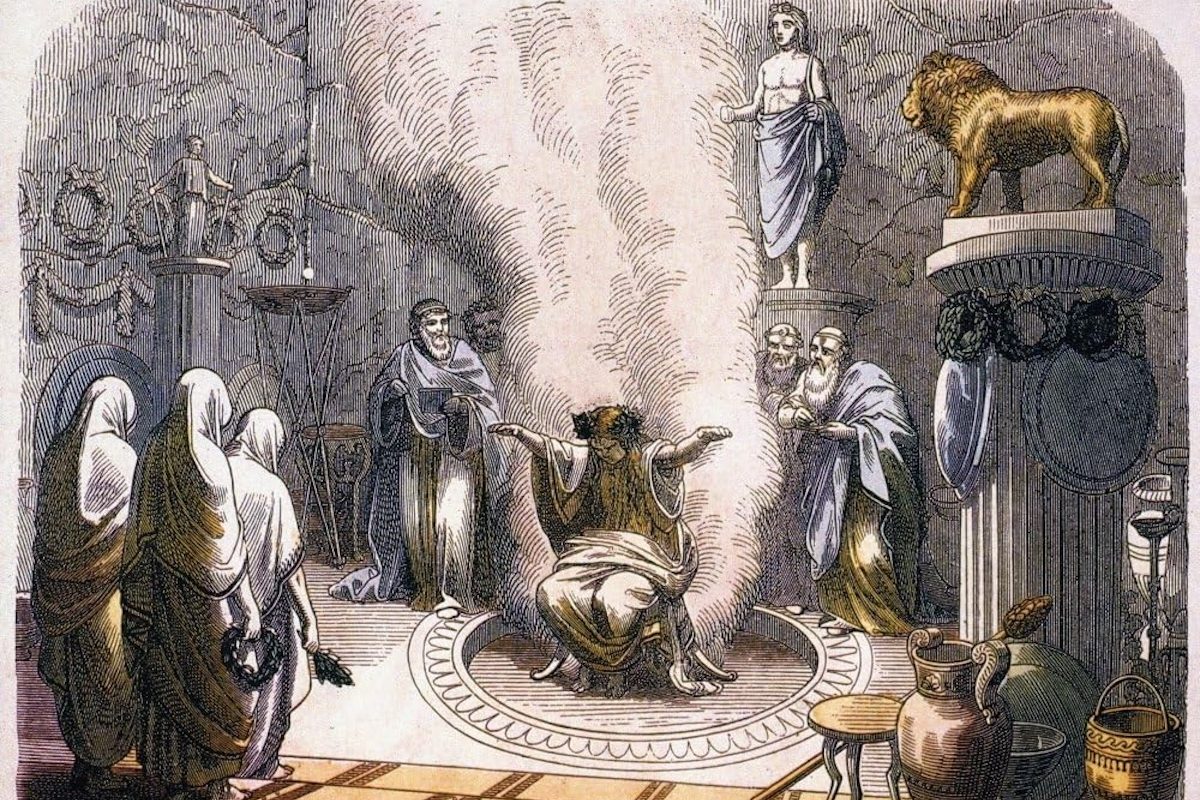
    The first recorded example of this fateful pattern dates back to 546 BCE, when Croesus, the fabled wealthy king of Lydia (a kingdom in modern-day western Turkey), set out to stop the rising Achaemenid Persian Empire’s westward expansion. Croesus, uncertain of victory, turned to the renowned Oracle of Delphi in Greece for a prophecy. As ancient historian Herodotus recorded, the oracle delivered an ambiguous warning: if Croesus marched against Persia, he would destroy a great empire. Confident the prophecy referred to his enemy, Croesus invaded. The result was his own total defeat at the hands of Persian king Cyrus the Great, and the annihilation of Croesus’ own Lydian Empire. The oracle was correct – just not in the way Croesus had hoped.

    By the 4th century BCE, the Achaemenid Persian Empire stretched across a massive swath of Eurasia, encompassing modern Iran, Iraq, Turkey, the Persian Gulf, and parts of dozens of neighboring countries. It would fall eventually to Alexander the Great of Macedon, who invaded in 334 BCE and won a string of stunning military victories that ended Achaemenid rule by 330 BCE. But victory proved fleeting. Alexander died suddenly in Babylon just seven years after his invasion, leaving a chaotic patchwork of temporary arrangements to govern the vast territory he had seized. His successors were never able to permanently hold the conquered Persian lands, and within decades, local Iranian rule reemerged. To this day, Alexander is remembered in Iranian history not as a conquering hero, but as a destructive invader held in contempt.

    Seventy years after Alexander’s death, the Arsacid Parthian dynasty rose to power in Iran, controlling most of the former Achaemenid territory for centuries. As Roman power expanded eastward from the 1st century BCE onward, the Parthians became Rome’s most persistent and dangerous eastern rival. The first major Roman invasion of Parthia ended in unmitigated disaster. In 53 BCE, Roman general Crassus led a large army into Parthian territory in southern Turkey, only to be utterly annihilated by Parthian forces near the city of Carrhae. Some 20,000 Roman troops died, including Crassus and his son, and another 10,000 were captured. The defeat haunted Roman collective memory for centuries.

    Even when Roman emperors managed to gain territory in Parthia, the gains proved hollow. In 116 and 117 CE, Emperor Trajan pushed Roman forces all the way to the Persian Gulf, but could not solidify control over any of the land he had seized. A century later, Emperor Septimius Severus seized new territory in Mesopotamia, but contemporary Roman writer Cassius Dio noted that the conquest brought only endless conflict and crippling expense to Rome. “Emperor Septimius Severus used to declare that he had added a vast territory to the empire and had made it a bulwark of Syria,” Dio wrote. “On the contrary, it is shown by the facts themselves that this conquest has been a source of constant wars and great expense to us.”

    In the 3rd century CE, the Sasanian dynasty overthrew the Parthians and took control of Iran and Mesopotamia, and they would inflict even greater humiliations on invading Roman forces. In 244 CE, Emperor Gordian III led a massive invasion of Sasanian territory, aiming to capture the Persian capital of Seleucia-Ctesiphon. He died on the battlefield before he could reach the city, and his successor Philip I was forced to sign a deeply humiliating peace treaty to ransom the remnants of the defeated Roman army.

    The ultimate humiliation came in 260 CE, when Emperor Valerian was captured alive by Sasanian king Shapur I after an invasion attempt. Legend holds that Valerian was forced to serve as a human footstool for Shapur whenever the king mounted his horse. To this day, rock reliefs carved in 3rd-century Iran still depict Valerian and Philip I kneeling in submission to Shapur, a permanent monument to defeated invasion. A century later, Emperor Julian led a 60,000-strong army into Persian territory, only to be killed in battle north of Seleucia-Ctesiphon. The peace treaty that followed forced Rome to cede key strongholds and territory in northern Mesopotamia, a loss the empire took more than a century to recover from.

    Throughout ancient history, two key factors made invasion of Persia uniquely dangerous for aggressors. First, the region’s vast, varied, and often unforgiving geography created massive logistical challenges that stretched even the most well-organized armies to breaking point. Second, Persian dynasties consistently maintained strong national resolve and formidable military preparedness that turned campaigns into costly quagmires. While modern conflict between the United States, its allies, and Iran differs in countless ways from the ancient wars of the Achaemenid, Parthian, and Sasanian eras, those 3rd-century rock reliefs of defeated Roman emperors stand as an enduring reminder of how badly military gambits against Persian powers can go wrong.

    This analysis is by Peter Edwell, associate professor of ancient history at Macquarie University, republished with permission under a Creative Commons license.
  • ‘They call me king’: Highlights from Trump’s unusual Easter lunch speech

    ‘They call me king’: Highlights from Trump’s unusual Easter lunch speech

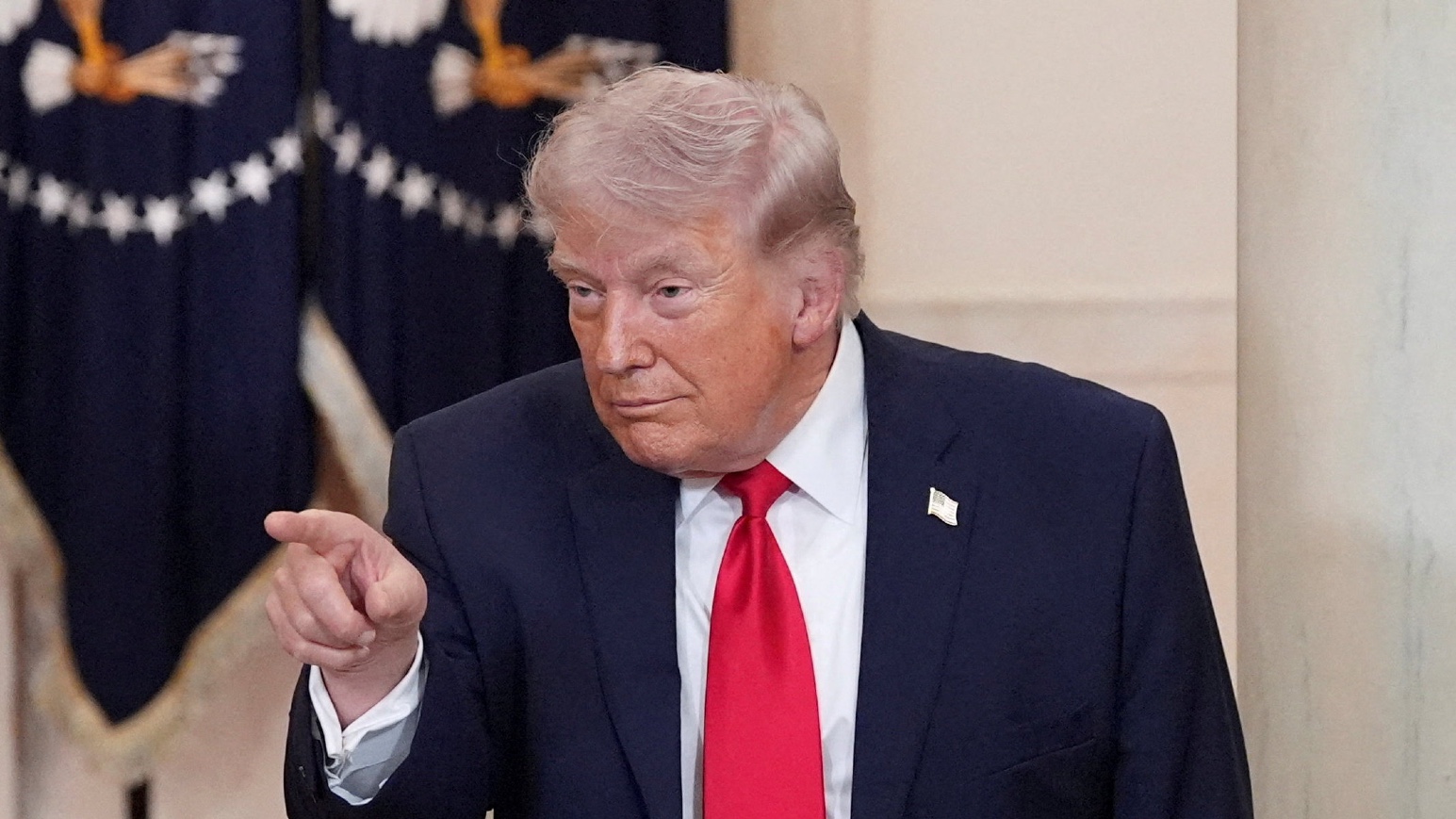
    A closed-door, press-excluded Easter gathering between U.S. President Donald Trump and a select group of handpicked Christian leaders took an unexpected turn this week, when the White House accidentally livestreamed portions of the private event before hastily pulling the footage from its official YouTube channel within hours. The originally closed designation was not out of the ordinary for such off-the-record meetings with conservative religious allies, but the leaked footage laid bare a series of unscripted, controversial comments that offer a rare unvarnished look at Trump’s relationships with his evangelical base and his approach to foreign and domestic politics.

    Opening his remarks, Trump immediately called on Erika Kirk, widow of late Turning Point USA CEO and conservative commentator Charlie Kirk, urging her to “sue the hell out of” those pushing conspiracy theories that question the official narrative of Kirk’s killing. The arrested young suspect was identified as the perpetrator in official accounts, though emerging forensic evidence has fueled unfounded speculation that other parties were involved, and Trump’s open call for legal action against the spread of these conspiracies marked an unusually blunt intervention into the case.

    Over the course of his 40-minute address delivered to a crowd of long-time religious supporters who have repeatedly backed Trump through prayer and political mobilization, the former real estate developer leaned into uncharacteristically candid banter, leaning into jokes and personal asides that he rarely shares in public settings. Reflecting on the Easter story of Jesus’ entry into Jerusalem as king, Trump seized the moment to reference the widespread “No Kings” protests organized by Democrats across the country just days earlier, joking to the room: “They call me king. Now, do you believe it? I’m such a king. I can’t get a ballroom approved.” The quip came just one day after a federal judge ruled Trump had exceeded his executive authority to approve demolishing part of the White House grounds to construct a resort-style ballroom, adding a sharp topical punchline that drew laughter from the friendly crowd. “Pretty amazing… I could be doing a lot more if I was a king,” he added.

    Trump went on to repeat a long-held talking point pushed by conservative evangelical leaders that has become a core part of his campaign messaging around religious freedom: “I’ve often said that to be a great nation, you have to have religion. I believe that so strongly. You have to have religion, and you have to have God.” This line of rhetoric aligns with claims from leading conservative groups including The Heritage Foundation that Christians face widespread marginalization in the U.S., with liberals allegedly replacing traditional greetings like “Merry Christmas” and “Happy Easter” with generic, secular holiday language. Multiple independent fact-checking efforts have found no documented evidence to support this claim of systemic erasure of Christian expression. Notably, Trump himself has never been outwardly religious, having said publicly on two separate occasions that “nothing will get me into heaven” during his decades in the public eye. Even so, evangelical Christian voters and groups—most of whom identify as Christian Zionists—remain some of the largest donors to Trump’s political campaigns, a loyalty he acknowledged in his remarks, noting, “When someone’s nice to me, I love that person. Even if they’re bad people. I couldn’t care less. I’ll fight to the end for them.”

    Trump’s remark on religion came without any acknowledgment of the ongoing military campaign being waged by the U.S. and Israel against Iran, a conflict that has drawn widespread international condemnation for civilian casualties. He also made only a passing reference to the history of conflict tied to religious difference, noting, “There have been more wars over religion than trade, and everything else.”

    Following Trump’s address, the president’s long-time spiritual advisor Paula White, a prominent televangelist, took the stage to draw a parallel between Trump’s political struggles and the story of Jesus Christ’s resurrection. “Because of his resurrection, you rose up,” White told Trump. “Mister president, no one has paid the price like you have paid the price. It almost cost you your life. You were betrayed and arrested and falsely accused.” Her comments referenced the multiple federal criminal charges Trump faces over his efforts to overturn the 2020 presidential election and two documented assassination attempts against him. “It’s a familiar pattern that our lord and saviour showed us, but it didn’t end there for him, and it didn’t end there for you. God always had a plan.”

    White, who recently called on Christian donors to tithe 10 percent of their income to her ministry, which funds Israeli settler projects in the occupied West Bank, has long been tied to pro-Israel politics within Trump’s orbit. Middle East Eye has previously reported that White was the key figure behind the firing of anti-Zionist Catholic activist Carrie Prejean-Boller from Trump’s Religious Liberties Commission during his first term.

    Leading evangelical figure Franklin Graham, son of iconic evangelist Billy Graham, followed White with a prayer for the president that included fiery anti-Iranian rhetoric. “The Persians, Iranians, are wanting to kill every Jew, woman, child, and do it all in one day,” Graham claimed. “Father, we pray for the people of Iran who want freedom and be set free from these Islamic lunatics. The wicked regime of this government wants to kill every Jew and destroy them with an atomic fire, but you have raised up President Trump. You have raised him up for such a time as this. And Father, we pray that you’ll give him victory.”

    Trump echoed Graham’s calls for victory in the Iran conflict, but blamed North Atlantic Treaty Organization (NATO) allies for failing to back his administration’s efforts to forcibly reopen the Strait of Hormuz to shipping linked to the U.S. and Israel. “Nato treated us very badly, and you have to remember, because they’ll be treating us badly again if we ever need them. And hopefully we’re never going to need them,” Trump told the crowd. He called out specific allies, noting that British King Charles III will visit the U.S. in two weeks, saying “He’s a nice guy… but they [the UK] weren’t the best.” Charles has faced widespread international criticism for accepting the invitation amid the ongoing U.S.-led bombing campaign in Iran that has hit civilian targets including schools and hospitals.

    Trump then turned to French President Emmanuel Macron, mocking both Macron’s refusal to deploy French naval assets to the Gulf and making a crude joke about his marriage to Brigitte Macron. “Then I call up France, Macron, whose wife treats him extremely badly,” Trump said to laughter from the room. He recounted his request for French military support, saying he asked Macron to send ships immediately to the Gulf as the U.S. campaign continues, claiming Macron responded: “No, no, no, cannot do that, Donald. We can do that after the war is won.” Trump delivered the response in a mocking exaggerated French accent, pushing back: “No, no, I don’t need after the war is won, Emmanuel.”

    On Thursday, a day after the closed event, Macron publicly responded to Trump’s comments, calling them “neither elegant nor up to par.” The jab came just one week after Brigitte Macron visited the White House to meet with former first lady Melania Trump to work on a joint initiative to protect children and adults from cyberbullying.

    Trump concluded his criticism of NATO, arguing the alliance is unreliable when the U.S. needs military support: “Many of them said, ‘We’ll be there after the war is completed.’ And so I learned about Nato. Nato won’t be there if we ever have a big one. You know what I mean by the big one,” he said, in an apparent reference to a potential large-scale military conflict between the U.S. and another global great power.

  • Watch: Who is the coup leader who will be Myanmar’s next president?

    Watch: Who is the coup leader who will be Myanmar’s next president?

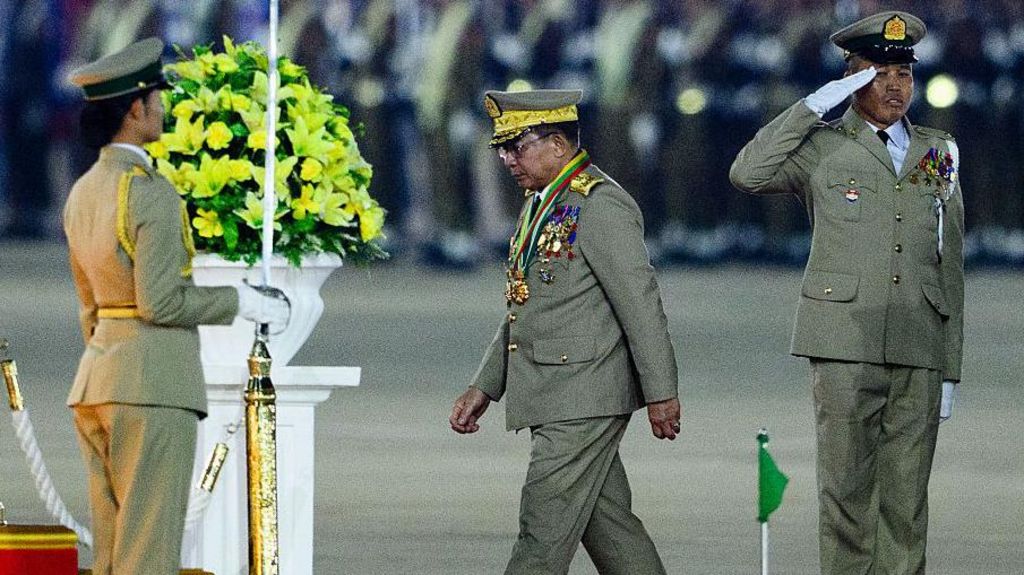
    In a significant moment that underscores the military’s continued grip on power in Myanmar, the man who led the 2021 coup against the country’s democratically elected government, Min Aung Hlaing, has appeared at what is being billed as his final military parade ahead of his formal swearing-in as the nation’s next president.

    The parade, held on a sprawling ceremonial ground in the capital Naypyidaw, brought together thousands of uniformed military personnel, armored vehicles, and military aircraft in a display of force organized to project unity and authority to both domestic audiences and the international community. The event comes years after Min Aung Hlaing led the military’s seizure of power in February 2021, ousting the elected government led by Aung San Suu Kyi and plunging the country into a protracted period of political instability, armed conflict with ethnic and pro-democracy militias, and deep economic hardship that has impacted millions of ordinary citizens.

    For years following the coup, Min Aung Hlaing has served as the head of Myanmar’s ruling State Administration Council, acting as the de facto leader of the country while holding the formal position of prime minister. The move to elevate him to the presidency has long been expected by political analysts, who frame it as a calculated step to legitimize the military’s rule through a nominal civilian structure, even as most of the international community continues to refuse recognition of the military-led government.

    Widely sanctioned by Western governments and the United Nations over his role in the coup and the subsequent crackdown on opposition, the 67-year-old former military chief has maintained a firm grip on the country’s state institutions, despite ongoing challenges from pro-democracy resistance groups that have gained ground in many border regions in recent years. As he prepares to take on the presidential title, analysts note that the parade served not just as a ceremonial send-off for his current military role, but also as a demonstration that the armed forces remain the ultimate center of power in Myanmar, regardless of formal political titles.

    The event has drawn renewed attention to the ongoing crisis in Myanmar, where human rights groups have documented widespread abuses against civilians by military forces, and millions of people have been displaced by conflict since the 2021 takeover. The international community has largely remained firm in its rejection of the military’s seizure of power, with most countries continuing to recognize the ousted National Unity Government as the legitimate representative of the Myanmar people.

  • Fears cost of water and beer to soar as India’s scorching summer hits

    Fears cost of water and beer to soar as India’s scorching summer hits

    As India prepares to enter its scorching summer season, with peak forecasts predicting temperatures will climb above 45°C across multiple regions, a growing humanitarian and economic crisis is unfolding: the ongoing war with Iran has upended global energy markets, sending shockwaves through India’s $6 billion bottled water sector, an industry that millions of already water-insecure Indians rely on for safe drinking water.

    Already, major industry players have begun passing rising costs down to consumers. Last month, Bisleri, India’s largest bottled water brand, raised prices by 11%, increasing the cost of a case of 12 one-liter bottles by 24 rupees, or approximately $0.26. Other leading brands including Bailley and Clear Premium Water have followed suit with similar hikes, Reuters confirmed.

    Even before the current conflict, access to reliable, clean potable water remained an unresolved public health challenge across India. Data from research organization Data for India shows that 15% of urban households and 6% of rural households depend entirely on bottled water for their drinking needs. For low-income and rural communities, relying on commercially bottled water is already a significant financial burden, but systemic issues including widespread groundwater contamination, chronic water shortages during hot months, and crumbling public water infrastructure leave millions with no alternative.

    Industry leaders warn that a prolonged extension of the Iran conflict could push the cost of this essential commodity out of reach for vast swathes of the Indian population. The root of the crisis lies in the disruption of global energy trade through the Strait of Hormuz, the strategic narrow waterway that typically carries 20% of the world’s total oil and liquefied natural gas supplies. Since the outbreak of war, the strait has been almost completely blocked, triggering a sharp global spike in fuel and crude oil prices. As a country that meets most of its domestic energy demand through imports, India has borne the full brunt of this market disruption.

    Vijaysinh Dubbal, president of the Maharashtra Bottled Water Manufacturers Association, explained that the surge in crude prices is directly driving up the cost of plastic bottled water production. Nearly all commercial bottled water in India is sold in single-use PET plastic bottles, which are manufactured from PET resin pellets derived directly from crude oil. Earlier this week, Brent crude prices briefly spiked to $119 per barrel, near the highest levels recorded since the start of the Iran-US-Israel conflict.

    The production chain for PET bottles starts with crude-based PET resin, which is formed into small, test-tube shaped components called preforms that are then sold to bottlers to be blown into final bottle shapes. According to Dubbal, preform costs have jumped from 115 rupees per kilogram to roughly 180 rupees per kilogram, alongside widespread supply shortages that have idled production. Around 20% of all bottled water manufacturing facilities in Maharashtra, one of India’s most populous industrial states, have already paused operations temporarily.

    To avoid immediately passing steep costs on to consumers, many smaller brands and local vendors have chosen to absorb the extra production expenses so far, keeping retail prices for a one-liter bottle around 20 rupees, and 60 to 70 rupees for a five-liter bottle. But Dubbal stressed that this strategy is not sustainable long-term. If market conditions continue to deteriorate, consumers will inevitably face both higher prices and tighter supply, just as demand for bottled water surges during the April to May peak summer season.

    The impact of the energy crunch extends far beyond the bottled water sector, rippling across India’s entire packaging and manufacturing landscape. Vaibhav Saraogi, director of Chemco Plastic Industries Pvt Ltd, one of India’s largest PET preform suppliers, noted that rising preform prices will raise costs across all industries that rely on PET packaging. India’s PET packaging market was valued at $1.5 billion in 2024 and is projected to grow to $2.2 billion by 2033, with widespread use not just in beverages but also in personal care, pharmaceuticals, food service and food delivery.

    Glass bottle manufacturers, which supply the beverage and pharmaceutical sectors, are also facing severe disruption. Glass production relies on large natural gas-powered furnaces to melt raw materials into molten glass for shaping. Last month, the Brewers Association of India, which represents global brands including Heineken and Carlsberg, told Reuters that glass bottle prices have surged by roughly 20% across the board, prompting the group to ask state governments to approve 12 to 15% increases in retail beer prices (alcohol pricing is regulated at the state level in India). The Confederation of Indian Alcoholic Beverage Companies has submitted similar requests to state authorities.

    Vithob Shet, CEO of Vitrum Glass, a leading producer of amber glass bottles for the pharmaceutical and brewing industries, explained that price hikes stem from natural gas supply disruptions tied to the war. Since the conflict began, the Indian government has tightened natural gas allocation rules, prioritizing supplies for residential use and select critical commercial sectors, cutting commercial gas supplies to glass manufacturers by 20%. While some producers like Vitrum have switched to oil to offset the gas deficit, sky-high crude prices have still sent production costs soaring.

    New Delhi has maintained that the country’s overall national energy supplies remain stable, but the ripple effects of the crunch are already visible across multiple sectors. Dozens of commercial eateries have already shut operations across the country due to cooking gas shortages. The ceramics and fertilizer industries have also been hit hard, while the aviation sector is struggling with rapidly rising jet fuel prices.

    For industry leaders, the stakes extend far beyond corporate profits, as essential consumer goods face growing supply risks. “The situation is serious,” Shet said. “Things like water and medicines are essential commodities and even a slight decline in supply can have major consequences.”

  • Rubio accuses China of ‘bullying’ for holding up Panama-flagged ships after canal clash

    Rubio accuses China of ‘bullying’ for holding up Panama-flagged ships after canal clash

    Geopolitical friction between the United States and China has intensified in recent weeks, sparked by a high-stakes dispute over two strategically critical ports along the Panama Canal that has drawn Washington directly into a growing confrontation in the Western Hemisphere. The conflict traces back to January, when Panama’s Supreme Court issued a landmark ruling deeming the operating concession for the Balboa and Cristóbal terminals — held by a subsidiary of Hong Kong-based conglomerate CK Hutchison Holdings — unconstitutional. Following the ruling, Panama’s government moved to seize control of the two ports, triggering a sharp response from Beijing, which has pledged to protect the legal interests of its domestic companies.

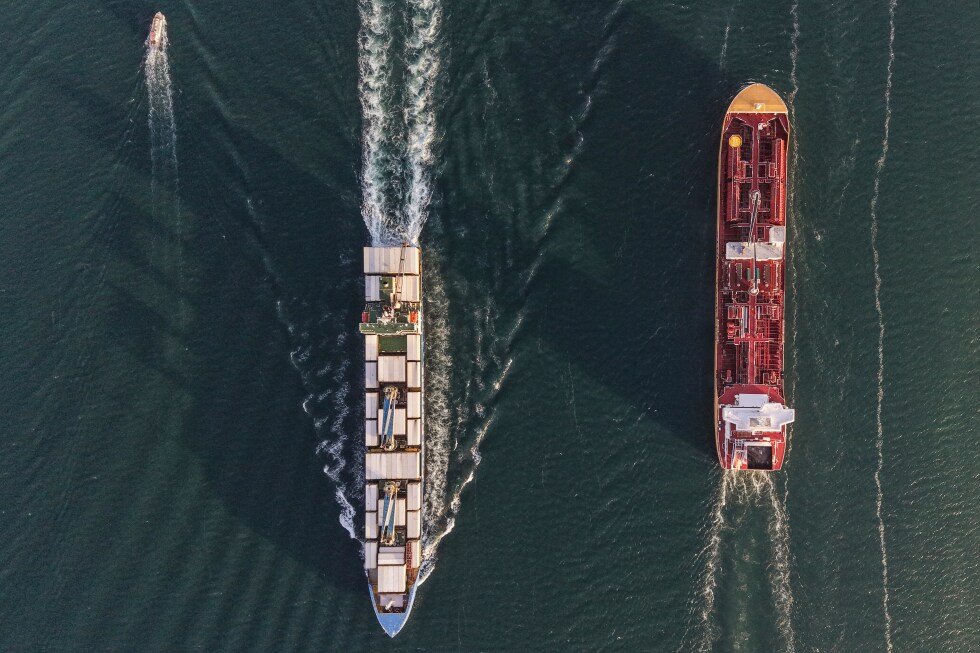
    In a public statement posted to social media Thursday, U.S. Secretary of State Marco Rubio leveled serious allegations against Beijing, claiming China had engaged in coercive “bullying” by disproportionately detaining Panama-flagged commercial vessels at Chinese ports in retaliation for the port seizure. Rubio argued that China’s actions, which saw detentions last between one and 10 days before vessels were released, undermine lawful global trade, destabilize critical international supply chains, raise operational costs for shippers, and erode trust in the rules-based global trading system. “The United States stands with Panama against any retaliatory actions against its sovereignty and will always support our partners in the face of bullying,” Rubio said.

    Data compiled by the Tokyo MOU, a regional port state control coordination body made up of 22 maritime authorities across the Asia-Pacific, appears to show a sharp upward spike in Panama-flagged vessel detentions at Chinese ports in March. Of the 124 total ships detained for inspection that month, 92 — nearly 75 percent — sailed under Panama’s flag. That marks a dramatic jump from earlier in the year: in February, Panama-flagged vessels accounted for just over 40 percent of detained ships (19 out of 45 total), and in January that share stood at just over 30 percent (23 out of 71).

    China has forcefully rejected the U.S. accusations, with Chinese Embassy Washington spokesperson Liu Pengyu arguing that repeated baseless claims from the U.S. only expose Washington’s own ambition to seize control of the Panama Canal. Liu did not directly address the recorded uptick in detentions in his public statement.

    This dispute is the latest flashpoint in a broader, long-running rivalry between Washington and Beijing for influence in Latin America and the Caribbean. The Trump administration has made curbing China’s growing economic and diplomatic sway in the Western Hemisphere a core foreign policy priority, a pledge Donald Trump first articulated during his initial presidential campaign, when he openly discussed the possibility of the U.S. retaking control of the strategically vital Panama Canal. The administration has ramped up U.S. engagement in the region more aggressively than any U.S. administration in decades, highlighted by the military raid that captured Venezuelan leader Nicolás Maduro in January.

    U.S. federal regulators have already begun monitoring the situation closely. Laura DiBella, chair of the Washington-based Federal Maritime Commission, confirmed the agency has been tracking detentions of Panama-flagged vessels in Chinese ports, and echoed Rubio’s criticism of Beijing’s actions. “Secretary Rubio’s statement highlights the disruptive effects of the government of China’s actions against Panama-flagged vessels,” DiBella said, adding that the commission “is not aware of any other country in recent history conducting vessel safety inspections and detentions in a punitive manner.” DiBella also revealed that China’s Ministry of Transport had summoned senior representatives from Danish shipping giant A.P. Moller-Maersk to Beijing for high-level talks, after Panama announced Maersk’s subsidiary APM Terminals would take temporary control of the two seized canal ports while a new long-term operating concession is awarded.

    Panama’s government has sought to de-escalate tensions, downplaying the geopolitical implications of the rising detentions. Panamanian officials have not yet responded to requests for comment on Rubio’s recent allegations, and have previously rejected claims that the detentions are tied to the canal port dispute between Beijing and Panama. In March, Panamanian Foreign Minister Javier Martínez acknowledged the increase in detentions but framed the checks as standard routine maritime safety procedures, noting that vessel detentions for inspection occur at ports across the world, regardless of a ship’s flag. “We want to maintain a respectful relationship with China,” Martínez added. Beijing has previously stated it would “take all measures necessary to firmly protect the legitimate and lawful rights and interests of Chinese companies” following the supreme court ruling that invalidated CK Hutchison’s concession.

    For Panama, a global leader in international ship registration that generates roughly $100 million annually in revenue from its flag registry, the dispute carries significant economic risks. José Digeronimo, former president of the Panama Maritime Chamber, warned that widespread punitive actions against Panama-flagged vessels could cause lasting damage to the country’s flagship maritime industry. Digeronimo compared ship registration to a shipowner choosing a travel passport, noting that operators choose registries that allow unimpeded access to the largest number of global ports. If China, the world’s largest exporter, begins imposing restrictions on vessels using the Panama flag, Digeronimo argued, shipowners will rapidly abandon the registry to avoid delays, threatening a critical source of government revenue for Panama.

  • Man arrested after threatening an attack on a high-speed train in Germany

    Man arrested after threatening an attack on a high-speed train in Germany

    A dramatic incident unfolded on a German high-speed rail service Thursday evening, ending with the arrest of a male suspect accused of threatening a large-scale attack on the moving train, federal law enforcement officials have confirmed. The event left multiple people with minor injuries after homemade explosive devices were ignited onboard.

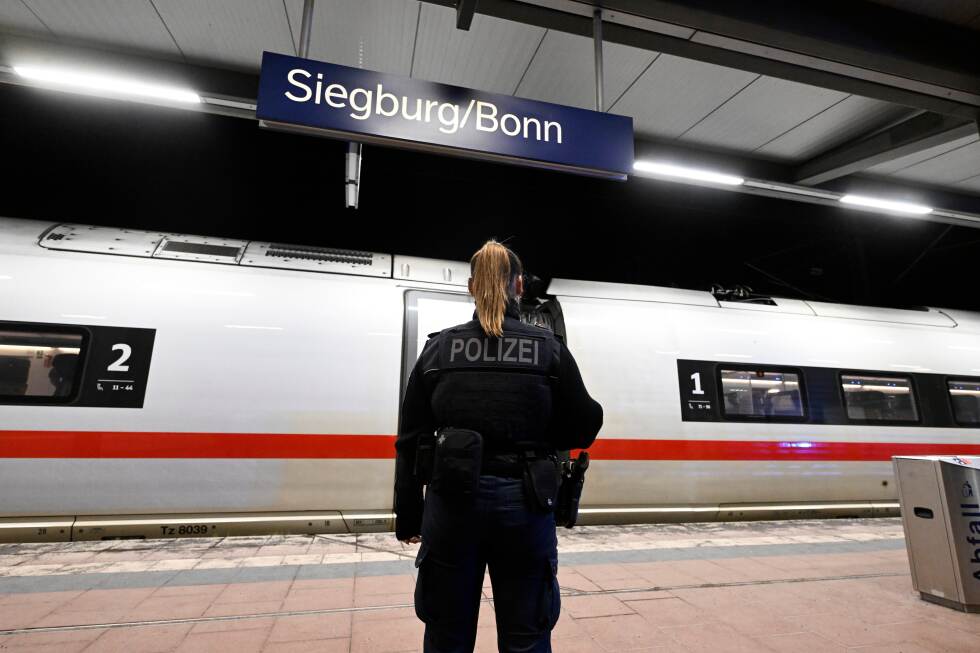
    The train was traveling along a busy intercity route between the western German city of Cologne and the major financial hub of Frankfurt when the emergency broke out, according to reporting from Germany’s national news agency DPA. Responding to the threat, authorities ordered the full evacuation of all passengers and crew at the Siegburg station, a commuter stop located just a short distance outside Cologne, where the suspect was taken into custody.

    Witness and law enforcement accounts detail that the suspect barricaded himself inside a train bathroom for a period before being restrained by officers. A search of his belongings following the arrest uncovered a knife stowed in his backpack. Mass-appeal German tabloid Bild additionally confirmed that the suspect ignited multiple firecrackers and threw the lit devices into the main passenger aisle of the train. The resulting blasts caused superficial flesh wounds to several passengers, none of which have been classified as life-threatening as of the initial investigation.

    As of Thursday night, German federal police had not released any immediate additional details about the suspect, including his identity, possible motives, or any connection to extremist groups. Investigations into the incident remain ongoing, with authorities yet to issue further updates on whether the threat was tied to a broader plot or the actions of a lone individual.

  • These are Iran’s key islands in the Gulf

    These are Iran’s key islands in the Gulf

    Strung along Iran’s northern Gulf coast and clustered around the critical Strait of Hormuz, Iran’s roughly 400 islands have emerged as unexpected focal points of geopolitical turmoil amid escalating regional tensions linked to the US-Israeli war. While the vast majority of these landmasses are tiny, uninhabited outcrops, a handful of larger, strategically positioned islands carry enormous economic, military, and cultural significance that shapes both Iranian national security and global energy markets.

    The Strait of Hormuz, the narrow waterway that links the Persian Gulf to the Gulf of Oman and the wider Indian Ocean, is universally recognized as the world’s most critical energy chokepoint. Approximately one-fifth of the global supply of oil and liquefied natural gas transits this corridor each year, making control over its surrounding islands a core priority for Iran’s military and strategic planning. In response to escalating tensions tied to the US-Israeli war, Iran has effectively moved to restrict access to parts of the strait, with its network of Gulf islands forming the backbone of its asymmetric maritime defense tactics.

    Beyond their strategic military value, these islands underpin Iran’s core energy and tourism sectors, and hold millennia of layered human history, mirroring the rich cultural heritage of mainland Iran. Among them, three are mired in a long-running sovereignty dispute with the United Arab Emirates, one is famed for its unique community of female fishing breadwinners, and another is the site of one of the most high-profile missing person cases in modern Middle Eastern history. Middle East Eye’s deep dive into nine of Iran’s most notable Gulf islands reveals their outsized influence on regional and global affairs.

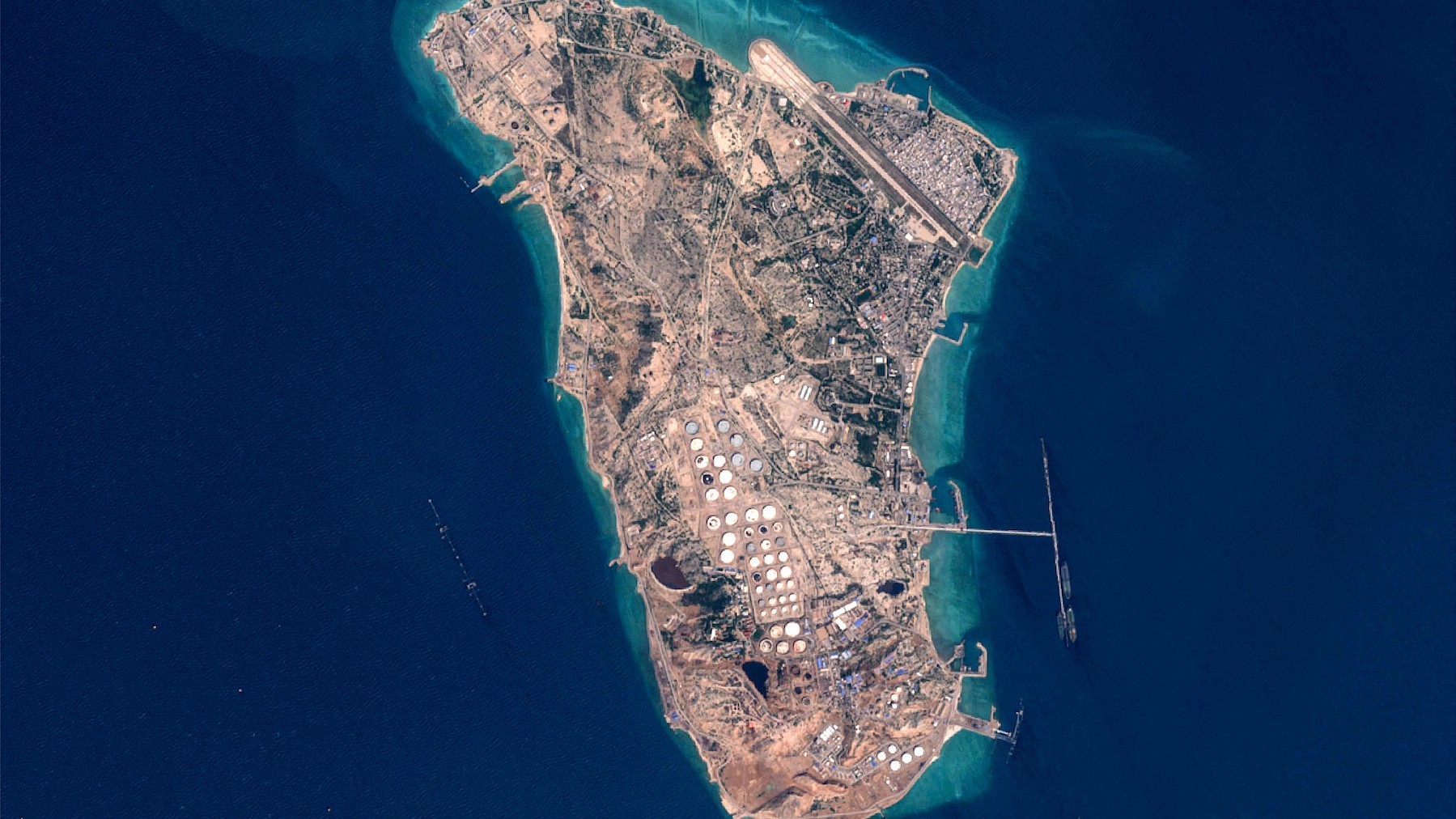
    Kharg Island stands as the operational heart of Iran’s crude oil export infrastructure. Sitting 30 kilometers off the northern Gulf coast, the island processes and ships roughly 90 percent of Iran’s total crude oil exports to global markets. Crude pumped from oilfields across mainland Iran is transported via an extensive pipeline network to Kharg’s massive storage facilities and loading jetties, where it can hold up to 30 million barrels of oil — a stockpile that reportedly stood at around 18 million barrels last month.

    Access to Kharg is tightly restricted by the Islamic Revolutionary Guard Corps (IRGC), earning it the nickname the “Forbidden Island,” with entry limited exclusively to individuals holding official security clearance. Most of the island’s 8,000 permanent residents work in the oil sector, but the land also hosts a wealth of archaeological treasures, including the ruins of an early Christian monastery, Sassanid-era burial mounds, and Achaemenid inscriptions dating back more than 2,300 years. Kharg has born the brunt of past conflicts: Iraqi air forces repeatedly targeted the terminal during the 1980s Iran-Iraq War, and in recent weeks, the US has launched strikes on what it says are 90 military targets on the island. Former US President Donald Trump has also publicly threatened to seize Kharg outright.

    At 1,400 square kilometers, Qeshm is the largest island in the entire Persian Gulf. Part of Iran’s Hormozgan province, it sits in the Strait of Hormuz, just off the mainland port of Bandar Abbas. Home to roughly 150,000 residents, most of whom are Sunni Muslims who speak the local Bandari dialect, Qeshm has been a strategic military outpost for centuries, with both Portuguese and British colonial powers building naval bases on the island.

    Today, Qeshm’s combination of historic landmarks and extraordinary ecological diversity have made it one of Iran’s top tourist destinations, and it is currently on UNESCO’s tentative World Heritage list. Following the 1979 Islamic Revolution, Qeshm was designated a free trade and industrial zone, with a unique tax and regulatory framework separate from the rest of Iran. It has also been developed as a core hub for Iran’s asymmetric maritime warfare capabilities, with intelligence sources confirming the IRGC has built a classified underground “missile city” on the island, housing submarines, fast attack craft, and coastal missile batteries. In March 2025, Iran accused the US of carrying out a strike on a desalination plant on Qeshm, a claim both Washington and Tel Aviv denied.

    Hormuz Island, which shares its name with the strait it occupies, traces its title back to the ancient Kingdom of Hormuz, a dominant Gulf maritime power that controlled parts of modern-day Iran, Oman, and Bahrain between the 11th and 17th centuries. The kingdom made Hormuz Island its capital, turning it into a thriving trading crossroads between the Gulf and Indian Ocean. The island was later conquered by the Portuguese Empire, before eventually coming under joint Persian and British control. Today, Hormuz is a popular tourist destination famed for its otherworldly geological features: it is often called the “Rainbow Island” thanks to its vividly colored rock formations, ochre-tinted streams, red-sand beaches, and mountains streaked in pink, gold, and yellow hues.

    Larak Island, positioned to the east of Qeshm and south of Hormuz Island, is the linchpin of Iran’s claim to control over the Strait of Hormuz. Iran has heavily fortified the island with a network of underground bunkers and bases for fast attack craft, allowing it to monitor all traffic passing through the strait and threaten commercial vessels if needed. In recent weeks, Larak has been central to Iran’s new shipping regime that has turned the strait into a de-facto tollbooth: shipping analysts have recorded that most commercial vessels now avoid the main shipping channel between Larak and Oman’s Musandam Peninsula, instead diverting north of Larak into a so-called “safe corridor” established by Iran for vessel inspections. According to shipping publication Lloyd’s List, one commercial vessel reportedly paid a $2 million fee to access the corridor, though it remains unclear if all vessels are charged.

    Abu Musa is the largest and only inhabited of three Iranian-administered Gulf islands claimed by the United Arab Emirates. Covering just five square kilometers and home to around 2,000 residents, it is the farthest of Hormozgan province’s 14 islands from the Iranian mainland. The sovereignty dispute over the island dates back to the turn of the 20th century: when the Trucial States, the UAE’s precursor, became a British protectorate in the late 1800s, the emirate of Sharjah administered Abu Musa. Iran contested this claim, briefly planting its flag on the island in 1904 before withdrawing under British pressure, and the island remained under Sharjah’s control for decades.

    When Britain withdrew from the Gulf in 1971, it brokered a deal to place Abu Musa under joint administration by Sharjah and Iran. But just two days before the UAE declared full independence on November 30 1971, Iranian forces seized full control of the island. A week later, the UAE brought the dispute to the UN Security Council, and has pursued a diplomatic resolution for the island and the nearby Greater and Lesser Tunbs for more than 50 years. Iran argues its sovereignty over the three islands dates back to the Persian Empire of the 6th century BCE, and has cited a 19th-century British map to back its territorial claims. Today, Abu Musa serves as Iran’s forward defense outpost in the Strait of Hormuz, and US media reports indicate the Pentagon has considered seizing the island as an option for a “final blow” against Iran amid current tensions.

    The Greater and Lesser Tunbs, two small uninhabited islands near the Strait of Hormuz, are also claimed by the UAE — specifically by the emirate of Ras al-Khaimah. Unlike Abu Musa, no tentative agreement was reached between Iran and Ras al-Khaimah before Britain’s 1971 withdrawal. When Iranian troops landed on Greater Tunb that November, the six-person local police force opened fire on the 30-member Iranian detachment. The ensuing shootout killed three Iranian personnel and four Emirati police officers. Greater Tunb covers four square kilometers, while Lesser Tunb is less than one square kilometer in size; according to CIA intelligence, Lesser Tunb is overrun by venomous sea snakes. Iran has equipped both islands with missiles, drones, and mine-laying capabilities, according to regional defense analysts.

    Hengam Island, a 36-square-kilometer landmass sitting just two kilometers off the coast of Qeshm, is home to only a few hundred families spread across three small villages. Like neighboring islands, it served as a colonial military outpost for both Portugal and Britain. Today, it is best known for its long-standing community of veiled fisherwomen, who are the primary breadwinners for their households. A 2021 feature in *The New Yorker* described the group as “the only fisherwomen in Iran – and probably in the eight other countries around the Gulf.”

    Kish Island is Iran’s most popular tourist resort, drawing millions of domestic and international visitors every year. Renowned for its white-sand beaches, luxury resort hotels, and large shopping centers, Kish is also a free trade zone like Qeshm, and is the only part of Iran that allows foreign visitors to enter without a visa. The island gained international infamy as the site where former FBI agent Robert Levinson disappeared during a visit in March 2007. The case remains unsolved, though the US government says it has credible evidence that Levinson died in Iranian captivity by 2020.

    Kish has also been the site of small high-profile incidents: in 2019, British singer Joss Stone was denied entry to the island despite the visa waiver, with Iranian officials citing incorrect documentation. Stone has said she believes she was barred because authorities suspected she would violate rules banning women from performing solo public concerts. On the first day of the recent escalation of conflict, footage emerged showing smoke rising from a US-Israeli strike on targets on Kish.

  • Four toddlers stabbed to death at Ugandan nursery school

    Four toddlers stabbed to death at Ugandan nursery school

    A horrific morning attack at a Kampala early childhood education center has left East Africa reeling, after a suspected assailant stabbed four young children to death in what Ugandan police have described as an unspeakably brutal act.

    The victims, three boys and one girl between two and three years old, died at the scene immediately following the assault, according to national police spokesperson Racheal Kawala. Investigators confirmed the attacker used multiple bladed weapons to carry out the violence at the Ggaba Early Childhood Development Program School, located in Kampala’s upscale Ggaba suburb.

    Police have taken a 39-year-old male suspect into custody for questioning, following a chaotic scene where enraged parents who had rushed to the school after hearing news of the attack attempted to lynch the suspect before law enforcement intervened. As of Tuesday (local time), investigations are still ongoing to uncover the attacker’s motive, full background, and any additional details connected to the crime.

    Kawala shared that the suspect had recently visited the nursery school to inquire about enrolling a child, and was instructed to return on Thursday. He completed the admission payment before turning on the young children, launching the fatal attack before 11 a.m. local time (8 a.m. GMT). First responders were alerted via an emergency distress call and arrived at the campus within minutes.

    In total, 14 children were present at the school at the time of the attack. The remaining 10 unharmed children have all been safely returned to their families. Forensic investigators remain on site processing evidence, while the campus remains cordoned off by law enforcement. By sunset, a heavy, somber mood hung over the area, where distraught parents, anxious community members, and shaken school staff had gathered throughout the day.

    Uganda’s Inspector General of Police Abas Byakagaba visited the attack site shortly after the incident, and issued a public statement urging citizens to remain calm as the investigation progresses. He added that official updates on the case will be released to the public as more information is confirmed.

    The shocking, senseless killing of young children at a learning facility has sent immediate shockwaves across Uganda, sparking urgent new conversations and widespread public concern over the safety of students and young learners across the East African nation.

  • UK elections: Here’s where Greens, Your Party and independents will challenge Labour

    UK elections: Here’s where Greens, Your Party and independents will challenge Labour

    As the United Kingdom prepares for local elections across 136 English councils on May 7, Keir Starmer faces what may be the biggest test of his premiership since he took office in July 2024. With more than half of the 5,000 contested seats currently held by his Labour Party, the vote is widely framed as a public referendum on Starmer’s leadership — one that could leave his political career hanging in the balance.

    Starmer enters the election cycle facing a perfect storm of headwinds: a stagnating national economy exacerbated by fallout from the US-Israeli military campaign against Iran, plummeting Labour poll numbers, and personal approval ratings that hit historic lows for a sitting prime minister. The right-wing populist party Reform UK, led by veteran campaigner Nigel Farage, has led national opinion polls for more than a year and is positioning the May elections as a breakthrough opportunity to seize control of local authorities. Recent polling projections suggest Reform could capture as many as 17 councils and claim up to 1,500 council seats, in what would be a landmark upset for the insurgent right.

    But the threats to Labour do not end on the right of the political spectrum. The party is facing a coordinated, multi-pronged challenge from the left that experts say could split its traditional base and deliver key seats to anti-establishment opponents.

    The Green Party, led by Zack Polanski since mid-2024, has surged in popularity, drawing overwhelming support from young voters across the UK. The party proved its growing electoral strength in a shocking February by-election victory in Greater Manchester’s Gorton and Denton constituency, where Green candidate Hannah Spencer flipped a seat long held by Labour, overturning a previous Labour majority of more than 13,000 votes and outpacing Reform to claim the win.

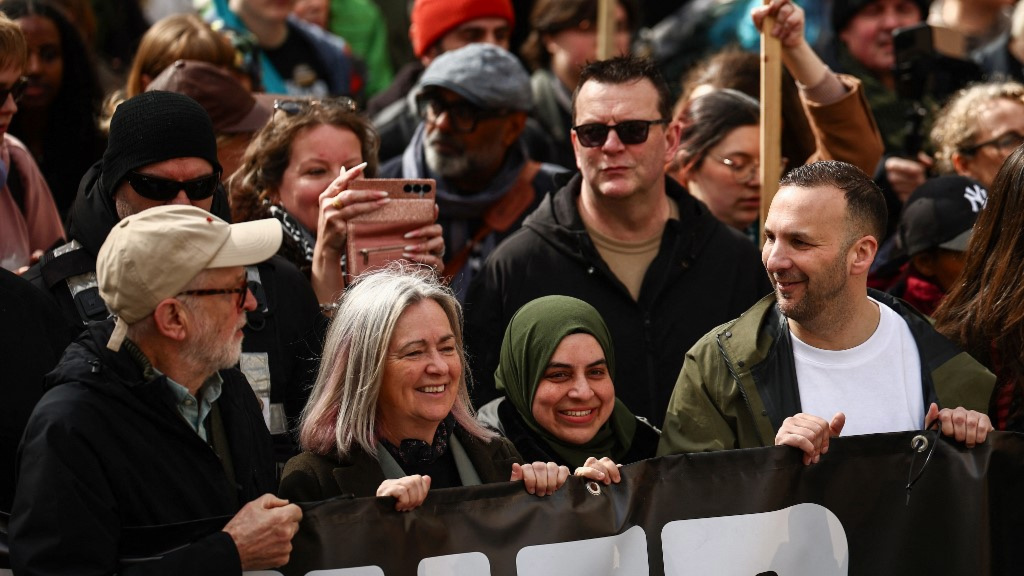
    Alongside the Greens, the new left-wing political movement Your Party has emerged as a major contender, built from the Independent Alliance of five independent MPs who entered parliament following the 2024 general election. The bloc was formed after four pro-Gaza, anti-establishment Muslim independent candidates unseated sitting Labour MPs in what was widely labeled a political earthquake, alongside former Labour leader Jeremy Corbyn, who won re-election as an independent after splitting with Starmer’s leadership over policy disagreements. After a period of internal infighting that marked its launch late last year, Your Party stabilized following Corbyn’s election as its parliamentary leader in February 2025.

    Contrary to Labour’s initial hopes that the Greens and Your Party would split the anti-Labour left vote, the two groups have launched a coordinated electoral offensive across England. Your Party has adopted a targeted strategy focused on endorsing community-backed independent candidates, rather than running a full slate of its own politicians, to maximize the impact of the left-wing challenge.

    “All across the country, there will be community independent groups offering an alternative to the despair of Labour and the division of Reform,” Corbyn said in a recent campaign statement. “We are proud to support those candidates and groups standing up for redistribution, inclusion and peace.”

    This wave of anti-establishment left politics builds on a trend that first emerged in the 2024 local elections, when Labour lost roughly a third of its vote share in areas with large Muslim populations, with many voters shifting to independent candidates running on pro-ceasefire platforms in Gaza or to Green candidates who adopted similar positions. That momentum carried into the July 2024 general election, producing the parliamentary upset that paved the way for Your Party’s launch.

    The ongoing US military campaign against Iran, and the UK government’s decision to allow American forces to use UK military bases to strike Iranian missile sites, has become a major flashpoint for voter anger, particularly among left-leaning and Muslim communities who have long criticized Labour’s support for British and American foreign policy in the Middle East. Your Party confirmed this week that local council divestment from entities linked to Israel will be a core campaign plank, alongside addressing longstanding underfunding of local authorities and advocating for increased public investment and insourcing of public services.

    Your Party announced Thursday it is backing roughly 250 candidates across England, most running as endorsed independents or as members of local community-aligned parties. One of its top targets is the East London borough of Tower Hamlets, currently controlled by Lutfur Rahman’s Aspire Party. A former Labour politician, Rahman was first elected mayor in 2010, but was removed from office in 2015 after being found guilty of electoral fraud and banned from running for office for six years. He reclaimed the mayoralty and council control for Aspire in the 2022 local elections.

    With a population that is 39% Muslim — the highest share in the UK — alongside some of the country’s highest poverty rates, Tower Hamlets has become a showcase for left-wing alternative governance. Your Party has labeled the borough a “beacon council,” pointing to Aspire’s policy wins: expanding free school meals to all primary and secondary students, restoring the Education Maintenance Allowance cut by the previous Conservative-Liberal Democrat coalition, and reinstating the Winter Fuel Payment that was eliminated by Starmer’s Labour government.

    “In Tower Hamlets, we’ve shown how socialist, redistributive policies can transform lives and provide the hopeful, ambitious alternative needed to take on the far right — something Labour has utterly failed to do,” Rahman said.

    East London has emerged as the central battleground for the left-wing challenge. In nearby Redbridge, the local Redbridge Independents group, endorsed by Your Party, is aiming to seize council control. Noor Jahan Begum, a recently elected Redbridge councillor who now serves as Your Party’s spokesperson, said the movement is “taking the fight to Labour in their heartlands.”

    “In Redbridge and across the country, people are telling us that they feel let down and abandoned by Labour, outraged by their complicity in genocide and fed up of the status quo,” Begum said. “We are offering something different: a politics rooted in and accountable to our communities, a politics that campaigns for the social transformation people are crying out for.”

    The challenge has already sparked pushback from senior Labour figures: last week, local MP and Health Secretary Wes Streeting drew criticism for a campaign letter to Redbridge voters that urged residents to vote Labour to stop the borough from “becoming a rotten Borough like Tower Hamlets.” Vaseem Ahmed, leader of the Redbridge Independents, called the comment an unfair attack on a diverse group of local residents campaigning for change.

    In neighboring Newham, another East London Labour stronghold, the local Newham Independents Party has already won multiple recent council by-elections and is mounting a serious challenge to Labour’s majority. Further south in Lewisham, southeast London, former Labour councillor Liam Shrivastava is running as the Green mayoral candidate, with polls predicting no party will win an overall council majority. National projections suggest the Greens could capture up to nine councils overall, including long-time Labour strongholds Hackney and Lambeth in London.

    The challenge extends far beyond the capital. In Birmingham, Britain’s second city, where 22% of the population is Muslim and all 101 council seats are up for election, polling shows a coalition of independents and Greens has a strong chance of stripping Labour of its majority. In Newcastle upon Tyne, where Labour currently runs a minority administration and 78 seats are contested, former Labour mayor Jamie Driscoll — now running as a Green candidate — said Greens and independent candidates are on track to take joint control of the council.

    Rahman argued that the cross-party alliance between Your Party, local community groups, the Greens, and progressive independents presents a historic opportunity to replace Labour-led councils across the country with administrations accountable directly to local communities. Corbyn framed the upcoming elections as the opening of a broader movement against established political orthodoxy.

    “These elections are the beginning of the fightback against austerity, privatisation and fear,” Corbyn said. “People in power underestimate the power of people at their peril — and arrogance in office always comes back to bite you in the end.”

  • Why isn’t Artemis II landing on the Moon?

    Why isn’t Artemis II landing on the Moon?

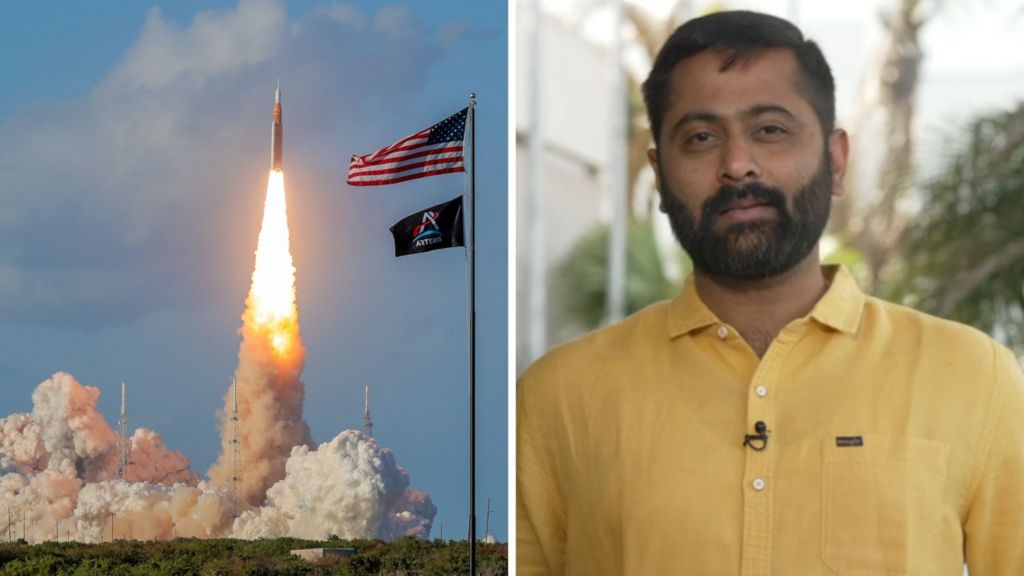
    NASA’s ambitious Artemis program has sparked widespread curiosity among space enthusiasts around the globe, particularly regarding the upcoming Artemis II mission. Many following the program’s progress have posed one pressing question: if the United States targets a human lunar landing by 2028, what is the core purpose of Artemis II, which will not touch down on the Moon’s surface at all?

    To answer this question, it is critical to contextualize the phased approach of the entire Artemis initiative. Unlike the Apollo program that raced to put the first humans on the Moon half a century ago, Artemis is built as a sequential, sustainable program designed to lay long-term groundwork for lunar exploration and eventual deep space missions to Mars. Artemis I, the first uncrewed test flight completed in 2022, successfully validated the Space Launch System rocket and Orion capsule’s deep space capabilities, proving the core hardware could operate as designed in the harsh environment of cislunar space.

    Artemis II, the program’s first crewed mission, represents the next critical milestone in this step-by-step framework. Scheduled for launch no earlier than September 2025, the four-person crew will embark on a roughly 10-day mission that will loop around the Moon before returning to Earth. This journey is not intended to end with a surface landing; instead, its primary goal is to comprehensively test all life support systems, communication networks, navigation tools, and abort capabilities with humans on board, gathering real-world data that no uncrewed test can provide.

    The mission will also allow crew members to evaluate how the human body responds to the radiation exposure and microgravity conditions of deep space travel beyond low-Earth orbit, filling critical gaps in medical data that has not been updated since the final Apollo missions in the 1970s. Engineers will monitor every system’s performance during the flight to identify and resolve any unforeseen issues before committing to a landing attempt with Artemis III, currently targeted for September 2026, later pushed back to 2028 due to development delays in the human landing system and spacesuits.

    This incremental approach prioritizes crew safety above all else, a core principle that has guided NASA human spaceflight for decades. By skipping the landing on Artemis II, mission planners can focus entirely on validating the foundational capabilities that any successful lunar landing and future sustained lunar operations depend on. The data collected from Artemis II will not only inform the Artemis III landing mission but also support the long-term goal of establishing a permanent lunar outpost called Gateway, which will serve as a testing ground for technologies needed for eventual human missions to Mars.

    In the broader scope of space exploration, Artemis II holds historic significance of its own, even without a landing. It will mark the first time humans have traveled beyond low-Earth orbit since Apollo 17 in 1972, and its crew will include the first woman, first person of color, and first non-US astronaut to journey to the lunar vicinity. While the final landing goal remains targeted for 2028, Artemis II itself is a landmark step that will open a new era of human deep space exploration.