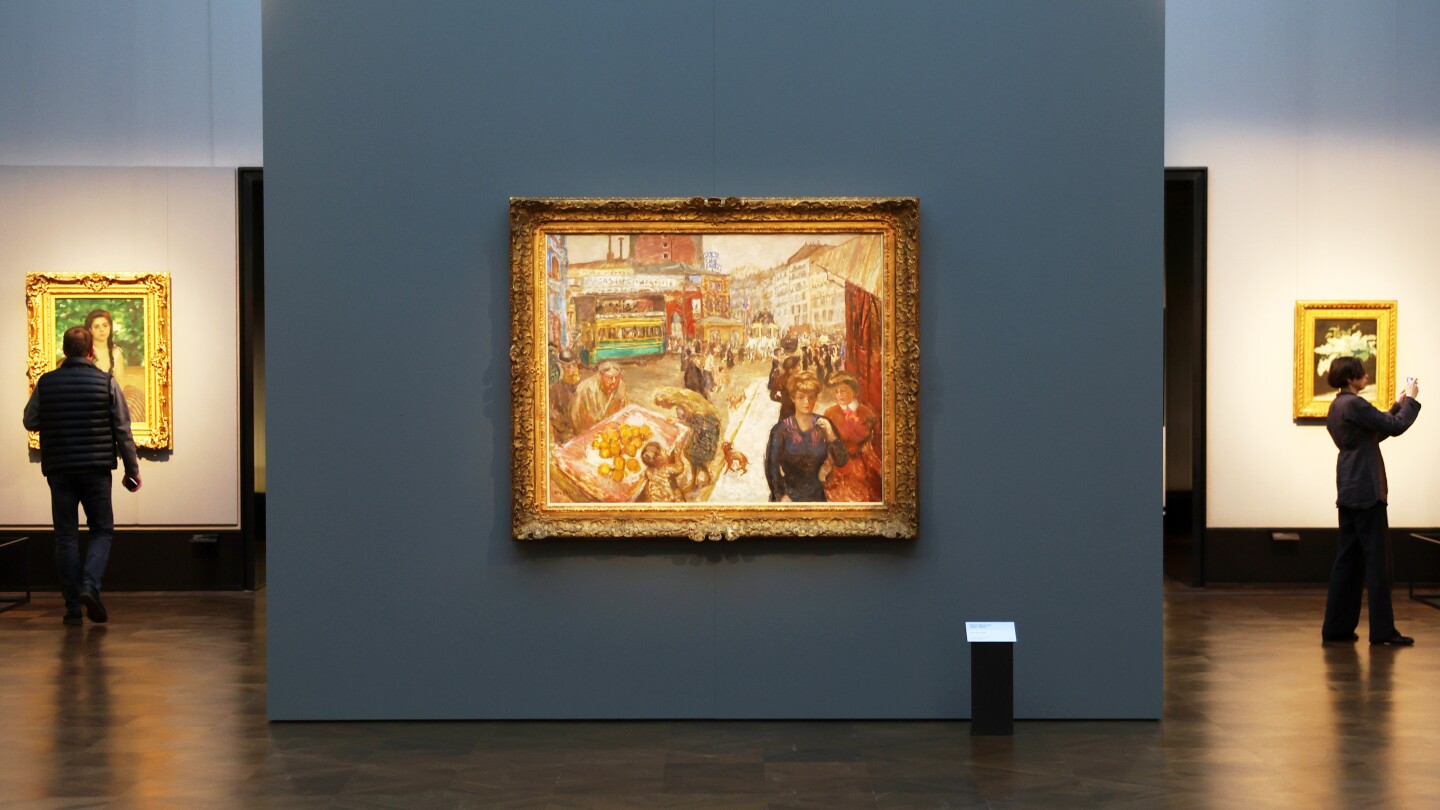
Berlin is set to host a landmark exhibition showcasing the Scharf Collection, a private art treasure trove spanning four generations. This extraordinary collection, rooted in the early 20th century by Otto Gerstenberg, a prominent Berlin insurance magnate, has been meticulously expanded by his great-grandson, René Scharf, and his wife, Christiane. For the first time, the public will have the opportunity to view approximately 150 works at the Alte Nationalgalerie, ranging from Francisco de Goya’s 19th-century masterpieces to contemporary abstract art by Katharina Grosse and Anselm Reyle. The exhibition, titled ‘The Scharf Collection. Goya — Monet — Cézanne — Bonnard — Grosse,’ opens on Friday and will run until February 15, 2026. Highlights include iconic pieces by French masters such as Eugène Delacroix, Gustave Courbet, Claude Monet, and Pablo Picasso, alongside modern works by Sam Francis and Jasper Johns. René Scharf emphasized the collection’s evolution, noting his passion for impressionism, cubism, and contemporary art. He expressed hope that visitors would draw connections between Grosse’s vibrant abstract pieces and Monet’s timeless impressionist works. The exhibition will later move to Düsseldorf’s Kunstpalast, offering art enthusiasts another chance to experience this unparalleled collection.
作者: admin
-
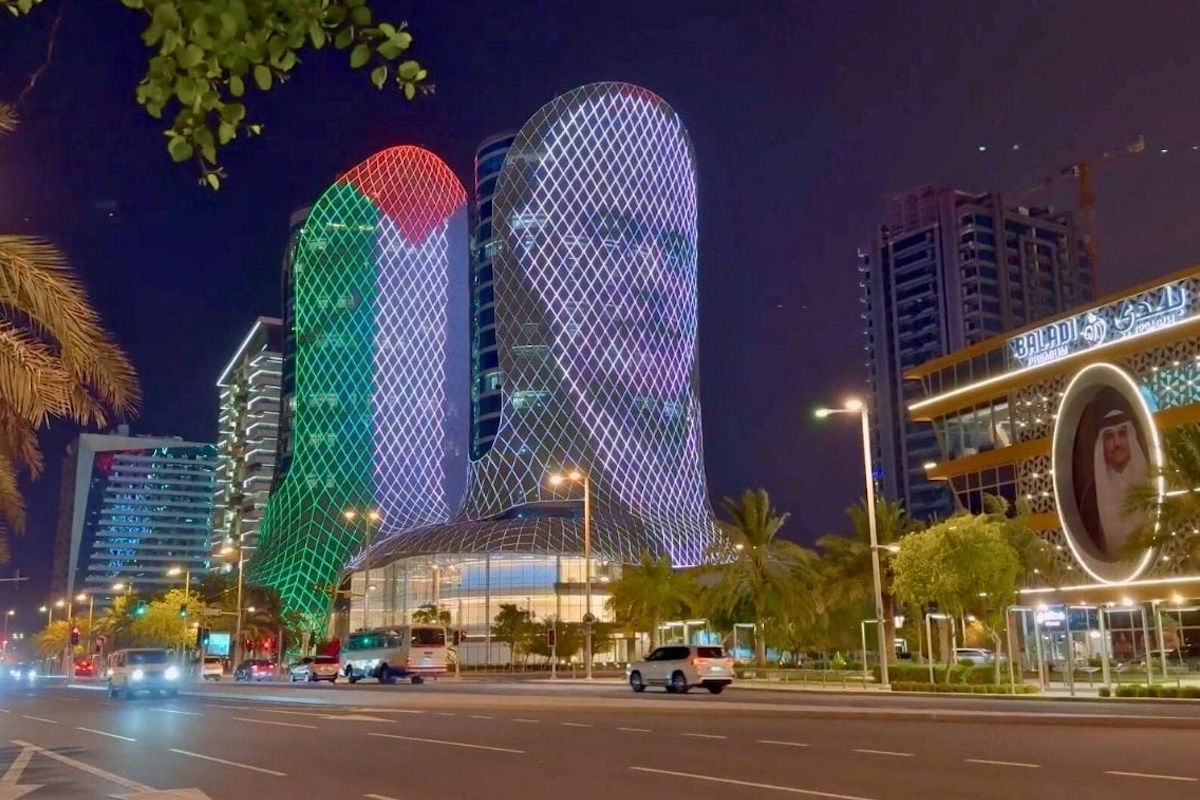
The real winner of the Gaza ceasefire: Qatar
As the fragile ceasefire between Israel and Hamas enters its second week, the geopolitical landscape of the Middle East reveals an unexpected victor: Qatar. While President Donald Trump, Israeli Prime Minister Benjamin Netanyahu, and Hamas leaders in Doha have all claimed victory, the true strategic winner lies in the small Gulf emirate of Qatar. Through years of hosting Hamas leadership, funding the organization, and broadcasting its narrative via Al Jazeera, Qatar has positioned itself as the indispensable mediator in the region. Despite its controversial ties, Qatar has emerged as the key power broker, facilitating the ceasefire and now setting the terms for reconstruction aid and humanitarian assistance. This role has elevated Qatar’s influence, overshadowing traditional allies like Egypt and Saudi Arabia. The ceasefire, however, remains unstable, with the underlying issues of the Israeli-Palestinian conflict unresolved. Israel’s military campaign failed to destroy Hamas, and the organization retains control over Gaza, albeit at a devastating cost to the Palestinian population. Meanwhile, the Trump administration’s peace plan lacks clarity and enforcement mechanisms, leaving the region in a state of strategic ambiguity. The real tragedy lies with the Palestinian people, who face immense suffering without a clear path to self-determination. As the cycle of violence and temporary peace continues, Qatar’s ability to mediate between antagonists has solidified its position as a dominant player in Middle Eastern politics. This outcome underscores the uncomfortable truth that in the region’s endless conflicts, the real winners are not those who fight but those who broker the peace.
-
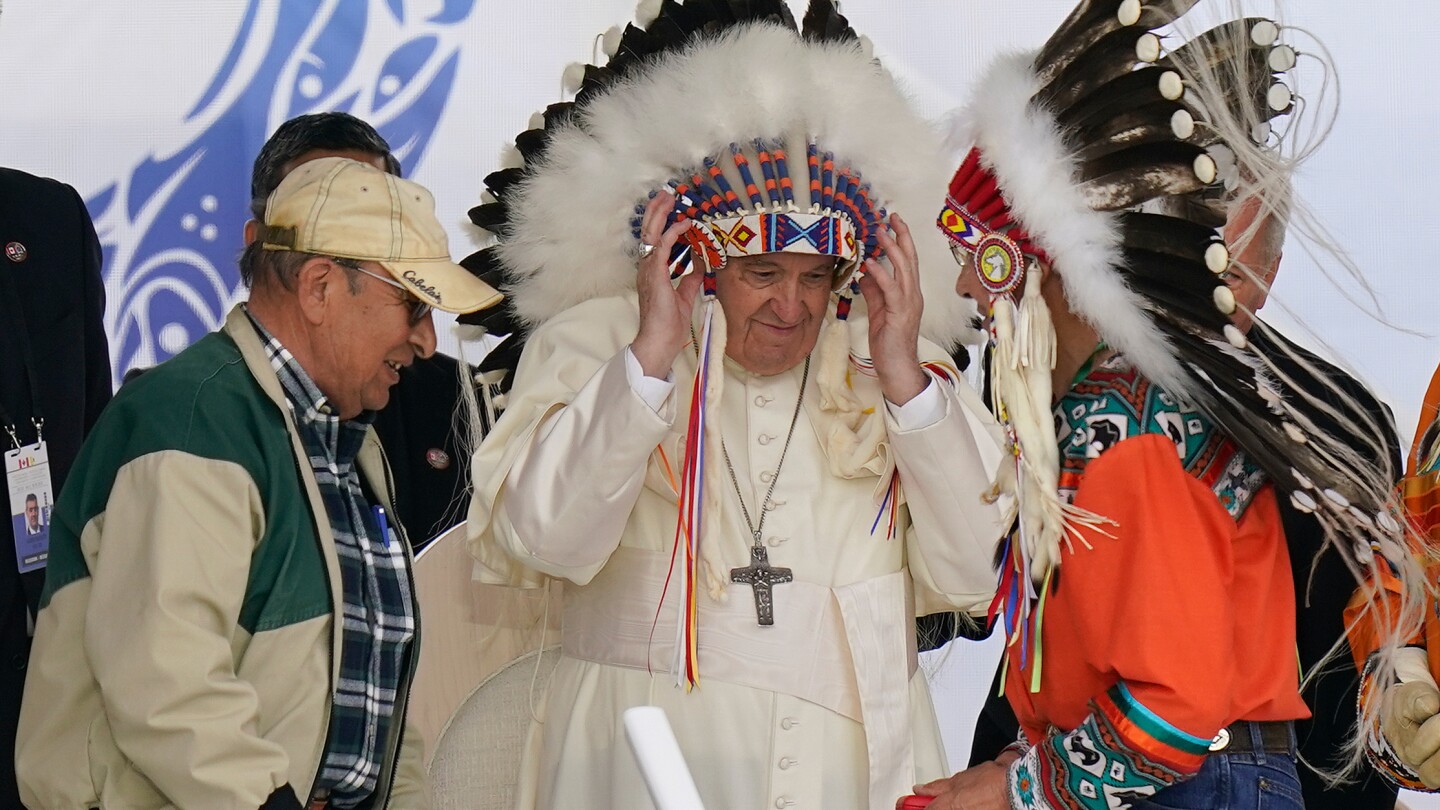
Vatican will return dozens of artifacts to Indigenous groups in Canada as gesture of reconciliation
The Vatican is poised to announce the return of several dozen Indigenous artifacts to Canada, marking a significant step in addressing the Catholic Church’s historical role in suppressing Indigenous cultures in the Americas. The items, including an Inuit kayak, are part of the Vatican Museum’s ethnographic collection, known as the Anima Mundi museum. This move comes amid growing global debates over the restitution of cultural goods taken from Indigenous peoples during colonial periods. The decision follows Pope Francis’s 2022 meeting with Indigenous leaders, during which he apologized for the Church’s involvement in Canada’s residential school system. The leaders, shown artifacts such as wampum belts, war clubs, and masks, requested their return. Francis later expressed support for returning items on a case-by-case basis, emphasizing the importance of making gestures of reconciliation. The Canadian Conference of Catholic Bishops has been collaborating with Indigenous groups to facilitate the return, with an official announcement expected soon. The artifacts, accompanied by provenance information, will first be sent to the Canadian Museum of History in Gatineau, Quebec, where experts and Indigenous communities will determine their origins and future. This process follows the “church-to-church” model used in 2023 when the Vatican returned Parthenon Marbles to Greece. The return of these items, acquired during an era of “Catholic Imperialism,” is seen as a pivotal moment in recognizing Indigenous sovereignty and fostering healing.
-
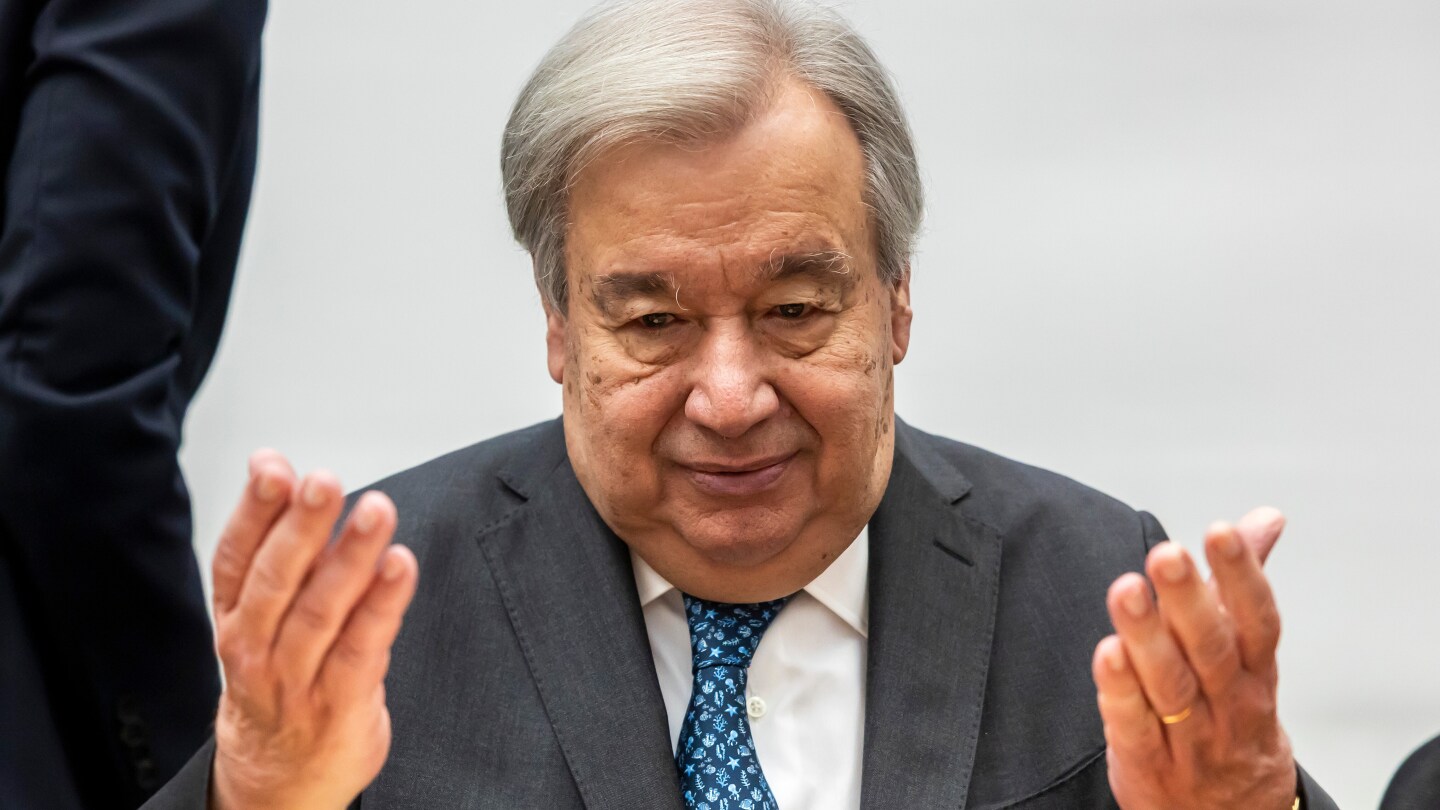
UN chief defends science and weather forecasting as Trump threatens both
In a powerful address to the World Meteorological Organization (WMO) in Geneva, United Nations Secretary-General Antonio Guterres underscored the critical role of science and meteorology in combating climate change and saving lives. Speaking at a special WMO meeting on Wednesday, Guterres lauded the agency’s efforts in developing early-warning systems that help nations prepare for climate-related disasters such as floods, storms, wildfires, and heatwaves. He emphasized that these systems have protected communities and saved millions of lives annually, calling climate change a ‘dangerous and existential threat.’ Guterres’ remarks come amid a contentious anti-science stance in the United States, where the Trump administration has slashed funding for the National Weather Service and dismissed hundreds of employees at the National Oceanic and Atmospheric Administration. Last week, the WMO reported a record surge in atmospheric carbon dioxide levels, reaching unprecedented heights in human history and exacerbating extreme weather events. Guterres urged scientists to remain fearless in their pursuit of truth, describing WMO staff as the ‘quiet force’ guiding rational climate decisions.
-

Five family members of Ashling Murphy’s killer jailed
Five relatives of Jozef Puska, the convicted murderer of Ashling Murphy in the Republic of Ireland, have been sentenced for their involvement in obstructing justice. The tragic incident occurred in January 2022 when Murphy, a young woman, was fatally stabbed while walking near her home in Tullamore, County Offaly. Puska’s wife, Lucia Istokova, and his brothers, Marek and Lubomir Puska Jr., were found guilty of withholding crucial information from the Irish police, known as gardaí. Istokova received a 20-month prison sentence, while the brothers were each sentenced to two and a half years. The maximum penalty for this offense is five years. Additionally, Puska’s sisters-in-law, Viera Gaziova and Jozefina Grundzova, were convicted of assisting an offender by destroying evidence, specifically burning Puska’s clothes. Gaziova was sentenced to two years, and Grundzova to one year and nine months, with the maximum sentence for this crime being 10 years. During the trial, the Murphy family expressed their profound grief and frustration. Raymond Murphy, Ashling’s father, stated that the family’s small solace in knowing Puska was imprisoned and isolated would have been stripped away if his relatives had successfully concealed his guilt. Ashling’s sister, Amy, described how the murder had devastated their lives, robbing them of joy and meaning. The judge acknowledged the Murphy family’s immense suffering, emphasizing the limitations of the criminal justice system in alleviating their pain. She noted that the defendants’ actions represented a deliberate effort to protect Puska, despite his confession to the murder.
-
Man charged with sexually assaulting girl defers bail application
A 26-year-old man, accused of sexually assaulting a 10-year-old girl in Dublin in the early hours of Monday, has postponed his application for bail. Due to Republic of Ireland’s strict regulations regarding sexual assault cases, the identity of the accused remains undisclosed. During the court proceedings, the defense solicitor indicated that no bail application would be submitted on Wednesday but reserved the possibility for a future request. Judge Alan Mitchell stipulated that a 48-hour notice must be provided before any bail application is made. Additionally, the judge approved a request for a comprehensive evaluation of the accused’s fitness to stand trial. This includes both medical and psychiatric assessments, with the provision of necessary medical treatment as required. The accused, who communicated through an interpreter, has been remanded in custody and is scheduled to appear via videolink at Cloverhill District Court on November 5.
-
Trump says White House renovation is ‘music to my ears’ as criticism mounts
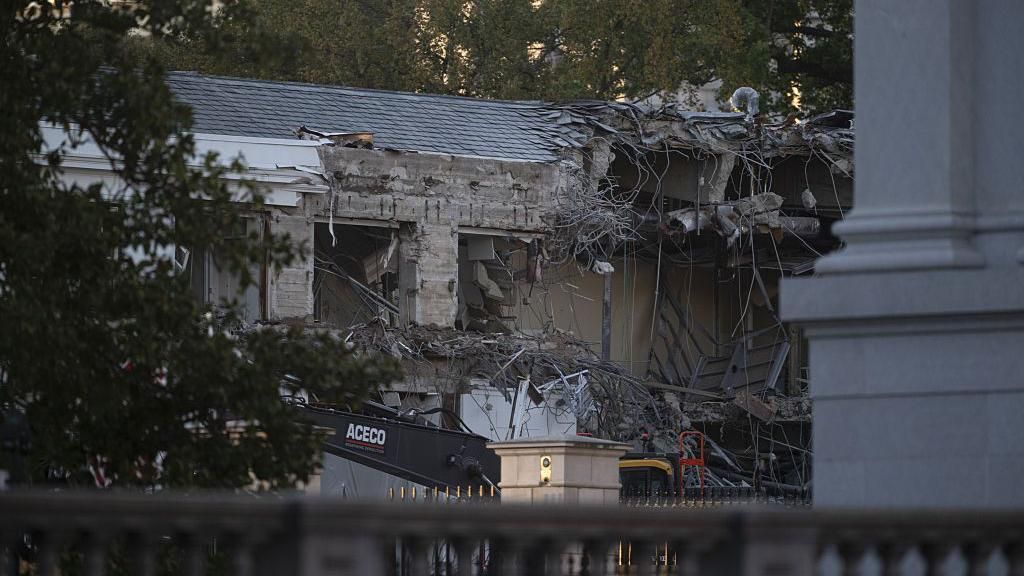
U.S. President Donald Trump has ignited a heated debate over his decision to demolish part of the White House East Wing to construct a grand ballroom. Defending the $250 million project, Trump described the construction noise as “music to my ears” during a meeting with Republican senators on Tuesday. He emphasized, “When I hear that sound, it reminds me of money.” The 90,000-square-foot ballroom, intended for hosting parties, state visits, and other events, has drawn sharp criticism from various quarters, including former presidential candidate Hillary Clinton and historic preservation groups. The National Trust for Historic Preservation expressed “deep concern” in a letter to White House officials, warning that the new structure could “overwhelm the White House itself” and disrupt its classical design. The Society of Architectural Historians also called for a public review process, citing the project’s scale. The White House countered criticism, labeling detractors as “unhinged leftists” and asserting that the privately funded renovation would not burden taxpayers. Trump officials defended the solicitation of private donations for the project, arguing it was appropriate. Critics, however, argue that the alterations represent the most significant changes to the White House exterior in decades. While White House officials claim the project does not require approval from the National Capital Planning Commission, former commission chair L Preston Bryant Jr noted that previous administrations typically consulted the agency for major renovations. The controversy underscores the tension between modernization and historic preservation in one of America’s most iconic landmarks.
-
US at political crossroads as nationwide protests test governance
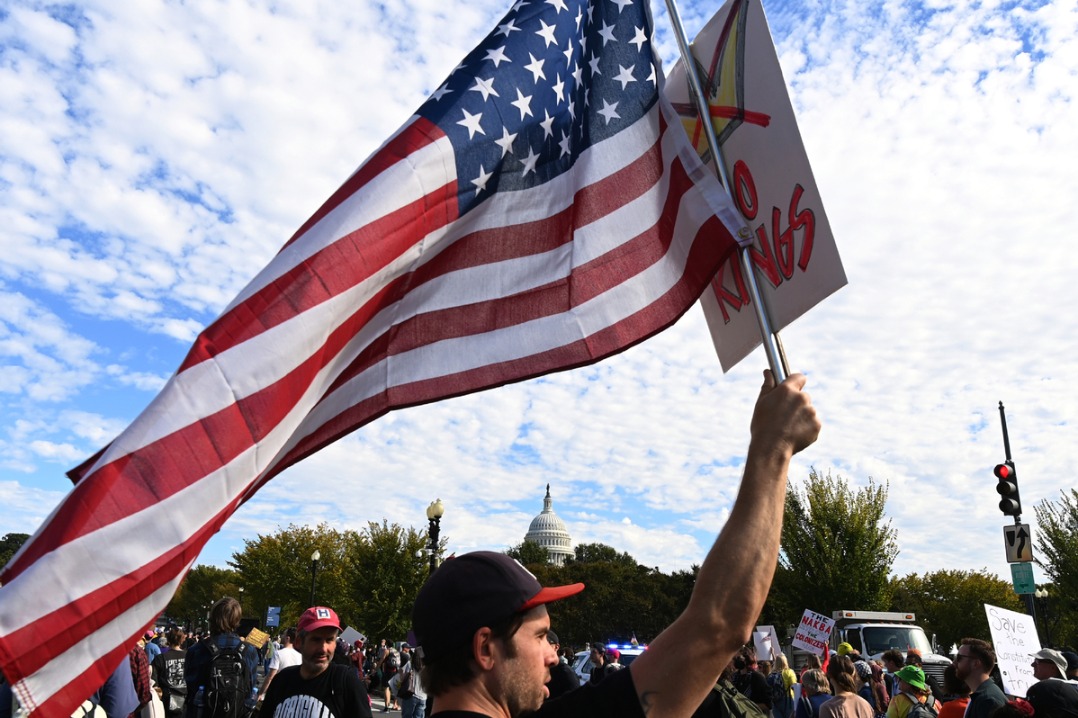
The United States is experiencing a profound political crisis as widespread protests sweep across the nation, testing the resilience of its governance and institutional norms. Beginning on October 18, 2025, millions of demonstrators gathered in major cities, including New York, Chicago, Boston, and Portland, to voice their discontent with the current administration’s policies and leadership style. The protests, which drew participants from diverse backgrounds such as military veterans, academics, healthcare workers, and laborers, highlighted growing public skepticism and social fragmentation over issues like immigration, healthcare, education, and trade. This wave of civil action underscores deepening political divisions and raises critical questions about the future trajectory of American democracy. Since taking office in January 2025, the US government has implemented significant policy changes in energy, immigration, and foreign affairs, often through executive orders. These moves have sparked intense debate and mixed reactions across society, while restructuring within administrative agencies has further fueled concerns about the direction of governance. Additionally, the expansion of presidential authority, perceived as undermining congressional oversight and media access, has strained the system of checks and balances. This tension culminated in a partial federal government shutdown on October 1, which has persisted for over 20 days, disrupting public services and threatening the nation’s credit rating. Amid these challenges, recent polls indicate that a majority of Americans believe the country is headed in the wrong direction, with rifts even emerging within the Republican Party. As the gap widens between the government and the public, and constitutional principles face new tests, the US finds itself at a critical crossroads that will shape its domestic future and its role in the global order.
-

Hakimi & Salah on African Player of Year shortlist
The Confederation of African Football (CAF) has unveiled the 10-man shortlist for the prestigious 2025 African Footballer of the Year Award, with Achraf Hakimi and Mohamed Salah emerging as the frontrunners. Hakimi, the Moroccan right-back, played a pivotal role in Paris St-Germain’s domestic league and cup double, as well as their Champions League triumph last season. Salah, the Egyptian forward, secured the Premier League Golden Boot and helped Liverpool reclaim the league title. Other notable contenders include Everton’s Iliman Ndiaye, Tottenham’s Pape Matar Sarr, and Galatasaray’s Victor Osimhen, the 2023 winner. The list also features Cameroon’s Andre-Frank Zambo Anguissa, DR Congo’s Fiston Mayele, Gabon’s Denis Bouanga, Guinea’s Serhou Guirassy, and Morocco’s Oussama Lamlioui. Salah, a two-time winner in 2017 and 2018, and Hakimi, a runner-up in the past two years, are expected to be the primary challengers for the title. Last year’s winner, Ademola Lookman, did not make the cut. The nominees were selected by a panel of experts based on their significant impact between January 6 and October 15, 2024. Cape Verde’s coach Bubista is also in contention for the Men’s Coach of the Year after leading his team to a historic World Cup qualification. The awards ceremony date is yet to be announced by CAF.
-
Watchdog report says American e-waste is causing a ‘hidden tsunami’ in Southeast Asia
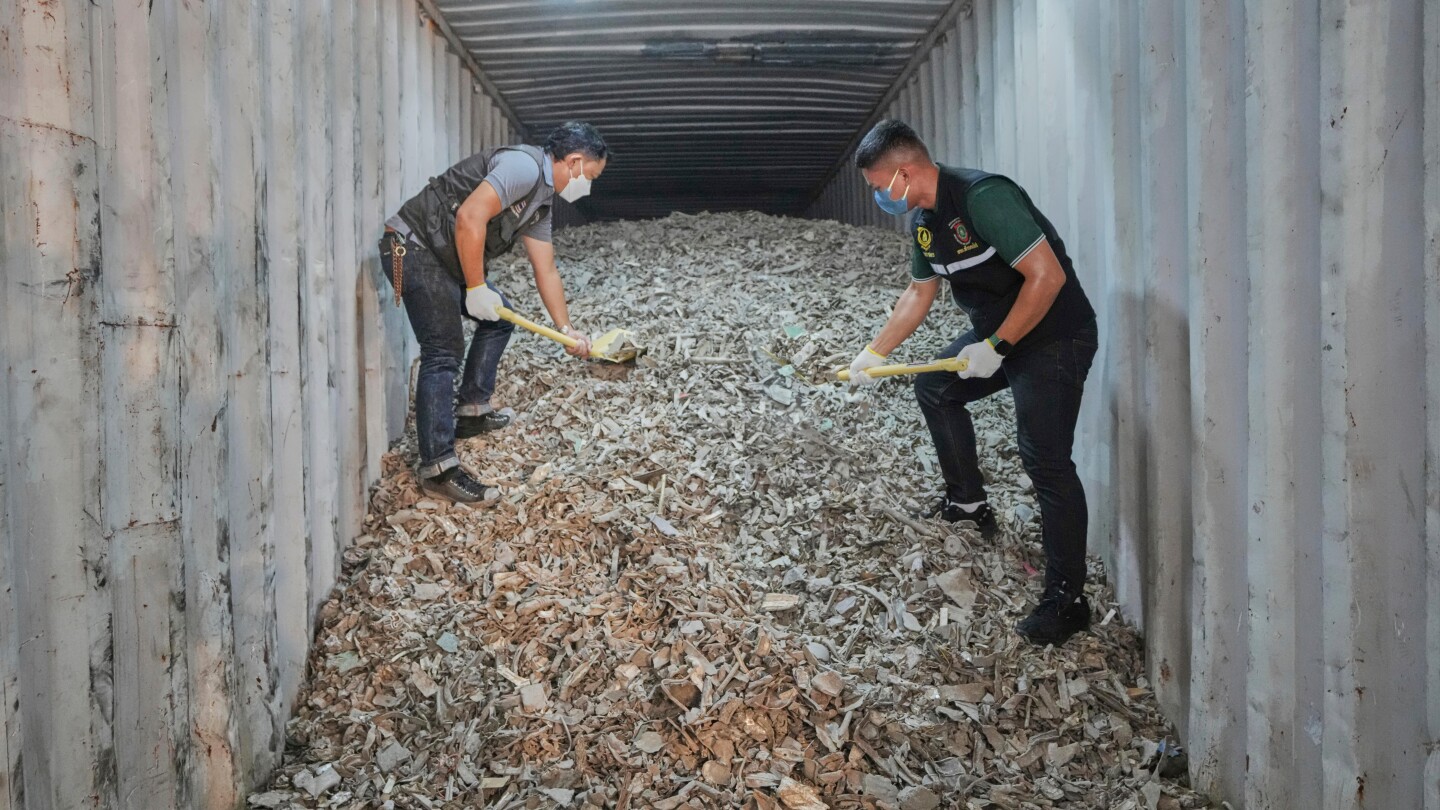
A groundbreaking report by the Seattle-based environmental watchdog Basel Action Network (BAN) has revealed that millions of tons of discarded electronics from the United States are being shipped to developing countries, particularly in Southeast Asia. These nations, ill-equipped to handle hazardous waste, are facing an environmental crisis as toxic materials from e-waste seep into their ecosystems. The report, based on a two-year investigation, identified at least 10 U.S. companies exporting used electronics to Asia and the Middle East, labeling the phenomenon as a ‘hidden tsunami’ of electronic waste.