作者: admin

  • UN nuclear watchdog discusses risks to Ukraine’s nuclear safety after relentless Russian strikes

    UN nuclear watchdog discusses risks to Ukraine’s nuclear safety after relentless Russian strikes

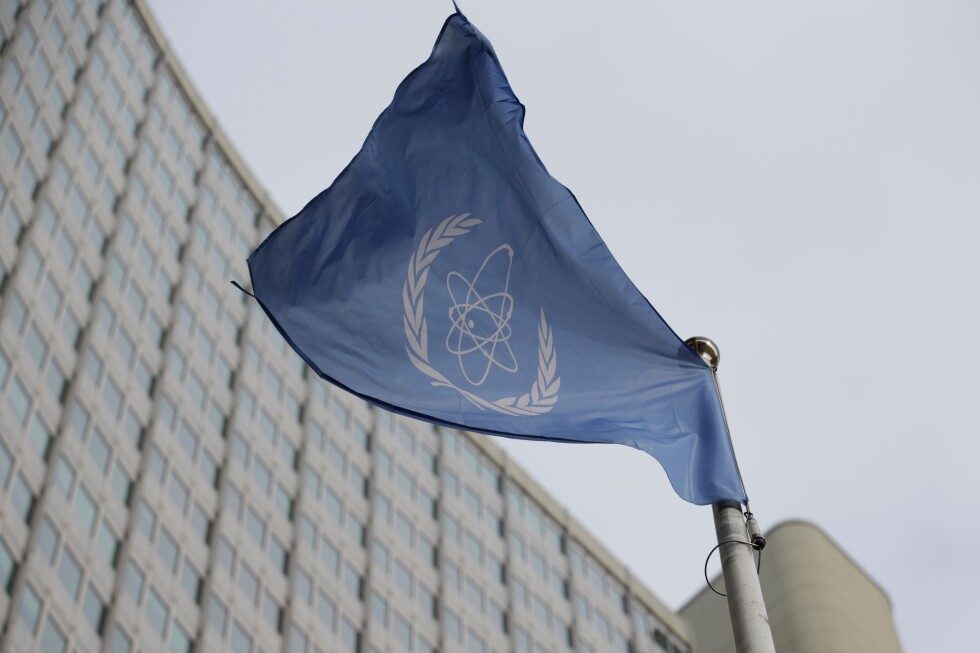
    VIENNA — The International Atomic Energy Agency’s (IAEA) Board of Governors convened an urgent special session on Friday to address escalating nuclear safety concerns in Ukraine amid intensifying Russian attacks on energy infrastructure. The meeting, requested by the Netherlands with backing from eleven nations including Canada, France, Germany, Japan, and the United Kingdom, aimed to amplify diplomatic pressure on Moscow despite lacking binding authority.

    Netherlands Ambassador Peter Potman presented alarming testimony, detailing how Russia’s ‘ongoing and daily’ assaults have crippled Ukraine’s energy grid during severe winter conditions. ‘These attacks not only deprive millions of Ukrainians of heating and electricity but critically compromise nuclear safety,’ Potman warned, noting the heightened prospect of a nuclear incident approaching ‘the very precipice of reality.’

    IAEA Director General Rafael Grossi emphasized the direct correlation between damaged electrical substations and nuclear risk, stating such targeting ‘undermines nuclear safety and must be avoided.’ An IAEA expert mission is currently assessing ten critical substations essential for maintaining safety at Ukrainian nuclear facilities.

    Ukraine’s nuclear infrastructure includes four active power plants, with the Zaporizhzhia facility remaining under Russian occupation since 2022. While plants generate power internally, they require continuous external electricity for reactor cooling systems. Emergency diesel generators provide backup during power losses, but consecutive failures could precipitate meltdown scenarios.

    Ukrainian Ambassador Yurii Vitrenko urged the IAEA to intensify scrutiny of Russia’s ‘systematic destruction’ of energy infrastructure, acknowledging U.S. President Donald Trump’s diplomatic efforts to curb attacks. However, specifics regarding Russia’s purported commitment to temporarily suspend bombardments remained unclear amid one of Ukraine’s most severe winters in recent history.
  • Denmark unveils legal reform to allow the worst foreign criminals to be deported

    Denmark unveils legal reform to allow the worst foreign criminals to be deported

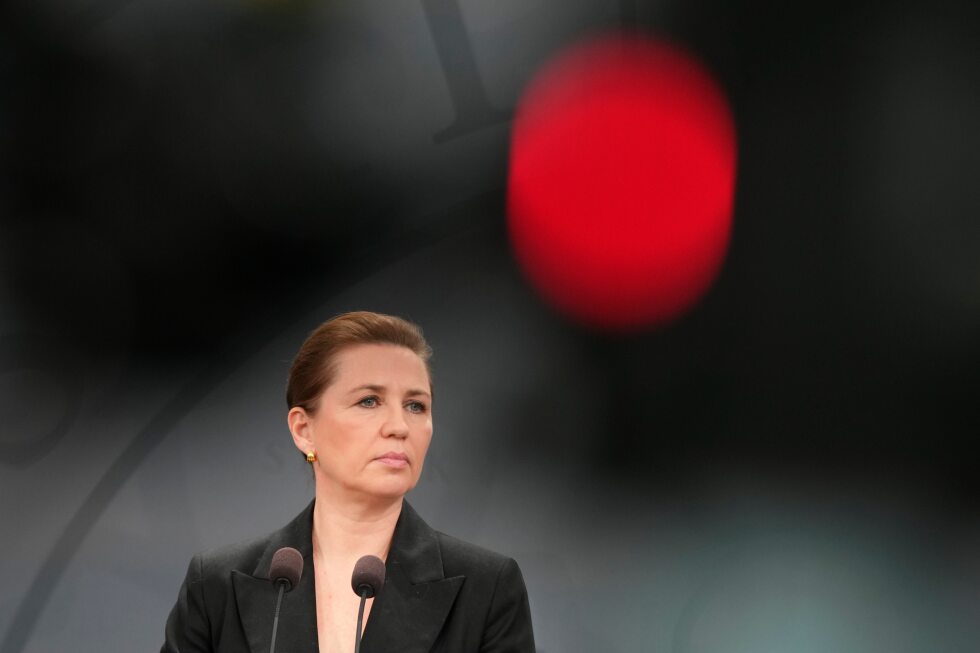
    The Danish government has introduced groundbreaking legislative changes that empower authorities to deport foreign nationals convicted of serious crimes, marking a significant shift in the country’s immigration policy. Prime Minister Mette Frederiksen announced the reform on Friday, which targets individuals sentenced to at least one year of unconditional imprisonment for offenses including aggravated assault and sexual violence.

    The comprehensive policy overhaul extends beyond deportation measures to include enhanced monitoring of undocumented migrants through electronic ankle bracelets, stricter border control mechanisms, and the reestablishment of diplomatic presence in Syria. Additionally, Denmark plans to strengthen collaborative efforts with Afghan authorities to address migration challenges at their source.

    Minister for Immigration and Integration Rasmus Stoklund provided compelling statistics revealing that over the past five years, 315 non-EU foreign criminals receiving sentences exceeding one year had avoided expulsion. This data underpins the government’s argument for legislative intervention rather than relying on judicial determinations in individual deportation cases.

    The initiative emerges amid broader European Union efforts to reform migration systems, with the 27-member bloc recently implementing stricter asylum regulations. This continental trend reflects growing political concerns about immigration levels, particularly among right-wing factions across Western nations who have expressed dissatisfaction with current migration patterns.

    Frederiksen acknowledged the potential conflict between these measures and established European human rights conventions, characterizing the government’s approach as deliberately ‘unconventional’ in addressing public safety concerns while navigating complex international legal frameworks.

  • At least 170 killed in air strikes during Myanmar’s widely criticised election, UN says

    At least 170 killed in air strikes during Myanmar’s widely criticised election, UN says

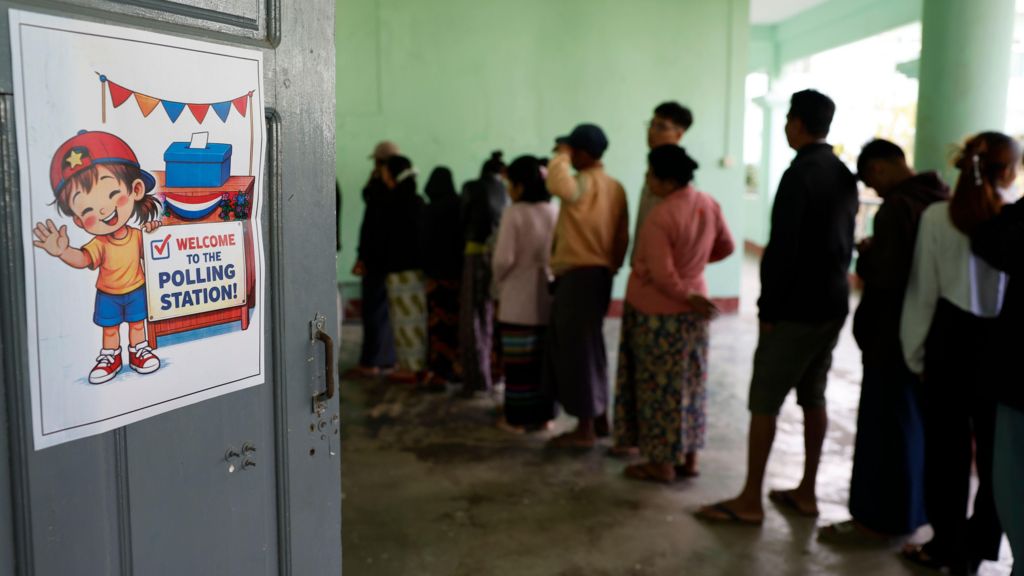
    The United Nations has revealed devastating human rights violations during Myanmar’s recent electoral process, documenting at least 170 civilian fatalities from military aerial operations. According to the UN human rights office, credible sources confirmed these deaths occurred alongside 408 separate military airstrikes between December 2025 and late January 2026, coinciding with the three-phase voting period.

    The election itself has faced international condemnation as fundamentally illegitimate. The military-backed Union Solidarity and Development Party (USDP) claimed an overwhelming victory—an expected outcome given the tightly controlled voting conditions. Significant portions of the country remained unable to participate due to ongoing civil conflict that erupted following the 2021 military coup which ousted democratically elected leader Aung San Suu Kyi.

    UN Human Rights Chief Volker Turk characterized the electoral process as ‘staged by the military,’ noting systematic exclusion of opposition candidates and ethnic minority groups. Turk emphasized that voting decisions were made ‘purely out of fear,’ fundamentally violating internationally guaranteed civil and political rights. The National League for Democracy, which had won previous elections decisively, was prohibited from contesting.

    James Rodehaver, who leads the UN’s Myanmar human rights team, indicated that the casualty figures likely represent an undercount due to communication blackouts and widespread fear among affected communities. The military junta appears positioned to maintain power through proxy political parties despite the widespread international rejection of the electoral process.

  • Xu Faqi sentenced to death with a two-year reprieve

    Xu Faqi sentenced to death with a two-year reprieve

    In a landmark judicial ruling targeting transnational organized crime, Chinese courts have delivered a severe sentence to Xu Faqi, identified as a principal organizer of a major telecommunications fraud syndicate operating from northern Myanmar. The convicted criminal received a death penalty with a two-year reprieve, a punishment that typically commutes to life imprisonment following the probationary period if no further offenses are committed.

    The case represents China’s intensified crackdown on cross-border cyber fraud networks that have victimized countless citizens through sophisticated scam operations. These criminal enterprises typically employ elaborate deception schemes, often targeting vulnerable populations through impersonation tactics, investment scams, and false claims of emergency situations involving family members.

    Judicial authorities emphasized that Xu’s sentence reflects the seriousness of his crimes and the substantial social harm caused by his organization’s activities. The ruling aligns with China’s broader campaign against telecommunications fraud, particularly those operations conducted from overseas locations that target Chinese nationals.

    Legal experts note that suspended death sentences in China serve as the most severe punishment short of immediate execution, reserved for the most egregious crimes while allowing for judicial review and potential rehabilitation. The two-year reprieve period will determine whether the sentence will be commuted to life imprisonment or made permanent based on the prisoner’s behavior and remorse.

    The verdict sends a strong deterrent message to criminal organizations operating across China’s borders, particularly those exploiting jurisdictional complexities in neighboring regions. Chinese authorities have increasingly collaborated with international partners to dismantle these transnational networks and extradite key figures for prosecution.

  • Low risk of Nipah virus spread beyond India, says WHO

    Low risk of Nipah virus spread beyond India, says WHO

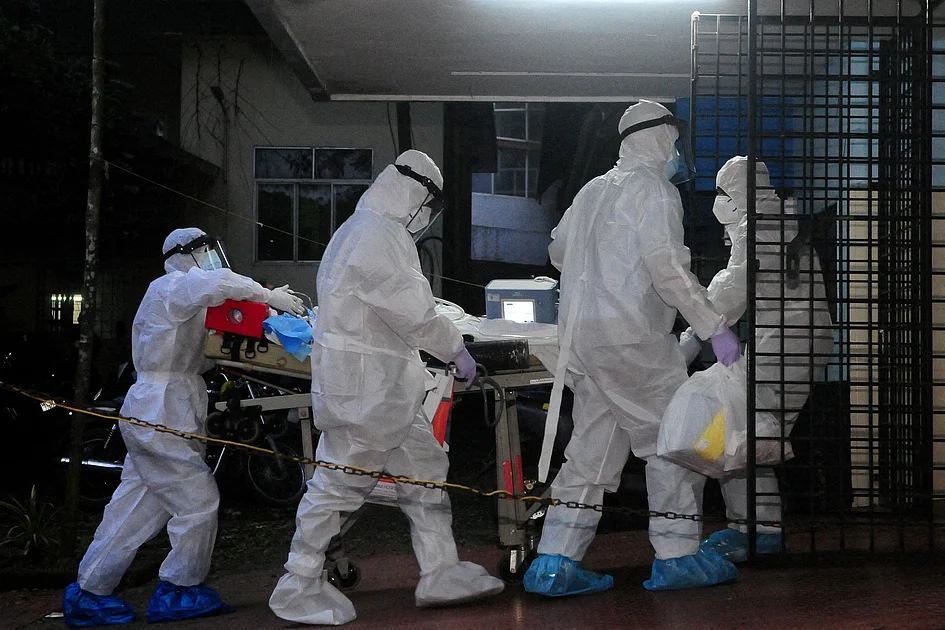
    The World Health Organization (WHO) issued a reassuring assessment on Friday, January 30th, 2026, stating that the risk of international spread of the Nipah virus from India remains low. This evaluation comes after the South Asian nation confirmed two isolated cases of the infection.

    In an official statement, the global health body clarified that it does not advise the implementation of any travel restrictions or trade barriers concerning India. This position underscores a confidence in existing containment measures and reflects a data-driven assessment of the outbreak’s scale.

    Nipah virus is a zoonotic pathogen, transmitted initially from animals to humans, often through contaminated food or direct contact. It can lead to severe respiratory illness and encephalitis, with a high fatality rate. Past outbreaks in other parts of Asia have raised significant public health concerns, prompting swift international response.

    The WHO’s calm and measured response aims to balance vigilant monitoring with the avoidance of unnecessary alarm and economic disruption. The organization typically recommends standard precautions for travelers to affected regions, emphasizing hygiene practices and avoiding contact with sick animals or consumption of raw date palm sap, a known transmission route.

  • Trump threatens Canada with aircraft tariffs, decertification over Gulfstream approvals

    Trump threatens Canada with aircraft tariffs, decertification over Gulfstream approvals

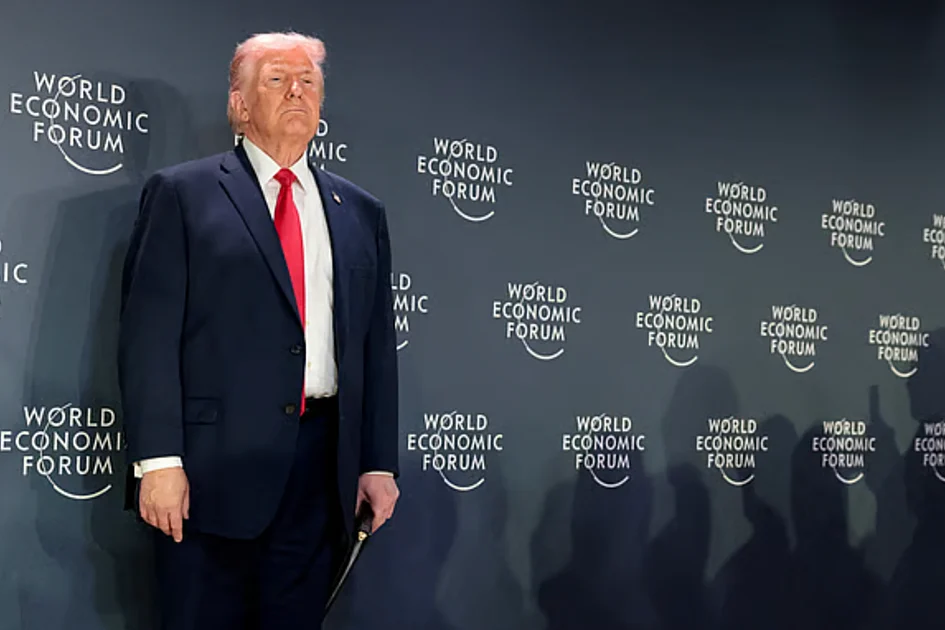
    In a significant escalation of trade tensions, former President Donald Trump has threatened to impose 50% tariffs on all Canadian-manufactured aircraft and decertify Bombardier Global Express business jets from U.S. airspace. The ultimatum, issued via Truth Social on Thursday, demands that Canadian regulators immediately certify several Gulfstream aircraft models produced by U.S.-based General Dynamics.

    Trump’s declaration specifically targets Canada’s certification process for Gulfstream 500, 600, 700, and 800 jets, despite these models having already received certification from both the Federal Aviation Administration (FAA) and European Union Aviation Safety Agency. The threat emerges amidst broader diplomatic strains following Canadian Prime Minister Mark Carney’s recent comments questioning the U.S.-led international order.

    Aviation experts warn that implementing these measures would severely disrupt U.S. air travel networks. American Airlines and Delta Air Lines, which operate extensive fleets of Canadian-built regional aircraft, would face immediate operational challenges. Industry analysts project that over 5,400 Canadian-manufactured aircraft currently registered in the United States—including narrow-body jets, regional aircraft, and helicopters—could be affected.

    Richard Aboulafia, Managing Director of AeroDynamic Advisory, emphasized the dangerous precedent of mixing aviation safety with political disputes: ‘Mixing safety issues with politics and grievances is an incredibly bad idea. This approach could provide other nations with a powerful weapon to use against U.S. aviation interests worldwide.’

    The potential grounding of Canadian regional jets would disproportionately impact rural communities and conservative-leaning states that depend on regional air connectivity. Many smaller airports would lose essential air service, while major hubs would suffer from reduced connecting traffic.

    Bombardier, which maintains significant U.S. operations including multiple service centers and a growing defense facility in Wichita, Kansas, expressed concern through an official statement: ‘We have taken note of the post from the President and are in contact with the Canadian government. We hope this is quickly resolved to avoid significant impact to air traffic and the flying public.’

    Legal experts question the feasibility of Trump’s threat, noting that the FAA typically requires safety-related justifications for decertification decisions rather than economic or political considerations. The certification process conventionally follows international standards where the designing country’s aviation authority (in this case, the FAA for Gulfstream aircraft) provides primary validation, with other nations typically accepting these determinations despite retaining rights to request additional data.

    This development occurs against the backdrop of Canada’s efforts to diversify its trade relationships beyond the United States, which currently receives approximately 70% of Canadian exports under the US-Mexico-Canada Agreement framework.

  • South Africa expels Israeli envoy over ‘violations of diplomatic norms’

    South Africa expels Israeli envoy over ‘violations of diplomatic norms’

    South Africa has declared Israeli chargé d’affaires Ariel Seidman persona non grata, ordering his expulsion within 72 hours for multiple violations of diplomatic protocols. The diplomatic rupture comes amid deteriorating relations between the two nations following South Africa’s genocide case against Israel at the International Court of Justice.

    According to South Africa’s foreign ministry, Seidman committed serious breaches of diplomatic norms, including using official social media channels to launch personal attacks against President Cyril Ramaphosa and arranging unauthorized visits by Israeli officials. The ministry characterized these actions as “a gross abuse of diplomatic privilege” that warranted immediate diplomatic consequences.

    The current diplomatic crisis stems from South Africa’s unprecedented move to bring genocide charges against Israel at the UN’s highest court regarding its military operations in Gaza. Israel has vehemently denied these allegations, calling them baseless and politically motivated.

    Seidman, who assumed his position last year, held diplomatic responsibilities extending beyond South Africa to several neighboring nations including Eswatini, Lesotho, Madagascar, Mauritius, and Namibia. Israel currently maintains no ambassadorial representation in South Africa, further complicating bilateral communications.

    The BBC’s attempts to obtain commentary from the Israeli embassy in Pretoria have thus far gone unanswered. This development represents one of the most significant diplomatic confrontations between the two nations in recent history, reflecting the deepening divide over Israel’s military actions in Palestinian territories.

  • South Africa declares Israel’s deputy ambassador persona non grata, orders him to leave country

    South Africa declares Israel’s deputy ambassador persona non grata, orders him to leave country

    CAPE TOWN, South Africa — In a significant deterioration of bilateral relations, South Africa has declared Israeli charge d’affaires Ariel Seidman persona non grata, demanding his departure within 72 hours. The expulsion order, announced Friday by the South African Foreign Ministry, follows what officials describe as systematic violations of diplomatic protocols by Israeli representatives.

    The diplomatic rupture stems from multiple grievances, including repeated inflammatory social media posts from official Israeli accounts that targeted South African President Cyril Ramaphosa with perceived insults. Additionally, South African authorities cited Israel’s deliberate failure to notify them of official visits by Israeli delegations, characterizing these actions as unacceptable breaches of established diplomatic norms.

    Seidman represents the most senior Israeli diplomatic presence in South Africa since Israel recalled its ambassador in 2023. The current escalation occurs against the backdrop of South Africa’s genocide case against Israel at the International Court of Justice, where Pretoria has accused Israel of committing genocide against Palestinians in Gaza—allegations Israel vehemently denies.

    The expulsion decision is anticipated to provoke strong reactions from the United States, Israel’s primary ally. Previous administrations have criticized South Africa’s foreign policy orientation, particularly regarding its support for the Palestinian cause, which has previously created diplomatic tensions with Washington.

  • Trump endorses deal to avert government shutdown; immigration talks to continue

    Trump endorses deal to avert government shutdown; immigration talks to continue

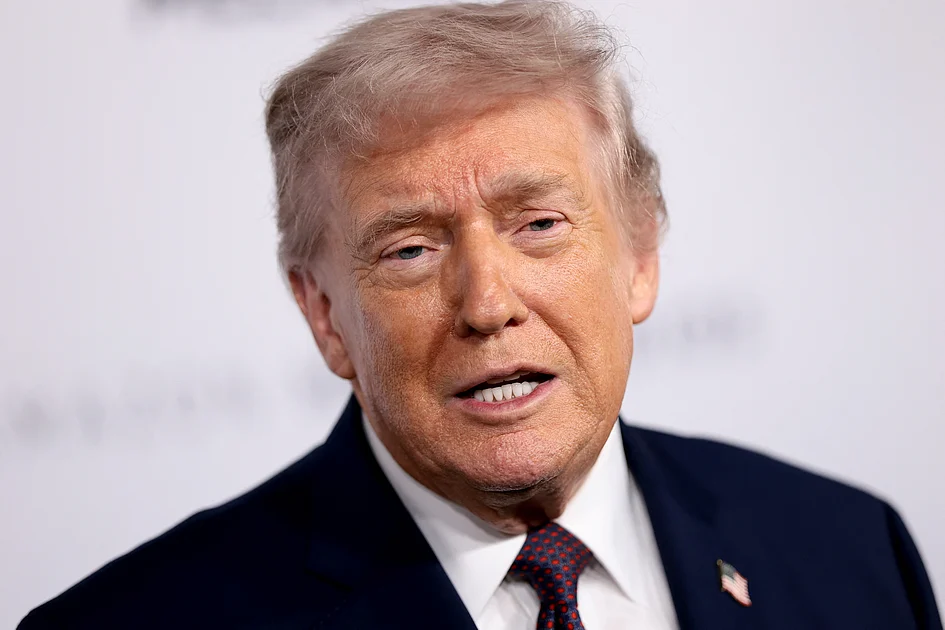
    In a significant political development, former President Donald Trump has publicly endorsed a bipartisan spending agreement crafted by Senate Republicans and Democrats, designed to prevent an imminent federal government shutdown. The arrangement, however, leaves critical negotiations on immigration enforcement tactics unresolved for the time being.

    Speaking to reporters on Thursday, Trump acknowledged the possibility of a shutdown despite the deal, stating, ‘It could happen. I don’t know.’ The agreement’s fate in the House of Representatives remains uncertain, with no clear timeline for when the chamber might consider the measure. House Speaker Mike Johnson indicated logistical challenges in recalling representatives from their scheduled break before the regular Monday session, creating risk of a brief weekend government closure.

    The breakthrough arrangement strategically decouples the debate over aggressive immigration enforcement from essential government funding legislation that must pass before Friday’s midnight deadline. This separation ensures continuous operation for crucial agencies including the Pentagon and the Department of Health and Human Services.

    Trump expressed hope for bipartisan support in a social media post, writing: ‘Hopefully, both Republicans and Democrats will give a very much needed Bipartisan ‘YES’ Vote.’

    The compromise emerged following heightened tension after Senate Democrats threatened to block funding packages in response to the shooting of a second U.S. citizen by immigration agents in Minneapolis last weekend. The incident prompted demands for substantial reforms within the Department of Homeland Security (DHS), which oversees federal immigration enforcement.

    Under the proposed solution, DHS funding would receive a two-week extension through separate legislation, creating a negotiation window for addressing Democratic demands. These include restrictions on roving patrols, prohibitions on face masks for agents, and mandatory body camera requirements—measures gaining traction following public outrage over the shooting death of nurse Alex Pretti by federal agents.

  • Exxon Mobil reports strong quarterly profit on solid production at home and abroad

    Exxon Mobil reports strong quarterly profit on solid production at home and abroad

    ExxonMobil Corporation delivered a robust financial performance for the fourth quarter, surpassing analyst earnings projections despite falling short on revenue expectations. The energy behemoth reported quarterly earnings of $6.5 billion, equating to $1.53 per share. This performance, while strong, represents a decline from the $7.61 billion, or $1.72 per share, recorded in the same period the previous year.

    A critical metric for investors, adjusted earnings excluding one-time events, reached $1.71 per share. This figure exceeded the Wall Street consensus estimate of $1.68 per share, as compiled by Zacks Investment Research. The company maintains a policy of not adjusting its officially reported results for such non-recurring items.

    The quarter was notably driven by a significant uptick in production output. Net production rose to 5 million oil-equivalent barrels per day, a marked increase from 4.7 million in the third quarter. This surge was largely fueled by exceptional results from two key operational regions: the Permian Basin, which yielded 1.8 million oil-equivalent barrels per day, and projects in Guyana, which are rapidly approaching a gross production level of 875,000 barrels per day.

    However, total revenue for the quarter was reported at $82.31 billion, slightly below the analyst forecast of $83.18 billion. This revenue shortfall, combined with external geopolitical factors, seemingly influenced investor sentiment. Consequently, ExxonMobil’s stock experienced a pre-market dip of over 2% on the announcement day.

    The reporting period was also shadowed by geopolitical commentary from the White House. President Donald Trump indicated a predisposition to exclude ExxonMobil from future operations in Venezuela. This statement followed public skepticism from the company’s leadership regarding the viability of oil investments in the country following the political upheaval and ousting of former President Nicolás Maduro. Encouraging U.S. energy firms to invest and aid in rebuilding Venezuela’s crippled oil infrastructure remains a stated priority for the Trump administration.