作者: admin

  • Who is Kevin Warsh, Trump’s pick for Fed chair?

    Who is Kevin Warsh, Trump’s pick for Fed chair?

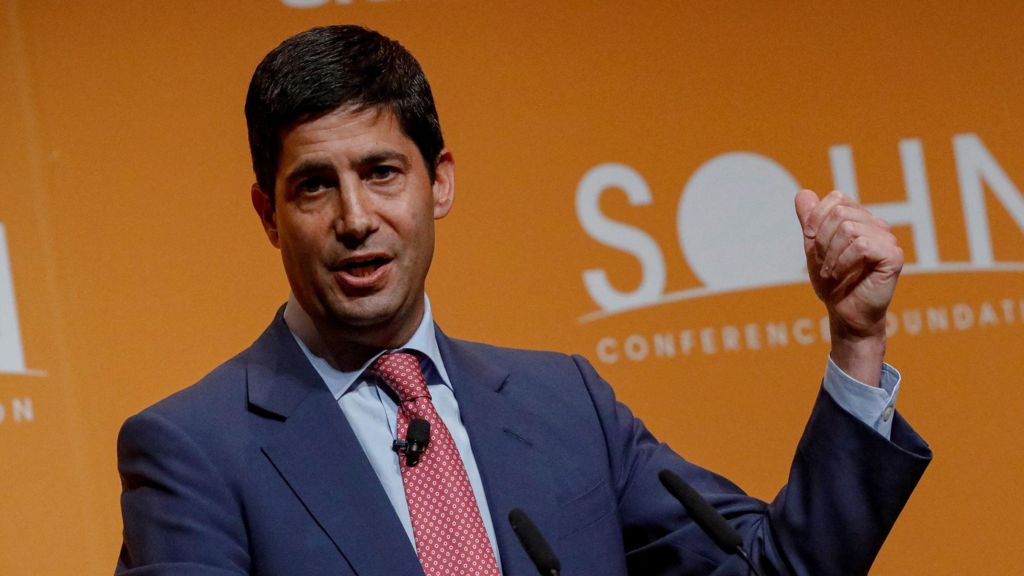
    In a move that could redefine the trajectory of U.S. monetary policy, former President Donald Trump has announced his nomination of Kevin Warsh to chair the Federal Reserve. The decision, revealed via Trump’s Truth Social platform, culminates weeks of intense speculation regarding the future of the current chair, Jerome Powell, who has faced mounting criticism from Trump over interest rate policies.

    Warsh, a 55-year-old economist who previously served as a Federal Reserve governor from 2006 to 2011, brings a complex background to the nomination. Currently a fellow at the conservative Hoover Institution and a board member at UPS, Warsh was previously considered for the Fed leadership during Trump’s first term. His nomination arrives amid extraordinary tension between the Trump administration and the central bank, highlighted by a criminal investigation into Powell’s congressional testimony regarding Fed building renovations.

    The appointment represents a pivotal test for the Federal Reserve’s cherished independence. Trump has repeatedly condemned Powell for what he perceives as insufficiently rapid interest rate cuts, creating unprecedented public friction between the White House and the central bank. Warsh himself has been an outspoken Fed critic, challenging the institution’s data-dependent approach and balance sheet management while recently advocating for what he terms ‘regime change’ at the central bank.

    Despite his historically hawkish reputation favoring higher interest rates to combat inflation, Warsh has recently positioned himself as advocating for lower rates in the near term. He has proposed shrinking the Fed’s balance sheet to reduce short-term rates, though some economists have questioned the theoretical foundation of this approach.

    Warsh’s personal connections to Trump’s circle add another dimension to the nomination. His marriage to Jane Lauder of the Estée Lauder cosmetics dynasty places him within Trump’s influential network, as his billionaire father-in-law Ronald Lauder remains a longstanding Trump donor and political ally.

    The nomination now advances to the Senate for confirmation, where it may encounter significant delays. Republican Senator Thom Tillis, a Banking Committee member, has previously stated he would oppose any Trump nominees until potential legal proceedings against Powell are resolved. Warsh was among four leading candidates for the position, alongside White House economic adviser Kevin Hassett, Fed governor Christopher Waller, and bond expert Rick Rieder.

    Financial markets responded cautiously to the news, with the dollar strengthening slightly and gold prices declining approximately 6% as rumors of the nomination circulated. Analysts described Warsh as a ‘relatively safe choice’ whose historical hawkishness might alleviate concerns about excessive political influence. Investors appeared relieved by the selection of an experienced candidate who commands respect across financial markets, though market participants will scrutinize Warsh’s actions intensely for signs of compromised Fed independence.
  • ASEAN to stick to Myanmar peace plan despite its failure to stop deadly civil war

    ASEAN to stick to Myanmar peace plan despite its failure to stop deadly civil war

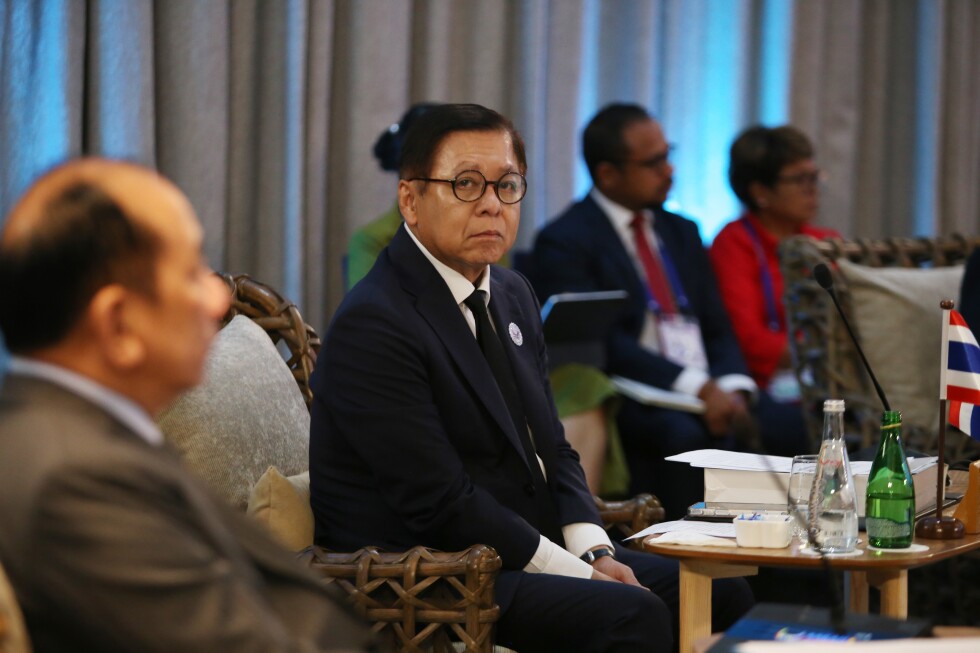
    CEBU, Philippines — Five years after its introduction, the Association of Southeast Asian Nations’ (ASEAN) peace initiative for Myanmar remains unimplemented yet continues to serve as the foundation for regional diplomatic efforts, according to Thailand’s top diplomat on Friday. Thai Foreign Minister Sihasak Phuangketkeow characterized the “five-point consensus” as a crucial starting point for renewed dialogue and reconciliation despite its current stagnation.

    The regional bloc faces one of its most significant challenges following Myanmar’s military coup in February 2021, which ousted Aung San Suu Kyi’s democratically elected government. The violent suppression of widespread protests triggered nationwide armed resistance, creating a complex civil conflict that has embarrassed ASEAN and tested its diplomatic capabilities.

    While acknowledging the plan’s failure to achieve tangible results, Sihasak emphasized ASEAN’s commitment to engagement rather than isolation. “We don’t seek to isolate Myanmar,” he stated in an interview with The Associated Press. “We seek to bring Myanmar back to the ASEAN family.”

    The consensus, established in April 2021, demands an immediate cessation of hostilities, inclusive dialogue facilitated by a special envoy, and unimpeded humanitarian access. Myanmar’s military regime has permitted limited aid delivery under restrictive conditions while disregarding other provisions.

    Recent elections, which ASEAN has declined to recognize, saw military-backed parties secure overwhelming majorities. Philippine Foreign Secretary Theresa Lazaro, representing the current ASEAN chair, confirmed the bloc’s non-recognition stance, noting that the three-phase electoral process conducted between December and January lacked ASEAN endorsement.

    Sihasak suggested potential benchmarks for re-engagement, including reduced violence against civilians, cessation of aerial attacks, and improved humanitarian access. He indicated that compliance could lead to gradually lifting restrictions on Myanmar’s participation in ASEAN meetings.

    In a significant humanitarian appeal, Sihasak revealed he had recently proposed transferring the ailing 80-year-old Suu Kyi from prison to house arrest to improve her medical access. The Nobel laureate is serving a 27-year sentence under conditions widely condemned as politically motivated, having been kept in isolation without legal access since December 2022.

  • Trump sues IRS, Treasury Department for $10 billion over tax return leak

    Trump sues IRS, Treasury Department for $10 billion over tax return leak

    In an unprecedented legal move, President Donald Trump has initiated a $10 billion lawsuit against the Internal Revenue Service and Treasury Department, alleging systemic failures that enabled the unauthorized disclosure of his confidential tax documents to media outlets. The complaint, filed Thursday in Miami federal court, names Trump, his adult sons Donald Trump Jr. and Eric Trump, and the Trump Organization as plaintiffs.

    The legal action centers on the activities of former IRS contractor Charles Littlejohn, who previously pleaded guilty to leaking tax information and is currently serving a five-year prison sentence. The plaintiffs contend that both agencies neglected to implement mandatory security protocols, thereby facilitating Littlejohn’s transmission of sensitive financial data to what the lawsuit characterizes as ‘leftist media organizations,’ including The New York Times and ProPublica.

    According to court documents, the publications derived from these leaks—eight articles in The New York Times and approximately fifty in ProPublica—inflicted substantial and irreparable damage to the plaintiffs’ reputations and financial interests. The complaint further alleges that the disclosures resulted in public embarrassment, false light portrayal, and diminished public standing for all involved parties.

    This litigation places President Trump in the unusual position of suing executive branch agencies that operate under his presidential authority. The Treasury Department, which oversees the IRS, has not issued an immediate response to requests for comment. Notably, Treasury Secretary Scott Bessent, who also serves as acting IRS commissioner, is not named as a defendant in the proceedings.

    The lawsuit suggests that the leaks stemmed from either willful misconduct or gross negligence, potentially justifying punitive damages beyond the $10 billion compensatory claim. Alejandro Brito, a Florida-based attorney who has represented Trump in multiple high-profile cases, filed the complaint. Brito has not yet responded to media inquiries regarding the litigation.

    This action continues President Trump’s pattern of pursuing substantial financial claims against media organizations and government entities since his 2024 election victory. Previous lawsuits include a $15 billion claim against The New York Times and Penguin Random House, separate $10 billion actions against The Wall Street Journal and BBC, and various other litigation stemming from media coverage and published materials.

  • China aligns green finance with global standards, boosting renewable leadership

    China aligns green finance with global standards, boosting renewable leadership

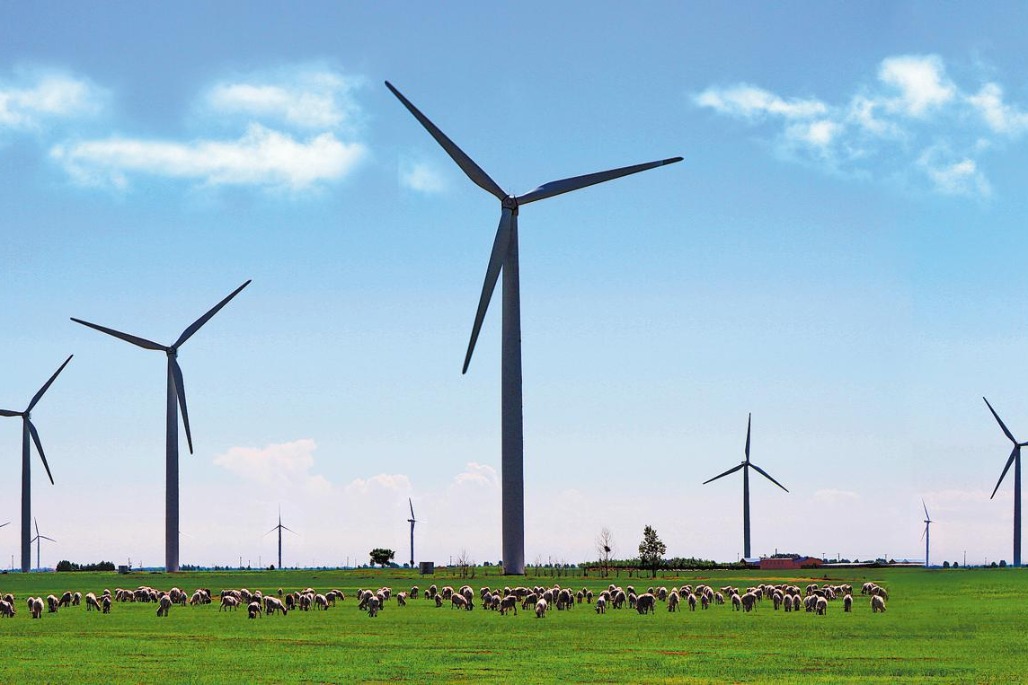
    China has emerged as the world’s preeminent force in renewable energy generation and clean technology manufacturing through the strategic development of its sustainable finance system, which has progressively integrated international standards while maintaining distinctive national characteristics, according to a landmark United Nations Environment Programme report.

    The comprehensive analysis, drawing from systematic review of over 50 Chinese policy documents, reveals how China has constructed a multilayered green finance framework over the past eighteen years. This system blends historically steeped administrative approaches with innovative experimentation, fundamentally guided by the nation’s ecological civilization philosophy while simultaneously addressing both green transition objectives and broader socioeconomic development goals.

    Zhu Shouqing, China Policy Advisor at the UN Environment Programme Finance Initiative, presented these findings at the 2026 CSO Global Summit, highlighting how China’s financial mechanisms are systematically redirecting the economy from natural resource dependency toward innovation and capital-driven growth models. The report identifies a clear pattern of gradual transition and harmonization in China’s approach to sustainable finance.

    Over two decades, China has methodically embedded sustainability considerations into its national development framework, establishing economy-wide environmental goals while creating enabling conditions for green and low-carbon advancement. These measures demonstrate intentional alignment with global frameworks including the 2015 Paris Agreement, the 2022 Kunming-Montreal Global Biodiversity Framework, and the UN Sustainable Development Goals.

    The evolution of China’s green finance concept reflects this strategic balancing act. Initially focused primarily on environmental protection, the scope has significantly expanded to incorporate climate considerations, environmental factors, and broader social governance elements. This progression represents a shift from domestically-driven policy initiatives toward internationally integrated practices that maintain responsiveness to China’s unique developmental context and energy resource endowment characterized by coal abundance alongside oil and gas deficiencies.

  • UN nuclear watchdog discusses risks to Ukraine’s nuclear safety after relentless Russian strikes

    UN nuclear watchdog discusses risks to Ukraine’s nuclear safety after relentless Russian strikes

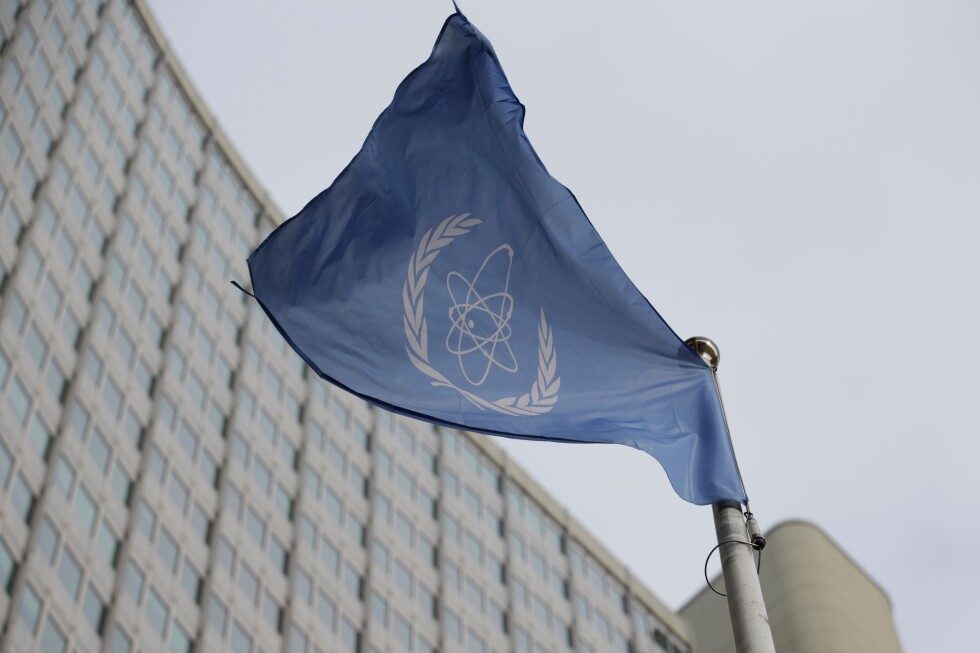
    VIENNA — The International Atomic Energy Agency’s (IAEA) Board of Governors convened an urgent special session on Friday to address escalating nuclear safety concerns in Ukraine amid intensifying Russian attacks on energy infrastructure. The meeting, requested by the Netherlands with backing from eleven nations including Canada, France, Germany, Japan, and the United Kingdom, aimed to amplify diplomatic pressure on Moscow despite lacking binding authority.

    Netherlands Ambassador Peter Potman presented alarming testimony, detailing how Russia’s ‘ongoing and daily’ assaults have crippled Ukraine’s energy grid during severe winter conditions. ‘These attacks not only deprive millions of Ukrainians of heating and electricity but critically compromise nuclear safety,’ Potman warned, noting the heightened prospect of a nuclear incident approaching ‘the very precipice of reality.’

    IAEA Director General Rafael Grossi emphasized the direct correlation between damaged electrical substations and nuclear risk, stating such targeting ‘undermines nuclear safety and must be avoided.’ An IAEA expert mission is currently assessing ten critical substations essential for maintaining safety at Ukrainian nuclear facilities.

    Ukraine’s nuclear infrastructure includes four active power plants, with the Zaporizhzhia facility remaining under Russian occupation since 2022. While plants generate power internally, they require continuous external electricity for reactor cooling systems. Emergency diesel generators provide backup during power losses, but consecutive failures could precipitate meltdown scenarios.

    Ukrainian Ambassador Yurii Vitrenko urged the IAEA to intensify scrutiny of Russia’s ‘systematic destruction’ of energy infrastructure, acknowledging U.S. President Donald Trump’s diplomatic efforts to curb attacks. However, specifics regarding Russia’s purported commitment to temporarily suspend bombardments remained unclear amid one of Ukraine’s most severe winters in recent history.

  • Denmark unveils legal reform to allow the worst foreign criminals to be deported

    Denmark unveils legal reform to allow the worst foreign criminals to be deported

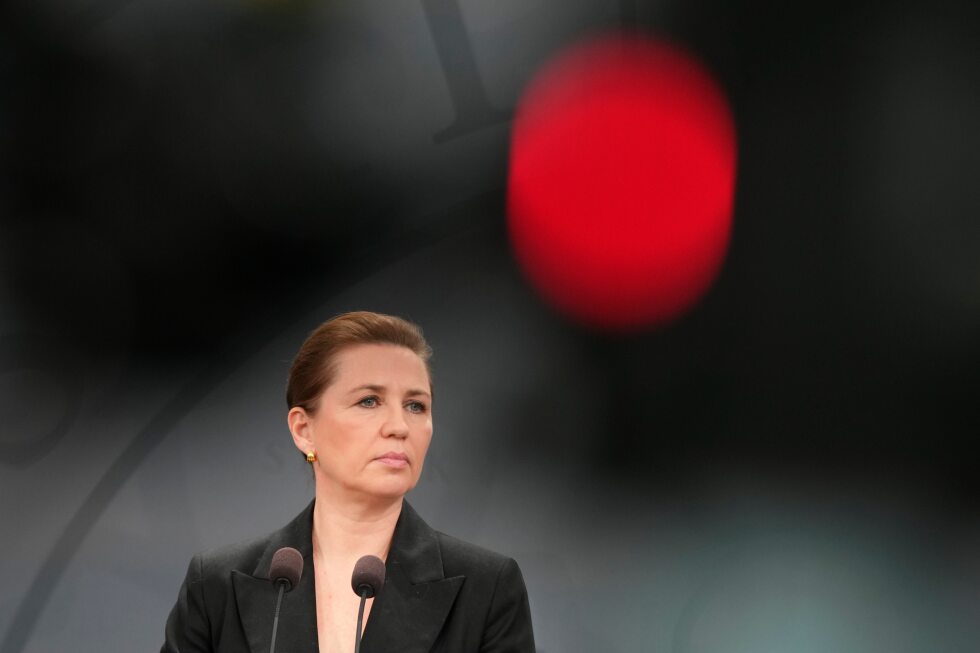
    The Danish government has introduced groundbreaking legislative changes that empower authorities to deport foreign nationals convicted of serious crimes, marking a significant shift in the country’s immigration policy. Prime Minister Mette Frederiksen announced the reform on Friday, which targets individuals sentenced to at least one year of unconditional imprisonment for offenses including aggravated assault and sexual violence.

    The comprehensive policy overhaul extends beyond deportation measures to include enhanced monitoring of undocumented migrants through electronic ankle bracelets, stricter border control mechanisms, and the reestablishment of diplomatic presence in Syria. Additionally, Denmark plans to strengthen collaborative efforts with Afghan authorities to address migration challenges at their source.

    Minister for Immigration and Integration Rasmus Stoklund provided compelling statistics revealing that over the past five years, 315 non-EU foreign criminals receiving sentences exceeding one year had avoided expulsion. This data underpins the government’s argument for legislative intervention rather than relying on judicial determinations in individual deportation cases.

    The initiative emerges amid broader European Union efforts to reform migration systems, with the 27-member bloc recently implementing stricter asylum regulations. This continental trend reflects growing political concerns about immigration levels, particularly among right-wing factions across Western nations who have expressed dissatisfaction with current migration patterns.

    Frederiksen acknowledged the potential conflict between these measures and established European human rights conventions, characterizing the government’s approach as deliberately ‘unconventional’ in addressing public safety concerns while navigating complex international legal frameworks.

  • At least 170 killed in air strikes during Myanmar’s widely criticised election, UN says

    At least 170 killed in air strikes during Myanmar’s widely criticised election, UN says

    The United Nations has revealed devastating human rights violations during Myanmar’s recent electoral process, documenting at least 170 civilian fatalities from military aerial operations. According to the UN human rights office, credible sources confirmed these deaths occurred alongside 408 separate military airstrikes between December 2025 and late January 2026, coinciding with the three-phase voting period.

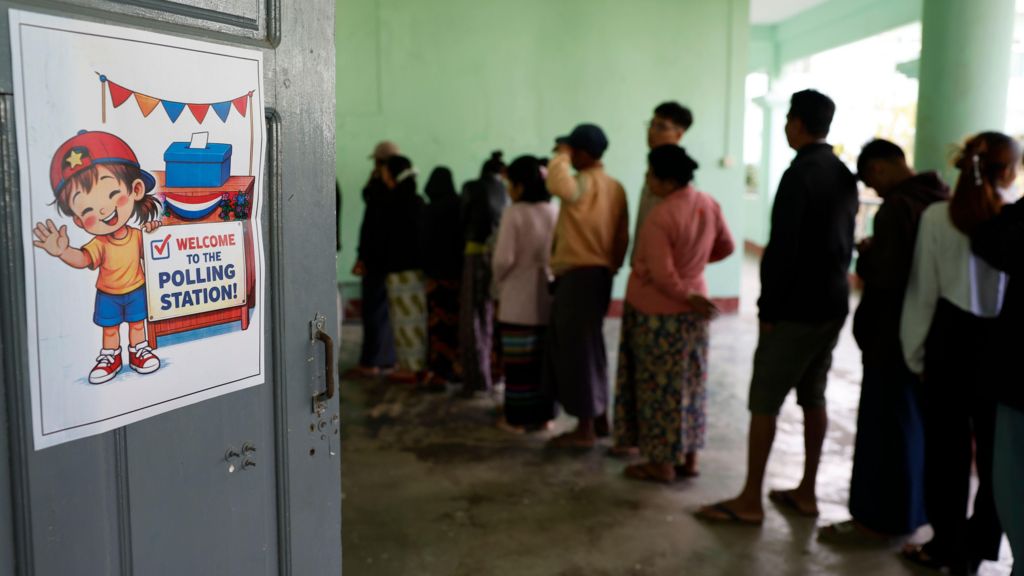
    The election itself has faced international condemnation as fundamentally illegitimate. The military-backed Union Solidarity and Development Party (USDP) claimed an overwhelming victory—an expected outcome given the tightly controlled voting conditions. Significant portions of the country remained unable to participate due to ongoing civil conflict that erupted following the 2021 military coup which ousted democratically elected leader Aung San Suu Kyi.

    UN Human Rights Chief Volker Turk characterized the electoral process as ‘staged by the military,’ noting systematic exclusion of opposition candidates and ethnic minority groups. Turk emphasized that voting decisions were made ‘purely out of fear,’ fundamentally violating internationally guaranteed civil and political rights. The National League for Democracy, which had won previous elections decisively, was prohibited from contesting.

    James Rodehaver, who leads the UN’s Myanmar human rights team, indicated that the casualty figures likely represent an undercount due to communication blackouts and widespread fear among affected communities. The military junta appears positioned to maintain power through proxy political parties despite the widespread international rejection of the electoral process.

  • Xu Faqi sentenced to death with a two-year reprieve

    Xu Faqi sentenced to death with a two-year reprieve

    In a landmark judicial ruling targeting transnational organized crime, Chinese courts have delivered a severe sentence to Xu Faqi, identified as a principal organizer of a major telecommunications fraud syndicate operating from northern Myanmar. The convicted criminal received a death penalty with a two-year reprieve, a punishment that typically commutes to life imprisonment following the probationary period if no further offenses are committed.

    The case represents China’s intensified crackdown on cross-border cyber fraud networks that have victimized countless citizens through sophisticated scam operations. These criminal enterprises typically employ elaborate deception schemes, often targeting vulnerable populations through impersonation tactics, investment scams, and false claims of emergency situations involving family members.

    Judicial authorities emphasized that Xu’s sentence reflects the seriousness of his crimes and the substantial social harm caused by his organization’s activities. The ruling aligns with China’s broader campaign against telecommunications fraud, particularly those operations conducted from overseas locations that target Chinese nationals.

    Legal experts note that suspended death sentences in China serve as the most severe punishment short of immediate execution, reserved for the most egregious crimes while allowing for judicial review and potential rehabilitation. The two-year reprieve period will determine whether the sentence will be commuted to life imprisonment or made permanent based on the prisoner’s behavior and remorse.

    The verdict sends a strong deterrent message to criminal organizations operating across China’s borders, particularly those exploiting jurisdictional complexities in neighboring regions. Chinese authorities have increasingly collaborated with international partners to dismantle these transnational networks and extradite key figures for prosecution.

  • Low risk of Nipah virus spread beyond India, says WHO

    Low risk of Nipah virus spread beyond India, says WHO

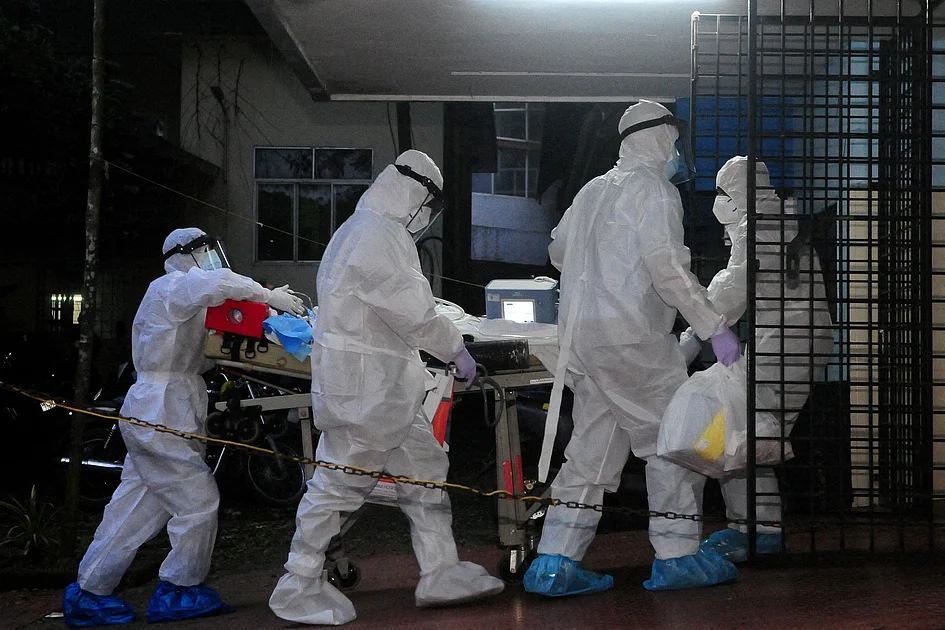
    The World Health Organization (WHO) issued a reassuring assessment on Friday, January 30th, 2026, stating that the risk of international spread of the Nipah virus from India remains low. This evaluation comes after the South Asian nation confirmed two isolated cases of the infection.

    In an official statement, the global health body clarified that it does not advise the implementation of any travel restrictions or trade barriers concerning India. This position underscores a confidence in existing containment measures and reflects a data-driven assessment of the outbreak’s scale.

    Nipah virus is a zoonotic pathogen, transmitted initially from animals to humans, often through contaminated food or direct contact. It can lead to severe respiratory illness and encephalitis, with a high fatality rate. Past outbreaks in other parts of Asia have raised significant public health concerns, prompting swift international response.

    The WHO’s calm and measured response aims to balance vigilant monitoring with the avoidance of unnecessary alarm and economic disruption. The organization typically recommends standard precautions for travelers to affected regions, emphasizing hygiene practices and avoiding contact with sick animals or consumption of raw date palm sap, a known transmission route.

  • Trump threatens Canada with aircraft tariffs, decertification over Gulfstream approvals

    Trump threatens Canada with aircraft tariffs, decertification over Gulfstream approvals

    In a significant escalation of trade tensions, former President Donald Trump has threatened to impose 50% tariffs on all Canadian-manufactured aircraft and decertify Bombardier Global Express business jets from U.S. airspace. The ultimatum, issued via Truth Social on Thursday, demands that Canadian regulators immediately certify several Gulfstream aircraft models produced by U.S.-based General Dynamics.

    Trump’s declaration specifically targets Canada’s certification process for Gulfstream 500, 600, 700, and 800 jets, despite these models having already received certification from both the Federal Aviation Administration (FAA) and European Union Aviation Safety Agency. The threat emerges amidst broader diplomatic strains following Canadian Prime Minister Mark Carney’s recent comments questioning the U.S.-led international order.

    Aviation experts warn that implementing these measures would severely disrupt U.S. air travel networks. American Airlines and Delta Air Lines, which operate extensive fleets of Canadian-built regional aircraft, would face immediate operational challenges. Industry analysts project that over 5,400 Canadian-manufactured aircraft currently registered in the United States—including narrow-body jets, regional aircraft, and helicopters—could be affected.

    Richard Aboulafia, Managing Director of AeroDynamic Advisory, emphasized the dangerous precedent of mixing aviation safety with political disputes: ‘Mixing safety issues with politics and grievances is an incredibly bad idea. This approach could provide other nations with a powerful weapon to use against U.S. aviation interests worldwide.’

    The potential grounding of Canadian regional jets would disproportionately impact rural communities and conservative-leaning states that depend on regional air connectivity. Many smaller airports would lose essential air service, while major hubs would suffer from reduced connecting traffic.

    Bombardier, which maintains significant U.S. operations including multiple service centers and a growing defense facility in Wichita, Kansas, expressed concern through an official statement: ‘We have taken note of the post from the President and are in contact with the Canadian government. We hope this is quickly resolved to avoid significant impact to air traffic and the flying public.’

    Legal experts question the feasibility of Trump’s threat, noting that the FAA typically requires safety-related justifications for decertification decisions rather than economic or political considerations. The certification process conventionally follows international standards where the designing country’s aviation authority (in this case, the FAA for Gulfstream aircraft) provides primary validation, with other nations typically accepting these determinations despite retaining rights to request additional data.

    This development occurs against the backdrop of Canada’s efforts to diversify its trade relationships beyond the United States, which currently receives approximately 70% of Canadian exports under the US-Mexico-Canada Agreement framework.