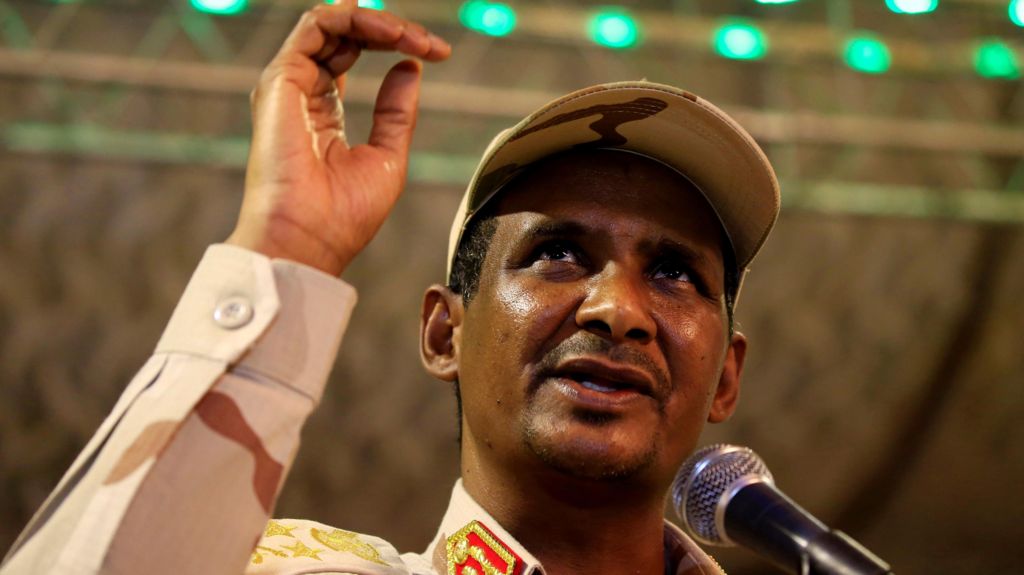
The commander of Sudan’s Rapid Support Forces (RSF), General Mohamed Hamdan Dagalo, commonly known as Hemedti, has initiated an investigation into alleged violations committed by his troops during the capture of el-Fasher. This announcement follows widespread reports of mass civilian killings in the Darfur region after the RSF seized control of the city on Sunday. The United Nations Security Council is set to convene a meeting to address the escalating crisis in Sudan, now in its third year of civil war between the army and the RSF. Hemedti expressed regret for the devastation inflicted on el-Fasher’s residents and acknowledged potential misconduct by his forces, promising a thorough inquiry by a newly arrived committee. The UN World Health Organization (WHO) has expressed profound shock over reports that nearly 500 civilians, including patients and their companions, were executed at the city’s last functioning hospital. The RSF denies accusations that the killings were ethnically motivated, despite claims of a pattern targeting non-Arab populations. Activists are urging international pressure on the United Arab Emirates (UAE), accused of providing military support to the RSF, a charge the UAE denies. El-Fasher, the army’s final stronghold in Darfur, fell to the RSF after an 18-month siege characterized by starvation and relentless bombardment. This capture has effectively divided Sudan, with the RSF controlling most of Darfur and parts of Kordofan, while the army retains Khartoum and the central and eastern regions. The conflict stems from a fallout between the RSF and the army, former allies who seized power in a 2021 coup, over a plan to transition to civilian rule.
作者: admin
-
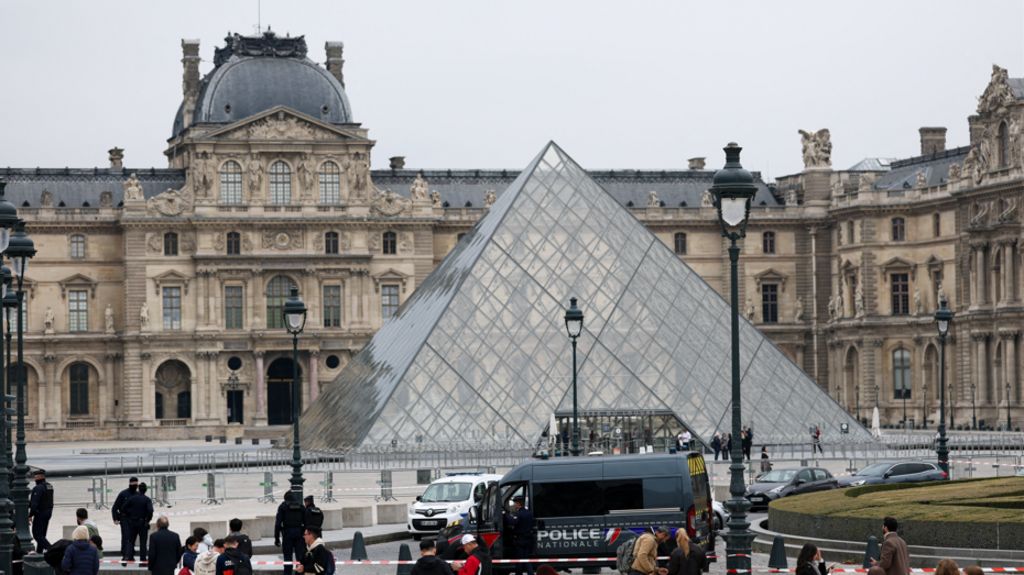
Five new suspects arrested over Louvre jewellery theft
In a significant development in the investigation of the Louvre heist, Paris’ public prosecutor has announced the arrest of five additional suspects. The arrests took place on Wednesday night in the Paris region, as confirmed by Laure Beccuau’s office. Among those detained is a main suspect, according to AFP reports. This follows the partial confession of two men earlier in the week regarding their involvement in the audacious theft. The heist, which occurred on 19 October, saw four thieves break into the world’s most-visited museum in broad daylight, making off with items valued at €88m (£76m; $102m). As of Thursday, the stolen jewels remain unrecovered, Beccuau disclosed in an interview with French radio station RTL. She also noted that DNA evidence from one of the arrested individuals could be linked to the crime scene. French investigators are currently withholding further details, but the new suspects can be held for up to four days before being formally charged or released. Authorities suspect that the gang involved in the heist may be larger than the four individuals captured on CCTV. This breaking news story is continuously updated, and more details will be published shortly. For the latest updates, refresh the page or follow @BBCBreaking on X.
-

Neck-and-neck finish in Dutch election as Wilders’ far-right party and D66 tie
In an unprecedented turn of events, the Dutch general election has resulted in a dead heat between Geert Wilders’ far-right Party for Freedom and the centrist D66, with both parties securing 26 seats in the 150-seat House of Representatives. With 98% of the votes counted, the margin between the two leading parties was a mere 2,000 votes nationwide, as reported by the Dutch national news agency ANP. This razor-thin finish has created significant uncertainty, delaying the process of forming a new coalition government—a first in Dutch electoral history. Wilders’ Party for Freedom is projected to lose 11 seats compared to the previous election, while D66, led by Rob Jetten, gains 11. Wilders has asserted that his party should lead coalition talks if it emerges as the largest, emphasizing that no D66 scout should initiate discussions until the final results are clear. Meanwhile, D66 lawmaker Jan Paternotte described the race as “neck and neck,” noting the exceptional closeness of the election. Votes from nine municipalities, including overseas and postal ballots, remain uncounted, adding to the suspense. The election outcome marks a significant milestone for D66, which has never before secured more than 24 seats. The campaign unfolded against a backdrop of deep political polarization in the Netherlands, a nation once celebrated for its tolerance. Frans Timmermans, former European Commission vice president, announced his departure from Dutch politics following the center-left bloc’s disappointing performance.
-
5 more arrests made in Louvre jewel heist
In a significant development in the investigation of the Louvre Museum’s crown jewels theft, five additional individuals have been apprehended, though the stolen treasures remain elusive. Paris Prosecutor Laure Beccuau disclosed the arrests during a radio interview with RTL on Thursday. The suspects were detained late Wednesday in coordinated operations across Paris and its outskirts, including the Seine-Saint-Denis region. While their identities remain undisclosed, one is believed to have been part of the four-member team responsible for the audacious daylight robbery on October 19. Two other team members, arrested earlier, have been preliminarily charged with criminal conspiracy and theft by an organized gang, with both partially confessing to their roles. Despite extensive searches, the jewels, valued at €88 million ($102 million), have not been recovered. The thieves executed the heist in under eight minutes, using power tools to breach display cases and escape with eight pieces of the French crown jewels. Among the arrested is a 34-year-old Algerian national, detained at Charles de Gaulle Airport while attempting to flee to Algeria. His DNA was found on a scooter used in the getaway. Another suspect, a 39-year-old man, was arrested in Aubervilliers, with his DNA linked to the crime scene. Surveillance footage confirmed the involvement of at least four individuals, who used a truck and scooters to carry out the theft. Prosecutor Beccuau emphasized the unsellable nature of the stolen jewels and urged their return, while French authorities face scrutiny over the Louvre’s security vulnerabilities.
-
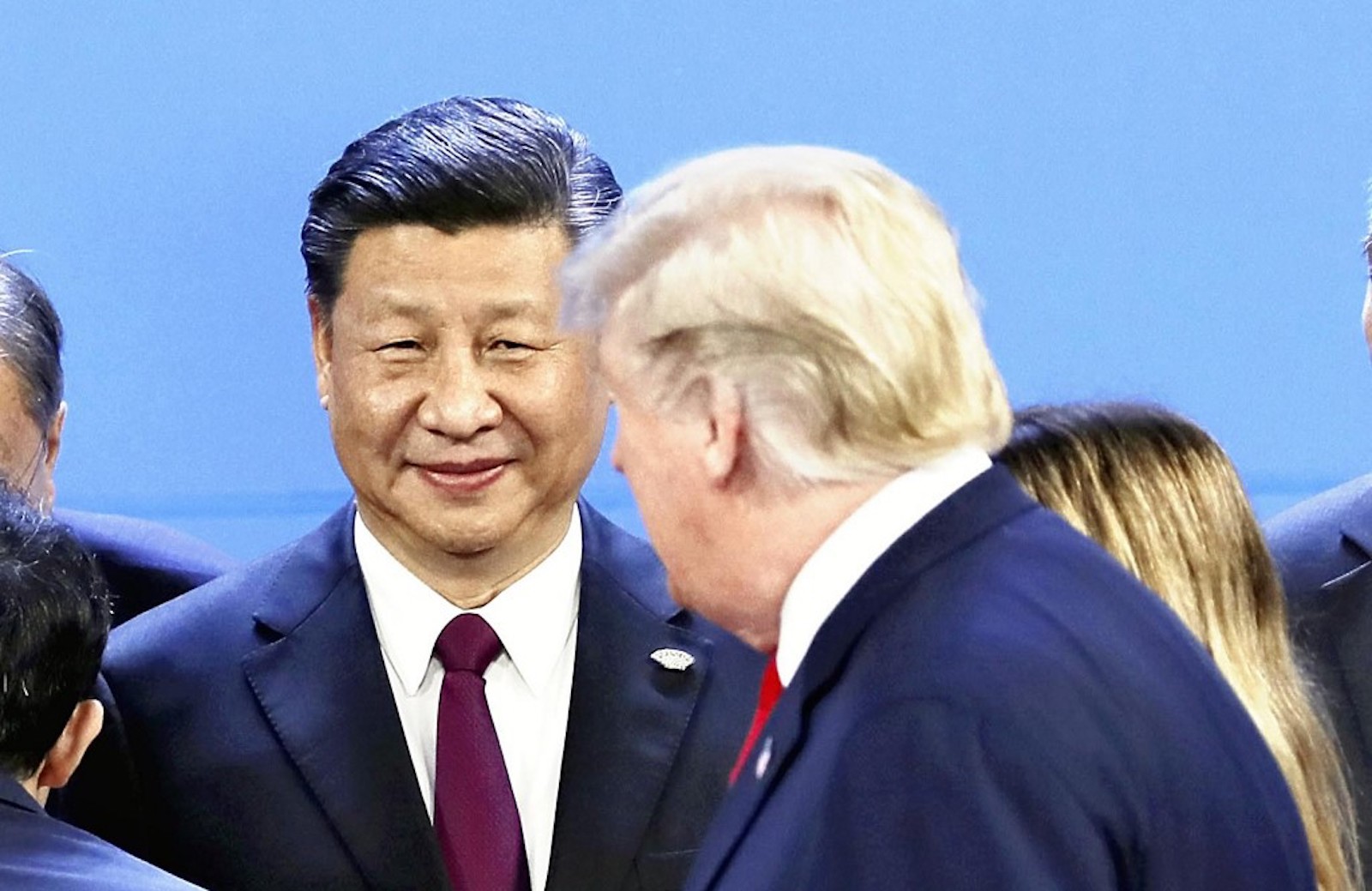
Does US have stamina to last the race with ‘pacing threat’ China?
When Donald Trump meets with Xi Jinping on October 30, he will not be engaging with just any leader of a rival nation. Instead, he will be facing the chief representative of what the Pentagon terms the United States’ ‘pacing threat.’ This concept, which has gained traction in military and academic circles since the early 21st century, defines China as a rising near-peer whose capabilities and ambitions directly challenge the US’s global dominance. The term was notably used by Trump’s former Secretary of Defense Mark Esper in 2020 and has been continued by Biden’s Defense Secretary Lloyd J. Austin III, who emphasizes that China poses a systemic challenge across economic, technological, political, and military domains. This designation has profound implications, as it reorients US defense planning, industrial policy, and global posture around the central question of how to keep pace with—and potentially outpace—Beijing. However, this focus on China as the primary pacing threat carries risks, including potential blind spots regarding other adversaries like Russia, Iran, and North Korea. Moreover, the US must balance long-term strategic planning with immediate readiness, ensuring it can address crises both now and in the future. Critics argue that China may already be ahead in certain areas, such as defense-industrial output and technological innovation, underscoring the urgency for the US to enhance its responsiveness and productive capacity. Ultimately, the competition between the US and China is not merely about military might but about the ability to innovate, build, and adapt more swiftly in a rapidly evolving global landscape.
-

Mutual visa-free policies prove a win-win for China, S. Korea
The implementation of mutual visa-free policies between China and South Korea has proven to be a mutually beneficial strategy, significantly boosting tourism and economic growth for both nations. Experts highlight that this initiative has already shown positive results, particularly during China’s recent National Day and Mid-Autumn Festival holiday in early October. South Korea experienced a notable influx of Chinese tourists, with popular destinations and shopping malls witnessing increased activity. This surge is attributed to South Korea’s temporary visa-free policy, which allows Chinese group tourists—comprising three or more individuals—to enter the country without a visa from September 29, 2025, to June 30, 2026, for stays of up to 15 days. Previously, only Jeju Island offered such visa-free access, permitting Chinese tourists to stay for up to 30 days. This policy remains in effect. Liu Haomiao, a manager at the domestic travel platform Tuniu, reported a significant rise in group tours to South Korea, with bookings increasing by over 60% compared to September and showing a substantial year-on-year growth from 2024. The visa-free arrangement is expected to further strengthen bilateral ties and enhance economic cooperation between the two countries.
-

AI support at heart of cybersecurity revision
China has enacted a significant revision to its Cybersecurity Law, which will take effect on January 1, 2026. The updated legislation, approved by the Standing Committee of the 14th National People’s Congress, places a strong emphasis on advancing artificial intelligence (AI) research and development while imposing harsher penalties for cybersecurity violations. A key addition to the law is the explicit support for foundational AI research, including the development of algorithms, training data resources, and computing infrastructure. The revision also mandates the establishment of robust AI ethics guidelines, enhanced risk monitoring, and safety oversight to ensure the responsible application of AI technologies. Furthermore, the law encourages the integration of AI into innovative cybersecurity management practices to bolster protection levels. The amendments introduce stricter penalties for violations, particularly those involving large-scale data breaches or the loss of functionality in critical information infrastructure. Operators failing to meet cybersecurity obligations could face fines ranging from 500,000 to 10 million yuan, while individuals directly responsible may be fined up to 1 million yuan. The revised law also strengthens enforcement against the dissemination of prohibited information, with fines escalating to 10 million yuan for severe violations. This marks the second revision of the Cybersecurity Law since its inception in 2016, reflecting China’s commitment to addressing emerging challenges in the digital landscape. The NPC official highlighted the law’s role in curbing harmful cyber activities while acknowledging the persistent threats of network intrusions and illegal content dissemination. The amendments aim to refine liabilities, enhance coordination with related laws, and improve the precision and consistency of cybersecurity governance.
-

Beijing-Seoul joint efforts contribute to APEC’s success
As the Republic of Korea (ROK) prepares to host the Asia-Pacific Economic Cooperation (APEC) Economic Leaders’ Meeting this week, with China set to take the helm next year, there is a growing sense of optimism among officials, scholars, and business leaders. They believe that the success of these consecutive events will significantly bolster free trade, economic growth, and governance across the Asia-Pacific region. The historic city of Gyeongju, once the capital of the ancient Silla Dynasty, will serve as the venue for this year’s meeting, focusing on critical themes such as sustainability, digital transformation, and trade cooperation. Park Jang-ho, director of the APEC Preparation and Support Office, highlighted Gyeongju’s selection due to its cultural heritage, historical significance, and state-of-the-art facilities. He also noted that the ROK plans to showcase its advancements in cutting-edge technologies, with prominent figures like Tesla CEO Elon Musk expected to attend. Park emphasized the deep-rooted historical ties between China and the ROK, underscoring the ROK’s commitment to strengthening bilateral relations. He remarked, ‘Hosting the APEC meeting in Gyeongju is highly significant, and with China assuming the APEC presidency next year, the interactions between our two nations will become even more frequent, further enhancing our bilateral ties.’ Recent months have seen a series of high-level exchanges between the two countries, covering key areas such as APEC collaboration and bilateral cooperation. During a recent phone conversation, Chinese Foreign Minister Wang Yi and his ROK counterpart Cho Hyun expressed mutual support and a shared commitment to fostering consensus among various stakeholders. Both nations are expected to reinforce their solidarity, uphold the international trading system, champion multilateralism, and accelerate the establishment of a free trade area in the Asia-Pacific region, contributing positively to the creation of an Asia-Pacific community.
-

Cruise passenger, 80, found dead after being abandoned on Great Barrier Reef island
In a tragic incident, an 80-year-old cruise passenger, Suzanne Rees, was found dead on Lizard Island, part of Australia’s Great Barrier Reef, a day after being accidentally abandoned by the crew of the Coral Adventurer. The Sydney resident had disembarked on Saturday for a planned hike to a mountain lookout with fellow passengers. However, the ship departed approximately five hours before reporting her missing later that evening. Her daughter, Katherine Rees, has accused Coral Expeditions of a ‘failure of care and common sense,’ alleging that her mother was left unescorted after feeling ill during the hike. The crew reportedly failed to conduct a passenger count before leaving the island. Suzanne Rees’ body was discovered the following day about 50 meters off the hiking trail, with evidence suggesting she had fallen from a cliff or slope. Katherine Rees has called for a coroner’s inquiry to determine whether the cruise company could have prevented her mother’s death. Coral Expeditions’ CEO, Mark Fifield, expressed condolences and assured full cooperation with ongoing investigations. The Australian Maritime Safety Authority and a workplace safety watchdog are also probing the incident. This tragedy has reignited concerns about safety standards in Australia’s Great Barrier Reef tourism industry, reminiscent of the 1998 case where an American couple was abandoned at sea and never found.
-
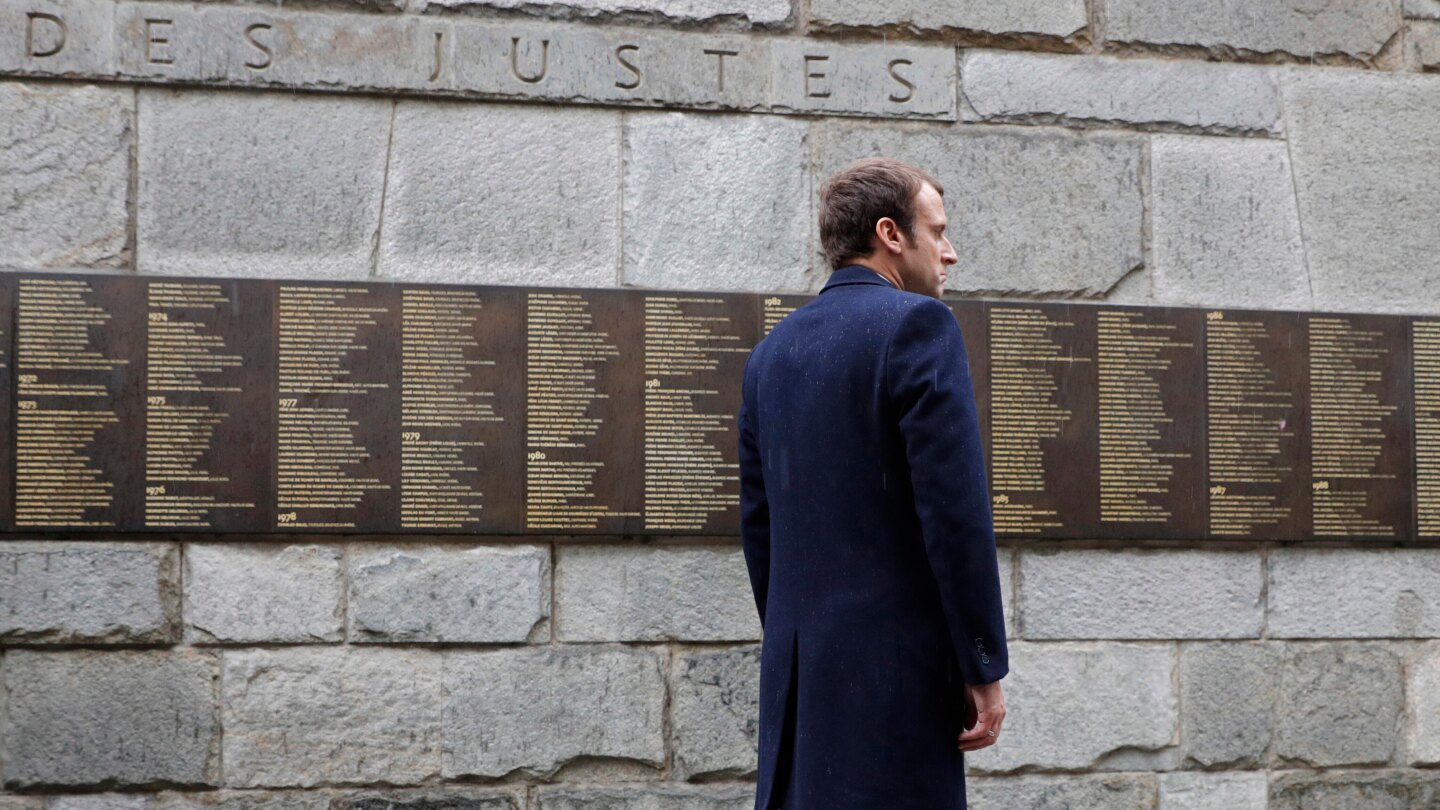
A French trial examines Holocaust Memorial graffiti believed linked to Russia
Three Bulgarian men are currently facing trial in Paris for their alleged involvement in spray-painting blood-red hands on the city’s Holocaust Memorial. This act of vandalism, which occurred last year, has been linked by French intelligence services to a broader Russian campaign aimed at destabilizing France and other Western societies. Approximately 500 red hands were painted on a wall commemorating those who aided Jews during World War II, as well as in nearby neighborhoods. Initially, the graffiti was interpreted in the context of the Gaza conflict, which has heightened antisemitic tensions across Europe. However, court documents reveal that French intelligence believes this act was part of a long-term Russian strategy to sow division, inflame social tensions, and disseminate misinformation through paid proxies. European governments have increasingly accused Russia of orchestrating sabotage campaigns, including vandalism, arson, and bombing attempts. Four Bulgarians were charged in this case, but only three are in custody and present for the trial. The alleged ringleader, Mircho Angelov, remains at large. Georgi Filipov, the first to testify, admitted to painting the red hands in exchange for 1,000 euros to support his 9-year-old son. He claimed he was unaware of the antisemitic implications until after returning to Bulgaria. Kiril Milushev, another defendant, testified that he filmed the graffiti for 500 euros and expressed regret for his involvement. Nikolay Ivanov, the third defendant, denied any pro-Russian connections and stated he merely assisted a friend by purchasing travel tickets and hotel accommodations. The defendants face charges of criminal conspiracy and aggravated degradation of property based on race, ethnicity, or religion, with potential prison sentences if convicted. Plaintiffs in the case include the Paris Holocaust Memorial and the League against Racism and Antisemitism. This trial marks the first of several unusual incidents in France over the past two years, including the appearance of blue Stars of David on Paris buildings, coffins at the Eiffel Tower, and severed pigs’ heads near mosques, all of which are under investigation for potential Russian involvement.