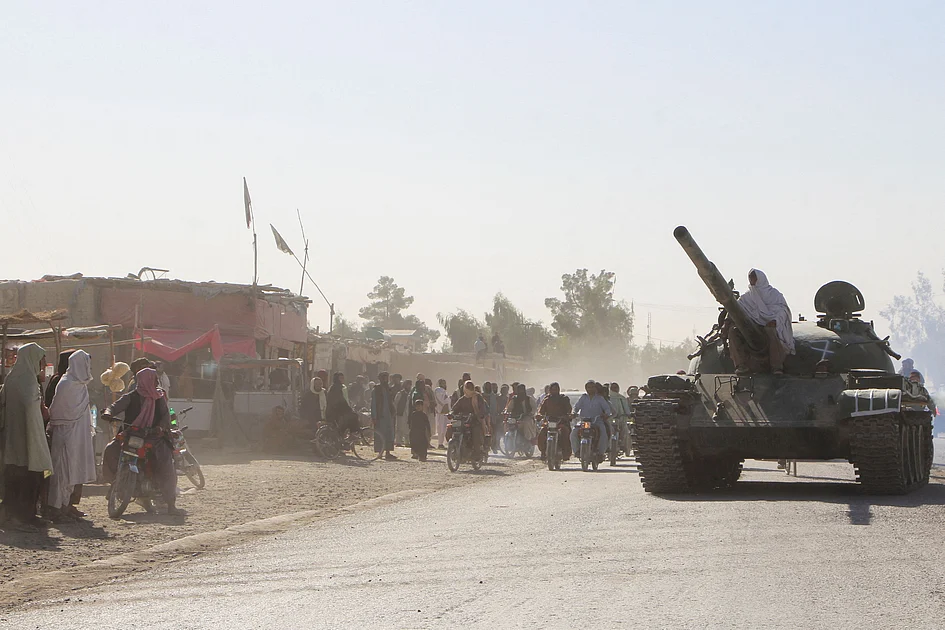
In a groundbreaking move to combat breast cancer, the Burjeel Cancer Institute has launched a mobile screening initiative aimed at making early detection accessible to all. This innovative program, dubbed ‘Early Detection on Wheels,’ features state-of-the-art mammography units mounted on specially equipped vehicles, designed to reach underserved communities and remote areas. The initiative seeks to bridge the gap in healthcare access, particularly for women who face barriers to regular screenings due to geographical, financial, or cultural constraints. By bringing diagnostic services directly to patients, the program aims to detect breast cancer at its earliest stages, significantly improving treatment outcomes and survival rates. The mobile units are staffed by experienced healthcare professionals who provide comprehensive screenings, education, and follow-up care. This initiative aligns with global efforts to reduce breast cancer mortality and underscores the importance of early detection in saving lives. The Burjeel Cancer Institute’s commitment to equitable healthcare access sets a new standard in cancer prevention and care.
作者: admin
-
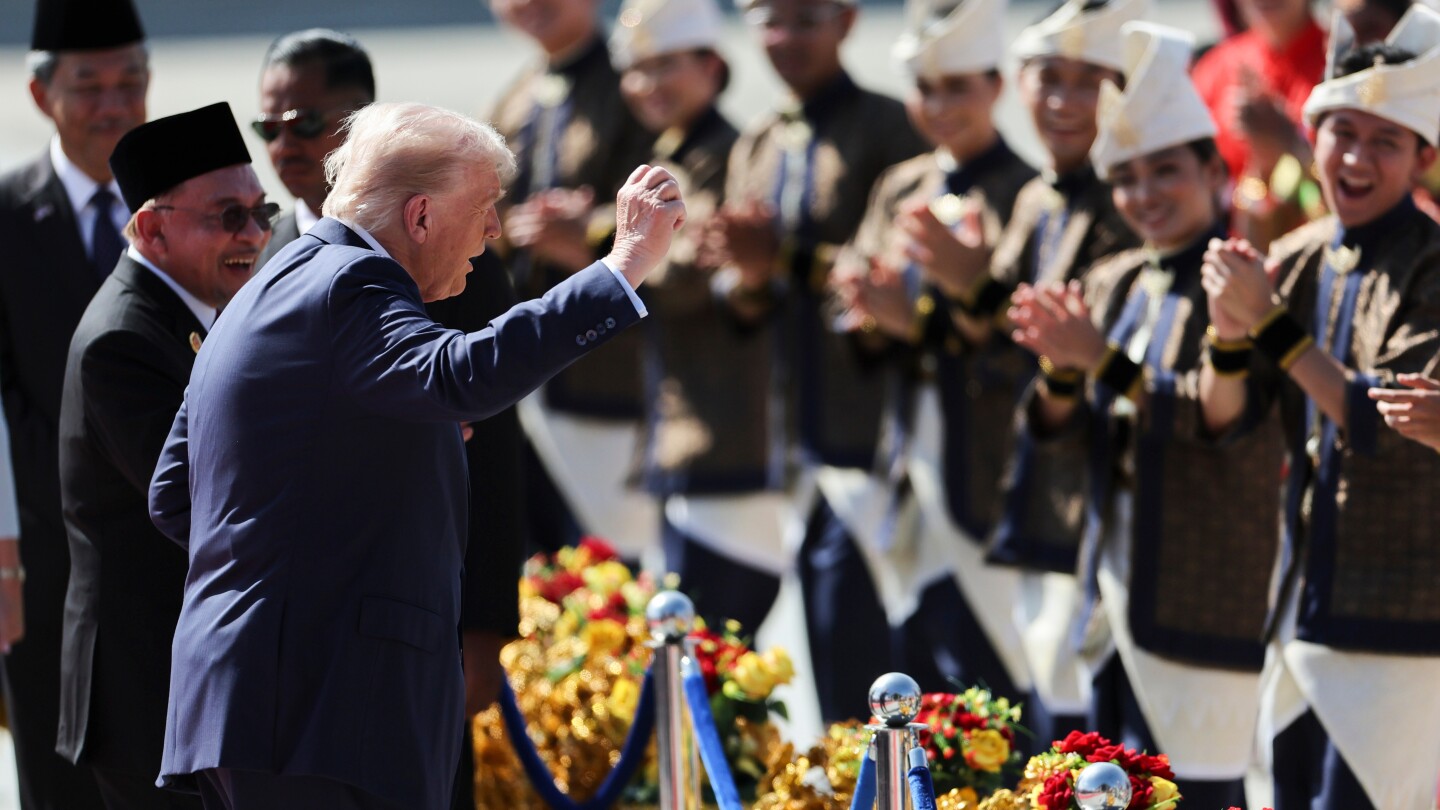
‘America First’ Trump loved hanging out with the global elite during his Asia trip
During a whirlwind five-day tour across Asia, President Donald Trump showcased a surprising shift from his ‘America First’ rhetoric to a more globally engaged approach. From dancing with local performers in Malaysia to receiving a gold medal and crown in South Korea, Trump appeared to relish the international spotlight. His trip included high-profile meetings with leaders such as Japan’s Prime Minister and South Korea’s President, where he emphasized mutual benefits in trade and diplomacy. Despite a federal government shutdown and low poll numbers back home, Trump expressed enthusiasm for his foreign engagements, declaring his meetings ‘great’ and ‘fantastic.’
-

‘The bodies just kept coming’ – photographer at deadly Rio police raid
In the aftermath of what is now being called the deadliest police raid in Rio de Janeiro’s history, the Penha neighborhood has become a grim scene of devastation. Over 120 people, including both suspected gang members and police officers, lost their lives during the operation targeting the notorious Red Command gang. The raid, which involved approximately 2,500 security personnel, aimed to curb the gang’s territorial expansion but has since drawn widespread condemnation for its high death toll. Photographer Bruno Itan, who witnessed the aftermath, described the harrowing scene where bodies, some mutilated and decapitated, were laid out in a public square. Residents of the Alemão and Penha neighborhoods searched tirelessly for missing relatives, many of whom were found lifeless on a nearby hillside. The governor of Rio state, Cláudio Castro, defended the operation, stating that the police intended to arrest suspects alive but were met with violent retaliation. However, the United Nations High Commissioner for Human Rights expressed horror at the scale of the violence, and Brazil’s Supreme Court has summoned Governor Castro to explain the actions in detail. The incident has reignited debates about police brutality and the effectiveness of such operations in combating organized crime.
-
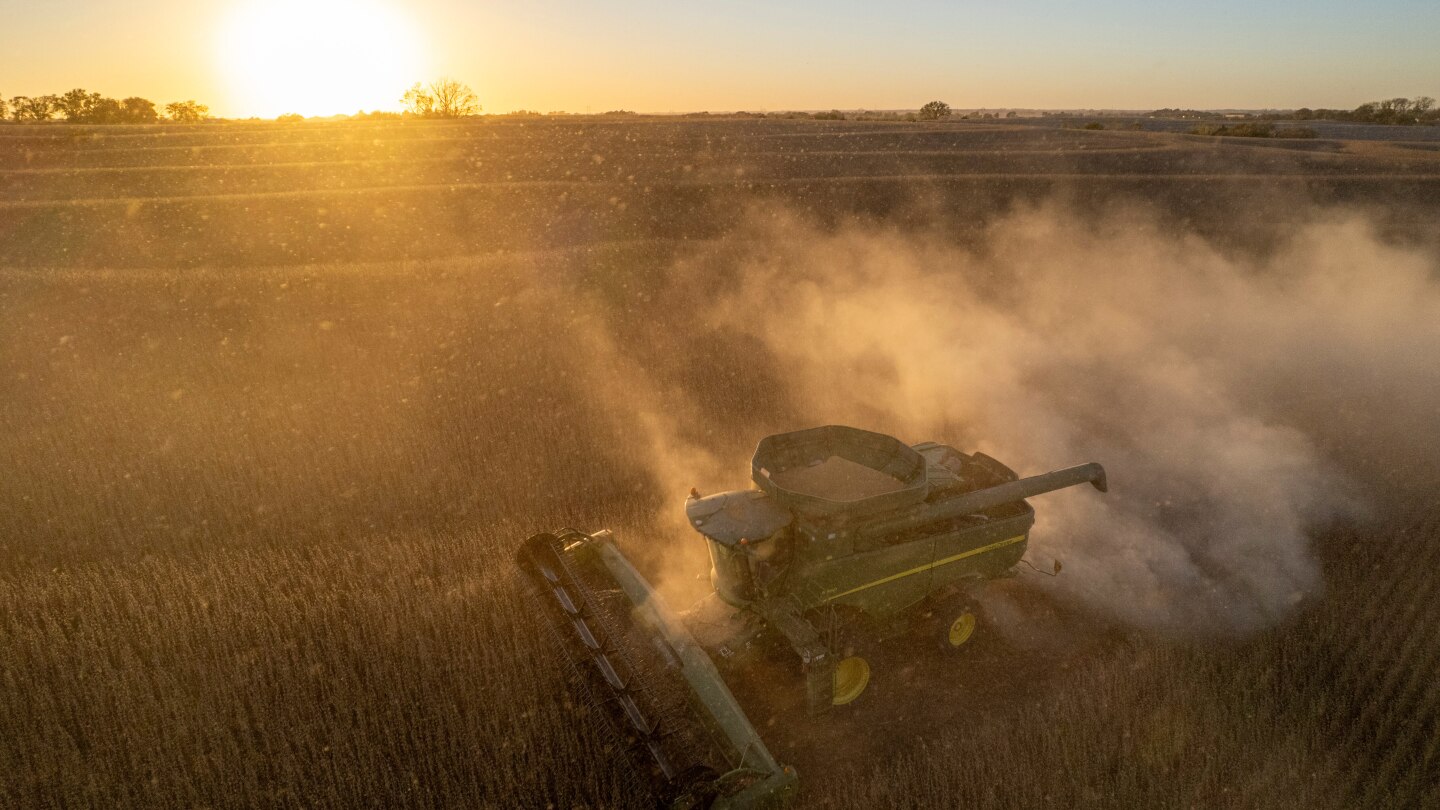
American farmers welcome China’s promise to buy their soybean but this deal doesn’t solve everything
American farmers have expressed cautious optimism following China’s commitment to purchase at least 25 million metric tons of soybeans annually over the next three years. This pledge aims to restore trade volumes to pre-trade war levels, but it falls short of addressing the broader challenges faced by farmers, including skyrocketing costs for fertilizer, machinery, and seeds. While the agreement marks a significant step toward stabilizing the agricultural sector, farmers remain wary of its immediate impact. Iowa farmer Robb Ewoldt, a director with the United Soybean Board, welcomed the news but emphasized that it doesn’t resolve all short-term issues. Agriculture Secretary Brooke Rollins highlighted additional benefits, including the removal of retaliatory tariffs on U.S. agricultural products and the resumption of sorghum purchases. These developments could ease access to loans for farmers, yet concerns linger about the long-term sustainability of the agreement. The trade war, initiated by former President Donald Trump, severely disrupted U.S. soybean exports, with China shifting its purchases to Brazil and other South American nations. Last year, Brazilian soybeans accounted for over 70% of China’s imports, while the U.S. share dropped to 21%. Farmer Caleb Ragland, president of the American Soybean Association, described the agreement as a foundation for rebuilding a stable trading relationship. However, Indiana farmer Brent Bible stressed the importance of China following through on its promises, citing past disruptions caused by the COVID-19 pandemic. Despite the positive developments, farmers remain vigilant, hoping for tangible results that will secure their livelihoods and future generations.
-
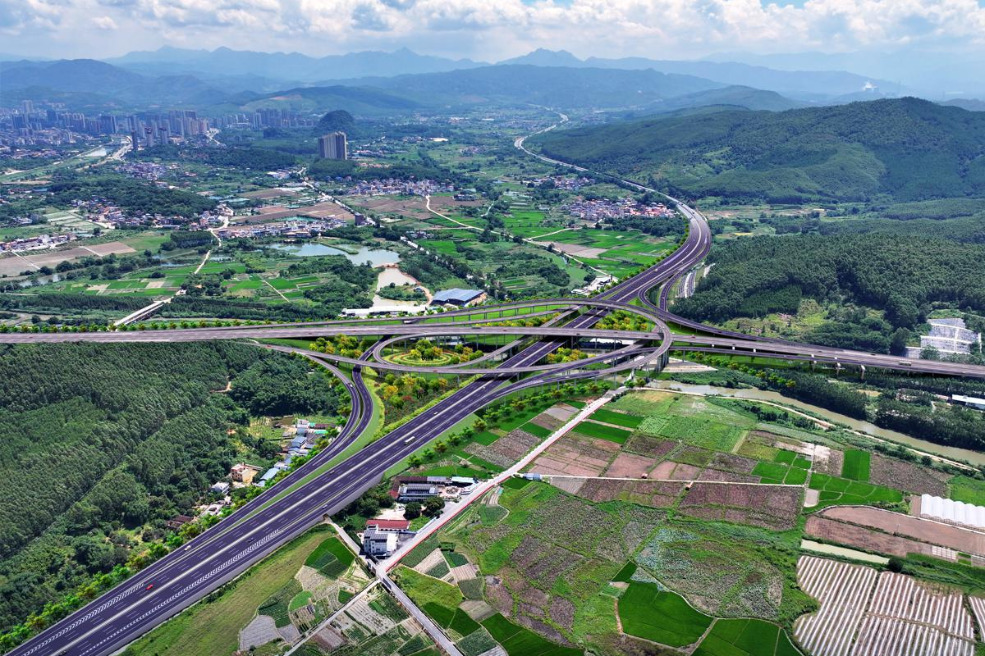
Construction begins on Guangdong expressway expansion
Construction has officially commenced on the expansion of a critical section of the Beijing-Hong Kong-Macao Expressway in Guangdong province. The project focuses on the stretch between Shaoguan’s Wujiang district and Qingyuan’s Fogang county, located in the northern mountainous region of Guangdong. This expansion is a pivotal component of Guangdong’s vertical highway network, designed to bolster northbound travel efficiency and regional connectivity. The initiative underscores the province’s commitment to improving infrastructure to support economic growth and facilitate smoother transportation. The project is expected to enhance travel times, reduce congestion, and provide a more reliable route for both commuters and freight transport. As one of the busiest expressways in the region, the expansion is anticipated to have a significant impact on local and regional economies, fostering development in the northern areas of Guangdong.
-
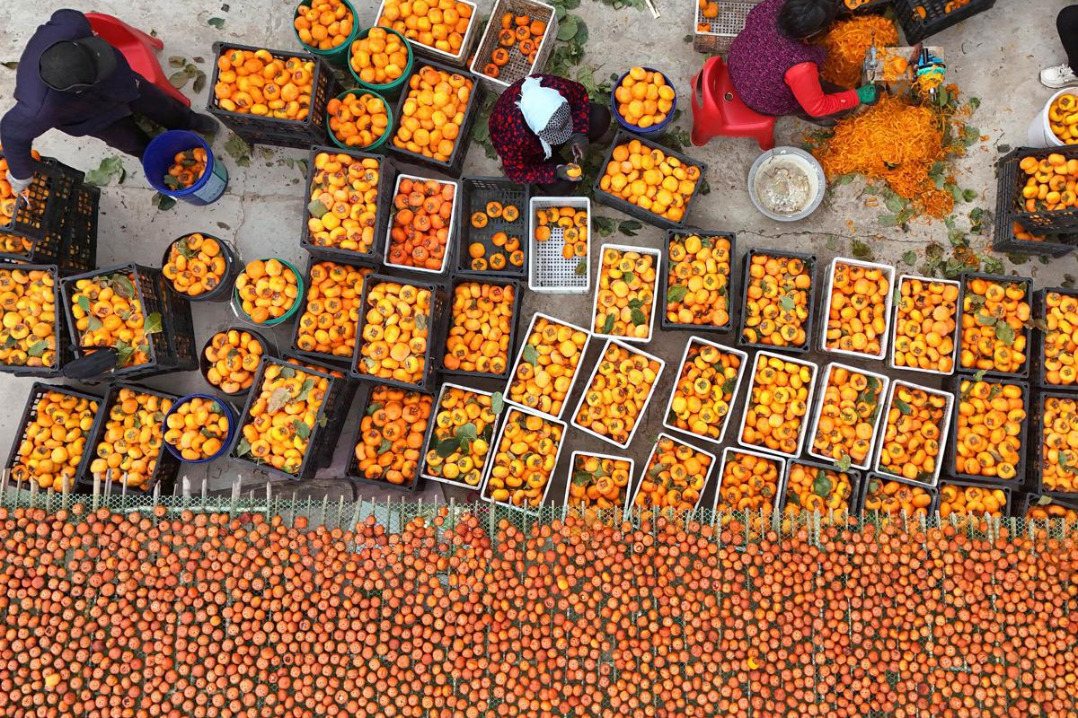
Shanxi farmers harvest bountiful persimmon crop
In the heart of Shanxi province, farmers in Hanxue township, Wanrong county, are basking in the success of a record-breaking persimmon harvest this golden autumn. The picturesque village of Xuecungou is abuzz with activity as locals meticulously sort and dry the vibrant orange fruit, a process that enhances its sweetness over two to three weeks of sun exposure. The village is adorned with persimmons, creating a charming and festive atmosphere that reflects the season’s abundance. Nestled on the Loess Plateau, Hanxue township boasts ideal conditions for persimmon cultivation, contributing to an annual yield of approximately 25,000 metric tons. Additionally, the township processes 18,000 tons of persimmon-based snacks, a thriving industry that has significantly boosted local incomes. This year’s harvest not only underscores the region’s agricultural prowess but also highlights the resilience and dedication of its farming community.
-

‘I thought I was dying’ – teacher shot by 6-year-old student testifies against school administrator
In a highly emotional courtroom scene, Abigail Zwerner, a former Virginia schoolteacher, testified in a $40 million civil lawsuit against Ebony Parker, the former assistant principal of Richneck Elementary School. Zwerner was shot by a 6-year-old student in January 2023 while teaching her first-grade class in Newport News, Virginia. The bullet passed through her hand and into her chest, leaving her with severe injuries that required multiple surgeries. Zwerner recounted the harrowing experience, stating, ‘I thought I was dying, I thought I had died. I thought I was on my way to heaven or in heaven, but then it all got black.’
Zwerner’s lawsuit alleges that Parker failed to act despite being warned about the child potentially bringing a gun to school. According to the lawsuit, Parker was informed of the gun approximately 45 minutes before the shooting but took no action. Zwerner’s testimony highlighted the lasting physical and emotional trauma she has endured, including difficulties with simple tasks like opening a bag of potato crisps or a water bottle. She described a sense of emotional detachment, stating, ‘I still feel connected and close, but it’s also that feeling of distance, a little numbness.’
Parker’s defense attorney, Daniel Hogan, argued that the case is one of ‘hindsight bias,’ emphasizing that no one could have reasonably foreseen a 6-year-old bringing a firearm to school. Hogan posed challenging questions to the jury, including whether Parker was indifferent or failed to exercise care, and whether Zwerner took steps for her own safety. The civil trial precedes a criminal case in which Parker faces eight counts of felony child neglect, each punishable by up to five years in prison. The student’s mother has already been sentenced to nearly four years for child neglect and federal weapons charges. The student, who was not charged, is reportedly under the care of a relative and attending a different school.
The case has reignited discussions about gun violence in the United States, particularly in educational settings, and raises critical questions about school safety and administrative accountability.
-
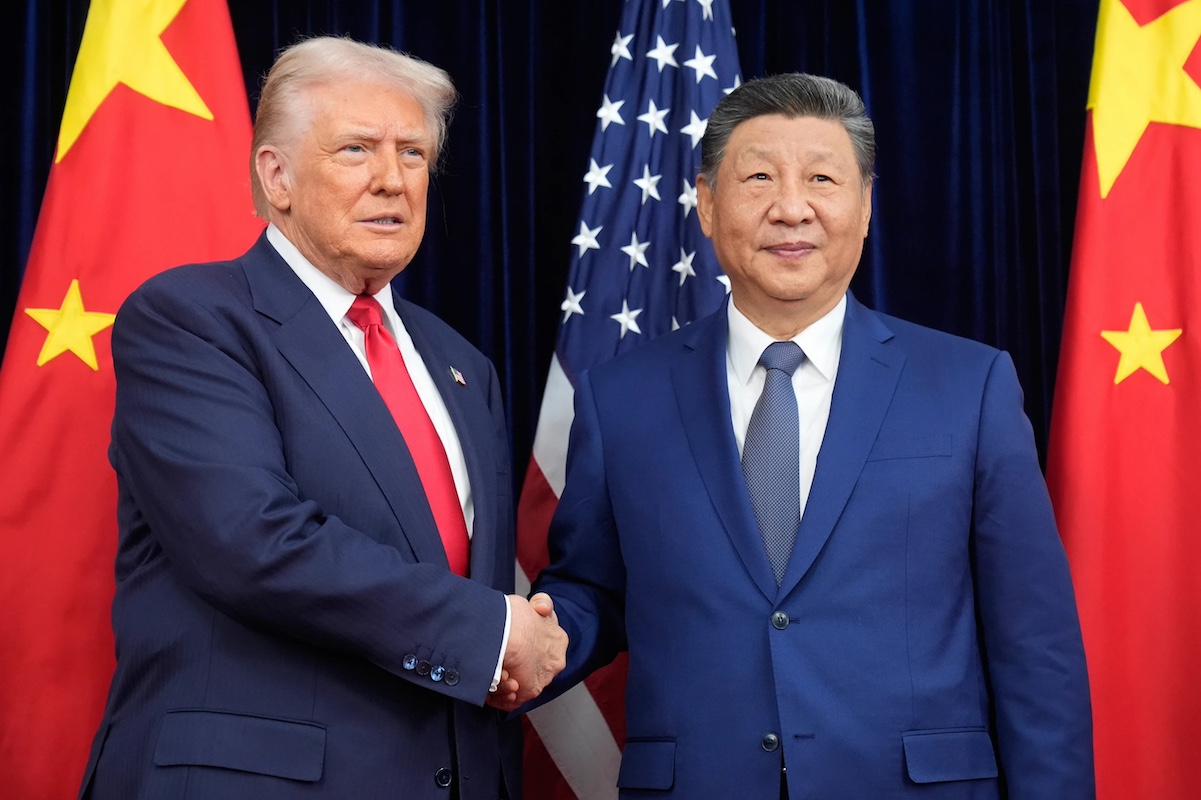
Trump’s ‘amazing’ bargain with Xi turns out a dud
US President Donald Trump recently celebrated a trade agreement with Chinese President Xi Jinping, hailing it as a significant breakthrough. Trump announced a reduction in tariffs on Chinese goods to 47%, describing the meeting as “amazing.” However, the long-term impact of this agreement remains uncertain, with experts questioning its effectiveness in addressing the deep-rooted trade imbalances between the two nations.
The deal, characterized by vague terms and a lack of specific enforcement mechanisms, does little to alter the fundamental dynamics of the $659 billion trade relationship between the US and China. While the agreement includes measures such as increased soybean purchases and the flow of rare-earth minerals, it falls short of addressing the structural issues that contribute to America’s trade deficit with China.
Economists and analysts have expressed skepticism about the durability of the agreement. Ting Lu of Nomura Holdings noted that while the easing of tensions is positive, the rivalry between the two superpowers is likely to escalate in the future. Chang Shu of Bloomberg Economics echoed this sentiment, suggesting that the new reality of US-China relations is one of frequent disruptions and short-term fixes.
Goldman Sachs economist Jan Hatzius highlighted the unpredictability of the situation, stating that recent policy moves suggest a wider range of potential outcomes than previously anticipated. He suggested that the most likely scenario is a mutual pullback from aggressive policies and an indefinite extension of the tariff escalation pause reached in May.
Ali Wyne of the International Crisis Group observed that Trump views Xi as the head of a rival business rather than an imperial leader, which could lead to mutual restraint. However, Trump’s ambition to curb China’s rise lacks proportionality and could undermine long-term strategic goals.
Patricia Kim of the Brookings Institution emphasized that managing US-China relations requires ongoing strategic management rather than grand gestures. She noted that many of the core demands of both nations are irreconcilable, making a comprehensive agreement unlikely.
Meanwhile, China has been preparing for a post-Trump world by diversifying its trade relationships. Increased shipments to Europe, Southeast Asia, and the Global South have allowed China to mitigate the impact of US tariffs. Arthur Kroeber of Gavekal Dragonomics pointed out that Chinese exporters have developed workarounds, such as transshipment and relocating production to lower-tariff countries.
Despite these efforts, China’s Ministry of Commerce has criticized the US for overstretching national security concerns and imposing unilateral measures that harm China’s interests. The ministry reiterated China’s opposition to these actions, which have undermined the atmosphere of bilateral economic talks.
Trump’s trade policies, rooted in 1980s economic strategies, are increasingly out of sync with the global economy. As China invests in future technologies and the Global South forges its own path, the US risks losing its influence. Gilles Moec of AXA Investment noted that the world economy is splitting into competing groups, with companies reorganizing supply chains around countries with similar values or security concerns.
In conclusion, while Trump’s trade deal with China may provide temporary relief, it is unlikely to resolve the underlying tensions between the two nations. The global economic landscape is evolving, and the US must adapt to maintain its position in an increasingly fragmented world.
-

Barcelona’s Sagrada Familia becomes the world’s tallest church
Barcelona’s iconic Sagrada Familia basilica has achieved a historic milestone by becoming the world’s tallest church. On Thursday, a section of its central tower was successfully installed, elevating the structure to a height of 162.91 meters (534 feet). This surpasses Germany’s Ulmer Münster, a Gothic Lutheran church that previously held the title at 161.53 meters (530 feet). The Sagrada Familia, designed by the visionary architect Antoni Gaudí, is now just over a meter taller than its German counterpart. The central “Tower of Jesus Christ” is still under construction and is expected to reach its final height of 172 meters (564 feet) in the coming months. Construction of the basilica began in 1882, and Gaudí, who passed away in 1926, never anticipated its completion within his lifetime. Over the decades, the project has gained momentum, fueled by its status as a global tourist attraction. Last year alone, 4.9 million visitors, including 15% from the United States, contributed to its funding through entrance fees. The church’s intricate facades and interior decorations will continue to be developed over the next decade, with full completion anticipated around 2035. Next year marks the centenary of Gaudí’s death, and the basilica plans to host events honoring his architectural legacy, which includes other remarkable structures in Barcelona and across Spain.
-
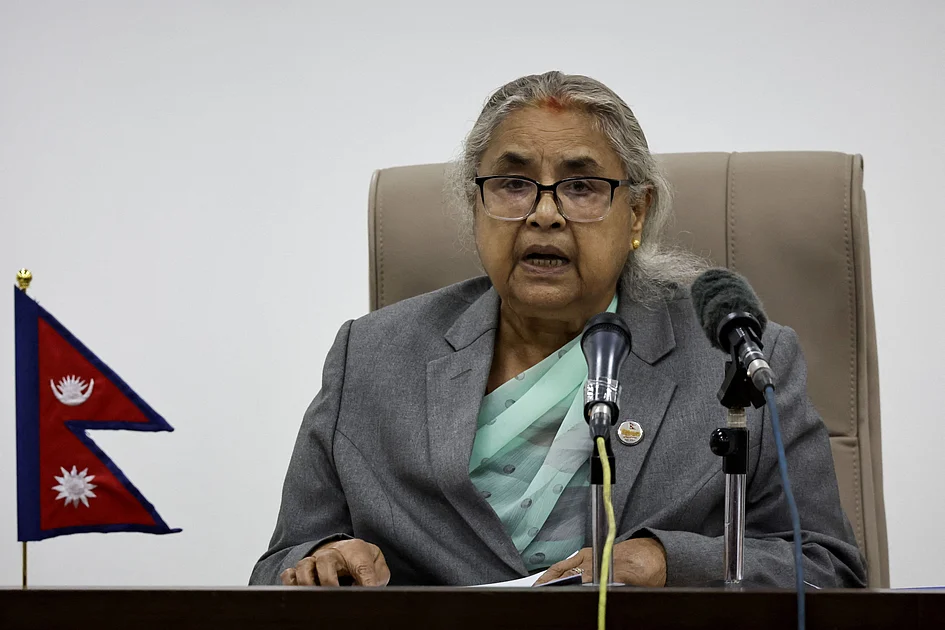
Nepal PM holds first talks since protests with parties and ‘Gen Z’
Nepal’s interim Prime Minister Sushila Karki has convened the first round of discussions between political parties and youth representatives following last month’s violent anti-corruption protests that led to the collapse of the previous government. The unrest, which erupted on September 8-9, was sparked by a temporary social media ban but was fueled by long-standing grievances over economic hardship and systemic corruption. The clashes resulted in at least 73 fatalities and left key government institutions, including parliament and courts, in flames. Karki, a former chief justice appointed as interim leader, emphasized the importance of fostering cooperation and trust in a statement on social media. She stated, ‘We have succeeded in creating an environment of cooperation and trust by ending the state of lack of dialogue.’ The four-hour meeting, attended by major political parties and ‘Gen Z’ representatives, aimed to address the deep public distrust in Nepal’s established parties and prepare for the March 2026 elections. Karki pledged to ensure fair, secure, and timely elections while restoring order and addressing demands for clean governance. The meeting also included representatives from the Communist Party of Nepal – Unified Marxist Leninist (CPN-UML), led by ousted former Prime Minister KP Sharma Oli. Ram Rawal, Karki’s media coordinator, noted that the dialogue helped bridge the trust gap between the government, political parties, and the youth. The unrest has further strained Nepal’s fragile economy, with the World Bank reporting that 82% of the workforce is engaged in informal employment and GDP per capita stood at just $1,447 in 2024.