作者: admin

  • US shifting from precision munitions to 2,000-pound bombs in Iran war, Hegseth says

    US shifting from precision munitions to 2,000-pound bombs in Iran war, Hegseth says

    The United States is transitioning to extensive deployment of conventional gravity bombs following assessments indicating significant degradation of Iranian air defense capabilities, according to US Secretary of War Pete Hegseth’s Wednesday announcement.

    This strategic shift comes as Washington confronts dwindling precision weapon inventories while maintaining aerial superiority over Iranian airspace. The new operational approach will utilize 500-pound, 1,000-pound, and 2,000-pound GPS and laser-guided bombs from what Hegseth described as a ‘nearly unlimited stockpile.’

    The decision marks a substantial tactical departure from previous reliance on sophisticated standoff munitions including cruise missiles and short-range ballistic missiles. While these advanced systems minimized pilot exposure to enemy defenses, their production demands greater time and financial resources compared to conventional gravity bombs.

    This development follows Middle East Eye’s exclusive reporting that Iran secured Chinese surface-to-air defense systems after the June 2025 US attacks on Iranian nuclear facilities. Despite US claims of complete air dominance, recent incidents suggest lingering Iranian capabilities—including Wednesday’s engagement where an Israeli F-35 reportedly shot down a Russian-made Yak-130 trainer aircraft operated by Iranian forces.

    Military analysts note the bomb strategy serves dual purposes: preserving precision missile inventories while leveraging cheaper alternatives made viable by suppressed air defenses. However, regional allies face growing concerns regarding interceptor shortages as Gulf states exhaust expensive air defense systems protecting urban centers against Iranian retaliation.

    The Pentagon faces global interceptor shortages, leaving Gulf partners awaiting replenishment while Iran simultaneously conserves its advanced ballistic missiles through increased deployment of lower-cost Shahed drones.

  • Israeli security forces believe Iran government ‘not close to collapse’

    Israeli security forces believe Iran government ‘not close to collapse’

    Israeli security officials have concluded that Iran’s ruling establishment remains functionally intact and shows no immediate signs of collapse despite sustaining substantial losses from coordinated US-Israeli military strikes, according to a report by Walla news. A military source within Israeli security forces indicated that Iranian authorities have adapted strategies based on lessons learned during the June 2025 conflict with Israel. While acknowledging Tehran’s military capabilities operate at a ‘moderate to weak’ level with evident operational confusion and significant challenges, the source emphasized that Iran maintains sufficient operational continuity and possesses ready replacements for any eliminated figures. The assessment notes Iran has encountered substantial difficulties in directing precision missile attacks against Israeli targets, resulting in a strategic shift toward increased attacks on Arab Gulf nations. This evaluation emerges amid conflicting statements from US and Israeli leadership regarding ultimate war objectives. President Donald Trump reiterated his administration’s commitment to preventing a nuclear-armed Iran while explicitly encouraging citizens to overthrow their government. Israeli Prime Minister Benjamin Netanyahu echoed similar sentiments predicting a ‘quick and decisive’ action to enable democratic government transition. Conversely, US Defense Secretary Pete Hegseth contradicted this narrative, denying regime change constitutes official war policy. Military officials confirmed approximately 3,500 combined strikes against Iranian targets, while Tel Aviv University’s Institute for National Security Studies reported Iran launched approximately 200 ballistic missiles and 100 drones toward Israel across 123 attack waves, alongside significantly larger deployments—500 ballistic missiles and 2,000 drones—targeting Gulf Arab states, particularly the UAE, indicating Tehran prioritizes regional neighbors despite identifying Israel as its primary adversary.

  • Venezuela and US to work together on mining developments, Rodríguez says

    Venezuela and US to work together on mining developments, Rodríguez says

    In a significant diplomatic development, Venezuela’s interim President Delcy Rodríguez and U.S. Interior Secretary Doug Burgum have announced a collaborative framework to revitalize Venezuela’s mining sector. The high-level meeting at Caracas’ presidential palace marks the second visit by a U.S. cabinet official since the January military operation that resulted in the capture of former leader Nicolás Maduro.

    The Rodríguez administration, following recent reforms to attract foreign investment in Venezuela’s oil industry, is now preparing similar legislative changes for mineral extraction. Although specific details remain undisclosed, Congressional leader Jorge Rodríguez (the interim president’s brother) confirmed the reforms would permit major international corporations to exploit Venezuela’s substantial deposits of gold, diamonds, and critical rare earth elements essential for electronic manufacturing.

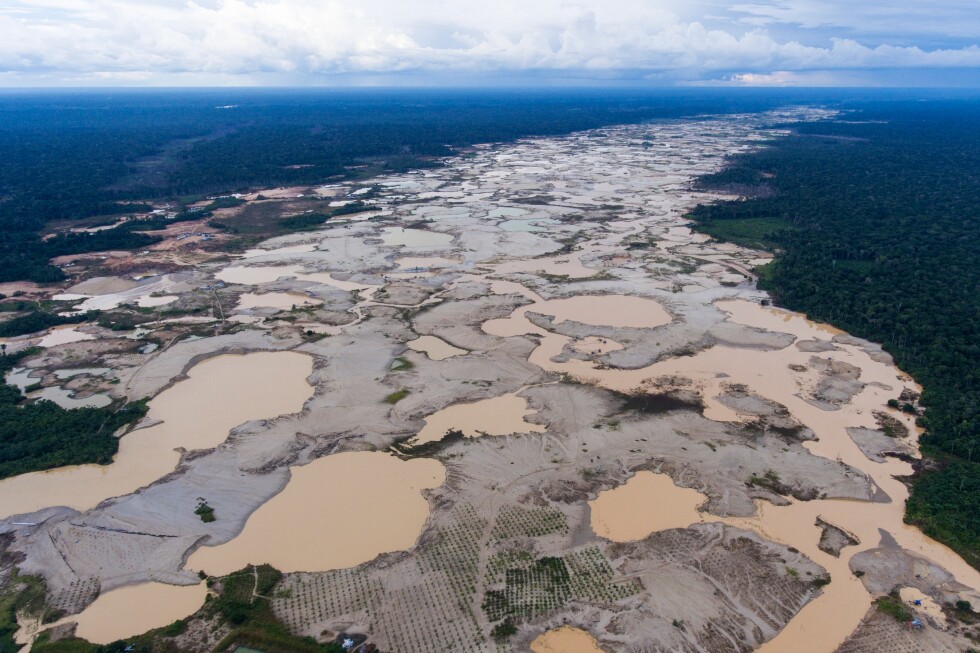
    This cooperation emerges against a complex backdrop of environmental concerns and criminal allegations. Illegal mining operations have proliferated across Venezuela, drawing condemnation from environmental groups for causing widespread deforestation and pollution. These illicit activities have frequently been linked to criminal organizations and corruption within the previous administration.

    The United States has formally accused Maduro—currently awaiting trial in the U.S. scheduled for later this month—and his associates of operating a criminal network involved in illegal mining and drug trafficking. Maduro has consistently denied these allegations.

    President Trump praised the interim government’s performance, stating Rodríguez is doing a “great job” and maintaining productive relations with U.S. officials. He characterized the bilateral relationship as “wonderful” and highlighted American benefits from accessing “hundreds of millions of barrels of oil” while promising to “make life wonderful for the people of Venezuela.”

    Despite the political transition, the presidential palace remains adorned with portraits of Maduro, including new posters featuring him and his wife with the hashtag “We want them back.”

    In a joint press conference following the meetings, Rodríguez urged Venezuelan legislators to support the impending reforms to enable foreign investment. She notably claimed Venezuela was receiving “top marks… 20 out of 20” in its cooperation with international partners.

    The delegation included representatives from more than two dozen American mining companies, described by Burgum as “some of the biggest, strongest, best mining and minerals companies in the world.” He emphasized that these corporations represent “billions of dollars” in potential investment and the creation of thousands of high-paying jobs for Venezuelans.

  • Families of Iranian political prisoners fearful of bombs, illness and secret executions

    Families of Iranian political prisoners fearful of bombs, illness and secret executions

    Amid ongoing US-Israeli airstrikes targeting Iranian military installations, grave concerns are mounting for the safety of political prisoners detained across the Islamic Republic. Multiple detention facilities, including the infamous Evin Prison in Tehran, are situated perilously close to military bases and Revolutionary Guards (IRGC) compounds, placing inmates directly in the line of fire.

    The collateral damage extends beyond immediate bombardment risks to include severe shortages of food, water, and medical supplies. Families express additional terror that authorities might exploit the wartime chaos to carry out unreported executions, echoing the 1988 mass killings during the Iran-Iraq conflict.

    Case studies highlight the desperation: The families of Jaber and Mokhtar Alboshoka, Ahwazi Arab cultural rights activists serving life sentences since 2011, have lost contact amid the attacks. Their cousin Kamil, based in London, articulated the dual fear of neglect and covert executions, noting that Sheiban Prison—where Jaber is held—adjoints an IRGC base making it particularly vulnerable.

    Prison conditions, already critical before the conflict, have deteriorated dramatically. The Narges Mohammedi Foundation reports dwindling medical access and food shortages in facilities from Qezel-Hesar to Lakan Prison. Kiana Rahmani, daughter of imprisoned rights campaigner Narges Mohammedi, pleaded for international attention, stating prisoners are ‘trapped between regime brutality and the thunder of explosions.’

    Former inmates confirm catastrophic overcrowding and health crises, with influenza spreading among 4,000 inmates at Sheiban Prison serviced by a single doctor. Minority groups, including Ahwazi Arabs and Kurds, face particular vulnerability, with both US and Israeli leaders attempting to leverage their grievances for geopolitical aims.

    The Kurdish women’s group KJAR expressed skepticism about Western intervention bringing genuine democracy, noting intensified security measures and worsening conditions. With civilian casualties from bombardment already exceeding 1,000, families of political prisoners fight to keep their loved ones from becoming forgotten casualties of war.

  • Trade court orders tariff refunds in setback for Trump administration

    Trade court orders tariff refunds in setback for Trump administration

    In a significant legal development, the US Court of International Trade has mandated Customs and Border Protection to process refunds for tariffs previously imposed under the International Emergency Economic Powers Act (IEEPA). The ruling comes weeks after the Supreme Court invalidated these levies, creating substantial financial implications for thousands of American businesses.

    Judge Richard Eaton’s decision establishes that all importers of record subjected to IEEPA duties are entitled to reimbursement. The case originated from a legal challenge by Atmus Filtration, a Tennessee-based filtration company, though the ruling applies broadly to affected importers nationwide.

    The court’s directive represents a notable setback for the Trump administration, which had implemented an estimated $130 billion in tariffs through IEEPA authorities. Major corporations including FedEx have pursued litigation seeking full refunds, while small business coalitions like ‘We Pay the Tariffs’ have welcomed the decision as a landmark victory.

    Concurrently, Treasury Secretary Scott Bessent indicated the United States would likely implement a new 15% global tariff this week, replacing the invalidated IEEPA measures. This development follows conflicting statements from President Trump regarding the new rate structure, which originally ranged from 10% to 50% depending on the country of origin.

    The initial tariffs, announced last April as ‘Liberation Day’ measures, triggered extensive trade negotiations as nations sought lower rates through investment commitments and policy changes. The Supreme Court’s rejection of these tariffs last month extended to additional duties imposed on goods from Mexico, Canada, and China.

    Significant procedural questions remain regarding the refund mechanism and the administration’s future trade policy direction. The White House has not yet commented on the court’s ruling.

  • The devastating conflict where both sides have reasons to keep fighting

    The devastating conflict where both sides have reasons to keep fighting

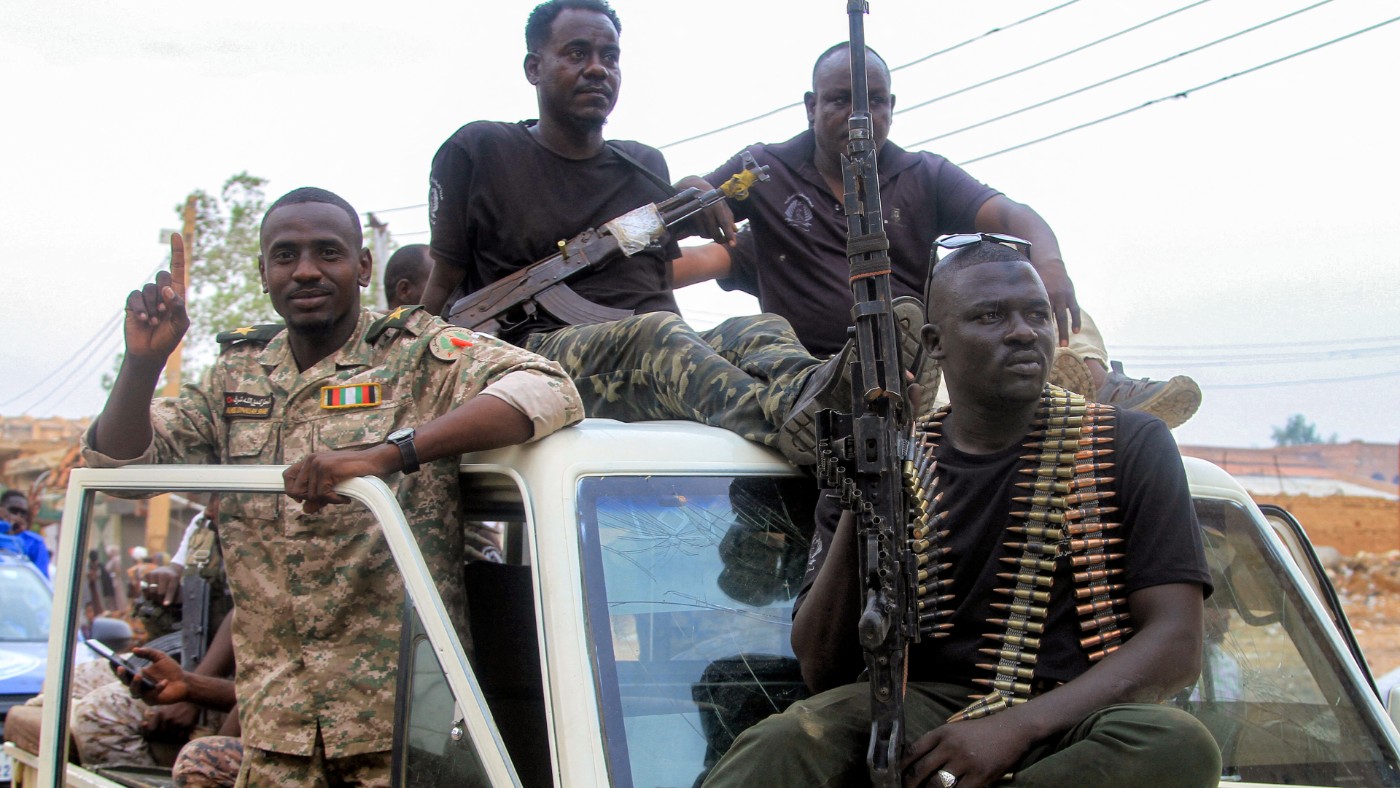
    A Sudan Airways jet touched down at Khartoum International Airport on February 1, 2026, marking only the second commercial arrival since 2023. The 160 passengers erupted in celebration—hugging, cheering, and capturing selfies—as they stepped onto the tarmac of a capital city shattered by nearly three years of civil war. This symbolic moment occurred just weeks after Prime Minister Kamil Idris declared 2026 would be “the year of peace,” with the military-led government announcing its return to Khartoum.

    The scene contrasts starkly with the reality witnessed by BBC reporters months earlier. The airport terminal showed extensive damage, with unexploded munitions littering runways days after the Sudanese army recaptured it from the paramilitary Rapid Support Forces (RSF). Khartoum remains the epicenter of a conflict that erupted in April 2023, transforming government districts into blackened shells and forcing the administration to relocate to Port Sudan on the Red Sea.

    The devastation extends throughout the capital: ministries, banks, and office blocks stand burned and hollowed. The presidential palace remains too damaged for use, while the British embassy bears pockmarked bulletproof glass testimony to intense firefights. The UN describes Sudan as plunged into “an abyss of unfathomable proportions,” with widespread destruction, famine, and human rights violations affecting millions.

    This conflict represents a fundamental power struggle between the Sudanese Armed Forces (SAF) and the RSF—a paramilitary force originally created by ousted dictator Omar al-Bashir as his personal guard. Following Bashir’s 2019 removal, tensions between RSF leader Gen Mohamed Hamdan Dagalo (Hemedti) and army chief Gen Abdel Fattah al-Burhan erupted into full-scale warfare.

    The war has weaponized longstanding ethnic divisions, particularly between nomadic Arabs from the south and west (core RSF supporters) and Nile Valley Arabs from urban areas (traditional ruling class). In Darfur, RSF Arab militias have committed atrocities against non-Arab populations that UN experts say show “hallmarks” of genocide.

    International dimensions complicate the conflict further. Documented evidence suggests the United Arab Emirates supplies weapons to the RSF—a claim Abu Dhabi officially denies. Meanwhile, Sudan’s military employs Turkish and Iranian drones while receiving backing from Egypt, Qatar, and Saudi Arabia.

    Diplomatic efforts led by the Quad nations (US, Saudi Arabia, UAE, and Egypt) face significant obstacles. While the RSF has verbally accepted a peace roadmap beginning with a humanitarian truce, neither side has formally responded, and fighting has intensified rather than diminished. Army chief Burhan insists he cannot agree to any plan unless the RSF accepts surrender conditions.

    The conflict has created the world’s worst humanitarian crisis, with 25 million facing acute food shortages and 12 million displaced. Analysts fear even a ceasefire would be temporary without addressing fundamental issues: the military’s economic control, representation for marginalized regions, and accountability for widespread atrocities.

    With both sides viewing the conflict as existential and foreign powers continuing their support, many experts predict a prolonged war. Some officials compare the situation to America’s 20-year conflict in Afghanistan, while analysts warn of potential “balkanization” of Sudan if fighting continues for another decade or more—a scenario with devastating implications for the entire region.

  • Dirty laundry and chocolate bars: How Venezuelan prisoners smuggled messages out of jail

    Dirty laundry and chocolate bars: How Venezuelan prisoners smuggled messages out of jail

    In a remarkable display of resilience, Venezuelan political prisoners and their families developed ingenious methods to maintain communication under the brutal conditions of El Helicoide, Venezuela’s most notorious detention facility. The story centers on Adriana Briceño, who smuggled messages to her imprisoned husband Ángel Godoy hidden within chocolate bar wrappers, while he reciprocated by writing clandestine notes on dirty laundry returned from the jail.

    Originally conceived as a luxury shopping center in the 1950s, El Helicoide was never completed and eventually transformed into a symbol of state repression under President Nicolás Maduro’s government. The United Nations has documented its use for arbitrary detentions, forced disappearances, and systematic torture practices.

    Godoy, arrested without warning by security forces, endured 96 days of complete isolation before establishing limited contact with his family. His experience mirrors that of human rights activist Javier Tarazona, who suffered 1,675 days in detention under similar conditions. Both men describe punishment cells known as ‘little tigers’—vermin-infested spaces so cramped that prisoners had to alternate lying down, using cardboard over sewer holes as makeshift mattresses.

    The psychological torture extended beyond physical confinement. Guards deliberately disrupted prisoners’ sense of time by delivering meals at irregular intervals, while authorities systematically targeted detainees’ families. Briceño lost her state telecom job after 21 years of service following her husband’s arrest, while Tarazona faced threats against his 70-year-old mother during interrogations.

    Despite being charged with terrorism, treason, and incitement to hatred, neither prisoner received proper legal representation. Godoy never saw his case file or met his assigned lawyer during his year-long detention, while Tarazona saw legal counsel fewer than five times throughout his nearly five-year imprisonment.

    In January, Venezuela’s interim president announced plans to convert El Helicoide into a social and cultural center, a move rights groups characterize as an attempt to whitewash the facility’s dark history. While over 600 prisoners have been released since military operations began, hundreds remain detained according to prisoners’ rights organization Foro Penal.

    Both released detainees express extraordinary calls for national reconciliation despite their suffering. ‘Let us move forward without hatred, resentment, or bitterness to build that wonderful Venezuela,’ Godoy urges, embodying a profound resilience that transcends the brutality they endured.

  • Two-thirds of Cuba, including Havana, hit by blackout

    Two-thirds of Cuba, including Havana, hit by blackout

    A massive power failure has enveloped approximately two-thirds of Cuba, including the capital Havana, in a widespread blackout, exacerbating the nation’s severe energy crisis. The national electric utility UNE reported that the grid collapse originated from a sudden breakdown at the critical Antonio Guiteras thermoelectric plant shortly after noon on Wednesday.

    This incident represents the latest manifestation of an electricity generation system in disarray, where daily outages lasting up to 20 hours have become commonplace across the island nation of 9.6 million people. The structural deficiencies of Cuba’s power infrastructure have been dramatically compounded by fuel shortages stemming from geopolitical tensions.

    The crisis intensified significantly following the United States’ political maneuver against Venezuelan leader Nicolás Maduro on January 3. Maduro’s administration had previously supplied approximately half of Cuba’s fuel requirements. While Washington subsequently eased its oil embargo against Havana after regional warnings about potential humanitarian consequences, the Trump administration maintained substantial restrictions that have left Venezuelan oil shipments in limbo.

    Cuban authorities have implemented drastic measures including diesel sales suspensions, gasoline rationing, reduced hospital services, and expanded teleworking protocols. Public transportation has been sharply curtailed, triggering price surges for private shuttle services.

    The human impact is severe. Residents like Damian Salvador, father of a six-month-old infant, describe the situation as “the final blow,” with perishables including meat and baby formula spoiling without refrigeration. The blackout compounds existing shortages of fuel, medicine, and food that have plagued Cuba for years under the longstanding US trade embargo.

    Geopolitical dimensions continue to escalate. The Trump administration justifies its pressure campaign by citing Cuba’s hosting of foreign intelligence facilities and political repression as “extraordinary threats to US national security.” Meanwhile, Cuba finds itself increasingly isolated internationally, with Air France joining other carriers in suspending flights to Havana due to jet fuel shortages, and Ecuador expelling Cuba’s ambassador from Quito without explicit justification.

  • Household spending rebounds as shoppers open wallets after Christmas slump

    Household spending rebounds as shoppers open wallets after Christmas slump

    Australian households have demonstrated a cautious return to spending in January, though not in the manner many economists had anticipated. Official data from the Australian Bureau of Statistics (ABS) reveals a modest 0.3 percent increase in overall consumer expenditure for the month, defying expectations of a more robust post-holiday rebound.

    The composition of this spending, however, tells a more nuanced story. The growth was predominantly driven by essential services, which surged by 0.8 percent. This category was led by increased expenditure on health services and automotive repairs and maintenance—practical necessities rather than luxury items. Meanwhile, discretionary spending saw only a marginal uptick of 0.1 percent, with modest gains in air transport, personal effects, and recreational services.

    A significant divergence emerged between spending on services and goods. Service-oriented consumption rose by 1 percent, bolstered by digital streaming subscriptions and travel agency services. In contrast, goods purchases declined by 0.3 percent, with notable reductions in vehicle acquisitions and recreational goods.

    This January performance follows a volatile holiday shopping season characterized by heavy discounting in October and November 2022, which boosted sales, followed by a 0.5 percent contraction in December. The latest figures fell slightly below projections from major financial institutions including Commonwealth Bank and NAB, both of which had forecast a 0.4 percent increase.

  • North Korean leader Kim inspects new warship, claims progress toward nuclear-armed navy

    North Korean leader Kim inspects new warship, claims progress toward nuclear-armed navy

    North Korean leader Kim Jong Un has personally overseen a significant naval modernization initiative, conducting two consecutive days of inspections of his country’s newest destroyer and witnessing live-fire cruise missile tests from the warship. According to state media reports released Thursday, Kim visited the Nampo shipyard on Tuesday and Wednesday to evaluate the Choe Hyon, a 5,000-ton destroyer first unveiled in April 2025, which he hailed as a transformative asset for expanding North Korea’s maritime strike capabilities.

    During the comprehensive inspection, Kim also examined progress on a third destroyer of the same class currently under construction at the Nampo facility, scheduled for completion by October to coincide with the ruling Workers’ Party founding anniversary. The Choe Hyon represents a technological leap for North Korea’s navy, designed to integrate multiple weapons systems including anti-aircraft defenses, anti-ship weaponry, and nuclear-capable ballistic and cruise missiles.

    South Korean military analysts have noted the likely involvement of Russian technical assistance in the destroyer’s development, given deepening military cooperation between Pyongyang and Moscow. However, questions remain about the vessel’s operational readiness despite Kim’s declaration that it has met all sea trial requirements.

    The naval demonstration comes amid a strategic pivot in North Korea’s military development priorities. After years of concentrated ballistic missile testing, Kim has increasingly emphasized naval power projection, including ongoing development of nuclear-powered submarines. At last month’s Workers’ Party congress, the leader outlined ambitious five-year goals that include deploying intercontinental ballistic missiles from underwater platforms.

    Kim characterized these advancements as representing ‘satisfactory progress’ in nuclear armament of naval forces, claiming they would ‘constitute a radical change in defending our maritime sovereignty.’ Analysts suggest this language may foreshadow a formal declaration of expanded maritime boundaries that could challenge South Korea’s control over disputed waters.

    The developments occur against a backdrop of heightened inter-Korean tensions, with Kim repeatedly rejecting the legitimacy of the Northern Limit Line sea boundary established after the Korean War. While maintaining aggressive rhetoric toward South Korea, the North Korean leader has simultaneously left open the possibility of dialogue with the United States, contingent on Washington abandoning its denuclearization prerequisites for negotiations.