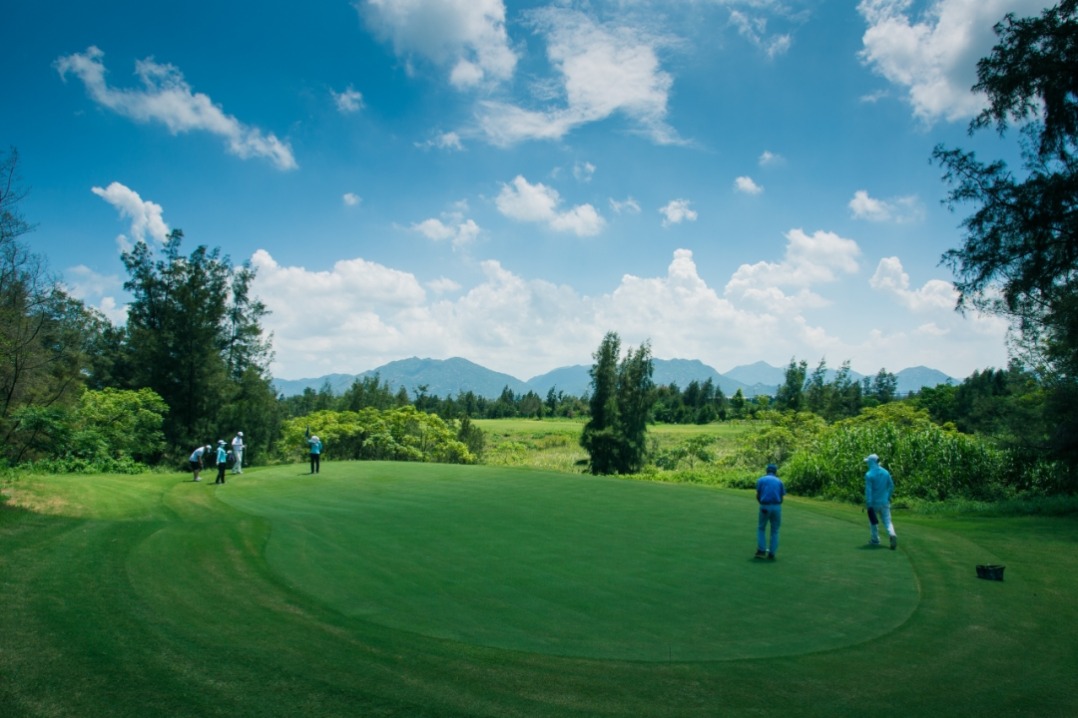
Fujian Province in China has become a hotspot for South Korean golfers, thanks to a combination of favorable policies, improved infrastructure, and strategic marketing efforts. The introduction of a visa-free policy for South Korean citizens in November 2024, coupled with the resumption of direct flights between the two countries, has significantly boosted inbound tourism, particularly to Fujian’s golf courses. The Trans Strait Golf Club in Fuzhou, for instance, welcomed approximately 6,000 South Korean golfers from December to April, capitalizing on the region’s milder winter climate compared to South Korea. This influx has not only offset the traditional winter lull but also bolstered the club’s income. The surge in visitors is further supported by China’s expanded transit policy, allowing foreigners to stay for up to 240 hours in key Fujian cities. Travel agencies have reported a 125% year-on-year increase in South Korean tourism bookings to China in the first half of 2025, with Fujian’s diverse attractions—ranging from its scenic coastline to historical landmarks—proving particularly appealing. The provincial government has also incentivized travel agencies to attract international visitors and invested in infrastructure upgrades. To cater to the growing number of South Korean golfers, local clubs have adapted their services, offering Korean cuisine, signage, and language support. The Wuyi Mountain scenic area, known for its unique golfing experience amidst stunning landscapes, is also preparing to attract more visitors following the introduction of a direct flight route to Seoul. As the winter season approaches, Fujian is poised to surpass last year’s record in hosting South Korean golfers, further cementing its status as a premier golfing destination.
作者: admin
-

UK police charge man with attempted murder over train stabbing that wounded 11 people
In a shocking incident that has rattled the United Kingdom, a 32-year-old man has been charged with attempted murder following a mass stabbing attack on a train that left 11 people injured. Anthony Williams, a British citizen from Peterborough, faces 10 counts of attempted murder, one count of actual bodily harm, and one count of possession of a bladed article in connection with the attack that occurred on Saturday evening. Additionally, Williams is charged with attempted murder in a separate incident at Pontoon Dock light rail station in London earlier the same day. Authorities are investigating potential links to other offenses. The British Transport Police have confirmed that the stabbings are not being treated as an act of terrorism, and no other suspects are being sought. A second man, initially arrested, was released without charge after it was determined he was not involved. The attack, which lasted several minutes, caused widespread panic among passengers on a train traveling from Doncaster to London. The most seriously injured victim, a railway staff member who attempted to intervene, is in critical but stable condition and has been hailed as a hero by police. Williams was arrested when the train made an emergency stop in Huntingdon, with authorities detaining him within eight minutes of receiving the first emergency calls. While the attack is considered an isolated incident, security on the railway has been heightened, with armed police officers patrolling major train stations on Monday.
-
APEC leaders jointly agree on AI vision
The Asia-Pacific region is emerging as a global leader in artificial intelligence (AI), with experts emphasizing the need for enhanced regional collaboration and smart governance to ensure the technology benefits all. At the recently concluded Asia-Pacific Economic Cooperation (APEC) CEO Summit in Gyeongju, South Korea, leaders and experts highlighted the region’s potential to drive AI innovation and its transformative impact on economies. Nitin Mittal, Deloitte’s global AI leader, underscored the region’s advantages, including its vast talent pool, rapid innovation pace, and substantial infrastructure investments. The summit, held alongside the APEC Economic Leaders’ Meeting, marked a historic moment as member economies adopted a joint AI initiative. This initiative aims to spur economic growth through innovation, enhance AI capabilities, and expand private investment in resilient AI infrastructure. Kim Wan-joong, a special adviser to the 2025 APEC CEO Summit Secretariat, stressed the importance of collective efforts, stating that no single company or country can achieve AI-driven growth alone. He emphasized the need for governments to take a proactive role in fostering collaboration. The potential for deepened AI cooperation between South Korea and China was also highlighted, given their strong trade ties and shared technological ambitions. Lee Young-chan, a professor at Dongguk University, pointed to opportunities for startups in both countries to collaborate on AI research and development, particularly in areas like smart manufacturing and the internet of things. However, Choi Pil-soo, a professor at Sejong University, cautioned against the unchecked substitution of human labor and judgment with AI, urging countries to establish robust AI norms. He called for governments to create mechanisms to manage excessive competition and ensure sustainable AI governance. Mittal echoed this sentiment, emphasizing that AI should not be viewed as a race among nations but as a tool to improve quality of life and drive societal advancement. He lauded China’s AI advancements, noting its potential to benefit the Asia-Pacific region and beyond. The recently unveiled recommendations for China’s 15th Five-Year Plan (2026-30) further underscore the country’s commitment to AI innovation and its role in shaping the global AI landscape.
-
APEC expected to lead global green transition
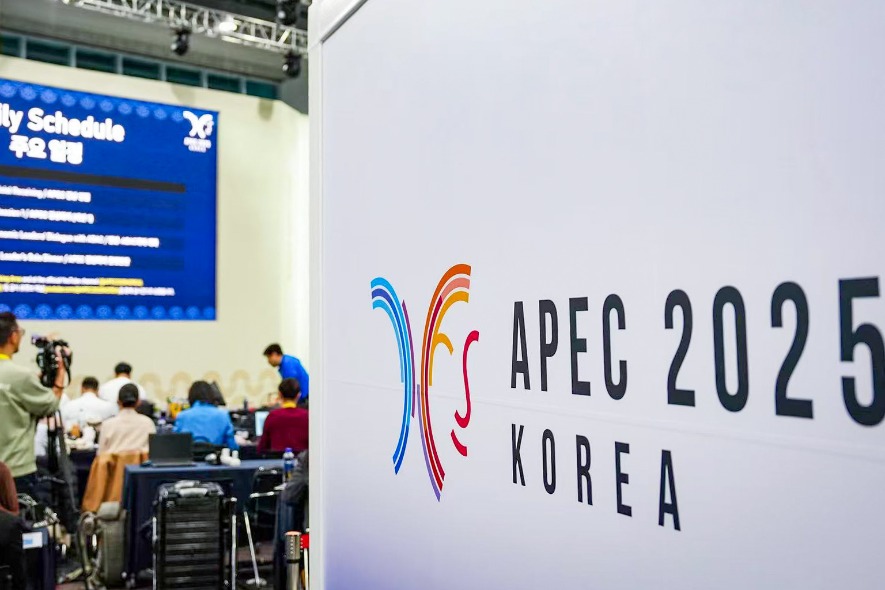
The recently concluded APEC Economic Leaders’ Meeting in Gyeongju, South Korea, has underscored the Asia-Pacific region’s pivotal role in steering the world toward a sustainable, low-carbon future. Amid ongoing global resistance to climate action, experts emphasize that the region must spearhead efforts to combat environmental challenges. APEC’s ambitious goal, set in 2014, to double renewable energy usage by 2030 from 2010 levels, is already ahead of schedule. Between 2010 and 2022, renewable energy’s share in power generation surged by 63.4%, from 15.58% to 25.46%. Kazutomo Irie, president of the Asia Pacific Energy Research Centre, expressed confidence that APEC will achieve its target in the power sector by 2030. The Gyeongju Declaration, adopted at the meeting, urged member economies to address shared challenges such as energy security, food security, and extreme weather events. Shakeel Ahmad Ramay, CEO of the Asian Institute of Eco-civilization Research and Development, highlighted the region’s growing recognition of green development’s importance amid global climate pressures. This year’s meeting, themed ‘Building a Sustainable Tomorrow: Connect, Innovate, Prosper,’ emphasized collaboration to tackle climate change and promote green growth. Lin Boqiang, head of the China Institute for Studies in Energy Policy, noted that APEC provides a crucial platform for addressing common challenges, especially after the U.S. withdrawal from the Paris Agreement. Despite progress, the region faces hurdles such as insufficient momentum and investment in the green transition. Experts called for deeper international cooperation to enhance investment, facilitate technological exchange, and promote policy coordination. Ramay suggested establishing an apolitical green transition fund to support developing economies. Lin also advocated for reducing trade barriers to enable the entry of affordable clean energy equipment into the Asia-Pacific market, fostering both energy security and clean energy goals.
-

Serious business of jokes
Hong Kong’s stand-up comedy scene has experienced a remarkable resurgence since the pandemic, with more frequent gigs, refined humor, and comedians gaining international recognition. The city’s audience, known for its discerning taste, has embraced both local and international talent, creating a vibrant and inclusive comedy culture.
-

Ordos lures travelers to its stunning landscapes
As the sun sets over the desert dunes of Ordos in Inner Mongolia, casting the sky in hues of amber and orange, South Korean tourists eagerly capture the moment on their phones. This breathtaking desert sunset, often highlighted on social media, has become a must-see attraction for many. ‘I saw a video of the desert’s starry sky and knew I had to come,’ shared Son Hye-ryeong, a visitor from Seoul. ‘It feels like being in a movie.’ Son is among the increasing number of South Korean tourists flocking to Ordos in recent months. According to Hou Le, head of the Ordos Culture and Tourism Bureau’s resource development division, the city has experienced a ‘dramatic surge’ in tourism. Last year, Ordos welcomed 35,000 inbound tourists, marking a 327 percent increase from the previous year, with over 10,000 visitors arriving from South Korea on 108 charter flights. This momentum has continued into this year, with 11,737 South Korean tourists arriving by early October on 83 charter flights, boasting a remarkable 98 percent seat occupancy rate. Tourists are not only drawn to Ordos for its stunning landscapes but also for its immersive cultural experiences. ‘They are not just here for the scenery. They are here to have an experience,’ said Li Yanhong, head of the Ordos grassland tourist area at Inner Mongolia Mengzhilyu Holiday Travel Co. The grassland area features 158 Mongolian yurts, catering to visitors’ interest in traditional accommodations. Another highlight is the large-scale equestrian show ‘Hero,’ which blends horsemanship with storytelling, offering highly shareable moments for social media. The desert itself also attracts tourists with activities like camel riding, sandboarding, and stargazing. ‘Many South Korean tourists love to walk barefoot on the sand. They find the texture soothing,’ said Quan Tianshi, head of Ordos Lianxing International Travel Agency. ‘But the most memorable moments are often the silent ones — watching the sunset or lying on the dunes under a full sky of stars. It’s an escape they can’t find in the city.’ A viral video from a South Korean travel blogger last year led to a several-fold increase in bookings, showcasing the powerful influence of social media. Recognizing this demand, Ordos has expanded its air corridor, launching direct flights from Seoul, Cheongju, Gwangju, Jeju, and recently, Incheon, Daegu, and Busan. Key scenic spots like the Ordos grassland and Xiangshawan scenic area now feature Korean-language signs and guides, and over 2,500 hotels accept passport check-ins, with improvements underway for foreign card payments and currency exchange. These thoughtful touches have not gone unnoticed. ‘We had Korean-speaking guides throughout our four-day trip, and there were signs in Korean. It felt very thoughtful,’ said South Korean tourist Park Sang-woo. The combination of natural beauty, cultural depth, and visitor-friendly services is reshaping Ordos’ tourism. As evening falls on the grasslands, tourists gather around bonfires, joining locals in song and dance — a shared moment connecting different cultures under the same vast sky.
-
Trump’s planned tests are ‘not nuclear explosions’, US energy secretary says
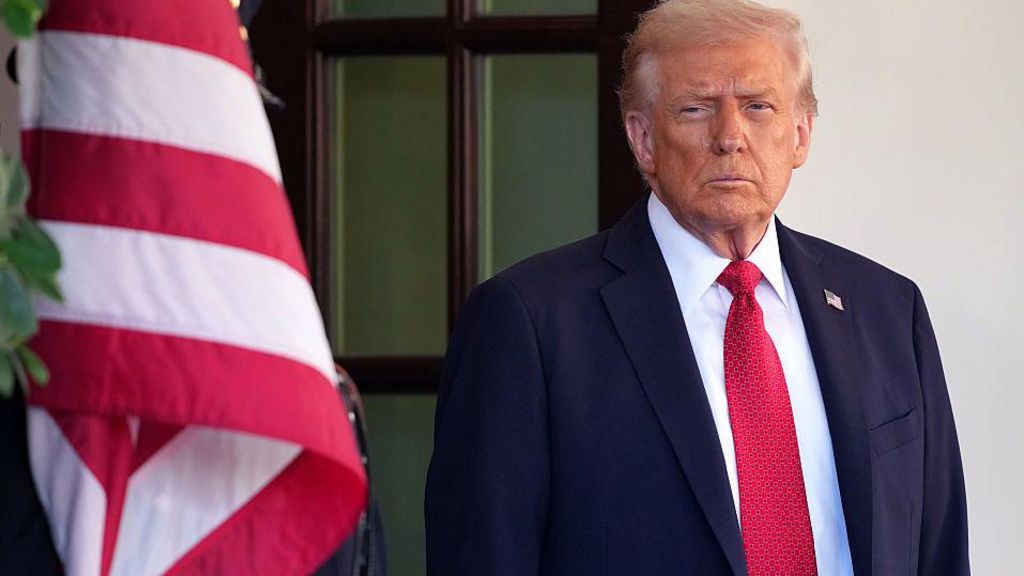
In a bid to assuage global apprehensions, US Energy Secretary Chris Wright has categorically stated that the United States does not intend to conduct nuclear explosions. This declaration follows President Donald Trump’s recent directive to the military to resume nuclear weapons testing, a move that has sparked widespread concern. Wright, in an interview with Fox News on Sunday, emphasized that the planned tests are ‘non-critical explosions,’ aimed at ensuring the reliability of nuclear weapon components without triggering a nuclear detonation. ‘Americans near historic test sites such as the Nevada National Security Site have no cause for concern,’ Wright assured, addressing fears of a mushroom cloud resurgence. Trump’s call for testing, articulated on Truth Social, was perceived by many as a precursor to full-scale nuclear blasts, a practice dormant since 1992. However, Wright’s remarks aim to clarify that the tests are not of the same magnitude. Trump, in a subsequent interview with CBS’s 60 Minutes, reiterated his stance, asserting that the US should not lag behind other nations in nuclear testing. ‘Russia’s testing, and China’s testing, but they don’t talk about it,’ Trump remarked, adding North Korea and Pakistan to the list of nations allegedly conducting such tests. Both China and Russia have denied these allegations, with China’s foreign ministry spokesperson Mao Ning affirming China’s commitment to a self-defence nuclear strategy and a moratorium on nuclear testing. Russia’s Kremlin spokesman Dmitry Peskov also refuted claims of recent nuclear tests, emphasizing that certain weapon tests should not be misconstrued as nuclear detonations. The global nuclear landscape remains tense, with the US and Russia holding the largest arsenals, followed by China, which is rapidly expanding its nuclear capabilities. The Federation of American Scientists estimates that Russia possesses approximately 5,459 warheads, while the US has about 5,177. China, with around 600 warheads, is projected to exceed 1,000 by 2030, according to the Center for Strategic and International Studies. As the world watches, the US’s approach to nuclear testing continues to be a focal point of international discourse.
-
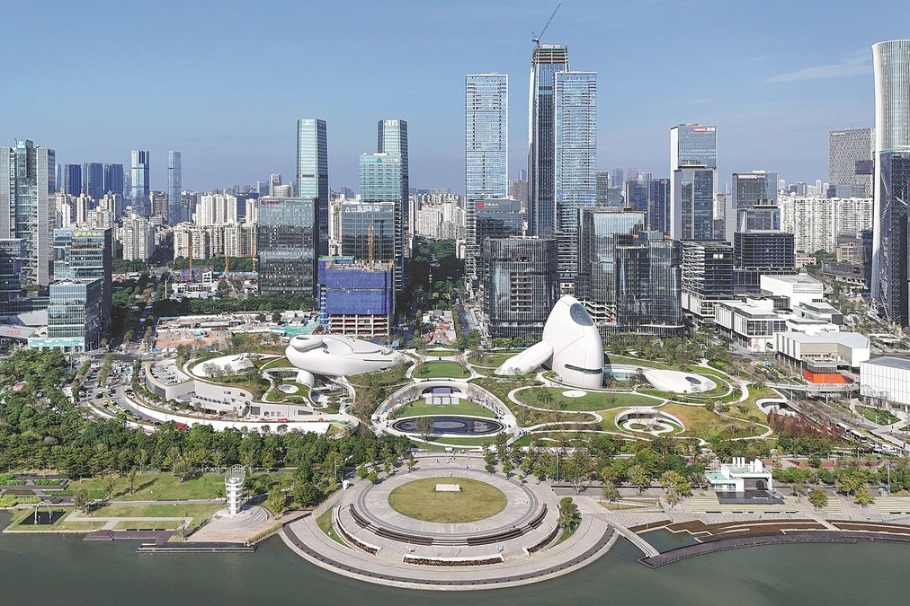
Shenzhen to take APEC center stage
Shenzhen, the coastal metropolis in Guangdong Province, has been selected to host the 33rd Asia-Pacific Economic Cooperation (APEC) Economic Leaders’ Meeting in 2026. This marks the third time China has hosted the prestigious event, following Shanghai in 2001 and Beijing in 2014. The announcement has thrust Shenzhen into the global spotlight, positioning it as a symbol of China’s economic transformation and technological prowess.
-
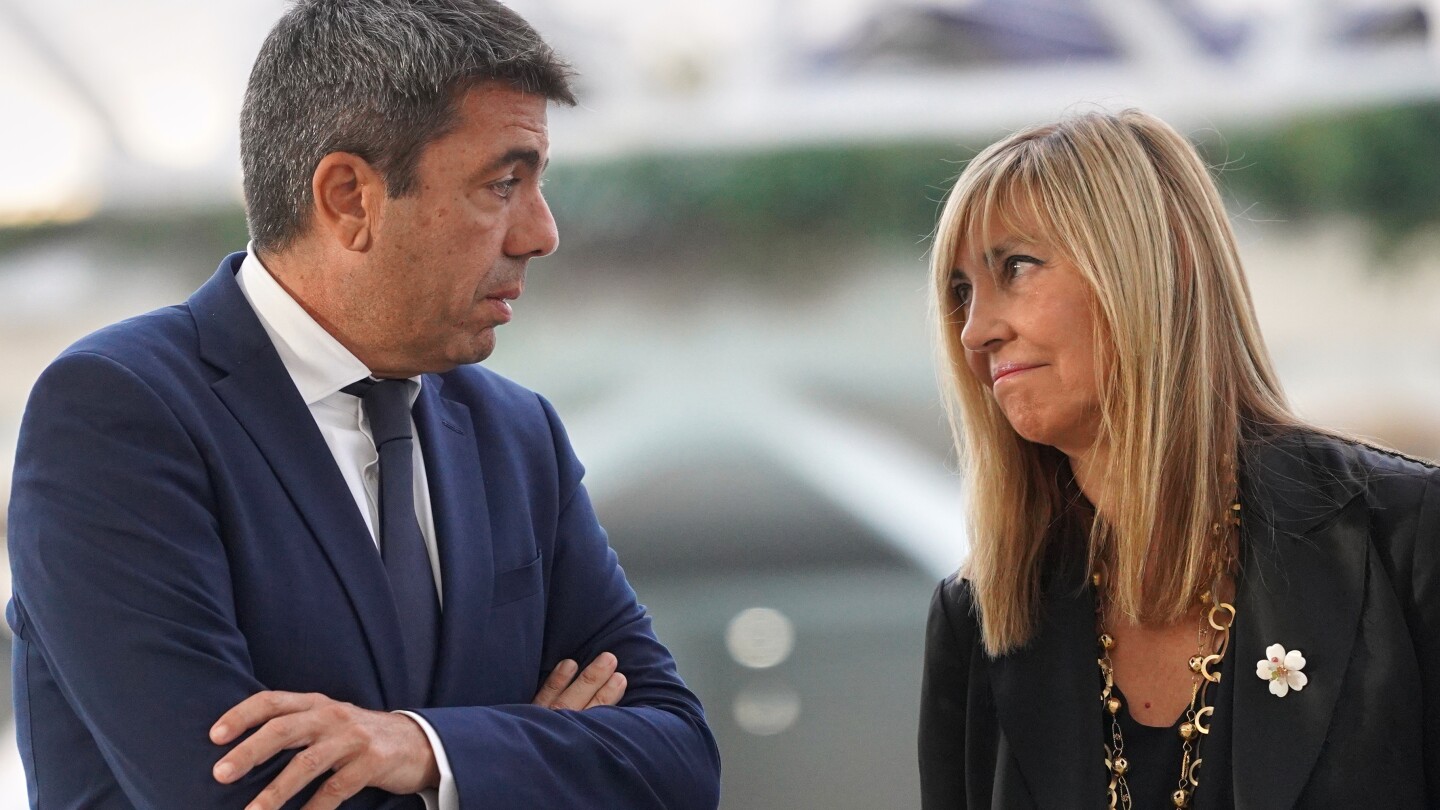
Spainish regional leader steps down over his handling of last year’s Valencia flash floods
MADRID (AP) — Carlos Mazón, the leader of Spain’s Valencia region, announced his resignation on Monday following intense scrutiny over his administration’s handling of the catastrophic flash floods that claimed 229 lives last year. The decision comes after months of mounting pressure from both the public and political opponents, who have accused him of mismanaging the crisis. The devastating floods, which occurred on October 29, 2024, overwhelmed the region, sweeping away vehicles and destroying homes. Mazón faced widespread criticism for the delayed issuance of flood alerts to residents’ mobile phones, which came after the waters had already breached their banks. Additionally, his decision to attend a lengthy lunch on the day of the disaster, while emergency officials were coordinating relief efforts, further fueled public outrage. The backlash reached a peak during a state memorial ceremony held on the first anniversary of the tragedy, where family members of the victims openly jeered and insulted him. Mazón’s resignation marks a significant moment in Valencia’s political landscape, as the region continues to grapple with the aftermath of the disaster and the need for improved emergency response systems.
-

Egypt opens Grand Egyptian Museum, eyes tourism boom, economic lift
Egypt has officially unveiled the Grand Egyptian Museum (GEM), a monumental project poised to revitalize the nation’s tourism sector and stimulate economic growth. Situated on the Giza Plateau, a mere 2 kilometers from the iconic Pyramids and the Sphinx, the GEM spans an impressive 500,000 square meters, making it the largest museum dedicated to a single civilization globally. The inauguration ceremony, held on November 1, 2025, was graced by numerous international delegations, including heads of state and government, marking a significant cultural milestone.
The GEM houses over 100,000 artifacts that chronicle thousands of years of Egyptian history, including a towering 12-meter statue of King Ramses II, dating back 3,200 years. The museum’s design, which overlooks the Pyramids, symbolically bridges the ancient and modern worlds. Mohamed Othman, head of the Cultural Tourism Marketing Committee in Upper Egypt, emphasized the museum’s potential to extend visitor stays and boost cultural tourism, aligning with Egypt’s ambitious goal of attracting 30 million tourists annually.
The economic implications of the GEM are substantial. Tour operators are already crafting week-long itineraries centered around the museum, reflecting its significant impact on the tourism sector. The museum has also spurred job creation in Giza, generating tens of thousands of direct and indirect employment opportunities. Furthermore, it is encouraging visitors to explore other historical sites in Luxor and Aswan, thereby creating a new tourism flow from Cairo to Upper Egypt.
Tourism is a cornerstone of Egypt’s economy, contributing significantly to foreign currency earnings alongside remittances, Suez Canal revenues, and exports. Despite regional instability, the sector has shown resilience, with tourism revenues reaching $15.3 billion in 2024, a 9% increase from the previous year. The government aims to attract approximately 18 million visitors in 2025, with the GEM expected to draw around 15,000 visitors daily, or roughly 5 million annually.
The museum’s centerpiece is the complete collection of King Tutankhamun’s artifacts, including his iconic golden mask, gilded coffins, and royal chariots, displayed together for the first time since their discovery in 1922. Abdel Fattah al-Assi, a former assistant minister of tourism and antiquities, highlighted the GEM’s unique focus on ancient Egyptian civilization, which enhances Egypt’s competitive edge in global tourism. He likened the museum’s economic role to that of the Suez Canal, emphasizing its potential to inject much-needed foreign currency into the economy.
Infrastructure upgrades, such as new highways, hotels, and the Sphinx International Airport, further bolster the GEM’s appeal by simplifying travel and lodging. These developments are expected to encourage tour operators to combine Cairo trips with resort packages to destinations like Hurghada and Sharm el-Sheikh. ‘The GEM will reshape Egypt’s tourism map, especially in Cairo,’ al-Assi remarked. ‘Its impact on the country’s tourism industry and economy will be profound.’