作者: admin

  • UAE Islamic finance market poised for major expansion amid global momentum

    UAE Islamic finance market poised for major expansion amid global momentum

    The United Arab Emirates (UAE) is emerging as a global powerhouse in Islamic finance, with its sector poised for significant expansion. As of the first half of 2025, Islamic banking assets in the UAE reached $242.7 billion, accounting for 18% of the nation’s total banking assets. This growth is part of a broader global trend, with Islamic finance now valued at over $5.5 trillion worldwide. The UAE ranks as the fourth-largest Islamic finance jurisdiction globally, driven by a robust national strategy aiming to more than double Islamic banking assets and sukuk listings by 2031. The strategy includes increasing Islamic banking assets to Dh2.56 trillion ($697.5 billion) and boosting sukuk issuances to Dh660 billion ($179.8 billion).

    Standard Chartered’s report, ‘Islamic Banking for Corporates: Broadening Horizons,’ highlights the UAE’s consistent outperformance of conventional banking growth. The report emphasizes the sector’s alignment with environmental, social, and governance (ESG) principles, making it increasingly attractive to global investors. Sustainable sukuk, for instance, saw subscription rates of 4.3 times their issuance value in 2024, compared to 3.1 times for traditional sukuk. This demand is driven by non-traditional investors, particularly from Europe.

    Digital innovation is also reshaping the Islamic finance landscape. Tokenized sukuk and blockchain-enabled platforms are streamlining cross-border transactions and reducing costs. Malaysia is leading in integrating digital assets into Islamic finance, while the UAE is exploring similar advancements to enhance its financial infrastructure.

    Corporate sectors such as real estate, logistics, and food production are leveraging Shariah-compliant financing to access new markets and diversify funding sources. In July 2025, UAE-based developer Arada raised $450 million through its largest sukuk issuance to date, oversubscribed 4.4 times. This underscores the growing investor demand for Shariah-compliant assets, which continues to outpace supply.

    The UAE’s proactive approach and strategic investments are positioning it as a global hub for ethical and sustainable finance. For corporates navigating a values-driven world, Islamic banking is no longer just an alternative—it’s a competitive advantage.
  • World’s oldest president sworn in for eighth term in Cameroon

    World’s oldest president sworn in for eighth term in Cameroon

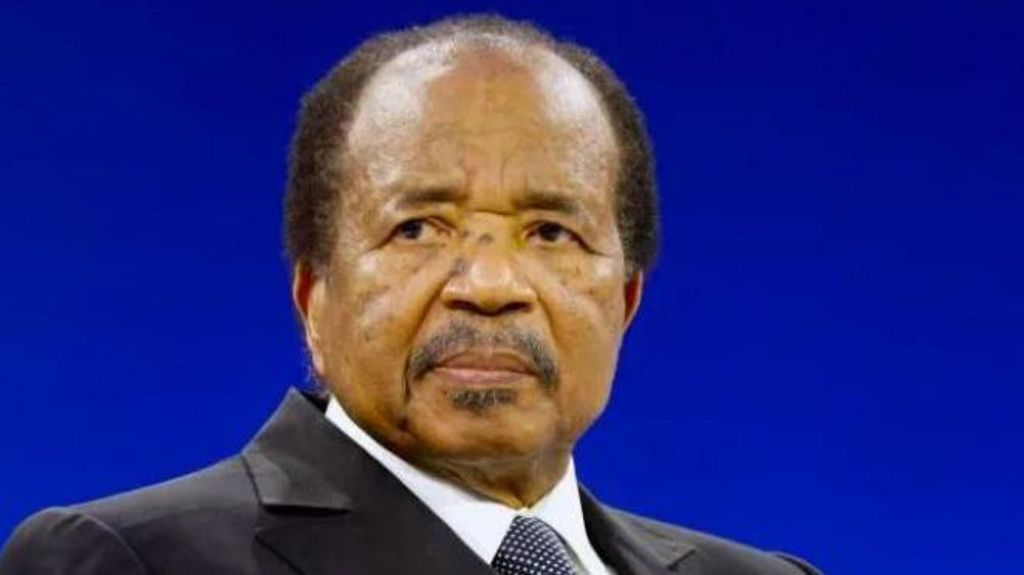
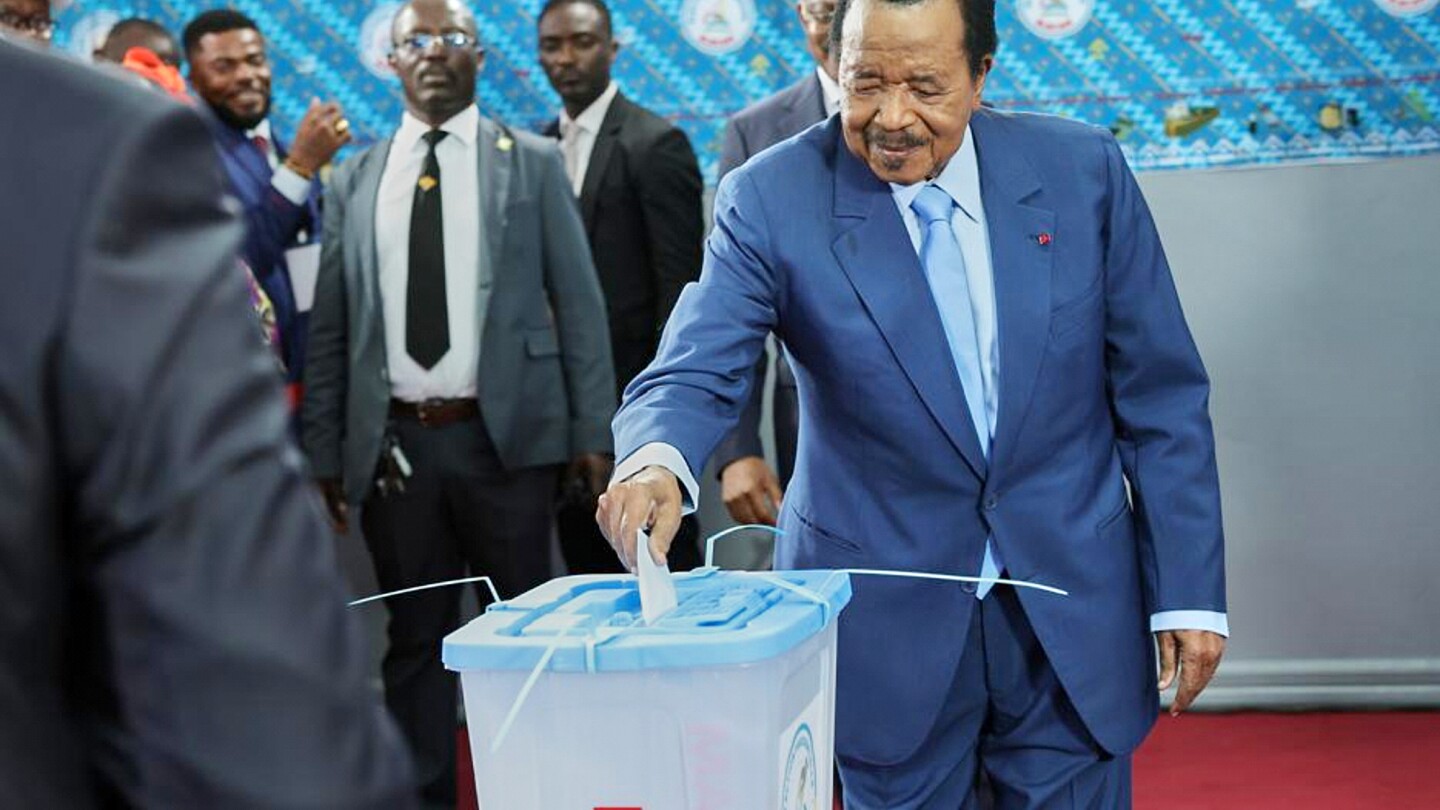
    Cameroon’s long-serving President, Paul Biya, aged 92, has been inaugurated for an unprecedented eighth term following a contentious election last month. The swearing-in ceremony took place at the parliament in Yaoundé, marking the continuation of a 43-year reign that began in 1982. Biya, who is currently the world’s oldest head of state, secured 54% of the vote, as per official results, while his closest rival, Issa Tchiroma Bakary, garnered 35%. Bakary has vehemently contested the outcome, alleging electoral fraud, a claim dismissed by the authorities. The announcement of Biya’s victory sparked widespread protests across the nation, reflecting deep-seated divisions and dissatisfaction among the populace. Biya’s campaign was notably subdued, with the nonagenarian addressing only one rally prior to the election. His extended tenure has drawn both domestic and international scrutiny, raising questions about the future of governance in Cameroon.

  • Cameroon’s 92-year-old president Paul Biya sworn in again as opposition cries foul

    Cameroon’s 92-year-old president Paul Biya sworn in again as opposition cries foul

    Cameroon’s President Paul Biya, the world’s oldest head of state, was inaugurated on Thursday for a seventh term following a contentious election marred by allegations of fraud. The 92-year-old leader, who has been in power since 1982, took the oath of office in a heavily militarized Yaounde, the nation’s capital, which residents described as partially deserted. Biya’s victory, declared by Cameroon’s top court on October 27 with 53.66% of the vote, has been labeled a “constitutional coup” by his main rival, Issa Tchiroma Bakary, who secured 35.19% of the vote. In his address to Parliament, Biya pledged to uphold the trust of the Cameroonian people and work towards a “united, stable, and prosperous” nation. However, the ceremony unfolded against a backdrop of deep political divisions, ongoing security challenges in Anglophone regions, and widespread disillusionment among the populace. Protests erupted across the country after the October 19 election, culminating in a three-day lockdown this week. The government confirmed at least five deaths during the unrest, though opposition groups claim the toll is significantly higher. Tchiroma accused Biya of orchestrating “electoral theft,” asserting that the will of the people had been trampled. Biya’s prolonged rule, enabled by a 2008 constitutional amendment abolishing term limits, has left many young Cameroonians disillusioned. With over 70% of the population under 35, his tenure has been marked by economic stagnation and armed insurgencies in the north and west. If he completes this term, Biya will step down at nearly 100 years old, leaving behind a legacy of mixed results and a nation grappling with uncertainty.

  • China’s Global Mangrove vision takes root in Shenzhen

    China’s Global Mangrove vision takes root in Shenzhen

    In the heart of Shenzhen, Guangdong province, the International Mangrove Center has become a beacon of global collaboration in mangrove conservation. Established just a year ago, the center has successfully united 20 member countries in a shared mission to protect one of the planet’s most vital yet vulnerable ecosystems. Mangroves, which thrive along tropical and subtropical coastlines, serve as natural defenses against storms, purify seawater, sequester carbon, and support diverse marine life. China stands out as one of the few nations to achieve a net increase in mangrove coverage, thanks to extensive restoration initiatives and robust wetland protection legislation. The center’s efforts underscore the importance of international cooperation in safeguarding these critical habitats for future generations.

  • Pope Leo meets Palestinian President Abbas, discuss urgent need for Gaza aid, two-state solution

    Pope Leo meets Palestinian President Abbas, discuss urgent need for Gaza aid, two-state solution

    In a historic meeting at the Vatican, Pope Leo XIV and Palestinian President Mahmoud Abbas convened for the first time on Thursday to address the ongoing crisis in Gaza and the broader Israeli-Palestinian conflict. The hour-long discussion, described as “cordial” by the Vatican, centered on the urgent need to provide humanitarian aid to civilians in Gaza and to advance a two-state solution as a pathway to lasting peace. This meeting marked a significant diplomatic engagement, coming nearly a month after a U.S.-brokered ceasefire took effect in the region. The two leaders had previously communicated over the phone in July, discussing the escalation of violence in Gaza and the West Bank. The Vatican emphasized the shared recognition of the necessity to alleviate the suffering of civilians and to pursue a political resolution to the conflict. Abbas’s visit to the Vatican also commemorated the 10th anniversary of the Comprehensive Agreement between the Holy See and the State of Palestine, underscoring the longstanding diplomatic ties between the two entities. During his stay in Rome, Abbas paid homage at the Basilica of St. Mary Major, honoring the late Pope Francis, with whom he had maintained regular contact, particularly in the aftermath of the October 7, 2023, Hamas attacks and Israel’s subsequent military response in Gaza.

  • Divided Bank of England holds key interest rate at 4% despite hopes inflation has peaked

    Divided Bank of England holds key interest rate at 4% despite hopes inflation has peaked

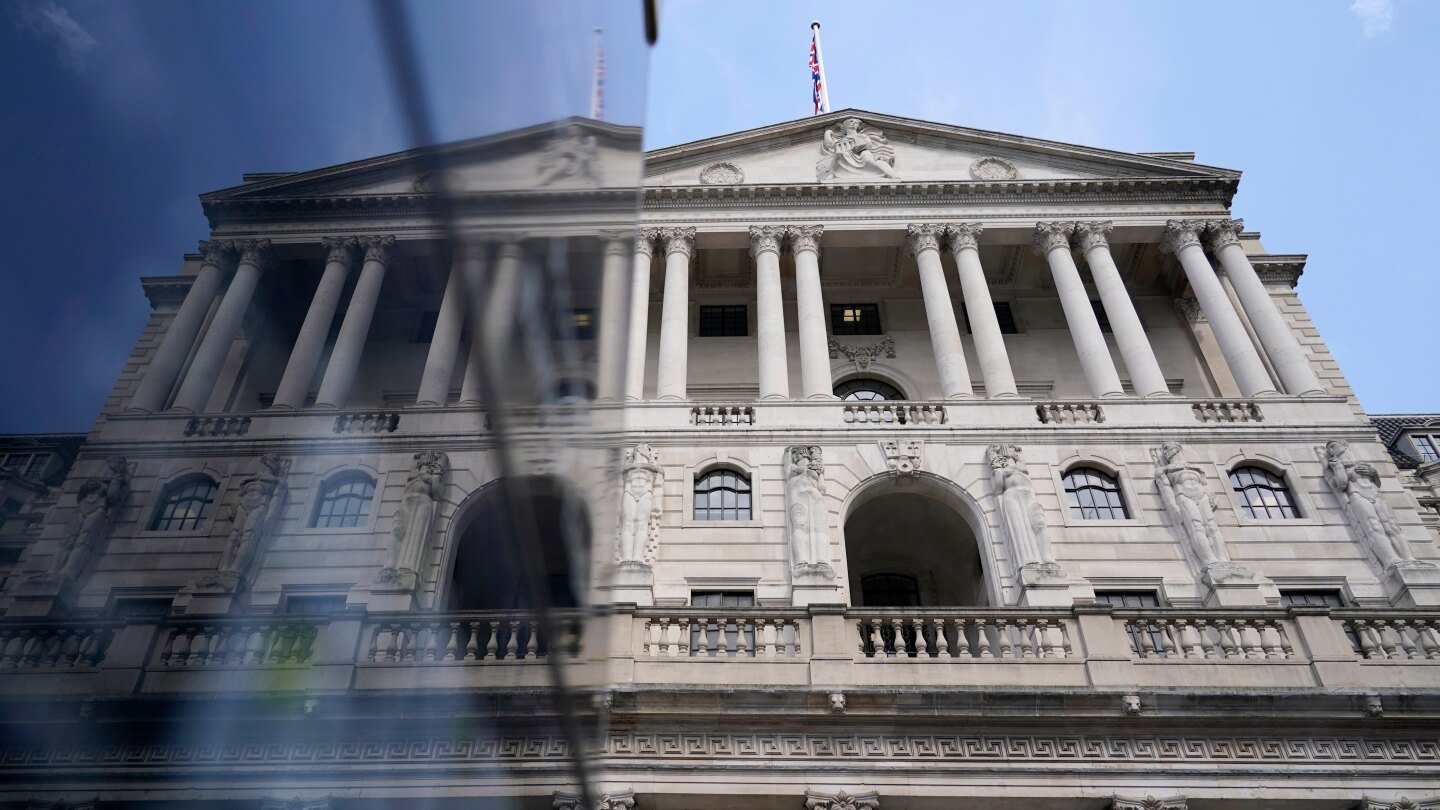
    The Bank of England (BoE) has decided to maintain its benchmark interest rate at 4% during its latest policy meeting on Thursday. The decision, made by the nine-member Monetary Policy Committee (MPC), was widely expected, though some analysts had speculated on a potential quarter-point reduction to 3.75%. The vote was notably close, with five members favoring no change and four supporting a rate cut. Governor Andrew Bailey emphasized the need for greater certainty that inflation is on a sustainable path toward the bank’s 2% target before considering further reductions. Currently, the annual consumer price inflation rate stands at 3.8%, nearly double the BoE’s target. The MPC noted in its meeting minutes that inflation has likely peaked at a lower level than previously forecasted in August, when the last rate cut was implemented. Economists anticipate that inflation will continue to decline in the coming months, potentially reaching the target by next year, which could pave the way for a rate cut at the December meeting. The upcoming UK budget announcement on November 26 is expected to play a pivotal role in shaping economic policy, with Treasury chief Rachel Reeves signaling potential tax increases aimed at reducing inflation and stabilizing the economy. Since initiating rate cuts in August 2024, the BoE has adopted a cautious approach, adjusting rates every three months. Thursday’s decision marks the first time the bank has opted against a rate cut within this quarterly framework. Meanwhile, the US Federal Reserve recently reduced its key interest rate for the second time this year, though Chair Jerome Powell cautioned that further cuts are not guaranteed, citing economic uncertainties and internal divisions among policymakers.

  • Indonesia to send home two ailing Britons serving prison terms on drug charges

    Indonesia to send home two ailing Britons serving prison terms on drug charges

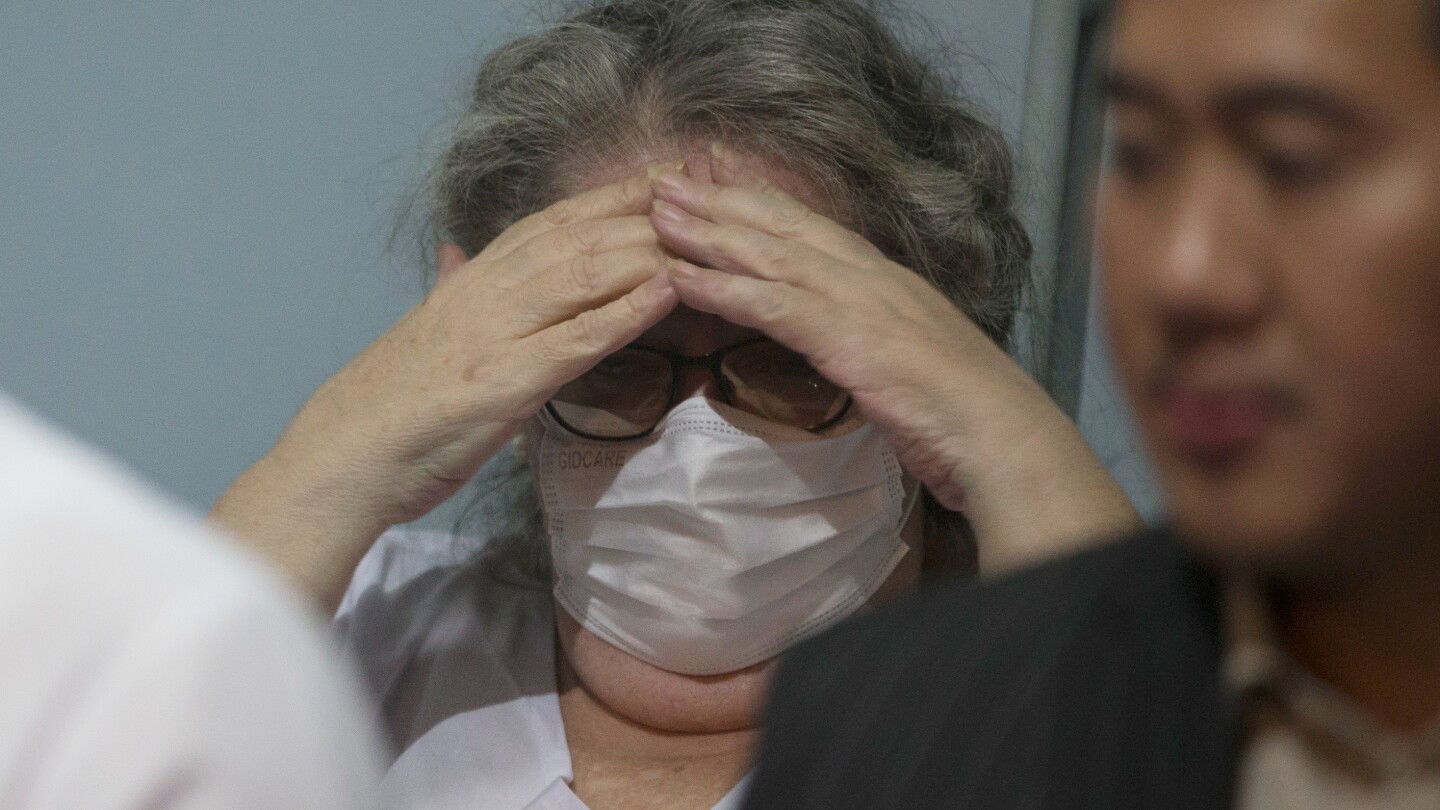
    Two British nationals, Lindsay Sandiford and Shahab Shahabadi, who were imprisoned in Indonesia on drug-related charges, are set to return to the United Kingdom following a bilateral agreement between the two nations. The repatriation, facilitated by Indonesian authorities, marks a significant development in international legal cooperation. Sandiford, 69, was arrested in 2012 and sentenced to death for smuggling 3.8 kilograms of cocaine into Bali. Shahabadi, 35, received a life sentence in 2014 for his involvement in an international drug trafficking network. Both individuals were escorted to Bali’s airport on Thursday evening and are scheduled to depart early Friday, with a layover in Doha before reaching London. The decision to repatriate them was influenced by their severe health conditions—Sandiford suffers from diabetes and hypertension, while Shahabadi has mental health issues. The agreement, signed on October 21 by Indonesian Coordinating Minister Yusril Ihza Mahendra and British Foreign Secretary Yvette Cooper, underscores Indonesia’s commitment to humanitarian considerations in its legal framework. Deputy Minister I Nyoman Gede Surya Mataram emphasized that the process reflects Indonesia’s credibility in international legal cooperation. The British government expressed gratitude for the transfer and signaled openness to discussing similar arrangements for Indonesians imprisoned in the UK. Indonesia, under President Prabowo Subianto, has previously repatriated foreign prisoners, including individuals from the Philippines, Australia, and France, under similar bilateral agreements. The country’s strict drug laws have resulted in over 530 individuals on death row, predominantly for drug-related offenses, including nearly 100 foreigners.

  • Afghan opium crop plummets after Taliban ban – UN report

    Afghan opium crop plummets after Taliban ban – UN report

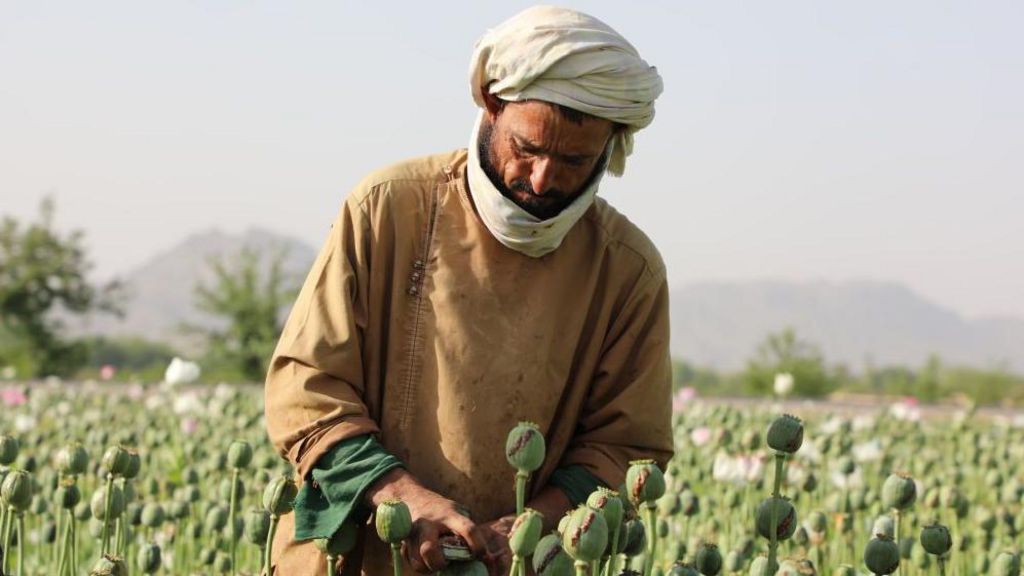
    Afghanistan, once responsible for over 80% of the world’s opium supply, has seen a dramatic decline in opium farming since the Taliban imposed a ban in April 2022. According to a recent survey by the United Nations Office on Drugs and Crime (UNODC), the area dedicated to opium poppy cultivation has shrunk by 20% compared to last year, while opium production has dropped by 32%. The Taliban justified the ban by citing opium’s harmful effects and its contradiction with their religious beliefs. Despite severe economic challenges, most Afghan farmers have complied with the ban, shifting to cereal farming. However, poppy cultivation remains far more profitable than legitimate crops, leaving many farmers in dire straits. Over 40% of farmland lies fallow due to a lack of profitable alternatives, limited agricultural output, and adverse climate conditions. The total area under opium poppy cultivation this year is estimated at 10,200 hectares, primarily in the north-eastern region, with Badakhshan province leading. This marks a stark contrast to pre-ban figures, which exceeded 200,000 hectares. Four provinces previously known for opium cultivation—Balkh, Farah, Laghman, and Uruzgan—were declared poppy-free in 2025, highlighting the ban’s scale and durability. However, enforcement has not been without conflict. The Taliban’s efforts to destroy opium fields have occasionally sparked violent resistance, particularly in Badakhshan, where clashes have resulted in casualties. Despite these challenges, the majority of farmers adhere to the ban, though many express frustration over the lack of support for alternative livelihoods. ‘If we violate the ban, we face prison. If we comply, we face destitution,’ lamented an unnamed farmer in Helmand province. While opium production has declined, the UNODC reports a rise in synthetic drug trafficking, with methamphetamine seizures increasing by 50% in late 2024 compared to the previous year. Organized crime groups favor synthetic drugs due to their ease of production and resilience to climate shocks.

  • Philippines: Typhoon Kalmaegi kills 140; 127 missing after devastating floods

    Philippines: Typhoon Kalmaegi kills 140; 127 missing after devastating floods

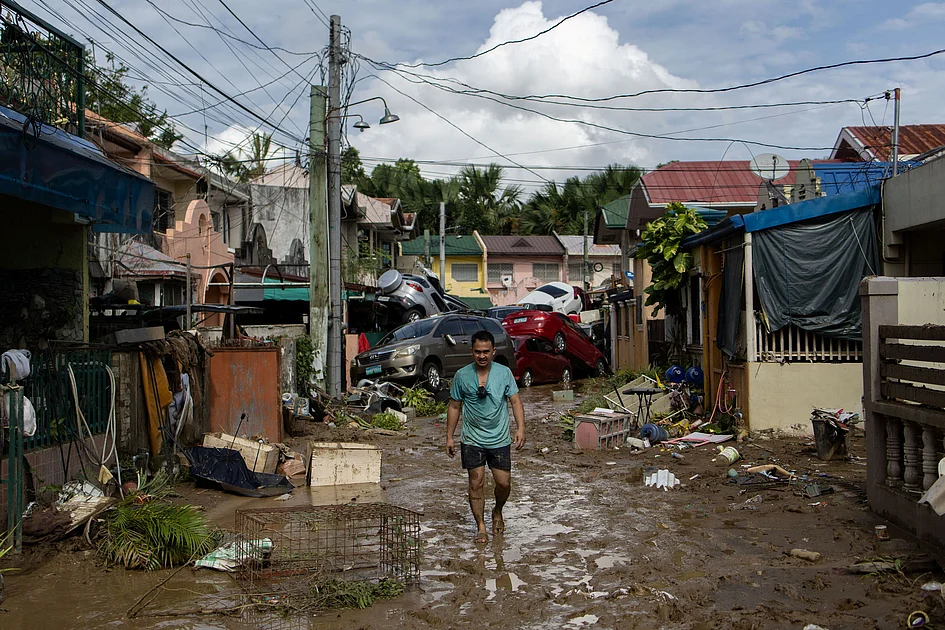
    Typhoon Kalmaegi has wreaked havoc across the central Philippines, resulting in at least 140 fatalities and leaving 127 individuals unaccounted for, according to official reports released on Thursday. The storm, now en route to Vietnam, unleashed unprecedented flooding in Cebu province, sweeping away vehicles, riverside shanties, and even massive shipping containers. The national civil defence office confirmed 114 deaths, with an additional 28 reported by Cebu provincial authorities. In Liloan, a town near Cebu City, 35 bodies were recovered from flood-ravaged areas, where cars were piled atop each other and roofs were torn off buildings. Residents are struggling to recover from the devastation, with many recounting harrowing tales of survival. Christine Aton, 29, described the tragic loss of her sister Michelle, who was trapped in her bedroom as floodwaters rose. On Negros Island, at least 30 people perished as heavy rains triggered volcanic mudflows that buried homes in Canlaon City. The national death toll also includes six crew members of a military helicopter that crashed during a relief mission. Scientists attribute the increasing intensity of such storms to human-driven climate change, with warmer oceans and a more moisture-laden atmosphere exacerbating their impact. Nearly 800,000 people were evacuated from the typhoon’s path. As Kalmaegi approaches Vietnam, fears are mounting that it could compound the damage from recent flooding that has already claimed 47 lives. The storm, with windspeeds of 155 kph and gusts up to 190 kph, is forecast to make landfall in central Vietnam late Thursday, bringing waves as high as eight meters and powerful storm surges. Deputy Prime Minister Tran Hong Ha has urged local authorities to treat the situation as ‘urgent and dangerous,’ labeling Kalmaegi as ‘a very abnormal’ storm. The Philippines has already experienced its average of 20 such storms this year, with at least ‘three to five more’ expected by December’s end.

  • France urges EU to investigate Shein for selling illegal items including child-like sex dolls

    France urges EU to investigate Shein for selling illegal items including child-like sex dolls

    France has formally requested the European Union’s executive arm to investigate fast-fashion giant Shein for allegedly selling illegal items, including child-like sex dolls and weapons, on its expansive online marketplace. Two French ministers, Roland Lescure and Anne Le Henanff, have sent a letter to Henna Virkkunen, the European Commission’s executive vice-president for tech sovereignty, urging immediate action. The ministers emphasized that Shein must comply with the Digital Services Act (DSA), the EU’s regulatory framework aimed at ensuring online platform safety and user protection. The French government has initiated procedures to suspend access to Shein’s marketplace in France unless the platform demonstrates compliance with national laws. Authorities discovered not only child-like sex dolls but also significant quantities of illegal ‘Class A’ weapons, including firearms, knives, and war materials, on the platform. Shein, which was classified as a ‘very large online platform’ by the EU last year due to its 45 million European users, faces stringent regulatory requirements. Non-compliance could result in suspension and fines of up to 6% of its annual profits. The company, founded in China in 2012 and now headquartered in Singapore, has pledged to collaborate with French authorities to address concerns promptly.