
In the coastal towns of Venezuela, the U.S. military’s recent crackdown on alleged drug smuggling has left a trail of devastation, claiming the lives of over 60 individuals since early September. Among the dead are a struggling fisherman, a career criminal, a former military cadet, and a bus driver facing financial ruin. These men, hailing from the impoverished Paria Peninsula, were drawn into the dangerous world of drug trafficking by economic desperation.
作者: admin
-
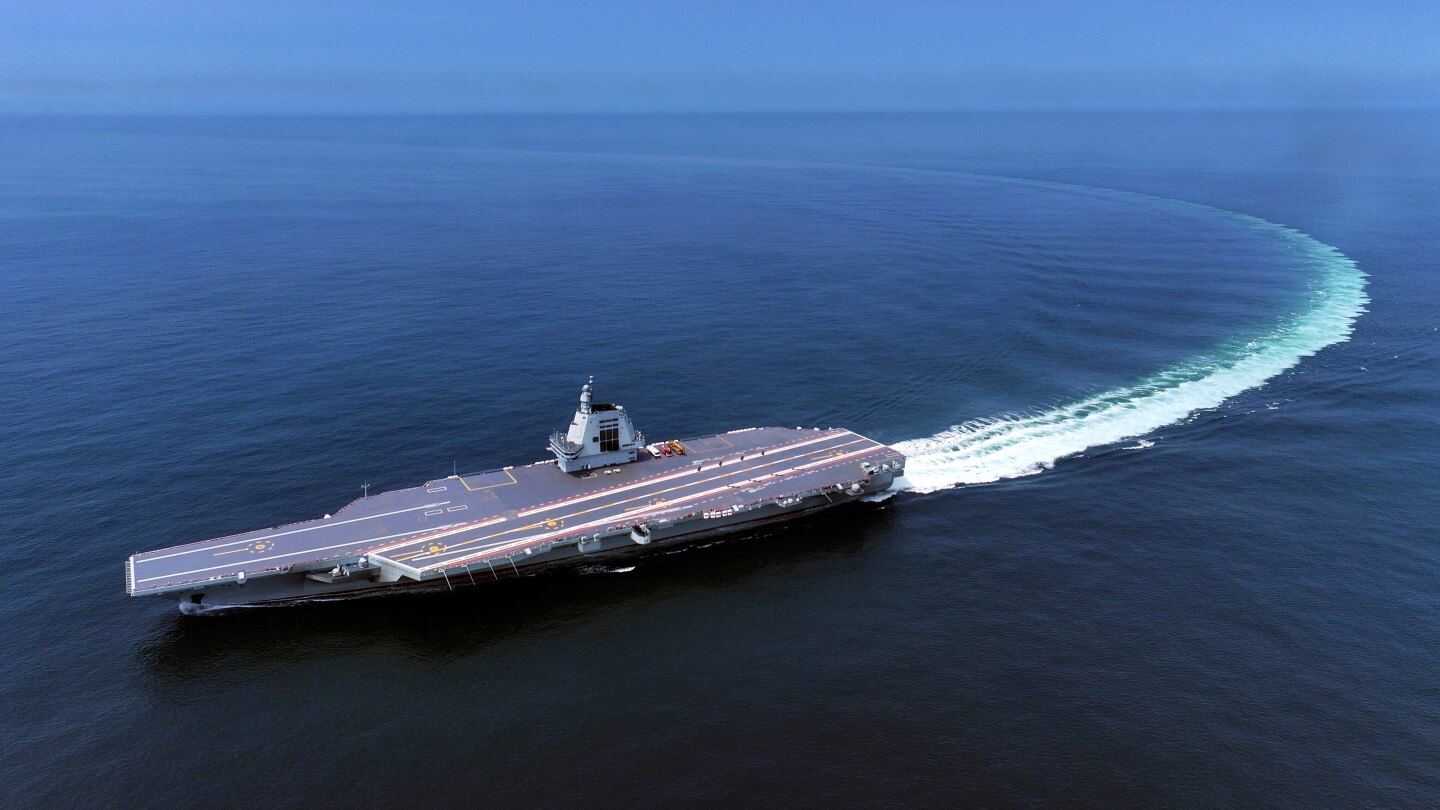
China commissions new aircraft carrier as it seeks to extend power far from its coast
China has officially commissioned its third aircraft carrier, the Fujian, marking a significant milestone in its naval modernization efforts. The ceremony, held in Sanya on Hainan Island, was attended by President Xi Jinping, underscoring the strategic importance of the vessel. The Fujian is China’s first domestically designed and built aircraft carrier, representing a leap forward in its military capabilities. Equipped with an electromagnetic launch system, the Fujian can deploy advanced aircraft, including the J-35 stealth fighter and KJ-600 early warning plane, enhancing its operational range and versatility. This development aligns with China’s broader goal of transforming its navy into a “blue-water” force capable of projecting power far beyond its coastal waters. Experts suggest that the Fujian could play a pivotal role in China’s ambitions to contest control over the Second Island Chain in the Pacific, including areas near Guam. While China’s naval expansion is seen as a challenge to U.S. dominance, it still lags behind in key areas such as nuclear-powered carriers and overseas base networks. Nevertheless, the Fujian symbolizes China’s growing military prowess and its intent to reshape the international order.
-
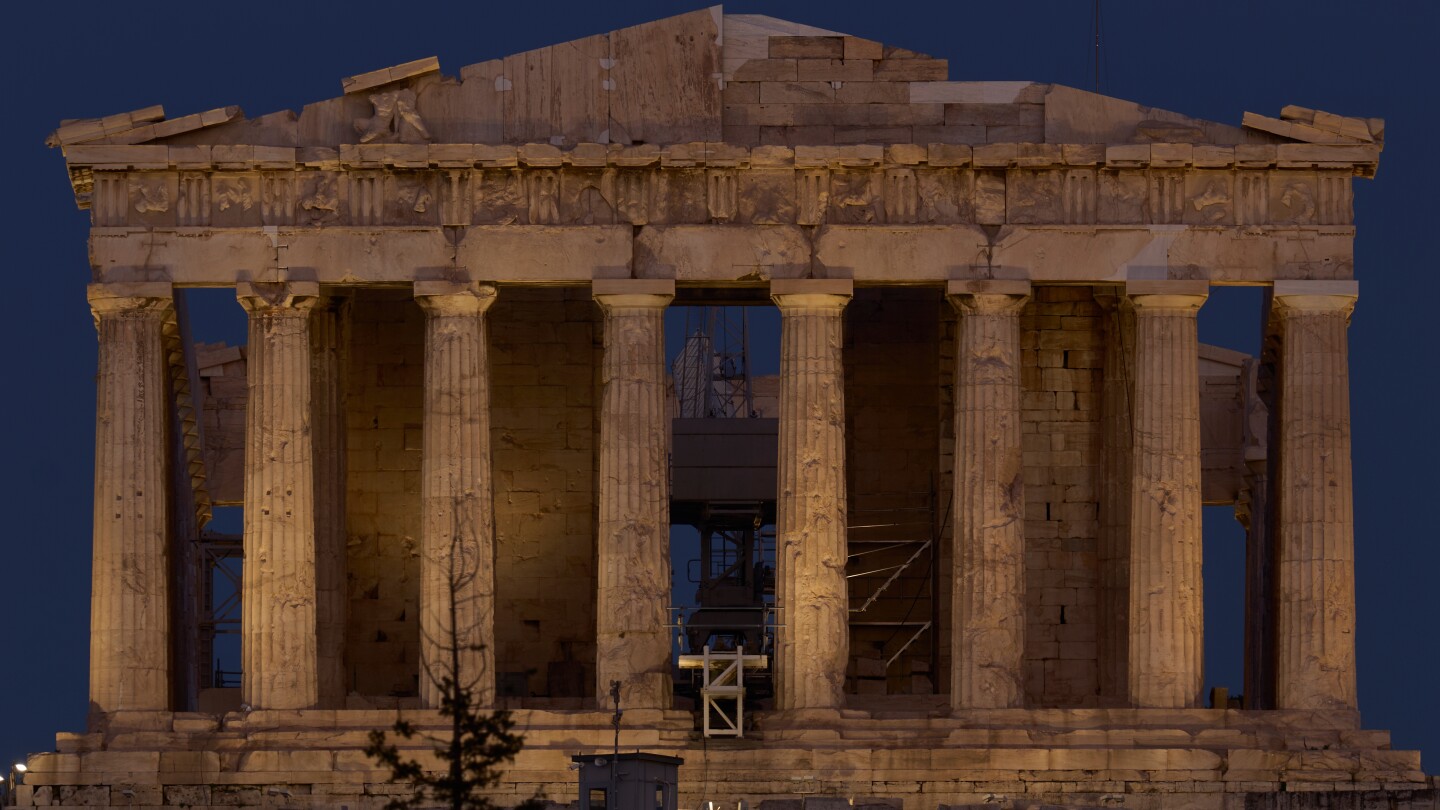
The Parthenon in Athens briefly shed its scaffolding. Here’s a look at its restoration
For the first time in years, the iconic Parthenon stood free of scaffolding, offering residents and visitors in Athens an unobstructed view of the ancient marble temple atop the Acropolis. This rare sight, lasting roughly four weeks, was a testament to the ongoing restoration efforts that have spanned decades. Culture Minister Lina Mendoni described the scene as “breathtaking,” likening the gleaming temple to its appearance nearly 2,500 years ago. However, the scaffolding returned in late September, albeit in a lighter and less intrusive form, to continue fine-tuning work on the western façade. The Parthenon has been under restoration since 1975, a process that has already taken more than three times longer than its original construction. The project involves 161 highly specialized professionals, including engineers, archaeologists, and marble craftsmen, who meticulously work to stabilize and preserve the temple. The restoration includes replacing rusted iron clamps with titanium fasteners and reassembling over 1,500 marble blocks like pieces of a colossal puzzle. The Parthenon, built between 447 and 432 BC, remains a symbol of Greece’s Golden Age, showcasing the unmatched skill of its ancient builders. With 4.5 million visitors in 2024, the Acropolis is Greece’s most-visited site, and the current restoration phase is expected to conclude in 2026, marking a significant milestone in preserving this architectural marvel.
-
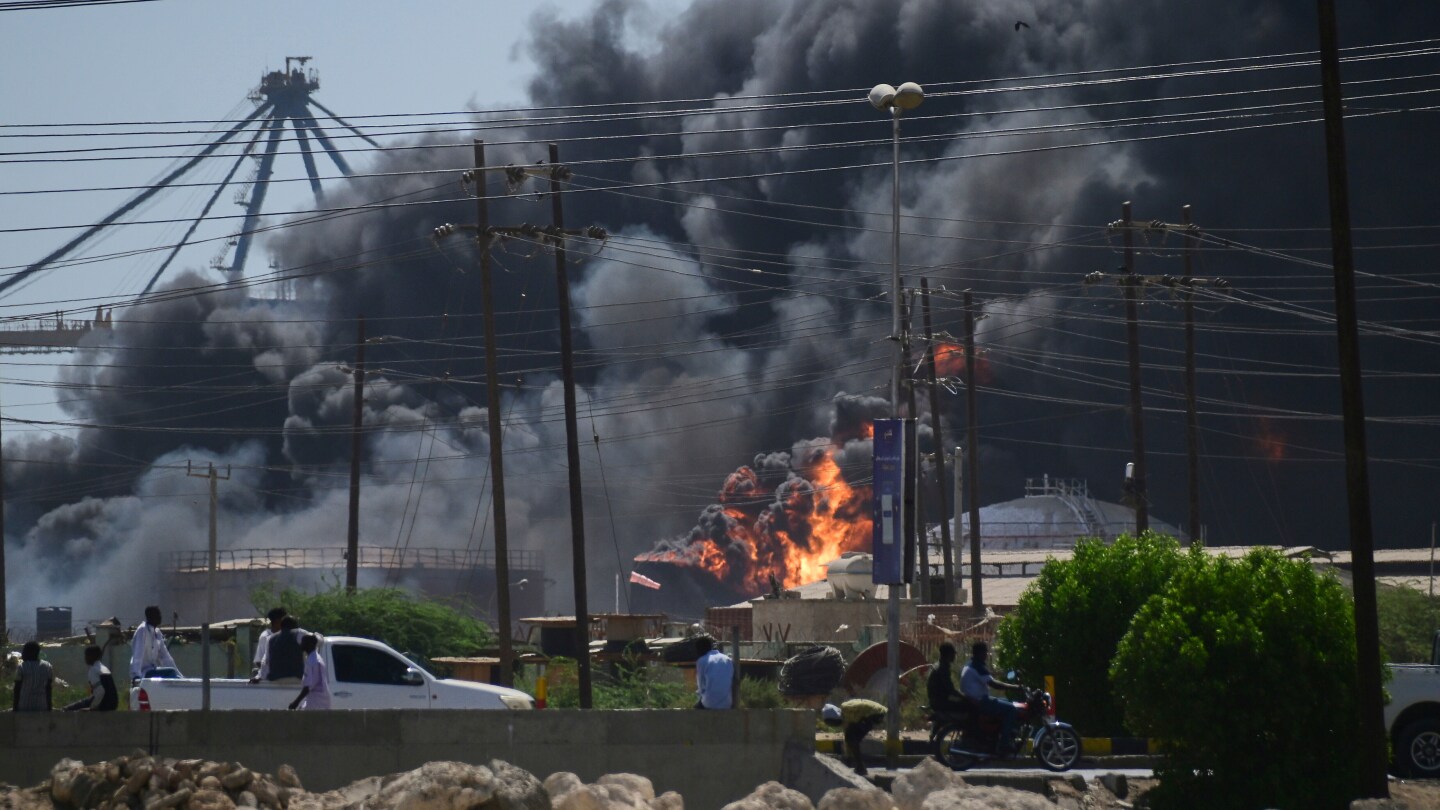
Outside powers’ reported backing for Sudan’s warring sides helps fuel fighting as atrocities mount
For over two years, Sudan has been engulfed in a devastating civil war between its military and the paramilitary Rapid Support Forces (RSF), with both sides accused of committing atrocities and exacerbating a humanitarian crisis. The conflict, which began in 2023, has claimed at least 40,000 lives, though aid groups estimate the toll to be significantly higher. The war has also triggered the world’s worst humanitarian crisis, with widespread starvation and displacement.
-
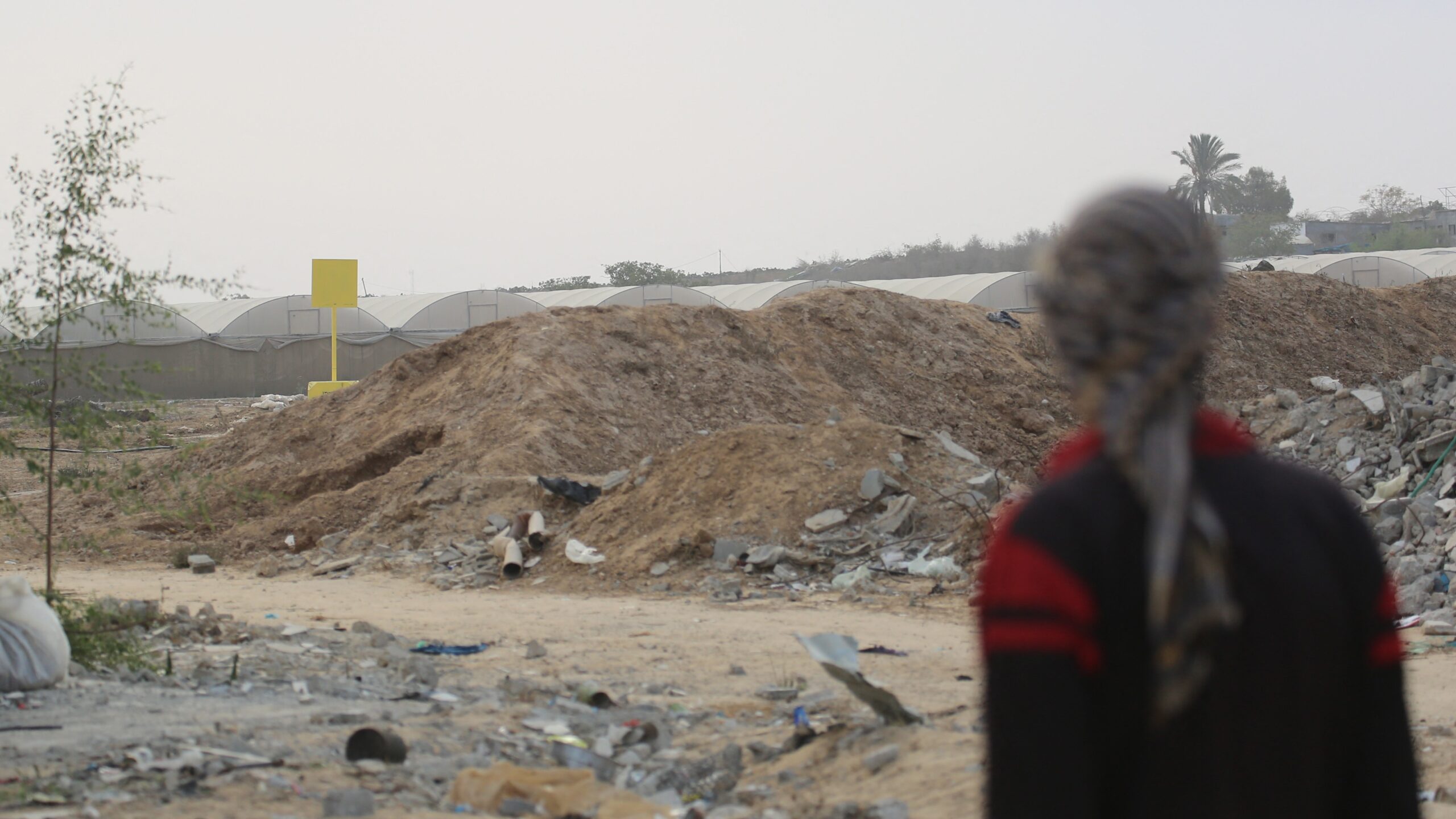
‘Stenography’: BBC report inside Gaza rekindles criticism over genocide coverage
The BBC’s recent report from Gaza has ignited a firestorm of criticism across social media and among journalists, with accusations of biased framing and restricted access dominating the discourse. The article, titled ‘Inside Gaza, BBC sees total devastation after two years of war,’ featured Middle East correspondent Lucy Williamson, who was granted limited access to the enclave under the supervision of the Israeli military. The report acknowledged that the visit was tightly controlled, with no interaction allowed with Palestinians or access to other parts of Gaza. It also revealed that the Israeli military reviewed the material before publication, though the BBC maintained editorial control throughout. Critics argue that the report’s framing of the conflict as the ‘Gaza War’ rather than a genocide, as recognized by the United Nations, reflects a pro-Israel bias. The UN has documented over 70,000 Palestinian deaths in the ongoing assault. Journalist Richard Sanders led the charge with a scathing critique on X, highlighting the report’s reliance on unchallenged ‘Israel says’ statements and its failure to address the systematic destruction of Gaza. Other media analysts echoed these concerns, pointing to a broader issue in Western media’s coverage of the conflict. Social media users further condemned the BBC for its handling of a leaked video showing the rape of a Palestinian boy in an Israeli prison, accusing the outlet of sanitizing the story by focusing on the video leak rather than the crime itself. The Centre for Media Monitoring compared the BBC’s headline to that of Middle East Eye, which explicitly named the ‘Palestinian prisoner rape scandal,’ highlighting the BBC’s erasure of context. UN special rapporteur Francesca Albanese and British actor John Cleese also joined the chorus of criticism, with Cleese stating he no longer trusts BBC News. The backlash underscores growing frustration with the BBC’s perceived complicity in distorting the realities of the Gaza conflict.
-
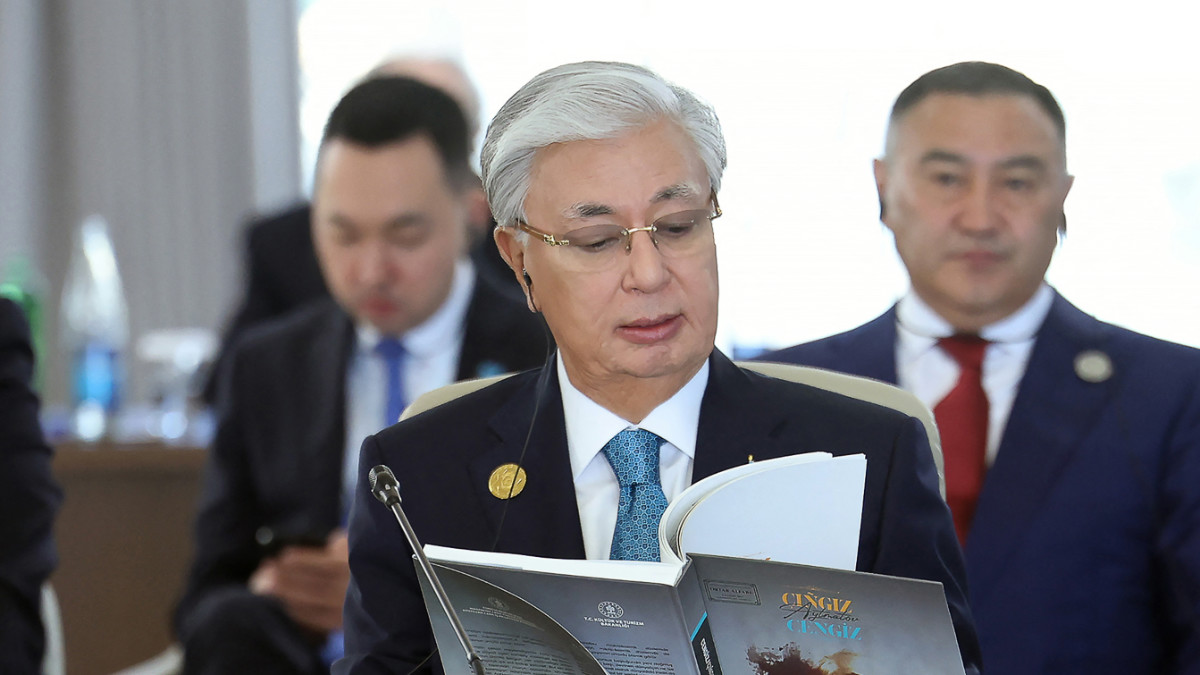
Kazakhstan, which already has full ties with Israel, to join Abraham Accords: Report
Kazakhstan is set to announce its participation in the Abraham Accords on Thursday, according to multiple U.S. media reports. This move, largely symbolic, comes as the Central Asian nation already maintains diplomatic relations with Israel, established in 1992 shortly after Kazakhstan’s independence from the Soviet Union. The announcement is expected to be made during Kazakh President Kassym-Jomart Tokayev’s visit to the White House, alongside U.S. President Donald Trump. Kazakhstan, a Muslim-majority country with a significant Orthodox Christian population, has historically maintained a muted approach to religion in public life, influenced by its Soviet legacy. The Abraham Accords, brokered during the Trump administration in 2020, initially normalized relations between Israel and four Arab nations—Morocco, Bahrain, the UAE, and Sudan—none of which had formal ties with Israel prior to the agreements. Kazakhstan’s inclusion marks the first instance of a country with pre-existing diplomatic relations with Israel joining the accords. While the U.S. has framed the accords as a historic breakthrough, critics, particularly advocates of the Palestinian cause, view them as a betrayal. The accords have also been seen as a strategic move to counter Iran and strengthen economic ties, particularly in technology. Kazakhstan and Israel already enjoy stable economic relations, making the impact of this decision uncertain.
-
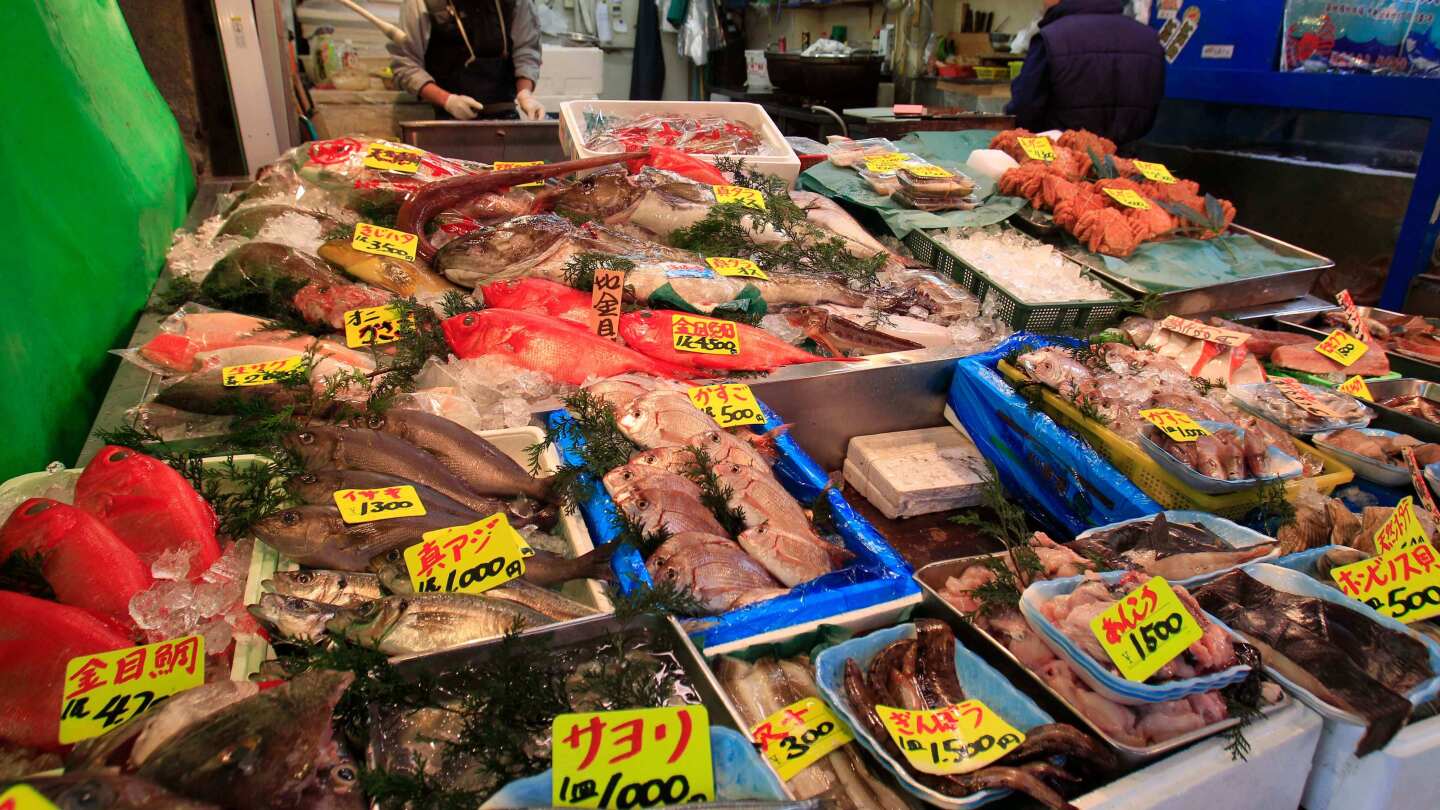
Japan resumes seafood exports to China 2 years after Fukushima wastewater release
In a significant development for Japan’s seafood industry, the country has resumed exports to China for the first time since Beijing imposed a ban in August 2023. The ban was a response to Japan’s release of treated radioactive wastewater from the Fukushima Daiichi nuclear power plant, which suffered meltdowns following the 2011 earthquake and tsunami. On Friday, Chief Cabinet Secretary Minoru Kihara announced that 6 metric tons of scallops from Hokkaido were shipped to China on Wednesday, marking the first such shipment in over two years. This move follows months of negotiations between the two nations, culminating in China’s decision in June to ease the ban. However, restrictions remain on seafood from Fukushima and nine nearby prefectures, imposed immediately after the 2011 disaster. Kihara emphasized the government’s optimism about this development and urged China to expedite the re-registration of pending applications for Japanese seafood exporters. The Fukushima wastewater issue has been a contentious topic domestically and internationally, with concerns about reputational damage to the region’s produce and its impact on Japan’s relations with neighbors like China and South Korea. The International Atomic Energy Agency (IAEA) has supported Japan’s plan, confirming that the treated wastewater meets international safety standards and poses negligible risk to the environment and human health. Japan continues to advocate for the lifting of remaining bans, including those on beef imports, as it seeks to rebuild its seafood trade with its largest overseas market.
-
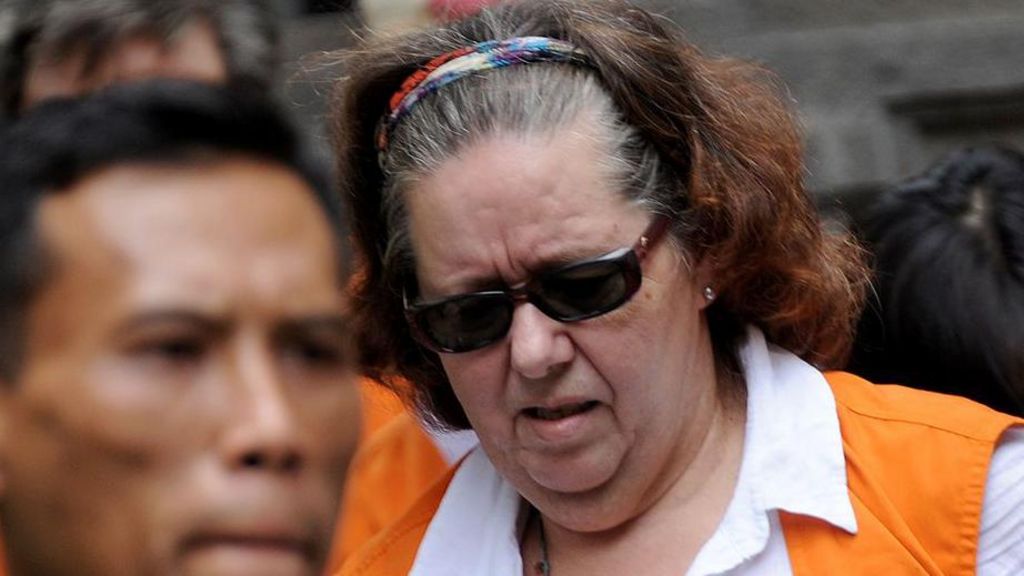
British grandmother flies home after 12 years on Indonesian death row
Lindsay Sandiford, a 69-year-old British grandmother, has finally returned to the UK after spending 12 years on death row in Indonesia for drug trafficking. Sandiford, who was convicted in 2013 for carrying nearly 5kg of cocaine worth £1.6 million ($2.1 million) upon her arrival in Bali from Thailand in 2012, was repatriated on humanitarian grounds. Her release was part of a bilateral agreement between the UK and Indonesian governments. She was accompanied by Shahab Shahabadi, another British national who had been serving a life sentence for drug smuggling. Both individuals reportedly suffered from severe health issues during their imprisonment. Sandiford, who appeared in a wheelchair at a press conference hours before her departure, claimed she was coerced into transporting the drugs under threats to her son’s life. Indonesia, known for its strict drug laws, has recently released several high-profile detainees, including members of the ‘Bali Nine’ drug ring. The UK’s Deputy Ambassador to Indonesia, Matthew Downing, emphasized that the repatriation was based on humanitarian considerations and that both individuals would receive necessary medical treatment upon their return, in accordance with UK laws and procedures.
-
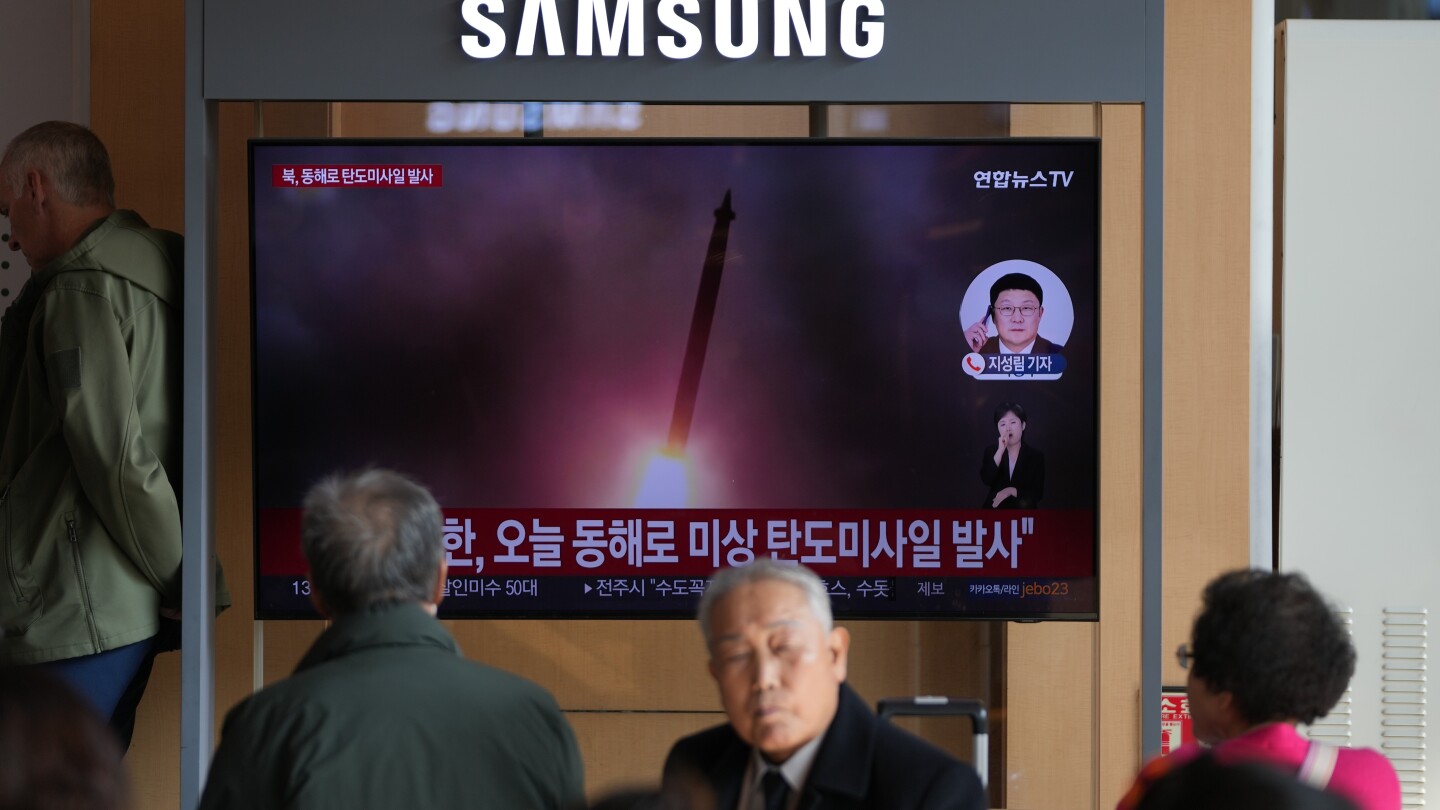
South Korea says North Korea fired at least 1 ballistic missile toward its eastern waters
North Korea launched at least one ballistic missile toward its eastern waters on Friday, according to South Korea’s military. This latest provocation underscores Pyongyang’s intensified weapons testing activities, which have surged in recent weeks. The South Korean Joint Chiefs of Staff did not disclose specific details about the missile’s type or flight range. This incident follows a series of recent tests, including the firing of hypersonic and cruise missiles last month, which North Korea claims have enhanced its nuclear capabilities. Earlier this week, North Korea also conducted artillery drills, firing 10 rounds into its western waters as U.S. Defense Secretary Pete Hegseth began a two-day visit to South Korea. The artillery exercises were repeated on Saturday, coinciding with a summit between South Korean President Lee Jae Myung and Chinese President Xi Jinping in Gyeongju. During the summit, Lee urged Beijing to play a more active role in persuading North Korea to resume dialogue with Washington and Seoul. Hegseth, following annual security talks with South Korean officials, commended South Korea’s plans to increase military spending in response to North Korean threats and regional uncertainties. North Korean leader Kim Jong Un has consistently avoided diplomatic engagements with the U.S. and South Korea since talks with former U.S. President Donald Trump collapsed in 2019. Kim has instead focused on expanding his nuclear and missile programs, including the development of intercontinental ballistic missiles capable of targeting U.S. allies in Asia and the U.S. mainland. At a recent military parade in Pyongyang, attended by officials from Russia, China, and Vietnam, Kim showcased advanced weapons, signaling potential future tests. North Korea has also denounced U.S. sanctions targeting its cybercrime activities, accusing Washington of hostility and vowing countermeasures. Experts interpret these actions as indications that Pyongyang has no immediate plans to return to negotiations.
-
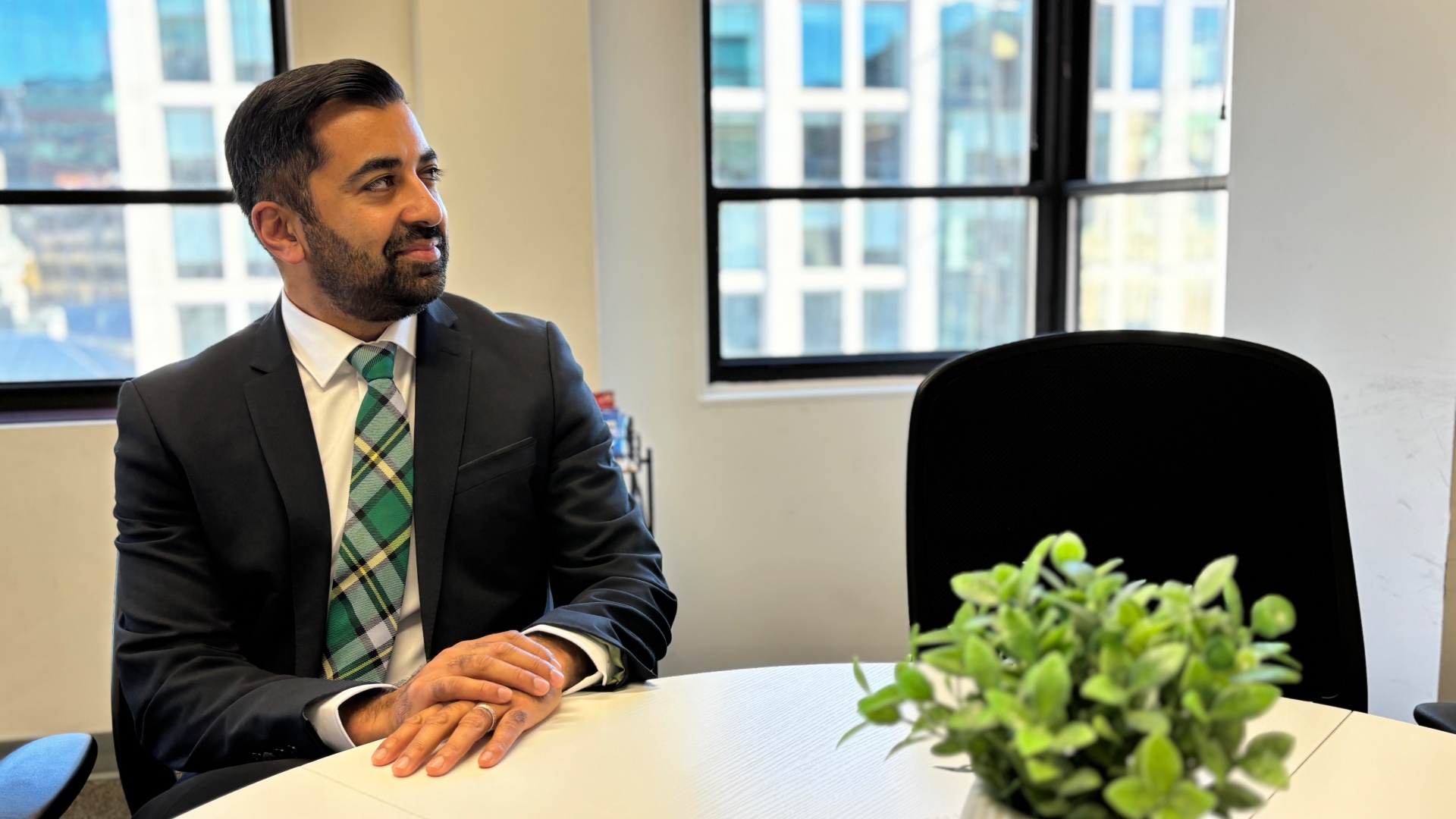
After Mamdani’s win, this is what another history-making Muslim leader wants you to know
Fresh from an eight-hour flight from the UK to Washington, DC, Humza Yousaf, the former First Minister of Scotland, greeted a small gathering of Muslim community members with a clever twist on the Eid greeting, using the name of New York City’s mayor-elect, Zohran Mamdani. The phrase, ‘Zohran Mubarak,’ drew cheers and applause, setting the tone for a visit that was about much more than celebration. Yousaf, the first Muslim to lead a Western nation, was there to listen, offer guidance, and foster connections. ‘You are not guests of the west. You are building the west,’ he declared, emphasizing the integral role of Muslim Americans in shaping the nation. Yousaf, who has faced his share of institutionalized bullying and threats, urged the community to remain resilient against the rising tide of far-right extremism. Drawing from his own experiences, he warned that the challenges for Mamdani, the newly elected mayor, would only intensify. ‘When I was first minister, the death threats we received were so credible, we had to have additional security for our family,’ he shared with Middle East Eye. Yousaf’s US tour, spanning Washington, DC, Chicago, Phoenix, and Los Angeles, aims to build ‘support networks’ and mentor the next generation of Muslim leaders. With two decades of political experience, Yousaf hopes to use his platform to empower Muslims in public service. ‘We have the scars from that, metaphorically speaking. And therefore, I think we’re able to advise others who are thinking of going into politics,’ he said. Yousaf, who served as First Minister of Scotland during the early months of Israel’s conflict in Gaza, has been a vocal advocate for Palestinian rights. His wife, Nadia el-Nakla, is of Palestinian heritage, and her family’s ordeal in Gaza has deeply impacted him. ‘It’s incumbent on us that we build a transatlantic alliance to tackle anti-Muslim hatred,’ Yousaf asserted, highlighting the need for a united front against Islamophobia. He criticized figures like Elon Musk and far-right extremists for perpetuating anti-Muslim rhetoric and called for stronger social media regulation. Despite the challenges, Yousaf remains committed to the fight for democracy and equality. ‘If we all leave, then who’s here to fight?’ he asked, emphasizing the importance of standing firm against forces that seek to marginalize Muslims. Yousaf’s message is clear: the Muslim community must continue to lead and inspire, proving that victory is possible, as demonstrated by Mamdani’s historic election win.