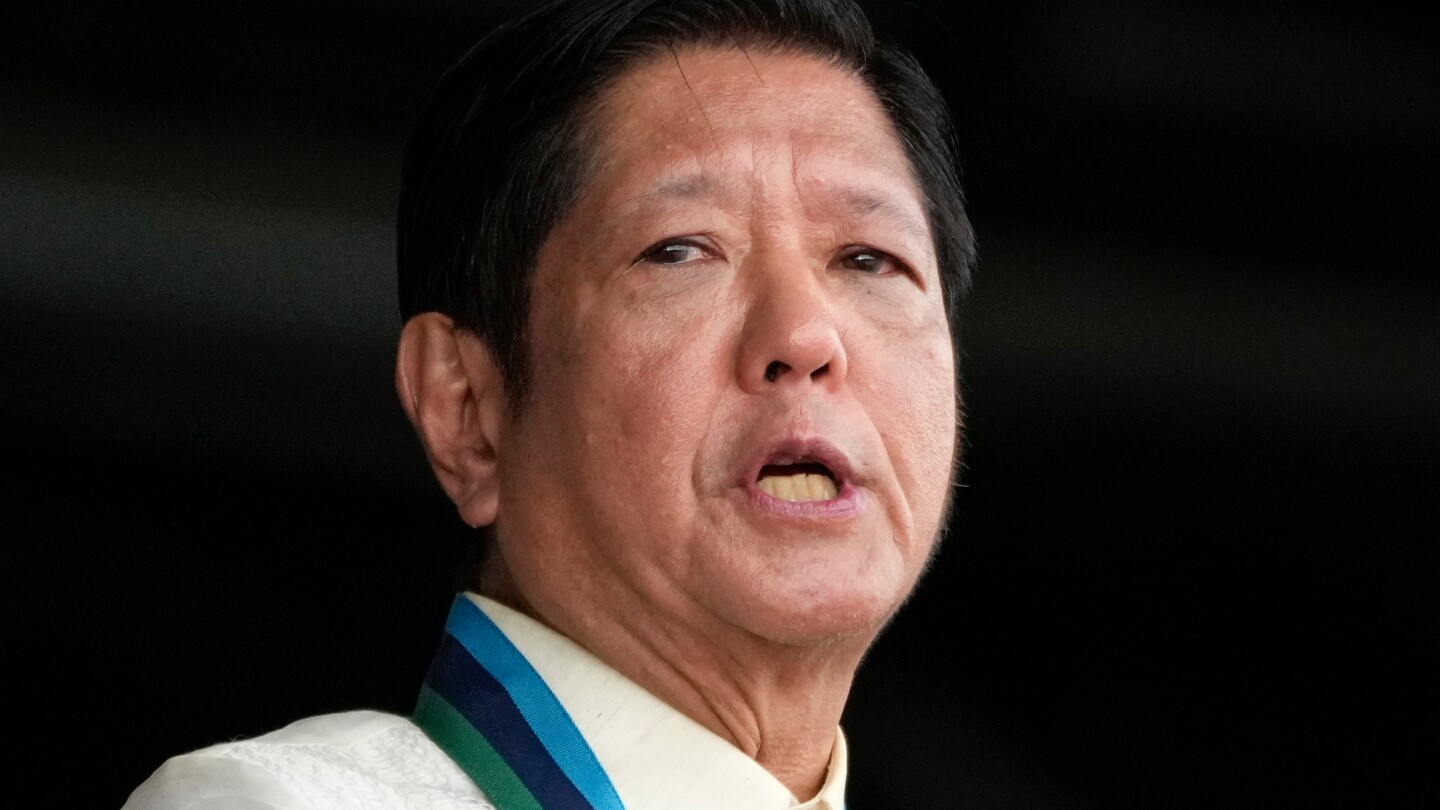
Philippine President Ferdinand Marcos Jr. announced on Thursday that numerous high-profile figures implicated in a massive corruption scandal involving flood control projects would face imprisonment by Christmas. The scandal, which has sparked widespread public outrage and street protests, involves at least 37 powerful senators, members of Congress, and wealthy businesspeople. Marcos revealed that an independent fact-finding commission has filed criminal complaints for graft, corruption, and plunder—a non-bailable offense—against these individuals. Additionally, 86 construction company executives and nine government officials face charges for allegedly evading taxes totaling nearly 9 billion pesos ($152 million). The corruption has been linked to substandard or non-existent flood control projects, a critical issue in a country frequently devastated by typhoons and flooding. Recent storms, including Typhoon Kalmaegi and Super Typhoon Fung-wong, have claimed hundreds of lives and displaced millions, further intensifying public anger. Marcos emphasized that the legal cases are robust and aimed at recovering stolen funds, stating, “We don’t file cases for optics. We file cases to put people in jail.” The government’s Anti-Money Laundering Council has frozen assets worth 6.3 billion pesos ($107 million), including bank accounts, real estate, and luxury vehicles. A new jail in Quezon City has been prepared to hold up to 800 detainees, with officials vowing no VIP treatment for powerful politicians. The investigation spans 9,855 flood control projects worth over 545 billion pesos ($9 billion) since Marcos took office in mid-2022. Finance Secretary Ralph Recto estimated that up to 118.5 billion pesos ($2 billion) may have been lost to corruption in 2023 alone. Among those implicated are lawmakers from both opposition and allied factions, including Marcos’s cousin and former House Speaker Martin Romualdez, who denies wrongdoing. Marcos assured that no one would be exempt from the investigations, signaling a determined crackdown on corruption.
作者: admin
-

China unveils radar shield as Trump drives Golden Dome
China has unveiled ambitious plans for a nationwide missile defense network, positioning itself as a formidable player in global defense technology. This development comes in response to the United States’ announcement of the ‘Golden Dome,’ a multi-layered missile interception system aimed at protecting American territory from airborne threats. The Chinese system, detailed in a July 2025 academic paper published by Modern Radar, a research unit of the state-owned China Electronics Technology Group Corporation, integrates space-based sensors, satellites, airborne systems, sea and ground radars into a unified network. The platform offers real-time early-warning capabilities, enabling high-speed data integration to detect and track complex missile threats. It also employs QUIC (Quick UDP Internet Connections), a next-generation encrypted data-transport protocol, to ensure secure, low-latency communications across distributed nodes. According to the paper, the system can simultaneously track up to 1,000 incoming missiles, leveraging data from satellites, ground-based and over-the-horizon radar, optical sensors, maritime platforms, airborne early-warning aircraft, and orbital reconnaissance assets. A Guangdong-based commentator, ‘Humanity Blues,’ noted that China’s system has already undergone testing and delivery to the military, while the US Golden Dome remains in the framework design stage. The commentator emphasized that China’s hypersonic missile system complements its defense network, making it a robust contender in the global missile defense landscape. Meanwhile, the US Golden Dome, led by Space Force General Michael Guetlein, targets operational status by 2028. However, integrating sensors, interceptors, and command networks across military and commercial space assets poses significant challenges. At the 2025 Defense in Space Conference (DISC) in London, experts warned that the West is lagging behind China and Russia in space-linked missile defense. Gabriel Elefteriu, a senior fellow at the Council on Geostrategy, highlighted that space has become a warfighting arena, with China’s missile tracking and orbital infrastructure positioning it as a leader in the next conflict. Michelle Howard, a strategic policy adviser at D Group, stressed that China’s focus on network dominance and data fusion could dictate the early stages of any conflict. Justin Keller, chief architect at DGS Space, urged the US and its allies to abandon incrementalism and focus on operationalizing systems swiftly to maintain deterrence. In addition to its missile defense efforts, China is investing in long-term technological dominance through the Nantianmen Project, a state-backed science fiction concept exploring future aerospace power. While fictional, Nantianmen has attracted significant attention for its blend of strategic messaging and mass appeal, signaling China’s intent to lead in space competition.
-
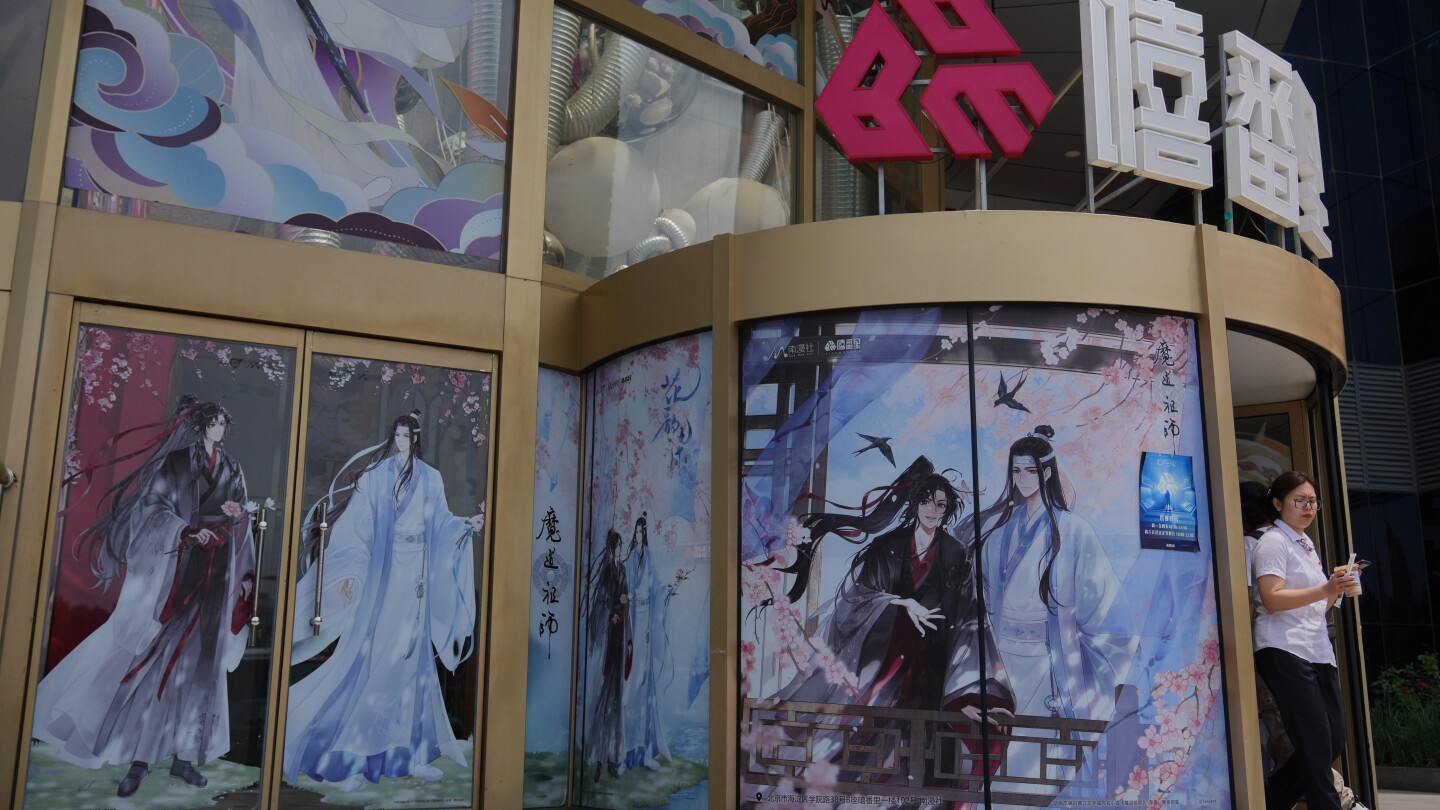
As China cracks down on stories about men in love, female fans mourn the idealized romances
For Cindy Zhong and countless young Chinese women, a quiet evening once meant immersing themselves in the world of Danmei, a genre of same-sex romance stories primarily written and consumed by straight women. However, this literary escape is now under threat as the Chinese government intensifies its crackdown on the genre, leading to the disappearance of beloved authors and their works. Danmei, often referred to as ‘Boys Love’ in English, has long served as a space for women to explore idealized relationships, free from the constraints of traditional gender roles. Scholars suggest that these stories resonate with Chinese women as a form of escapism from societal pressures to marry and conform. Aiqing Wang, a senior lecturer at the University of Liverpool, notes, ‘Women turn to Danmei for pure love, especially as they face pressure from families, peers, and society to get married and have kids.’ The genre, once a niche subculture, has seen a surge in popularity in recent years, with novels adapted into blockbuster TV series and translated into Western languages. However, its growing visibility has also drawn the attention of Chinese authorities. Over the past year, dozens of Danmei writers have been interrogated, arrested, and charged with producing and selling obscene materials. Many have stopped publishing, and websites hosting these stories have either shut down or removed content, leaving only the tamest narratives behind. ‘Chinese female readers can no longer find a safe, uncensored space to place our desires,’ lamented Zhong, an educator in her 30s. Despite the crackdown, Danmei’s influence persists, with some authors publishing their work abroad and readers finding creative ways to access it. Experts argue that the genre’s impact on female consciousness and the desire for unapologetic storytelling is irreversible. ‘The awakening of female consciousness, the desire of reading and not being ashamed of what they want to read is irreversible,’ said Xi Tian, an associate professor of East Asian Studies at Bucknell University.
-
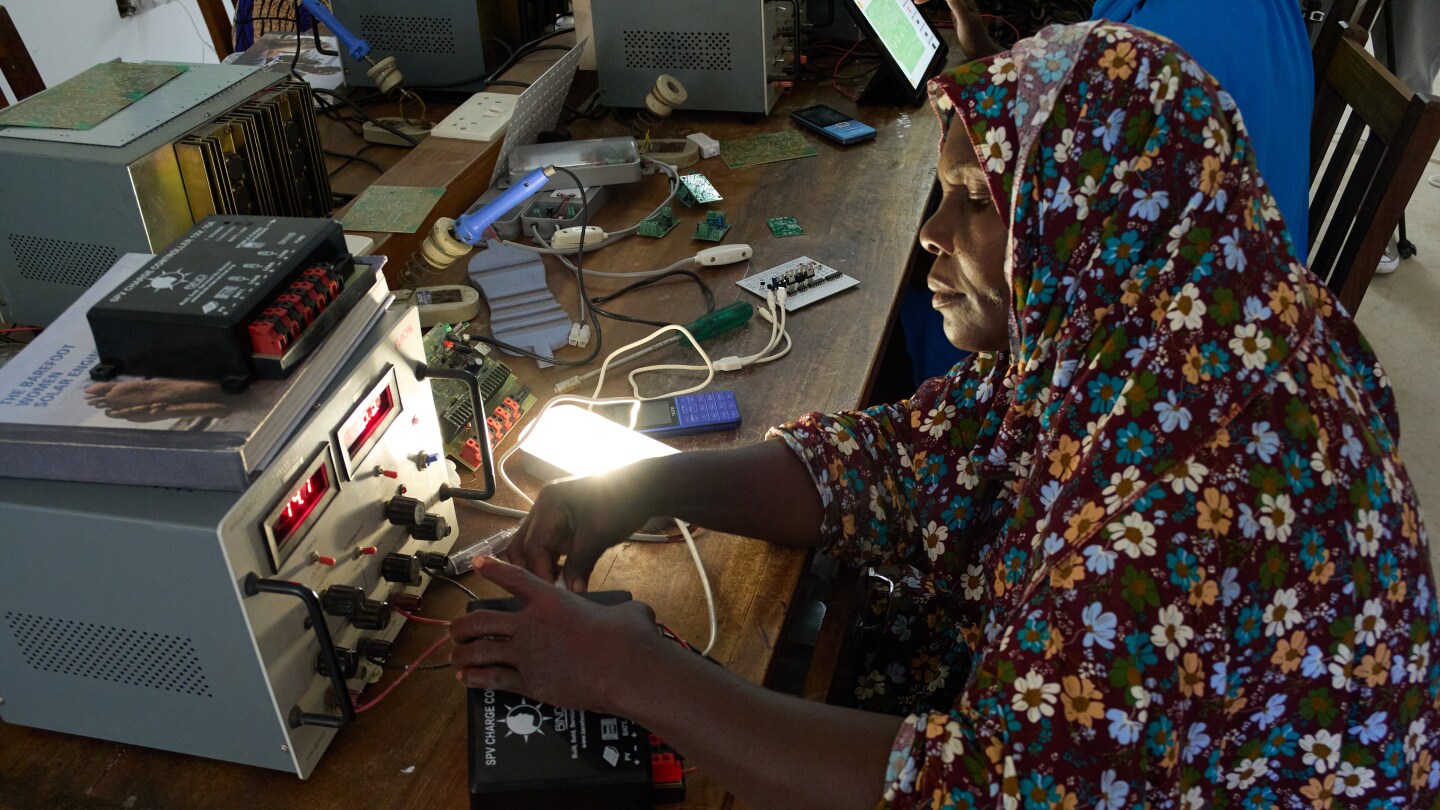
Zanzibar’s ‘solar mamas’ are trained as technicians to help light up communities
In the semi-autonomous archipelago of Zanzibar, Tanzania, the absence of electricity has long cast a shadow over daily life. For Hamna Silima Nyange and her eight children, the dim glow of smoky oil lamps was the only source of light after sunset. ‘The light was too weak,’ Nyange recalled. ‘And the smoke from the lamp hurt my eyes.’ However, a transformative change arrived when her neighbor, Tatu Omary Hamad, installed solar panels and bulbs, harnessing the abundant sunlight along the Indian Ocean coast. ‘Today we have enough light,’ Nyange said with relief.
Hamad is one of the many ‘solar mamas’ trained by Barefoot College International, a global nonprofit dedicated to bringing light to rural communities while empowering local women. Since its inception in Zanzibar, the program has illuminated 1,845 homes. The initiative focuses on middle-aged women, often with little or no formal education, who are trained over six months to become solar power technicians. These women return to their communities equipped with at least 50 sets of household solar panel kits and the skills to install and maintain them.
Brenda Geofrey, the director of Barefoot College International Zanzibar, emphasized the program’s mission: ‘We want to train women who become change makers.’ The Zanzibar campus, now in its 10th year, has become a beacon of hope. Previously, women were sent to India for training, where the organization was founded. Khazija Gharib Issa, once an unemployed widow, is now a master trainer. ‘I got a job. I got a place to stay. Before, I didn’t have one,’ she shared.
The program’s impact extends beyond lighting homes. It also addresses health concerns by replacing harmful light sources like kerosene, which can irritate eyes, damage lungs, and pose fire hazards. Jacob Dianga, a local healthcare worker, highlighted the importance of clean energy: ‘It helps protect our health.’ Additionally, Barefoot College International offers courses in tailoring, beekeeping, and sustainable agriculture, ensuring women are equipped with diverse skills and health knowledge to share with their communities.
Despite its successes, the program faces challenges. Funding is a persistent issue as major donors reduce foreign aid, and projects compete for limited resources. Resistance within local communities also poses a hurdle, with some husbands preventing their wives from participating. ‘In most African communities, women are pictured as somebody who is just at home,’ Geofrey noted. Yet, the solar mamas are breaking stereotypes and proving their worth. ‘People used to say this work is for men. They were surprised and laughed at me,’ Issa said. ‘But now they see how important my work is. I have become an example.’
Barefoot College International continues to expand across Africa, with campuses in Madagascar and Senegal, and plans to recruit women from the Central African Republic. The organization’s efforts underscore the transformative power of education, clean energy, and gender equality in driving sustainable development.
-
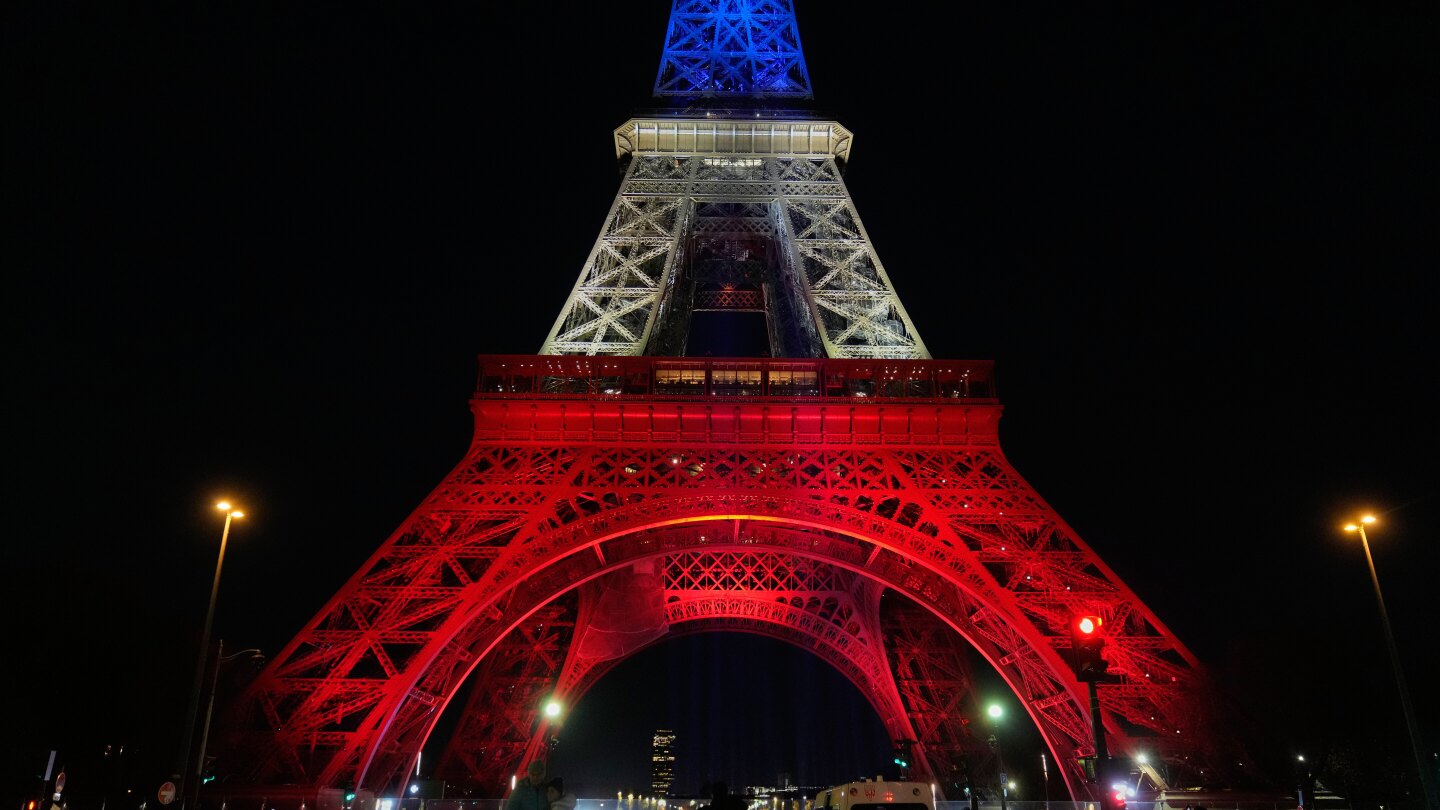
France honors the victims of the Paris attacks’ night of terror 10 years on
A decade after the harrowing terrorist attacks that shook Paris on November 13, 2015, the city paused to honor the 132 lives lost and the hundreds injured in a series of coordinated assaults. The attacks, carried out by nine Islamic State militants, targeted the Stade de France, café terraces, and the Bataclan concert hall, leaving indelible scars on the nation’s psyche. On Thursday, President Emmanuel Macron and Paris Mayor Anne Hidalgo led a series of commemorative events at each attack site, culminating in a moment of silence and the unveiling of a new memorial garden, the Jardin du 13-Novembre. The garden, designed in collaboration with victims’ associations, features granite stelae bearing the names of the deceased, alongside symbolic plantings and spaces for reflection. The Eiffel Tower was illuminated in the colors of the French flag, and a minute of silence was observed at France’s World Cup qualifier against Ukraine. Survivors, including Arthur Dénouveaux, who escaped the Bataclan, spoke of the enduring emotional toll, emphasizing the ongoing struggle to rebuild lives while preserving the memory of those lost. The 2021–2022 trial of the attackers, which resulted in life imprisonment for Salah Abdeslam and convictions for 19 others, provided a measure of accountability but underscored the lasting impact of the tragedy. The commemorations aimed to honor the victims, celebrate the resilience of survivors, and protect the ordinary joys of life that the attackers sought to destroy.
-
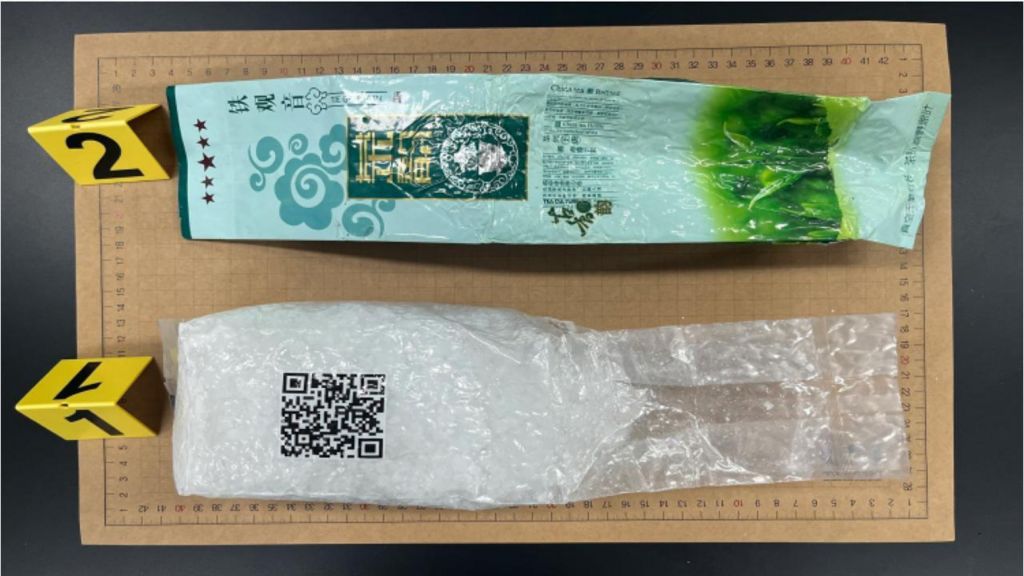
Drugs disguised as tea keep washing up on this S Korean holiday island
In a startling discovery, South Korea’s Jeju Island has become the focal point of a significant drug smuggling operation involving ketamine disguised as Chinese tea. Since September, residents have reported finding small foil-wrapped packages labeled with the Chinese character for ‘tea’ washed ashore. Upon investigation, authorities confirmed these packages contained ketamine, a potent anesthetic with severe health risks when misused. Approximately 28kg (62 lbs) of the drug have been recovered in at least eight separate incidents, with the largest haul—20kg—discovered by a beach cleaner in Seogwipo on October 15. The Jeju Coast Guard has mobilized a specialized team to trace potential sea and land routes used for smuggling. Authorities have issued warnings to residents, urging them to avoid touching suspicious objects and to report findings to the police. A massive search operation involving over 800 soldiers, police officers, and civilian volunteers was conducted this week along Jeju City’s northern coast. Investigators are exploring the possibility that ocean currents carried the drugs to Jeju, with similar discoveries reported in Pohang, South Korea, and Tsushima Island, Japan. Professor Yoon Heung-hee of Hansung University suggested that criminal syndicates may be employing a ‘sea bump’ method, dropping drug bundles equipped with trackers into the ocean for later retrieval. Residents have expressed concern over the presence of illicit drugs on their coastlines, with one parent voicing fears about children accidentally encountering the substances. Authorities are under pressure to enhance inspections at airports and ports to prevent further smuggling attempts.
-
Russia’s attacks have ramped up – Ukraine is fighting to hold on through another winter
As the war in Ukraine drags into its fourth year, the country faces an unprecedented crisis: a long, cold winter compounded by relentless Russian attacks on its energy infrastructure. Families like Oksana Zinkovska-Boyarska’s, living in a Soviet-era apartment block on the outskirts of Kyiv, are already enduring daily power cuts, failed heating systems, and the constant threat of air raids. Oksana’s family relies on a costly €2,000 rechargeable battery pack to keep essential appliances running, but even this is a temporary solution. Her husband, Ievgen, a lawyer, often works by torchlight, while their two-year-old daughter, Katia, plays by candlelight. The psychological toll is immense, with Oksana describing the ‘animal fear’ of rushing to shelters during explosions. Across Ukraine, millions are bracing for even tougher times ahead. Recent massive drone and missile strikes have left much of the country without power for up to 16 hours a day. With winter temperatures expected to plummet to -20°C, Ukrainian officials warn of a ‘brutal’ season ahead. Maxim Timchenko, CEO of Ukraine’s largest private energy company, DTEK, asserts that Russia’s goal is the ‘complete destruction of Ukraine’s energy system.’ European envoys suggest this strategy aims not only to freeze Ukrainians but also to cripple the economy by disrupting factories, bakeries, and daily life. On the front lines, the situation is equally dire. The eastern city of Pokrovsk is at risk of falling to Russian forces, which would provide a strategic boost to Moscow’s campaign in the Donetsk region. Diplomatic efforts to end the war remain stalled, with talks between U.S. President Donald Trump and Russian President Vladimir Putin on hold. Meanwhile, European nations debate how to use €180 billion in frozen Russian assets to support Ukraine. Despite the grim outlook, Ukrainians remain resilient. Recent polls show that 56% of citizens feel optimistic about the country’s future, up from 43% in May. For Oksana and her family, the struggle is personal but shared. ‘We can hold on for as long as the front needs it,’ she says, echoing the determination of a nation determined to survive and prevail.
-
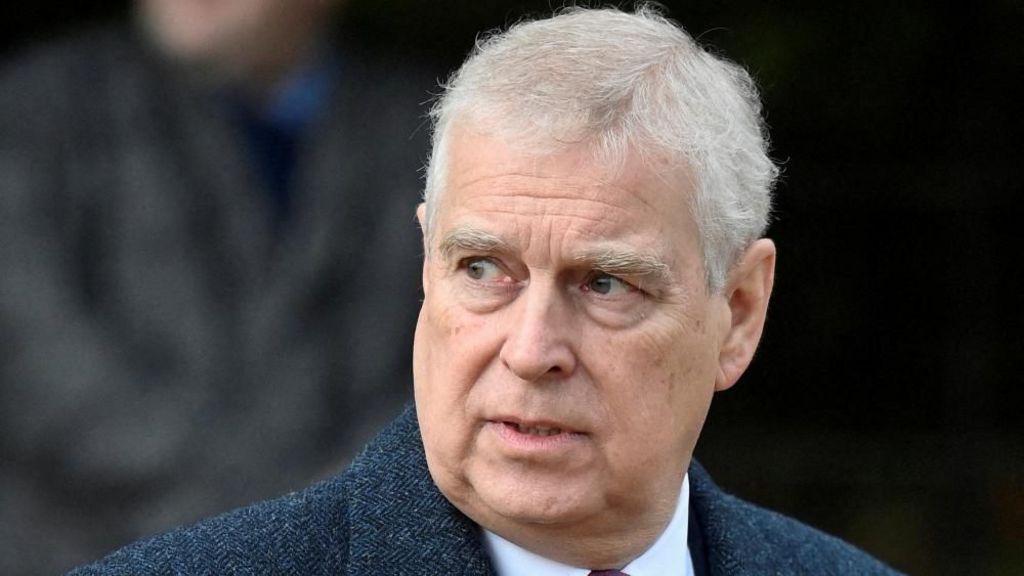
I can’t take any more of this, Andrew told Epstein, released emails show
Newly released documents from the estate of convicted sex offender Jeffrey Epstein have shed further light on the connections between Prince Andrew, Epstein, and Ghislaine Maxwell. Among the revelations is an email exchange from 2011, in which Prince Andrew expressed frustration after being informed that a British newspaper was about to publish a report linking him to Epstein and Maxwell. Andrew’s email, sent to Epstein and Maxwell, reads: “What’s all this? I don’t know anything about this! You must SAY so please. This has NOTHING to do with me. I can’t take any more of this.” The documents were released by Democrats on the Congressional House Oversight Committee as part of an ongoing investigation into Epstein’s network. The files also mention former U.S. President Donald Trump, with one email from Epstein to Maxwell claiming that Trump spent hours at Epstein’s house with an unnamed individual. The White House later clarified that the individual referenced was Virginia Giuffre, a prominent accuser of Epstein, who has repeatedly stated that Trump was not involved in any wrongdoing. Giuffre, who died by suicide earlier this year, had previously accused Prince Andrew of sexual abuse, allegations he has consistently denied. Andrew reached an out-of-court settlement with Giuffre in 2022, which included no admission of liability. The latest documents also include emails between Epstein and Lord Mandelson, a former UK ambassador to the U.S., who has expressed regret over his association with Epstein. The release of these documents has sparked a political battle in the U.S., with House Republicans accusing Democrats of selectively releasing files to create a negative narrative. Meanwhile, a petition signed by Democratic Congresswoman Adelita Grijalva has gained enough support to force a House vote on the release of all Epstein-related files.
-
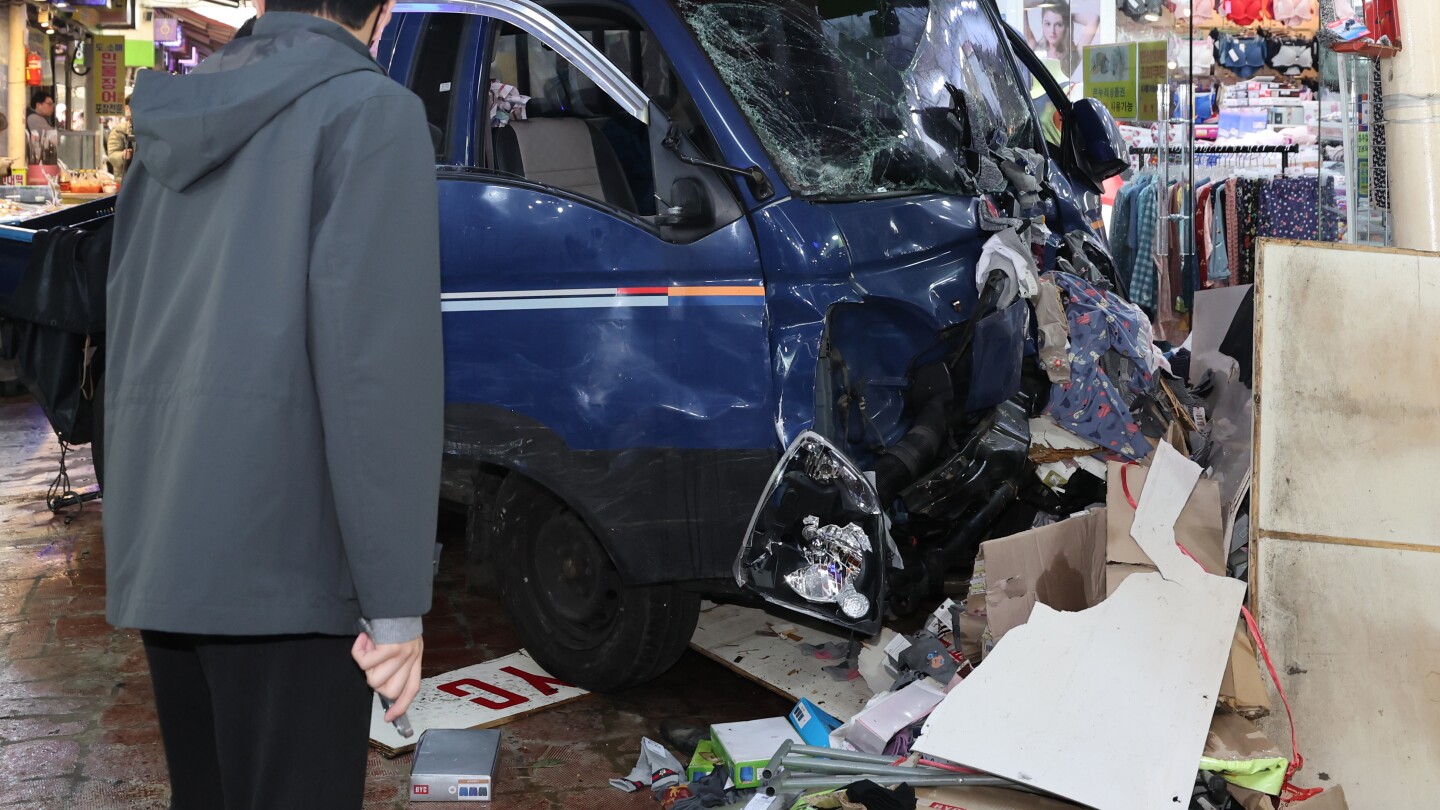
Truck crash in South Korea market kills 2 people and injures 18, officials say
A tragic incident unfolded in Bucheon, South Korea, on Thursday when a truck collided with pedestrians at a bustling outdoor market, resulting in two fatalities and 18 injuries, according to local fire and police authorities. The driver, a man in his 60s whose identity remains undisclosed, was promptly taken into custody for questioning. Preliminary investigations revealed that he was neither under the influence of alcohol nor drugs, as confirmed by Bucheon police official Son Byeong-sam. Witnesses recounted that the vehicle initially reversed approximately 28 meters (92 feet) before accelerating forward for about 150 meters (492 feet), striking numerous pedestrians along its path. The driver attributed the incident to a mechanical malfunction, a claim currently under scrutiny as officials analyze security camera footage. Among the injured, 11 sustained severe injuries, though the extent of their conditions remains unclear. The chaotic aftermath of the crash was captured in photographs, depicting the truck lodged into a storefront amidst scattered debris, including overturned boxes, clothing, and shattered signboards. The vehicle’s front left side was severely damaged, and its windows were completely broken. Authorities later removed the truck from the scene to conduct a thorough investigation into the cause of the accident.
-
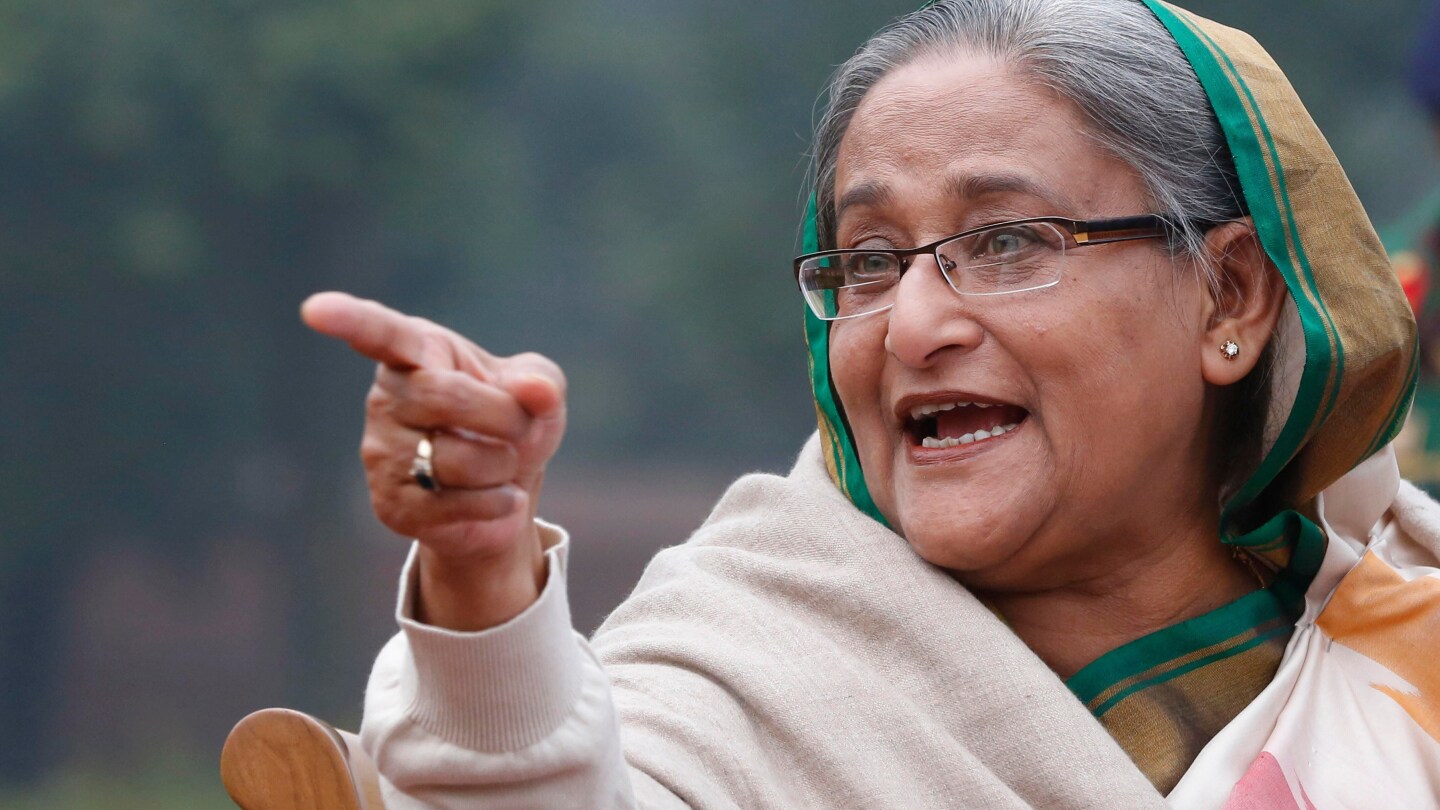
Bangladesh braces for disruptions as former ruling party calls for lockdown to protest Hasina trial
Bangladesh faced widespread disruption on Thursday as ousted Prime Minister Sheikh Hasina and her former ruling party, the Awami League, called for a nationwide ‘lockdown’ in protest against her trial for crimes against humanity. The charges stem from her alleged role in the violent crackdown on student-led protests last year, which ended her 15-year rule and left hundreds dead. Hasina, currently in exile in India, is being tried in absentia by a special tribunal in Dhaka, which is set to announce the verdict date soon. The tribunal also involves former Home Minister Asaduzzaman Khan and former police chief Chowdhury Abdullah Al-Mamun, the latter of whom has turned state witness against Hasina. The interim government, led by Nobel Peace Prize laureate Muhammad Yunus, has heightened security nationwide, deploying soldiers and other agencies to guard the tribunal premises. Schools in Dhaka and other major cities shifted to online classes, while public transportation was severely disrupted. The Awami League, now banned, has urged supporters to protest, leading to escalating tensions. Over the past three days, crude bomb explosions and vehicle arson have been reported in Dhaka and elsewhere, signaling continued political chaos. Hasina has denounced the tribunal as a ‘kangaroo court’ and refused legal representation, while her party campaigns against the upcoming February elections unless they are allowed to participate. The UN estimates up to 1,400 deaths during last year’s violence, though Hasina disputes these figures and demands an independent investigation. Meanwhile, Bangladesh’s Foreign Ministry has summoned India’s Deputy High Commissioner to express concerns over Hasina’s media interactions in India, where she accused Yunus of supporting Islamists and violating human rights. Hasina vows to fight back, with her son emphasizing that only an inclusive election can stabilize the country.