作者: admin

  • Shanghai Jinshan beach to host fireworks shows on May Day holiday

    Shanghai Jinshan beach to host fireworks shows on May Day holiday

    As the 2026 May Day holiday approaches, Shanghai’s scenic Jinshan City Beach is putting the final touches on a dazzling cultural event that is expected to draw thousands of local and out-of-town visitors: the 2026 International Music Fireworks Show.

    Organizers have scheduled two full evening performances for the holiday period, set to take place on May 2 and May 4, turning the coastal shoreline into an immersive open-air stage blending pyrotechnic art, music, and scenic waterfront views. First announced in late April 2026, the event marks a major seasonal entertainment offering for Shanghai, designed to celebrate the five-day national holiday and boost regional leisure tourism.

    Jinshan District’s coastal location makes it an ideal venue for large-scale fireworks displays, with unobstructed views over the East China Sea that allow spectators to experience the full visual impact of pyrotechnics reflected off the water. The international-themed event is expected to showcase a range of fireworks designs paired with carefully curated musical scores, creating a multi-sensory experience for attendees of all ages.

    Local tourism officials anticipate that the fireworks shows will not only provide a memorable recreational option for holiday-makers but also support surrounding small businesses including hotels, restaurants, and local retailers that rely on seasonal visitor traffic. With preparations already well underway ahead of the holiday, the event is set to be one of Shanghai’s most anticipated public entertainment attractions for the 2026 May Day travel peak.

  • Some patients advised surgery may not need it, leading surgeons say

    Some patients advised surgery may not need it, leading surgeons say

    Leading orthopedic and spine specialists from China and the United States have issued a critical public warning: a substantial share of patients currently recommended for orthopedic surgery do not actually need invasive intervention, and overreliance on imaging alone is driving unnecessary procedures that put patients at avoidable risk.

    The consensus was reached during a high-level joint forum held in Beijing on Tuesday, organized by global medical consultancy Saint Lucia Consulting, Xinhua Health, and New York’s globally ranked Hospital for Special Surgery (HSS), a leading institution for musculoskeletal care.

    Todd Albert, Surgeon-in-Chief Emeritus and the Richard Rogers Chair to Advance Spine Care at HSS, shared data illustrating the scale of the issue: roughly 35 percent of patients who travel to HSS to seek a second medical opinion after being told they need surgery ultimately end up receiving effective non-surgical treatment instead.
    Zhang Jianguo, chair of orthopedics at Beijing’s Peking Union Medical College Hospital, echoed this finding, noting that many patients referred to his center after a surgery recommendation from other facilities ultimately do not require any invasive procedure at all. Zhang emphasized that surgical decisions cannot be made based on imaging scans alone. “You cannot decide on surgery based solely on imaging results,” he said. “You have to look at the patient’s symptoms, physical signs, and functional limitations.”

    Forum participants also highlighted the growing value of cross-border medical collaboration in reducing unnecessary procedures. Albert stressed that international cooperation is not just about encouraging patients to seek treatment abroad. Instead, the core benefit lies in streamlined preoperative assessment, secure cross-border sharing of imaging data, and collaborative expert consultations that help patients make informed choices about whether to pursue care at home or overseas. This model, Albert added, cuts down on unnecessary international referrals and wasted, costly trips for patients who do not need offshore intervention.

    When it comes to complex orthopedic cases — including severe spinal deformities, age-related degenerative conditions, revision surgeries, and patients managing multiple coexisting chronic health conditions — care requires a far more comprehensive approach than just surgical skill, Zhang explained. “Complex orthopedics is not just about surgical technique anymore,” he said. “It’s a systemic project. The more complex the patient, the more you need multiple disciplines including respiratory, anesthesia, neurology and rehabilitation working together before the surgery even happens.”

    To address the gap in access to high-quality expert input for uncertain orthopedic cases, Saint Lucia Consulting launched a new international orthopedic care program at the conclusion of Tuesday’s forum. The initiative is tailored specifically for patients living with complex spinal and joint conditions, and offers a full suite of services including formal international case reviews, second opinions from top global specialists, coordination for cross-border treatment when needed, rehabilitation planning support, and long-term clinical follow-up.
    Cheng Xiaoyu, deputy general manager and rotating medical director of Saint Lucia Consulting, noted that the program is designed to move quickly for patients facing confusing diagnoses, conflicting medical recommendations, or poor outcomes from prior treatment. The initiative can connect patients to leading global orthopedic specialists for a formal review within 72 hours. “What complex orthopedic patients often lack, is not treatment opportunities, but the ability to make high-quality decisions at critical moments,” Cheng said.

  • Xi’s everlasting passion for books

    Xi’s everlasting passion for books

    BEIJING – For Chinese President Xi Jinping, reading is far more than a casual pastime – it is an enduring passion and a core way of life that has shaped his decades-long journey from grassroots rural work to leading the world’s most populous nation. Beyond personal enrichment, Xi’s deep engagement with books has also become a unique diplomatic bridge, strengthening cultural connections between China and the global community and advancing dialogue and mutual understanding across different civilizations.

    Xi’s love of reading began in childhood, rooted in the educational values of his family. Born in Beijing to a revolutionary family, Xi grew up in a household that prioritized learning. His father, veteran revolutionary leader Xi Zhongxun, rarely purchased toys for Xi and his siblings, but was always open-handed when it came to buying books. He would regularly take the children to bookstores and let them pick whatever volumes sparked their interest.

    Chen Qiuying, who taught Xi Chinese when he was a teenager in 1965, recalled that even at a young age, Xi was a devoted reader of history and literature, with a particular fascination for the poetry of Tang Dynasty master Du Fu. Du, one of China’s most celebrated realist poets, wove profound empathy and care for ordinary people into his work, themes that would leave a lasting impression on Xi.

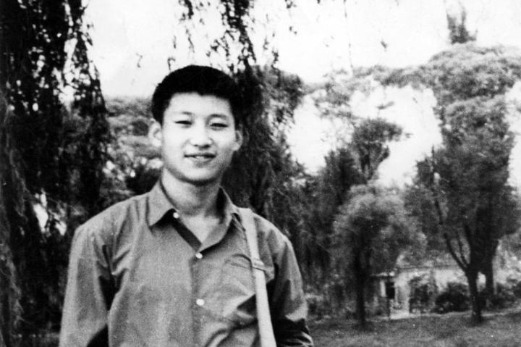
    In 1969, at just 15 years old, Xi was sent to work as an “educated youth” in Liangjiahe, a remote mountain village in Shaanxi Province in Northwest China. Among his few belongings were two large suitcases stuffed entirely with books. Over the seven years he spent living in a yaodong – a traditional cave dwelling carved into the region’s yellow loess hills – harsh living conditions never dimmed his enthusiasm for reading. Instead, books became a vital source of spiritual strength through those challenging years.

    Xi made use of every spare moment to read: he would study dictionaries during breaks from farm work, steal quiet moments to read while tending sheep on hilltops, and lose himself in books under the glow of a kerosene lamp long after dark. In one famous anecdote, he walked 15 kilometers along a rutted, dusty country road just to borrow a copy of Johann Wolfgang von Goethe’s *Faust*. He also drew great inspiration from Russian writer Nikolai Chernyshevsky’s *What Is to Be Done?*, where the main character’s unyielding resilience encouraged him through difficult times. By the end of his time in Liangjiahe, Xi had read nearly every classic work of literature he could get his hands on, once saying that the knowledge he draws on easily today all stems from the reading he did in those years.

    Over time, Xi developed a distinctive, thoughtful reading method: he describes the approach as “turning thick books thin, and thin books thick.” This means distilling the core essence from dense, complex texts to extract key insights, while diving deep into the layers of shorter, concise works to unpack their full depth and meaning. By the time he was admitted to Tsinghua University in 1975, he had read Karl Marx’s *Das Kapital* cover to cover three times, and filled 18 notebooks with his own reflections and analysis.

    For decades, no matter if he was serving as a grassroots local official or leading the entire country, Xi has maintained this consistent reading routine. He has also repeatedly encouraged both government officials and the general public across China to make reading a regular part of their lives.

    Global observers have long noted the significance of Chinese leaders’ reading habits, as the knowledge gained from books directly shapes how policy is conceived and implemented. As international outlet *The Diplomat* wrote in a piece on the topic, “Overseas analysts of China are understandably very interested in whether Chinese leaders are reading, whether they have time to read, and what kind of books they are reading. Leaders’ knowledge is formed by the books they read … This in turn is an important factor in determining the shaping and implementation of policy.”

  • After a failed attempt, Australian families again attempt repatriation from Syria’s Roj camp

    After a failed attempt, Australian families again attempt repatriation from Syria’s Roj camp

    In a development that reignites debate over the repatriation of citizens linked to the Islamic State (IS) militant group, four Australian families departed the Roj Camp in northeast Syria on Friday, launching a fresh push to return to their home country, according to regional officials.

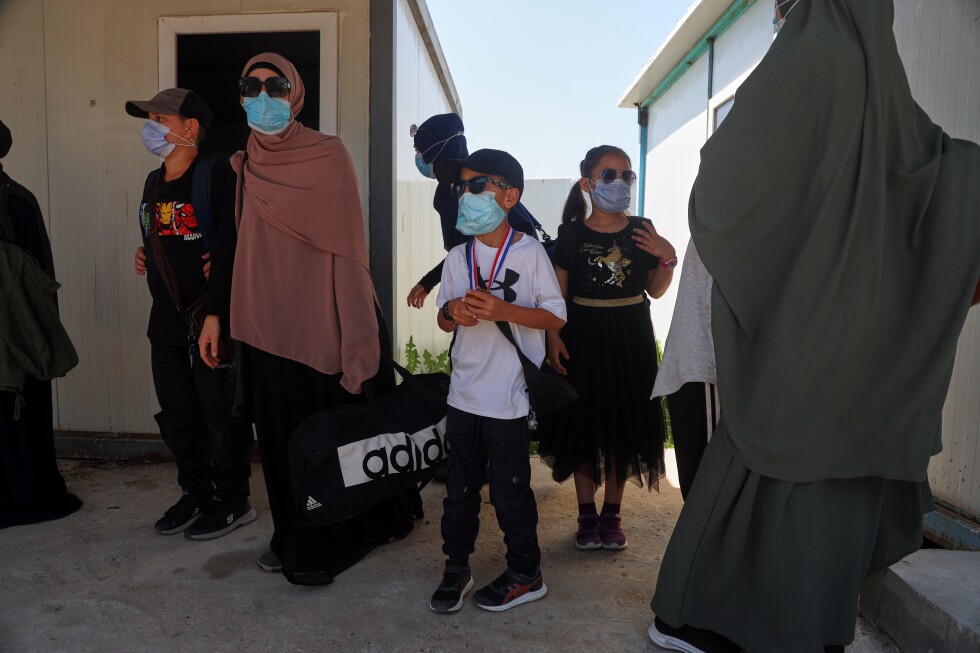
    Correspondents from the Associated Press witnessed 13 Australian women and children board a bus guarded by a Syrian government delegation for the journey out of the remote camp, which sits just kilometers from the Iraq-Syria border and holds thousands of family members of people suspected of ties to IS.

    Lana Hussein, a senior official with the Women’s Protection Units, an arm of the Kurdish-led Syrian Democratic Forces (SDF) that oversees security at Roj Camp, confirmed that the departure was coordinated jointly with the central Syrian government in Damascus. Per the agreed-upon arrangement, the Australian group will stay in the Syrian capital for approximately three days, after which they will be deported following standard security vetting procedures, Hussein explained.

    As of Friday evening, neither the Syrian Ministry of Foreign Affairs nor the Australian federal government had issued any public statement in response to press requests for comment. It also remains unclear whether the Australian government was aware of or involved in planning this latest departure attempt.

    This second effort to repatriate Australian citizens from the camp follows a failed attempt in February that saw a group of 34 women and children turned away by Syrian authorities before they could reach Damascus to depart for Australia. At the time, Australian officials explicitly stated they would not facilitate the group’s repatriation, and Canberra later issued a temporary exclusion barring one of the participating women from reentering the country.

    The geographic context of the situation has shifted dramatically since that February attempt. Roj Camp is located in a region of northeast Syria that was long controlled by the SDF, but clashes between the SDF and Syrian government forces in early 2024 ended with Damascus seizing control of the majority of the territory the SDF previously held. The fighting also triggered a wave of prison breaks and mass escapes from the larger al-Hol camp, another major facility holding IS-linked detainees, which has since been formally closed. Following the collapse of IS’s self-declared caliphate in 2019, tens of thousands of former fighters, their spouses and children from dozens of countries were detained in a network of SDF-run camps and detention centers across northeast Syria. In the aftermath of the January clashes, the U.S. military transferred thousands of former IS detainees from Syria to Iraq to face legal proceedings.

    Canberra has previously facilitated two repatriation operations for Australian women and children held in Syrian detention camps, and an unknown number of other Australian citizens have returned to the country without official government support. Even after the defeat of IS’s territorial rule, the group retains active sleeper cells that continue to launch lethal attacks across both Syria and Iraq.

    This report includes contributing reporting from AP correspondent Abby Sewell based in Beirut.

  • Spain heads to World Cup with its image battered by cases of racism, sexism and xenophobia

    Spain heads to World Cup with its image battered by cases of racism, sexism and xenophobia

    MADRID – As Spain’s men’s national soccer team prepares to compete for the 2025 World Cup title, a string of high-profile discrimination incidents has plunged Spanish soccer into a global reckoning, overshadowing the team’s on-pitch success and raising urgent questions about cultural change within the sport. The latest controversy came in a March friendly match against Egypt, held in Barcelona, where a faction of Spanish supporters directed anti-Muslim chants at the Egyptian team and jeered the Egyptian national anthem – an incident that sparked international outrage just months before the World Cup kicks off. This incident marks the third major discrimination scandal to hit Spanish soccer in two years, following 2023’s racist abuse targeting Real Madrid star Vinícius Júnior and the unwanted sexual advance by former Spanish Football Federation (RFEF) president Luis Rubiales against Women’s World Cup winner Jenni Hermoso. With Spain set to co-host the 2030 World Cup, cleaning up its international reputation as a tolerant host nation has become a top priority for Spanish authorities and soccer leaders, who have pushed back against framing the entire country as racist or discriminatory. Esteban Ibarra, leader of the Madrid-based Movement Against Intolerance, Racism and Xenophobia, argues that the harmful acts are limited to small, radical fan factions rather than the broader Spanish supporter base. “It’s not a very good image for Spain right now, but we can’t mistake these acts by minority groups, usually the ultra groups, with the actions of the majority of fans in Spain,” Ibarra noted. Spain’s highest sports governing body, the Higher Council for Sports, echoed that position in a statement to the Associated Press, stressing that the disruptive fans do not represent the vast majority of Spanish supporters. “These acts, which we condemn in the strongest possible terms, have been perpetrated by a group of people who in no way represent the vast majority of Spanish soccer fans,” the council said. “The chants were deplorable and cannot be repeated. We are confident that the Spanish men and women attending the World Cup this summer will support our team with passion and always with respect.” Critics and affected parties have pushed back against framing the incidents as isolated, however. The Egyptian Football Association called the chants “entirely unacceptable in football stadiums” and emphasized that this negative phenomenon must be collectively addressed and fully eradicated. Notably, the incident occurred even with 18-year-old Spanish star forward Lamine Yamal – a practicing Muslim – in Spain’s lineup. The day after the friendly, Yamal publicly condemned the chants as disrespectful and intolerable, arguing that the bigotry was unacceptable regardless of whether it was directed at him personally. “I understand that not all fans are like that, but to those who chant these things: Using a religion as a taunt on the field makes you look ignorant and racist,” Yamal said. “Football is for enjoying and cheering, not for disrespecting people for who they are or what they believe.” The RFEF has pointed to Yamal’s widespread popularity as proof that discrimination does not reflect the views of most Spanish fans, noting that Yamal’s jersey is the highest-selling Spain national team shirt and that he draws massive crowds everywhere the team travels. The federation also highlighted ongoing anti-discrimination campaigns run in partnership with the Spanish government and other soccer entities. In response to the incident, Spanish authorities launched a criminal investigation into the fan behavior, and FIFA has opened formal disciplinary proceedings against the RFEF. The anti-Muslim incident comes on the heels of two major scandals that already put Spanish soccer’s culture of discrimination under the global microscope. In 2023, Vinícius Júnior, Real Madrid’s Black Brazilian forward, was subjected to racist slurs from ultra fans during a La Liga match in Valencia, prompting the star to speak out forcefully about the pervasive problem of racism in Spanish soccer. At the time, Vinícius said that the Spanish league “now belongs to racists” and that Spain was widely perceived as a racist country globally. He has since softened that framing, noting that racism exists in every nation, but continues to advocate for stronger action. After praising Yamal’s condemnation of the anti-Muslim chants, Vinícius said: “I’m not saying that Spain or Germany or Portugal are racist countries, but there are racists in these countries, and in Brazil and other countries as well. But if we keep fighting together, I think future players and people in general won’t have to go through this again.” Vinícius’ protest sparked widespread global support and pushed Spanish authorities to take stronger action against on-pitch discrimination. For the first time in Spanish professional soccer history, a court handed down a conviction for racial abuse in soccer following Vinícius’ repeated calls for accountability, and multiple other radical fans have received penalties for discriminatory acts. A recent ruling from the Spanish Supreme Court also set a new precedent for harsher sentences for intolerance in sports, marking a tangible step forward in the fight against discrimination. Just months after the Vinícius controversy, Spanish soccer faced another major cultural reckoning with the Rubiales scandal. After Spain won the 2023 Women’s World Cup, then-RFEF president Luis Rubiales grabbed Jenni Hermoso, a star Spanish player, by the head and kissed her on the lips without her consent. Rubiales ultimately resigned and was found guilty of sexual assault, with critics arguing the incident exposed deep-rooted sexism in Spanish soccer leadership. The RFEF says the scandal prompted sweeping internal reform: today, 50% of the federation’s board of directors are women, and women hold multiple senior leadership positions within the organization. As the World Cup approaches, Spain is grouped with Saudi Arabia, a majority-Muslim nation, adding extra urgency to addressing the recent anti-Muslim incident. Spanish soccer and government officials say they have put in place robust measures to prevent similar incidents during the tournament, including monitoring bulk ticket purchases to block known radical ultra fans from accessing matches. Ibarra argues that the high global attention on recent scandals has put Spain on alert, making it less likely that similar incidents will occur during the World Cup. “Especially now that Spain is on alert because of the international repercussion of the recent incidents, more severe measures are expected against these Spanish ultra groups that are responsible for these acts,” Ibarra said. The Spanish government said it has coordinated for years across law enforcement, soccer governing bodies, clubs and fan groups to stop a small faction of hooligans from tarnishing the sport. The government claims it has “one of the most advanced systems in Europe” to combat sports-related intolerance, with a dedicated anti-violence commission that coordinates action between law enforcement, prosecutors and other relevant institutions. Spain enters the 2025 World Cup as one of the pre-tournament title favorites. The team, which currently holds the European Championship title, recovered from a disappointing round-of-16 exit at the 2022 Qatar World Cup to win the 2023 Nations League and finish as runners-up in the 2024 iteration, building strong momentum on the pitch ahead of the tournament. But that on-pitch success has been partially overshadowed by the ongoing reckoning over discrimination, leaving observers waiting to see if the recent string of scandals will translate to lasting cultural change in Spanish soccer.

  • Jim Furyk is returning as US Ryder Cup captain for 2027, AP sources say

    Jim Furyk is returning as US Ryder Cup captain for 2027, AP sources say

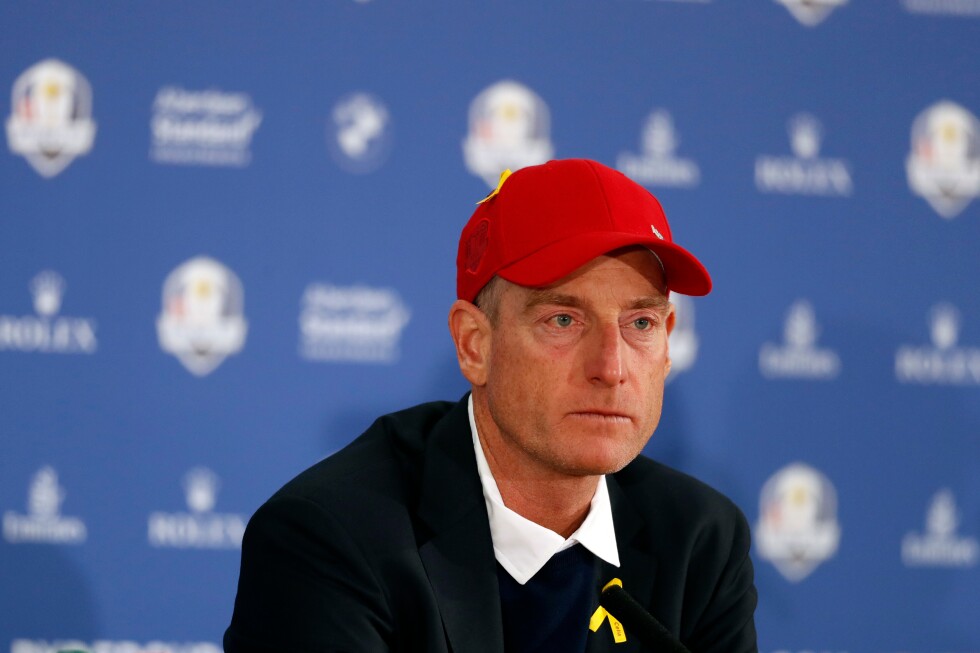
    The world of professional golf is set for the 2027 Ryder Cup in Ireland, with multiple sources close to the selection process confirming to The Associated Press that Jim Furyk will return as captain of the United States team. His appointment comes after Tiger Woods removed himself from consideration for the role, following a late March arrest on suspicion of driving under the influence that led the 15-time major champion to step away from competitive golf indefinitely to prioritize his health and recovery.

    Furyk’s selection makes him only the fourth American skipper to earn a second captaincy since 1979, the start of the modern Ryder Cup era when continental European players joined the competition. He follows Jack Nicklaus, Tom Watson, and Davis Love III, all of whom held the role twice over the past four decades. All three previous two-time captains led the U.S. team on home soil both times, leaving Furyk with a historic and daunting challenge: the Americans have not won a Ryder Cup held on European soil since 1993, a drought that has stretched more than three decades.

    The path to Furyk’s appointment began with the PGA of America’s original priority on Woods. For the 2025 Ryder Cup, the governing body delayed its selection to wait for Woods to confirm if he wanted the role, ultimately nominating surprise pick Keegan Bradley when Woods declined. For 2027, organizers set a soft late-March deadline for Woods to make a final decision, with a shortlist of vetted candidates ready to be considered if he turned down the post.

    That contingency plan was activated after Woods’ March 27 incident in Florida: his SUV struck a pickup truck’s trailer on a residential street, flipping the vehicle onto its side. Authorities determined Woods was impaired, leading to his arrest and brief jailing. Four days after the crash, Woods announced he would step away from competitive golf indefinitely “to seek treatment and focus on my health,” and formally notified the PGA of America he could not take on the 2027 captaincy. The sources, who spoke on condition of anonymity as the official announcement has not yet been made, confirmed the Ryder Cup committee moved directly to select Furyk after Woods’ withdrawal. When contacted by AP, Furyk declined to comment via text message, and the PGA of America issued a vague statement Friday saying, “We look forward to sharing details regarding our 2027 U.S. Ryder Cup captain announcement soon.”

    Furyk first led the U.S. Ryder Cup team in 2018 at Paris’ Le Golf National, where Europe secured a lopsided 17 1/2-10 1/2 victory. That tournament was marred by internal friction for the U.S. side: all four of Furyk’s captain’s picks combined for a dismal 2-10-0 record across match play sessions, and star Patrick Reed publicly blamed teammate Jordan Spieth for poor paired play and Furyk for benching him twice during the event.

    Despite that 2018 defeat, Furyk has rebuilt his reputation as a strong leader in subsequent team events. He captained the U.S. Presidents Cup team to a victory in 2024, and served as a trusted assistant captain under Keegan Bradley for the 2025 Ryder Cup at Bethpage Black. That event saw Europe take a commanding seven-point lead after the first two days of play, holding on to claim a second consecutive victory under captain Luke Donald, who will return for his third straight Ryder Cup at Ireland’s Adare Manor in 2027. If Donald leads Europe to victory in 2027, he will become the first captain ever to win three consecutive Ryder Cups.

    The challenge facing Furyk is steep by any measure. Dating back to the 1995 Ryder Cup at Oak Hill, Europe has claimed 11 victories from the 15 contested matches, cementing a decades-long era of dominance over the American side. While the U.S. scored a resounding home victory at Hazeltine in 2016, they collapsed two years later at Le Golf National, a course designed with narrow fairways and thick rough that neutralized the American team’s power. After opening with a 3-1 lead on the first day, the U.S. failed to win a single session for the rest of the tournament, with all four captain’s picks including Woods, Phil Mickelson, and Bryson DeChambeau combining for just one half-point from nine matches.

  • Milan design week draws global creatives and makers despite war and economic worries

    Milan design week draws global creatives and makers despite war and economic worries

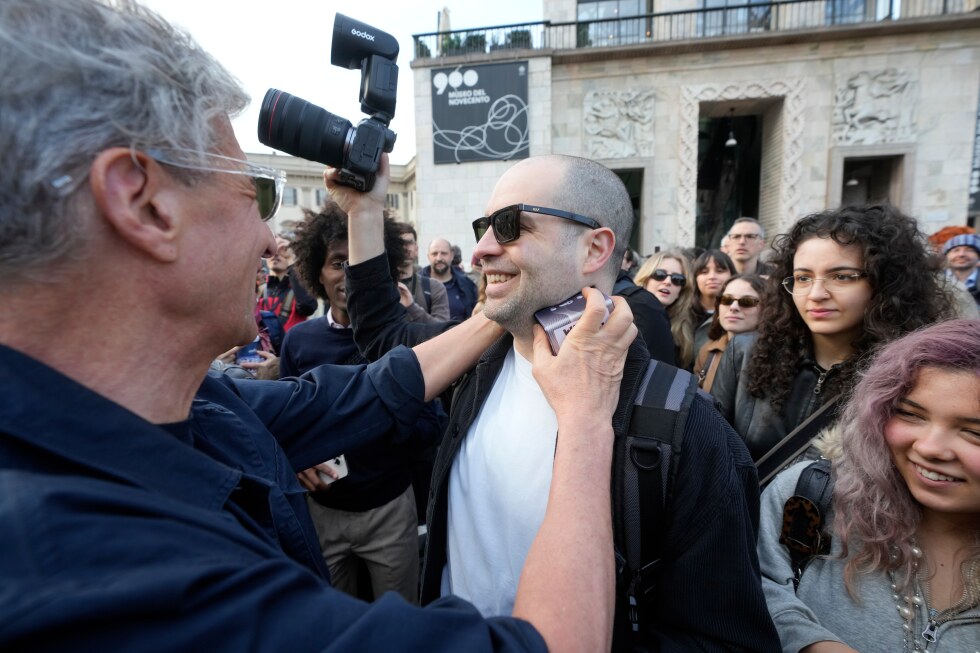
    Against the backdrop of global economic uncertainty and travel disruptions sparked by ongoing conflicts in the Middle East, one of the world’s most anticipated annual design gatherings kicked off in Italy’s design capital Milan this week, drawing thousands of creators, industry leaders and design enthusiasts from across the globe. The 202X iteration of Milan Design Week, paired with the flagship Milan Furniture Fair at Fiera Milano Rho, has turned the entire city into a sprawling open-air exhibition, blending boundary-pushing conceptual art, artisanal craftsmanship, industrial innovation and high-end luxury in an energetic, eclectic celebration of global design. The event officially opened its doors to trade visitors on Tuesday, following a full day of invitation-only previews and networking receptions across the city’s most exclusive venues on Monday, where the atmosphere remained notably upbeat despite headwinds facing the global design industry.

  • What a reporter learned covering a protest in Venezuela led by women hoping to free their loved ones

    What a reporter learned covering a protest in Venezuela led by women hoping to free their loved ones

    In the wake of a seismic political shift that shook Venezuela earlier this year, a small group of ordinary women have emerged as unlikely challengers to the country’s new ruling order, turning a quiet Caracas police station sidewalk into a stage for a months-long fight for their loved ones. In an interview with AP editor Del Quentin Wilber, award-winning Associated Press reporter Regina Garcia Cano opened up about the process of chronicling the unprecedented protest that tested both the women’s grit and the new government’s tolerance for dissent.

    The upheaval began in January, when the United States military carried out a raid that deposed long-time authoritarian President Nicolás Maduro, who had claimed victory in the 2024 presidential election despite widespread credible evidence of electoral fraud. In a move that shocked Venezuelan voters, the Trump administration threw its support behind a ruling-party loyalist rather than the political opposition to lead the country, leaving much of the existing power structure intact. The new acting president, Delcy Rodríguez, quickly moved to release all detained U.S. citizens to curry favor with Washington, but hundreds of Venezuelans held on what human rights groups classify as political charges remained locked up.

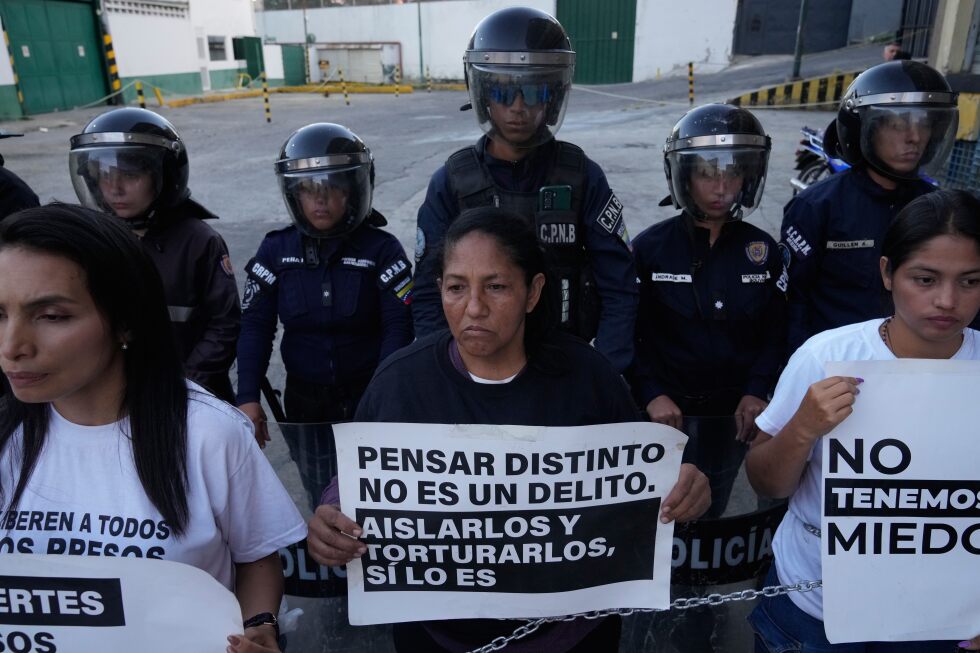
    Weeks after Maduro’s capture, the Rodríguez administration announced a mass prisoner release and signed an amnesty bill that was supposed to clear the way for thousands of current and former dissidents to walk free. That promise drew dozens of women — most of them wives and mothers of the detained — to gather outside police stations and prisons across Caracas, waiting to greet their loved ones. When the releases never came for their family members, dozens of the women refused to leave, setting up a makeshift encampment directly outside the detention facilities to pressure the government to keep its word.

    For 64 days, Garcia Cano, video journalist Juan Arraez, and photographer Ariana Cubillos shadowed the group, focusing closely on two of the movement’s core participants: Mendoza and Rosales. Arraez even slept overnight in the women’s camp multiple times to document their daily struggles. The pair was chosen for the profile not only because they spent the full two months camped outside the jail, leaving their children and everyday lives behind to advocate for their husbands, but also because their experiences reflect two of the most common household stories across modern Venezuela. Rosales and her husband both worked for the Venezuelan state and were once supporters of the ruling party, living in a community that once benefited from government investment. Mendoza and her husband, by contrast, were entirely apolitical, relying on a single private-sector income to get by. What began as a shared struggle between two strangers grew into a deep, unbreakable friendship over the course of the protest.

    Before January 2025, open public dissent of this kind was unthinkable in Venezuela. In the chaotic aftermath of the disputed 2024 presidential election, Maduro’s government ordered the mass detention of more than 2,000 people, many of whom had never even participated in anti-government protests. The crackdown left the public terrified and cowed into silence, with no space for open opposition. This makes the women’s sit-in all the more unprecedented: they are the first group to openly challenge the ruling establishment in the post-Maduro era.

    Most of the women leading the protest were quiet, reserved housewives who had never taken part in any form of political activism before. They put aside warnings from friends and family that they would be arrested, overcame their own fear, and stepped forward to demand the release of their loved ones. For the most part, their gambit paid off: while the government eventually cleared the encampment outside the police station and the women returned to their homes, the protest broke years of official silence around the issue of political detentions. Their fight is far from over, however: Mendoza and Rosales still continue their advocacy to free their husbands.

    Beyond the politics, Garcia Cano emphasized that the story is as much about female solidarity as it is about protest. Over the 64 days of the demonstration, the women grew from wary, suspicious strangers into a close-knit support network. They learned together how to organize, how to speak to reporters and lawmakers, how to navigate the confusing bureaucracy of Venezuela’s prison system. They comforted each other through moments of despair, celebrated small victories together, and shared their deepest fears, hopes for the future, and struggles as parents.

    AP’s full-length feature on the women’s 64-day protest is available now, and readers can find more coverage of Latin American and Caribbean politics at AP’s dedicated regional hub.

  • Two women risked everything after US raid to protest Venezuela’s detentions of their husbands

    Two women risked everything after US raid to protest Venezuela’s detentions of their husbands

    In the frigid pre-dawn hours of Valentine’s Day this year, a small group of weary women huddled outside the gates of a Caracas detention center, straining to hear every name a police officer shouted into the dark night. With each call, a gaunt detainee stumbled out into the tearful embrace of waiting loved ones. When the roll call ended, 15 men and two women—all labeled political prisoners—had walked free. But for Mileidy Mendoza and Sandra Rosales, the moment was heavy with bittersweet tension: their husbands’ names never came.

    What began as two isolated women’s quiet agony over detained spouses grew into a grassroots movement that would test the new post-Nicolás Maduro Venezuelan government’s commitments to political reform under intense U.S. and international pressure. It is a story of unexpected sisterhood, relentless courage, and the unfinished struggle to secure freedom for more than 400 political prisoners still held behind bars.

    Neither Mendoza nor Rosales had any prior political organizing experience before their husbands’ arrests last November. Mendoza, a 30-year-old stay-at-home mother who sold handcrafts to supplement her driver husband’s income, lived quietly in western Caracas with her two children. Rosales, a 37-year-old elementary school teacher, raised four kids in Valencia, a once-booming industrial city north-central Venezuela. Both were apolitical; Rosales and her husband, Dionnys Quintero, an explosives technician for Venezuela’s intelligence service, had even long supported the ruling socialist party. When both men were arrested in November and accused of collaborating with U.S.-backed opposition factions to plant a bomb in a central Caracas plaza, neither woman was given official confirmation of the detentions for weeks, and no visitors or phone calls were allowed. The Venezuelan government never responded to requests for comment on the arrests.

    Their shared predicament drew them together after the January 3 U.S. military operation that captured and removed Maduro from power. Under direct pressure from the Trump administration to restore civil liberties, the interim government led by acting President Delcy Rodríguez announced it would free jailed political dissidents, sparking hope for hundreds of families with loved ones detained under Maduro’s authoritarian rule. Mendoza, who had already spent weeks trekking between detention centers searching for her husband Eric Díaz, learned he was being held at a Calle Mara police station, a dead-end street in an industrial Caracas neighborhood, alongside dozens of other political prisoners.

    Mendoza and a handful of other wives traveled to the station expecting to reunite with their husbands that day. When no releases happened, they refused to leave. They set up a makeshift camp on the sidewalk with just a few fleece blankets; local businesses and residents stepped in to donate foam cushions, water, electricity, and bathroom access. Within days, the camp grew to 30 women, most of them wives and mothers of detained dissidents, who transformed the dead-end street into a permanent protest site. Rosales joined the movement shortly after it began, and she and Mendoza quickly became close collaborators: Rosales’ calm, rational balance tempered Mendoza’s fiery, unapologetic passion, and the pair forged a sisterhood that extended beyond their shared fight. “We are much more than comrades; we are a family,” Mendoza said.

    As the protest gained international attention, the government made its first concession: it allowed the women their first in-person visits, officially confirming the detainees were being held at the site. What the women saw during that January 27 visit shocked them: their loved ones were pale, gaunt, and had aged dramatically in custody. Male detainees were forced to wear baby blue uniforms—the official color of opposition leader María Corina Machado’s party, which the government accuses of plotting the bomb attack—an intentional branding the women saw as part of the regime’s repression.

    Far from quelling the protest, the visit only strengthened the women’s resolve. Rejecting offers of limited, regular visitation as insufficient, they doubled down: they met with lawmakers debating an amnesty bill for political prisoners, filed court paperwork, met with legal teams, and held round-the-clock prayer vigils. After more than a month of camping outside the station, 10 women launched a hunger strike to force further action. Mendoza lasted five days without food before dehydration, heart palpitations, and dizziness forced her to end the strike and receive medical care; Rosales lasted two days. The strike concluded on the 42nd day of the protest, with only one woman outlasting Mendoza by a matter of hours.

    Two weeks after the hunger strike, the first major breakthrough came on Valentine’s Day, when the government released 17 prisoners. Two more releases followed on March 7, when 25 more men walked free. But each release left Mendoza and Rosales with the same hollow disappointment: their husbands remained in custody. Shortly after the March releases, the women learned their spouses had been transferred to a notoriously harsh prison outside Caracas, a facility long known for sweltering temperatures, systematic physical and psychological abuse, and inadequate food supplies. The women suspected the transfer was retaliation for their high-profile protest.

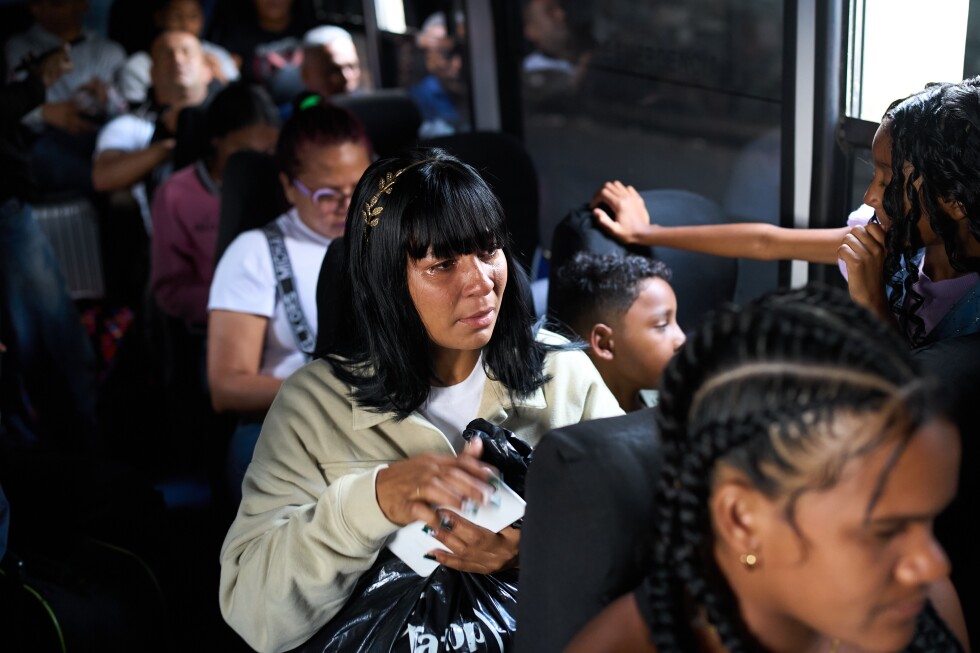
    After 64 days of continuous camping outside the Calle Mara police station, the remaining core of the movement folded their tents and suspended the site protest, shifting into a waiting game. Two weeks later, they were granted a new visit at the outlying prison, this time allowed to bring their children. On Easter Sunday, April 5, the women traveled by bus to the facility, each carrying small comforts for their husbands: Mendoza brought popcorn and fried plantains, her husband’s favorite snacks, while Rosales brought a sheet cake to celebrate her eldest daughter’s birthday and her own, which fell that very day. The four-hour visit was filled with small updates on school, dental appointments, and family life, but the women left with a clear promise: they would not abandon their fight. They just needed time to regroup.

    To date, human rights groups confirm more than 400 political prisoners remain in Venezuelan custody, and the government has not responded to repeated requests for comment on its plans for future releases. The Trump administration has praised the interim government’s pledge to free detainees, but critics note releases have been selective, falling far short of the full amnesty activists and family members demand. For Mendoza, Rosales, and the other women of the Calle Mara camp, the fight is far from over. “We must continue fighting for our goal, which is the release of all of them,” Mendoza said. “Not one, not two, not 17, but all of them.”


  • Turkey to return to F1 calendar in 2027

    Turkey to return to F1 calendar in 2027

    The Turkish Grand Prix is set to make a permanent comeback to the Formula 1 schedule starting in 2027, marking a six-year absence from the global racing series, Formula 1 has officially announced. The iconic Istanbul Park circuit will host the annual race through at least 2031, locking in a multi-year agreement between motorsport’s governing body and Turkish event organizers.

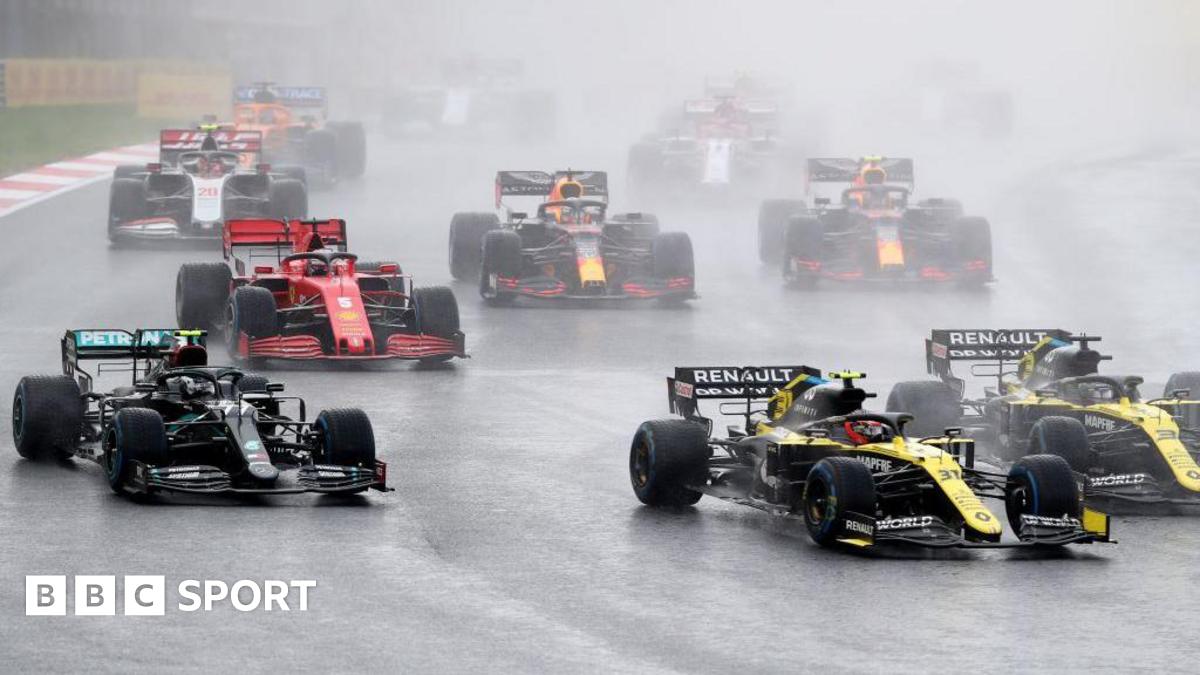
    Istanbul Park holds a special place in modern F1 history: it was the venue where British racing legend Lewis Hamilton secured his seventh world drivers’ championship in wet, treacherous conditions back in 2020, tying Michael Schumacher’s long-standing all-time record. Turkey’s first run on the F1 calendar stretched from 2005 to 2011 before the event was dropped from the annual lineup. It made a brief return in 2020 and 2021, when F1 scrambled to fill out its race schedule amid widespread event cancellations triggered by the COVID-19 pandemic.

    Contrary to early speculation that the addition of Turkey would expand F1’s controversial 24-race maximum calendar cap, series officials confirmed the total number of annual races will not rise beyond the current limit. The Turkish Grand Prix will take the place of existing events as their hosting contracts expire, or will be integrated into a new rotational race system that F1 has begun rolling out for several European venues. This model mirrors the new agreement for the Belgian Grand Prix, which will host four races across the six-year period from 2026 to 2031 rather than holding an annual event.

    Turkish President Recep Tayyip Erdoğan hailed the announcement as a vote of confidence in his country’s capabilities. “Formula 1 ranks among the world’s foremost sporting events, distinguished by its spectacle, its young fan base, and its leadership in automotive technologies,” Erdoğan said in a statement. “In our country, too, Formula 1 enjoys a broad following across all age groups – especially among our youth – with a truly passionate fanbase. The races reach nearly 19 million people in our country, while around 7.5 million follow them closely on social media. I regard Turkey’s return to the Formula 1 calendar as a clear reflection of the strong confidence placed in our country – in our robust organisational capacity, in our modern sports and healthcare infrastructure, and, of course, in the renowned hospitality of the Turkish nation.”

    Stefano Domenicali, CEO and President of Formula 1, echoed the enthusiasm for the return to Istanbul. “We are delighted to be returning to the incredible and vibrant city of Istanbul from 2027 to thrill all our fans in Turkey and around the world on one of the most exciting and challenging circuits in Formula 1,” Domenicali said. “As a city, Istanbul represents a cultural gateway between Europe and Asia, offering a unique blend of history and tradition with a forward-thinking approach to sport, business, and entertainment.”