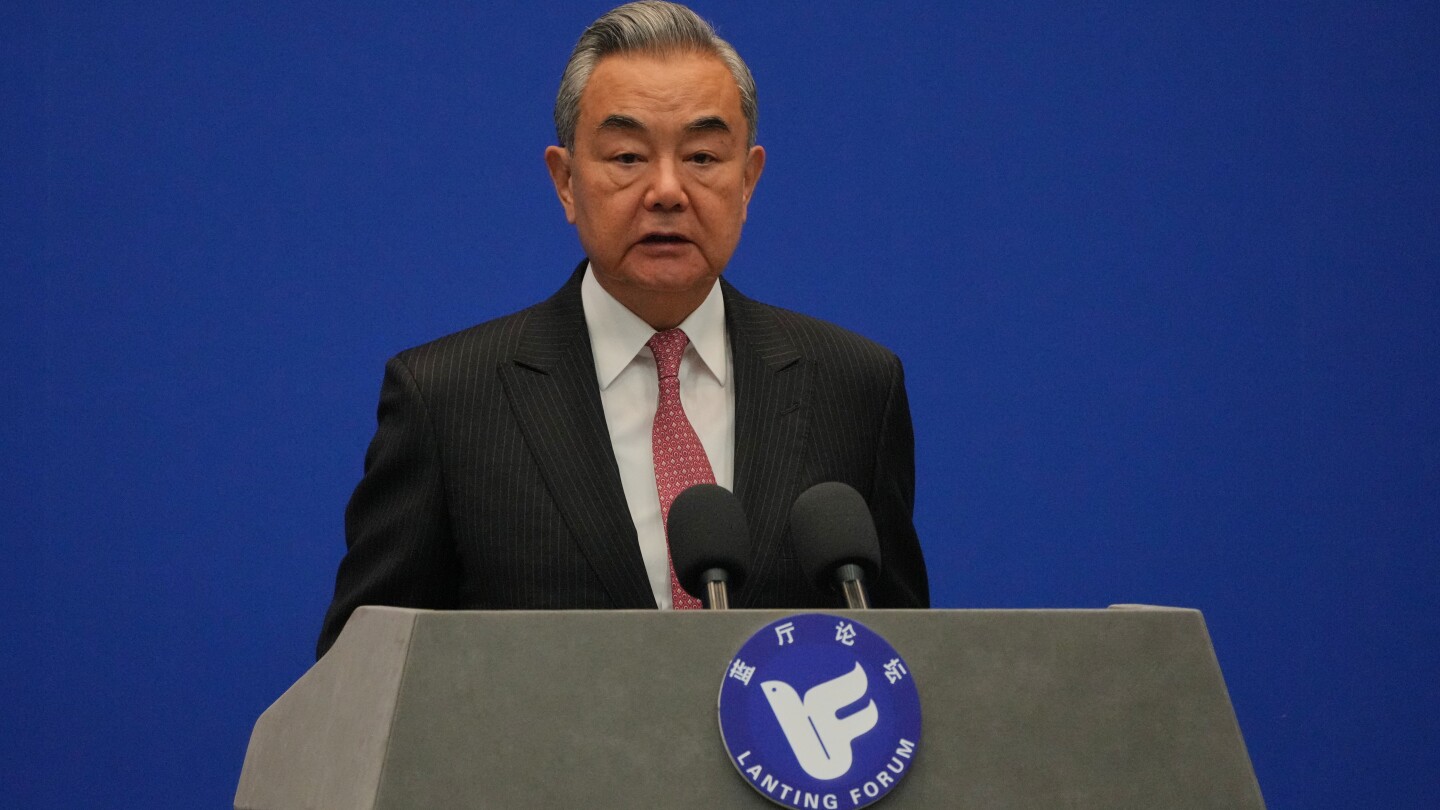
Chinese Foreign Minister Wang Yi issued a stern warning to Japan on Sunday, accusing its new leader, Prime Minister Sanae Takaichi, of “crossing a red line” with remarks suggesting potential military intervention in Taiwan. Wang described Takaichi’s comments, which implied that Japan could respond militarily to a Chinese naval blockade or other actions against Taiwan, as “shocking” and a violation of diplomatic norms. In a statement published on the Chinese Foreign Ministry’s website, Wang emphasized that China must “resolutely respond” to such provocations and called on the international community to prevent the resurgence of Japanese militarism. The escalating tensions were further highlighted by a letter from China’s U.N. Ambassador Fu Cong to U.N. Secretary-General Antonio Guterres, criticizing Takaichi’s remarks as a “grave violation of international law.” Fu asserted that any armed intervention by Japan in the Taiwan Strait would be considered an act of aggression, and China would defend its sovereignty and territorial integrity under the U.N. Charter. Beijing views Taiwan, a self-ruled island and former Japanese colony, as an inseparable part of its territory and opposes any foreign involvement, particularly from the U.S. and its Asian allies, including Japan and the Philippines. Takaichi’s stance marks a departure from previous Japanese leaders, who expressed concern over China’s threats to Taiwan but avoided specifying potential military responses. While Takaichi refused to retract her comments, she stated she would refrain from discussing specific scenarios in the future.
作者: admin
-

Dubai: ‘Back home for few hours’, thousands of Syrians reunite with pride, nostalgia
On a vibrant Saturday morning at Expo City Dubai, thousands of Syrians gathered to celebrate Syria Day, an event that transcended mere cultural festivities to become a profound moment of unity and shared heritage. Among the attendees was six-year-old Mohammed Joud Ahmed, whose excitement was palpable as he proudly wore a small Syrian flag pinned to his shirt. His mother, Oula, shared how Mohammed had been eagerly counting down the days to the event, a testament to the deep connection he feels to his homeland.
The celebration was a sensory feast, with traditional music, colorful displays, and the irresistible aroma of Syrian cuisine filling the air. Shawarma, kebbeh, sujuk, and fresh saj drew long queues of visitors, while cultural stalls showcased Syrian calligraphy, traditional handmade soap, and paintings of historical landmarks like Palmyra and Aleppo. For many, these elements evoked cherished memories and a sense of belonging.
Three young men, Shabab Hassan, Mohammed Nur, and Abu Khalid, stood out in their traditional Syrian attire, embodying the pride and heritage of their culture. “Today is not just a celebration; it’s a reminder of us as Syrians,” Shabab remarked. Abu Khalid emphasized the importance of passing on this heritage to younger generations, many of whom have grown up in the UAE.
The event also highlighted the strong bond between the UAE and Syria. Sheikh Nahyan bin Mubarak Al Nahyan, Minister of Tolerance and Coexistence, praised the contributions of the Syrian community in the UAE, noting the event’s role in fostering mutual respect and cooperation. “Our relations are built on a long history, an authentic heritage, and noble human values,” he said.
As the night concluded, the celebration left attendees with a renewed sense of pride and connection, proving that even far from home, the spirit of Syria remains alive and vibrant.
-
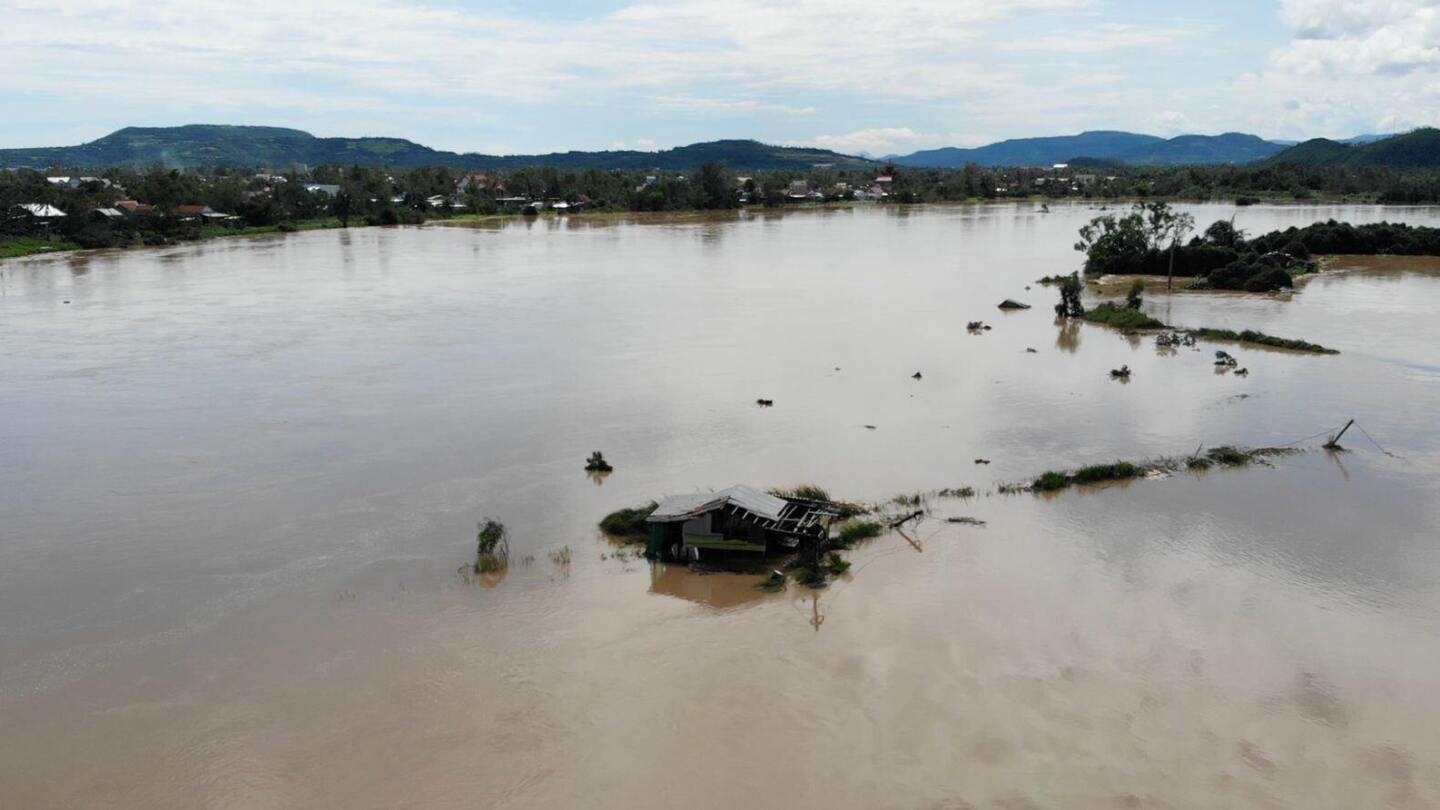
Death toll in Vietnam floods reaches 90
Central Vietnam is reeling from a devastating natural disaster as heavy rains earlier this week have led to catastrophic floods and landslides, claiming the lives of at least 90 people, according to state media reports on Sunday. The disaster prevention agency highlighted the widespread destruction caused by the deluges, which have compounded the region’s woes after it was recently battered by record-breaking floods and the powerful Typhoon Kalmaegi. The relentless rains triggered multiple landslides, particularly in the Central Highlands, submerging railway lines and roads and leaving thousands stranded. Vietnam, one of the world’s most flood-prone nations, faces heightened risks with nearly half its population residing in high-risk areas. Scientists attribute the increasing intensity and frequency of such disasters to a warming climate, which is exacerbating storms and rainfall across Southeast Asia, making floods and landslides more destructive.
-

Ukraine-born sumo wrestler Aonishiki is the first from his country to win a top championship
In a groundbreaking achievement, Ukrainian sumo wrestler Aonishiki Arata has become the first from his country to secure an elite-level sumo championship. The historic victory came on Sunday during the Kyushu tournament in western Japan, where Aonishiki triumphed over Hoshoryu, a top-ranked Mongolian wrestler, in the decisive match. Hoshoryu, alongside Japan-born Onosato, is one of the most prominent figures in Japan’s national sport. Aonishiki, born Danilo Yavhushyshyn, left Ukraine over three and a half years ago following Russia’s full-scale invasion. At just 21 years old, he has rapidly ascended the ranks in the sumo world. His journey to Japan began in 2019 after forming a friendship with a Japanese wrestler during a tournament. Aonishiki’s success adds to the legacy of non-Japanese sumo wrestlers, including Mongolians and Hawaiians, who have excelled in the sport. Ukraine, known for its strong Olympic wrestling tradition, last celebrated a gold medal with Zhan Beleniuk in Greco-Roman wrestling at the delayed Tokyo 2021 Games.
-
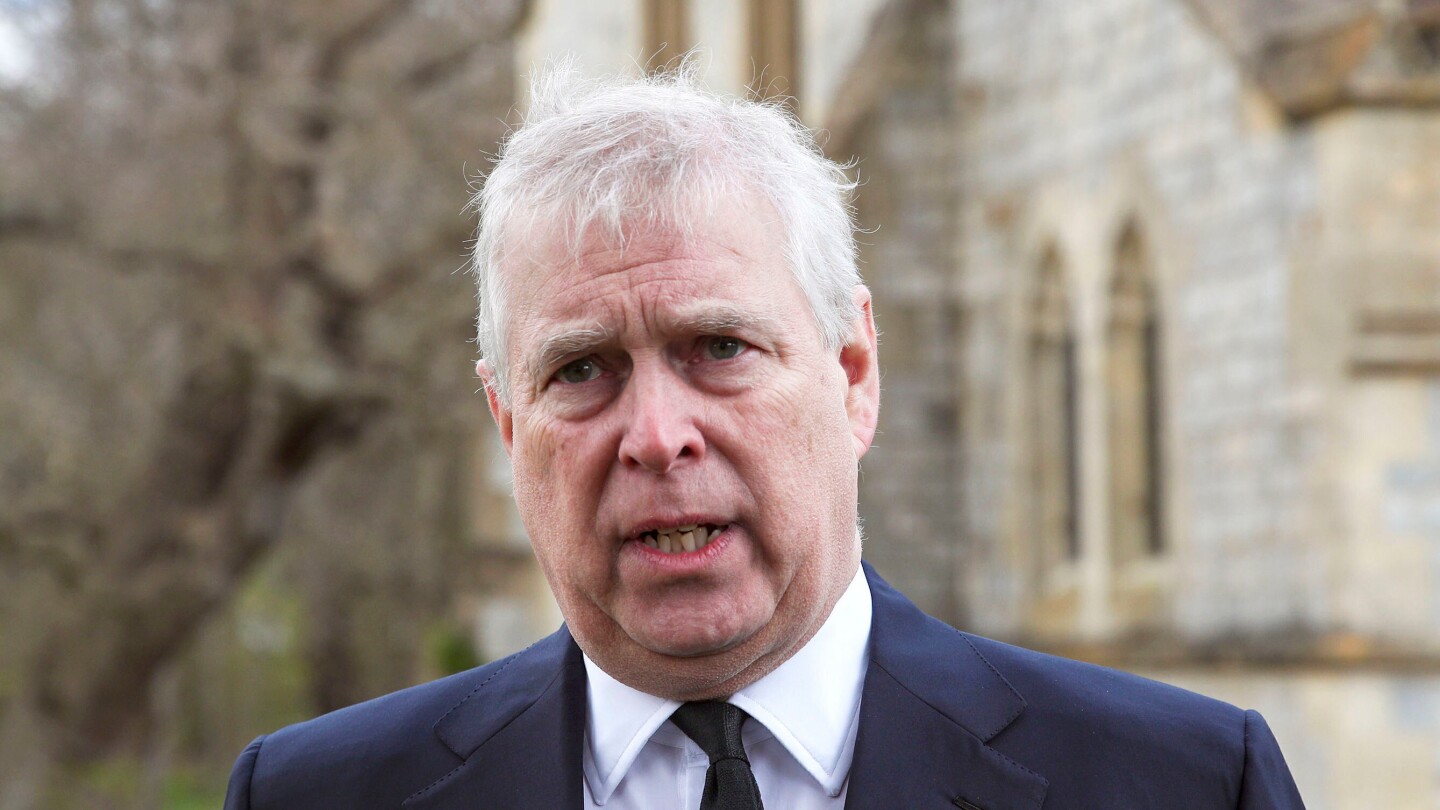
Former Prince Andrew should testify in US investigation into Jeffrey Epstein, UK leader suggests
LONDON — The pressure on Prince Andrew to cooperate with a U.S. congressional investigation into Jeffrey Epstein’s sex trafficking network has intensified following remarks by British Prime Minister Keir Starmer. While Starmer avoided direct commentary on the Duke of York’s case, he emphasized the importance of individuals with relevant information aiding investigative processes. ‘As a general principle, anyone possessing pertinent details should provide evidence to those who require it,’ Starmer stated during his visit to Johannesburg for the G20 summit.
-
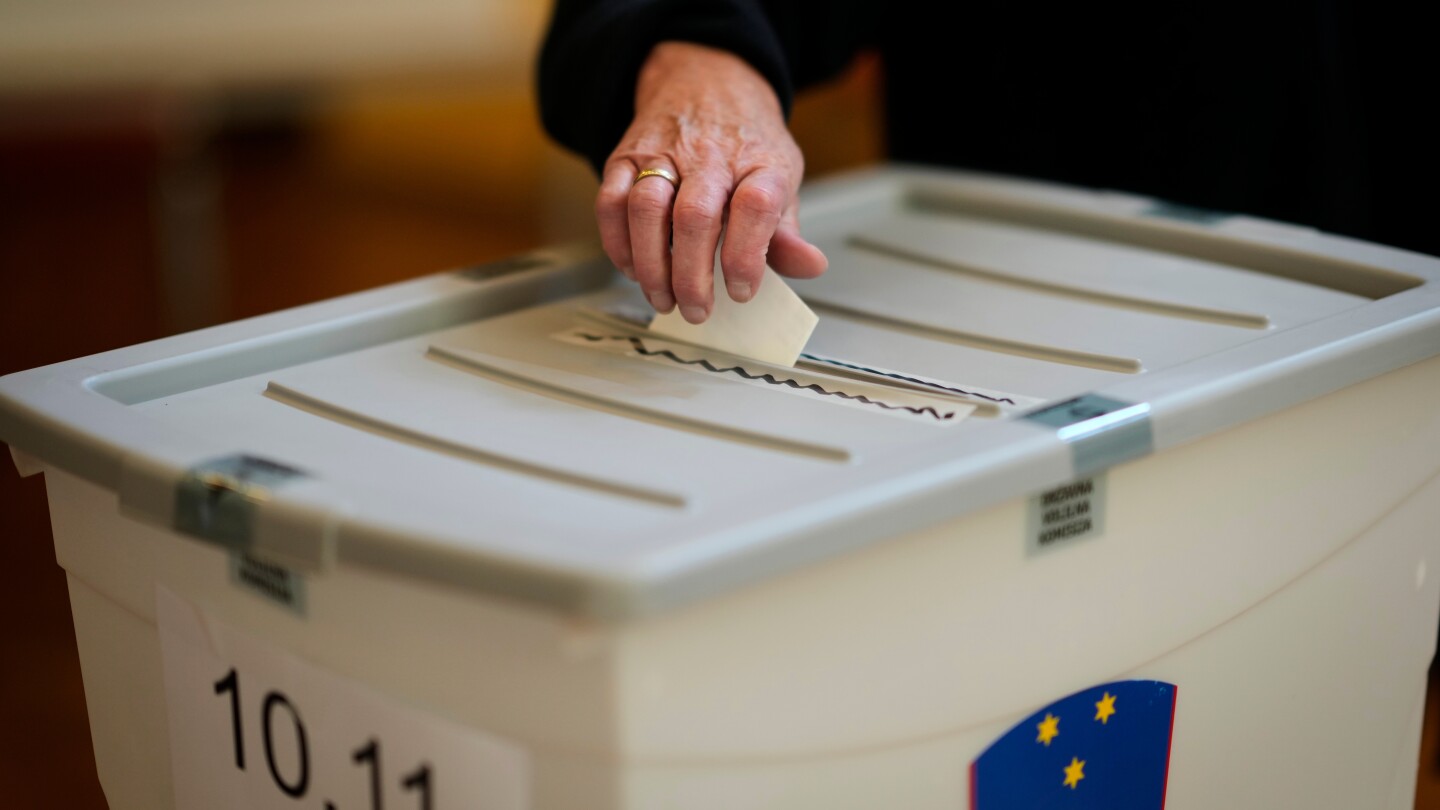
Slovenians vote in a referendum on assisted dying for terminally ill patients
In a pivotal moment for Slovenian society, citizens cast their votes on Sunday in a referendum concerning a law that would permit terminally ill patients to end their lives with medical assistance. The legislation, initially passed by the Slovenian Parliament in July, had previously garnered support in a nonbinding referendum last year. However, opposition groups, including conservative organizations, certain medical associations, and the Catholic Church, successfully petitioned for a new vote after collecting over 40,000 signatures. The law stipulates that mentally competent individuals with no prospect of recovery or those enduring unbearable pain may opt for assisted dying. Patients would self-administer lethal medication following approval from two physicians and a consultation period. Notably, the law excludes individuals with mental illnesses. Prime Minister Robert Golob’s liberal government has championed the legislation, emphasizing the importance of allowing individuals to die with dignity and control over their end-of-life decisions. Opponents, however, argue that the law violates Slovenia’s constitution and advocate for enhanced palliative care as an alternative. For the law to be overturned, a majority of voters must reject it, and they must constitute at least 20% of the 1.7 million eligible electorate. Recent polls indicate a slight majority in favor of the law. If upheld, Slovenia would join other EU nations like Austria and the Netherlands, which have already implemented similar measures.
-
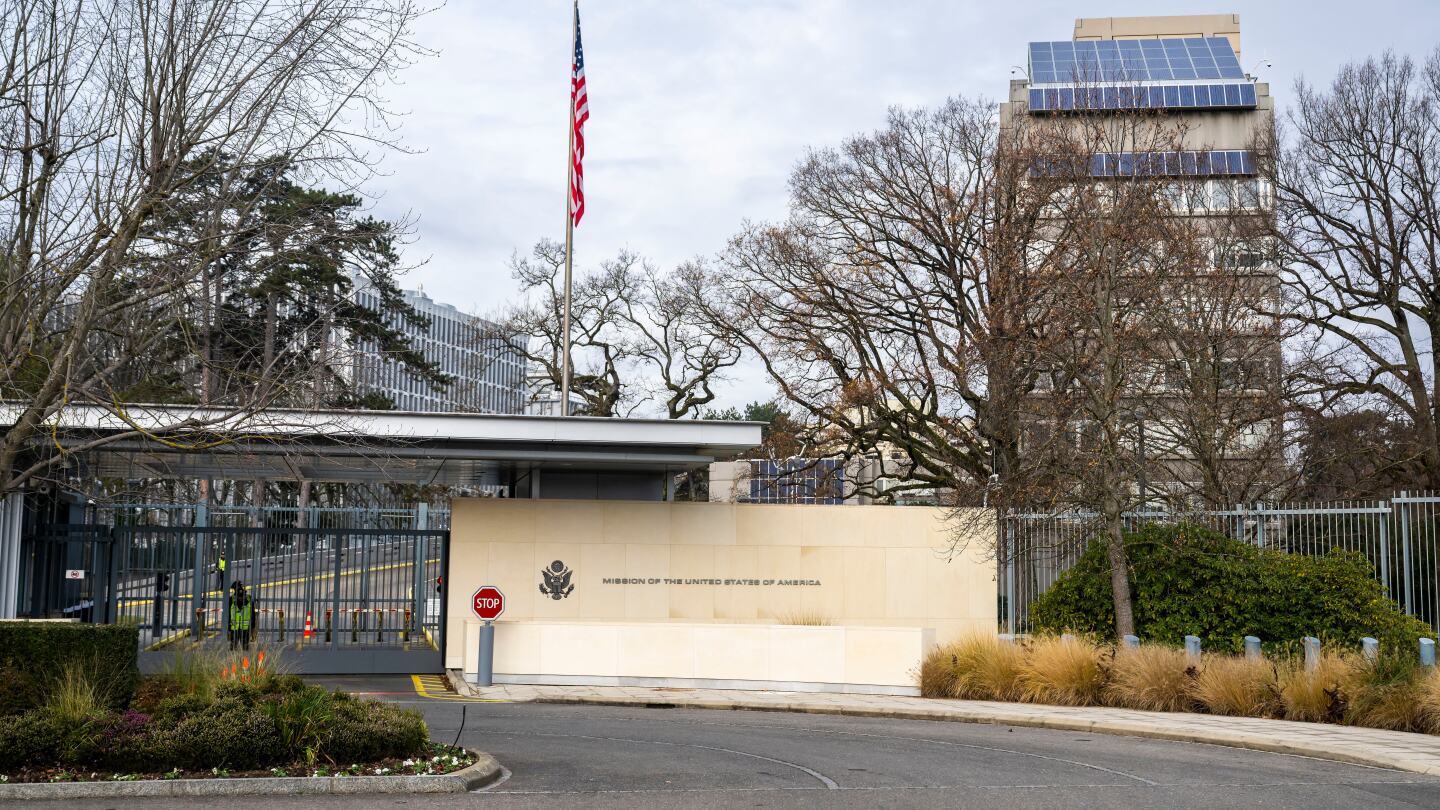
Rubio is set to meet with Ukraine and its European allies over US peace plan
Geneva witnessed high-stakes diplomatic discussions on Sunday as U.S. Secretary of State Marco Rubio arrived to engage with Ukrainian officials and European allies regarding a contentious U.S.-proposed peace plan for Ukraine. The 28-point blueprint, designed to end the nearly four-year conflict, has drawn sharp criticism from Kyiv and its Western supporters, who argue that the plan disproportionately favors Moscow despite Russia’s aggressive invasion of Ukraine. The Ukrainian delegation, led by President Volodymyr Zelenskyy’s chief of staff, Andrii Yermak, was joined by representatives from France, Germany, and the U.K., signaling a unified European stance against the proposal. The U.S. delegation also included Army Secretary Dan Driscoll and Steve Witkoff, President Donald Trump’s special envoy. The plan’s concessions to Russian demands, including territorial compromises, have been vehemently rejected by Zelenskyy, who has repeatedly vowed to defend Ukraine’s sovereignty. Speaking ahead of the talks, French Defense Ministry delegate Alice Rufo emphasized the importance of Ukraine’s ability to defend itself, labeling the plan’s restrictions on the Ukrainian military as a direct infringement on its sovereignty. Meanwhile, President Trump, speaking outside the White House, described the proposal as a step toward peace but clarified that it was not his “final offer.” The lack of clarity on Trump’s remarks and the White House’s silence on the matter have further fueled skepticism among Ukraine’s allies. The Geneva talks underscore the growing rift between the U.S. and its European partners over how to address the ongoing crisis in Ukraine.
-

The G20 summit in South Africa is set to end with another diplomatic spat involving the US
The G20 summit in Johannesburg, South Africa, concluded on Sunday amidst heightened diplomatic tensions between the host nation and the United States. The dispute arose when South Africa refused to conduct the traditional handover of the G20 presidency to a U.S. official, citing the absence of a high-level representative from the American delegation. South African Foreign Minister Ronald Lamola emphasized that the summit is a leaders’ meeting, requiring representation at the level of a head of state, special envoy, or minister. The U.S., which is slated to assume the G20 presidency in 2026, had planned to host its summit at President Donald Trump’s golf club in Doral, Florida. However, South Africa deemed the proposed handover ceremony inappropriate and postponed it to a later date, possibly at its foreign ministry building.
The rift deepened when South African President Cyril Ramaphosa accused the U.S. of last-minute changes to its participation plans, a claim denied by the White House. White House Press Secretary Karoline Leavitt criticized Ramaphosa for his comments, further straining relations. The summit also saw South Africa break with tradition by issuing a leaders’ declaration on the opening day, focusing on climate change and global wealth inequality. While the U.S. and Argentina opposed the declaration, other G20 members, including China, Russia, and several European nations, supported it. The declaration called for increased financial aid for poor countries recovering from climate-related disasters, debt relief, and support for their transition to green energy.
Despite the symbolic significance of the summit, questions remain about the G20’s effectiveness in addressing global crises such as the Russia-Ukraine war and Middle East tensions. The 122-point declaration made only a passing reference to Ukraine, highlighting the bloc’s struggle to achieve consensus on geopolitical issues. French President Emmanuel Macron acknowledged the milestone of the first African G20 summit but noted the group’s challenges in establishing a unified stance on crises. Activists, however, praised the summit for centering attention on inequality and development priorities from an African perspective, marking a historic moment for the G20.
-

Explainer: Why Joby filed case against air taxi rival Archer in US
In a high-stakes legal battle, Joby Aviation has filed a lawsuit against its competitor, Archer Aviation, accusing the latter of corporate espionage and the theft of trade secrets. The case, lodged in a Santa Cruz, California court, revolves around allegations that Archer utilized confidential information obtained from a former Joby employee to secure a partnership with a U.S. real estate developer. Both companies are in the advanced stages of testing their electric vertical take-off and landing (eVTOL) aircraft, with plans to launch commercial aerial taxi services in Dubai and Abu Dhabi next year.
Joby Aviation claims that George Kivork, its former U.S. state and local policy lead, unlawfully transferred sensitive company files to a personal email account and altered security permissions to access hundreds of documents after leaving the company. Joby alleges that Archer used this stolen information to undercut a contract bid in August 2025. According to the complaint, the developer informed Joby that Archer had knowledge of confidential details from their agreement, implicating Kivork in the alleged espionage.
Archer Aviation has vehemently denied the accusations. Eric Lentell, Archer’s chief legal and strategy officer, dismissed the lawsuit as ‘bad faith litigation,’ asserting that Archer has no deal with the developer in question and that Kivork did not bring any Joby confidential information to the company. Lentell emphasized Archer’s commitment to advancing aviation technology and accused Joby of resorting to litigation to stifle competition.
The case, scheduled for a hearing on March 20, 2026, highlights the intense rivalry in the emerging eVTOL market. Joby is seeking unspecified monetary damages and a court order to prevent Archer from using its trade secrets. This legal dispute underscores the challenges of protecting intellectual property in a rapidly evolving industry, where innovation and competition are fiercely contested.
-
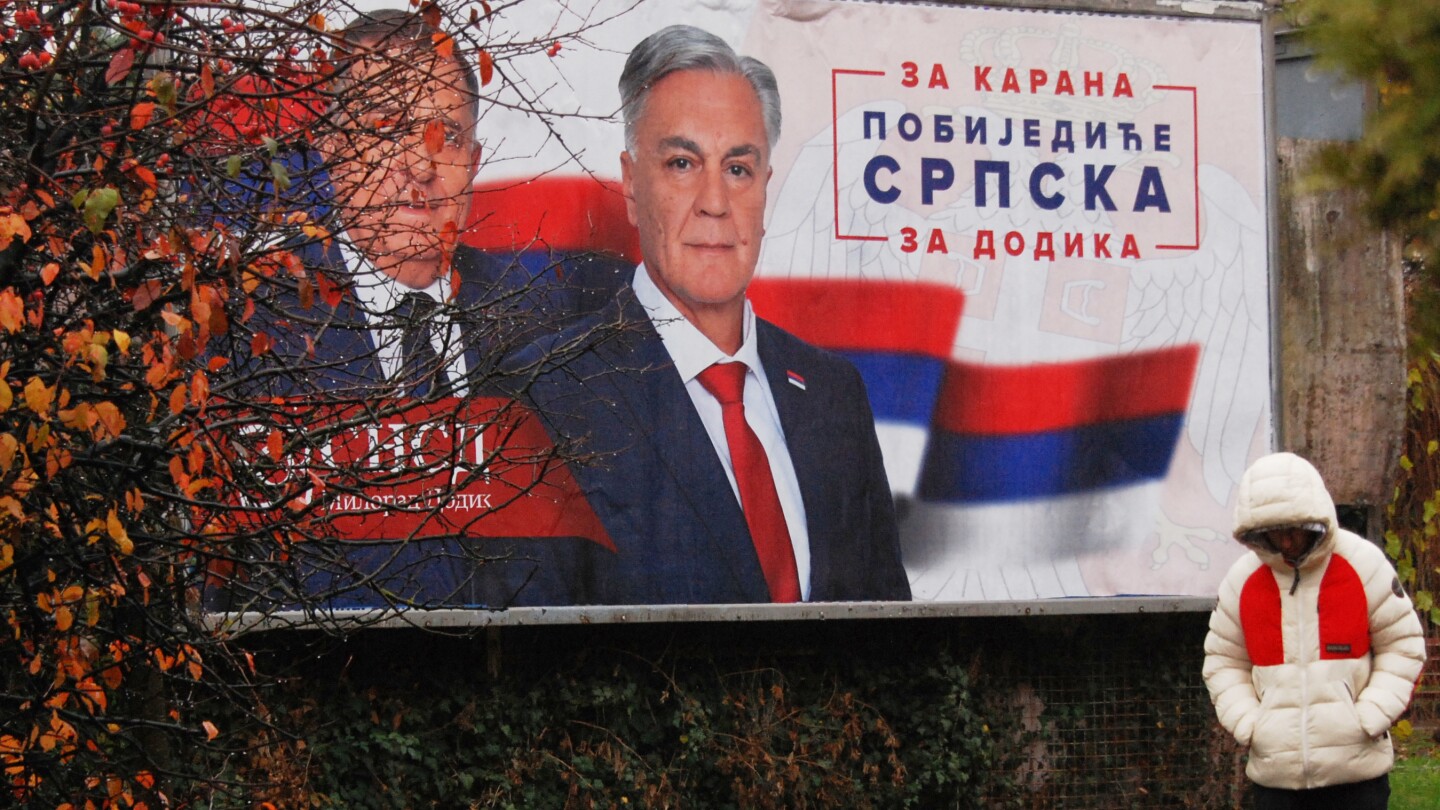
Bosnian Serbs vote to choose president after separatist leader Dodik was removed from office
In a pivotal moment for Bosnia-Herzegovina, voters in the Serb-dominated region of Republika Srpska headed to the polls on Sunday to elect a new president. This snap election follows the removal of Milorad Dodik, the former pro-Russian leader, who was ousted in August after a Bosnian court convicted him of defying the international High Representative for Bosnia. Dodik, who was sentenced to a year in prison and barred from public office, paid a fine to avoid incarceration and remains the leader of his Party of Independent Social Democrats. The election pits Sinisa Karan, Dodik’s chosen successor, against Branko Blanusa, a university professor representing the opposition Serb Democratic Party. Four other candidates are also in the race, though they are considered less competitive. Blanusa, after casting his vote in Banja Luka, emphasized the campaign’s fairness and urged a high voter turnout among the 1.2 million Bosnian Serb electorate. The election unfolds against a backdrop of deep ethnic divisions and political instability. Bosnia’s complex governance structure, established by the 1995 U.S.-brokered Dayton Agreement, divides the country into two entities: Republika Srpska, controlled by Serbs, and a federation shared by Bosniaks and Croats. Dodik, a long-time advocate for Republika Srpska’s secession from Bosnia, has faced international sanctions for his separatist policies. Although the U.S. recently lifted sanctions after Dodik agreed to step down, tensions persist with the international community, particularly with Christian Schmidt, the peace envoy overseeing Bosnia’s post-war stability. Dodik has actively campaigned for Karan, framing the election as a continuation of his political agenda. The outcome of this election could significantly impact Bosnia’s fragile political landscape and its relations with the international community.