作者: admin

  • Infantino confirms Iran will play World Cup games in US

    Infantino confirms Iran will play World Cup games in US

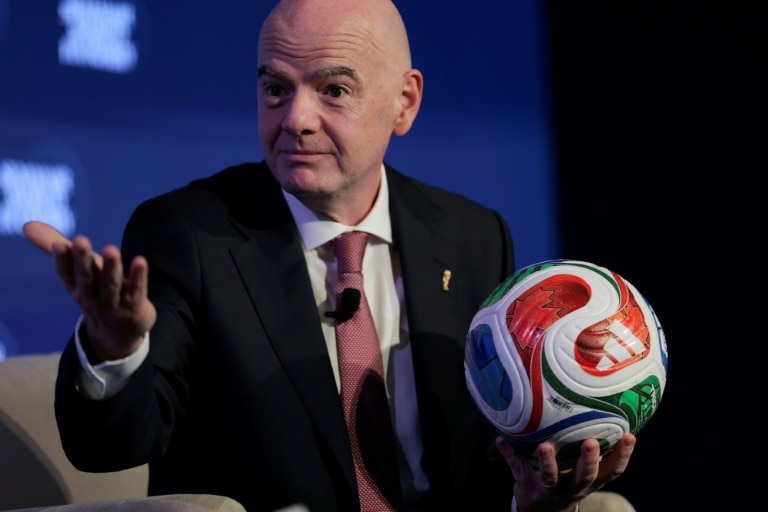
    As FIFA’s 76th Annual Congress kicked off in Vancouver, Canada on Thursday, global football governing body president Gianni Infantino opened his address by cementing a long-stated position: Iran will compete in the 2026 FIFA World Cup co-hosted by Canada, Mexico and the United States as scheduled, and all of the team’s group-stage matches will be held on U.S. soil.

    Iran’s participation in the upcoming tournament has been mired in uncertainty since regional tensions flared across the Middle East in February, following joint strikes by the U.S. and Israel. Multiple competing proposals emerged in recent weeks to upend the original fixture plan: Iranian officials briefly floated moving their group games from the U.S. to Mexico, a idea Infantino already rejected outright. Just one week prior, reports surfaced that Italy-born U.S. special envoy Paolo Zampolli had suggested replacing Iran with Italy in the tournament draw. The U.S. State Department quickly walked back that proposal, with Secretary of State Marco Rubio confirming that Iranian footballers would be welcome to compete.

    Even as the fixture status was confirmed Thursday, new controversy emerged around Iran’s presence at the FIFA Congress itself. The Iranian Football Federation (FFIRI) delegation was the only group absent from the 211-member body’s opening session, after a confrontation with Canadian border officials earlier this week. FFIRI president Mehdi Taj, a former member of the Islamic Revolutionary Guard Corps (IRGC), and two colleagues left Toronto abruptly after landing, turning around and flying back to Iran rather than continuing on to Vancouver. Iranian state media reported the group was “insulted” by Canadian immigration officers during processing. Canada officially designated the IRGC as a terrorist organization in 2024, and Canadian officials confirmed Wednesday that any individuals linked to the group are considered inadmissible to enter the country.

    For the 2026 World Cup, Iran is slotted into Group G alongside New Zealand, Belgium and Egypt, with plans to base their team camp in Tucson, Arizona. The squad is scheduled to kick off their tournament run against New Zealand in Los Angeles on June 15. Immediately following Infantino’s confirmation that the matches will proceed as planned, U.S. President Donald Trump, a close ally of the FIFA president, voiced his public support for the decision. “Well, if Gianni said it, I’m OK,” Trump told reporters in the Oval Office. “I think let ’em play.”

    Beyond confirming Iran’s participation, Thursday’s congress also served as a major milestone in Infantino’s bid for a fourth term as FIFA president, set for 2027. The head of global football has faced growing criticism in recent months: fan advocacy groups have slammed skyrocketing 2026 World Cup ticket prices as a “monumental betrayal” of supporters, and watchdog group Fairsquare filed a formal ethics complaint in December accusing Infantino of violating FIFA’s political neutrality rules after he awarded Trump the inaugural FIFA Peace Prize during last year’s World Cup draw.

    Infantino pushed back against ticket price criticisms in his opening address, noting that while some premium tickets carry high price points, a range of affordable options are also available to fans. He added that all projected tournament revenues, estimated between $11 billion and $13 billion, will be reinvested into global football development programs across all member nations. “And what is important is that all the revenues that we generate from the world go back to the entire world and finance football in all of your countries,” he said.

    Despite the ongoing criticisms, Infantino secured a major boost to his re-election campaign Thursday when the Confederation of African Football (CAF) and the Asian Football Confederation (AFC) officially pledged their support for his 2027 candidacy. Together, the two confederations control 101 of the 211 total votes in FIFA’s presidential election. Combined with the 10 votes already pledged by the South American football confederation CONMEBOL, Infantino enters his re-election campaign with a commanding lead in pledged support.
  • Nun assaulted in Jerusalem amid ‘pattern’ of anti-Christian attacks by Israelis

    Nun assaulted in Jerusalem amid ‘pattern’ of anti-Christian attacks by Israelis

    A violent assault on a 48-year-old nun and researcher at Jerusalem’s French School of Biblical and Archaeological Research has sparked renewed international alarm over escalating hostility targeting Christian communities across Israel and occupied East Jerusalem. The attack unfolded on Tuesday at the Cenacle, a sacred Mount Zion site revered by both Christian and Jewish faith traditions, according to detailed accounts from institutional leaders.

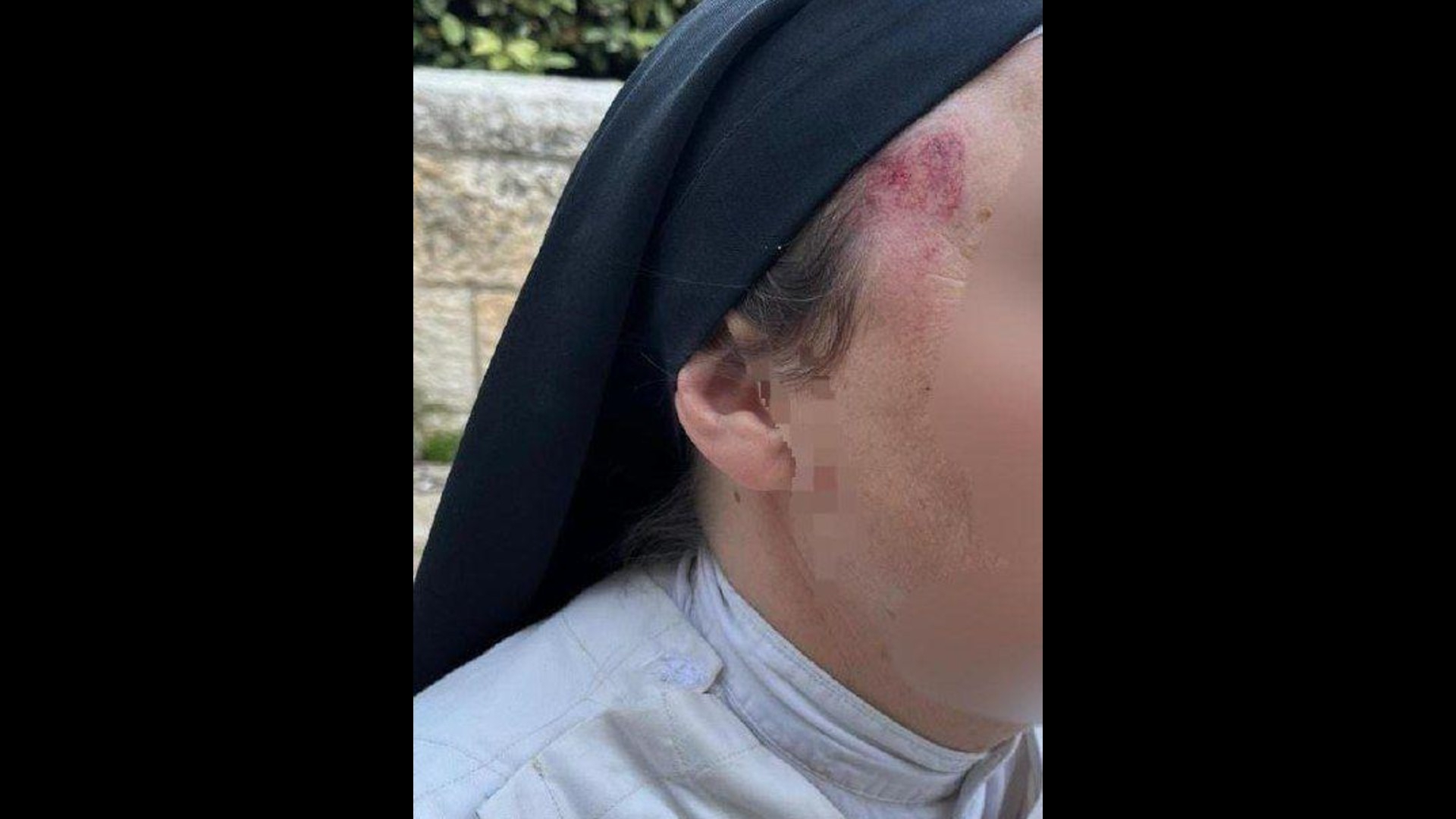
    Father Olivier Poquillon, director of the Dominican-managed institute that employs the nun, described the unprovoked attack to Agence France-Presse. He confirmed that an unidentified assailant approached the researcher from behind, hurled her with full force onto a nearby rock, and continued to repeatedly kick her while she lay incapacitated on the ground. Photographs circulating widely on social media have documented visible facial bruising from the beating; the victim has since received outpatient medical care for her injuries.

    Following the incident, both Poquillon and the French Consulate General in Jerusalem issued public condemnations of the “gratuitous assault” via social media platform X, and jointly demanded immediate law enforcement action to apprehend and prosecute the attacker. Israeli police announced Wednesday that they had taken a 36-year-old suspect into custody, but declined to release any further identifying information about the individual. Local Israeli journalist Yossi Eli of Channel 13 later reported that the arrest only came after the incident gained widespread viral media attention, prompting public pressure on law enforcement.

    In an official statement, Israeli police asserted that they “treat any attack on members of the clergy and religious communities with the utmost seriousness and apply a policy of zero tolerance to all acts of violence,” adding that the force remains “committed to protecting all communities and ensuring those responsible for violence are held accountable.” Israel’s Foreign Ministry also released a condemnation, noting that the attack “stands in direct contradiction to the values of respect, coexistence and religious freedom upon which Israel is founded,” and reaffirming the country’s stated commitment to safeguarding worship access for all faith groups.

    But local and institutional leaders have pushed back against these official assurances, framing the assault as part of a sustained, growing pattern of anti-Christian aggression. The Hebrew University of Jerusalem, which maintains an affiliation with the nun’s research center, released a statement calling the incident “not an isolated incident, but part of a troubling pattern of rising hostility toward the Christian community and its symbols.” The university added that the attack represents a direct violation of Jerusalem’s core founding values of religious pluralism and safe interfaith dialogue.

    This latest assault comes against a backdrop of escalating tensions that have raised concern among Christian communities across the region over the past two months. In March 2025, Israeli police initially blocked Latin Patriarch of Jerusalem Cardinal Pierbattista Pizzaballa and other senior clergy from accessing the Church of the Holy Sepulchre to lead the annual Palm Sunday Mass. Access was only partially restored after widespread international pushback. In a recent pastoral letter, Pizzaballa warned that holy sites meant for prayer have increasingly become identity-focused battlegrounds, noting that “sacred texts are invoked to justify violence, occupation, and terrorism,” and calling the abuse of religious belief to legitimize harm “the gravest sin of our time.”

    Earlier in April, video footage emerged showing an Israeli soldier destroying a statue of Jesus in southern Lebanon, triggering global public outrage. The Israeli military ultimately removed the soldier from combat duty and issued a 30-day sentence for the incident. In the occupied West Bank, Israeli settlers have stepped up repeated attacks on Taybeh, one of the only remaining majority-Christian towns in the territory, in recent weeks.

    A April 2025 report from the Rossing Centre for Education and Dialogue, a Jerusalem-based interfaith advocacy organization, documented what it calls a “continued and expanding pattern of intimidation and aggression” targeting Christian communities, with clergy and church properties bearing the brunt of attacks. The organization recorded 155 separate incidents of anti-Christian hostility in 2025 alone: 61 physical assaults, 52 attacks on church-owned property, 28 cases of harassment, and 14 incidents of vandalized religious signage. Researchers stressed that the recorded incidents are almost certainly just the “tip of the iceberg,” as many cases go unreported.

    The report links the rising violence to a shifting “sociopolitical climate increasingly intolerant of diversity and more assertive in exclusivist national-religious claims,” noting that Palestinian Christian communities are disproportionately impacted by the hostility. Separate from physical attacks, Christian educational institutions in Jerusalem now face an existential threat: the Israeli Education Ministry has recently banned teachers holding Palestinian-issued teaching permits from working in Israeli-jurisdictional schools, putting more than 200 Christian teachers out of work and pushing dozens of schools toward potential permanent closure.

  • Trump pulls surgeon general pick after nomination stalls

    Trump pulls surgeon general pick after nomination stalls

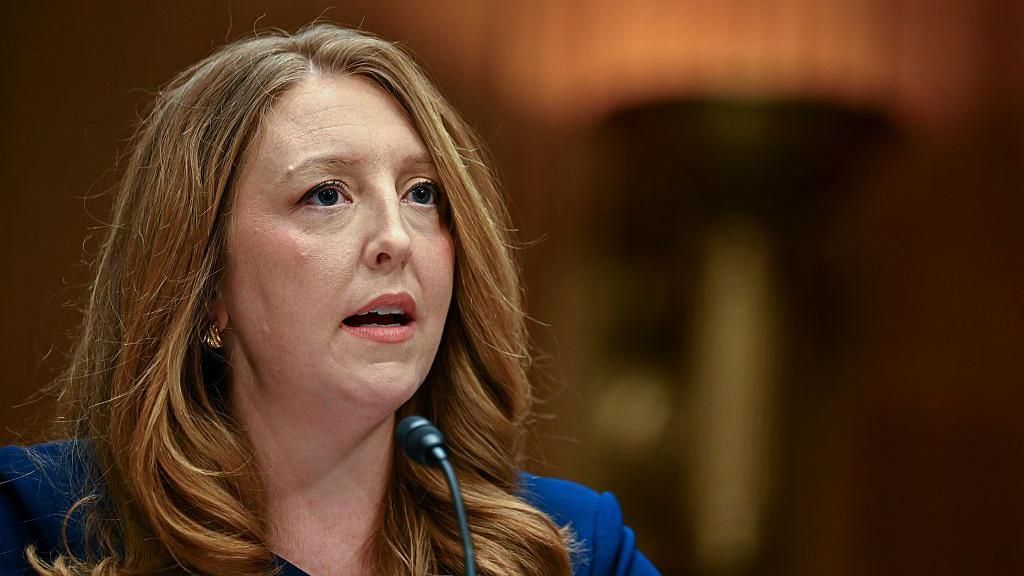
    In a development that roils Washington’s latest health leadership nomination fight, former President Donald Trump has pulled the nomination of Casey Means for U.S. Surgeon General after the controversial pick failed to secure the minimum Senate support required for confirmation.

    Trump made the announcement of the withdrawal Thursday via his social media platform Truth Social, adding that he would instead nominate Nicole Saphier, a cancer radiologist and regular contributor to conservative media outlet Fox News, for the role that leads the U.S. Public Health Service.

    Means, a Stanford-trained physician, entrepreneur and prominent online health influencer, faced fierce cross-partisan skepticism from lawmakers throughout the nomination process largely over her history of controversial statements on vaccine safety. Critically, Means does not hold an active medical license to practice in any U.S. state, a detail that amplified concerns about her suitability to lead the nation’s top public health agency.

    Means’ nomination stalled out immediately after her February Senate confirmation hearing, where she declined to answer a direct question on whether infants should receive routine childhood vaccines, and refused to reject the long-debunked conspiracy theory that links routine childhood vaccines to autism. While she told lawmakers at the hearing that she agrees “vaccines save lives” and are a core component of infectious disease public health strategy, she repeatedly emphasized prioritizing patient autonomy over public health guidelines throughout her testimony.

    Policy analysts also connected Means’ nomination to the wider vaccine skepticism that has gained traction in conservative politics, noting that Means was widely viewed as an ideological ally of Health Secretary Robert Kennedy Jr., who has faced widespread alarm from lawmakers across both parties over his own long history of anti-vaccine activism.

    In his Thursday Truth Social post, Trump did not blame his own party’s internal divisions for the failed nomination, and instead placed full blame on Louisiana Republican Senator Bill Cassidy, a trained physician who led opposition to Means’ confirmation. Trump lambasted Cassidy for what he called “intransigence and political games” that blocked Means’ path to confirmation, and explicitly called on Louisiana voters to remove Cassidy from office in the next election cycle.

    Turning to his new pick, Trump offered glowing praise for Saphier, framing her as a highly qualified, public-facing leader on cancer care. “She is a STAR physician who has spent her career guiding women facing breast cancer through their diagnosis and treatment while tirelessly advocating to increase early cancer detection and prevention, while at the same time working with men and women on all other forms of cancer diagnoses and treatments,” Trump wrote. He added that Saphier is “also an INCREDIBLE COMMUNICATOR, who makes complicated health issues more easily understood by all Americans.”

    Saphier currently practices radiology at Memorial Sloan Kettering Cancer Center Monmouth. Beyond her clinical work, she has a high public profile: she published the 2020 book *Make America Healthy Again: How Bad Behavior and Big Government Caused a Trillion-Dollar Crisis*, and hosts a popular wellness-focused podcast titled *Wellness Unmasked*.

    This nomination marks the third time Trump has put forward a candidate for surgeon general, the top role overseeing the 6,000-person U.S. Public Health Service. His first pick, Janette Nesheiwat, another former Fox News contributor and physician, withdrew from consideration after facing criticism from a senior Trump administration adviser over her public positions on COVID-19 policy and questions raised about her professional credentials.

  • Drivers help study road-trip mystery: what became of bug splats?

    Drivers help study road-trip mystery: what became of bug splats?

    For generations of summer road-trippers, returning home with a windscreen and license plate plastered with squashed flying insects was an unavoidable, messy ritual. But in recent decades, drivers across the globe have noticed a quiet, dramatic shift: far fewer bug splats mark their journeys, a change that has sparked growing alarm among ecologists studying widespread insect population decline.

    While casual drivers may welcome the less frequent need to scrape sticky bug remains off their glass, ecologists warn that this so-called “windshield phenomenon” signals a devastating collapse of insect populations that underpin nearly every terrestrial ecosystem. Insects act as critical pollinators for 75% of global food crops, maintain balanced food webs as a core food source for birds, bats and small mammals, and break down organic waste to regenerate healthy soil. Even a steep decline in their numbers risks cascading damage to natural systems and global food security.

    Until now, most observations of falling insect splatter counts have stayed anecdotal. To turn these everyday driver observations into rigorous, large-scale scientific data, a coalition of French research and conservation organizations has launched a new citizen science project that turns ordinary motorists into volunteer researchers.

    Modeled after similar successful projects in the United Kingdom, the initiative centers on a free mobile app called *Bugs Matter*, launched jointly by France’s National Museum of Natural History (MNHN), environmental nonprofits OPIE and Noe, and the French Biodiversity Office. The data collection protocol is intentionally simple to lower barriers to participation: before starting a trip, drivers wipe their front license plate completely clean, log their starting geolocation via the app, complete their journey as planned, then open the app again to count the number of bug squashes on the plate and submit the final data.

    AFP joined project participant Marjorie for a test run of the protocol ahead of her planned long-distance summer road trip near Enghien-les-Bains, just north of Paris. Now 53, Marjorie recalled the mandatory ritual of cleaning bug-smeared windscreens during family road trips in her childhood — a step she rarely has to take today. After completing a 22-kilometer (14-mile) test drive, Marjorie counted zero bug splats on her license plate, a result that aligns with the trend the project expects to document.

    This new French study builds on a growing body of research confirming steep insect population declines across Europe and beyond. A 20-year Danish study that concluded in 2017 found shocking reductions of 80% to 97% in insect splat counts on two major test road routes. An ongoing UK study, which also uses the *Bugs Matter* app, has recorded a nearly 63% drop in bug splat numbers between 2021 and 2024. A landmark 2017 German study, meanwhile, found a more than 75% decline in the total biomass of flying insects in protected nature reserves over three decades.

    Grégoire Lois, a researcher with MNHN working on the project, compared the scale of the decline to a grocery store running out of 75% of its stock: “It’s pretty incredible. Imagine going into the supermarket and finding only two out of every 10 products are in stock.”

    Scientists broadly agree that human activity is the primary driver of this collapse, with overlapping pressures including widespread habitat destruction, intensive agricultural pesticide use, light and chemical pollution, and climate change. The French project aims to answer still-open questions about the decline: how does the loss vary across different landscapes, from dense urban areas to intensive agricultural zones to intact forests? What specific local factors have the biggest impact on insect populations down to the species level? Down the line, researchers plan to expand the project to collect DNA from sampled bug splats to identify which specific species are experiencing the steepest losses, data that is critical for targeted conservation action.

    Researchers chose standard front license plates as the standardized measurement point for a simple, practical reason: “It’s the only shared, standardised thing on every car, in both size and position: facing the road, perpendicular to the ground and travelling forward,” Lois explained. The simple protocol means the project can collect data from thousands of trips across the country, far more than a small team of professional researchers could ever gather on their own, turning everyday road trips into a powerful tool for insect conservation.

  • Boat with Sudanese migrants capsizes off Libya, leaving at least 17 dead, UN says

    Boat with Sudanese migrants capsizes off Libya, leaving at least 17 dead, UN says

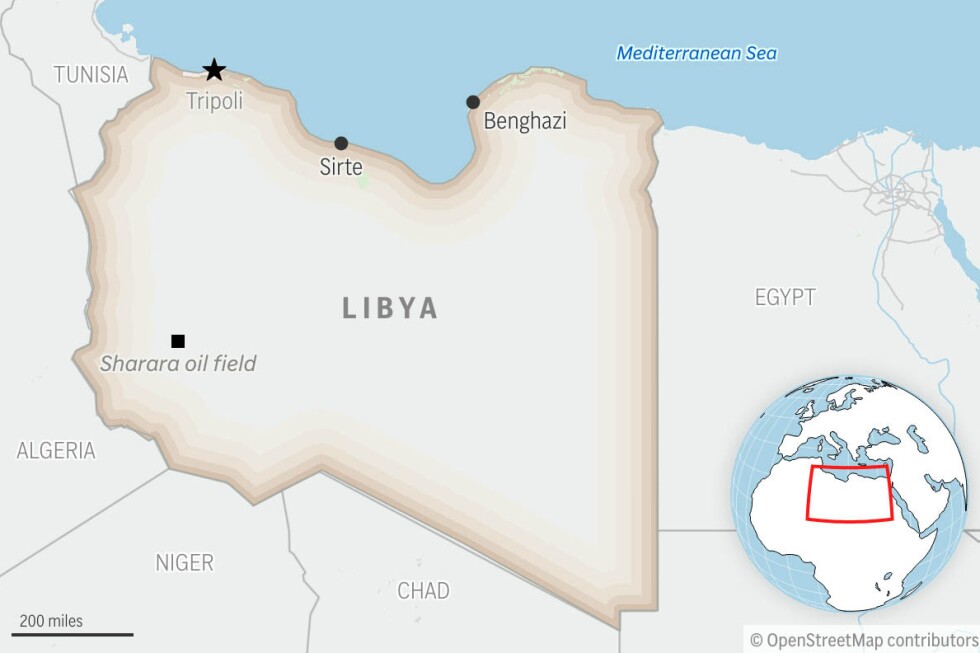
    A crowded vessel carrying 33 Sudanese migrants has capsized in the Mediterranean Sea off the coast of Tobruk, a coastal town in eastern Libya, leaving at least 17 passengers dead and nine others unaccounted for, United Nations officials confirmed in a statement released Thursday. Just seven people on board the ill-fated craft survived the disaster, the U.N. Refugee Agency shared via its social media platform X. Authorities have not yet released a definitive timeline for when the overturning occurred.

    According to the U.N. International Organization for Migration (IOM), the survivors had been stranded adrift in open waters for multiple days before they were pulled from the sea, and a number of the fatalities were caused by starvation and dehydration in the days before the rescue. The boat departed Tobruk and was bound for Greece when it overturned roughly 100 kilometers (62 miles) northwest of the Libyan city, the organization confirmed. Local rescue efforts were led by Libya’s national navy, the country’s coast guard, and the Libyan Red Crescent.

    On Thursday, the Libyan Red Crescent published on-site photos from the rescue operation that showed emergency personnel moving multiple deceased victims sealed in black body bags. Medical details on the condition of the seven survivors have not been released to the public as of Thursday’s update.

    For more than a decade, Libya has served as a primary departure and transit hub for thousands of migrants fleeing conflict, political instability, and extreme poverty across Africa and the Middle East. The nation descended into ongoing factional chaos following the 2011 NATO-backed uprising that removed and killed long-time authoritarian ruler Moammar Gadhafi, leaving central government weak and unable to regulate unregulated migrant smuggling operations along its long Mediterranean coastline.

    This latest tragedy comes less than two weeks after another deadly shipwreck off Libya’s coast: earlier this month, more than 80 migrants were reported missing after their vessel capsized in the central Mediterranean. Data from IOM shows that 2026 is on track to be the deadliest year for Mediterranean migrant crossings since record-keeping began in 2014. In the first four months of the year, 765 people were confirmed dead along the dangerous Central Mediterranean route alone — a 150% jump in fatalities compared to the same period in 2025. IOM Director General Amy Pope told the Associated Press earlier this month that the agency has recorded a sharp rise in migrants from South Asia and the Horn of Africa — including Bangladesh, Pakistan, Afghanistan, and Sudan — attempting the dangerous crossing to European shores in recent months.

  • Brazil’s Congress overrides Lula’s veto of a bill to reduce Bolsonaro’s sentence

    Brazil’s Congress overrides Lula’s veto of a bill to reduce Bolsonaro’s sentence

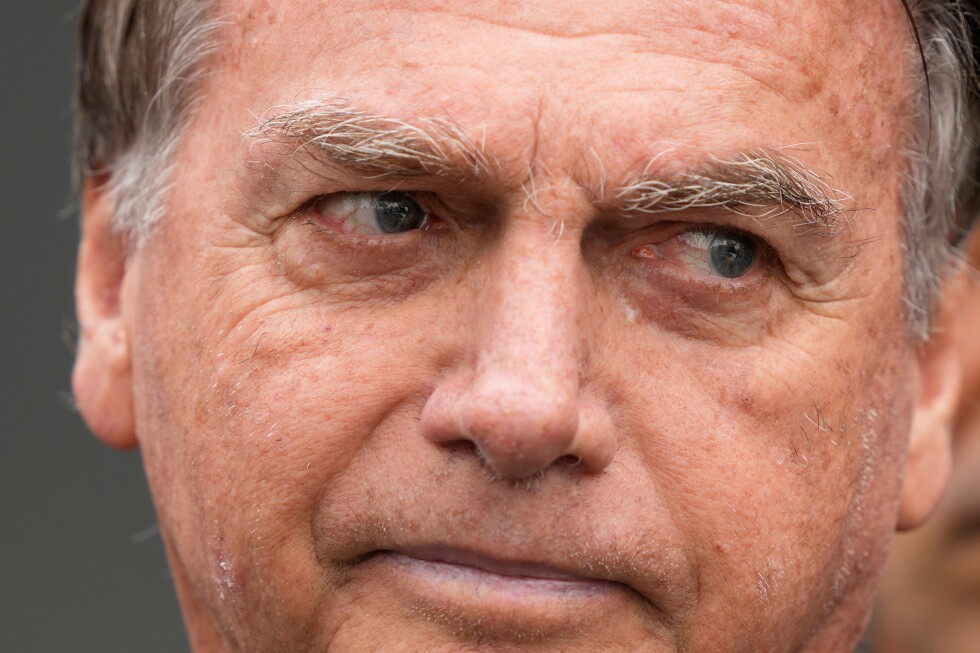
    SAO PAULO — In a high-stakes political upset that has reshaped Brazil’s political landscape months ahead of October’s presidential election, Brazil’s National Congress voted Thursday to override a presidential veto and enact a controversial sentencing reform bill that will slash former President Jair Bolsonaro’s 27-year prison term for his conviction on coup plotting charges. The legislative move marks a major political blow to incumbent leftist President Luiz Inácio Lula da Silva, Bolsonaro’s long-time rival, and signals a notable erosion of Lula’s governing power in Congress ahead of his reelection bid.

    The new legislation, which immediately faces planned legal challenges in Brazil’s Supreme Court, revises sentencing rules for defendants convicted of multiple political crimes. Under the new policy, when a defendant is found guilty of multiple offenses including crimes against democratic rule of law and leading a coup attempt, their final sentence will only reflect the single count carrying the maximum penalty, rather than an aggregate of all convictions. While the exact remaining sentence for Bolsonaro has not yet been finalized, political and legal analysts project the reform could cut as much as 20 years off the former right-wing leader’s original 27-year sentence. Bolsonaro, who was convicted and began his sentence in November 2024, is currently serving time under house arrest.

    Conservative opposition lawmakers successfully rallied centrist senators and federal deputies to secure a comfortable majority to override Lula’s veto of the bill, which was originally passed by Congress in 2024. Bolsonaro’s supporters had openly predicted the outcome before voting got underway, and many framed the move as a stepping stone to broader political pardons. “This is a first and much awaited step by those who are afflicted. The next stage is full amnesty,” said Sen. Espiridião Amin, a prominent Bolsonaro ally.

    Senate leaders claimed ahead of the vote that the reduced penalties would only apply to cases directly connected to the convictions of Bolsonaro, his allies, and supporters charged in connection with the 2023 coup attempt. But legal experts have already signaled they will challenge this narrow framing in court, noting the legislation’s wording applies broadly to eligible cases.

    Pedro Uczai, congressional whip for Lula’s Workers’ Party in the Chamber of Deputies, confirmed the party will file an appeal with the Supreme Court to have the legislation annulled, arguing the reform violates Brazil’s constitution. As of Thursday evening, the court had not yet received the formal complaint.

    Bolsonaro’s congressional allies have been open that the bill will benefit not just the former president, but also hundreds of his supporters convicted for their role in the January 8, 2023 riot that destroyed multiple government buildings in Brazil’s capital Brasilia. The attack, which sought to overturn Lula’s 2022 election victory, was widely compared to the 2021 assault on the U.S. Capitol.

    Alexandre Knopfholz, a lawyer and legal scholar, told the Associated Press the bill’s wording could also reduce penalties for offenses committed by large crowds, extending legal leniency to dozens of rioters already charged in connection with the Brasilia attack. Knopfholz emphasized that even if the Supreme Court upholds the new legislation, Bolsonaro will not be released from detention automatically, and additional legal proceedings will be required to adjust his sentence.

    Thursday’s vote marks the second high-profile congressional defeat for Lula in 24 hours, capping a rough week for the incumbent ahead of his campaign for a fourth non-consecutive term. On Wednesday evening, the Senate rejected Lula’s nominee for a Supreme Court seat — the first time a sitting president’s Supreme Court pick has been rejected in 132 years.

    “They want to release Bolsonaro, his jailed generals and stop federal police investigations that implicate them,” said Lindberg Farias, a lawmaker and Lula ally, calling Thursday’s vote “a day of infamy.”

    The legislative battle has already spilled over into the upcoming presidential campaign. Lula, who narrowly defeated Bolsonaro in 2022 to return to the presidency, will face Sen. Flávio Bolsonaro, the former president’s eldest son, as his main challenger in October. During Thursday’s vote, Flávio Bolsonaro laid out his campaign pitch to voters: “If it is God’s will, I will govern this country. I will hug you and take care of you, no matter what your political view is.”

    As of Friday morning, Lula had not issued any public comment on the back-to-back congressional defeats. Political analysts say the vote is a clear warning sign for Lula’s reelection prospects, though many note there is still five months until election day, and public attention could shift to other events including the upcoming men’s soccer World Cup.

    “This vote is another sign that Bolsonaro is not finished as a political actor, his son will be competitive against Lula,” said Carlos Melo, a political science professor at Insper University in Sao Paulo.

  • Trump says he’s lifting certain tariffs on Scotch whisky after royal visit

    Trump says he’s lifting certain tariffs on Scotch whisky after royal visit

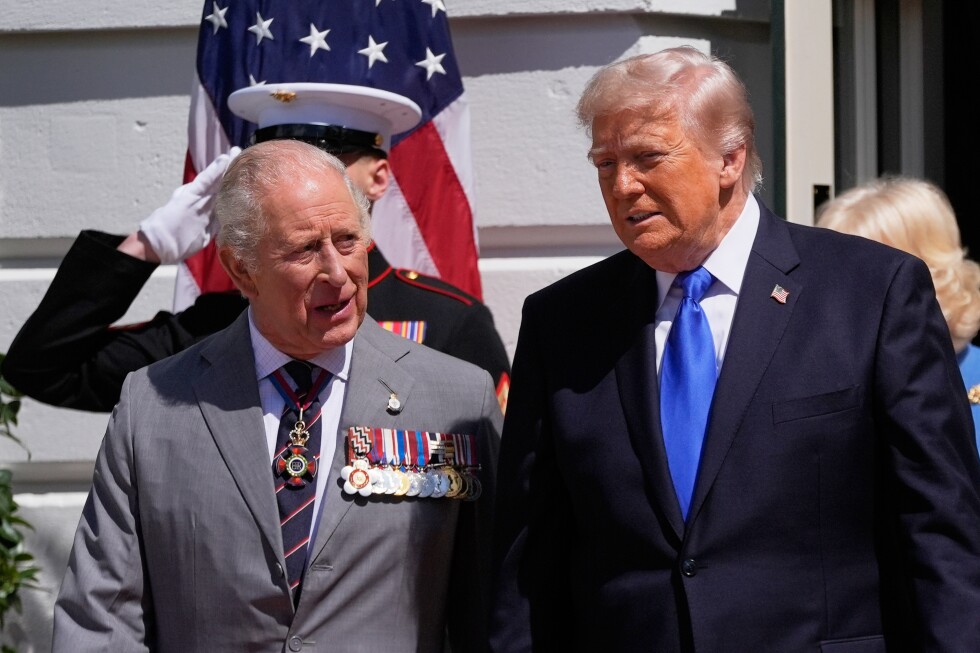
    In a social media announcement made Thursday, former U.S. President Donald Trump revealed that he will lift specific tariffs on Scotch whisky, a decision that came just days after King Charles III and Queen Camilla of the United Kingdom completed an official visit to the White House this week.

    Trump posted that the British monarch and his wife convinced him to take a step no other political or diplomatic party had managed to push through, noting that the request barely required any formal asking on their part. He added that industry stakeholders across both countries have long pushed for this policy adjustment, particularly surrounding rules surrounding the wooden barrels used to age both Scotch whisky and American bourbon.

    This tariff announcement fits a longstanding pattern of the Trump administration using alcohol trade policies as a leverage point in international trade negotiations. Just one year prior, Trump made headlines threatening to impose a steep 200% tariff on imported European wine, a move that would have delivered a devastating financial blow to winemaking operations across France and Italy. That threatened tariff ultimately never took effect.

    In response to past U.S. tariff measures, foreign trading partners have repeatedly retaliated with their own targeted tariff threats against American bourbon and other U.S.-made goods. In a previous resolution that eased cross-Atlantic trade tensions, the Trump administration ultimately granted a full tariff exemption for cork, a decision that was widely celebrated by Portugal, the world’s top supplier of the material used to seal most wine bottles.

    Following Trump’s social media announcement, Chris Swonger, president and chief executive officer of the Distilled Spirits Council of the United States, confirmed that the policy change would remove the existing 10% tariff on whisky imported from the United Kingdom. In an official statement, Swonger applauded the former president’s move to reinstate what he called a tested “zero-for-zero” framework for fair, reciprocal trade between the U.S. and the UK. He added that the tariff removal will strengthen longstanding transatlantic economic ties, deliver much-needed market stability for spirit producers on both sides of the Atlantic, and create space for industry growth, capital investment, and job support at a time of global economic uncertainty.

  • Israeli forces kill Palestinian teen in West Bank raid

    Israeli forces kill Palestinian teen in West Bank raid

    A fresh wave of Israeli military operations in the occupied West Bank has left two Palestinians dead, including a 16-year-old teenager, amid a documented sharp escalation in civilian casualties and forced displacement that has reached levels not seen since the 1967 occupation, United Nations data confirms.

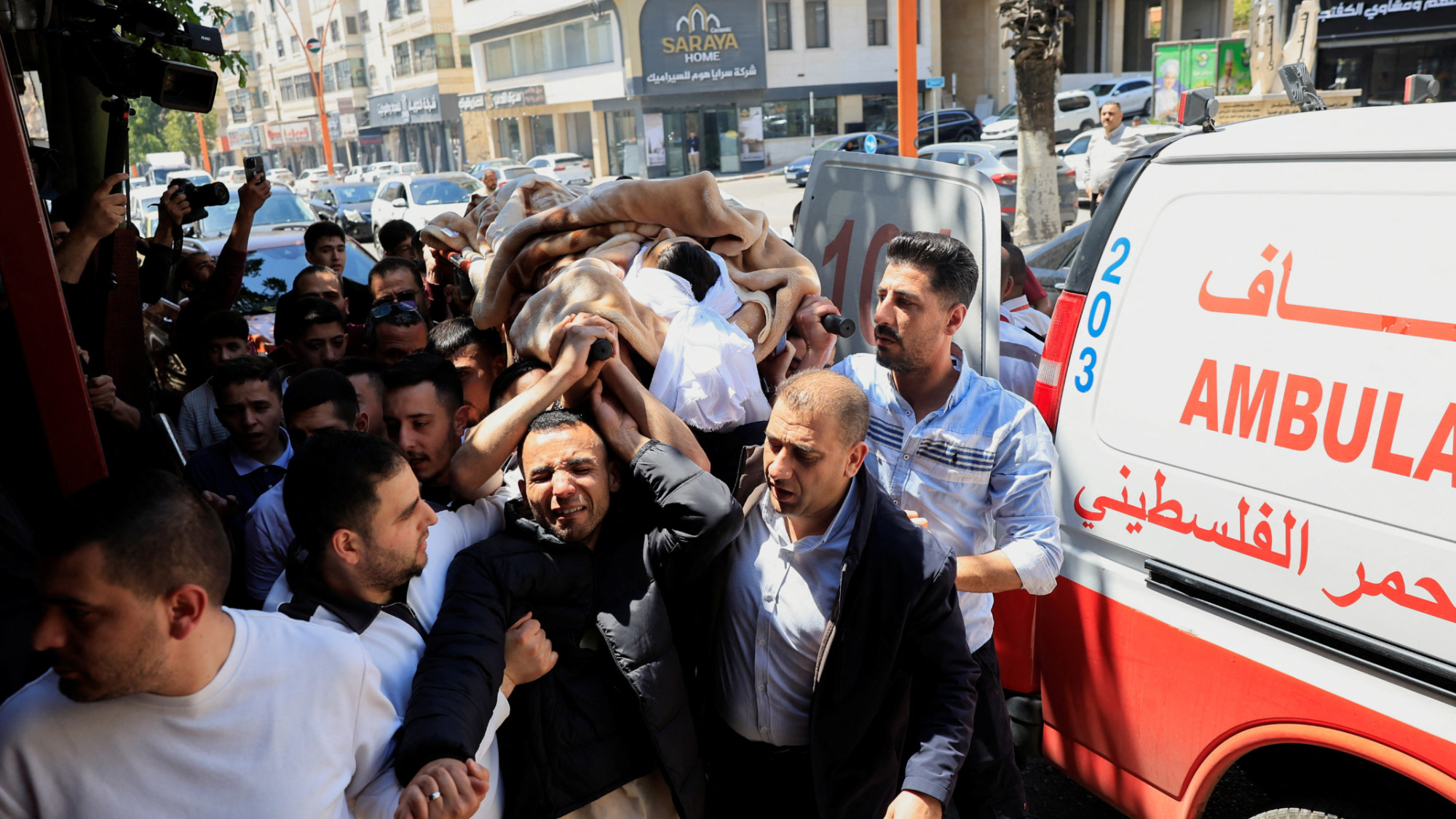
    The most recent fatal incident unfolded Wednesday evening in the al-Hawooz neighborhood of Hebron, where Israeli forces launched a large-scale raid into the densely populated urban area. Medical sources confirm 16-year-old Ibrahim al-Khayyat sustained a critical gunshot wound to the abdomen during the operation, which saw Israeli troops deploy dozens of military vehicles, block major thoroughfares, and order local shop owners to close their businesses mid-day.

    During the incursion, troops opened live fire and launched tear gas canisters directly at local residents, leaving two people injured. Both casualties were transported to the local Red Crescent hospital for emergency care, where al-Khayyat was pronounced dead shortly after arrival. In addition to the fatality, Israeli forces took at least one Palestinian into custody during the raid, which also targeted the headquarters of a local charitable association.

    The Hebron killing came hours after a separate Israeli incursion in Silwad, a town located northeast of Ramallah, that left another Palestinian, Abd el-Halim Hammad, dead. These two deaths are part of a consistent, daily pattern of Israeli search-and-arraid operations across the occupied West Bank that regularly involve the use of live ammunition against Palestinian civilians.

    UN data compiled on the ongoing crisis shows that Palestinian fatalities at the hands of Israeli forces in the West Bank have spiked dramatically since October 2023. Since that time, at least 1,080 Palestinians have been killed, with at least 35 additional deaths recorded already this year. Thousands more have sustained injuries from military activity in the region.

    Parallel to the increase in military operations, UN officials also record a significant surge in violence carried out by Israeli settlers against Palestinian communities. The data shows an average of 140 settler attacks per month, nearly twice the frequency recorded before October 2023. These attacks have grown increasingly organized, with a clear goal of forcing Palestinian communities out of Area C — a section of the West Bank that makes up roughly 60% of the total territory, and remains under full Israeli military and administrative control.

    According to latest UN displacement figures, approximately 40,000 Palestinians have been forcibly removed from their homes in the West Bank since January 2023. More than 3,000 of these displacements are directly tied to targeted attacks by settlers. UN officials note that the current scale of forced displacement is the worst it has been since Israel occupied the West Bank in 1967.

  • Saudi Arabia to pull investment from LIV Golf tour

    Saudi Arabia to pull investment from LIV Golf tour

    British media outlets have reported that Saudi Arabia plans to end its massive multibillion-dollar backing of the LIV Golf breakaway tour by the close of the 2025 season, a move that fits into a wider pattern of scaling back high-profile international and domestic ventures amid shifting economic pressures tied to regional conflict.

    Anonymous sources familiar with the tour’s plans told the BBC that LIV Golf will publicly unveil a revised “new strategic framework” this Thursday, with leadership actively pursuing new outside private investors to take over Saudi Arabia’s stake. Multiple reports from Sky Sports News add that Yasir al-Rumayyan, the current chairman of LIV Golf and governor of Saudi Arabia’s $1 trillion Public Investment Fund (PIF), the sovereign wealth vehicle that has bankrolled the tour since its 2021 launch, is expected to step down from his role as part of the restructuring.

    Since LIV Golf launched as a direct competitor to the long-established PGA Tour, PIF has injected more than $5 billion into the breakaway circuit, which lured top golf stars including Jon Rahm, Bryson DeChambeau, Phil Mickelson and Cameron Smith away from traditional tours with unprecedented eight-figure signing bonuses. The investment was part of a broader Saudi strategy to expand the kingdom’s global footprint in sports and entertainment, a core pillar of Crown Prince Mohammed bin Salman’s Vision 2030 initiative to diversify Saudi Arabia’s oil-dependent economy. However, the venture has proven far less financially viable than initial projections: official filings show LIV Golf has accumulated losses exceeding $1.1 billion outside the United States, with estimated losses in the hundreds of millions to billions more in the U.S. market.

    The LIV Golf pullback is not an isolated adjustment. Long before the outbreak of the U.S.-Israeli military campaign against Iran, Saudi officials had already begun reassessing dozens of high-cost, high-ambition projects across sectors. In December 2024, Saudi Finance Minister Mohammed al-Jadaan publicly noted the kingdom had “no ego” standing in the way of deprioritizing non-essential ventures to reallocate capital. Earlier this year, construction was suspended on the Mukaab, a 400-meter-tall cube-shaped megaproject planned for central Riyadh. Officials also shelved plans for a luxury desert ski resort and a large-scale dam for an artificial recreational lake, all part of the kingdom’s urban development push.

    The scaling back has extended to other international sports ventures as well. Earlier this week, the World Snooker Tour announced that the Saudi Arabia Snooker Masters, which had only run two editions after a 10-year hosting agreement was signed, would be permanently canceled. The joint statement from the Saudi Billiard and Snooker Federation and event promoter Matchroom confirmed the decision to scrap future editions of both the snooker masters and the hosted World Pool Championship was reached by mutual agreement.

    Last week, The New York Times reported that Saudi Arabia had also pulled out of a $200 million sponsorship deal to support New York City’s Metropolitan Opera House. Met General Manager Peter Gelb told the outlet Saudi officials framed the decision as a direct response to economic damage stemming from the war in Iran and the disruption to oil transit through the Strait of Hormuz. “They are only doing the projects that are essential,” Gelb recounted of his conversation with Saudi representatives, noting the Met financing “falls outside what is essential.”

    Speaking to Al Arabiya Business on Wednesday, Rumayyan acknowledged that the conflict around Iran has directly shifted PIF’s investment priorities, confirming that “the war would add more pressure to reposition some priorities.” He made history Wednesday by publicly confirming for the first time that The Line, the iconic 170-kilometer car-free linear city at the heart of the $500 billion Neom futuristic development project, is no longer a core near-term priority for the kingdom. “Everyone thinks The Line is Neom, but The Line is one project in Neom,” Rumayyan explained. “Is it necessary to have The Line by 2030? I think no. It’s good to have, but not a must-have.”

    The decision to exit LIV Golf aligns with a broader strategic shift for PIF, which now aims to redirect a larger share of its capital to domestic projects rather than international high-profile investments. Rumayyan confirmed the fund’s new target allocation: 80 percent of investments will go to domestic initiatives, while just 20 percent will be deployed abroad, down from a recent peak of 30 percent allocated to international ventures.

  • US Congress votes to end record government shutdown

    US Congress votes to end record government shutdown

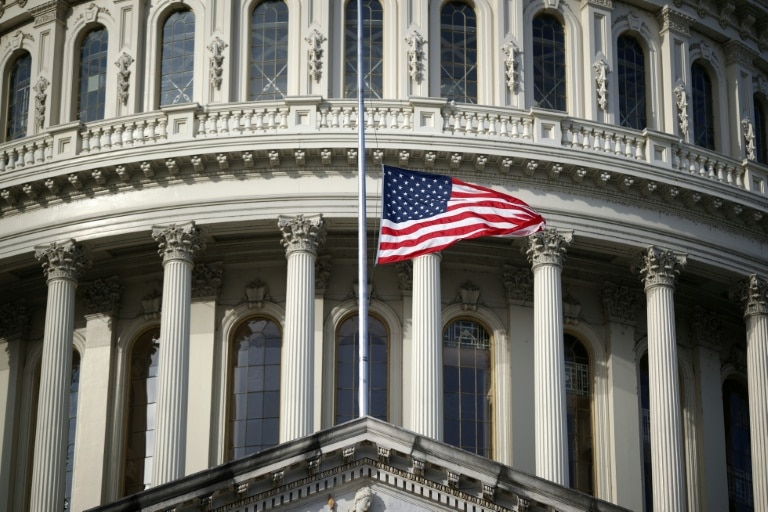
    After 75 days of gridlock that made it the longest partial government shutdown in U.S. history, Congress passed a last-minute funding bill Thursday to reopen most of the Department of Homeland Security (DHS), bringing an end to weeks of disrupted critical public services and unpaid federal work. However, the core political clash over immigration enforcement that triggered the shutdown remains unresolved, setting the stage for a new round of partisan conflict later this year.

    The bipartisan funding package, which was first approved by the Senate and cleared the House via voice vote just hours before emergency funding set aside to cover employee salaries was set to expire, will keep key DHS agencies fully funded through the end of the 2025 fiscal year on September 30. Agencies restored to full operations include the Federal Emergency Management Agency (FEMA), the U.S. Coast Guard, the Transportation Security Administration (TSA) and the U.S. Secret Service.

    Notably, the bill excludes funding for two agencies at the heart of the partisan standoff: Immigration and Customs Enforcement (ICE) and U.S. Border Patrol. The shutdown first began on February 14, when Senate Democrats refused to back full immigration enforcement funding without new restrictions on controversial enforcement tactics, such as workplace raids in sensitive community locations and the routine use of unmarked uniforms and masks by officers. Congressional Republicans rejected these conditions, calling for full, unconditional funding for all border and immigration agencies.

    House Speaker Mike Johnson had blocked the Senate-approved compromise from a floor vote for more than five weeks, arguing the deal failed to address critical national security needs by leaving immigration enforcement agencies unfunded. But mounting pressure from the White House, centrist House Republicans, and senior DHS officials warning of imminent payroll shortfalls that would force widespread furloughs forced Republican leadership to schedule the vote. The 75-day shutdown already outstripped all previous partial funding lapses by a wide margin, and deep internal rifts within the House Republican conference were laid bare throughout the impasse: hardline conservatives rejected any partial funding deal that excluded ICE and Border Patrol, while moderates warned that prolonged disruption to critical security agencies would trigger severe political backlash ahead of the upcoming midterm elections.

    “After Republicans spent months blocking disaster relief and funding for the TSA, Coast Guard, and our cyber defense agency, it is a very good thing that this bill is finally on track to be signed into law to fund these agencies,” said Senate Democratic funding chair Patty Murray, who also criticized Johnson for dragging out the impasse for no substantive reason: “Speaker of the House Mike Johnson extended the DHS shutdown for over a month for no reason at all. This is the same bill the Senate unanimously passed five weeks ago.”

    Following the vote, Republican Congressman Nick Langworthy, who had publicly urged Johnson to move the bill forward, celebrated the progress: “Thank you to (President Donald Trump) for agreeing and demanding action. Not another day should go by with our safety and security at risk.”

    The prolonged shutdown already caused measurable harm to federal operations and the workforce. Thousands of DHS employees worked without pay for more than two months, and reports indicate that over 1,000 TSA frontline staff have quit their roles amid the financial uncertainty. Planning for major upcoming events, including 2026 FIFA World Cup matches hosted across U.S. cities this summer, was also thrown into jeopardy due to lost agency preparedness funding.

    With the bill now headed to Trump’s desk for his expected signature, the underlying partisan divide over immigration policy remains fully intact. House Republicans are now moving forward with a plan to approve up to $70 billion in separate funding for ICE and Border Patrol through the budget reconciliation process, a procedural move that would allow the measure to pass the Senate without Democratic support.

    Lawmakers have departed Washington for a scheduled recess, and all eyes now turn to the next phase of the funding fight. The standoff underscores just how deep partisan polarization over immigration remains just months before midterm elections that will decide which party controls Congress for the next two years, and it highlights the ongoing challenges House Republican leadership faces in balancing the demands of hardline faction members and moderates while advancing the White House’s policy agenda. The question of whether Congress can avoid a second shutdown when current partial funding expires later this year remains unanswered.