作者: admin

  • This African nation built its development on diamonds. Now it’s crashing down

    This African nation built its development on diamonds. Now it’s crashing down

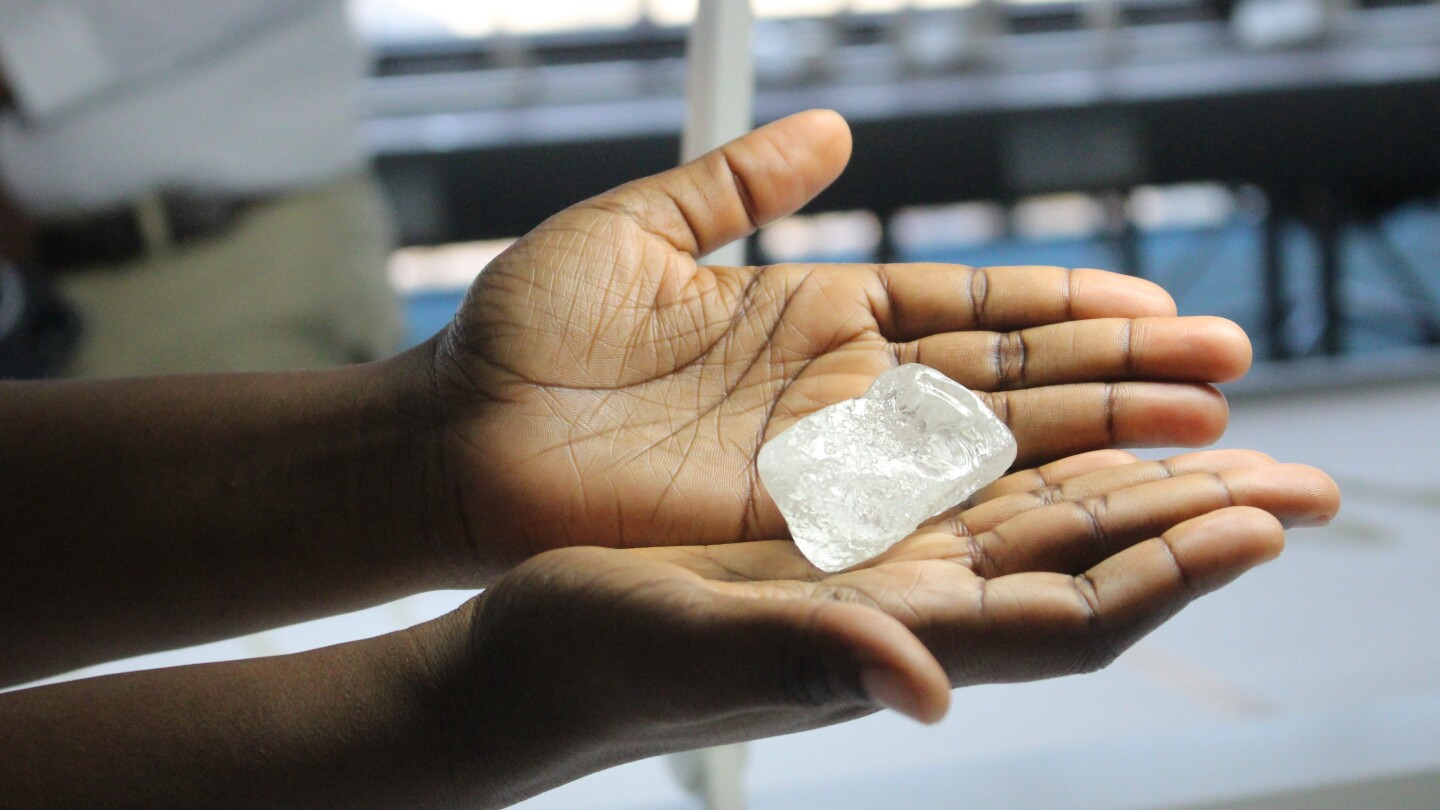
    GABORONE, Botswana — Botswana’s diamond-dependent economy, once celebrated as Africa’s remarkable success story, now confronts an existential threat from the rapid ascent of laboratory-grown diamonds. This seismic shift in the global gem market has triggered widespread job losses, economic contraction, and urgent calls for diversification in a nation where diamonds fundamentally shaped national development.

    For Keorapetse Koko, a 17-year veteran diamond polisher recently laid off from her position, the crisis manifests as personal financial devastation. “I have debts and I don’t know how I am going to pay them,” lamented the mother of two, who previously earned approximately $300 monthly with medical benefits—a respectable income in a country where the average monthly salary hovers around $500. Her specialized skills, honed over nearly two decades, now render her unemployable in a contracting industry.

    Botswana’s diamond narrative began with a transformative 1967 discovery, just one year post-independence, catapulting the nation from profound poverty to becoming the world’s foremost diamond producer by value. The gems financed critical national infrastructure, healthcare systems, and educational institutions, deftly avoiding the ‘resource curse’ that plagued many mineral-rich African counterparts.

    However, the industry now faces compounded challenges. Lab-grown diamonds, primarily mass-produced in China and India, now command nearly 20% of global market share—a dramatic surge from merely 1% in 2015. These synthetics, marketed as ethical, eco-friendly alternatives priced up to 80% lower than natural stones, have particularly captured younger consumers through sophisticated social media campaigns and celebrity endorsements from figures like Billie Eilish and Pamela Anderson.

    The economic repercussions are severe: Diamond exports, constituting approximately 80% of Botswana’s foreign earnings and one-third of government revenue, have plummeted. Debswana, the dominant local producer jointly owned by the government and De Beers, witnessed revenues halve in the past year. Second-quarter diamond production crashed by 43%—the steepest decline in Botswana’s modern mining history—with the World Bank projecting a 3% economic contraction for 2024.

    Southern African nations are mounting a coordinated response. Botswana, Angola, Namibia, South Africa, and Congo have agreed to allocate 1% of annual diamond revenues toward a global marketing initiative led by the Natural Diamond Council. This effort promotes natural diamonds as “Real. Rare. Responsible” through campaigns featuring actress Lily James, attempting to reestablish their unique value proposition.

    Botswana’s government has initiated a sovereign wealth fund to pursue economic diversification beyond mining, though details remain vague. The nation’s substantial tourism sector—featuring elephant-based attractions—and other mineral resources including gold, silver, and uranium now assume heightened importance.

    Yet for displaced workers like Koko, these strategic shifts arrive too late. “I was the breadwinner in a big family,” she reflected. “Now I don’t even know how to feed my own.” Her poignant reality underscores the human dimension of an industry in transformation: despite dedicating her career to diamonds, she never owned one herself, as even the smallest stone remained an unaffordable luxury.
  • Nexperia control battle rages as China’s Wingtech files appeal

    Nexperia control battle rages as China’s Wingtech files appeal

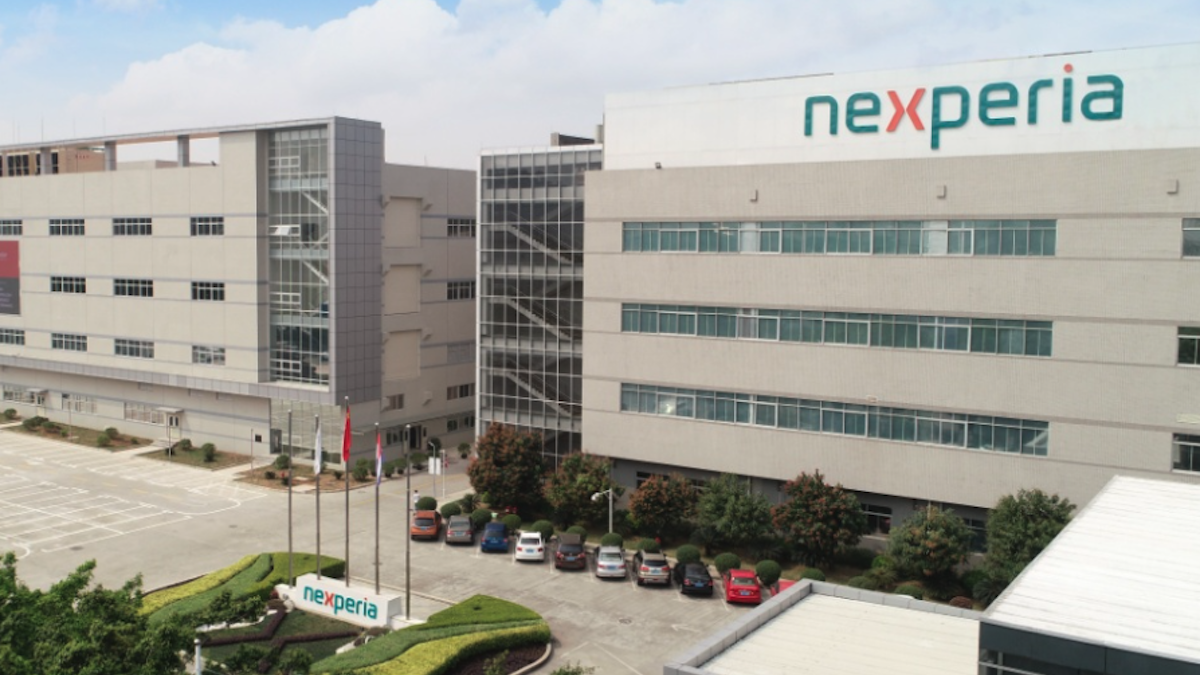
    A critical management stalemate between Dutch semiconductor firm Nexperia and its Chinese parent company Wingtech Technology continues to disrupt global chip supplies, despite diplomatic interventions from both Dutch and Chinese authorities.

    The crisis erupted in late September when the Dutch government invoked the Goods Availability Act to temporarily seize control of Nexperia, citing supply chain security concerns. This triggered immediate retaliation from Beijing, which halted all chip exports from Nexperia’s mainland Chinese factories.

    Tensions temporarily eased in November when Dutch Economic Affairs Minister Vincent Karremans announced the suspension of government intervention as a “constructive step” toward dialogue with China. Beijing responded by granting limited exemptions for qualified civilian chip exports, providing minimal relief to strained supply chains.

    However, the core management dispute remains unresolved. Nexperia’s Dutch leadership, under interim CEO Stefan Tilger, has prevented original chief executive Zhang Xuezheng from resuming control. This deadlock has kept Nexperia’s Chinese factories from restarting full production, extending uncertainty for global customers.

    In a dramatic development, Nexperia issued an open letter on Thursday urging its China-based entities to “immediately resume constructive dialogue” and respond to outstanding communications. The company revealed numerous unanswered emails, rejected meeting requests, and stalled decision-making processes that have hindered stabilization efforts.

    The letter warned that continued communication breakdown is “unsustainable and detrimental to all stakeholders,” putting customers and suppliers at significant risk. Nexperia proposed employing a neutral external mediator to break the deadlock.

    Wingtech Technology responded forcefully on Friday, accusing Nexperia’s letter of containing “misleading allegations and false information.” The Chinese company asserted it has repeatedly expressed willingness to negotiate the restoration of its “lawful control rights” through multiple channels, contrary to Nexperia’s claims of silence.

    The parent company presented three formal demands: cessation of factual distortions, constructive proposals on restoring lawful control rights, and immediate dedicated consultations on the control-rights issue. Wingtech has also appealed to the Netherlands’ Supreme Court regarding decisions that stripped it of control.

    Analysts note the Dutch government’s seemingly contradictory position—suspending ministerial intervention while maintaining court rulings that prevent Chinese shareholders from regaining control. Chinese commentators have accused the Dutch side of “saying one thing and doing another.”

    The dispute has escalated to the highest levels of EU-China relations. Chinese Commerce Minister Wang Wentao discussed the matter with EU Trade Commissioner Maros Sefcovic, maintaining that the disruption “originated with the Dutch side” while urging concrete solutions. Both sides agreed to encourage renewed negotiations between the parties.

    Industry observers present two potential scenarios: continued supply suspension if Wingtech cannot regain control, or management restructuring and legal challenges if Chinese control is restored. The outcome will significantly impact global semiconductor availability and EU-China trade relations.

  • 3 reasons China wants green leadership – and 2 reasons it doesn’t

    3 reasons China wants green leadership – and 2 reasons it doesn’t

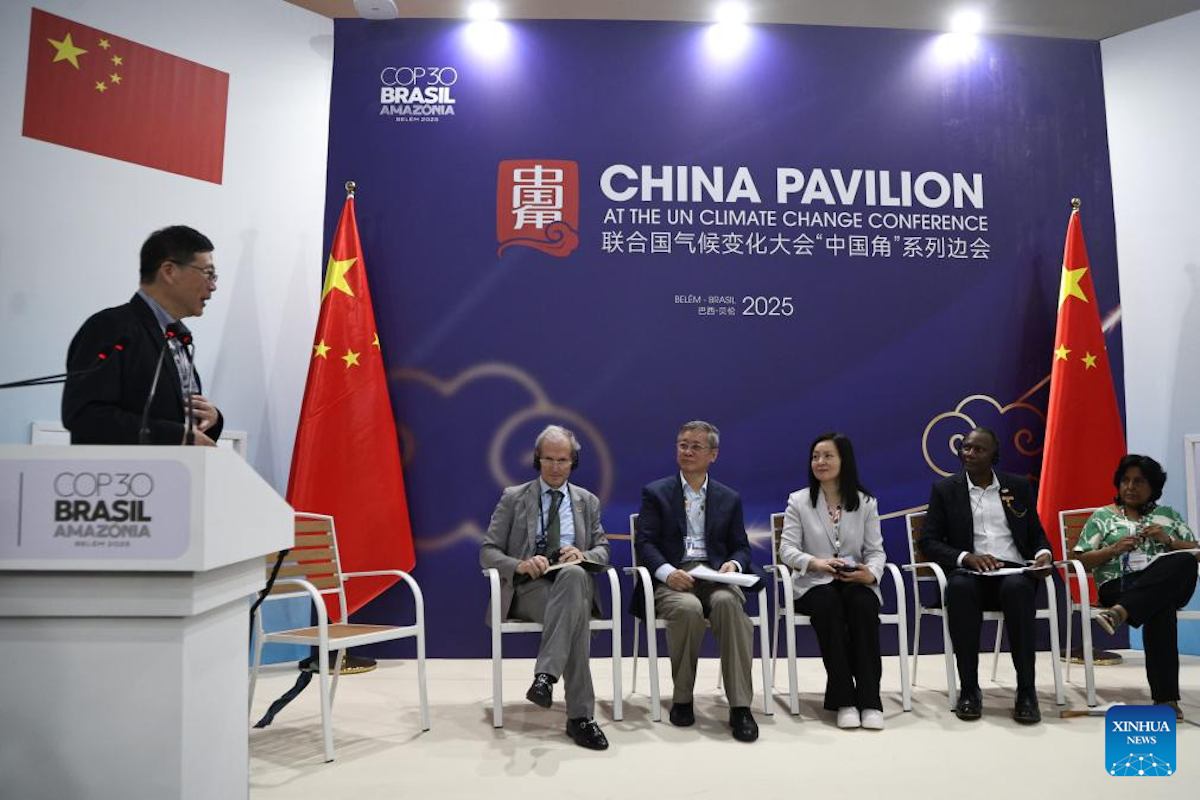
    As global delegates convened for the UN’s COP30 climate summit, China positioned itself to assume a revitalized leadership role in international climate governance—a strategic vacuum created by diminished U.S. engagement following the Trump administration. Beijing’s climate diplomacy, however, reveals a complex interplay of ambitions and deliberate limitations.

    China presented itself as a clean-technology superpower, reframing climate discussions around technological innovation and trade dynamics. The nation’s renewable energy capacity has tripled over the past decade, reaching 1,876,646 megawatts by 2024, with solar generation growing twentyfold since 2015. With $290 billion invested in renewable energy during 2024—$80 billion more than the combined total of the EU, UK, and US—China demonstrated substantial commitment to low-carbon transition.

    Economic priorities significantly influence China’s climate strategy. The export of green technologies—including batteries, solar components, electric vehicles, and wind-power systems approaching $1 trillion since 2018—represents a crucial growth vector. Facing industrial overcapacity and new trade barriers in Western markets, China aggressively pursued emerging markets in Southeast Asia, particularly Indonesia and India, using climate forums to oppose trade restrictions and advocate for free movement of clean technologies.

    Geopolitical considerations further shape China’s approach. Through initiatives like the Belt and Road Initiative and the China-Pacific Island Countries Climate Change Cooperation Center established in 2022, Beijing leverages climate cooperation to strengthen strategic partnerships and security alliances, particularly in the Pacific region where it competes with traditional Western powers.

    Despite this apparent leadership push, China maintains significant constraints. The nation struggles to meet existing emission reduction pledges, with analyses indicating insufficient commitments and slow progress amid economic challenges including weak industrial output, high youth unemployment, and substantial local government debt. China explicitly rejects historical responsibility for climate change, noting that while its cumulative emissions since 1850 have surpassed EU nations, they remain below US levels.

    Beijing declined to commit to the $1.3 trillion annual climate finance goal from developed economies, opposed fossil fuel phase-out roadmaps, and abstained from supporting Brazil’s tropical forest preservation fund. China maintains its developing nation status while selectively advancing climate agendas that align with its economic and geopolitical interests, indicating a leadership model based on technological and trade advantages rather than comprehensive emission reduction commitments.

  • Which French Alps resort is perfect for Dubai’s luxury traveller?

    Which French Alps resort is perfect for Dubai’s luxury traveller?

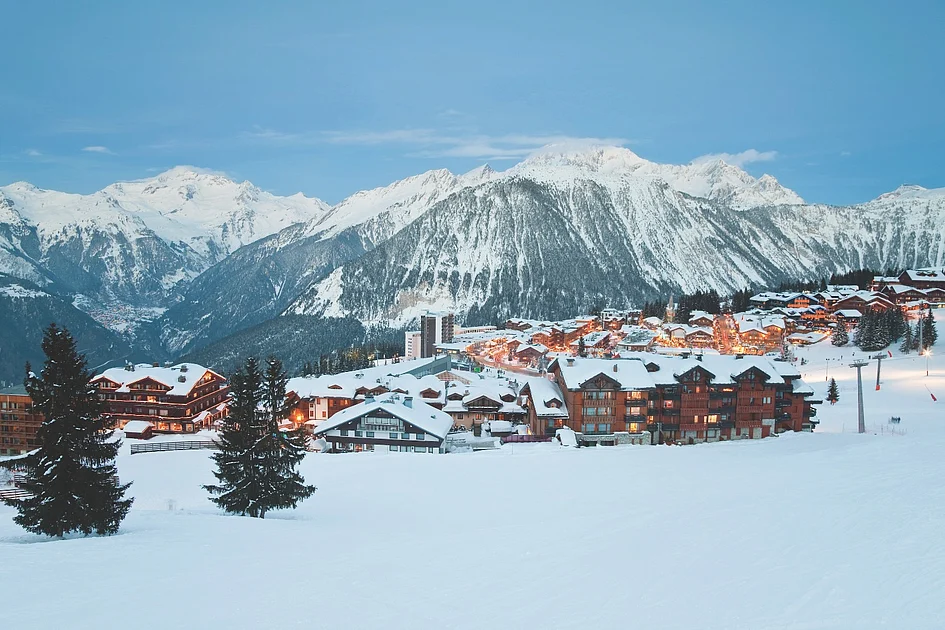
    For Dubai’s sophisticated winter travelers seeking premium alpine experiences, two French resorts emerge as standout destinations: Courchevel and Val d’Isère. These iconic locations present contrasting yet equally compelling visions of luxury mountain hospitality, each catering to distinct preferences while maintaining exceptional standards of service and amenities.

    Courchevel establishes itself as the epitome of refined elegance, characterized by architecturally magnificent chalets and five-star hotels featuring convenient ski-in/ski-out accessibility. This resort attracts international celebrities and elite travelers through its atmosphere of exclusive sophistication, where Michelin-starred dining establishments like Le 1947 à Cheval Blanc and designer shopping boutiques complement world-class skiing terrain. The resort’s carefully groomed slopes provide ideal conditions for intermediate enthusiasts while offering access to more challenging runs for advanced skiers.

    Val d’Isère presents a contrasting appeal with its authentic alpine village ambiance that seamlessly blends rustic charm with contemporary luxury. The compact, intimate scale of this resort creates a genuinely welcoming environment, from its cozy mountain cafés to its expertly maintained slopes. Renowned for challenging pistes and exceptional off-piste opportunities, Val d’Isère particularly captivates adventure-seeking skiers while maintaining superb facilities for all ability levels.

    Both destinations offer serene alternatives for travelers seeking tranquility. Courchevel 1650 Moriond provides peaceful slopes and intimate accommodations slightly removed from the main resort buzz, while Val d’Isère’s Le Fornet village serves as a secluded haven with exclusive chalets and access to quieter skiing areas.

    Accessibility remains comparable between both resorts, with Courchevel offering a slight advantage at approximately 2 hours 15 minutes transfer time from Geneva or Lyon airports compared to Val d’Isère’s 2 hours 45 minutes average transfer duration.

    The après-ski experiences reflect each resort’s distinctive character. Courchevel’s nightlife exemplifies sophistication at venues like Le Cap Horn and Le Tremplin, where glamorous socializing prevails. Val d’Isère embraces energetic celebration through legendary establishments like Folie Douce and Cocorico, featuring live music and vibrant crowds extending festivities well into the evening.

    Non-skiing activities further distinguish these destinations. Courchevel transforms into a luxury shopping paradise with high-end boutiques and designer showrooms, while Val d’Isère emphasizes authentic alpine culture through local markets and traditional mountain activities.

    The selection between these exceptional resorts ultimately depends on personal preference: Courchevel for those prioritizing exclusive luxury and privacy, Val d’Isère for travelers seeking authentic atmosphere and adventurous spirit. Both destinations guarantee unforgettable winter experiences worthy of Dubai’s most discerning travelers.

  • ‘This path is for the bold’: Why I’m holding my crypto conviction despite losses

    ‘This path is for the bold’: Why I’m holding my crypto conviction despite losses

    Amid a severe cryptocurrency market downturn that has decimated altcoin portfolios by 70-90%, a cohort of determined investors continues to uphold their long-term convictions despite staggering losses. The current market environment presents a radically different landscape from previous cycles in 2017 or 2021, characterized by increased institutional participation and heightened susceptibility to macroeconomic forces and geopolitical shifts.

    Market veterans are implementing strategic pivots in response to these changed conditions, with some influential group leaders abandoning previously recommended small-cap projects in favor of more promising mid-cap alternatives. This repositioning has created disorientation among followers who initially felt misled, yet acknowledges the market’s fundamental transformation.

    The psychological toll of sustained portfolio declines evokes comparisons to marathon running with receding finish lines or excessive work hours without compensation. Despite this emotional strain, core believers maintain their positions based on foundational principles rather than short-term gain expectations.

    These investors perceive cryptocurrency as analogous to early internet investment opportunities, with blockchain technology positioned to revolutionize financial systems, real estate, scientific research, and artistic expression. Prominent macroeconomic expert Raoul Pal reinforces this perspective by comparing blockchain investing to acquiring early stakes in internet infrastructure rather than individual companies.

    A growing demographic of financially frustrated women, particularly those concerned about retirement security within traditional systems, is increasingly exploring cryptocurrency alternatives. They seek empowerment through financial self-education and alternative retirement strategies, confronting cautious warnings from those unfamiliar with the crypto ecosystem.

    The prevailing wisdom within dedicated investment circles emphasizes boldness—distinct from recklessness or delusion—as essential for altering financial trajectories. This approach requires maintaining curiosity and self-trust during periods of apparent market collapse, with many investors focusing on the anticipated mainstream adoption horizon of 2030 while developing supplementary income streams and reaffirming their original investment theses.

  • How Trump’s pledge to tackle Sudan atrocities could play out

    How Trump’s pledge to tackle Sudan atrocities could play out

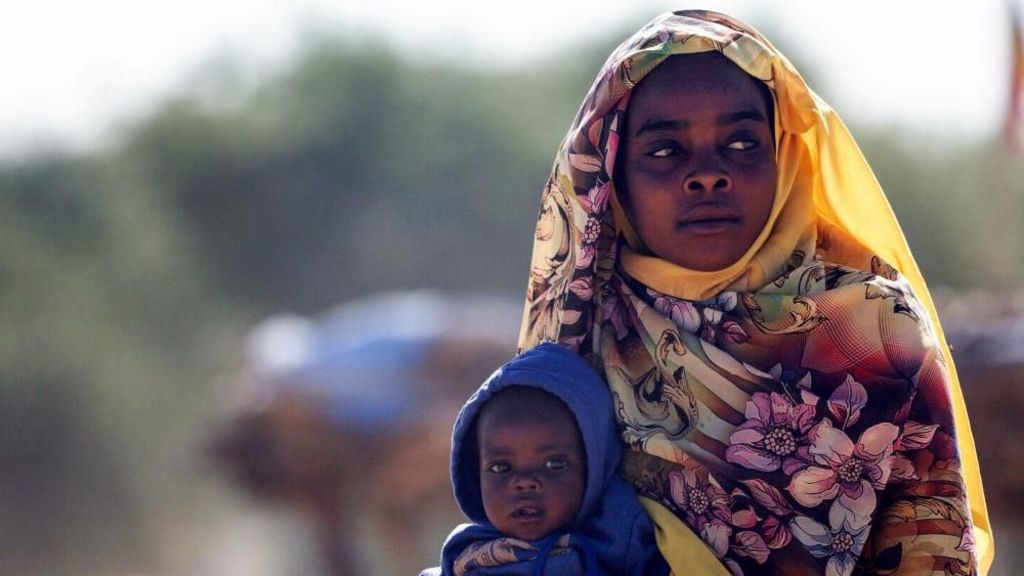
    After enduring thirty months of devastating civil war, Sudan stands on the brink of collapse with previous international peace initiatives failing to achieve breakthrough compromises. The conflict has displaced nearly 12 million people and created famine conditions across multiple regions, leaving citizens questioning whether the global community acknowledges their suffering.

    A potential shift emerged when Saudi Crown Prince Mohammed bin Salman personally briefed U.S. President Donald Trump on the crisis during a White House meeting. Following their discussion, Trump publicly acknowledged the ‘tremendous atrocities’ occurring in Sudan, which he described as ‘the most violent place on Earth,’ and committed to collaborate with Egypt, Saudi Arabia, and the United Arab Emirates to end the violence.

    This development comes amid escalating brutality in the conflict. In late October, paramilitary Rapid Support Forces (RSF) captured el-Fasher, the army’s final stronghold in Darfur, following a 500-day siege. The capture was accompanied by widespread atrocities, including ethnically targeted massacres that claimed over 5,000 lives, with RSF fighters circulating ‘trophy videos’ of their actions on social media.

    The war originated in April 2023 from a power struggle between Armed Forces Chief Gen Abdel Fattah al-Burhan, who leads the UN-recognized government, and RSF commander Gen Mohamed Hamdan Dagalo (Hemedti) over Sudan’s political future. Despite Hemedti’s post-victory ceasefire offers, Burhan’s faction has rejected compromise, particularly the Islamists within his coalition who demand complete defeat of the RSF.

    Regional powers have exacerbated the conflict through weapon supplies: Egypt and Turkey support the regular army, while multiple reports indicate the UAE arms the RSF, though Emirati officials consistently deny these allegations. This external involvement has created a complex geopolitical landscape that peace efforts must navigate.

    For six months, U.S. Secretary of State Marco Rubio and Senior Africa Advisor Massad Boulos have developed a three-point peace framework through the ‘Quad’ mechanism (U.S., Egypt, Saudi Arabia, UAE) featuring: an immediate ceasefire, humanitarian access, and civilian-led transition negotiations. However, the RSF’s assault on el-Fasher undermined these diplomatic efforts.

    Trump’s personal involvement potentially strengthens the Quad initiative, as he maintains unique relationships with regional leaders. However, significant obstacles remain, including the fierce Saudi-Emirati rivalry for influence across the Arab world, differing approaches to Islamist groups, and competing priorities that place Sudan behind issues like Gaza and commercial interests.

    Effective peacemaking would require convincing the UAE to cease its alleged support for the RSF—a challenging proposition given Abu Dhabi’s status as a major U.S. investment partner and architect of the Abraham Accords. The U.S. has avoided public criticism of Emirati actions and shows no appetite for sanctions, preferring quiet diplomacy instead.

    Even if a ceasefire is achieved, humanitarian challenges loom large. Aid organizations require approximately $3 billion for immediate relief, while political solutions must address deep public distrust of military leaders and civilian demands for democracy following the 2019 revolution that ousted longtime ruler Omar al-Bashir. Many Sudanese also fear that Arab-led mediation might reduce their nation to dependency status rather than achieving genuine self-determination.

  • Paris’ Louvre raises ticket prices by 45% for non-EU tourists to fund renovations

    Paris’ Louvre raises ticket prices by 45% for non-EU tourists to fund renovations

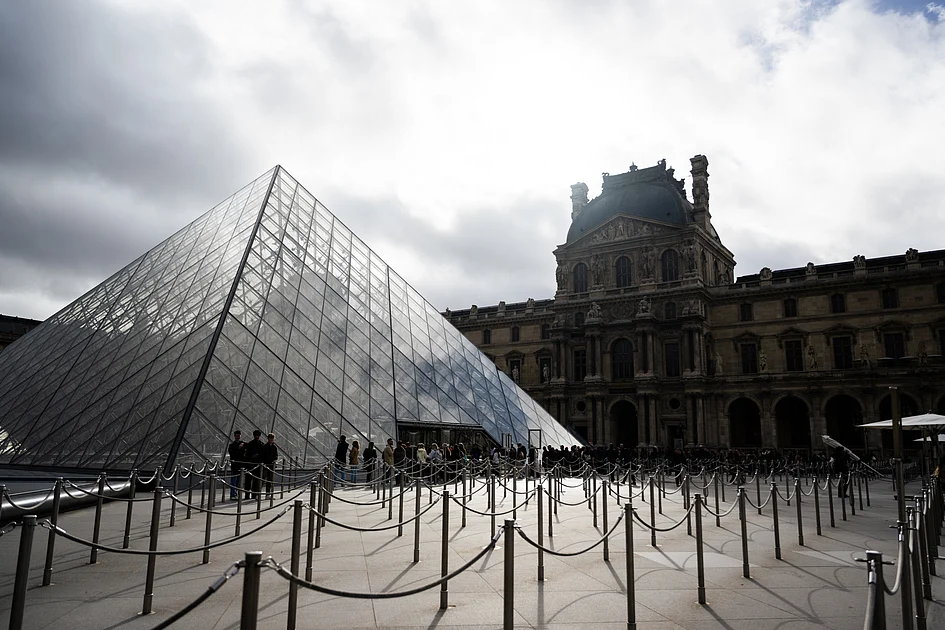
    The Louvre Museum in Paris has announced a substantial 45% increase in admission fees for visitors from outside the European Union and European Economic Area, effective January 14th. This strategic move aims to generate crucial funding for extensive renovation projects and security enhancements following a recent high-profile jewel theft that exposed systemic vulnerabilities.

    Non-EU/EEA visitors will now pay €32 ($37), with British tourists included in this revised pricing structure. The decision comes after October’s daring daylight heist where burglars stole crown jewels valued at approximately $102 million, revealing significant security deficiencies at the world’s most visited museum. Subsequent inspections identified structural weaknesses that necessitated the partial closure of one wing.

    Museum administration, responding to recommendations from France’s state auditor, has prioritized security improvements alongside ongoing renovations. The comprehensive plan includes installation of 100 external surveillance cameras by late 2026 as part of a six-year refurbishment initiative.

    The Louvre welcomed nearly 9 million visitors last year, with foreign tourists comprising approximately three-quarters of total attendance. The price adjustment is projected to generate an additional €15-20 million annually to support these essential upgrades.

    This pricing strategy reflects a broader trend among French cultural institutions, with the Palace of Versailles, Sainte Chapelle, Paris Opera House, and Chambord Chateau also expected to implement similar increases in the coming year.

    Judicial proceedings continue regarding October’s theft, with French authorities having arrested and charged four primary suspects plus additional individuals suspected of complicity. The stolen jewels remain unrecovered as investigations persist.

  • UAE expresses solidarity with Sri Lanka; conveys condolences over cyclone victims

    UAE expresses solidarity with Sri Lanka; conveys condolences over cyclone victims

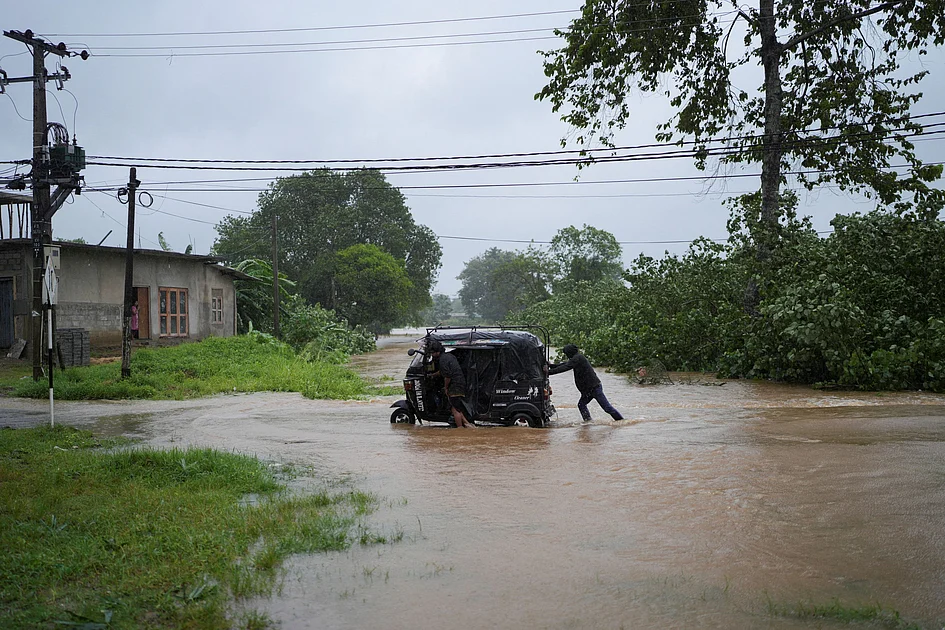
    The United Arab Emirates has formally conveyed its profound sympathy and solidarity with the Democratic Socialist Republic of Sri Lanka in the wake of a catastrophic cyclone that inflicted severe damage across the island nation. Cyclone Ditwah, which made landfall on Friday, November 28, 2025, has resulted in a significant humanitarian crisis, with official reports confirming 69 fatalities and 34 individuals still unaccounted for.

    The UAE Ministry of Foreign Affairs (MoFA) issued an official statement expressing heartfelt condolences to the families who lost loved ones, while simultaneously reaffirming its support for the Sri Lankan government and citizens during this period of national tragedy. The cyclone’s impact has been exacerbated by extreme weather conditions, including torrential rainfall exceeding 300 millimeters within a 24-hour period, which triggered devastating landslides and widespread flooding.

    Sri Lankan defense forces have initiated large-scale rescue operations to reach hundreds of residents stranded by rapidly rising floodwaters. The natural disaster has caused substantial infrastructure damage and displaced thousands of citizens from their homes, creating urgent needs for emergency shelter and humanitarian assistance. The UAE’s message of international solidarity highlights the importance of global cooperation in addressing climate-related disasters and supporting affected communities through recovery efforts.

  • Filipino travellers to enjoy visa-free entry to Oman starting 2026

    Filipino travellers to enjoy visa-free entry to Oman starting 2026

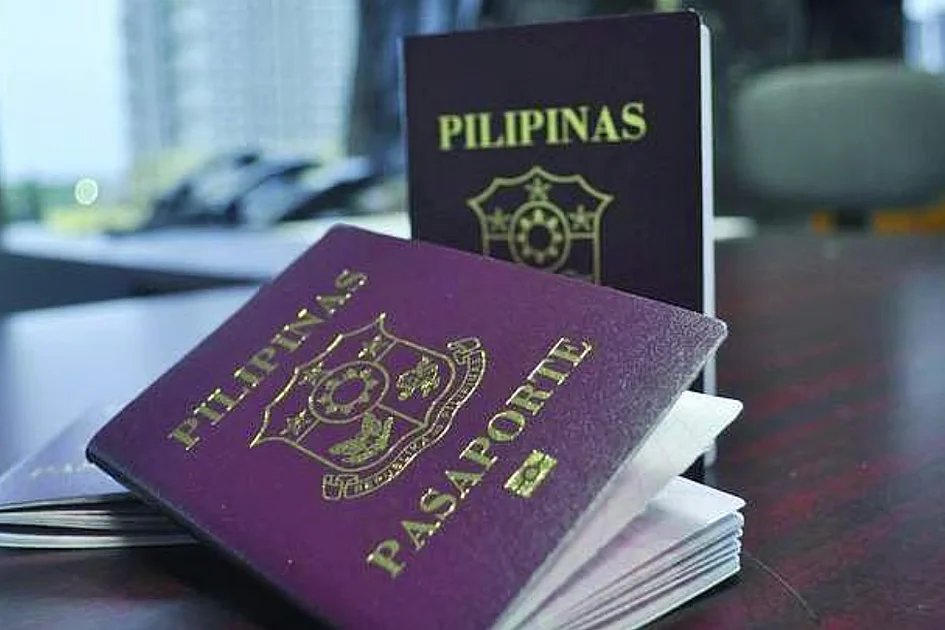
    In a significant diplomatic development enhancing travel freedom, the Sultanate of Oman will implement visa-free entry for Philippine passport holders beginning in 2026. The announcement was formally made by Oman’s Ambassador to the Philippines, Nasser Said Abdullah Al Manwari, during the recent celebration of Oman’s National Day held in Makati City on November 19.

    This groundbreaking policy will permit Filipino citizens to visit Oman for tourism purposes for durations of up to fourteen days without requiring any visa authorization. Ambassador Manwari emphasized the historic nature of this decision, noting that Oman becomes the first nation in the Middle Eastern region to extend such a privilege to Philippine nationals. “This is the first country in the Middle East that will waive the visa for the Filipino people. So you can enjoy Oman anytime without visa,” the Ambassador stated in remarks reported by GMA News.

    The strategic move is fundamentally designed to stimulate tourism growth and strengthen bilateral relations between the two nations. Ambassador Manwari projected a substantial surge in visitor numbers from the Philippines following the policy’s implementation. To accommodate the anticipated increase in travel demand, Omani authorities are actively pursuing the expansion of air connectivity beyond the existing direct flights between Manila and Muscat. Development plans include establishing a new direct flight route to Cebu and engaging additional airlines to service these routes, contingent on addressing capacity considerations at Manila’s Ninoy Aquino International Airport (NAIA).

    Beyond the logistical preparations, Ambassador Manwari extended a personal invitation to Filipino travelers, promoting Oman’s diverse attractions, from majestic mountain ranges and pristine coastal areas to vast desert landscapes. He characterized the country as a uniquely captivating destination within the Middle East, promising an extraordinary experience for visitors.

  • UAE: 300 horses from 19 countries to compete at Dubai Racing Carnival

    UAE: 300 horses from 19 countries to compete at Dubai Racing Carnival

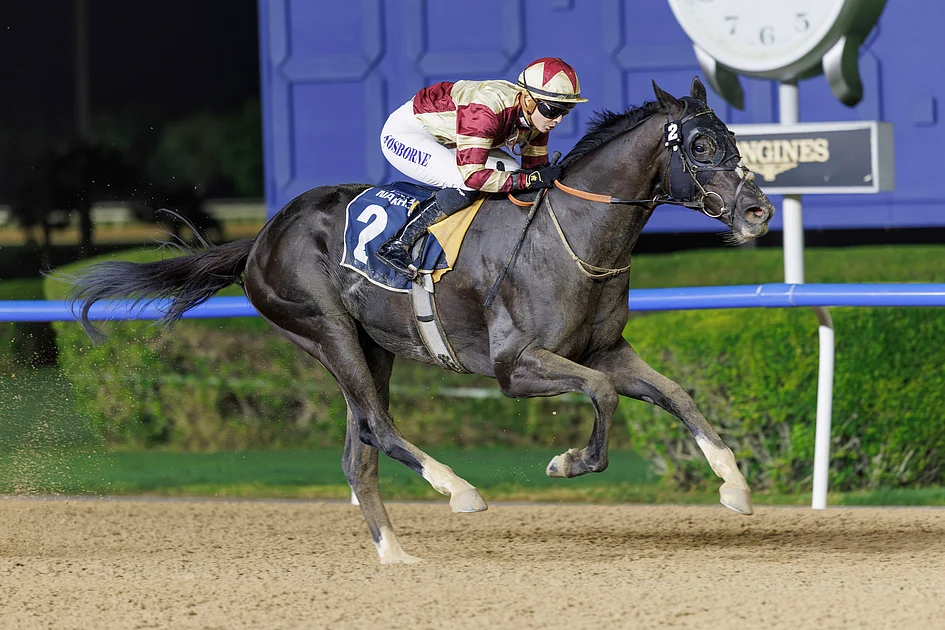
    The 2025-26 Dubai Racing Carnival has emerged as a truly international equestrian spectacle, with Meydan Racecourse preparing to host over 300 thoroughbreds representing 19 different countries. The prestigious event, which commenced on November 7th, will continue through March 2026, culminating in the landmark 30th Dubai World Cup on March 28, 2026.

    According to the Dubai Racing Club’s media office, the carnival has already received participants from the United Kingdom, Denmark, and Norway, with additional international contenders expected to arrive in the coming weeks. This diverse gathering underscores Dubai’s growing prominence as a global racing hub.

    Erwan Charpy, Head of Racing Operations & International Relations at Dubai Racing Club, emphasized the significance of this international turnout: “We are delighted to have acceptors for the Carnival from so many different countries. This further underlines the position of Dubai as the centre of the racing world and is a compliment to both our facilities and our racing programme.”

    The event features an impressive roster of accomplished trainers and champion horses. British trainer Jamie Osborne arrived early with his team, including the notable Heart Of Honor, who placed second in the G2 UAE Derby and fifth in the G1 Preakness. Norwegian trainer Niels Petersen brought 11 horses, featuring Norsk Derby winner War Socks.

    Czech-based trainer Miroslav Nieslanik returned to Meydan with globetrotting sprinter Ponntos and five other competitors, while Denmark’s Veronika Jandova arrived with seven horses, including Listed race winner Hans Andersen.

    Newmarket trainer Phil Spencer and principal backer Phil Cunningham have deployed a 10-horse team under their Rebel Racing banner, featuring Goodwood Stewards’ Cup winner Two Tribes and Ayr Gold Cup champion Run Boy Run.

    The competition intensifies with several trainers targeting later meetings. Notable entries include G2 Lennox Stakes winner Witness Stand, high-class sprinter Mitbaahy for Charles Hills, and G1 Lockinge Stakes champion Audience returning for trainers John and Thady Gosden.

    Meydan Racecourse will host three race meetings in December on the 5th, 12th, and 19th, culminating in Festive Friday featuring two Thoroughbred G2 events: the Al Maktoum Mile and the Al Rashidiya.