作者: admin

  • Science teaching to foster curious minds

    Science teaching to foster curious minds

    China has unveiled a comprehensive national guideline to revolutionize science, technology, engineering, and mathematics (STEM) education in primary and secondary schools. The initiative, jointly issued by the Ministry of Education and six other government departments on November 12, 2025, aims to develop students who “think like scientists and practice like engineers.”

    The ambitious plan establishes clear milestones: by 2030, a structured science education system should be fundamentally established with enhanced curricula, teaching methodologies, evaluation mechanisms, and teacher development programs. By 2035, the vision expands to a fully matured science education ecosystem supported by social resources and widespread implementation of project-based, inquiry-driven, and interdisciplinary teaching approaches.

    Tian Zuyin, Director of the Ministry’s Department of Basic Education, emphasized the graduated approach aligned with cognitive development. Early primary education will focus on experiential learning and curiosity stimulation, while upper primary grades advance to conceptual understanding and hands-on exploration. Middle school students will engage in practical inquiry around real-world problems, with high schoolers concentrating on experimental research and engineering practice involving cutting-edge advancements.

    The guideline encourages innovative teaching models including “dual-teacher classes” featuring collaborations between scientists and classroom teachers, and “future classrooms” utilizing metaverse-based virtual laboratories. Assessment methods will evolve beyond exam-focused metrics to include process evaluation and digital profiles tracking students’ innovative growth.

    To address implementation challenges, the policy promotes partnerships between schools, universities, research institutes, and technology enterprises. Teacher training will be enhanced through master’s programs in science education at top universities and specialized development for current educators. Experts from academic and research institutions will be encouraged to serve as part-time instructors.

    Educators nationwide have welcomed the guideline as a transformative roadmap. Lu Yongli, Principal of Beijing No. 2 Experimental Primary School, noted the alignment with existing national science curricula that already include 78 compulsory inquiry experiments for primary students. In rural areas, teachers like Hu Guozhu from Yaoxiang Middle School in Hunan praised the emphasis on adapting to local conditions rather than copying urban models.

    The human impact of this approach is already visible. Xia Jun’an, a fifth-grade student in Hangzhou, recently experienced the principles firsthand through designing and building a functional water clock using simple materials. “When the clock finally dripped evenly and timed three minutes successfully,” he recounted, “it felt like I could ‘touch’ time—it was no longer abstract, but right there in the rhythm of each drop.”

    As the policy rolls out, educators believe that by making science more engaging, practical, and inclusive, China can lay the foundation for a new generation of curious, creative minds prepared to contribute to the nation’s scientific and technological future.
  • 8 dead in residential building fire in South China

    8 dead in residential building fire in South China

    A devastating residential fire in Shantou City, Guangdong province has resulted in eight fatalities and four injuries, according to local authorities. The blaze erupted at approximately 9:21 PM on Tuesday evening in Chaonan District and was successfully contained by firefighters around 10:00 PM.

    Emergency responders immediately transported all injured individuals to nearby medical facilities for treatment. Preliminary investigations indicate the affected structure was a four-story self-built concrete building with approximately 150 square meters of area damaged by the fire.

    The Chaonan District fire department confirmed the casualty figures in an early Wednesday statement while noting that the specific cause of the incident remains under active investigation. The tragedy has prompted local officials to establish an independent judge-chaired commission to conduct a comprehensive fire investigation.

    This incident represents one of the deadliest residential fires in the region in recent memory, raising concerns about fire safety standards in self-built structures throughout southern China. The community has begun mourning the victims while authorities work to determine the factors that contributed to the catastrophic outcome.

  • South Korea protests Chinese and Russian warplanes in its airspace

    South Korea protests Chinese and Russian warplanes in its airspace

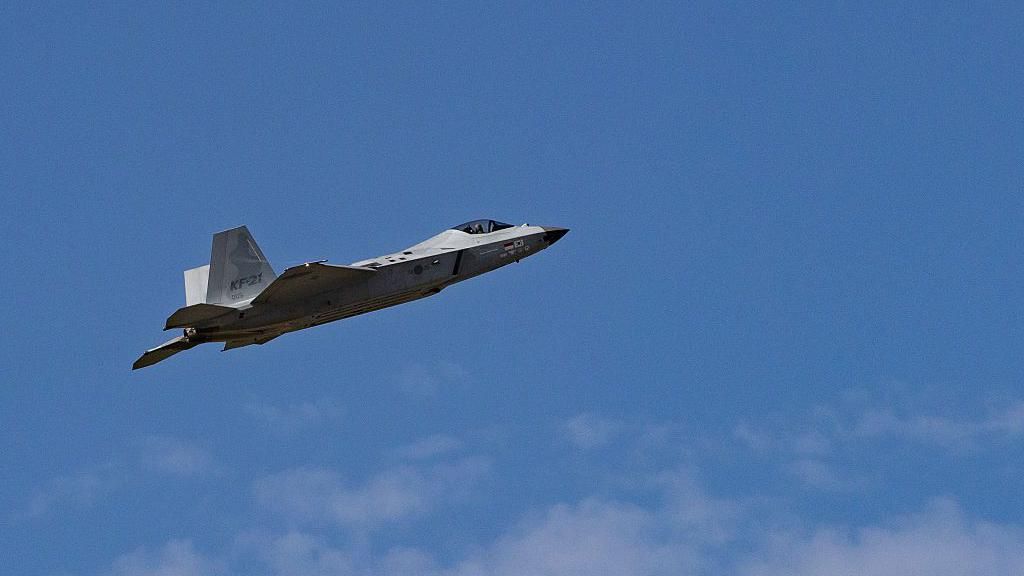
    South Korea has formally registered a diplomatic protest with Chinese and Russian defense officials stationed in Seoul following the unauthorized entry of their military aircraft into Korea’s Air Defense Identification Zone (KADIZ). The incident occurred on Tuesday when seven Russian and two Chinese warplanes penetrated the designated airspace without prior notification.

    According to South Korea’s Joint Chiefs of Staff, the Russian aircraft entered KADIZ near the disputed Dokdo Islands (known as Takeshima in Japan) and Ulleung Island, while Chinese planes approached near Ieodo, a submerged rock claimed by both Seoul and Beijing. Following their separate entries, the aircraft converged in international airspace near Japan’s Tsushima Island.

    The South Korean military promptly deployed fighter jets to monitor the situation and implement tactical preparedness measures, though officials confirmed the aircraft never violated sovereign airspace. This marks the latest in a series of similar incidents since 2019, when Chinese and Russian aircraft began conducting joint patrols in the region.

    China’s Defense Ministry confirmed the operation, characterizing it as part of an “annual cooperation plan” with Russia aimed at “addressing regional challenges and maintaining regional peace and stability.” Meanwhile, Russia maintains its longstanding position that it does not recognize South Korea’s unilaterally declared air defense zone, arguing it creates no legal obligations for other nations.

    The incident highlights ongoing territorial tensions in Northeast Asia, where multiple nations maintain overlapping claims over islands and maritime boundaries. Both Japan and North Korea join South Korea in claiming sovereignty over the Dokdo Islands, while Ieodo remains a point of contention between China and South Korea.

  • Ukraine ‘ready for elections’ if partners guarantee security, Zelensky says

    Ukraine ‘ready for elections’ if partners guarantee security, Zelensky says

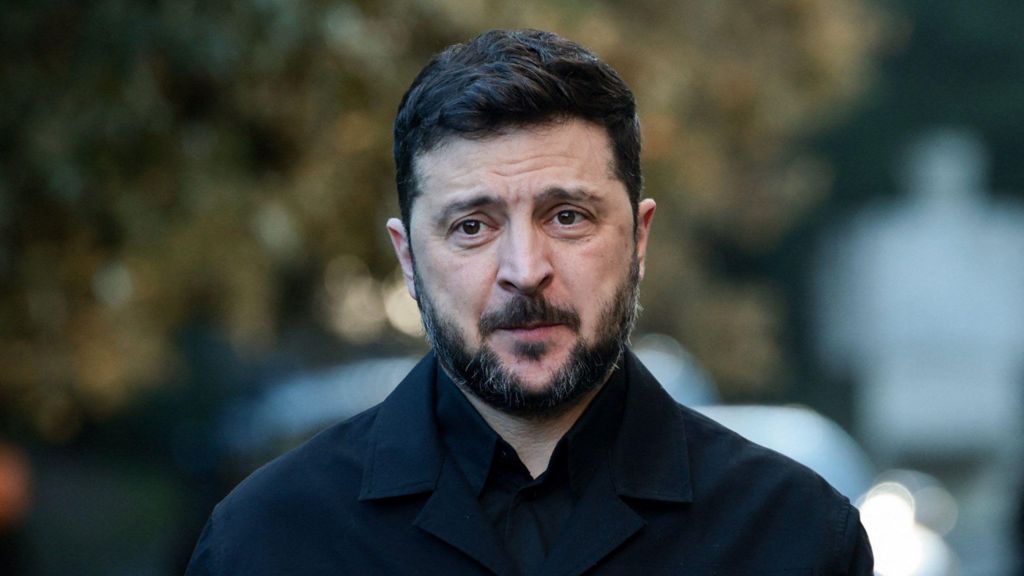
    Ukrainian President Volodymyr Zelensky has forcefully responded to international pressure regarding presidential elections, declaring Ukraine’s readiness to conduct a democratic vote within 60-90 days provided adequate security guarantees from Western allies materialize. This statement comes as a direct rebuttal to claims by former US President Donald Trump that Kyiv exploits ongoing hostilities to avoid electoral accountability.

    The constitutional dilemma stems from the suspension of normal electoral processes under martial law imposed after Russia’s full-scale invasion in 2022. While Zelensky’s five-year term technically concluded in May 2024, Ukrainian law prohibits elections during military emergency periods.

    In detailed remarks to journalists following Trump’s Politico interview, Zelensky announced he would request legislative proposals to enable exceptional wartime elections. He emphasized that electoral decisions remain Ukraine’s sovereign prerogative, stating: ‘The issue of elections in Ukraine depends first and foremost on our people, not the people of other countries.’

    The Ukrainian leader specifically addressed what he termed ‘completely unreasonable narratives’ suggesting his administration clings to power deliberately prolonging the conflict. These allegations mirror Kremlin propaganda positioning Zelensky as an illegitimate leader and demanding elections as a ceasefire precondition.

    Practical implementation challenges remain formidable according to opposition lawmakers and policy experts. Lesia Vasylenko, an opposition parliamentarian, emphasized that true electoral fairness requires inclusive participation of all citizens—including frontline military personnel and the approximately four million refugees dispersed across Europe.

    Security concerns present perhaps the most significant obstacle. Hanna Shelest of Ukrainian Prism think tank noted the impossibility of securing polling stations amid ongoing missile strikes and occupation of Ukrainian territory. Historical precedent also exists—Western democracies including Britain suspended elections during World War II.

    Public sentiment appears to reinforce governmental caution. A March survey by the Kyiv International Institute of Sociology revealed 78% of Ukrainians oppose elections even after conflict resolution, prioritizing national unity over political processes during existential warfare.

    The election discourse emerges as US-mediated peace negotiations continue, with Zelensky’s legitimacy becoming an unexpected bargaining point in diplomatic discussions.

  • Amazon, Microsoft pledge mega AI investments in India

    Amazon, Microsoft pledge mega AI investments in India

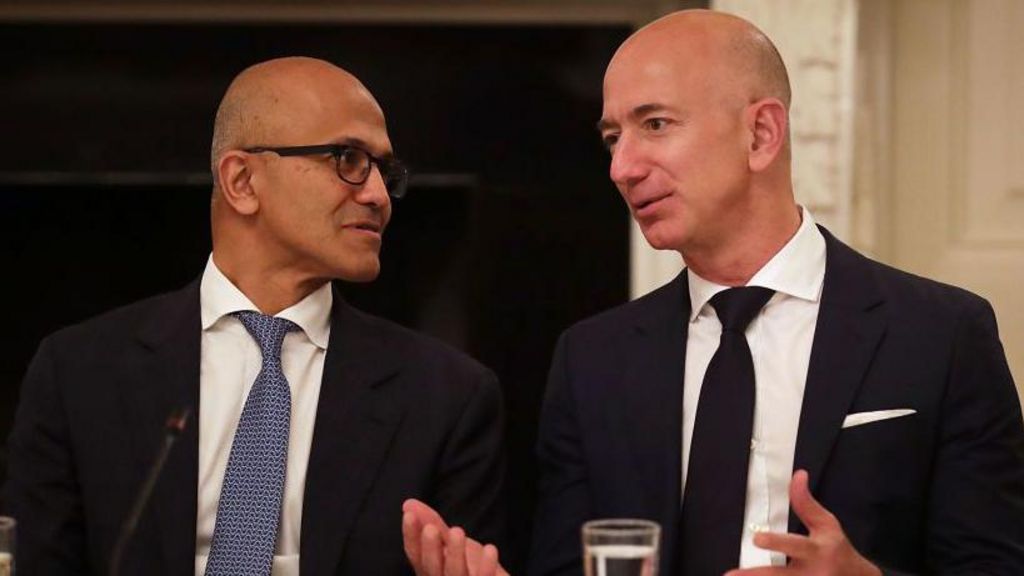
    In a landmark demonstration of confidence in India’s technological future, Amazon and Microsoft have unveiled massive investment commitments totaling $52.5 billion. This strategic move positions India as a primary beneficiary of global AI infrastructure development.

    Amazon announced on Wednesday its plan to inject $35 billion into the Indian market by 2030, focusing on AI-driven digital transformation, export enhancement, and employment generation. This commitment builds upon the company’s previous $40 billion investment, solidifying its status as India’s largest foreign investor. A substantial portion will be allocated to developing local cloud computing and artificial intelligence infrastructure.

    Microsoft’s parallel announcement of a $17.5 billion investment follows its earlier $3 billion commitment this year. The technology giant revealed plans to establish a new hyperscale cloud region in Hyderabad, scheduled for operational status by mid-2026. This cluster of data centers will form a critical component of India’s AI value chain. Additionally, Microsoft will provide access to its sovereign public cloud platform, enabling organizations to maintain sensitive data within national borders while leveraging advanced computational tools.

    The investment surge reflects India’s emergence as a significant AI and cloud infrastructure hub. Recent months have witnessed substantial commitments from other tech leaders, including Google’s $15 billion AI data hub initiative and Intel’s collaboration with Tata Electronics on a $14 billion semiconductor manufacturing project.

    Prime Minister Narendra Modi acknowledged the growing global optimism toward India’s AI capabilities following his meeting with Microsoft CEO Satya Nadella. The government’s semiconductor mission, offering generous subsidies for chip manufacturing facilities, has been instrumental in attracting these investments.

    Microsoft’s expansion includes integrating AI technologies into government platforms to support approximately 310 million informal workers. This initiative forms part of Microsoft’s broader $23 billion global AI expansion across multiple countries including Canada, Portugal, and the UAE.

    Despite India’s substantial internet user base of one billion and significant tech talent pool, the nation continues to trail global leaders like China and the United States in AI development. The forthcoming unveiling of India’s sovereign AI model in February 2025 represents another milestone in the country’s technological advancement strategy.

  • The man behind the headlines – Salah, by Klopp, Diaz and more

    The man behind the headlines – Salah, by Klopp, Diaz and more

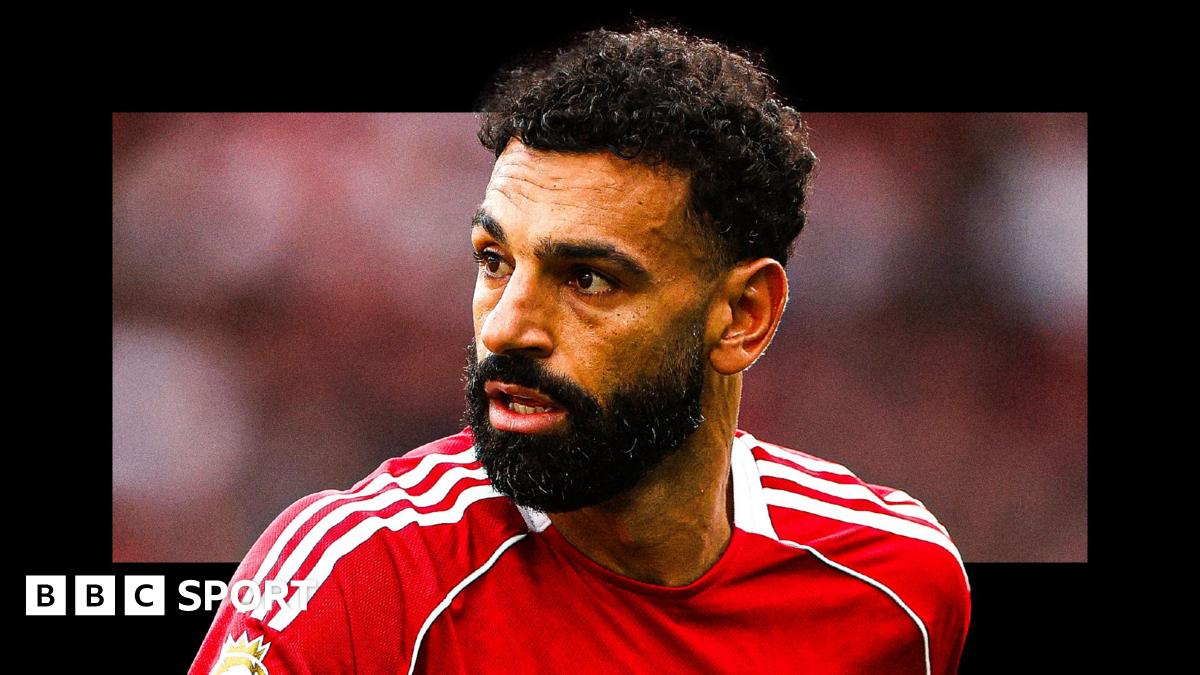
    The unfolding narrative surrounding Liverpool’s iconic forward Mohamed Salah reveals a multifaceted portrait of an athlete grappling with perceived marginalization while maintaining an unwavering commitment to excellence. Recent developments have cast a spotlight on the Egyptian international’s emotional response to being relegated to substitute status for three consecutive matches under manager Arne Slot, prompting widespread discussion about his character among supporters and pundits alike.

    Jurgen Klopp, the architect of Liverpool’s most successful modern era, provides profound insight into Salah’s psychological makeup. “We are all massively influenced by our past—how we were raised, where we grew up,” reflects the German tactician. “Mo understood from an early age that exceptional achievement required extraordinary effort. His continuous development mindset transformed him into arguably the Premier League’s most formidable attacking force.”

    Former teammates paint a picture of a relentlessly driven professional whose competitive nature transcends conventional boundaries. Adam Lallana observes: “He maintains remarkable emotional equilibrium—never excessively celebrating triumphs nor dwelling on setbacks. His composure under pressure became a calming influence throughout the squad.” James Milner, Liverpool’s former vice-captain, recalls Salah’s obsession with perfection extending even to chess matches, noting: “He hired a chess instructor to refine his strategic thinking—that exemplifies his comprehensive approach to self-improvement.”

    The analysis extends beyond sporting achievement to examine Salah’s cultural significance as a global icon. Hailing from Nagrig, an agricultural village where over half the population lives in poverty, his journey to superstardom represents a narrative of unprecedented social mobility. Maher Anwar Shtiyeh, mayor of Nagrig, emphasizes: “He remains deeply connected to his roots despite international acclaim. His philanthropic initiatives—including funding ambulance services and religious institutions—demonstrate unwavering commitment to his community.”

    Salah’s visible Muslim faith has reshaped perceptions throughout his career. Shafique Rahman, Imam at Liverpool Mosque and Islamic Institute, notes: “His regular prayers before and after matches normalized religious expression in elite sports environments. Worshipers standing shoulder-to-shoulder with him during prayers experienced profound equality in spiritual practice.”

    The current tension stems from what insiders describe as Salah’s frustration with recent performance critiques and speculation about his January transfer prospects. This scenario echoes historical patterns at Liverpool, where legendary figures including Steven Gerrard and Fernando Torres faced similar public scrutiny during transitional periods.

    Despite the uncertainty, Salah’s legacy as a transformative figure remains secure. Luis Diaz, his former attacking partner now at Bayern Munich, reflects: “His mentorship transcended tactical advice—he created genuine emotional connections. Lifting the Premier League trophy alongside him revealed the profound joy he derives from collective achievement.” As the football world watches this chapter unfold, Salah’s story continues to evolve as a complex interplay of athletic brilliance, cultural influence, and human vulnerability.

  • Nobel laureate Machado appears for the first time in 11 months

    Nobel laureate Machado appears for the first time in 11 months

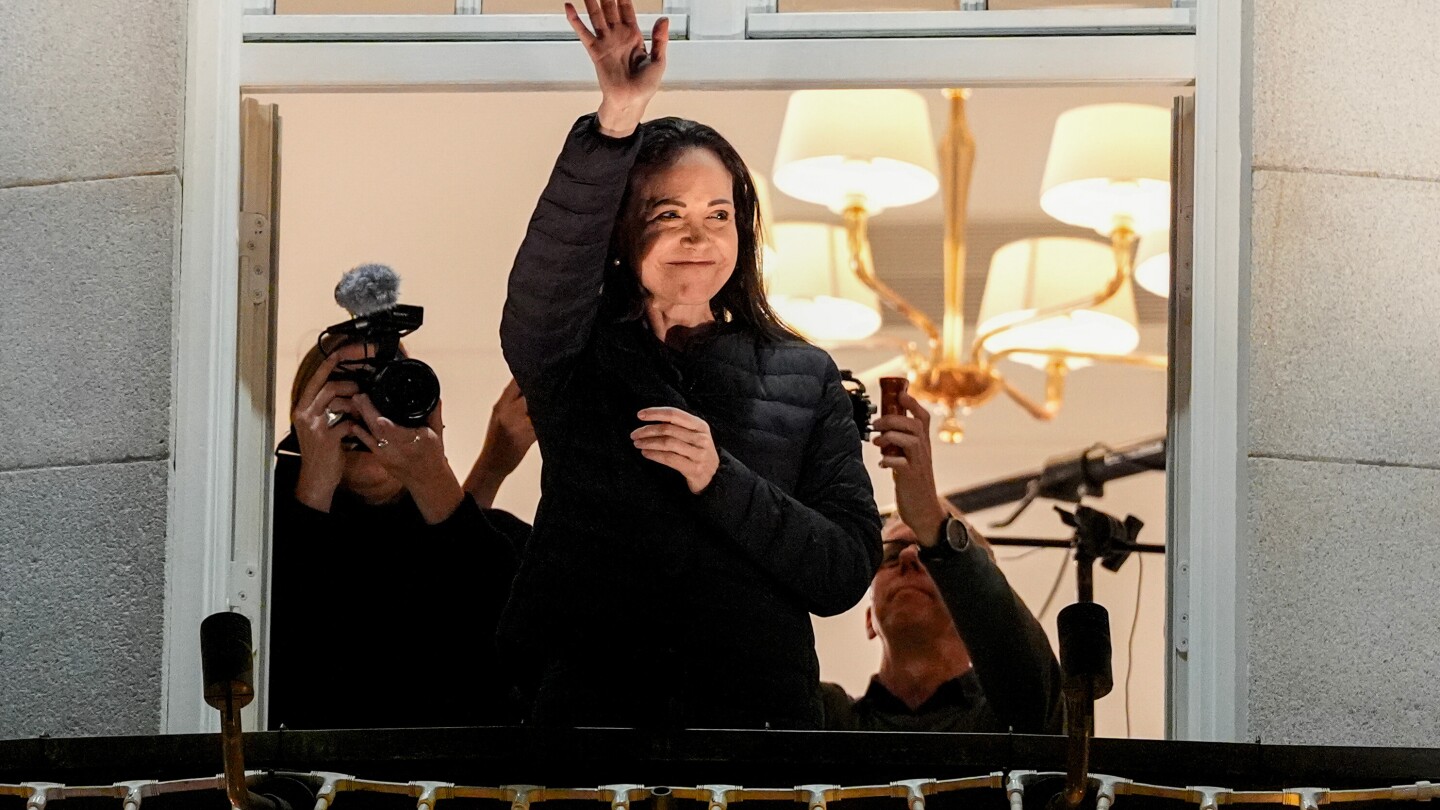
    OSLO, Norway — In a dramatic reappearance that captivated international attention, Venezuelan opposition leader María Corina Machado surfaced publicly for the first time in eleven months on Thursday. The Nobel Peace Prize laureate emerged onto a hotel balcony in Norway’s capital, greeting an emotional gathering of supporters who had assembled despite freezing temperatures.

    The momentous appearance followed her daughter Ana Corina Sosa accepting the prestigious Nobel award on her behalf just hours earlier. Machado received the honor for mounting the most significant peaceful challenge in years to President Nicolás Maduro’s authoritarian regime in Venezuela.

    Dressed casually in jeans and a puffer jacket, the 58-year-old leader spent several minutes outside Oslo’s Grand Hotel, embracing family members and close aides as the crowd erupted in chants of “Freedom!” and “President!”. The collective singing of Venezuela’s national anthem created a poignant moment of diaspora solidarity.

    “I want you all back in Venezuela,” Machado declared to supporters who raised cellphones to capture her first public appearance since January 9, when she was briefly detained after participating in a Caracas protest before vanishing into hiding.

    Her journey to Oslo involved extraordinary circumstances, with flight tracking data indicating her aircraft originated from Bangor, Maine. In an audio recording published on the Nobel website, Machado revealed that many individuals had “risked their lives” to facilitate her perilous journey, describing the recognition as “a measure of what this award means to the Venezuelan people.”

    The ceremony itself served as a powerful show of regional solidarity, with attendance from Argentine President Javier Milei, Ecuadorian President Daniel Noboa, Panamanian President José Raúl Mulino, and Paraguayan President Santiago Peña.

    Jørgen Watne Frydnes, chair of the Norwegian Nobel committee, delivered pointed remarks during the award presentation, stating that “Venezuela has evolved into a brutal authoritarian state” while praising Machado as “one of the most extraordinary examples of civilian courage in recent Latin American history.”

    Directly addressing Maduro, Frydnes issued a stark declaration: “Your power is not permanent. Your violence will not prevail over people who rise and resist. Mr. Maduro, accept the election result and step down.”

    The background to this recognition stems from Machado’s victory in an opposition primary election and her intended challenge to Maduro in the 2024 presidential race, before being barred from running by the government. Her replacement candidate, retired diplomat Edmundo González, subsequently sought asylum in Spain after Venezuelan courts issued an arrest warrant against him.

    Machado joins a distinguished group of Nobel Peace laureates who were detained or imprisoned at the time of their award, including Iran’s Narges Mohammadi (2023) and Belarusian advocate Ales Bialiatski (2022).

    In the Nobel lecture delivered by her daughter, Machado’s message emphasized that “to have democracy, we must be willing to fight for freedom”—a testament to the ongoing struggle faced by Venezuelan opposition forces despite international recognition.

  • String of celebrity scandals renews debate on South Korea’s ‘cancel culture’

    String of celebrity scandals renews debate on South Korea’s ‘cancel culture’

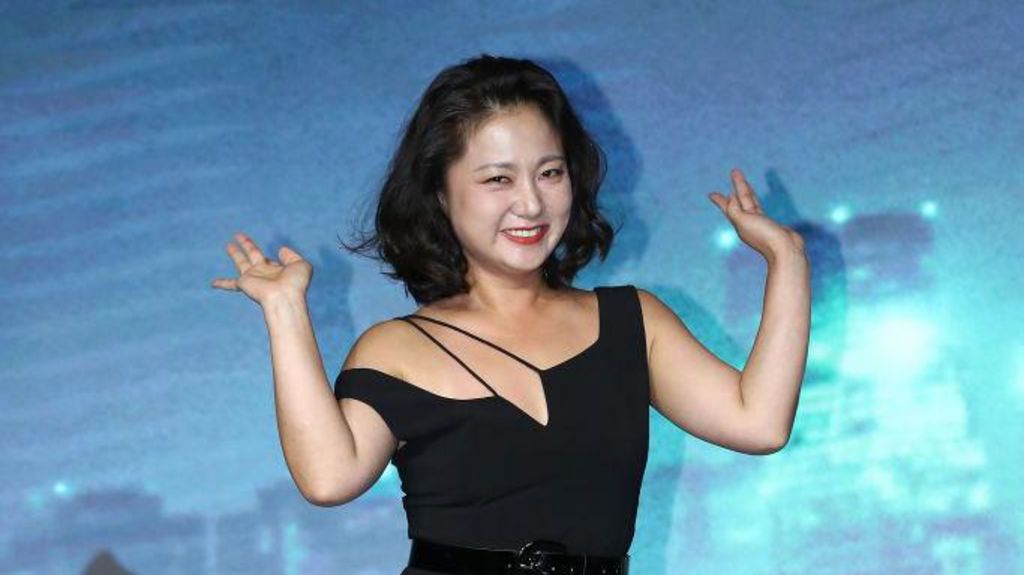
    South Korea’s entertainment landscape faces significant turmoil as three prominent figures—comedians Park Na-rae and Cho Sae-ho, alongside veteran actor Cho Jin-woong—simultaneously confront career-threatening allegations that have prompted their departure from television screens.

    Park Na-rae, celebrated as one of the nation’s most accomplished female comedians, faces serious accusations from former managers alleging verbal abuse, physical assault, and demands for personal errands. Despite her denial and counter-allegations of blackmail against the accusers, Park has voluntarily suspended all broadcasting activities. Additional reports of illegal at-home IV drip administrations, violating local medical laws, have further complicated her situation, triggering police investigations.

    Parallel controversies engulf comedian Cho Sae-ho, who faces scrutiny over alleged connections with a local gang member and accusations of accepting payments to promote gang-affiliated businesses. Though his agency denied involvement in criminal activities, Cho resigned from his high-profile hosting roles on ‘You Quiz on the Block’ and ‘Two Days and One Night,’ acknowledging he ‘should have been more careful’ in his associations.

    The most consequential scandal involves actor Cho Jin-woong, who announced his retirement from acting following revelations about his juvenile detention in the 1990s for robbery and sexual assault allegations. While admitting to youthful misconduct, he denied sexual assault charges. Broadcasters have swiftly removed his content, including re-recording narration for documentary series and reconsidering sequel plans for his hit TV show ‘Second Signal.’

    These incidents have ignited intense public debate regarding celebrity accountability, past transgressions, and South Korea’s stringent standards for public figures. Cultural critic Kim Sung-soo observes that celebrities become ‘easy targets’ due to their reputation-dependent careers, while online discourse reflects growing fatigue with cancel culture cycles and calls for societal reflection on how public figures are treated.

  • Eileen Higgins elected as first Democratic mayor of Miami in three decades

    Eileen Higgins elected as first Democratic mayor of Miami in three decades

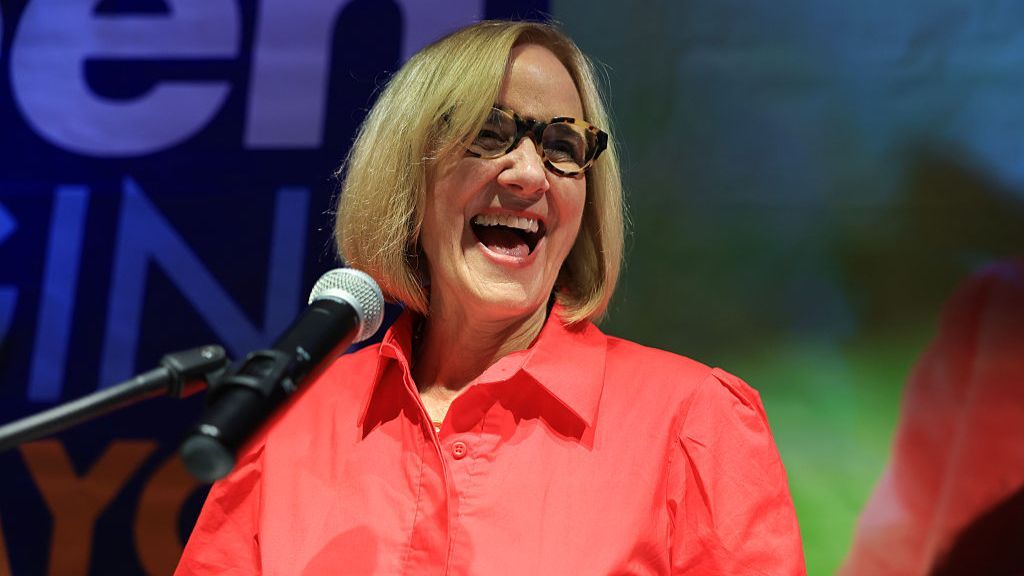
    In a landmark political realignment, Democrat Eileen Higgins has secured victory in Miami’s mayoral election, marking the first time in nearly three decades that a candidate from her party has captured this influential position. The former county commissioner decisively won the runoff election with 59% of the vote, overcoming Republican challenger Emilio Gonzalez who garnered approximately 41% despite receiving endorsements from both former President Donald Trump and Florida Governor Ron DeSantis.

    Addressing jubilant supporters at her victory celebration, Higgins proclaimed that ‘Miami chose a new direction… you chose competence over chaos.’ Her triumph not only breaks a 30-year Republican stronghold but also establishes her as the first woman ever elected to the mayoral office in Miami’s history, according to US media reports.

    The 61-year-old mayor-elect framed her victory as ‘the beginning of the work ahead,’ pledging to confront pressing urban challenges including immigration policy and affordable housing shortages. Higgins emphasized her commitment to leading ‘a city that belongs to everyone’ while drawing sharp contrasts with Trump’s governance approach. In recent interviews, she characterized the former president’s immigration enforcement tactics as ‘inhumane and cruel,’ though she expressed willingness to collaborate with the administration on areas of common interest.

    Despite the officially non-partisan nature of the race, Higgins garnered support from prominent Democratic figures including former Transportation Secretary Pete Buttigieg. Her victory extends a pattern of Democratic successes in recent elections, following significant wins in New York, Virginia, and New Jersey during the initial months of Trump’s second term.

    Higgins succeeds outgoing Republican mayor Francis Suarez, who previously mounted a brief campaign for the Republican presidential nomination. This political transition occurs against the backdrop of evolving urban politics in traditionally conservative strongholds, signaling potential shifts in voter priorities regarding municipal leadership and national political alignment.

  • Japanese urge retraction by Takaichi

    Japanese urge retraction by Takaichi

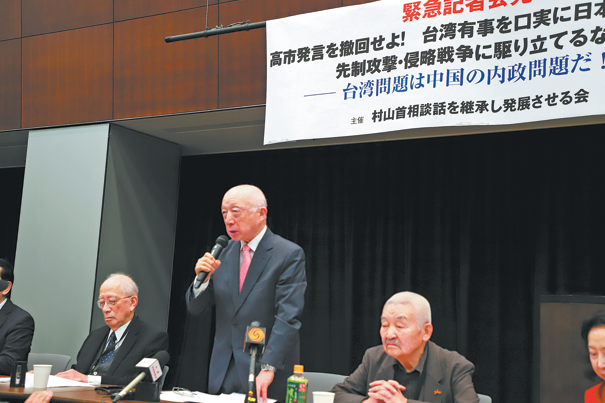
    Prominent Japanese academics, former diplomats, and legal experts have issued a forceful demand for Prime Minister Sanae Takaichi to immediately retract her controversial statements regarding Taiwan, warning that her rhetoric risks reviving militaristic tendencies in Japan. The collective condemnation emerged during a press conference organized by the Association for Inheriting and Propagating the Murayama Statement, a civic group dedicated to preserving Japan’s postwar pacifist values.

    The scholars asserted that Takaichi’s parliamentary comments represent a fundamental departure from Japan’s longstanding diplomatic position on Taiwan and directly violate both postwar international agreements and the 1972 China-Japan Joint Statement. Particularly alarming to the group was the Prime Minister’s suggestion that Japan might assume a wartime posture in response to potential Taiwan contingencies—a stance they characterize as unprecedented and dangerously reminiscent of prewar militarism.

    International relations scholar Kazuhiko Togo, a former diplomat, emphasized that the Taiwan-related commitments in the 1972 agreement resulted from meticulous bilateral negotiations and remain foundational to Sino-Japanese relations. Political economist Kazuhiko Uekusa criticized the Prime Minister’s contradictory explanations of her remarks, noting that she initially claimed they didn’t represent the government’s unified view before asserting they aligned with Japan’s traditional diplomatic position.

    Takakage Fujita, secretary-general of the association, highlighted that his organization has consistently advocated for reflection on Japan’s wartime aggression and adherence to peaceful principles since its establishment in 2013. Professor Emeritus Masakatsu Adachi of Kanto Gakuin University warned that Takaichi’s approach effectively strengthens domestic information control and foreign intelligence gathering—measures that traditionally precede conflict engagement.

    The collective statement concluded that current tensions stem primarily from Japanese provocations, yet the government has adopted an unjustified ‘victim’ posture that hinders resolution. They urged immediate retraction and acknowledgment that Taiwan matters represent China’s internal affairs.