作者: admin

  • Contrary to US policy, ambassador Huckabee says West Bank’s Area C ‘is Israel’

    Contrary to US policy, ambassador Huckabee says West Bank’s Area C ‘is Israel’

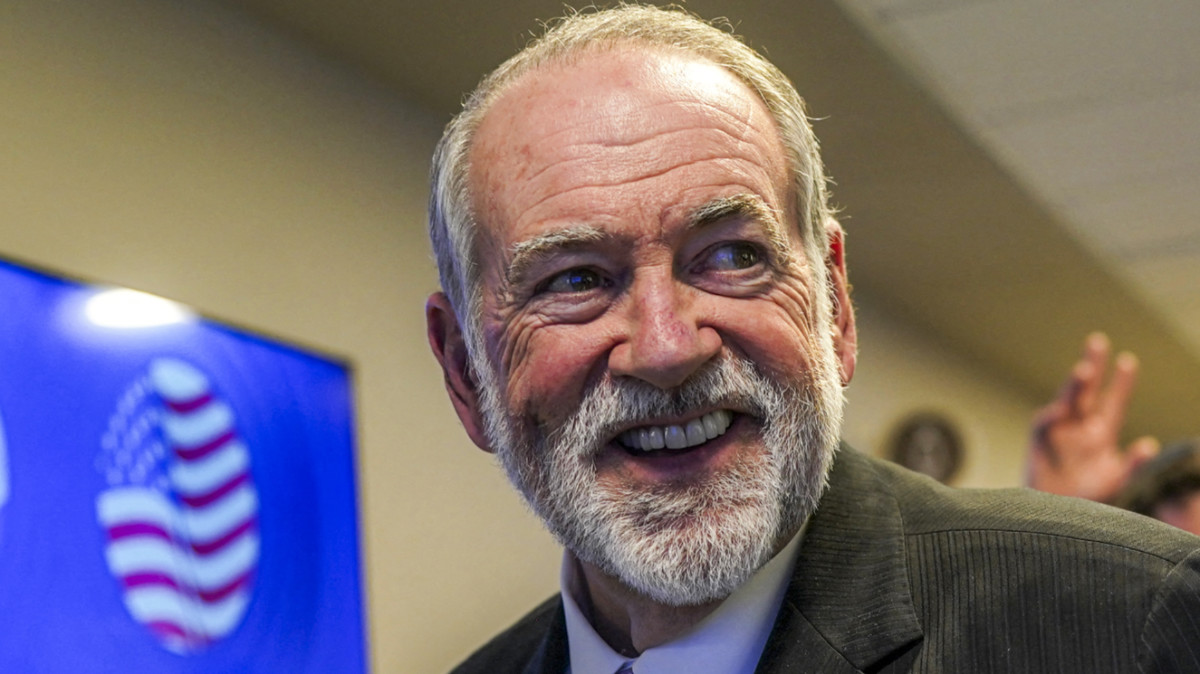
    In a striking departure from established US foreign policy, American Ambassador to Israel Mike Huckabee declared during a Friday interview with commentator Tucker Carlson that Area C of the occupied West Bank constitutes sovereign Israeli territory. The ambassador further escalated controversy by expressing openness to Israeli expansion across multiple Middle Eastern nations, including Syria, Jordan, Saudi Arabia, Iraq, and Egypt.

    These remarks triggered immediate condemnation from Arab and Muslim allies, who characterized Huckabee’s statements as “dangerous and inflammatory” rhetoric that undermines regional stability. The ambassador’s position directly contradicts longstanding US policy, which refuses recognition of Israeli sovereignty over any portion of the occupied West Bank.

    The West Bank’s division into Areas A, B, and C originated from the 1990s Oslo Peace Accords, which established the Palestinian Authority. While Areas A and B were designated for varying degrees of Palestinian control, Area C—representing approximately 60% of the West Bank—was intended to remain under Israeli military jurisdiction pending final status negotiations.

    Over the past two decades, Israeli settlement expansion within Area C has dramatically accelerated, with nearly 400,000 settlers now residing in the territory. Palestinian communities face systematic restrictions, including home demolitions, resource confiscation, and limited water access. UN data indicates over 70% of Area C Palestinian communities lack connection to water networks, relying on costly tankered deliveries.

    Khaled Elgindy of the Quincy Institute for Responsible Statecraft noted that Huckabee’s comments merely vocalize existing realities, stating that Israel has effectively achieved de facto annexation without formal declaration. This assessment gained further credibility when Israel’s cabinet recently assumed control over Area C’s land registry, invalidating Palestinian Authority documentation efforts.

    Simultaneously, Israel has intensified administrative control over Palestinian-governed Areas A and B, approving measures that undermine Palestinian Authority jurisdiction. Recent settlement expansions near Jerusalem further demonstrate Israel’s consolidation of control across the occupied territories, despite international condemnation of these actions as violations of international law.

  • Medical charter flight from Ranchi to Delhi crashes with 7 onboard: Indian media

    Medical charter flight from Ranchi to Delhi crashes with 7 onboard: Indian media

    A specialized medical transport aircraft operating between Ranchi and New Delhi has crashed under tragic circumstances in India’s eastern Jharkhand state. The Beechcraft King Air B90L aircraft, operated by Redbird Airways, vanished from radar surveillance shortly after departure on Monday evening with seven individuals aboard.

    According to aviation authorities cited by India’s ANI news agency, the ill-fated flight was conducting a dedicated medical evacuation mission. The passenger manifest included a patient requiring urgent medical transfer accompanied by a specialized medical team consisting of a doctor and paramedic, in addition to flight attendants and crew members.

    Emergency response teams have been dispatched to the suspected crash site in Chatra district, approximately 110 kilometers from Ranchi. Search and rescue operations are currently underway amid challenging terrain conditions, though officials have not yet confirmed any survivor accounts from the remote crash location.

    The aviation incident marks another concerning episode in India’s regional air safety record, coming amidst increased scrutiny of medical evacuation protocols and charter flight operations. The Directorate General of Civil Aviation has initiated a formal investigation to determine the precise cause of the tragedy, examining factors ranging from technical failure to weather conditions prevalent during the evening departure.

    This medical evacuation tragedy echoes similar incidents globally, including a recent private jet accident in Maine, United States, that claimed eight lives, highlighting the inherent risks associated with specialized air transport operations even with advanced safety protocols in place.

  • Explosion near Moscow train station kills police officer

    Explosion near Moscow train station kills police officer

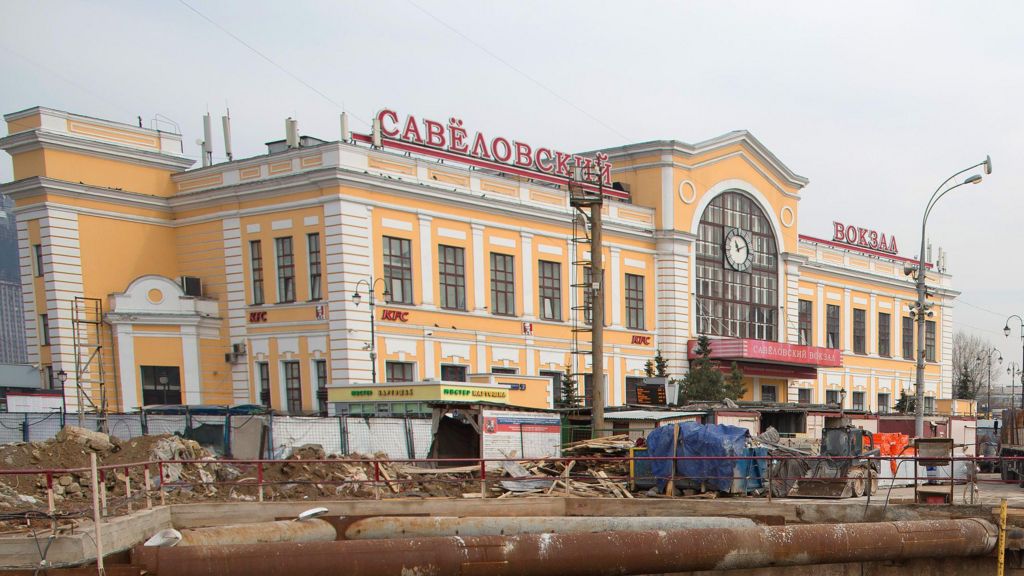
    A late-night explosion outside Moscow’s Savyolovsky Station has resulted in the death of a traffic police officer and left two others hospitalized with various injuries, according to an official statement from the Russian Interior Ministry. The incident occurred in the station square just after midnight local time on Tuesday (21:05 GMT Monday) when an unidentified individual detonated an explosive device near a patrol vehicle.

    The Ministry initially reported that a male assailant had fled the scene but later updated their statement confirming the perpetrator had died at the location. Authorities have launched a criminal investigation into the attack, with charges including attempted murder of law enforcement officers and illegal use of explosive devices.

    The fallen officer has been identified as 34-year-old Police Lieutenant Denis Bratuschenko, a senior traffic police inspector who had served since 2019. Bratuschenko is survived by his wife and two children. Ministry spokesperson Irina Volk conveyed official condolences from the leadership and personnel of the Interior Ministry to the officer’s family.

    Multiple law enforcement agencies are collaborating to establish all circumstances surrounding the explosion, though no motive has been determined. Savyolovsky Station, located north of Moscow’s city center, serves as one of the Russian capital’s primary railway transportation hubs according to Agence France Presse.

  • Ukraine marks four years since Russian invasion

    Ukraine marks four years since Russian invasion

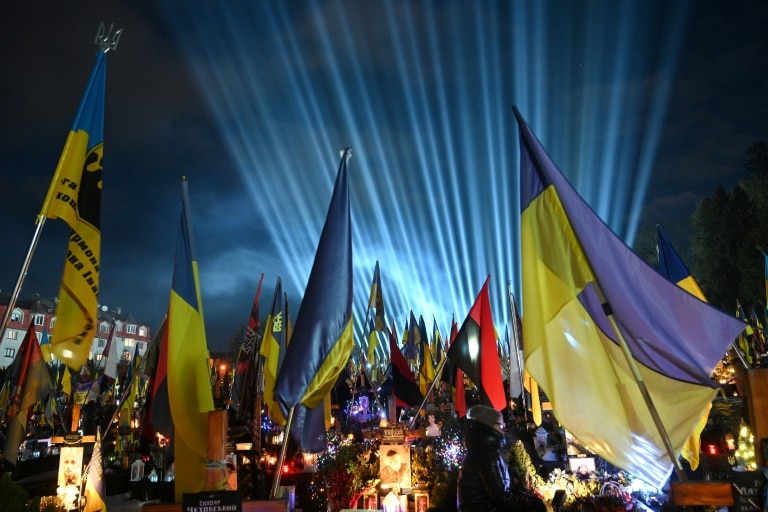
    As Ukraine solemnly observes the fourth anniversary of Russia’s full-scale military offensive, the nation stands resilient yet profoundly altered by Europe’s most devastating conflict since World War II. The February 24th commemoration brought heightened diplomatic activity to Kyiv, with European Commission President Ursula von der Leyen and European Council President Antonio Costa visiting the war-torn capital to demonstrate unwavering continental solidarity.

    The human cost remains staggering, with tens of thousands perished since Kremlin forces initiated what was anticipated as a swift operation in 2022. Instead, they encountered determined Ukrainian resistance that transformed into a protracted war of attrition. Current estimates indicate Russia occupies approximately twenty percent of Ukrainian territory, maintaining daily bombardment campaigns that have triggered the most severe energy crisis since the invasion’s inception.

    Despite extensive sanctions forcing Moscow to redirect oil exports toward Asian markets, Russian forces have achieved incremental advances in recent months, particularly within the eastern Donbas region that Moscow seeks to annex. Diplomatic efforts, rejuvenated by United States mediation, remain deadlocked. President Volodymyr Zelensky maintains demands for concrete security guarantees before considering territorial compromises, while Russia rejects proposals for European troop deployment following any potential ceasefire.

    The conflict’s global repercussions continue to reshape geopolitical realities, with numerous European nations significantly boosting defense expenditures in preparation for potential confrontation. A comprehensive assessment published Monday by the World Bank, European Union, and United Nations estimates postwar reconstruction will require approximately $558 billion over the coming decade—a monumental financial challenge for what was already among Europe’s most economically vulnerable nations.

    President Vladimir Putin, during ceremonies marking Russia’s ‘Defenders of the Fatherland Day,’ reiterated claims that military operations protect national borders and ensure ‘strategic parity.’ Conversely, Ukrainian leadership characterizes the conflict as a resurgence of Russian imperialism, with Zelensky telling the BBC he believes Putin has effectively initiated World War III by attempting to ‘impose on the world a different way of life.’

  • Look: Empty airport, cars buried under snow as blizzard rages through northeast US

    Look: Empty airport, cars buried under snow as blizzard rages through northeast US

    A severe winter storm has brought the northeastern United States to a standstill, creating unprecedented disruption across multiple states. Major transportation hubs, including international airports, have suspended all operations, leaving terminals eerily empty and runways blanketed in deep snow. Ground transportation has suffered equally severe impacts, with countless vehicles completely submerged under massive snowdrifts, rendering roads impassable.

    The powerful blizzard, characterized by hurricane-force winds and near-zero visibility conditions, has triggered widespread power outages affecting hundreds of thousands of residents. Emergency services have issued stern warnings for citizens to remain indoors as conditions continue to deteriorate rapidly. Meteorological agencies report this storm system represents one of the most intense winter events to hit the region in decades, with snowfall accumulations already exceeding historical records in several areas.

    State governments have activated emergency response protocols, deploying National Guard units to assist in rescue operations for stranded motorists. The comprehensive shutdown of infrastructure has affected commerce, education, and essential services, with no immediate timeline for restoration of normal operations. Weather models indicate the system will continue to generate dangerous conditions throughout the region for at least another 24-48 hours before gradually moving offshore.

  • US forces to complete withdrawal from Syria within a month

    US forces to complete withdrawal from Syria within a month

    The United States military is poised to complete its withdrawal from Syrian territory within the next month, according to multiple anonymous sources familiar with the matter. This development marks a significant shift in the regional security architecture nearly twelve years after American forces first intervened against the Islamic State group.

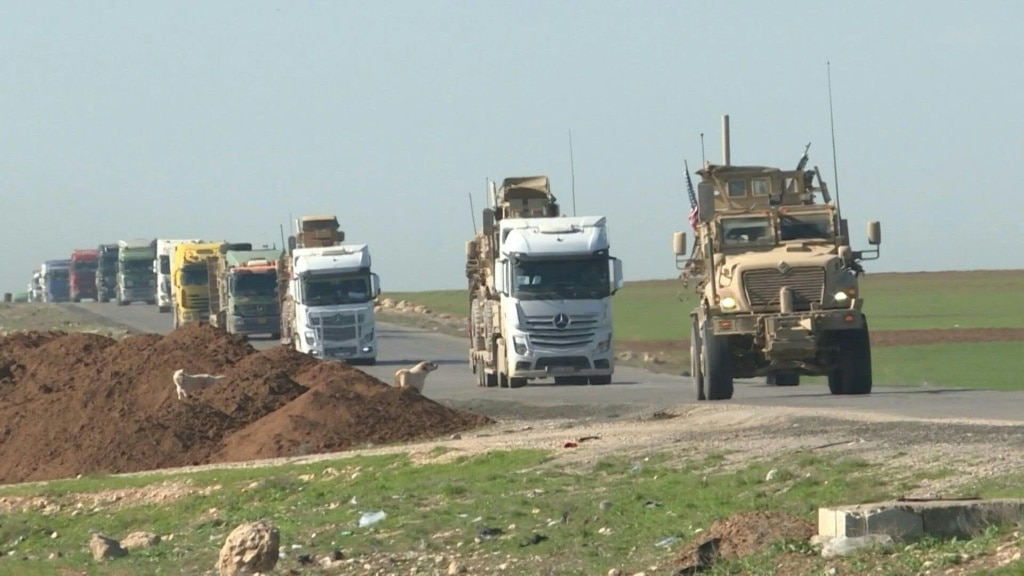
    Convoys of US military vehicles have been observed moving along highways outside Qamishli, transporting armored vehicles and prefabricated structures from key bases. The withdrawal process has accelerated in recent weeks, with American forces already vacating strategic positions at Al-Tanf in southeastern Syria and Shadadi in the northeast.

    The phased departure coincides with Damascus expanding its administrative control over northeastern regions previously governed by US-aligned Kurdish forces. This territorial consolidation follows last month’s agreement between Kurdish authorities and the Syrian government to integrate their institutions.

    Security concerns persist despite these geopolitical realignments. Islamic State remnants demonstrated their ongoing threat capability with a recent attack in Raqa that killed four Syrian security personnel. While territorially defeated in 2019, IS maintains operational sleeper cells and recently issued calls for intensified attacks against Syrian authorities.

    The approximately 1,000 remaining US troops will complete their exit within 20-35 days, according to various sources. A diplomat from a US-allied country indicated that American air operations might continue from regional bases despite the ground force withdrawal.

    Concurrently, humanitarian challenges emerge as Syria assumes control of detention facilities previously managed by Kurdish forces. The transfer of thousands of IS suspects to Iraqi custody and the chaotic dissolution of the al-Hol camp—which housed relatives of suspected militants—have raised concerns among international observers. Human Rights Watch has highlighted the precarious situation of approximately 8,500 individuals, mostly women and children detained without charge, whose countries have failed to facilitate repatriation.

  • Australian police find human remains in search for grandfather kidnapped by mistake

    Australian police find human remains in search for grandfather kidnapped by mistake

    Australian authorities have confirmed the discovery of human remains in the investigation surrounding the abduction of 85-year-old Sydney widower Chris Baghsarian, who was violently taken from his North Ryde residence in the pre-dawn hours of February 13th. Closed-circuit footage captured the disturbing scene of masked individuals forcibly transporting the elderly man into an SUV.

    New South Wales Police have determined this tragic incident to be a case of mistaken identity, with local media sources indicating the actual target was a relative associated with a prominent organized crime family. The investigation took a grim turn when authorities located a burned vehicle connected to the perpetrators, followed by the discovery of human remains near a Sydney-area golf course on Tuesday.

    Forensic examination revealed a blood-stained carpet within the vehicle’s trunk, further linking the suspects to an abandoned property where Baghsarian was allegedly held captive. Disturbing videos circulating within Sydney’s criminal networks purportedly showed the elderly victim suffering serious injuries following his abduction.

    Police authorities had repeatedly appealed to the kidnappers for Baghsarian’s safe return, emphasizing his age-related health complications and daily medication requirements. Detective Acting Superintendent Andrew Marks stated, ‘They were intending to take somebody, but have taken the wrong person. The fact that these offenders have got it so wrong is concerning.’

    This case highlights a growing trend in Sydney’s criminal landscape, where organized crime networks increasingly subcontract illegal operations, resulting in frequent mistaken identity incidents. Last year, a 23-year-old plumber was fatally shot in his Condell Park driveway in what investigators believe was another case of mistaken targeting.

    NSW Premier Chris Minns had previously suggested the kidnappers could ‘drop Mr. Baghsarian off at a shopping centre or an emergency department’ to ensure his safety. The victim’s family expressed profound distress throughout the ordeal, simply wanting their father and grandfather returned home safely.

  • Despite drop in 2025, Russian oil exports exceed pre-war volumes: report

    Despite drop in 2025, Russian oil exports exceed pre-war volumes: report

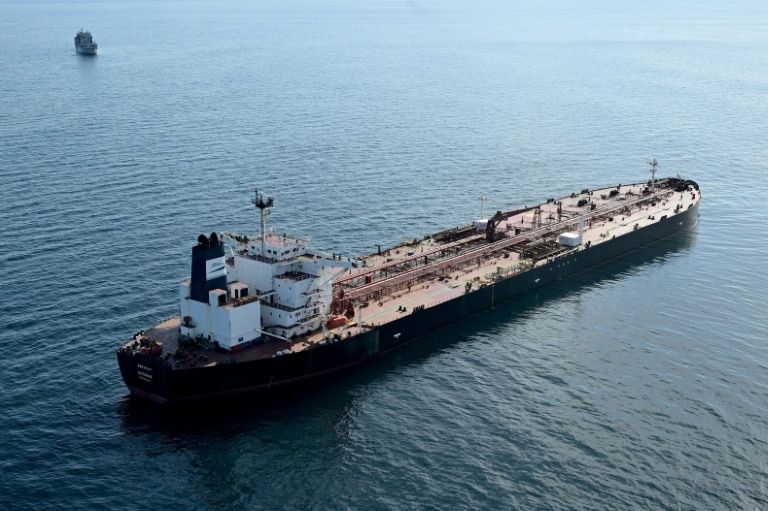
    A comprehensive analysis by Finland’s Centre for Research on Energy and Clean Air (CREA) reveals that Russian crude oil exports have maintained volumes approximately 6% above pre-invasion levels in the fourth year of the Ukraine conflict, despite extensive Western sanctions. This persistent export flow has been facilitated by an elaborate “shadow fleet” consisting of aging tankers with opaque ownership structures, specifically designed to circumvent restrictions imposed by the EU, US, and G7 nations.

    While export volumes remain elevated, Russia’s oil revenues have experienced a significant downturn, dropping 18% to €85.5 billion in the year leading to February 24 compared to the previous year. This financial contraction stems from Moscow’s forced adoption of substantial price discounts to maintain market access. According to CREA analyst Isaac Levi, while enforcement measures have impacted Russian earnings, critical loopholes continue to enable high-volume exports.

    The report identifies several systemic vulnerabilities in current sanction regimes, including false flagging of vessels and re-exportation of refined petroleum products derived from Russian crude to sanctioning nations. Notably, 93% of Russian crude exports now flow to three nations: China, India, and Turkey.

    CREA researchers have called for enhanced enforcement measures, including detaining shadow fleet vessels that pose environmental and security risks to European coastlines. The European Union currently lists 598 vessels suspected of shadow fleet operations, prohibiting their access to EU ports and services. The report additionally highlights continued imports by Hungary and Slovakia, which saw an 11% increase in Russian crude imports during the first ten months of 2025 under EU exemption clauses.

  • Indian, British, Chinese citizens among 19 killed in Nepal bus crash

    Indian, British, Chinese citizens among 19 killed in Nepal bus crash

    A catastrophic bus accident in Nepal’s mountainous Dhading district has resulted in 19 fatalities and 25 injuries, with citizens from multiple nations among the victims. The tragedy occurred in the pre-dawn hours of Monday when the vehicle veered off a treacherous mountain road near Behighat, plummeting approximately 200 meters (650 feet).

    The ill-fated bus was transporting 44 passengers from the popular tourist destination of Pokhara to the capital city of Kathmandu when the accident transpired approximately 80 kilometers west of the capital. According to official police statements, the deceased included citizens from the United Kingdom, China, and India. Among the injured, who are currently receiving medical treatment at Kathmandu hospitals, were a New Zealander and another Chinese national.

    This devastating incident highlights the persistent road safety challenges in Nepal’s difficult mountainous terrain, where inadequate infrastructure and hazardous conditions contribute to frequent accidents. The Nepalese government has promptly responded by initiating a formal investigation into the circumstances surrounding the crash.

    Road transportation accidents remain a critical public safety concern throughout Nepal, with hundreds of fatalities recorded annually. The country’s rugged geography and underdeveloped road network present ongoing challenges for both local commuters and international visitors alike. This particular tragedy underscores the vulnerabilities of road travel in developing nations with complex topographies.

  • India blocks Middle East Eye journalist’s X account

    India blocks Middle East Eye journalist’s X account

    The Indian government has formally blocked the X (formerly Twitter) account of Azad Essa, a US-based South African journalist serving as a senior reporter for Middle East Eye (MEE). The action was communicated via an official email from X Support on February 20th, citing a legal directive from India’s Ministry of Information and Broadcasting under Section 69A of the Information Technology Act, 2000.

    The notification stated that while X is legally compelled to restrict access to Essa’s content within India, his account remains accessible internationally. The platform advised the journalist to seek legal recourse through Indian courts to challenge the blocking order, though it emphasized it could not provide legal counsel.

    Essa, whose reporting extensively covers India-Israel relations, stated he received no specific explanation for the ban. He characterized the move as emblematic of deteriorating press freedoms in India and accused X of complicity in suppressing journalism while publicly championing free speech.

    This incident occurs against a backdrop of escalating tensions between X and the Indian government. Six months prior, the platform expressed concerns about censorship after temporarily blocking Reuters accounts following government requests—a move later denied by Indian authorities. In March 2025, X initiated legal proceedings against the Indian government over proposed policies that would expand officials’ authority to issue content removal requests. By May, these tensions culminated in approximately 8,000 takedown requests from Indian authorities during heightened India-Pakistan tensions.

    The journalist’s blocking coincides with deepening India-Israel relations. Prime Minister Narendra Modi is reportedly planning an upcoming visit to Israel to strengthen bilateral ties, with Israeli Prime Minister Benjamin Netanyahu describing the cooperation as part of a strategic “hexagon of alliances” countering radical elements in the Middle East.

    Essa, author of “Hostile Homelands: The New Alliance Between India and Israel,” reported experiencing sustained harassment from India’s right-wing factions over his coverage of India-Israel relations and Kashmir. He documented coordinated disinformation campaigns and personal threats aimed at discrediting his work.