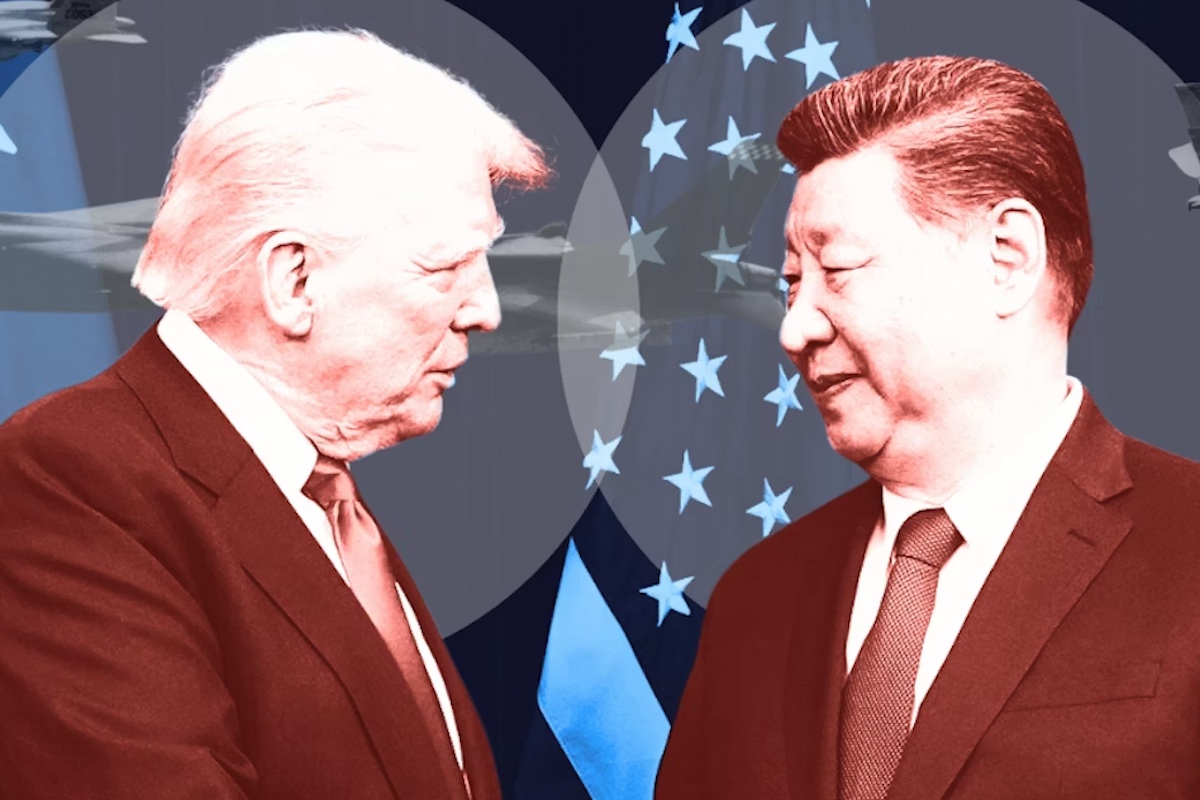
Ahead of U.S. President Donald Trump’s scheduled visit to Beijing this week, international relations scholars have laid out a pragmatic framework for preventing the world’s most impactful bilateral great power rivalry from spiraling into catastrophic conflict. While the summit may produce incremental steps to ease surface-level tensions between the two nations, analysts Kai He and Huiyunanga Feng emphasize a core, unchanging reality: the structural rivalry between Washington and Beijing is unavoidable, and no side can achieve a decisive, lasting victory. The central challenge facing both leaders, they argue, is not eliminating competition altogether, but safeguarding this dynamic relationship from devolving into open conflict — a outcome that is not inevitable, but becomes far more likely without intentional, coordinated guardrails. To keep competition peaceful, the scholars outline three core actionable priorities that both governments must embrace. First, they must uphold credible military deterrence without crossing into deliberate provocation. Second, they should channel competitive energy into institutional engagement and the provision of global public goods, rather than military posturing. Third, they must prevent ideological friction from turning every policy disagreement into an unwinnable zero-sum confrontation. The first core step is establishing deliberate mutual restraint, backed by clear political reassurance, rather than one-sided concessions. Both nations will continue to build military capabilities and balance one another’s influence globally, but the greatest risk stems from repeated misinterpretation: each side frames its own military moves as defensive deterrence, while the other reads the same actions as deliberate provocation. No region embodies this danger more acutely than the long-running impasse over Taiwan. For Beijing, Taiwan is an non-negotiable core sovereignty issue that tests national resolve. For Washington, the island is tied to its credibility as an Indo-Pacific security guarantor, regional stability, and deterrence of any coercive unification process. Both sides claim to defend the existing status quo, both accuse the other of eroding that balance, and both have taken actions that have eroded overall stability in the strait. Instead of demanding unilateral concessions from either side, He and Feng argue for coordinated mutual restraint paired with clearer communication. For example, China could reduce the scale and frequency of coercive military operations near Taiwan, including combat aircraft sorties, naval patrols and drone operations near the island’s air defense identification zone. In exchange, the United States could avoid taking steps that blur the line between longstanding policy of strategic ambiguity and explicit support for Taiwanese formal independence. Contrary to common assumptions, the scholars note that mutual trust is not a prerequisite for stability — clarity and intentional restraint are. To embed this restraint, both sides need a formal, sustained framework for deterrence management that includes ongoing efforts to clarify mutually accepted red lines, reduce misperceptions of each other’s strategic intentions and resolve, and prevent competitive signaling from spiraling into unintended confrontation. During the Cold War, Washington and Moscow eventually learned that an unregulated arms race posed too great a risk to sustain, and built systems to manage competition. He and Feng stress that Washington and Beijing have not yet reached this level of strategic maturity, and must prioritize building these guardrails urgently. The second core priority is channeling rivalry into safer, even productive arenas, rather than forcing confrontation on military or high-stakes geopolitical terrain. Rivalry does not have to be entirely destructive: when guided into institutional competition, it can even deliver collective benefits for the broader global community. Today, this dynamic is already emerging: the U.S. competes through frameworks like the Quad and AUKUS, while China advances its interests through blocs including BRICS and the Shanghai Cooperation Organization. Both sides work to shape the rules, membership and agendas of global and regional institutions to expand their own influence and limit the other’s. While this dynamic is often framed as a new Cold War, institutional competition is inherently one of the safest forms of great power rivalry. Competition pushes institutions to adapt rather than stagnate, encourages new models of regional cooperation, and incentivizes both powers to deliver global public goods — including infrastructure investment, development financing, technological innovation and climate action — to win support from third countries. The competition surrounding global infrastructure financing offers a clear example: China has expanded its global influence through the Belt and Road Initiative and the Asian Infrastructure Investment Bank, while the U.S. and its allies have launched rival infrastructure initiatives to counter that growth. This competition has ultimately benefited developing nations, expanding the range of financing and development options available to them. This dynamic also explains why a sweeping push for full economic decoupling would be a dangerous mistake, the scholars argue. While targeted restrictions in sensitive strategic sectors may be unavoidable, a full break in economic ties would eliminate one of the most critical existing guardrails in the bilateral relationship. As long as the two economies remain deeply intertwined, both sides retain strong incentives to prioritize stability and avoid open conflict. The third core priority is lowering the ideological temperature that has amplified friction across all areas of the relationship. The U.S. and China do not only clash over material interests: they hold fundamentally different political and historical narratives that shape how they interpret every interaction. U.S. policymakers often frame the rivalry as a defense of the liberal international order against authoritarian revisionism, while Chinese leaders frame it as a struggle against foreign containment, historical humiliation and unacceptable interference in their domestic affairs. These are not just rhetorical differences: they shape what each side views as threatening, acceptable, or non-negotiable, and have turned the relationship into an increasingly emotionally and politically charged confrontation. Ideological competition is safest when it remains indirect, He and Feng argue. Neither side is going to convert the other to its political system, and neither will win broad global support through lectures on ideological superiority. A far more effective strategy is competing by example: for the U.S., this means demonstrating that democratic governance can still deliver effective policy, social cohesion and long-term economic vitality. For China, this means proving that its governance model can deliver sustained growth, social stability and productive international cooperation. Both sides must also recognize that ideological overreach carries severe risks. The more Washington frames the rivalry as a global struggle between democracy and autocracy, the more Beijing will view any compromise as an act of capitulation. Similarly, the more Beijing wraps its foreign policy in narratives of anti-hegemony struggle, the more Washington will interpret U.S. restraint as a sign of weakness. Sustained diplomatic engagement remains critical for this reason: if the two powers stop talking, ideological competition will harden and become far more dangerous. The greatest long-term risk in U.S.-China rivalry, the scholars conclude, is that both sides will eventually come to view restraint as weakness, compromise as surrender, and peaceful coexistence as impossible. Once that tipping point is reached, catastrophic conflict becomes far more likely. The most realistic and important goal for bilateral relations right now is not warm friendship, or even full reconciliation. Instead, it is a harder, more modest objective: sustained, managed competition without war. This analysis comes from Kai He, Professor of International Relations at Griffith University, and Huiyun Feng, Professor in the School of Government and International Relations at Griffith University, republished from The Conversation under a Creative Commons license.
作者: admin
-
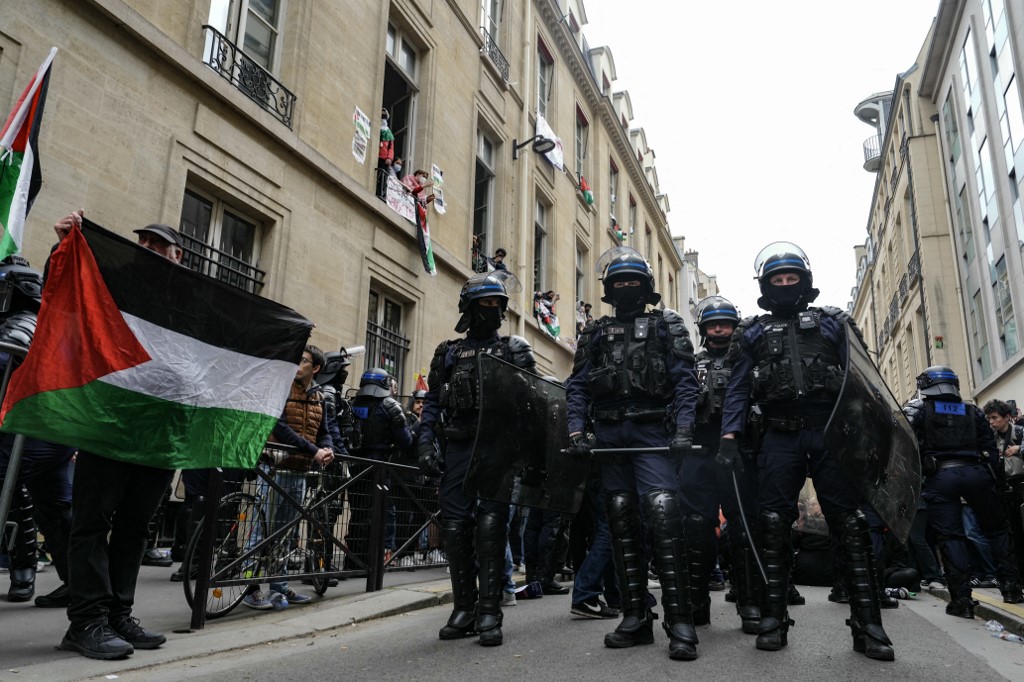
Criminalising protest: Pro-Palestine students in France face increased repression
In the wake of the outbreak of hostilities between Israel and Hamas in October 2023 and the subsequent large-scale Israeli military campaign in Gaza, French university campuses have become flashpoints for escalating government and institutional repression targeting students who publicly advocate for Palestinian rights and demand an end to military action. The crackdown, which activists and scholars warn is eroding long-held protections for academic freedom and political speech on campus, has pushed many young organizers to choose between their deeply held political beliefs and continued access to higher education.
-
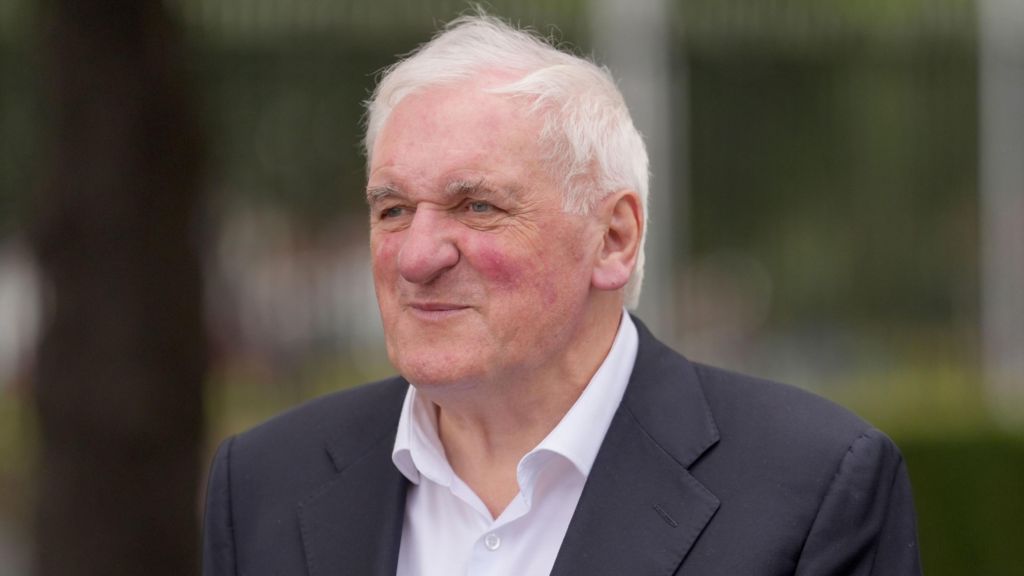
Ex-Irish PM Ahern clarifies immigration stance after ‘I worry about Africans’ recording
A secret recording of former Irish Taoiseach Bertie Ahern making racially specific remarks about immigration has sparked widespread political criticism across the Republic of Ireland, reigniting fierce public debate over one of the country’s most divisive policy issues.
The undercover recording, made approximately 10 days prior to its circulation on social media, was captured during a canvassing trip by Ahern to a Dublin residential housing estate, where a local voter pulled him aside to press for his personal stance on migration. After the voter opened with criticisms of “hordes of foreigners” entering Ireland and called for full border closures, Ahern offered remarks that would quickly draw condemnation.
In the recording, Ahern stated he had no objection to Ukrainian refugees entering the country, citing the ongoing war in Ukraine as a justifiable context for their arrival. But he went on to single out African migrants, saying: “The ones I worry about are the Africans. We can’t be taking in people from the Congo and all these places. I think there’s too many from those places.” When asked about Muslim migrants, Ahern doubled down, claiming he did not see concerns with current Muslim residents but argued “the next generation, when the kids start growing up, that’s when I think the problem will be.” He added that he had shared this concern with current Irish Justice Minister Jim O’Callaghan, who oversees migration policy.
After the voter informed Ahern she had recorded the entire conversation and planned to share it online, she accused him of failing to “speak up for the Irish” as he left. The video has since spread widely across social platforms, though it has not been formally verified by the BBC.
In subsequent comments to Irish national broadcaster RTÉ, Ahern pushed back against criticism, arguing his remarks had been taken out of context from a longer conversation. He clarified that he “has no problem with people who come here through the visa and asylum systems”, noting that many African migrants who completed the process legally now live and work in his local Dublin constituency. Ahern also emphasized that he supports the Fianna Fáil government’s current immigration policies, adding only that he has historically called for a speedier asylum processing system, a change the government has already partially implemented.
Current Taoiseach Micheál Martin was quick to distance his government and party from Ahern’s comments, calling the remarks “not appropriate”. “It’s not correct or proper to be specific about any given ethnicity,” Martin told reporters, noting that Ireland is home to many Irish citizens from diverse ethnic backgrounds that deserve full respect. He defended the country’s existing asylum framework, calling it “fair and robust” and noting that recent reforms have created a more efficient, accelerated processing system. Martin later confirmed to the Dáil, Ireland’s national parliament, that he accepted Ahern’s walkback of his original comments.
Ahern, who served as Taoiseach from 1997 to 2008 and was a key architect of the 1998 Good Friday Agreement that ended decades of conflict in Northern Ireland, has a complicated political history. He resigned as prime minister in 2008 amid a growing personal finance scandal, and a 2012 corruption tribunal found he provided false evidence about the source of more than €250,000 in bank accounts linked to him. He resigned from Fianna Fáil shortly after the report’s release, though he has remained active in political campaigning for the party in recent years. The recording in question was made while Ahern was canvassing for a Fianna Fáil by-election candidate, and multiple other competing candidates have publicly condemned his remarks.
Immigration has emerged as one of the most hotly contested political issues in Ireland in recent years, driven by shifting demographic trends and rising pressure on public services. 2022 census data shows that one in five Irish residents were born outside the country. Since 2022, Ireland has admitted tens of thousands of Ukrainian refugees alongside asylum seekers from other global conflict zones, a surge that critics argue has worsened the country’s long-standing housing crisis. O’Callaghan, the current migration minister, recently acknowledged that the current volume of asylum seekers is “too high”, noting that annual arrivals have jumped from 3,000-4,000 pre-pandemic to more than 18,500 in the most recent reporting period. Despite the surge in asylum claims, overall net immigration to Ireland fell to 59,700 in 2025, down from a peak of 79,300 in 2024.
-

Woman isolating on British island in South Pacific after hantavirus contact
A global public health scare linked to a hantavirus outbreak on a Dutch-flagged cruise ship has reached one of the world’s most remote inhabited communities, after an exposed asymptomatic woman traveled to the British Overseas Territory of Pitcairn Islands and entered isolation. The small South Pacific archipelago, home to just 50 permanent residents descended from 18th-century HMS Bounty mutineers, has activated coordinated public health protocols with UK authorities to contain any potential spread.
The outbreak originated on the MV Hondius, a expedition cruise ship that departed Ushuaia, Argentina on April 1 carrying 147 passengers and crew from 23 nations. To date, the outbreak has claimed three lives: a 70-year-old Dutch man who died on board on April 11, his 69-year-old wife who died in a Johannesburg clinic two days after disembarking in St. Helena, and a German woman who died on the vessel on May 2. The World Health Organization (WHO) has confirmed nine positive cases, with two more suspected infections, and the two deceased women have been officially confirmed as hantavirus cases.
After the last passengers were evacuated from the MV Hondius on May 9, WHO Director-General Tedros Adhanom Ghebreyesus told reporters Tuesday that there was no evidence of widespread community transmission at that time, but emphasized that the situation remained fluid and additional confirmed cases could still emerge. The ship sailed from Tenerife, Spain on Monday and is scheduled to dock in its home port of Rotterdam, the Netherlands on May 17. Hantaviruses are primarily carried by rodent populations, but the Andes strain linked to this outbreak — which passengers are believed to have contracted in South America — can spread between humans. Symptoms of infection range from fever, severe muscle pain and extreme fatigue to gastrointestinal distress and life-threatening respiratory difficulty.
The woman currently in isolation on Pitcairn, who has not been identified publicly, traveled to the territory after disembarking the MV Hondius. She flew from San Francisco on May 7, transiting through Tahiti and Mangareva in French Polynesia before reaching Pitcairn, the only permanently inhabited island of the four-island British territory. French Polynesian authorities confirmed that the woman passed through their borders without notifying local or national public health officials. Following an emergency meeting Sunday, officials ruled that the woman will not be permitted to re-enter French Polynesian territory for the duration of her risk period, noting that even though she is currently asymptomatic and not believed to be contagious, the ban remains in place to protect local public health. Authorities added that other passengers on the woman’s San Francisco-to-Tahiti flight are not classified as close contacts, and the risk of infection among that group is assessed as very low.
Local Pitcairn government spokespersons told the BBC that the woman had contact with a person confirmed to have been exposed to hantavirus, but has not developed any symptoms to date. Officials stressed she is not classified as a suspected case, and the overall public health risk to Pitcairn’s small community remains low. She is currently adhering to a 45-day isolation period, the standard mandated by the UK Health Security Agency (UKHSA) for close contacts of confirmed hantavirus cases.
The UK Foreign Office confirmed it is aware of the woman’s presence on Pitcairn, and is coordinating closely with local Pitcairn authorities and UKHSA to mitigate risks to both the woman and the island’s permanent residents. Pitcairn’s government said in a statement that the safety and well-being of their small community remains their top priority as the situation develops. It remains unclear when UK and local officials were first notified of the woman’s travel to the territory. This is not the only remote British Overseas Territory to respond to a potential case from the MV Hondius outbreak: earlier this month, British army medics parachuted into the remote South Atlantic island of Tristan da Cunha to assist a British resident who disembarked there with suspected hantavirus on April 14.
-

Brazil’s beloved instant payment system faces scrutiny from the Trump administration
In a deeply politically divided Brazil, one digital tool has managed to unite citizens across the ideological spectrum: PIX, the Central Bank of Brazil-run instant payment system that has transformed how the nation sends and spends money. From street-side beach snacks to high-ticket purchases like new cars, PIX now underpins nearly every corner of Brazilian commerce, drawing widespread praise from vendors and consumers alike — but drawing growing international tension over alleged unfair trade practices.
Launched in 2020, PIX operates on a simple, accessible framework: any individual with a Brazilian taxpayer ID, registered business, or government entity with a local bank account can send and receive funds in real time, most often via QR code scans on mobile phones. Unlike private card networks and traditional bank transfer systems, individual users pay zero fees for transactions, and even the fees charged to merchant accounts are far lower than the rates for legacy payment methods that once took hours to process. By the end of last year, the system’s explosive popularity drove $7 trillion in total transactions, with 178 million of Brazil’s 213 million residents already registered for the service.
For small business owners across the country, PIX has become an indispensable part of daily operations. On Rio de Janeiro’s iconic Ipanema Beach, 21-year-old iced tea and snack vendor Luis Felipe de Almeida says cash has all but disappeared from his transactions. “No one walks around with cash anymore, everyone just uses their phone, so they use PIX,” he explained. In Sao Paulo, 57-year-old restaurant owner Marcello Palladini relies on PIX to pay suppliers for transactions over 1,000 Brazilian reais ($200), a sum most credit card networks refuse to handle for direct supplier payments. While he criticizes the exorbitant fees some private banks charge for merchant PIX transactions, he remains a committed supporter of the system. “PIX works great, it is all instant,” he said. Even large corporations now use PIX to pay worker salaries, and high-value assets from homes to helicopters are regularly purchased through the platform, requiring only occasional bank approval for the largest sums.
But PIX’s growing dominance has drawn pushback from half a world away. In July, the Office of the U.S. Trade Representative, under the Trump administration, launched a formal inquiry into the system, alleging it creates unfair competition for U.S.-based credit card giants like Visa and Mastercard by offering a low-fee public alternative to traditional card network transaction fees. What makes the U.S. action unusual, analysts note, is that India operates a nearly identical public instant payment system with zero consumer transaction fees, which processed $300 billion in transactions in March alone — yet faces no comparable challenge from USTR.
For all its domestic success, PIX is not without vulnerabilities. Criminal organizations have quickly adapted to exploit the system’s instant transfers, stealing mobile devices and moving tens of thousands of reais in stolen funds before users or authorities can intervene. The Brazilian Forum of Public Security, a leading policy think tank, estimates that between 24 million and 28 million Brazilians fell victim to PIX-related fraud between January and September of last year, though the total value of losses has not yet been calculated.
Brazilian regulators and financial institutions have moved to address these risks, implementing caps on overnight PIX transfers between 8 p.m. and 6 a.m. to limit fraudsters’ ability to move large sums when most users are not monitoring their accounts, while authorities actively close accounts linked to suspicious activity. Digital law expert Ana Paula Siqueira emphasizes that the system’s core technology remains sound, and most fraud stems from social manipulation rather than structural flaws. “From the technical and legal standpoint, PIX is safe. But it is not immune to fraud because its risks are not in its technology; they are in people trying to fool others,” Siqueira explained. “The most common fraud involves psychological manipulation, fake IDs, urgent requests for payment.”
Even with these documented risks, popularity of PIX remains undimmed across all sectors of Brazilian society. At an open-air market in Sao Paulo’s Pinheiros district, dumpling vendor Claudia Quirino summed up the national sentiment with a playful nod to PIX’s core feature: “Love doesn’t happen suddenly, it takes time,” she shouted to potential customers. “But PIX is instant! Buy now!”
This report includes contributions from AP journalists Lucas Dumphreys (Rio de Janeiro), Mario Lobao (Rio de Janeiro), and Vineeta Deepak (New Delhi).
-

‘Meet people where they are’: NSW’s health pledge as cost of living pressures grow
As Australian households grapple with escalating cost-of-living pressures and public hospitals prepare for a seasonal winter surge in patient volumes, the New South Wales (NSW) state government has rolled out a sweeping suite of free and low-cost community-centered healthcare initiatives designed to cut household medical expenses and divert non-urgent cases away from overstretched hospital facilities.
The reforms align with both state and federal efforts to deliver targeted financial relief to working Australian families, coming just after Federal Treasurer Jim Chalmers delivered the Albanese government’s fifth federal budget on Tuesday evening. The 2026-27 federal budget includes key cost-of-living measures, such as a $250 Working Australians Tax Offset set to take effect in mid-2028, alongside major proposed changes to capital gains tax and negative gearing rules.
For NSW Health Minister Ryan Park, the reforms mark a fundamental shift away from the traditional one-size-fits-all healthcare model that required patients to adapt to existing system structures, rather than the system meeting patient needs. “What I’ve tried to do over the last few years is reform that and try and meet people where they are at,” Park explained in an interview, emphasizing that the new model prioritizes convenience for patients while reducing systemic strain.
At the core of the accessibility overhaul is an expanded state-wide bulk-billed virtual urgent care program, which eliminates the need for many non-urgent general practitioner (GP) visits. For an average patient that sees a GP six times annually, the program is projected to cut annual medical costs by up to $264. For a four-person household, that annual savings can reach more than $1056 when combined with other free state services.
Beyond virtual care, the NSW government has added a range of free pediatric and family services to further reduce household financial burden. Starting in April, eligible parents gained access to free needle-free flu mist nasal spray vaccinations for children aged 2 to 4 years old. All children under 5 years old, alongside their parents and carers, can access no-cost general family health checks, while every child in the state is eligible for free routine dental care through NSW’s public dental network.
Mental health support has also been expanded dramatically across regional and urban NSW. Twenty-four fully funded Medicare Mental Health Centres and Kids Hubs now operate in communities across the state, including regional hubs in Blacktown, Wagga Wagga, and Broken Hill. Mental Health Minister Rose Jackson confirmed the state government has invested $58 million to build out this accessible mental health network, serving thousands of families annually. In 2025, hubs in Lismore, Liverpool, and Penrith recorded the highest patient volumes across the network, demonstrating strong community demand for free, local mental health care.
The government has also expanded access to common prescription medications, including the contraceptive pill and ADHD treatment, by allowing GPs to prescribe these medications directly in more community settings. When combined, all the initiatives could save eligible NSW families as much as $1200 in annual healthcare costs, according to government estimates.
The reforms come at a critical time for NSW’s public hospital system, which is already facing persistent capacity strains ahead of the expected winter influenza surge. Park revealed that roughly 1200 acute hospital beds are currently occupied by long-term patients from aged care and the National Disability Insurance Scheme (NDIS) who are waiting to transfer to Commonwealth-funded long-term care, creating a persistent “bed block” that reduces capacity for acute winter cases. Hospitals are also recording sharp increases in the volume of the most severely ill category 1, 2, and 3 patients, placing additional strain on clinical staff.
By diverting patients with less urgent category 4 and 5 health needs to community and virtual care, the government aims to free up acute capacity for the most severe cases this winter. “Parents and families are bloody struggling at the moment,” Park said, noting that the widespread financial pressure of daily living makes unexpected healthcare costs particularly devastating for households. “Healthcare can be an expensive cost, and it’s a cost that is hard to defer.”
NSW Premier Chris Minns emphasized that accessible, affordable basic care is a core commitment of his Labor government. “We recognise families are under real pressure right now, with the rising cost of mortgages, rents, food and fuel, and we don’t want basic healthcare to take a back seat,” Minns said. “These free or low-cost initiatives for families through the public health system, provide some relief right now which will keep money in the pockets of families.”
-
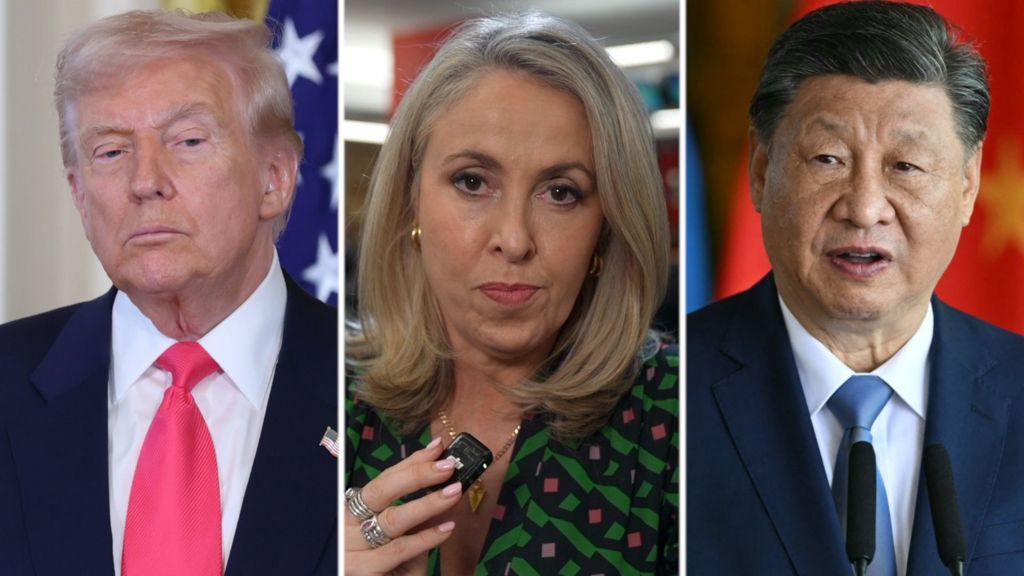
Trump v Xi: Who has the upper hand?
As two of the most influential global leaders prepare to convene in Beijing, a close examination of the power balance between former U.S. President Donald Trump and Chinese President Xi Jinping has taken center stage in international discourse. Sarah Smith, a seasoned correspondent from the British Broadcasting Corporation, has stepped forward to unpack the complex interplay of influence, leverage, and strategic positioning that defines the relationship between these two heavyweight figures on the world stage. This meeting in Beijing marks a significant moment for bilateral engagement, bringing into sharp focus questions of economic clout, geopolitical influence, and negotiating strength that shape the broader U.S.-China relationship. Smith’s analysis delves beyond surface-level observations to explore how each leader’s domestic political standing, policy priorities, and global ambitions contribute to the shifting power dynamic between the two nations, offering audiences key context to understand what is at stake during this high-profile diplomatic gathering.
-
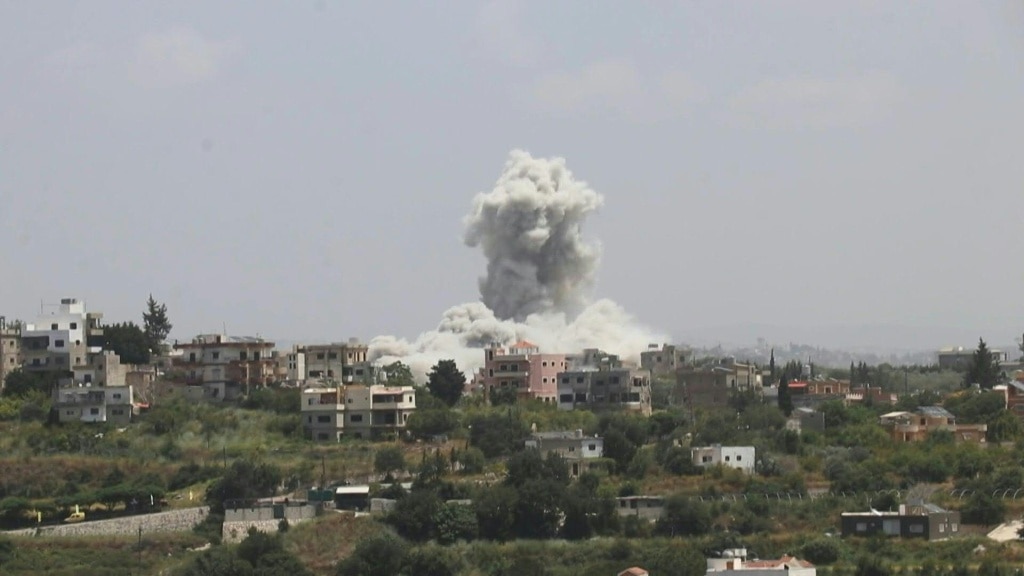
War in Middle East: latest developments
The ongoing Middle East conflict has seen sharp new escalations and shifting global diplomatic and military moves in its latest phase, with deadly Israeli airstrikes roiling Lebanon even as a nominal ceasefire with Hezbollah remains nominally in place.
On Wednesday, Israel ramped up its air campaign across Lebanon, with Beirut’s Ministry of Health confirming nine fatalities – including two children – in strikes targeting vehicles along the route between the capital Beirut and the coastal city of Sidon. The Israeli military confirmed it targeted Hezbollah positions in southern Lebanon, while an Agence France-Presse correspondent on the ground observed thick plumes of smoke rising from Burj al-Shemali in the Tyre region. The violence came a day after even deadlier strikes across southern Lebanon killed 13 people, according to Lebanese health officials. Among the Tuesday casualties were two civil defence rescuers who had been dispatched to extract a wounded survivor from an earlier raid. Since a shaky ceasefire between Israel and Hezbollah took hold on April 17, more than 380 people have been killed in intensifying Israeli attacks, and Hezbollah leader Naim Qassem has pledged to turn the frontline into “hell” for Israeli forces.
In Iran, authorities have executed a 32-year-old man convicted of espionage on behalf of Israel, marking the sixth execution on such charges since the outbreak of the current regional conflict. Iran’s state-run judiciary outlet Mizan Online identified the man as Ehsan Afreshteh, claiming he was trained by Israel’s Mossad intelligence agency in Nepal and passed along sensitive state information to Israeli handlers. But two independent human rights groups – Norway-based Hengaw and Iran Human Rights – have pushed back against the official narrative, saying Afreshteh consistently denied the accusations and that his televised confession was coerced through torture.
Regional geopolitical shifts have also been felt in the United Arab Emirates, which has formally designated 21 Lebanese individuals and organizations as terrorist entities, ordered a freeze on all their assets, and tied the group to Hezbollah, according to the country’s official state news agency. The UAE, which hosts a large Lebanese diaspora community, has emerged as a key target of Iranian missile and drone strikes since the regional conflict was sparked by joint US-Israeli military action against the Islamic republic.
The conflict has already left a marked imprint on global energy markets, the International Energy Agency (IEA) confirmed in its latest monthly market report. The agency reported that nations are drawing down commercial and strategic oil reserves at a “record pace” to offset supply disruptions tied to the conflict. Global stockpiles fell by an additional 117 million barrels in April, following a 129 million barrel drawdown in March.
Multiple nations have announced new military deployments to the region in response to heightened tensions, particularly around the critical Strait of Hormuz chokepoint. Italy confirmed it would reposition two warships closer to the Persian Gulf, but Defense Minister Guido Crosetto told lawmakers any formal deployment through the Strait of Hormuz would only proceed as part of an international mission and following a lasting regional truce, with final approval required from the Italian parliament. Australia also announced it would contribute to a new defensive mission led by France and the United Kingdom aimed at securing commercial shipping through the strait, once the mission is formally established, and will deploy a surveillance aircraft to help the UAE fend off Iranian drone attacks. The mission is strictly defensive in scope, Australian Defense Minister Richard Marles emphasized.
Diplomatic efforts to de-escalate tensions are also underway. Chinese state media reported that China’s top diplomat, Foreign Minister Wang Yi, held a call with his Pakistani counterpart Ishaq Dar, urging Islamabad to step up its mediation efforts between Iran and the United States and help facilitate a “proper” resolution to the reopening of the Strait of Hormuz. The discussion came ahead of a planned visit by former US President Donald Trump to Beijing.
New details have also emerged about Iran’s remaining military capabilities from declassified US intelligence reporting, the *New York Times* confirmed. Classified US assessments conclude Iran retains substantial missile capabilities even after targeted strikes against its program: roughly 70 percent of its mobile missile launchers and pre-conflict missile stockpile remain operational, and Iran has restored access to 30 of the 33 key missile sites located along the Strait of Hormuz coastline.
-
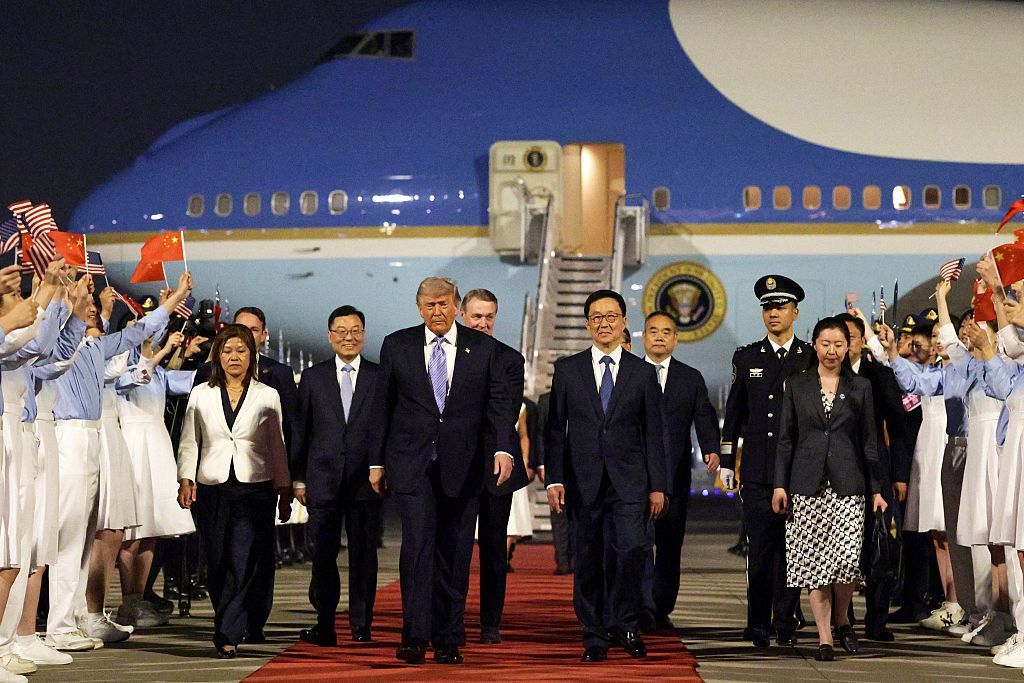
Trump arrives in China for high-stakes meeting with Xi Jinping
On the evening of May 13, U.S. President Donald Trump touched down in Beijing, stepping off Air Force One to a formal, high-level welcome that set the tone for two days of critical bilateral discussions with Chinese President Xi Jinping. The arrival, marked by a red carpet laid across the airport tarmac, saw Trump greeted by China’s Vice President Han Zheng — a gesture widely interpreted as a deliberate show of respect from Beijing, a step up from the lower-ranking official who welcomed Trump during his last visit to China in 2017.
Joining the U.S. delegation at the welcome ceremony were Trump’s son Eric Trump and a roster of prominent American technology industry leaders, including Tesla CEO Elon Musk and NVIDIA founder Jensen Huang. Ahead of his landing, Trump shared his priorities on social media, noting that his first official request to Xi would be to push for greater market access in China for American businesses. “I will be asking President Xi, a Leader of extraordinary distinction, to ‘open up’ China so that these brilliant people can work their magic, and help bring the People’s Republic to an even higher level,” Trump wrote.
The visit, originally planned for March, was postponed due to the ongoing U.S.-Israel military campaign in Iran, a conflict that has sent shockwaves through global energy markets and remains the top item on the bilateral agenda. China maintains a decades-long strategic alliance with Iran and is Tehran’s largest trading partner, relying heavily on Iranian crude oil imports. The conflict has effectively halted these shipments, as commercial vessels are unable to safely traverse the Strait of Hormuz, and the U.S. is pushing Beijing to use its considerable economic and political leverage to pressure Tehran to end hostilities.
Beyond the Iran crisis, a range of thorny bilateral issues will be on the negotiation table. Cross-strait tensions over Taiwan loom in the background, as the Trump administration has taken an inconsistent approach to the island: it has approved a major arms package for Taipei while simultaneously downplaying commitments to defend Taiwan in the event of conflict with Beijing. On trade, Trump is expected to press China to ramp up purchases of American agricultural goods, while Chinese negotiators will push for the U.S. to roll back punitive tariffs on thousands of Chinese imports. Tech competition between the two global powers will also feature heavily in talks, a longstanding point of friction that has intensified in recent years.
This meeting comes at a pivotal moment for both sides. Since Trump’s last visit to China in 2017, China has adopted a more assertive stance on global and regional affairs, while Trump faces growing domestic and international scrutiny over his administration’s handling of the Middle East conflict. The outcome of these talks carries significant implications for global economic stability, security cooperation, and the future of U.S.-China relations.
-

The European Commission seeks to ban gay ‘conversion therapy’
BRUSSELS – Days ahead of the capital’s annual Brussels Pride celebration of LGBTQ+ rights and culture, the European Commission announced Wednesday it will formally request all 27 European Union member states enact legal bans on discredited gay ‘conversion therapy’ practices, responding to a mass public campaign that has drawn support from more than a million EU residents.
The policy push delivers on a long-standing commitment LGBTQ+ protections that Commission President Ursula von der Leyen made when she took office in 2019. In her statement Wednesday, von der Leyen emphasized that so-called conversion practices, which aim to change a person’s sexual orientation or gender identity, have ‘no place in our Union.’
Data from the EU’s Agency for Fundamental Rights collected in 2024 underscores the urgency of this action: one in every four LGBTQ+ EU residents surveyed reported they had been subjected to the thoroughly discredited practice. The highest rates of documented conversion therapy attempts were recorded in Greece, Cyprus, the Czech Republic, Estonia, and Slovakia. Currently, only 10 of the bloc’s 27 member states have implemented full or partial prohibitions on the practice, according to regional advocacy group ILGA-Europe (the International Lesbian, Gay, Bisexual, Trans and Intersex Association Europe).
Malta made history as the first EU country to ban all attempts to alter the sexual orientation of LGBTQ+ people back in 2016. Following Malta’s lead, France enacted its own ban, imposing criminal penalties including jail time and monetary fines for anyone who performs conversion therapy targeting the LGBTQ+ community.
European Commissioner for Equality Hadja Lahbib called out the harmful foundation of the practice, noting that conversion practices are rooted in a dangerous falsehood: the claim that LGBTQ+ people need to be ‘fixed’ because there is something inherently wrong with their identity. ‘There is, of course, nothing to fix, there is nothing to cure, and there is no one to change,’ Lahbib stated. ‘You cannot torture away a person’s identity, and you cannot legislate it away. And yet these practices continue, unfortunately.’
The commission’s announcement comes just three days before Brussels’ 30th annual Brussels Pride parade, which organizers expect will draw tens of thousands of marchers to the streets of the EU’s institutional capital to celebrate LGBTQ+ culture and demand expanded equal rights protections across the bloc.