作者: admin

  • Bahrain announces public holidays for National Day and Accession of King Hamad

    Bahrain announces public holidays for National Day and Accession of King Hamad

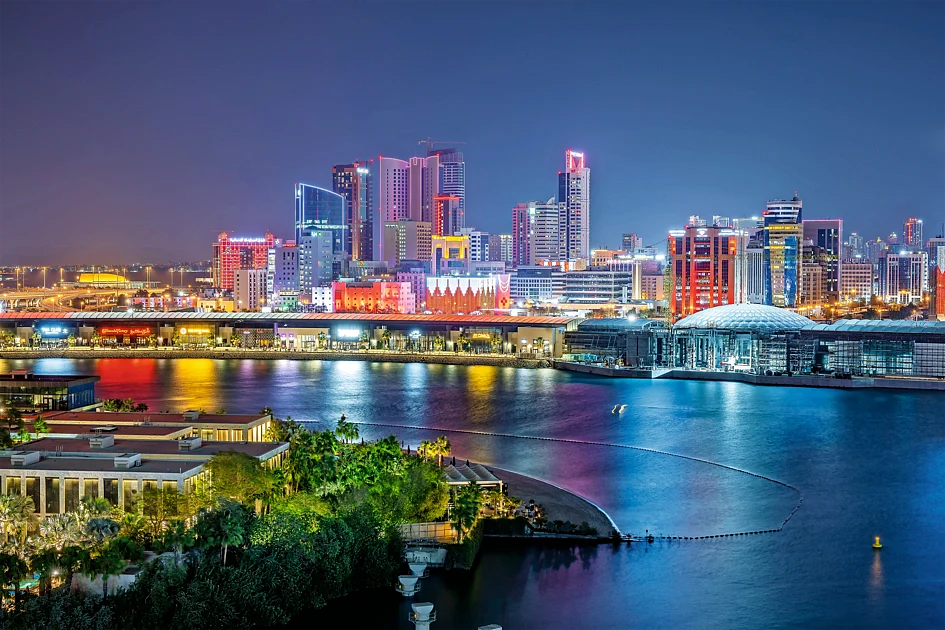
    The Kingdom of Bahrain has officially declared a two-day nationwide public holiday in December 2025 to commemorate significant national occasions. His Royal Highness Prince Salman bin Hamad Al Khalifa, Crown Prince and Prime Minister, confirmed all government ministries, departments, and public institutions will suspend operations on December 16-17, 2025.

    This administrative closure formalizes the dual celebration of Bahrain’s National Day and the Accession Day of His Majesty King Hamad bin Isa Al Khalifa. The holiday period acknowledges Bahrain’s developmental achievements and national unity while honoring the monarch’s reign and contributions to the kingdom’s progress.

    While core government services will experience temporary disruption, essential public services may maintain operations under adjusted schedules. Citizens and residents are advised to consult directly with relevant ministries and departmental authorities for specific service availability and operational hours during the holiday period.

    The National Day observance reflects on the nation’s collective accomplishments and strengthened unity under the current leadership. Simultaneously, Accession Day serves as an annual recognition of King Hamad’s reign, marking his ongoing dedication to steering Bahrain’s continued growth and development on the world stage.
  • Former senior customs official sentenced to 13 years for bribery

    Former senior customs official sentenced to 13 years for bribery

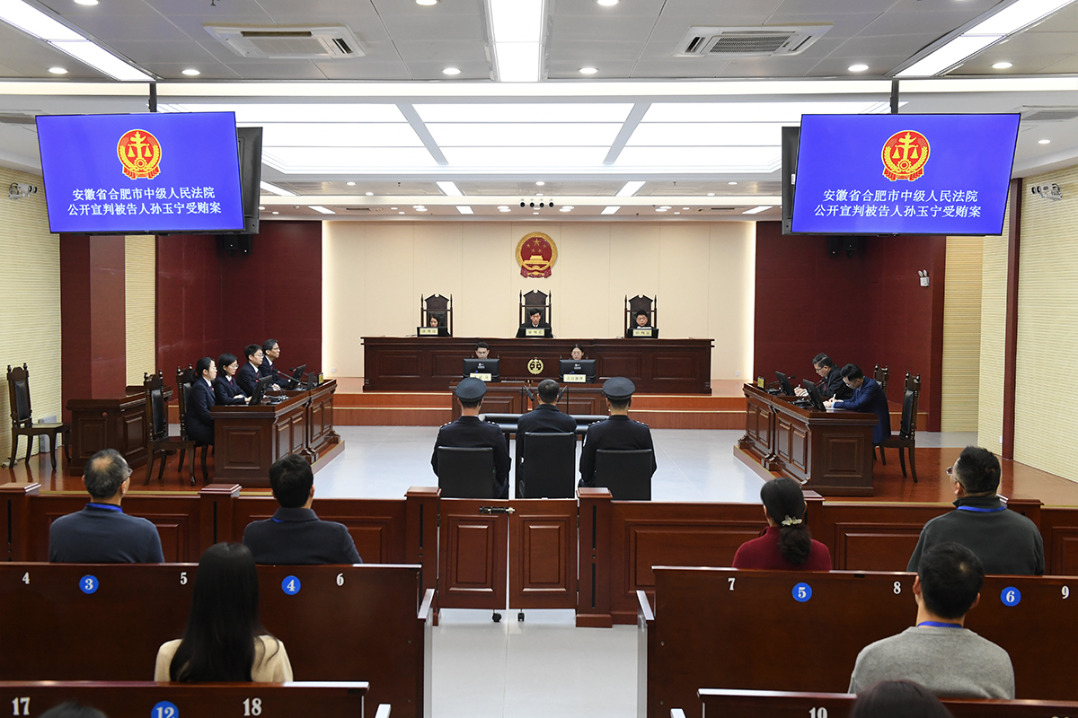
    In a significant ruling against corruption, the Hefei Intermediate People’s Court has sentenced Sun Yuning, former deputy director of China’s General Administration of Customs, to 13 years imprisonment for bribery offenses. The verdict delivered on Wednesday includes an additional fine of 4 million yuan ($566,300) and mandates that all illicit assets be confiscated by the state treasury.

    The court established that between 2005 and 2024, Sun systematically exploited his influential positions across multiple customs administrations to provide unlawful advantages to various corporations and individuals. His corrupt activities spanned business operations, project contracts, and personnel promotions during his tenures as senior official in Changchun, Manzhouli, Zhengzhou, and Dalian Customs before his promotion to the national administration.

    Evidence presented during the September 2024 trial revealed Sun accepted bribes exceeding 50.72 million yuan, either directly or through intermediaries. The court characterized the case as involving “an extraordinarily large sum” but acknowledged several mitigating factors including partial restitution of illegal gains, voluntary disclosure of previously unknown offenses, and cooperative conduct throughout judicial proceedings.

    Sun, 60, who joined the Communist Party of China in 1988, spent his entire career in customs services before his dramatic fall from grace. His investigation began in September 2024 for “serious violations of Party discipline and national laws,” resulting in immediate dismissal from office. By March 2025, he faced formal expulsion from the Party and subsequent arrest approval by the Supreme People’s Procuratorate.

  • Trump veers off-script and does little to calm Republican nerves

    Trump veers off-script and does little to calm Republican nerves

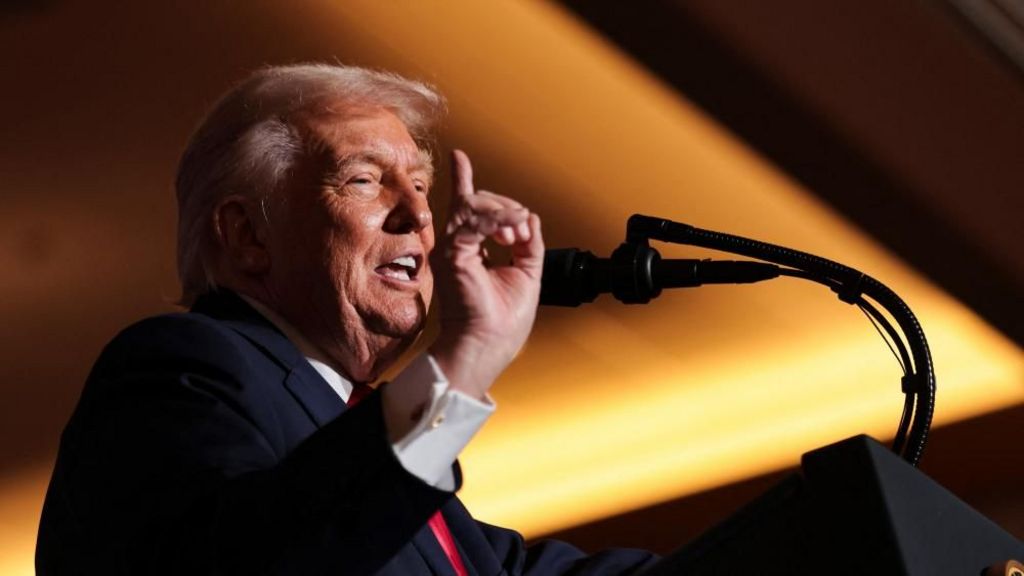
    In a highly anticipated campaign rally in Pennsylvania on Tuesday evening, former President Donald Trump delivered a characteristically wide-ranging 90-minute address that notably diverged from his advisors’ intended economic focus. Despite expectations from Republican officials and White House aides for a disciplined message countering Democratic attacks on economic issues, Trump embarked on extensive rhetorical tangents covering immigration, wind energy, golfing, and foreign policy concerns.

    The event, marking Trump’s return to the campaign trail in a crucial battleground state, was strategically planned to address voter concerns about affordability and living costs. Trump did present economic data comparing current indicators with those during the Biden administration, highlighting reductions in gas prices, interest rates, and inflation alongside increased wage growth. However, these economic points were overshadowed by inflammatory remarks about immigration and foreign nations.

    Trump openly defied his advisors’ instructions, acknowledging that Chief of Staff Susie Wiles (whom he referred to as ‘Susie Trump’) had urged him to maintain economic focus. ‘I haven’t read practically anything off the stupid teleprompter,’ Trump declared approximately one hour into his speech.

    The former president’s most controversial comments targeted immigration from specific nations, including explicit confirmation of previously reported 2018 remarks describing Haiti and African countries as ‘shithole countries.’ He specifically criticized Somalia as ‘about the worst country in the world’ and directed derogatory comments toward Democratic Congresswoman Ilhan Omar, a naturalized U.S. citizen of Somali descent, mocking her traditional headwear and calling for her expulsion from the country.

    These remarks, combined with renewed threats of military action against Venezuela, effectively shifted attention from economic messaging to inflammatory rhetoric that provided fresh ammunition to Democratic critics. Polling data suggests Trump’s optimistic economic assessment may not align with public perception, with approximately half of voters reporting the cost of living represents the worst financial pressure they’ve experienced.

    Political analysts note that Trump’s diversion from scripted economic messaging presents challenges for Republican candidates in upcoming midterm elections, potentially undermining efforts to address voter concerns about economic issues directly. The rally demonstrated Trump’s continued preference for improvisational speaking style and controversial statements, despite advisors’ attempts to maintain message discipline.

  • Elderly Russian fan praises Chinese team at WTT Hong Kong

    Elderly Russian fan praises Chinese team at WTT Hong Kong

    HONG KONG – Amidst the electrifying atmosphere of the World Table Tennis (WTT) Finals at the Hong Kong Coliseum, a seasoned spectator from Moscow became an unexpected highlight of the event’s opening day on Wednesday. The elderly Russian fan, whose passion for the sport was evident, directed profound praise towards the Chinese national table tennis team, attributing their global supremacy to a culture of exceptional dedication.

    While acknowledging the universal presence of talent across international competitors, the Muscovite spectator emphasized a distinct characteristic of the Chinese squad. “What truly sets them apart is their unparalleled work ethic and profound love for hard training,” he observed during the competition’s opening sessions. “This unwavering commitment to excellence is the fundamental reason they consistently remain the Number One team in the world.”

    The spectator’s comments resonated with many attendees and echoed the sentiments of table tennis analysts who frequently cite China’s systematic training programs and intense discipline as the bedrock of their sustained success. The tournament, which gathers the world’s elite players, serves as a showcase for the sport’s highest level of competition, where China’s team is once again the favorite to claim multiple titles.

    This unsolicited international endorsement from a veteran fan underscores the widespread respect China’s table tennis program commands globally, transcending national rivalries and highlighting the sport’s unique ability to foster cross-cultural admiration.

  • Ukraine at critical moment, European leaders say after Trump call

    Ukraine at critical moment, European leaders say after Trump call

    Top European leaders have committed to intensifying diplomatic efforts following a pivotal 45-minute phone conversation with U.S. President Donald Trump regarding a proposed peace plan for the Russia-Ukraine conflict. The discussion, initiated by American officials on Wednesday, brought together UK Prime Minister Keir Starmer, French President Emmanuel Macron, and German Chancellor Friedrich Merz, who collectively characterized this juncture as critical for Ukraine’s future and Euro-Atlantic security.

    The dialogue occurred amidst heightened tensions following Trump’s recent comments criticizing European allies as ‘weak’ and suggesting potential reductions in U.S. support for Ukraine. In a Politico interview published Tuesday, the American president further claimed Ukraine was ‘using war’ to avoid elections—a statement that prompted President Volodymyr Zelensky to publicly declare his readiness for electoral processes.

    According to sources familiar with the negotiations, progress is gradually being made toward a potential agreement, though significant complexities remain. The most contentious issue centers on territorial concessions, particularly whether Kyiv could reasonably be expected to surrender land currently occupied by Russian forces. This aligns with the longstanding British position that decisions about Ukraine must ultimately be made by Ukraine itself.

    European governments are reportedly conveying this perspective to Washington while simultaneously acknowledging Trump’s commitment to ending the conflict. Behind the scenes, National Security Advisers from across Europe, including the UK’s Jonathan Powell, are maintaining regular contact with Ukrainian officials, with summaries of these discussions being shared with American counterparts.

    The diplomatic push comes as Russian forces continue their gradual advance in southeastern Ukraine despite sustaining heavy casualties. Kremlin spokesman Dmitry Peskov noted that Trump’s statements regarding Ukraine’s need to concede territory and NATO membership restrictions ‘align with our understanding,’ highlighting the geopolitical divisions complicating negotiations.

    Zelensky, currently engaged in a European diplomatic tour, faces mounting pressure from the U.S. administration to accept a peace deal that would involve territorial compromises. The Ukrainian leader has consistently rejected such concessions, instead advocating for an immediate ceasefire and robust security guarantees against future Russian aggression. His government is simultaneously working to prevent European allies from supporting an agreement that might leave Ukraine vulnerable to subsequent attacks.

    Meanwhile, Putin has reiterated demands for complete Ukrainian withdrawal from the Donbas region, dismissing any potential compromises. As diplomatic efforts intensify, all parties acknowledge the delicate balance between achieving peace and preserving Ukrainian sovereignty in any potential settlement.

  • BBC training tells staff not to criticise Zionists

    BBC training tells staff not to criticise Zionists

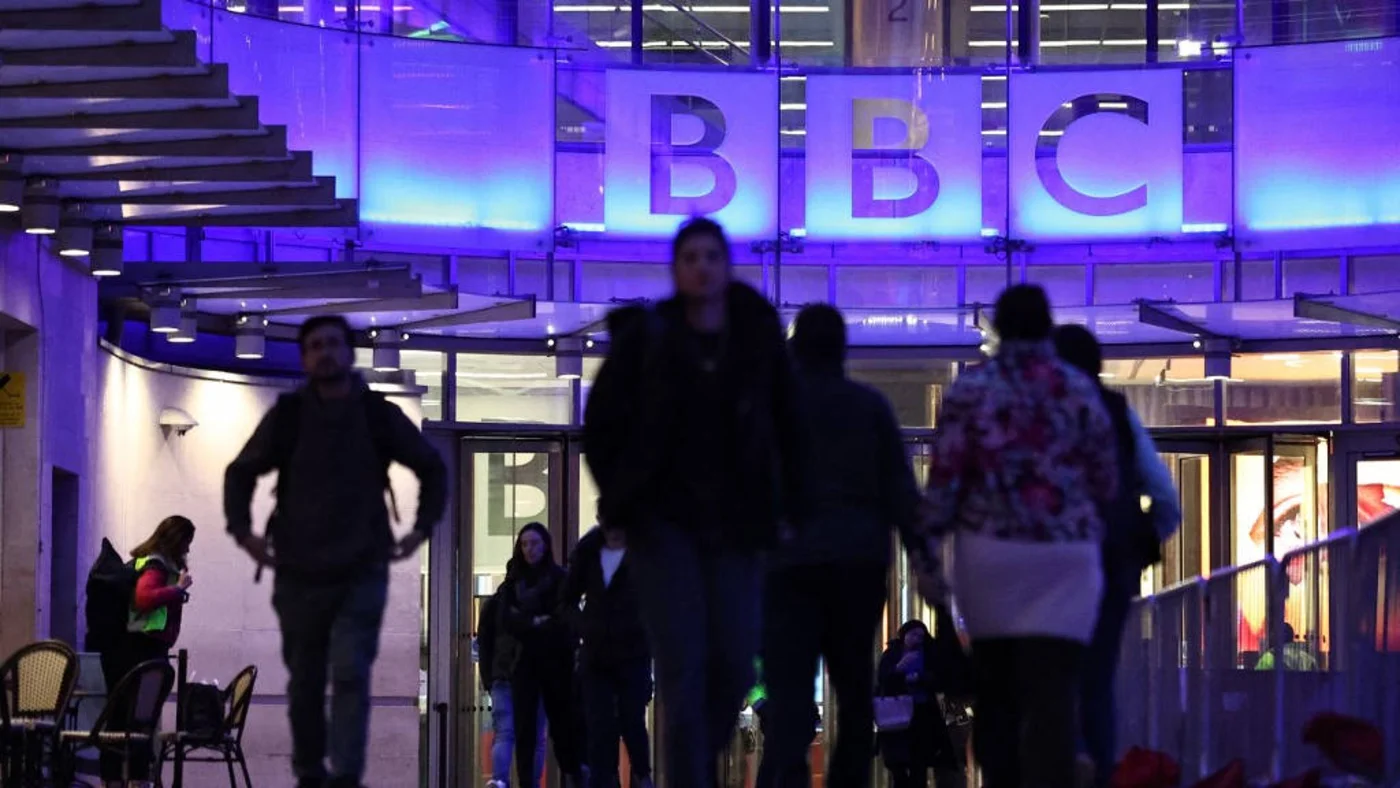
    The BBC has introduced a comprehensive antisemitism training program for its staff, developed in collaboration with the Jewish Staff Network, the Antisemitism Policy Trust, and the Community Security Trust (CST). The training explicitly advises that individuals who “have no intention to offend Jewish people” should avoid criticizing “Zionists” and instead direct their criticism toward “the Israeli government.” This guidance is based on the premise that antisemites frequently use the term “Zionist” as a coded reference to Jews, whether in Israel or elsewhere.

    The training incorporates the controversial International Holocaust Remembrance Alliance (IHRA) definition of antisemitism, which the British government has adopted. This definition includes classifying the characterization of Israel’s existence as a “racist endeavor” as potentially antisemitic. However, legal experts have warned that this approach might lead to a “curtailment of debate” by conflating antisemitism with anti-Zionism or criticism of historical events surrounding Israel’s establishment in 1948 and the displacement of Palestinians.

    The initiative has emerged amid ongoing controversies regarding the BBC’s coverage of Israel and Gaza. A recent study by the Centre for Media Monitoring (CFMM) alleged systemic bias in the BBC’s reporting, claiming that Israeli deaths receive 33 times more coverage than Palestinian casualties. The broadcaster has also faced criticism for withdrawing documentaries focused on Gaza, including “Gaza: How To Survive a Warzone,” following pressure from pro-Israel advocacy groups.

    Outgoing Director General Tim Davie emphasized the BBC’s commitment to inclusivity and anti-discrimination in a December staff email, stating that the organization “stands united against any form of discrimination, prejudice, or intolerance.” In addition to the antisemitism module, an Islamophobia training component is scheduled for release in February.

    The development occurs against a backdrop of heightened tensions, with the CST previously characterizing pro-Palestine marches in London as disruptive to Jewish citizens’ “peace and basic rights” and calling for their cessation. The BBC’s editorial decisions regarding Middle East coverage continue to draw scrutiny from various stakeholders advocating for balanced representation.

  • Rainstorm floods Gaza tents as UN expert slams Israel’s ‘slow genocide’

    Rainstorm floods Gaza tents as UN expert slams Israel’s ‘slow genocide’

    Torrential rainfall has plunged Gaza into a deepening humanitarian catastrophe, submerging thousands of makeshift tents and exacerbating the already desperate conditions for displaced Palestinians. The severe weather event, which commenced before dawn on Wednesday, resulted in widespread flooding across the northern regions of the Strip, with water levels reaching approximately half a meter in numerous areas.

    The devastating downpour, lasting nearly four hours, completely inundated low-lying coastal zones and exposed the critical shortage of waterproof materials. With basic protective supplies largely unavailable and those remaining on the market priced prohibitively, displaced families face increasingly dire circumstances.

    According to Gaza’s Government Media Office, approximately 300,000 tents and prefabricated housing units are urgently required to address basic shelter needs. This crisis persists despite October’s ceasefire agreement, which explicitly mandated the entry of shelter materials—a provision Israel continues to violate through its blockade of essential humanitarian supplies.

    The Civil Defence Directorate issued an urgent appeal for international intervention, emphasizing that “displaced people in the Gaza Strip are drowning in their dilapidated tents” and characterizing rescue efforts as both a “humanitarian and moral duty.”

    UN Special Rapporteur on the Right to Adequate Housing Balakrishnan Rajagopal described the situation as “extremely urgent and critical,” noting that approximately 1.5 million people currently lack access to proper shelter. Rajagopal revealed that while UNRWA has prepared shelters for approximately 1.3 million people outside Gaza, Israel systematically prevents their entry into the territory.

    The UN expert condemned Israel’s persistent violations of the ceasefire agreement, documenting at least 738 direct breaches including airstrikes, shootings, and residential demolitions since October. These actions have resulted in at least 379 fatalities while simultaneously restricting humanitarian aid to insufficient levels that exclude essential shelter, food, and medical items.

    Rajagopal characterized the systematic obstruction of aid as a form of “slow genocide,” expressing unprecedented concern about the “level of cruelty and suffering” exceeding that witnessed in other conflicts. Meteorological forecasts indicate continued adverse weather conditions throughout Palestine until Friday, with additional heavy rainfall, flash floods, and strong winds anticipated.

  • US State Department changes official font in latest anti-diversity move

    US State Department changes official font in latest anti-diversity move

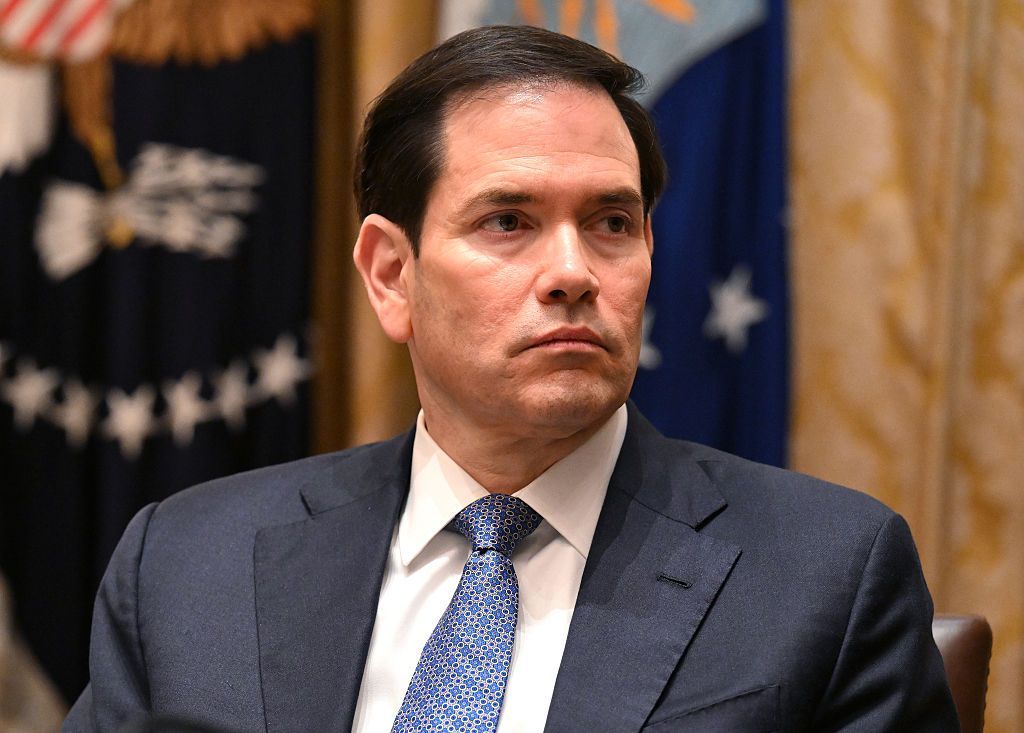
    In a significant policy reversal, U.S. Secretary of State Marco Rubio has mandated the State Department to abandon the Calibri font and return to using Times New Roman for all official documents. This decision overturns a previous directive implemented during the Biden administration under Secretary Antony Blinken, who had introduced Calibri to enhance accessibility for individuals with disabilities.

    The new font policy, effective December 10th, applies to both internal communications and external documents. Secretary Rubio justified the reversal as necessary to maintain ‘formality and professionalism’ in governmental correspondence. This change aligns with the Trump administration’s broader objective to present a unified, professional voice across all federal communications.

    Times New Roman, a traditional serif font characterized by small lines extending from letters, has long been standard in legal, legislative, and official government documents. In contrast, Calibri is a sans serif font without these embellishments, specifically designed for improved digital screen legibility, particularly benefiting those with visual impairments or reading difficulties.

    Dutch typeface designer Lucas de Groot, creator of Calibri, expressed mixed reactions to the policy shift, describing it as both ‘sad and hilarious.’ He noted that Calibri was originally developed to replace Times New Roman specifically for its superior performance on modern computer screens.

    According to an internal department cable obtained by Reuters, Secretary Rubio characterized the previous administration’s font choice as part of ‘wasteful’ diversity initiatives. This font policy change represents the latest in a series of actions by the Trump administration to eliminate diversity, equity, and inclusion programs across federal agencies, including recent decisions to alter free admission days at national parks.

  • Shanghai Disney Resort unveils flexible ticket refund policy

    Shanghai Disney Resort unveils flexible ticket refund policy

    Shanghai Disney Resort has announced a significant overhaul of its ticket refund policy, transitioning from its current no-refund approach to a structured tiered system effective January 12, 2026. The updated policy introduces refund flexibility for standard-priced tickets purchased through official channels, marking a substantial shift in the resort’s visitor accommodation strategy.

    Under the new guidelines, guests will receive full refunds when canceling reservations at least seven days prior to their scheduled visit. For cancellations occurring between six days and one day before the planned visit date, an 80-yuan (approximately $11.30) service fee will be deducted per ticket. The policy maintains that no refunds will be processed on or after the scheduled visit date.

    The resort management stated that this policy revision aims to provide enhanced flexibility and convenience for visitors, allowing them to better manage unexpected changes to travel itineraries. The updated system applies to both one-day and two-day standard-priced tickets, including Disney Dream Day packages. For multi-day tickets, refund eligibility will be determined based on the first day of the planned visit.

    To facilitate the new refund process, the resort has established dual processing channels. Guests can initiate refunds through the resort’s digital platforms or seek assistance via the reservation center before their scheduled visit date. The policy also addresses supplementary products, allowing complimentary cancellation of additional services such as early park entry passes or Disney Premier Access purchased alongside refunded tickets.

    Important limitations apply to promotional tickets and previously modified reservations, which will remain ineligible for refunds. The policy covers tickets purchased through direct channels including the resort’s website, mobile application, official WeChat account, reservation center, and authorized flagship stores on major Chinese e-commerce platforms including Douyin, JD.com, and Fliggy. Visitors who purchased through authorized third-party partners are advised to consult their original point of purchase regarding applicable refund policies.

  • Iceland becomes fifth country to boycott Eurovision

    Iceland becomes fifth country to boycott Eurovision

    Iceland has become the fifth European nation to formally withdraw from the 2026 Eurovision Song Contest, joining Spain, Ireland, Slovenia, and the Netherlands in protest of Israel’s confirmed participation. The Icelandic National Broadcasting Service (RÚV) announced its decision following a board meeting on Wednesday, just hours before the official deadline for countries to confirm their involvement in what was intended to be a celebratory 70th anniversary edition of the competition.

    The broadcaster stated that the participation of Israeli national broadcaster KAN has ‘created disunity among both members of the European Broadcasting Union (EBU) and the general public.’ While acknowledging that new measures approved at last week’s EBU summit address some concerns about voting integrity, RÚV expressed doubts about whether these adjustments would be ‘fully satisfactory.’

    The decision comes amid ongoing tensions surrounding Israel’s presence at Eurovision due to the war in Gaza and concerns about voting processes, including allegations that Israel’s government attempted to influence public voting during the 2025 contest. RÚV revealed it had repeatedly raised concerns that various Icelandic stakeholders, including artist associations and the general public, opposed participation.

    Public opinion in Iceland and reactions to the EBU summit indicate that the country’s participation would ‘neither be a source of joy nor peace,’ according to the broadcaster’s statement. RÚV had previously requested the EBU exclude KAN from the contest based on precedents, calling it ‘a complex matter which has already damaged the contest’s reputation.’

    Meanwhile, KAN chief executive Golan Yochpaz criticized the boycott efforts, characterizing them as ‘a cultural boycott’ that could set a dangerous precedent. ‘A boycott may begin today with Israel, but no one knows where it will end or who else it may harm,’ he stated during a meeting last week.

    The 2026 contest is scheduled to take place in Vienna next May following Austrian singer JJ’s victory in the 2025 competition. Israel has participated in Eurovision since 1973, winning four times including most recently in 2018, and placing second in the 2025 contest.