作者: admin

  • RSF commander linked by BBC Verify to Sudan massacre sanctioned in UK

    RSF commander linked by BBC Verify to Sudan massacre sanctioned in UK

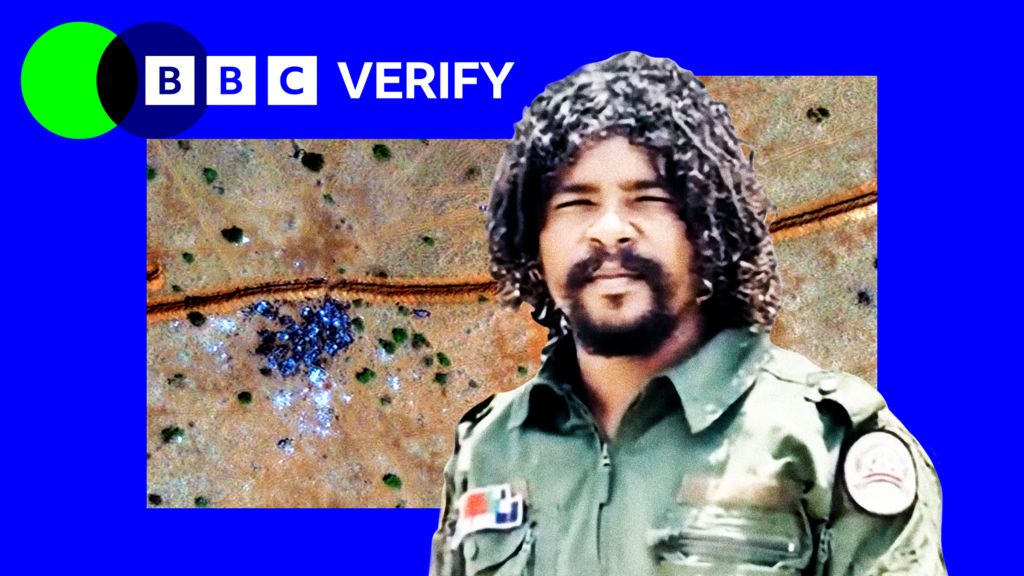
    The United Kingdom has imposed severe sanctions on Brigadier General Al-Fateh Abdullah Idris, a Sudanese paramilitary commander widely known as Abu Lulu, following a BBC Verify investigation that exposed his direct involvement in the el-Fasher massacre. Video evidence confirmed by BBC Verify shows Abu Lulu executing at least ten unarmed captives with an assault rifle following the Rapid Support Forces’ (RSF) capture of the city in late October.

    The UK Foreign Office has additionally sanctioned three other high-ranking RSF commanders: deputy leader Abdul Rahim Hamdan Dagalo (already under EU sanctions), Gedo Hamdan Ahmed, and Tijani Ibrahim Moussa Mohamed. These individuals stand accused of orchestrating ‘heinous’ acts including mass killings, systematic sexual violence, and deliberate targeting of civilians. All face comprehensive travel bans and asset freezes.

    UK Foreign Secretary Yvette Cooper condemned the atrocities in Sudan as ‘a scar on the conscience of the world,’ vowing that such crimes ‘cannot, and will not, go unpunished.’ The sanctions announcement coincided with a £21 million aid package for civilians affected by the conflict, providing essential food, shelter, and medical services.

    The el-Fasher massacre represents one of the most brutal chapters in Sudan’s ongoing civil war, which erupted over two years ago following the collapse of the fragile ruling coalition between the RSF and the national army. The conflict has resulted in hundreds of thousands of deaths and displaced millions. El-Fasher, the army’s final major stronghold in Darfur—the RSF’s traditional operational base—endured a protracted siege characterized by extreme brutality. BBC Verify documented RSF tactics including detention and torture of supply smugglers and construction of massive sand barriers to prevent civilian escape.

    Satellite imagery from Yale University’s Humanitarian Research Lab revealed piles of bodies and mass graves throughout el-Fasher following the RSF takeover. In a subsequent public relations move, RSF leader Gen Mohamed ‘Hemedti’ Dagalo acknowledged troop ‘violations’ and announced investigations. Abu Lulu was briefly shown in a staged arrest video on RSF’s Telegram channel, though his current status remains unknown. His TikTok account, previously featuring propaganda content, was removed in October following BBC Verify’s inquiries.

    The UK’s sanctions follow similar actions by the United States two days prior, targeting networks allegedly recruiting Colombian mercenaries for the Sudanese conflict. The US Treasury Department reported hundreds of Colombian fighters have joined the RSF as infantry and drone pilots since 2024. President Donald Trump recently pledged to address ‘tremendous atrocities’ in Sudan through coordinated efforts with Egypt, Saudi Arabia, and the UAE.
  • Russia hits back at Europe’s big plan to loan Moscow’s frozen cash to Ukraine

    Russia hits back at Europe’s big plan to loan Moscow’s frozen cash to Ukraine

    European Union leaders are racing against time to finalize a groundbreaking plan to utilize Russia’s frozen assets for Ukraine’s reconstruction ahead of next week’s Brussels summit. With Ukraine facing a critical budget shortfall of €135.7 billion amid ongoing military conflict, the proposed solution involves accessing €210 billion of immobilized Russian funds held within EU jurisdiction.

    The contentious proposal has sparked significant diplomatic tensions, with Moscow already initiating legal proceedings against Euroclear, the Belgian financial institution holding €185 billion of the frozen assets. Russian officials have condemned the EU’s plan as outright theft, while the Kremlin’s central bank filed a preemptive lawsuit in a Moscow court last Friday.

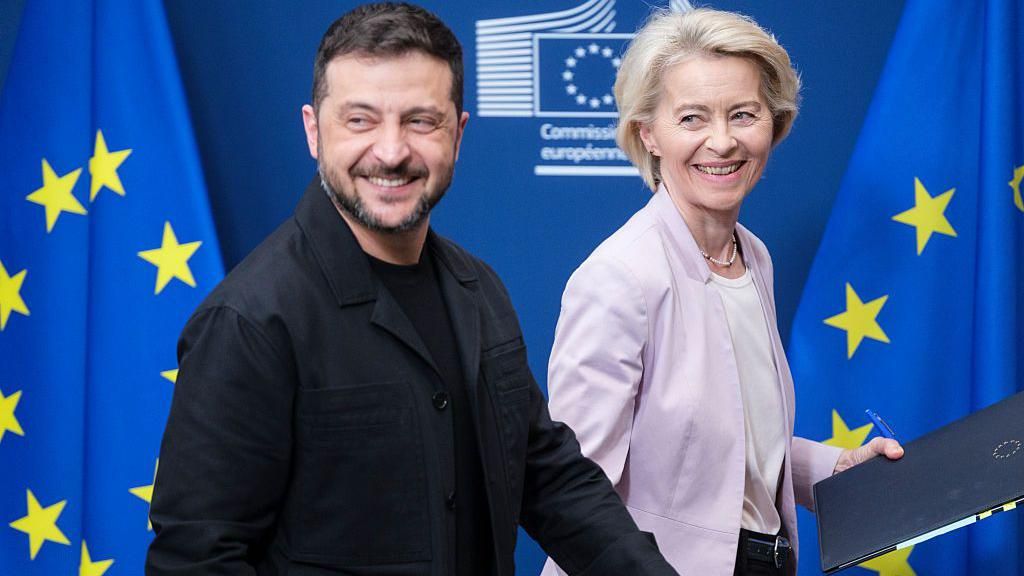
    European leaders, including German Chancellor Friedrich Merz, argue that utilizing these assets represents both moral justice and practical necessity. “It’s only fair that Russia’s frozen assets should be used to rebuild what Russia has destroyed,” Ukrainian President Volodymyr Zelensky stated, echoing the position of many EU member states.

    However, Belgium has emerged as a cautious voice, expressing serious concerns about potential financial repercussions. Prime Minister Bart de Wever has demanded comprehensive guarantees before endorsing the plan, fearing his nation could bear unsustainable liability given that Euroclear’s holdings represent nearly one-third of Belgium’s GDP. Financial law expert Professor Veerle Colaert warns that concentrating such massive exposure violates fundamental banking principles and could destabilize the entire financial system.

    The EU has developed a two-pronged approach: either raising capital markets funds backed by EU budget guarantees or directly loaning cash from matured Russian assets held at Euroclear. The latter option has gained traction as international military aid to Ukraine has dramatically decreased in 2025, particularly after the United States substantially reduced funding under the Trump administration.

    In a significant development, EU ambassadors are expected to approve indefinite freezing of Russian central bank assets using emergency powers under Article 122 of the EU Treaties. This move would eliminate the previous requirement for unanimous six-month renewals and create a more stable legal foundation for the reconstruction plan.

    Meanwhile, concerns persist about competing proposals from the United States regarding how to utilize the frozen assets, with early drafts of US peace plans suggesting different allocation formulas that could reduce European control over the funds.

  • Attacks by insurgents in Mozambique are compounding a displacement crisis, especially for children

    Attacks by insurgents in Mozambique are compounding a displacement crisis, especially for children

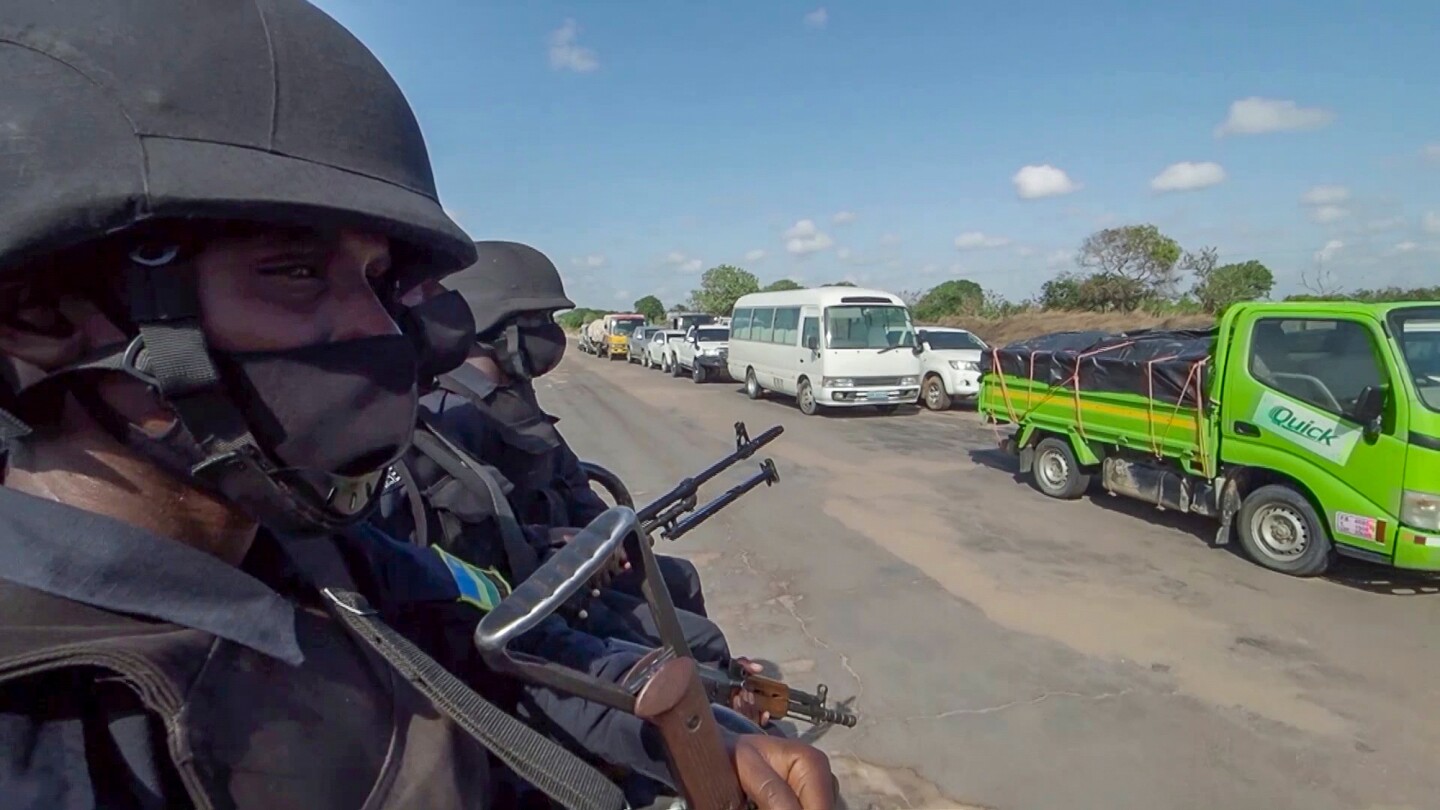
    A severe humanitarian emergency is unfolding in northern Mozambique as Islamic State-affiliated militants intensify their violent campaign, creating a massive displacement crisis with particularly devastating consequences for children. Recent weeks have witnessed a surge in attacks characterized by extreme brutality, including civilian beheadings, village burnings, and systematic targeting of communities across multiple provinces.

    The United Nations reports that November alone saw more than 100,000 people forcibly displaced from their homes, with approximately 70,000 being children according to UNICEF estimates. Many children have become separated from their families during the chaos, with some undertaking perilous journeys of five to six days alone to reach safety.

    This latest wave of displacement adds to an already catastrophic situation, bringing the total number of displaced persons to approximately 1.3 million since the insurgency began in 2017 in Cabo Delgado province. The militant group, identified as Islamic State-Mozambique by U.S. intelligence assessments, operates as an autonomous branch of the global terrorist network with an estimated 300 fighters seeking to impose sharia law.

    The insurgency gained international attention in 2021 when militants launched a sustained assault on the coastal town of Palma, resulting in numerous casualties and forcing French energy conglomerate Total to suspend a landmark $20 billion liquefied natural gas project—a crucial development initiative for Mozambique’s economy that is believed to have been a primary target.

    While initially concentrated in Cabo Delgado, the conflict has now expanded into neighboring Nampula and Niassa provinces, creating a broader regional security challenge. According to data from Armed Conflict Location and Event Data, the violence has claimed over 6,300 lives, including 2,700 civilians.

    Humanitarian organizations describe a system pushed to its absolute limits, with inadequate resources to address the overwhelming needs for food, water, shelter, and healthcare. Compounding the crisis, northern Mozambique faces additional environmental challenges including cyclones from the Indian Ocean—four of which have struck in the past year—following a severe drought in 2024.

    UN officials characterize the situation as reaching a ‘breaking point,’ with children comprising 67% of the displaced population and facing particular vulnerabilities including abduction, recruitment by militants, gender-based violence, and severe psychological trauma. Despite ongoing military assistance from Rwanda, the Mozambican government has struggled to contain the insurgency, leaving countless civilians in desperate circumstances with limited prospects for safety or stability.

  • Danish intelligence report warns of US military threat under Trump

    Danish intelligence report warns of US military threat under Trump

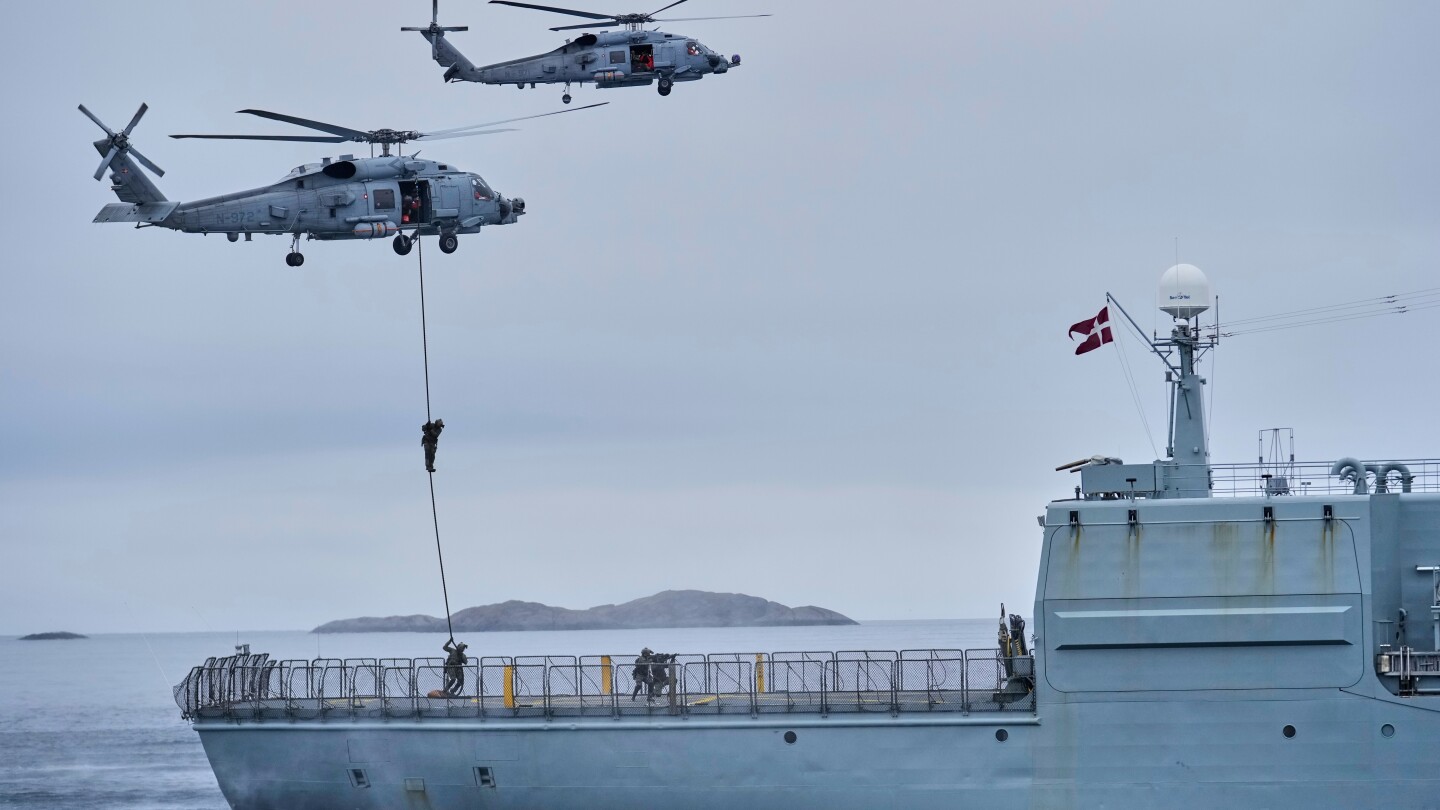
    COPENHAGEN (AP) — Denmark’s Defense Intelligence Service has issued a stark assessment of shifting global power dynamics in its latest annual report, highlighting the United States’ increasingly assertive use of economic leverage and military threats under the Trump administration. The comprehensive analysis details how Washington’s unilateral approach is reshaping international relations with both allies and adversaries.

    The report identifies growing great power competition in the Arctic as particularly concerning for Denmark, a NATO and EU member. This regional tension has intensified since President Trump expressed interest in acquiring Greenland, Denmark’s mineral-rich semi-autonomous territory—a proposition strongly opposed by Russia and European nations. The assessment notes that Russia is simultaneously strengthening its military capabilities in response to NATO’s Arctic activities.

    This analysis aligns with the Trump administration’s recently released national security strategy, which characterizes European allies as weak while emphasizing America’s renewed dominance in the Western Hemisphere. The Danish intelligence service observes that this approach has created uncertainty among global partners, with many nations now considering strategic agreements with China as a viable alternative to American partnerships.

    The report further notes that the United States has demonstrated willingness to employ military force against allies, citing Trump’s refusal to rule out military action in Greenland despite the existing U.S. military presence there. Additionally, the administration’s deadly strikes against alleged drug-smuggling vessels in the Caribbean and Pacific have raised concerns about adherence to international law.

    This strategic shift has created opportunities for regional powers to maneuver between American and Chinese influence, fundamentally altering the global balance of power and challenging Western hegemony.

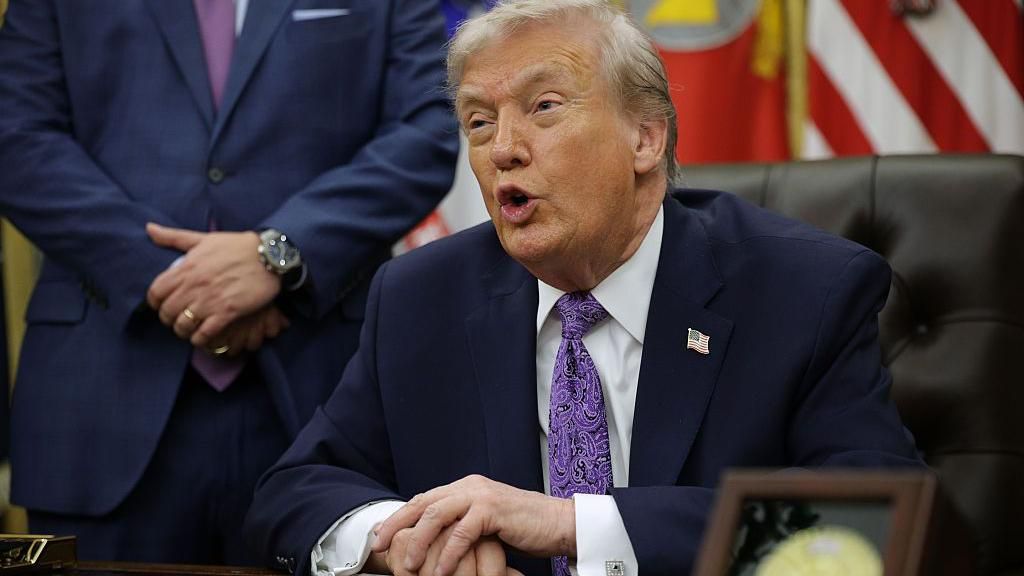
  • Trump says he will pardon jailed elections clerk, but state officials say he cannot

    Trump says he will pardon jailed elections clerk, but state officials say he cannot

    In a controversial move testing constitutional boundaries, President Donald Trump has extended a presidential pardon to Tina Peters, the former Mesa County, Colorado elections clerk currently serving a nine-year prison sentence. Peters was convicted in 2024 on seven state-level charges, including three counts of attempting to influence a public servant and one count of conspiracy to commit criminal impersonation related to unauthorized access to voting systems during the 2020 presidential election.

    The pardon declaration, announced via Trump’s Truth Social platform, immediately triggered strong constitutional challenges from Colorado officials. State Attorney General Phil Weiser asserted that the presidential pardon power, widely understood to apply exclusively to federal crimes, holds no legal precedent for state-level convictions and ‘will not hold up’ under judicial scrutiny.

    Trump defended his action by characterizing Peters as ‘a Patriot who simply wanted to make sure that our Elections were Fair and Honest’—echoing his longstanding but unsubstantiated claims of widespread voter fraud in the 2020 election. The case has become a rallying point within election conspiracy circles, with numerous campaigns advocating for Peters’ release.

    Colorado Secretary of State Jena Griswold condemned the move as ‘an assault not just on our democracy, but on states’ rights and the American constitution.’ Legal experts note this represents another expansion of Trump’s pardon authority since he returned to office in January 2025, following previous controversial pardons for associates including former chief of staff Mark Meadows and former personal attorney Rudy Giuliani.

    The constitutional confrontation highlights tensions between state sovereignty and federal executive power, with Colorado officials emphasizing that states maintain independent authority over their criminal justice systems without federal interference—a principle they argue is fundamental to America’s constitutional framework.

  • Germany accuses Russia of 2024 cyber-attack and disinformation

    Germany accuses Russia of 2024 cyber-attack and disinformation

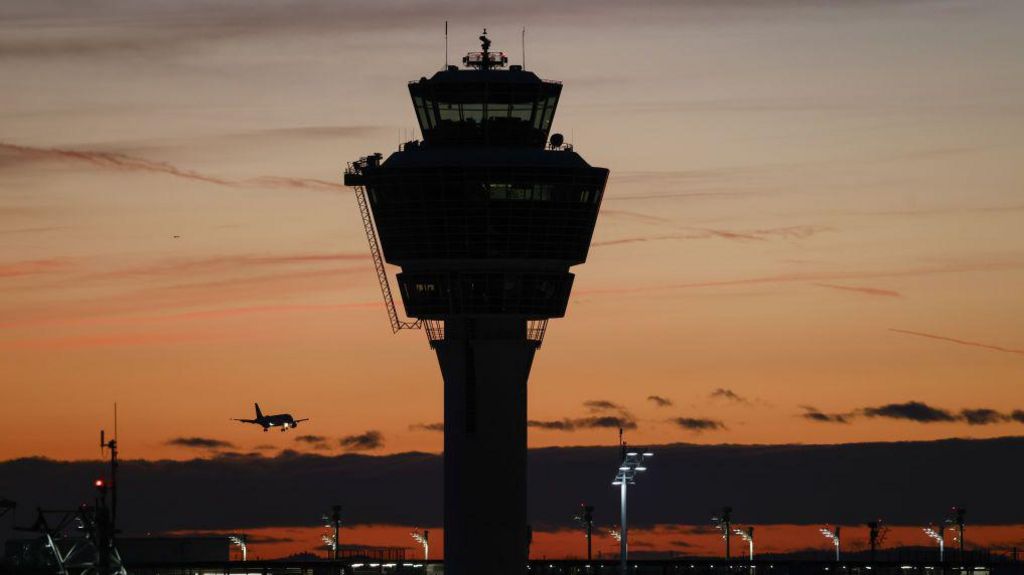
    The German government has formally accused Russian military intelligence of orchestrating a sophisticated cyber-attack against the nation’s air traffic control systems while simultaneously conducting a disinformation campaign to undermine its democratic processes. In an unprecedented diplomatic move, German officials summoned the Russian ambassador to address what they term “hybrid actions” requiring substantial countermeasures.

    According to a foreign ministry spokesperson, the August 2024 cyber-incident targeting Germany’s aviation infrastructure has been conclusively attributed to the GRU, Russia’s military intelligence service. The sophisticated attack, allegedly executed by the notorious hacker collective Fancy Bear, represents one of the most serious digital assaults on critical German infrastructure to date.

    Beyond the aviation sector breach, German authorities presented evidence of a coordinated Russian influence operation dubbed “Storm 1516” designed to destabilize both the February federal election and ongoing internal affairs. The campaign specifically targeted leading political figures including Green Party’s Robert Habeck and CDU’s Friedrich Merz, who currently serves as chancellor.

    Security agencies identified fabricated videos circulating days before the election that falsely alleged systematic ballot manipulation. These materials formed part of a broader psychological operation intended to erode public trust in Germany’s electoral integrity.

    The Fancy Bear group, previously implicated in the World Anti-Doping Agency data breach and the 2016 cyber-attack on the US Democratic National Committee, continues to operate as a persistent threat to Western democracies. German officials emphasized their commitment to coordinated European response measures intended to make Russia “pay a price” for its destabilizing activities.

    These allegations emerge amidst escalating concerns across Europe regarding suspected Russian cyber-operations, particularly since the full-scale invasion of Ukraine in 2022. While Moscow has consistently denied previous European allegations of sabotage and hybrid warfare, the current charges represent one of the most specific and well-documented accusations to date.

  • Disguises, freezing waves, and a special forces veteran: Inside rescue to sneak Nobel winner out of Venezuela

    Disguises, freezing waves, and a special forces veteran: Inside rescue to sneak Nobel winner out of Venezuela

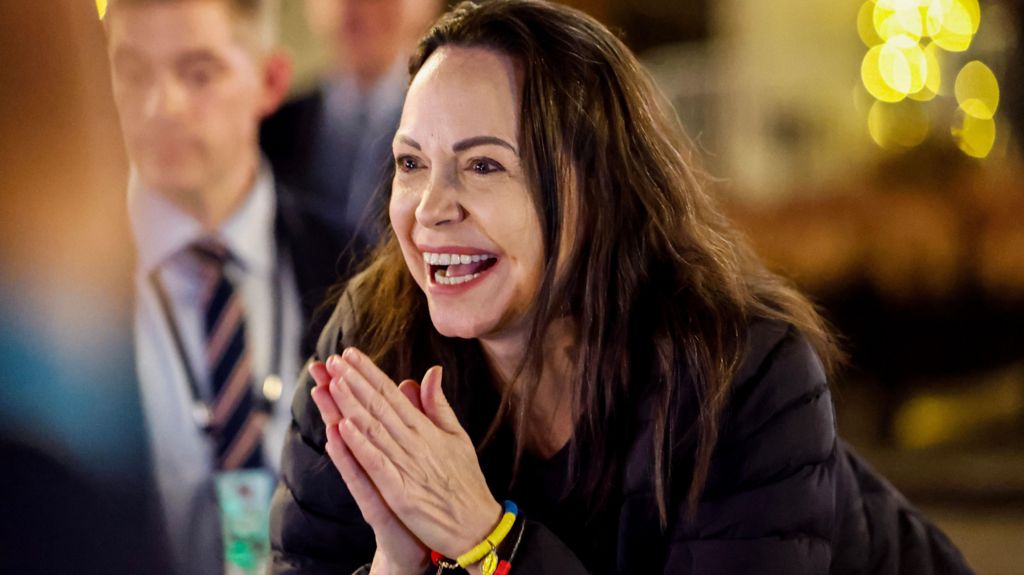
    In a daring clandestine operation codenamed ‘Golden Dynamite,’ Venezuelan opposition leader and Nobel Peace Prize laureate María Corina Machado was successfully extracted from her homeland under perilous conditions. The meticulously planned rescue, orchestrated by U.S. special forces veteran Bryan Stern through his Grey Bull Rescue Foundation, involved a treacherous maritime escape through rough seas under cover of darkness.

    The operation commenced with Machado’s discreet transfer from her safe house to a coastal extraction point. Utilizing a two-boat system for evasion, the team navigated 10-foot waves in pitch-black conditions, employing flashlights for covert communication. Stern emphasized the extreme danger of the mission, noting that mechanical failure would have meant ‘swimming back to Venezuela.’

    Throughout the journey, sophisticated measures were implemented to conceal Machado’s identity, including physical disguises and digital security protocols to counter biometric surveillance threats. Despite enduring freezing temperatures and complete saturation, the opposition leader maintained remarkable composure, described by Stern as ‘formidable’ without a single complaint.

    The successful extraction enabled Machado’s timely arrival in Oslo to accept her Nobel Peace Prize, where she was reunited with her children after two years of separation. The operation was privately funded through donors rather than governmental support, though Stern acknowledged informal coordination with multiple nations’ intelligence services.

    This rescue occurs against escalating geopolitical tensions, with the U.S. increasing pressure on President Maduro’s administration. Stern expressed grave concerns about Machado’s potential return to Venezuela, advising against it despite recognizing her determination to continue her political struggle.

  • Inside the Colombian cathedral built 180m underground

    Inside the Colombian cathedral built 180m underground

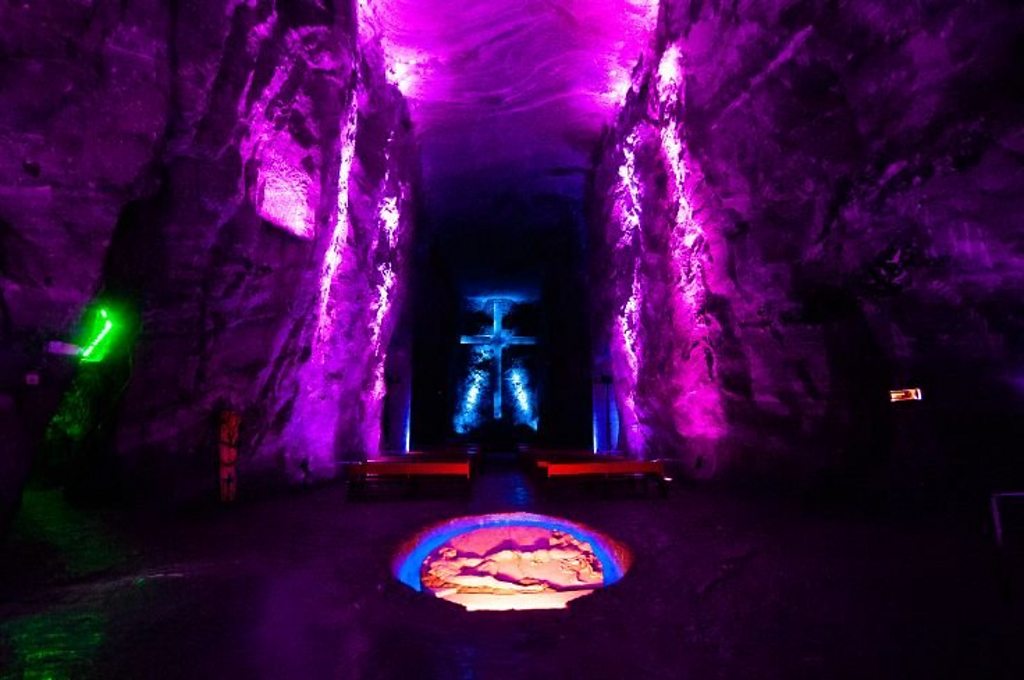
    Deep within the Colombian earth, an extraordinary architectural marvel defies conventional religious spaces. Located 180 meters (590 feet) beneath the surface, the Salt Cathedral of Zipaquirá represents one of South America’s most remarkable spiritual sanctuaries, born from the devotion of miners seeking divine protection.

    The cathedral’s origins trace back to the 1930s when miners laboring in Colombia’s extensive salt mines began creating makeshift altars within the mountain’s depths. Before commencing their perilous shifts, these workers would gather around these rudimentary shrines to offer prayers for safety and protection during their hazardous work underground.

    Over decades, this underground spiritual practice evolved from simple altars into an elaborate network of tunnels and chambers that now form a fully functional cathedral. The current structure features impressive crosses carved directly into the salt rock walls, illuminated pathways that create ethereal lighting effects, and cavernous spaces capable of accommodating thousands of worshippers simultaneously.

    This subterranean masterpiece serves dual purposes as both an active place of worship and a major tourist attraction, drawing approximately 600,000 visitors annually. The cathedral’s unique microclimate, maintained by the surrounding salt deposits, creates exceptional preservation conditions for the religious artworks and architectural elements within.

    Engineering studies confirm the structural integrity of this underground complex, with the salt rock providing natural reinforcement against seismic activity. The cathedral’s depth creates a naturally soundproof environment, enhancing the spiritual atmosphere for religious ceremonies and contemplation.

    The Salt Cathedral stands as testament to human ingenuity transforming industrial spaces into places of profound spiritual significance, demonstrating how faith can flourish even in the most unexpected environments.

  • Six players to watch at Afcon 2025

    Six players to watch at Afcon 2025

    The 35th edition of the Africa Cup of Nations (AFCON) is poised to kick off in Morocco on December 21st, culminating with the final in Rabat on January 18th. This prestigious tournament returns to North African soil for the first time since 1976, creating a compelling backdrop for both established superstars and emerging talents to showcase their abilities on the continental stage.

    Host nation Morocco enters the competition with heightened expectations but faces potential adversity as captain Achraf Hakimi, the reigning African Footballer of the Year, battles fitness concerns. Should Hakimi be unavailable, creative responsibility may fall to midfield orchestrator Azzedine Ounahi. The 25-year-old Girona playmaker, a product of Morocco’s esteemed Mohammed VI Academy, has rediscovered his exceptional form after a challenging period at Marseille, emerging as a potential linchpin for the Atlas Lions in Group A encounters against Comoros, Mali, and Zambia.

    Algeria’s attacking prospects have been significantly enhanced by the remarkable emergence of Mohamed Amoura. The Wolfsburg striker has delivered an extraordinary international scoring record with 11 goals in just eight appearances since March, establishing himself as a perfect complementary force to veteran leader Riyad Mahrez. Despite his modest stature, Amoura’s aerial prowess makes him a multifaceted threat that Group E opponents Sudan, Burkina Faso, and Equatorial Guinea must diligently contain.

    Nigeria’s championship aspirations appear intrinsically linked to the form and fitness of talismanic striker Victor Osimhen. Statistical evidence reveals the Super Eagles’ profound dependence on the Galatasaray forward, having secured merely four points from fifteen available during his absence in World Cup qualifying. Described by teammates as operating on “another level,” Osimhen’s performance will be pivotal against Group C adversaries Tanzania, Uganda, and Tunisia.

    Senegal, the 2021 champions, continue to benefit from the established excellence of Sadio Mané while integrating promising new talent. Seventeen-year-old sensation Ibrahim Mbaye has generated substantial excitement following his record-breaking debut for the Teranga Lions, becoming the nation’s youngest ever goalscorer. The Paris Saint-Germain prospect, who recently started against Barcelona in the Champions League, represents the exciting future of Senegalese football as they navigate Group D matches against Botswana, DR Congo, and Benin.

    Uganda’s return to AFCON after a six-year absence features the dynamic talents of Rogers Mato. The 22-year-old winger has demonstrated exceptional form for both club and country, scoring spectacular goals during qualification and emerging as a joint-top scorer in North Macedonia’s domestic league. His creative influence will be essential against formidable Group C opponents including Nigeria and Tunisia.

    Historical achievement marks Mozambique’s campaign, with Sunderland defender Reinildo becoming the nation’s first Premier League representative. The 31-year-old left-back’s leadership and top-flight experience provide newfound credibility to a squad seeking their first-ever knockout stage appearance against Group F powerhouses Ivory Coast, Cameroon, and Gabon.

  • Yanshiping, Xizang’s highest railway station, begins service

    Yanshiping, Xizang’s highest railway station, begins service

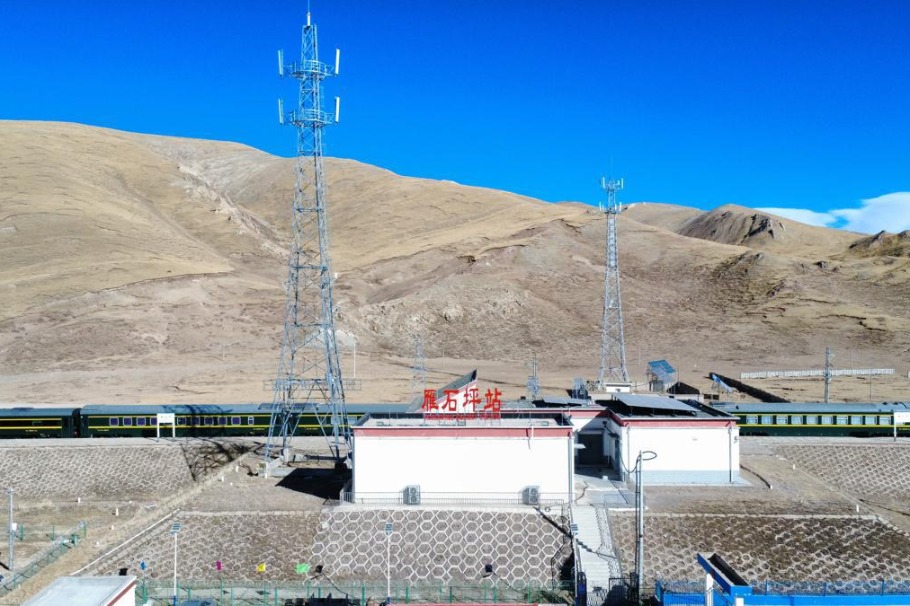
    In a landmark achievement for high-altitude railway infrastructure, Yanshiping Passenger Station officially commenced operations on Thursday in China’s Xizang Autonomous Region. Situated in Amdo County at a breathtaking elevation of 4,721 meters above sea level, the station now holds the distinction of being the highest-altitude passenger facility along the entire Qinghai-Xizang Railway network.

    The historic inaugural service commenced at 11:00 AM local time with train Z9817 departing with more than fifty passengers aboard. This momentous event marked the activation of a station that had remained dormant since the original Qinghai-Xizang Railway line became operational in 2006, representing a significant expansion of passenger services in the region.

    Yanshiping Station surpasses the previous high-altitude record holders along the railway corridor, namely Tuotuo River and Budongquan stations, both located along the critical Golmud-Lhasa section. The station’s activation demonstrates remarkable engineering prowess in overcoming extreme environmental challenges, including thin oxygen conditions and harsh weather patterns characteristic of high-altitude installations.

    The development signifies substantial progress in enhancing transportation accessibility for remote communities in the Tibetan Plateau region. By providing reliable rail connectivity at unprecedented altitudes, the new station facilitates improved mobility for local residents while potentially creating new opportunities for regional economic development and tourism infrastructure growth.

    Railway authorities have implemented specialized systems to ensure passenger safety and comfort given the extreme elevation, including oxygen supplementation facilities and emergency medical support capabilities. The station’s operational protocols have been specifically designed to address the unique challenges presented by its high-mountain environment.